Jungsik







2 Michelin Stars · World's 50 Best #87 · La Liste Top Restaurants
Our verdict
Jungsik holds two Michelin stars and sits in the upper tier of Seoul's contemporary dining scene, earning rankings on the World's 50 Best Asia list and La Liste's global index. Located in Gangnam, it applies a Korean-rooted sensibility to modern European technique, placing it in a distinct category from both traditional hansik restaurants and straightforward Western fine dining.

Pearl is the En Primeur Club membership app, where members save venues, book tables and use the concierge.
The menu
What to order
- Gimbap
- Sea urchin with kimchi
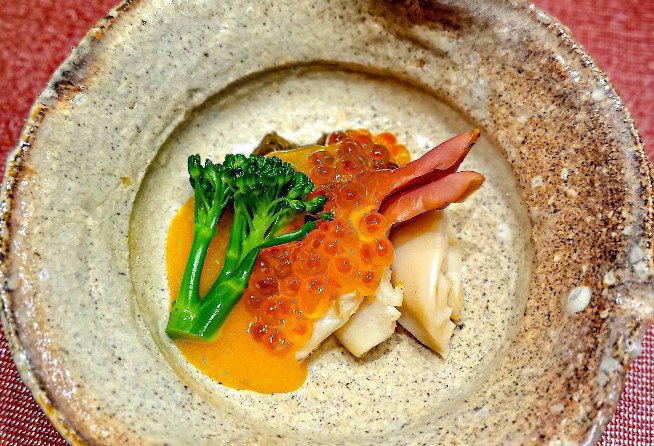
- Abalone with beurre blanc
- Dol hareubang dessert
- Branzino
Gangnam's Fine Dining Coordinates
Gangnam-gu is not Seoul's most atmospheric district in the way that Insadong or Bukchon are. It is purposeful, dense, and prosperous, a grid of corporate towers, luxury retail corridors, and residential towers that house the city's financial and creative professional class. Dining in this part of Seoul operates in a different register than the alley-restaurant culture of older neighbourhoods. Restaurants here are destinations by design: formal reservations, structured menus, and rooms built for occasion dining rather than spontaneity. Jungsik, located on Seolleung-ro, fits precisely within this context. It is the kind of address that Gangnam's dining culture has built an infrastructure to support.
That infrastructure matters. The district's concentration of private dining rooms, multi-course tasting menus, and Michelin-recognised establishments is denser than anywhere else in Seoul. Among that cohort, Jungsik occupies a position that carries weight beyond the neighbourhood: two Michelin stars held consecutively through 2023, 2024, and 2025; a ranking of #49 on the Opinionated About Dining Leading Restaurants in Asia list in 2025 (following #42 in 2024 and #47 in 2023); a position of #90 on World's 50 Best Asia's Leading Restaurants 2025; and 93.5 points from La Liste in 2025. Across four independent ranking systems, the consistency is notable. Few restaurants in Seoul appear on all of them simultaneously.
Where Contemporary Korean Fine Dining Sits in 2025
Seoul's contemporary restaurant scene has, over the past decade, split into recognisable sub-categories. One group works from traditional Korean culinary frameworks, hansik technique, fermentation heritage, seasonal temple influences, and refines them within a formal dining structure. Gaon and Kwon Sook Soo occupy this space, where the cultural anchor is Korean and the modernisation is applied with restraint. A second group works from European fine dining structures and incorporates Korean ingredients or references at varying depths. A third group, smaller and more contested, attempts synthesis: not Korean food made more formal, and not European food given Korean accents, but a genuinely merged approach where neither tradition is subordinate.
Jungsik, under Chef Jungsik Yim, operates in that third category. The restaurant applies European culinary architecture, composed courses, classical sauce technique, formal plating discipline, while drawing from Korean ingredient culture and flavour logic. The result is a cuisine that doesn't read as fusion in the diluted sense of that word. It reads as a position: the argument that Korean and European fine dining can share a grammar without either losing coherence. Whether that argument convinces depends on the specific execution, and the sustained award presence across multiple independent systems suggests it does so consistently.
Peer context is useful here. At the ₩₩₩₩ price tier in Seoul's contemporary segment, the competition includes Eatanic Garden and Solbam, both Michelin one-star operations. Restaurant Allen and Exquisine represent the more overtly European-rooted end of the contemporary spectrum. Goryori Ken approaches the Korean-Japanese boundary from a different angle. Among this cohort, Jungsik's two-star standing and multi-index presence set it apart in terms of accumulated institutional recognition.
The Room, the Format, the Register
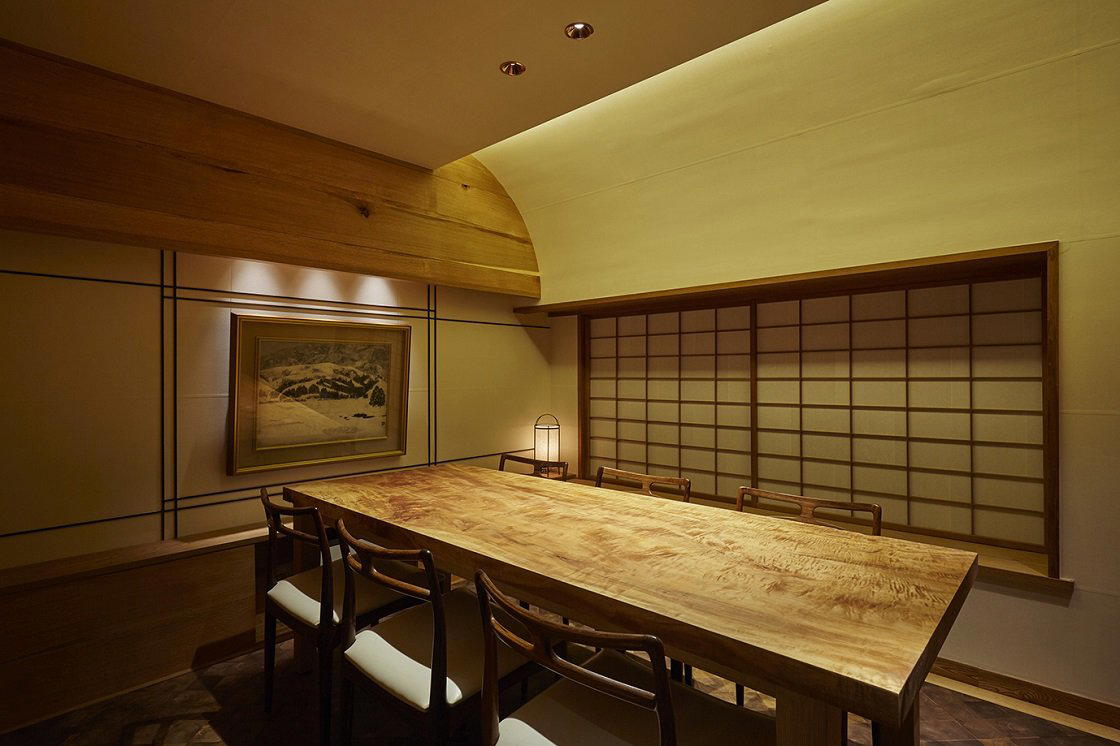
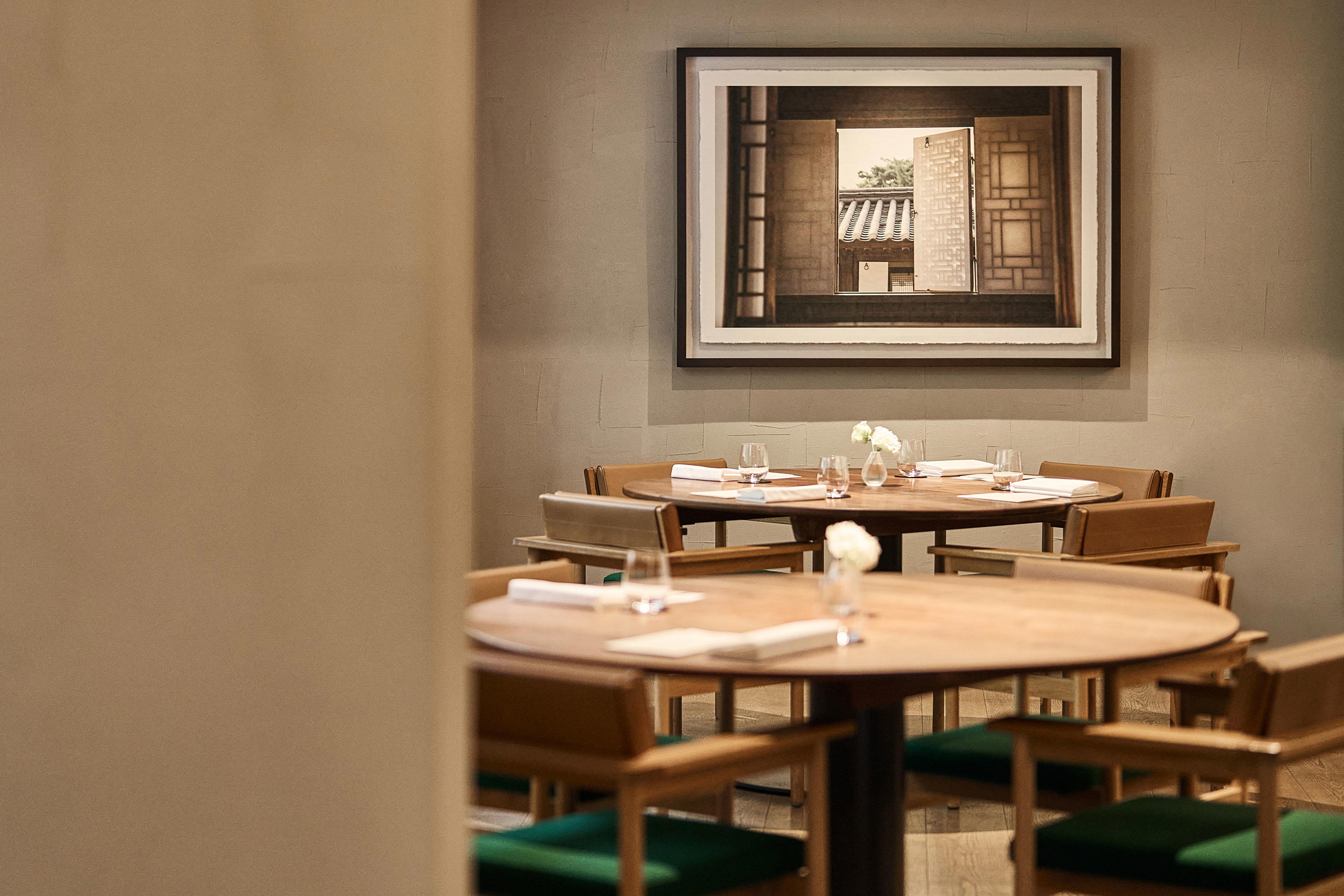
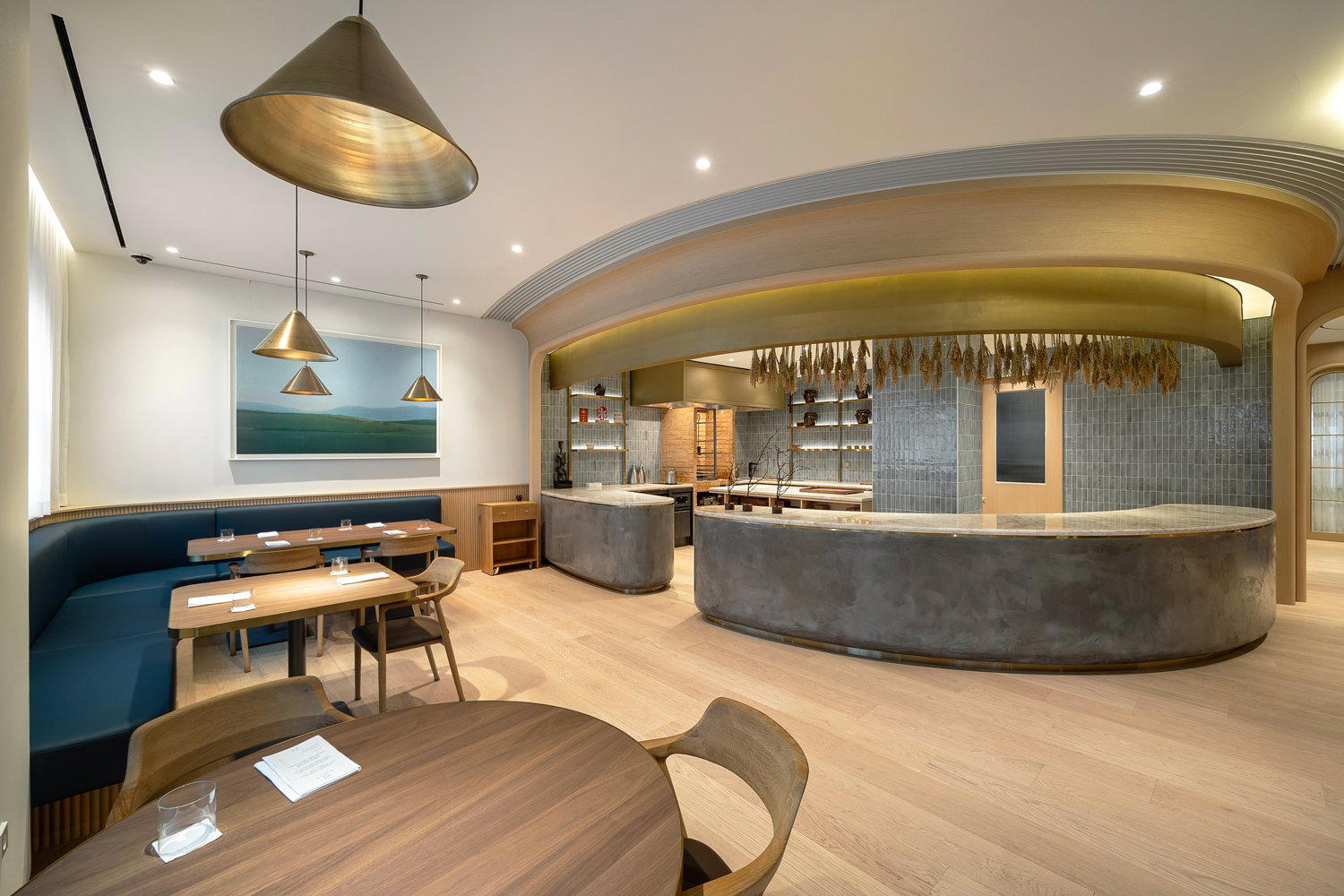
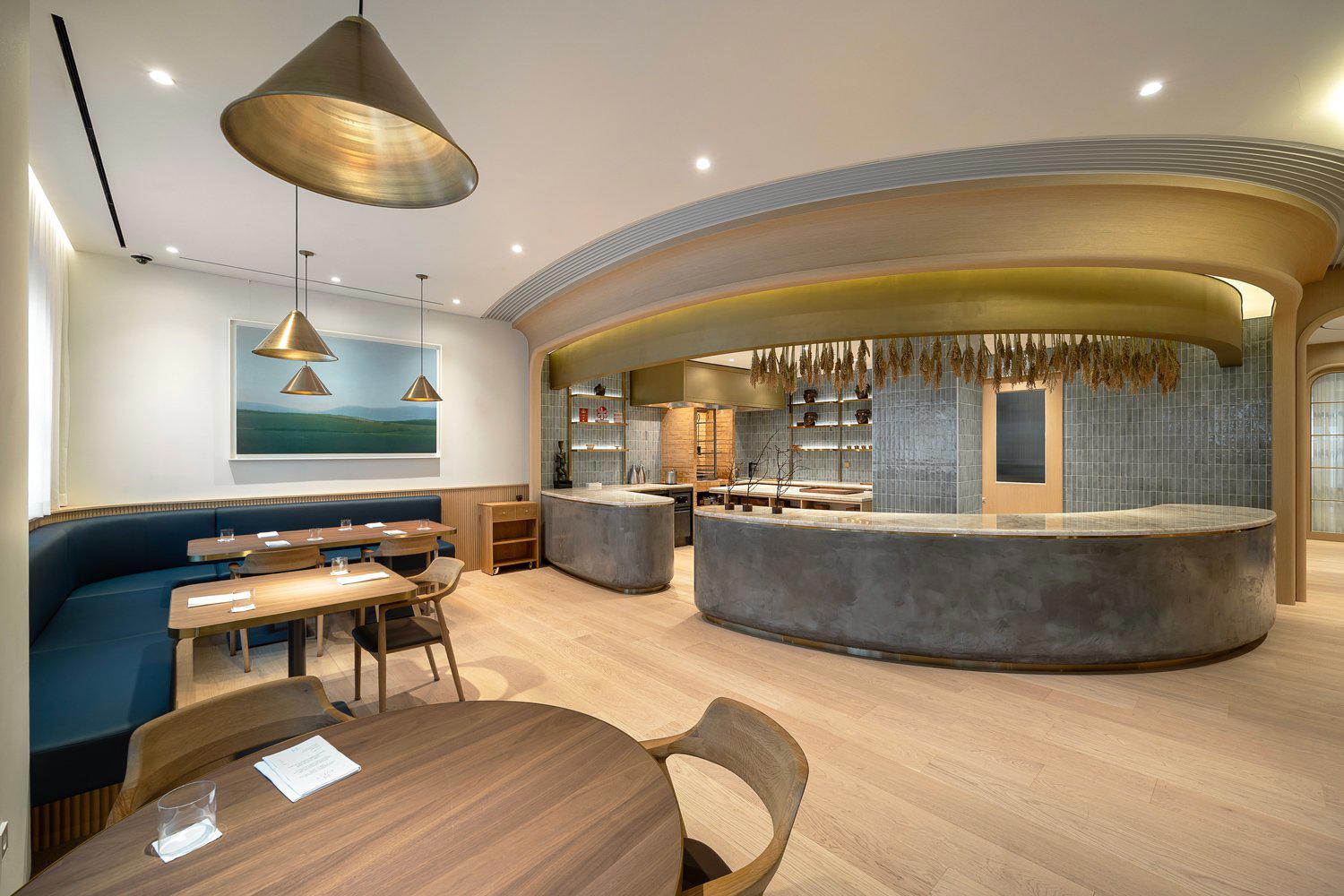
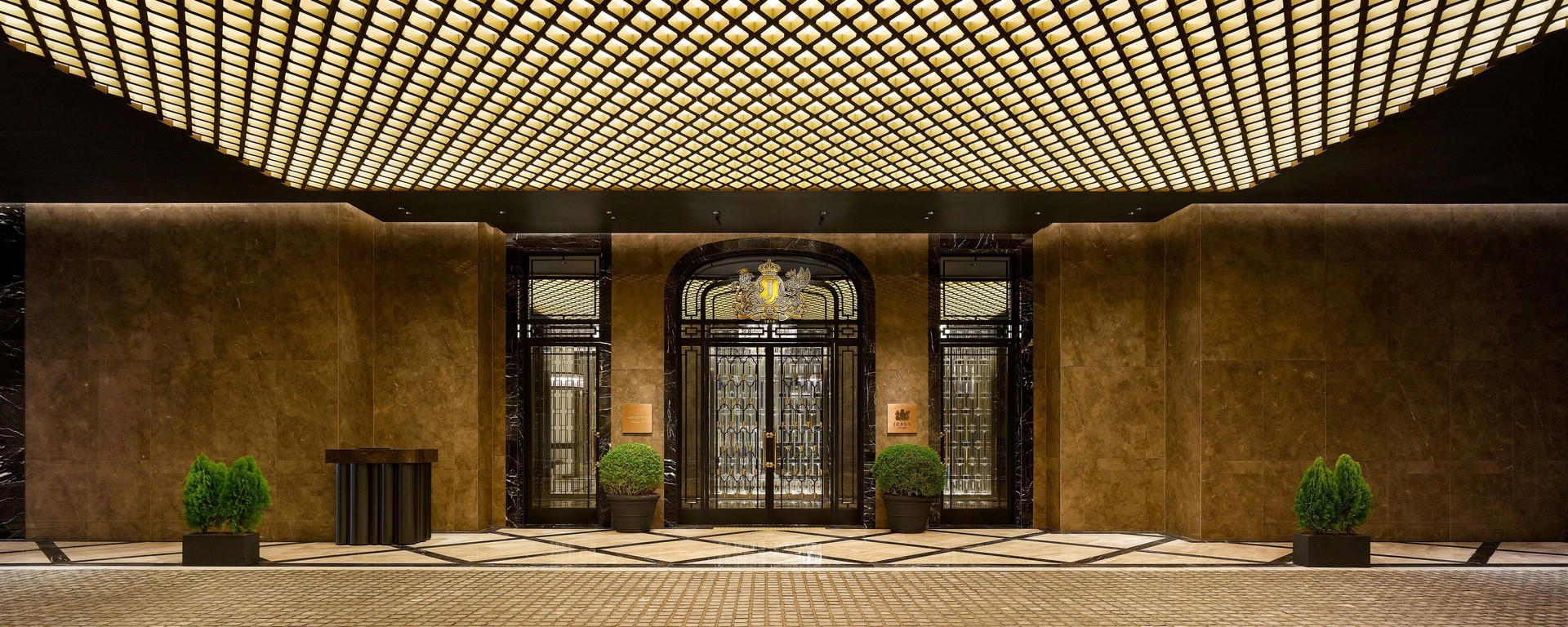
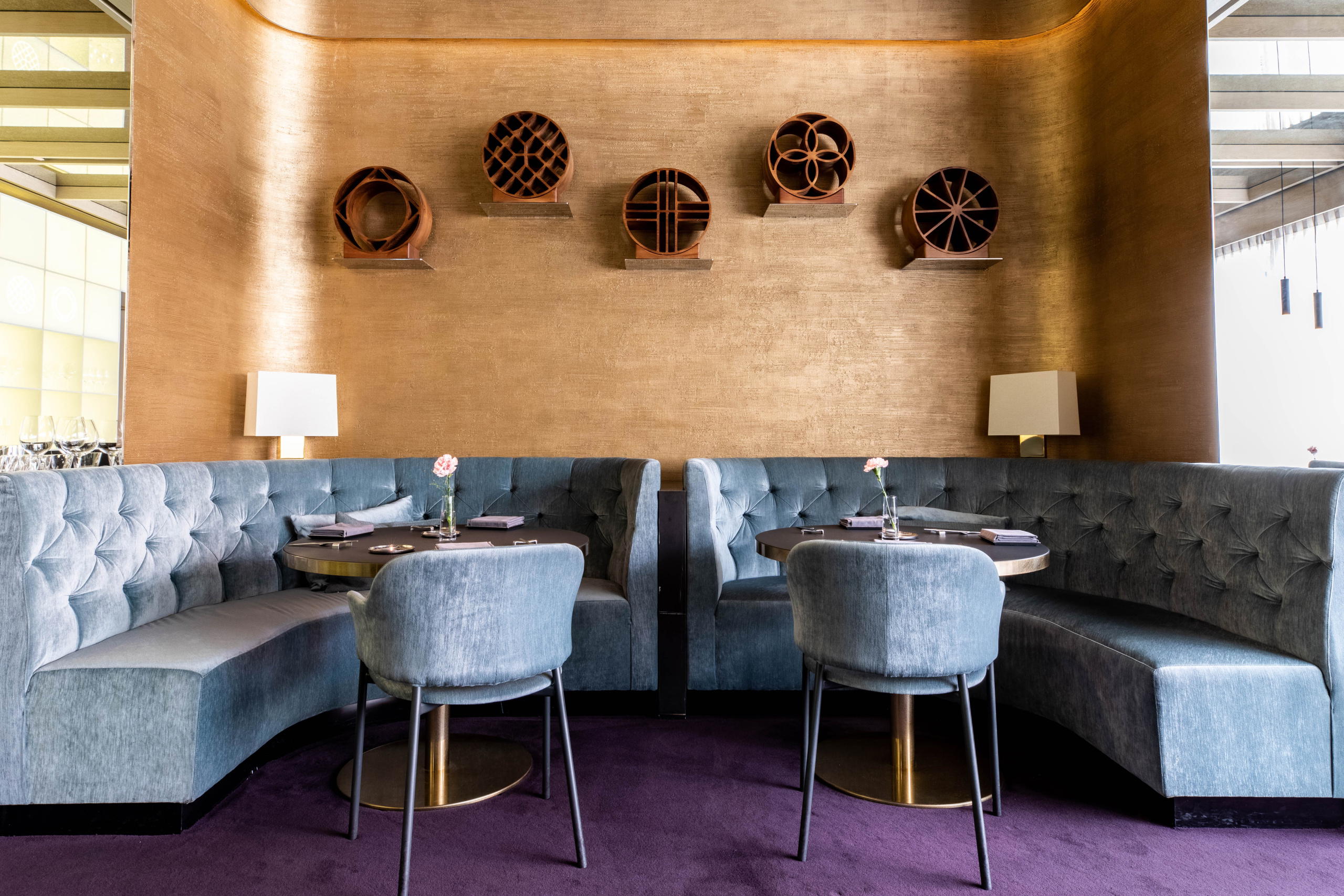
The physical environment at Jungsik is consistent with the Gangnam dining mode: formal without being severe, contemporary in design language, and calibrated for private conversation rather than crowd energy. The address on Seolleung-ro places it within walking distance of the Bongeunsa temple complex, which creates an unusual adjacency, one of Seoul's oldest urban Buddhist temples sitting a few minutes from one of the city's most technically ambitious contemporary restaurants. Whether that juxtaposition adds meaning to the experience is a matter of individual interpretation, but it does say something about the layering of Gangnam's urban character.
Multi-course progressive menus are the standard vehicle for this level of culinary ambition, and Jungsik's structure follows that convention.
A Seoul Restaurant in Global Context
It is worth placing Jungsik in the broader context of where Seoul sits globally in 2025. Korean cuisine has moved from regional specificity to genuine international currency over the past several years, and Seoul's fine dining scene has benefited from that momentum. The city now generates multi-index recognition at a pace that places it alongside Tokyo, Hong Kong, and Bangkok as one of Asia's most watched dining capitals. Within that field, Jungsik represents a particular kind of ambition: the attempt to build a truly international restaurant that is nonetheless Korean in origin and identity.
The New York connection is relevant here. Jungsik Yim opened a second location of Jungsik in New York City before the Seoul restaurant reached its current profile, and that transatlantic operation shaped the restaurant's ambition and framing. The comparison to contemporaries operating in similar registers internationally, César in New York City, Alo in Toronto, or Orfali Bros in Dubai, illustrates how the contemporary fine dining category has become genuinely global, with Seoul now a full participant rather than an emerging curiosity.
Within South Korea, the range of serious dining extends well beyond Seoul. Mori in Busan and Baegyangsa Temple in Jangseong-gun represent very different expressions of Korean culinary culture, and the contrast with Jungsik's approach clarifies what the Seoul restaurant is choosing to be: cosmopolitan, technically European in architecture, and Korean in ingredient and sensibility. For those building a broader picture of Korean dining, both registers reward attention. See our full Seoul restaurants guide for coverage across the city's dining spectrum.
Planning the Visit
Jungsik is located at 11 Seolleung-ro 158-gil in Gangnam District. The nearest subway access is via Sinnonhyeon station or Gangnam station on Line 9 and Line 2 respectively, putting the restaurant within the dense transit grid that connects Gangnam to the rest of Seoul. The ₩₩₩₩ pricing position reflects the two-star tasting menu format, and reservations at this level in Seoul typically require advance booking, particularly for weekend seatings. The restaurant draws both Seoul-based regulars and international visitors building Seoul into a broader itinerary, so lead time matters.
Know Before You Go
- Address: 11 Seolleung-ro 158-gil, Gangnam District, Seoul, South Korea
- Price tier: ₩₩₩₩ (tasting menu format)
- Awards: Michelin 2 Stars; Asia's 50 Best #87 (2026); La Liste 93.5pts (2025); OAD Leading Asia #49 (2025); #90 (2025)
- Getting there: Sinnonhyeon (Line 9) or Gangnam (Line 2) subway stations
- Booking: Advance reservation required; contact via venue website
- Also explore: Seoul hotels, Seoul bars, Seoul wineries, Seoul experiences
Frequently asked questions
What's the pricing like at Jungsik?
Pricing at Jungsik is listed as ₩₩₩₩.
What should I expect cuisine-wise at Jungsik?
Does Jungsik have a Michelin star or similar recognition?
Jungsik has received recognition including: Opinionated About Dining Top Restaurants in Asia Ranked #49 (2025); La Liste Top Restaurants (2025): 93.5pts; Asia's 50 Best Restaurants #87 (2026); #90 (2025); Michelin 2 Stars (2025); Opinionated About Dining Top Restaurants in Asia Rank….
What dish is Jungsik famous for?
Jungsik does not anchor its identity around a single fixed dish. Chef Jungsik Yim works within an evolving tasting menu format that reinterprets Korean culinary reference points through a contemporary fine dining framework, the kind of approach that has kept the restaurant ranked among Asia's top 50 by both OAD and the World's 50 Best through 2025. Dishes shift with season and sourcing, which means the menu a guest encounters in spring will differ meaningfully from what arrives in autumn.
Where is Jungsik in Seoul?
Jungsik is located at 11 Seolleung-ro 158-gil, Gangnam District, Seoul, South Korea, Seoul.
In Context: Similar Options
A quick snapshot of similar venues for side-by-side context.
| Venue | Cuisine | Price | Awards | Notes |
|---|---|---|---|---|
| JungsikThis venue (the venue you are viewing) | Modern Korean Fine Dining | $200–300 | 2 Michelin Stars · World's 50 Best #87 | Not listed |
| 7th Door | Modern Korean Fermentation Fine Dining | $100–150 | 1 Michelin Star · World's 50 Best #49 | Korean, Contemporary |
| Solbam | Contemporary Neo-Classical Korean | $200–300 | 1 Michelin Star · World's 50 Best #55 | Contemporary |
| Onjium | Modern Korean Royal Court Cuisine | Not listed | 1 Michelin Star · World's 50 Best #14 | Korean |
| L'Amitié | Classic French Fine Dining | $100–150 | 1 Michelin Star · La Liste Top Restaurants | French |
| Zero Complex | Modern French Neo-Bistro | $100–150 | 1 Michelin Star · La Liste Top Restaurants | Korean-French, Innovative |
Recognition history
Dated appearances from independent guides and award organizations, with the underlying list record or original source where available.
Michelin 2 Stars
Michelin
World's 50 Best Asia's Best Restaurants #87
World's 50 Best
La Liste Top Restaurants
La Liste
Black Pearl 2 Diamond
Black Pearl
Opinionated About Dining Top Restaurants in Asia Ranked #51
Opinionated About Dining
Full recognition history (13 entries)
Wine Spectator Best of Award of Excellence
Wine Spectator
Michelin 2 Stars
Michelin
Opinionated About Dining Top Restaurants in Asia Ranked #49
Opinionated About Dining
Tatler Listed in Best Restaurants Asia-Pacific
Tatler
World's 50 Best Asia's Best Restaurants #90
World's 50 Best
Michelin 2 Stars
Michelin
Opinionated About Dining Top Restaurants in Asia Ranked #42
Opinionated About Dining
Opinionated About Dining Top Restaurants in Asia Ranked #47
Opinionated About Dining