15 Samcheong-ro 9-gil
Samcheong-dong's slow-street character makes 15 Samcheong-ro 9-gil a reference point for the neighbourhood's bar-and-food culture, where the pairing of drinks with considered small plates reflects the area's shift from gallery corridor to evening destination. The address sits in Jongno District, within walking distance of Gyeongbokgung Palace, placing it at the intersection of old Seoul and its contemporary hospitality scene.

Pearl is the En Primeur Club membership app — saves, bookings, and concierge access live there. Same editors, same standards.
- Address
- 15 Samcheong-ro 9-gil, Jongno District, Seoul, South Korea
- Directions
- Get directions
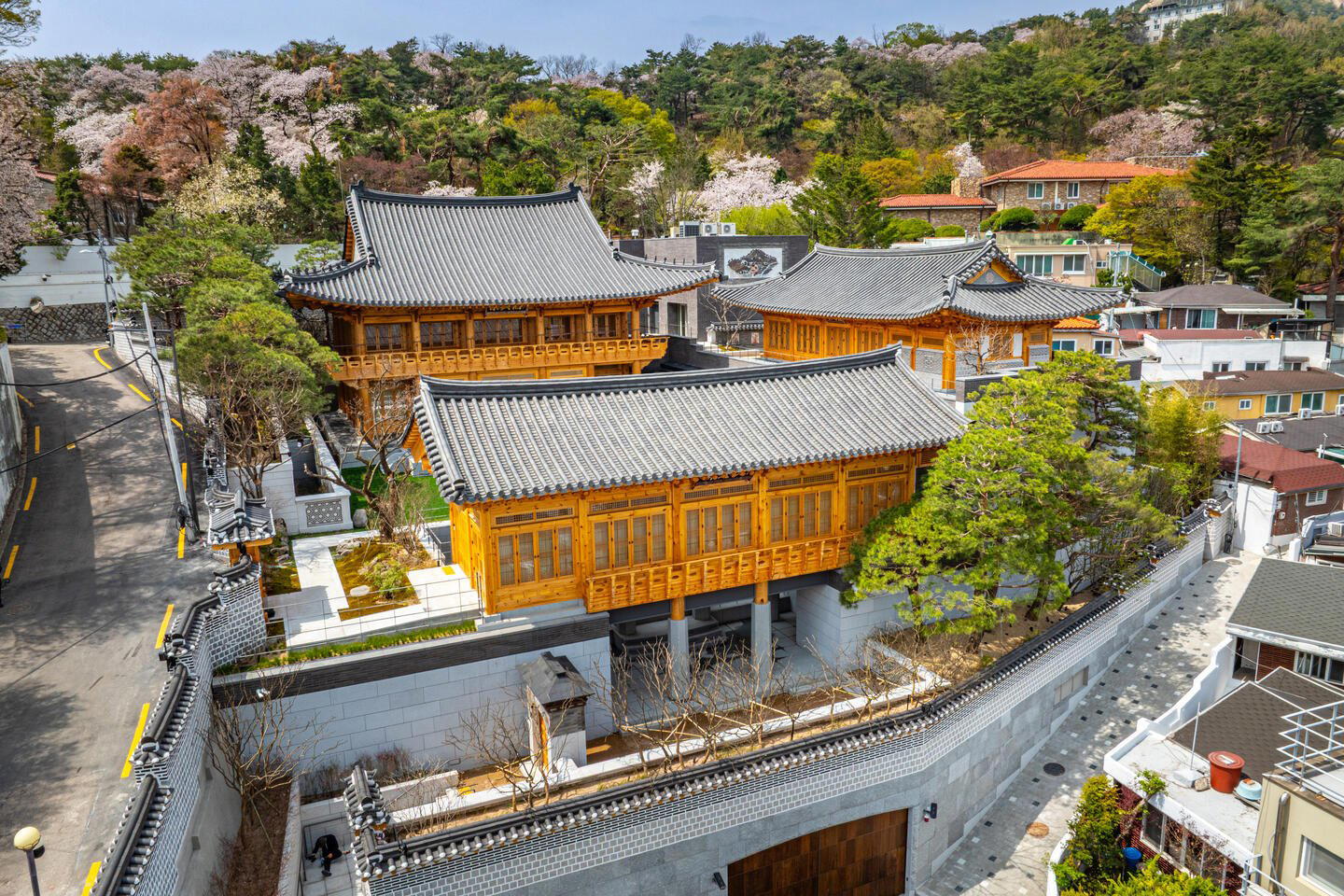
Samcheong-dong and the Rise of the Neighbourhood Bar-Kitchen
Seoul's bar culture has undergone a structural reorganisation over the past decade. The city's early cocktail boom was concentrated in Gangnam and Itaewon, where international footfall and high rents pushed venues toward volume and spectacle. The countermovement arrived quieter, in neighbourhoods like Samcheong-dong, where smaller streets, independent gallery culture, and a lower commercial tempo created conditions for a different kind of drinking establishment: one where food is not an afterthought but an integral part of the programme. Charles H and Bar Cham represent the more formal end of that shift elsewhere in the city, but Samcheong-dong's version tends toward the intimate and the unhurried.
15 Samcheong-ro 9-gil is a bar in Jongno District, Seoul, with a price tier of 3. The address itself — a side-street number rather than a named establishment — signals something about the area's relationship with low-key discovery. Samcheong-dong has long attracted a crowd that treats an evening out as a sequence of stops rather than a single destination: a gallery opening, a walk past the stone walls of Gyeongbokgung, a drink somewhere that feels like it belongs to the street rather than performing for it.
What the Physical Approach Tells You
Approaching along Samcheong-ro, the density of the street changes as you move north from Anguk station. The commercial stretch gives way to narrower gaps between buildings, hanok rooflines visible above newer construction, and the particular quiet that comes from a neighbourhood where pedestrian traffic still outnumbers vehicles. The side-streets branching off, including Samcheong-ro 9-gil, tend to house the kinds of places that rely on return visitors rather than passing trade. That reliance shapes how a venue like this one is designed to operate: the bar-food relationship here is built for people who are spending an evening, not filling a gap between other plans.
This pattern, where address and physical context determine the operational tempo of a venue, is more pronounced in Samcheong-dong than in most Seoul neighbourhoods. Compare it with the compressed, high-turnover bar formats common in Hongdae or the visibility-driven setups of Cheongdam, where Alice Cheongdam operates with a distinctly theatrical register, and the contrast becomes a useful map of how Seoul's bar scene has diversified by district rather than simply by style.
The Bar-Food Relationship in Samcheong-dong
In Seoul's more developed cocktail venues, the food programme increasingly functions as a structural counterpart to the drinks list rather than a courtesy snack arrangement. Bar D. Still offers a reference point for how technically rigorous Seoul bars have approached the pairing question. In Samcheong-dong, the logic is similar but the register is lower: the goal is complementarity rather than showmanship, with small plates designed to extend a sitting and support the progression through drinks rather than compete with them for attention.
Korean drinking culture has always had an architectural relationship between food and alcohol, anju, the tradition of pairing food with drink, is not borrowed from Western bar culture but native to it. What contemporary Seoul bar-kitchens have done is take that tradition and apply it to spirits-forward programmes, fermentation-inflected menus, and a wider range of international influences, without abandoning the underlying logic that food and drink should be designed together. A venue operating on a side-street in Samcheong-dong sits inside that tradition, whether or not it makes it explicit.
For readers planning evenings across the wider Korean bar scene, the regional picture includes venues like Climat in Busan, Muyongdam in Jeju Si, and Anjuga in Ansan Si, each of which reflects how the anju tradition has been interpreted outside the capital. The Seoul version, particularly in a neighbourhood like Samcheong-dong, benefits from proximity to a concentrated design and arts community that influences what ends up on both the plate and in the glass.
Seasonal Timing and the Neighbourhood at its finest
Samcheong-dong's outdoor character makes season a genuine variable for how an evening here reads. Spring, when the palace grounds and the streets north of Anguk station are lined with flowering trees, draws the heaviest foot traffic from late March through April. Autumn, the weeks either side of Chuseok, when the hillside foliage above Bugaksan turns, is the other high-demand window. Both periods bring more visitors to the neighbourhood, which increases ambient energy but also reduces the quieter, residential tempo that makes side-street venues like this one feel most like themselves.
The lower-traffic winter months, when the light leaves early and the stone walls of the neighbourhood hold cold air, produce a different kind of evening: more interior-focused, longer sittings, a more natural relationship between the warmth of the room and what's being served. For bar-kitchen venues where the drinks-and-food pairing is the core proposition, that slower seasonal register often works in their favour. Comparable dynamics appear at venues like Regency Club in Incheon and Seuwichi in Heungdeok, where neighbourhood character and seasonal timing interact in ways that shape the experience as much as the menu does.
Planning an Evening Here
Anguk station on Seoul Metro Line 3 is the standard approach, with Samcheong-ro running north from the station exit. The walk to the 9-gil turning takes under ten minutes along a street that passes enough other points of interest, bookshops, small galleries, the outer walls of the palace grounds, that the approach is itself part of the evening. For visitors building a wider Seoul itinerary, the city offers a broad range of bar and dining options across neighbourhoods and price tiers.
International comparisons for the bar-kitchen format at this scale include Bar Leather Apron in Honolulu and Jewel of the South in New Orleans, both of which operate on the premise that a considered food programme and a serious drinks list are mutually reinforcing rather than competing priorities. The Samcheong-dong version of that argument is made with less fanfare but the same underlying premise.
Comparable Options
A quick snapshot of similar venues for side-by-side context.
| Venue | Price | Awards |
|---|---|---|
| 15 Samcheong-ro 9-gilThis venue — the venue you are viewing | Not listed | Not listed |
| Alice Cheongdam | $20–30 | World's 50 Best #13 · Top 500 Bars Best Bars #156 |
| Bar Cham | $10–20 | World's 50 Best #33 · Top 500 Bars Best Bars #147 |
| Bar D. Still | $10–20 | World's 50 Best #44 |
Continue exploring
More in Seoul
Restaurants in Seoul
Browse all →
Details
- Cozy
- Intimate
- Classic
- Date Night
- Casual Hangout
- Historic Building
- Seated Bar
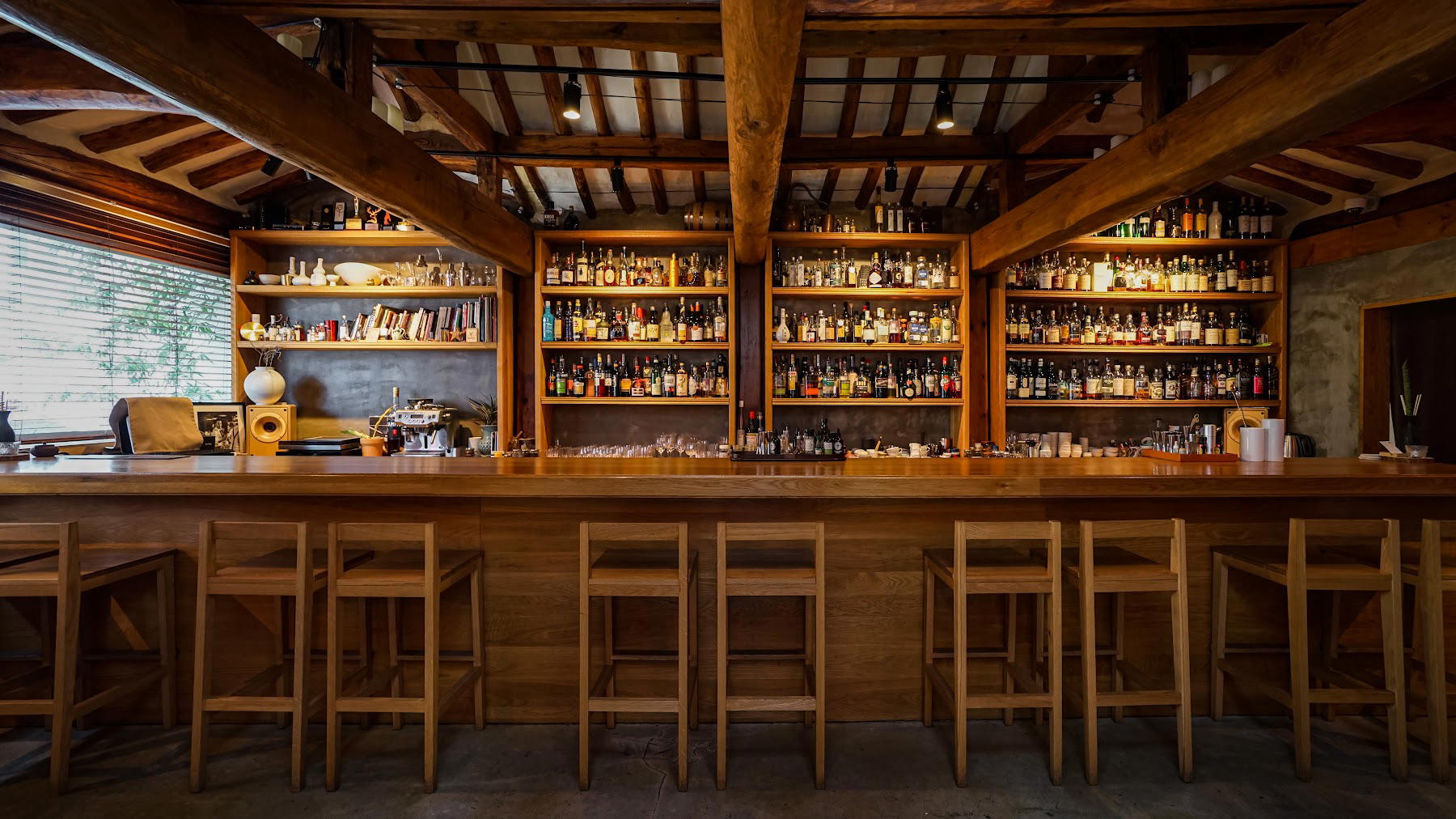
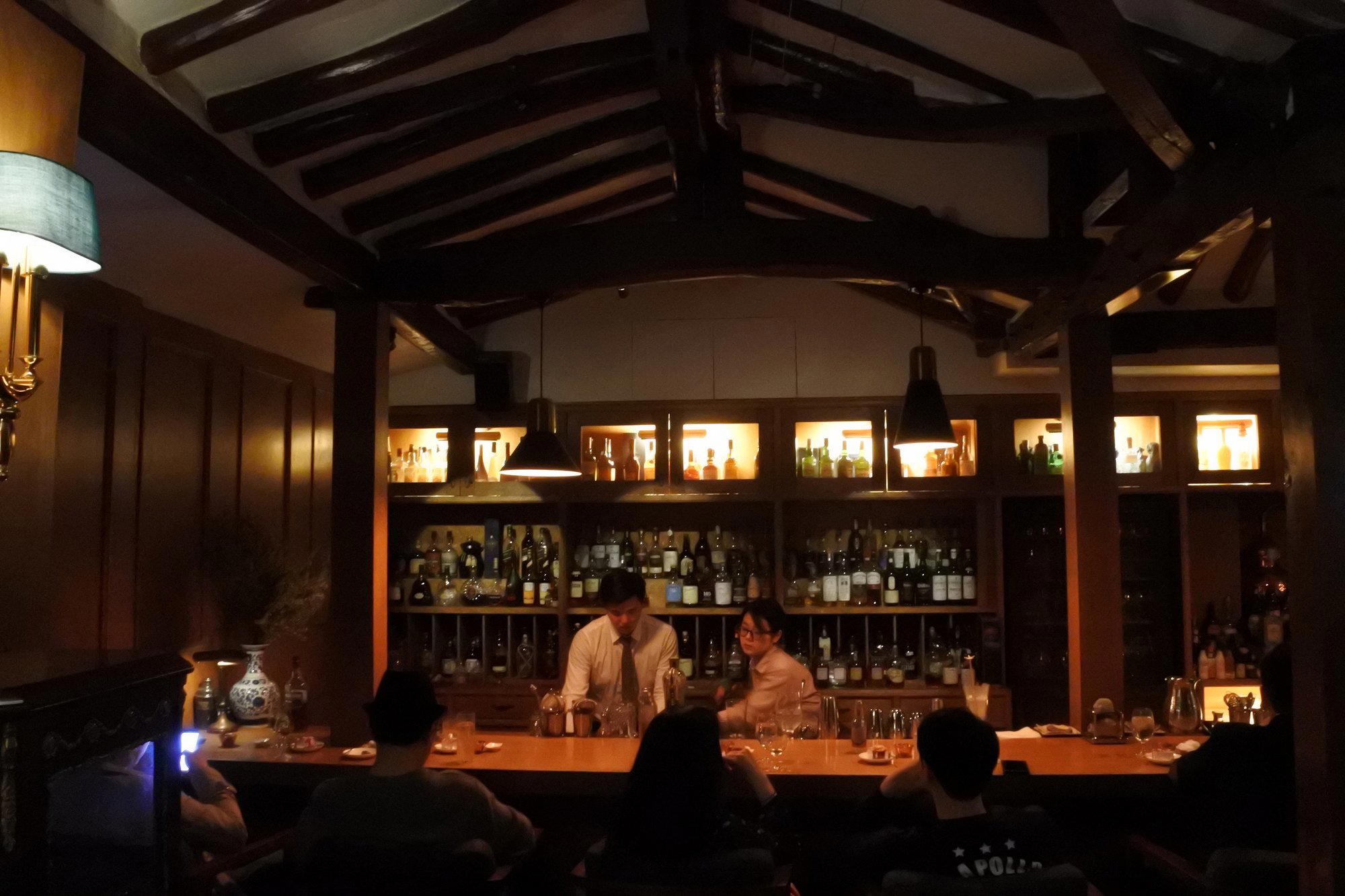
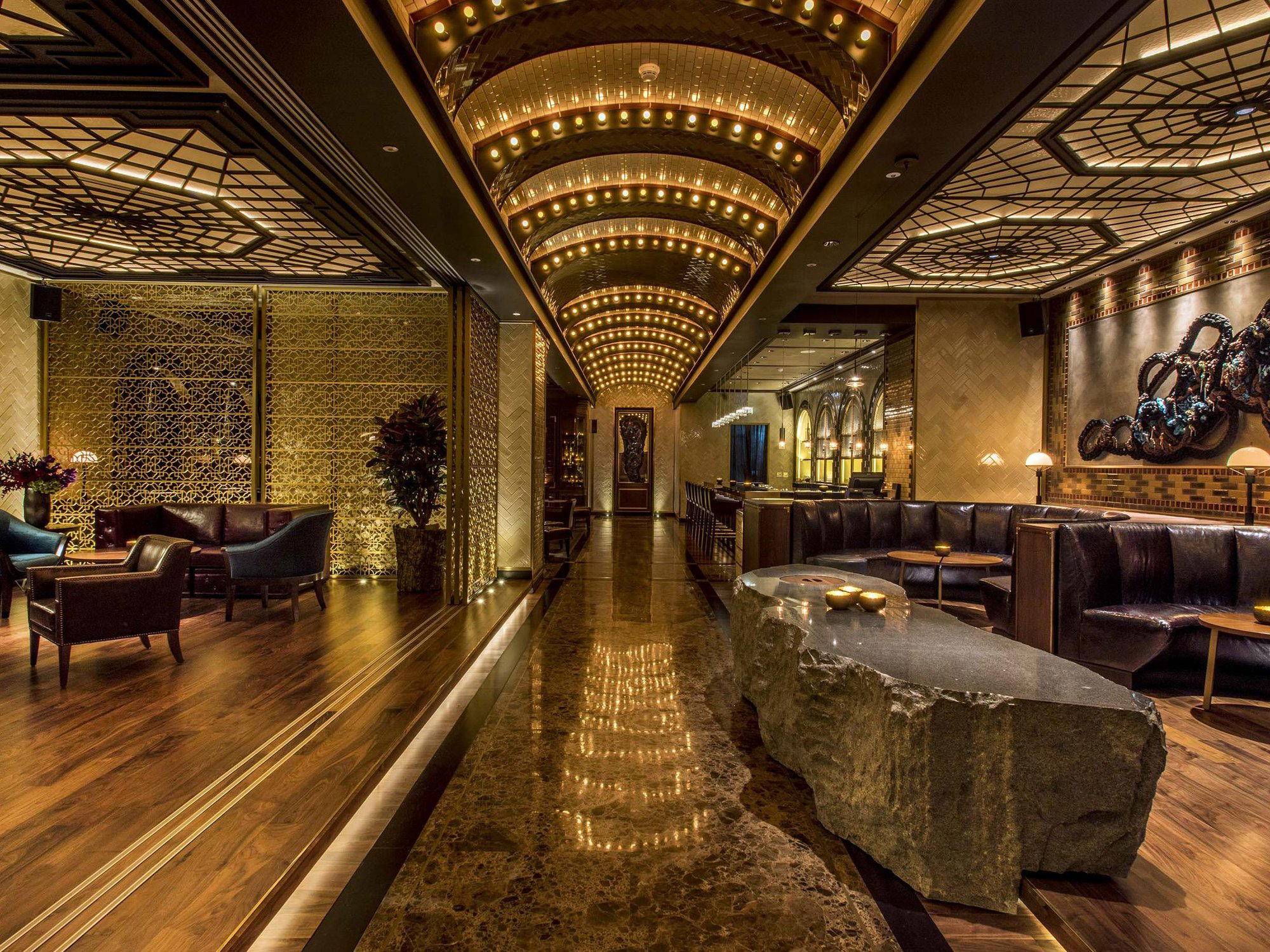
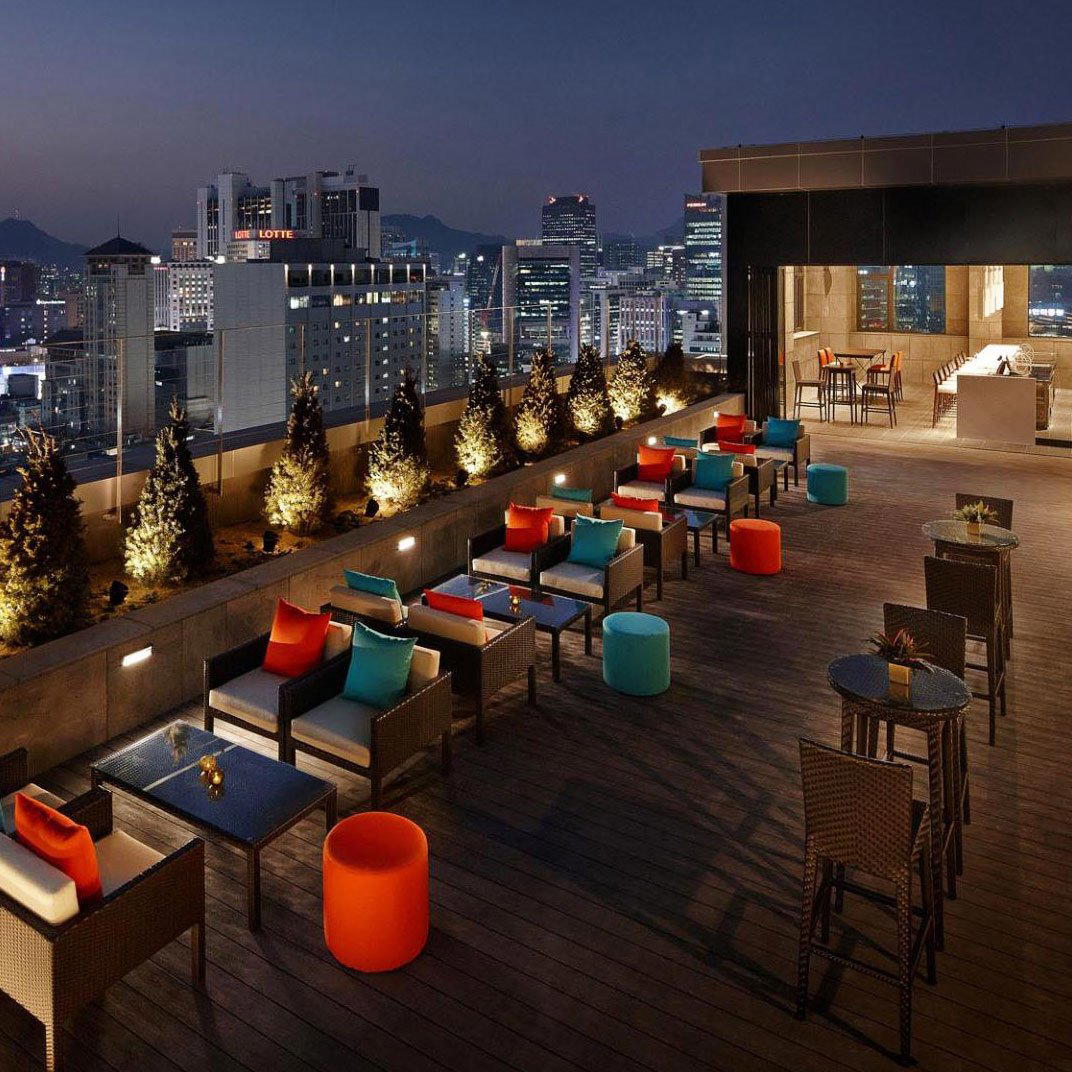
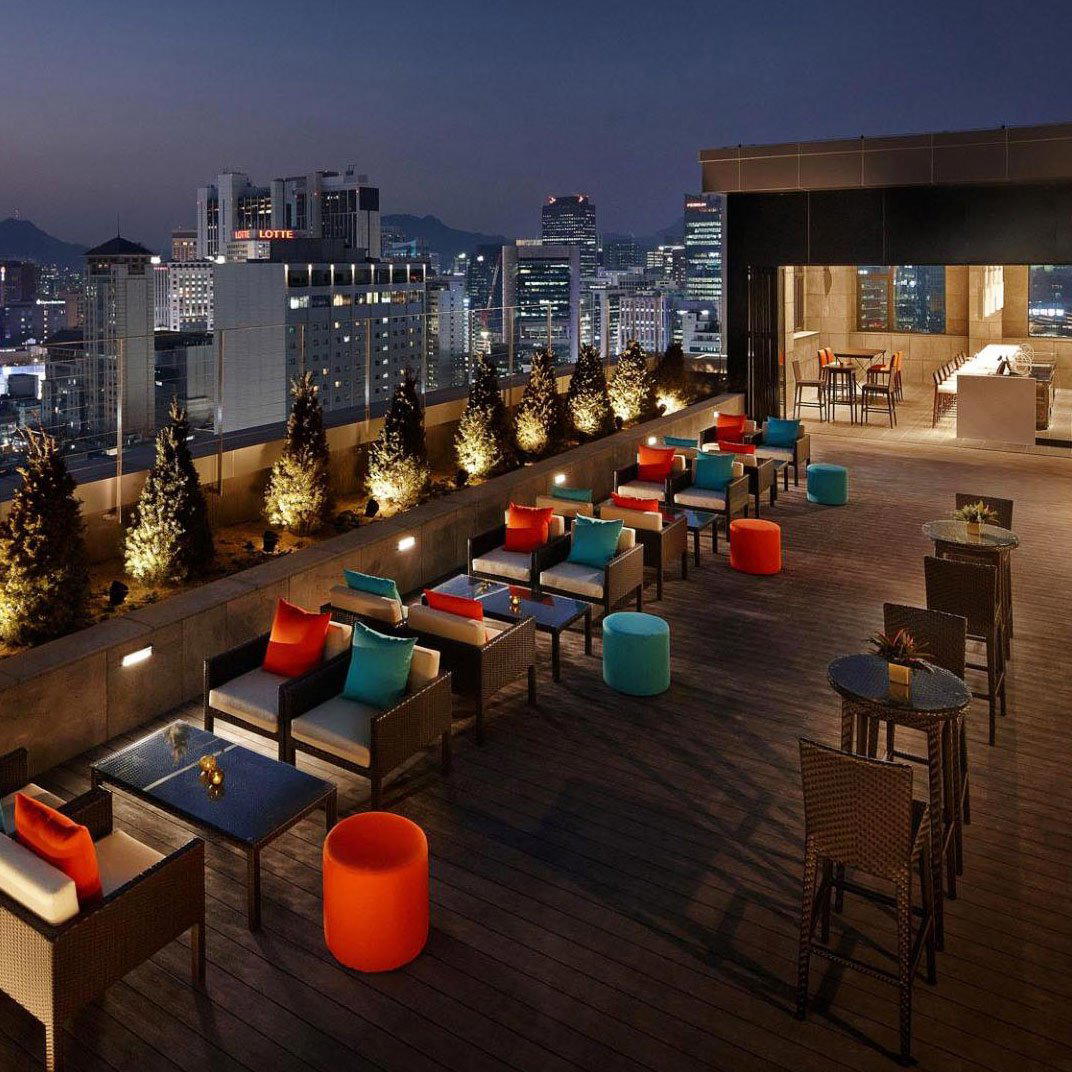
Traditional hanok-style setting in a quiet alley.