Soul



1 Michelin Star · La Liste Top Restaurants
Our verdict
A Michelin-starred contemporary restaurant in Yongsan-gu, Soul positions itself at the intersection of Korea's diverse ingredient traditions and the textures of everyday Korean life. Husband-and-wife team Yun Dae-hyun and Kim Hee-eun have divided the space into distinct dining sections, each calibrated for a different mode of eating. La Liste has recognised it consecutively, scoring 79 points in 2026.

Pearl is the En Primeur Club membership app, where members save venues, book tables and use the concierge.
The menu
What to order
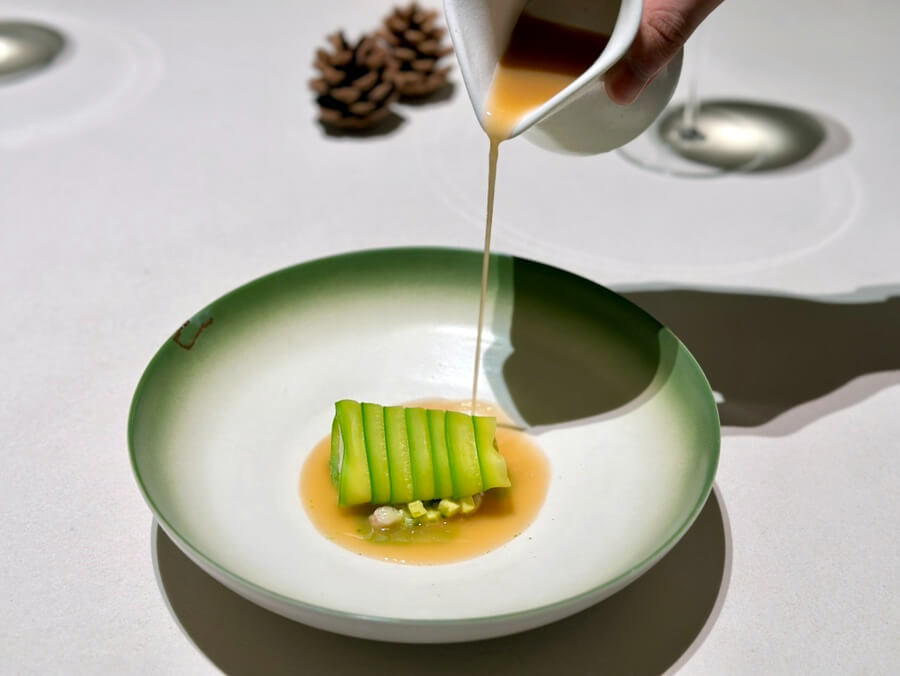
- Hanwoo Tartare
- Blooming (Samgyetang)
- Lamb Tteokgalbi
- Hanwoo Strip Loin
- Bingsoo with Truffle
- Oyster
Below Street Level in Yongsan: What the Setting Signals
The basement entry on a side street off Sinheung-ro tells you something before you've sat down. Seoul's more interesting contemporary restaurants increasingly occupy positions like this, removed from the main retail corridors of Gangnam or the tourist-facing clusters near Gyeongbokgung, they operate in residential-adjacent pockets where rent economics and neighbourhood character allow a different kind of focus. Yongsan-gu, straddling Itaewon's international density and the quieter residential fabric of Huam-dong, has become one of those pockets: a district where independent operators with something specific to say can find a foothold without competing for pavement visibility.
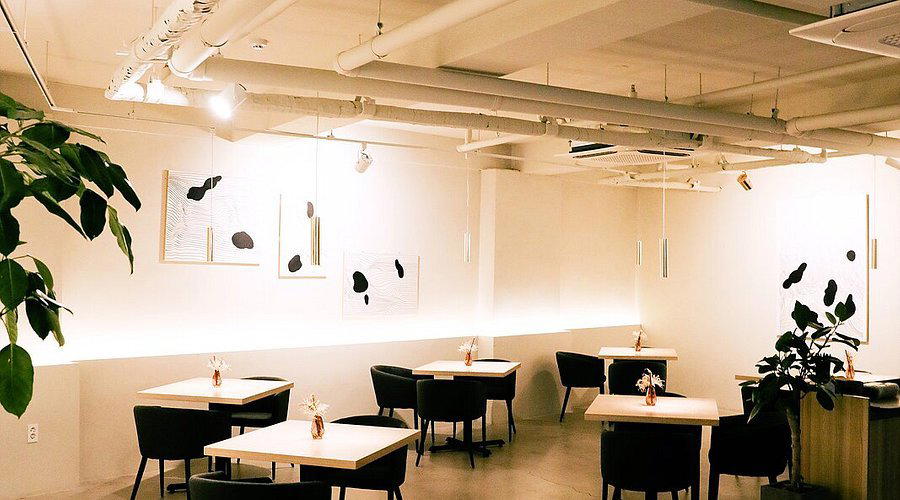
Soul occupies basement space at 35 Sinheung-ro 26-gil, and the subterranean format shapes the atmosphere in the way it often does in Seoul's fine dining tier, contained, deliberate, acoustically softened. The husband-and-wife team behind the restaurant, Chef Yun Dae-hyun and Chef Kim Hee-eun, have partitioned the space into several distinct sections, each calibrated for a different dining register. That structural decision is editorial in itself: rather than a single unified room, guests encounter a physical acknowledgement that different cuisines and different occasions call for different spatial frames.
The Ingredient Logic: Korea's Pantry as Creative Raw Material
The contemporary Korean restaurant scene has spent the past decade working through a recurring question: what does modern Korean fine dining actually mean when separated from nostalgia or nationalism? The most credible answer, found at places like Gaon in Seoul and Kwon Sook Soo in Gangnam-gu, tends to foreground ingredient provenance, the specific regional vocabularies of Korean produce, fermentation, and preservation, and place those ingredients in dialogue with contemporary technique rather than defaulting to either pure tradition or Western formalism.
Soul's approach, as described in La Liste's documentation, runs along a related axis. The kitchen draws on Korea's diverse culinary traditions and ingredients as raw material, then maps them against the flavours present in everyday Korean life, the reference points a Korean diner carries from childhood and habit, not just from fine dining precedent. This is a meaningful distinction. Where some contemporary Korean restaurants operate almost archaeologically, recovering historical court cuisine forms, Soul is working with the full present-tense pantry: the ingredients one might encounter across regions, seasons, and social registers in contemporary Korea.
The sourcing implication is broad by design. Korean cuisine's ingredient geography is genuinely varied, the fermentation culture of the southern provinces, the seafood traditions of the coastal regions, the mountain forage vocabulary of Gangwon, and a kitchen committed to representing that diversity faces real sourcing complexity. That complexity is, in this context, a feature rather than a constraint. It generates the creative tension that distinguishes Soul from restaurants working within a narrower, more curated ingredient brief. Comparisons might be drawn with the approach at Eatanic Garden, which similarly positions ingredient breadth as a core editorial value, though the two kitchens arrive at different culinary conclusions.
Where Soul Sits in Seoul's Contemporary Tier
Seoul's contemporary fine dining market has stratified meaningfully. At the leading, restaurants like Jungsik operate with international name recognition and two Michelin stars, pulling a global audience. A tier below, the one-star and La Liste-recognised mid-tier is more interesting from a value-and-discovery standpoint, technically serious, often more adventurous in format, and priced at the ₩₩₩ range rather than the ₩₩₩₩ bracket that defines operators like Solbam or Zero Complex.
Soul holds a Michelin one star (awarded in 2024) and consecutive La Liste scores of 79.5 points in 2025 and 79 points in 2026. La Liste scores in that range are a meaningful signal: they place a restaurant in the upper mid-tier of global recognition, credible enough for international fine dining travellers to include on a Seoul itinerary, while the ₩₩₩ price point makes it more accessible than the city's ultra-premium tier.
For context, the contemporary category in Seoul also includes internationally acclaimed comparators in other cities: César in New York City, Alo in Toronto, and Orfali Bros in Dubai each represent how the contemporary category plays in different markets. Seoul's version, at its stronger end, is characterised by the fusion of Korean ingredient specificity with formal technique, a combination that distinguishes it from the European-inflected contemporary styles dominant in other cities.
The Multi-Section Format and What It Achieves
The decision to partition Soul into distinct dining sections for disparate cuisines is structurally unusual and worth understanding on its own terms. In most fine dining operations, a single kitchen voice runs through a single room. The multi-section approach at Soul implies something closer to a restaurant group compressed into one address, different spatial and culinary registers under one roof, with the chef's broader vocabulary expressed across sections rather than constrained to a single tasting menu format.
This kind of format creates genuine variety for guests returning more than once, and it positions the restaurant differently from the pure omakase or fixed-menu model that dominates Seoul's upper tier. It also places a significant demand on kitchen consistency, since different sections must each perform at a level that justifies the Michelin star sitting above the whole operation. The track record, at least as reflected in awards and reviews, suggests that demand is being met.
Restaurants in Seoul and elsewhere that have attempted multi-format operations under one roof, think of the multi-concept buildings that appear periodically in cities like Tokyo or Copenhagen, often struggle with identity coherence. Soul's framing around a unifying theme (the convergence of Korean culinary traditions with everyday Korean taste references) provides the connective tissue that keeps the multi-section format from feeling scattered.
Soul in the Broader Seoul Dining Map
A Yongsan visit can be constructed around Soul without much difficulty. The district's dining fabric includes other serious operations, and the neighbourhood's position between Itaewon and the Han River corridor means access is direct from most central Seoul accommodation. For a fuller picture of what the city offers at this tier, Restaurant Allen and Exquisine represent adjacent positions in Seoul's contemporary category and are worth considering as counterpoints.
For Korean cooking rooted more deeply in traditional forms, Baegyangsa Temple in Jangseong-gun represents a different end of the spectrum entirely, monastic, austere, ingredient-forward in a way that foregrounds Buddhist culinary philosophy over contemporary technique. And for those extending a trip beyond Seoul, Mori in Busan offers a useful comparative perspective on how contemporary Korean fine dining reads outside the capital.
Comprehensive guides to Seoul's dining, drinking, and hospitality options are available through EP Club: our full Seoul restaurants guide, our full Seoul hotels guide, our full Seoul bars guide, our full Seoul wineries guide, and our full Seoul experiences guide.
Planning a Visit
Soul is open seven days a week, noon to 10 PM, which gives it broader access hours than many of Seoul's Michelin-tier restaurants that operate on abbreviated weekly schedules. Address: B1F, 35 Sinheung-ro 26-gil, Yongsan-gu, Seoul 04337. Hours: Monday through Sunday, 12 PM to 10 PM. Price range: ₩₩₩ (mid-to-upper tier; more accessible than ₩₩₩₩ peers). Reservations: Contact details are not currently listed; checking via Korean reservation platforms such as Catch Table is advisable. Dress: No published dress code, but the Michelin-starred, multi-section format suggests smart casual at minimum.
Frequently asked questions
What should I expect atmosphere-wise at Soul?
Soul occupies a basement floor on a side street in Yongsan-gu, which sets an intimate rather than grand tone. The space is divided into several distinct sections, each configured for a different cuisine, so the physical experience shifts depending on where you're seated. La Liste has rated it among its global top restaurants for two consecutive years, confirming that the format earns serious critical attention.
What are Soul's hours?
Hours at Soul: Monday 12 PM-10 PM Tuesday 12 PM-10 PM Wednesday 12 PM-10 PM Thursday 12 PM-10 PM Friday 12 PM-10 PM Saturday 12 PM-10 PM Sunday 12 PM-10 PM.
What kind of recognition has Soul received?
Soul has received recognition including: La Liste Top Restaurants (2026): 79pts; La Liste Top Restaurants (2025): 79.5pts; Located in a quaint part of Seoul, this operation is Chef Yun Dae-hyun’s bold experiment in stylish fine dining. Here, the diverse culinary traditions and ing….
What do people recommend at Soul?
No specific dishes are documented in the public record, but the kitchen's documented approach centres on converging Korea's diverse culinary traditions and everyday ingredient familiarity into fusion creations. La Liste awarded Soul 79 points in 2026 and 79.5 in 2025, and Michelin awarded it one star in 2024, signalling consistent execution across the menu rather than a single standout item. The ₩₩₩ pricing positions it in Seoul's mid-to-upper fine dining tier.
Just the Basics
A short peer table to compare basics side-by-side.
| Venue | Cuisine | Price | Awards | Notes |
|---|---|---|---|---|
| SoulThis venue (the venue you are viewing) | Contemporary Korean Fusion | $150–200 | 1 Michelin Star · La Liste Top Restaurants | Not listed |
| 7th Door | Modern Korean Fermentation Fine Dining | $100–150 | 1 Michelin Star · World's 50 Best #49 | Korean, Contemporary |
| Solbam | Contemporary Neo-Classical Korean | $200–300 | 1 Michelin Star · World's 50 Best #55 | Contemporary |
| Onjium | Modern Korean Royal Court Cuisine | Not listed | 1 Michelin Star · World's 50 Best #14 | Korean |
| L'Amitié | Classic French Fine Dining | $100–150 | 1 Michelin Star · La Liste Top Restaurants | French |
| Zero Complex | Modern French Neo-Bistro | $100–150 | 1 Michelin Star · La Liste Top Restaurants | Korean-French, Innovative |
Recognition history
Dated appearances from independent guides and award organizations, with the underlying list record or original source where available.
Michelin 1 Star
Michelin
La Liste Top Restaurants
La Liste
Opinionated About Dining Top Restaurants in Asia Recommended
Opinionated About Dining
Full recognition history (6 entries)
La Liste Top Restaurants
La Liste
Michelin 1 Star
Michelin
Michelin 1 Star
Michelin
Continue exploring
More in Seoul
Restaurants in Seoul
All restaurants in Seoul →
Bars in Seoul
All bars in Seoul →
Details
- Elegant
- Intimate
- Sophisticated
- Modern
- Date Night
- Special Occasion
- Open Kitchen
- Chefs Counter
- Sommelier Led
- Local Sourcing
- Tasting Menu
- Counter Dining
- Wine Pairing
- Allergy Accommodating
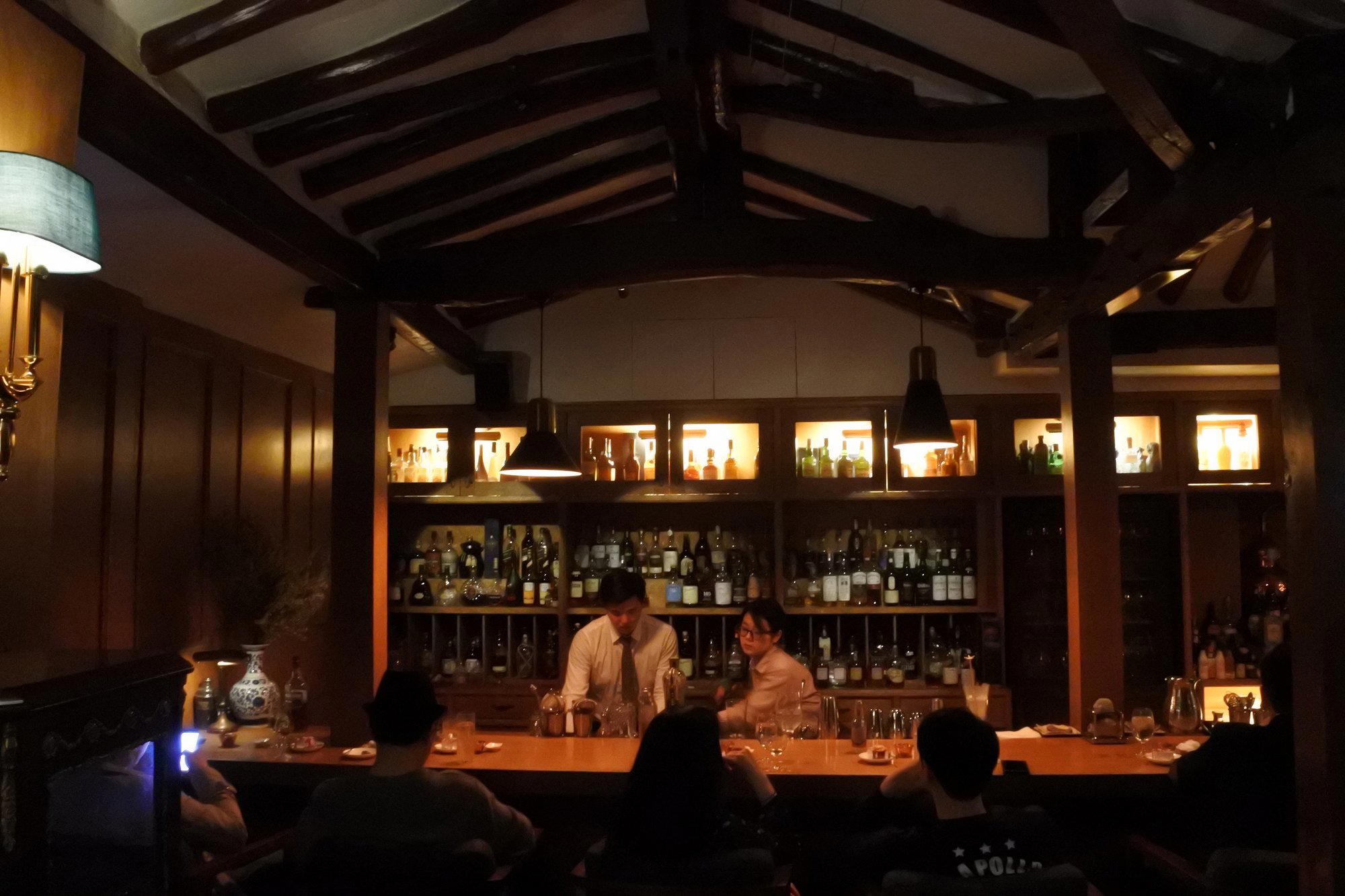
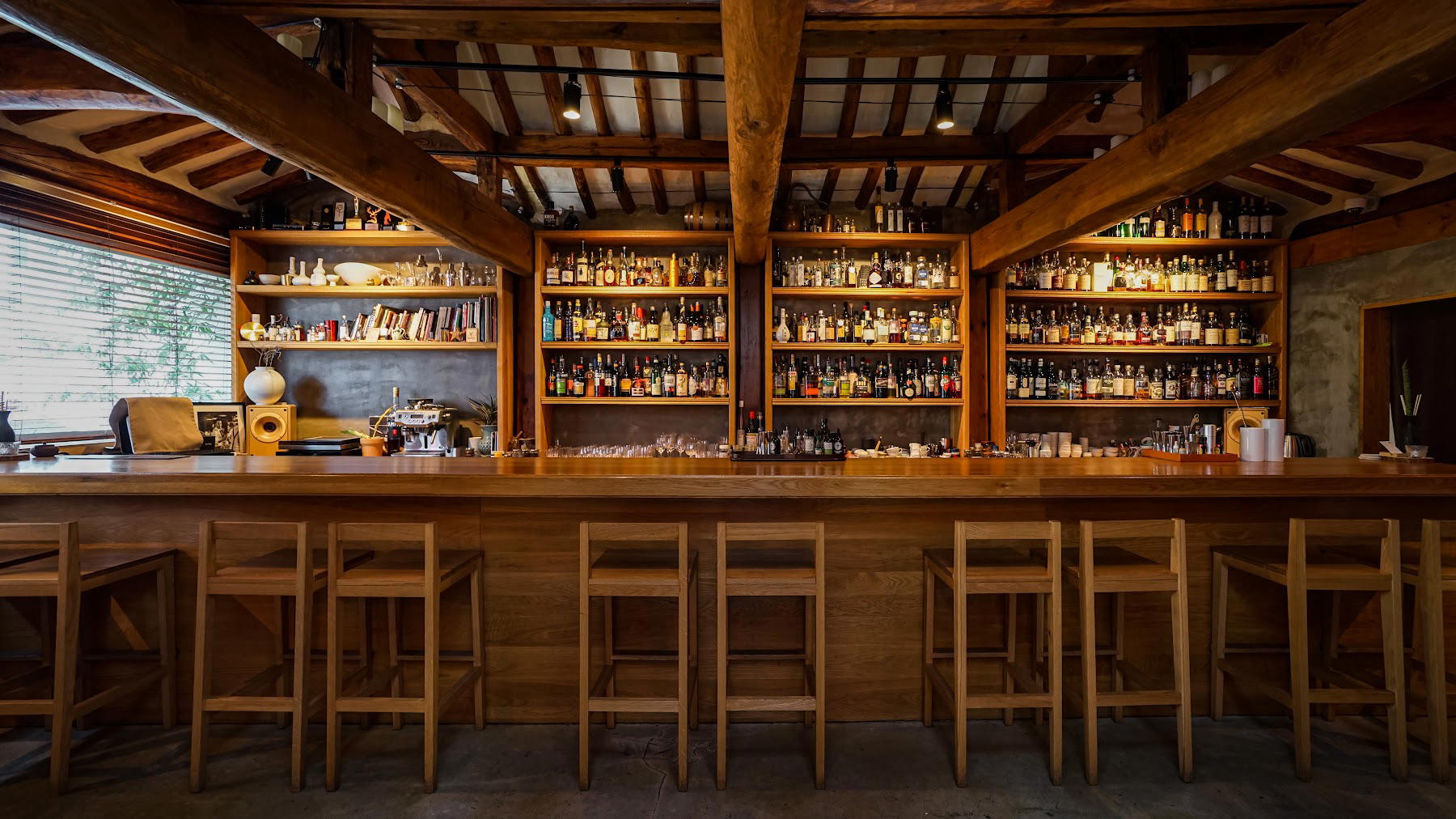
Basement location with bright, clean lighting; peaceful and serene interior contrasting with the bustling narrow alley outside. Counter seating offers views of the open kitchen where chefs work silently.