Kwonsooksoo





2 Michelin Stars · World's 50 Best #98 · La Liste Top Restaurants
Our verdict
Kwonsooksoo holds two Michelin stars and a ranking of #42 among Asia's top restaurants in 2025, placing it firmly in Seoul's upper tier of contemporary Korean dining. Chef Kwon Woo-joong works within Gangnam's Apgujeong neighbourhood, where the kitchen's approach to banchan and seasonal Korean technique draws consistent recognition from both Michelin and Opinionated About Dining across three consecutive years.

Pearl is the En Primeur Club membership app, where members save venues, book tables and use the concierge.
The menu
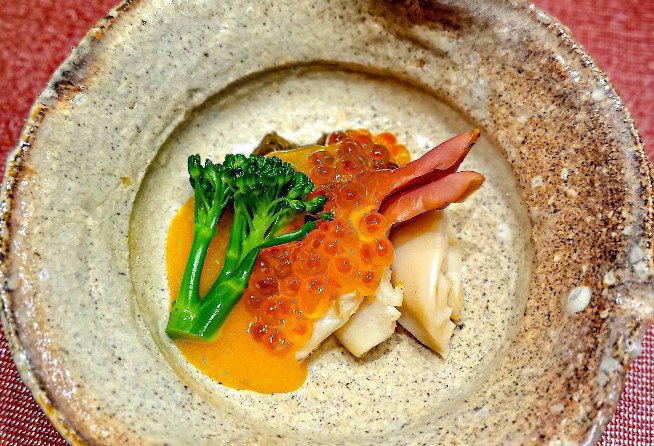
What to order
- Zucchini flower tempura
- Kimchi cart
- Sea cucumber porridge
- Tteokgalbi
Where Banchan Becomes the Argument
In Seoul's most competitive dining tier, the question that separates good Korean restaurants from serious ones is rarely about the main course. It is about the table that arrives before it. Banchan, the array of small accompaniments that frame every Korean meal, tells you almost everything: how the kitchen thinks about balance, restraint, fermentation timelines, and the relationship between individual components and the whole. At Kwonsooksoo, in Apgujeong, that table is the argument. The accompaniments are not decorative. They are the editorial position of the kitchen made edible.
Apgujeong sits in Gangnam District, a neighbourhood that has evolved from its association with wealth and fashion into something more layered, hosting some of Seoul's most deliberate fine-dining rooms alongside its long-established luxury retail corridors. The address on Apgujeong-ro 80-gil places Kwonsooksoo inside a pocket of the neighbourhood where restaurant density is high and the competition for attention among serious diners is genuinely fierce. Peer restaurants in this tier, including contemporary Korean rooms like Mingles and Onjium, compete not just on ingredient quality but on the coherence of their culinary position. Kwonsooksoo's position is grounded in classical Korean technique rather than fusion, which gives it a different competitive identity from the Korean-French or Korean-contemporary rooms nearby.
The Logic of Accompaniment
Korean culinary philosophy has always treated the main course as one voice in a larger conversation. The banchan tradition asks a kitchen to demonstrate range, seasonal awareness, and technical discipline simultaneously, because every small dish on the table is evaluated in relation to every other. Fermented vegetables against fresh ones. Preserved fish against lightly dressed greens. Braised proteins against raw preparations. The interplay is not accidental; it is choreographed, and at the level Kwonsooksoo operates, each component is expected to justify its presence with precision.
Chef Kwon Woo-joong's kitchen works within this framework rather than around it. The contemporary Korean fine-dining movement in Seoul has, over the past decade, produced two broad camps: those who use banchan as a launching point for creative reinterpretation, and those who treat the tradition as a discipline worth mastering on its own terms. Kwonsooksoo belongs more clearly to the second camp, which is arguably the harder path. Creative reinterpretation allows a kitchen to signal modernity through contrast. Mastery within tradition requires that the quality of execution carry the entire weight of the meal.
This approach aligns Kwonsooksoo with rooms like La Yeon and Gaon in Seoul, both of which have built reputations on Korean classical traditions rather than hybridisation. The difference in competitive positioning matters to a diner choosing between them: the question is not which room is more technically accomplished, but which culinary argument is most interesting to you on a given evening.
Awards and Competitive Position
The recognition Kwonsooksoo has accumulated over three consecutive years maps a clear upward trajectory. Michelin awarded two stars in both 2024 and 2025, confirming sustained kitchen consistency rather than a single strong season. The Opinionated About Dining ranking climbed from #93 in Asia in 2023 to #75 in 2024, then to #42 in 2025, a movement of more than fifty positions across two years that reflects growing peer and critic consensus.
Within Seoul specifically, a two-star Michelin restaurant ranked in the low forties by OAD sits in a bracket shared by a small number of rooms. Bicena and Soseoul Hannam occupy adjacent tiers of Seoul's contemporary Korean scene, but Kwonsooksoo's combination of Michelin standing and OAD trajectory places it in the upper register.
For context on how Seoul's Korean fine-dining scene projects internationally, venues like bōm in New York City and DOSA in London are extending Korean technique into other markets, while Jeju Noodle Bar in New York City demonstrates the range of registers Korean cuisine now occupies abroad. The source remains Seoul, and rooms at Kwonsooksoo's level set the reference point that those international kitchens work against.
The Room and What It Signals
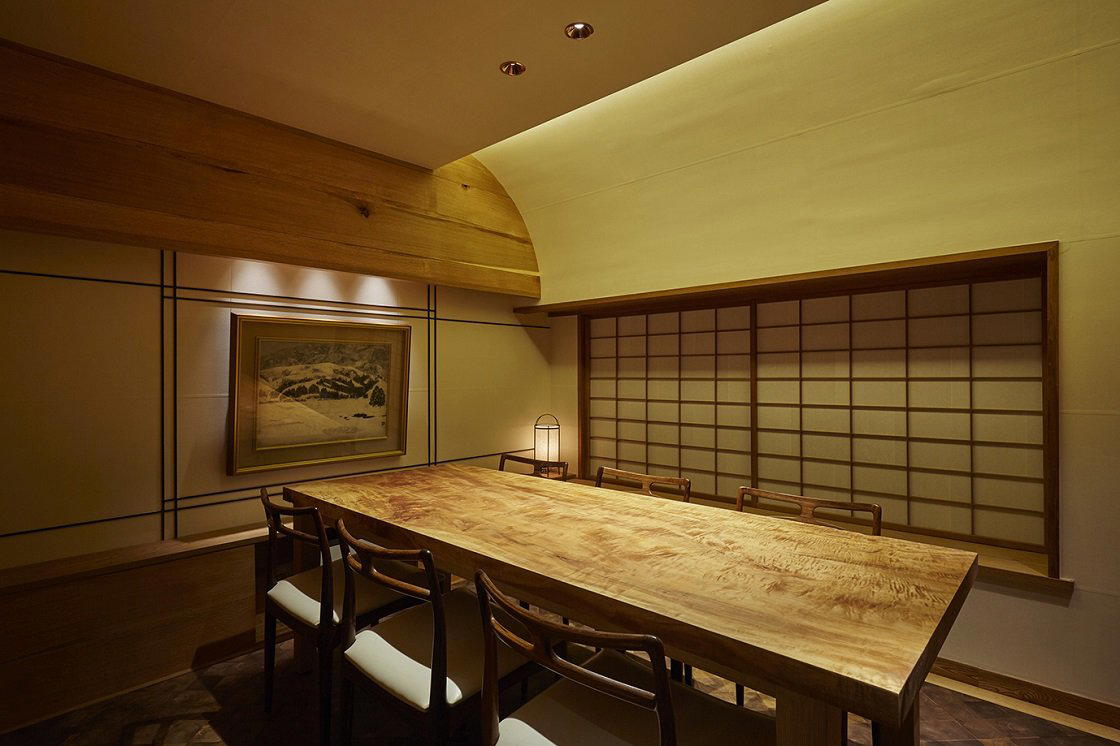
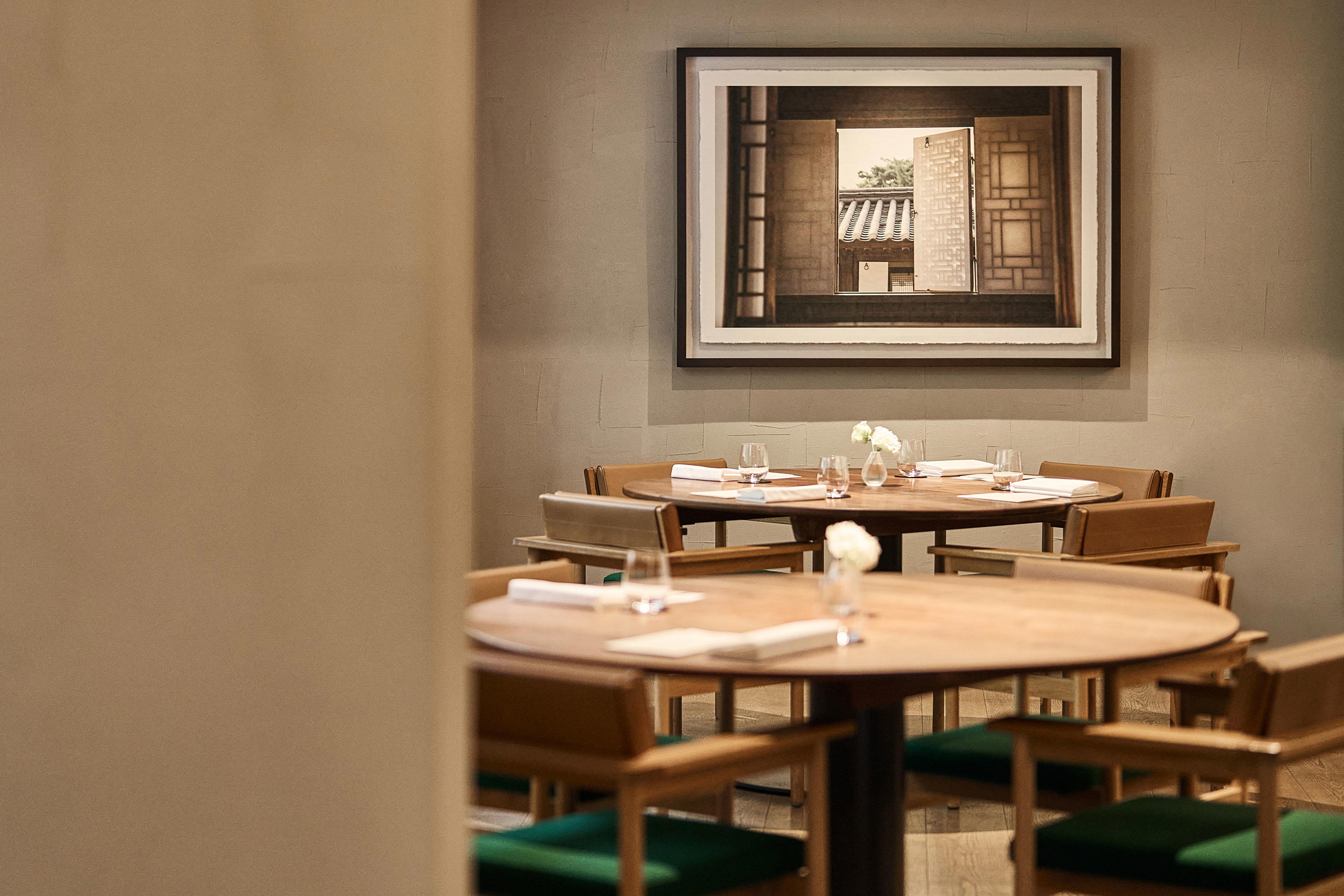
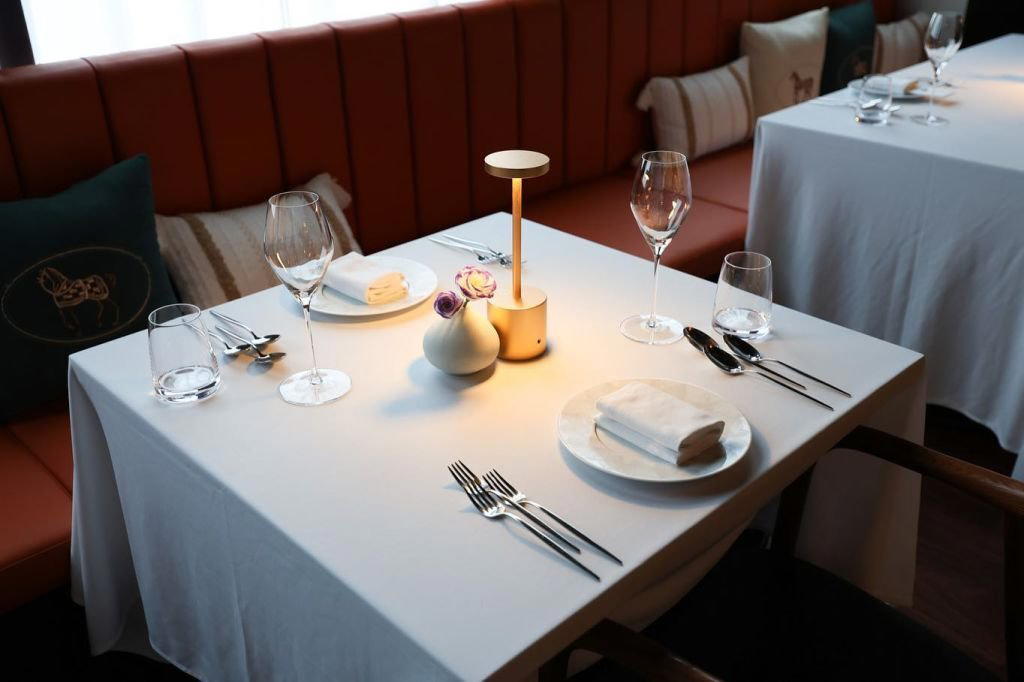
Contemporary Korean fine dining in Seoul has moved away from the heavy lacquerware formality of an earlier generation of high-end hanshik rooms toward interiors that allow the food to carry more of the atmosphere. Natural light, considered material choices, and a quieter visual register have become the grammar of the serious room. This shift reflects a broader confidence in Korean cuisine itself: when the food no longer needs to be propped up by theatrical surroundings, the kitchen's convictions become more legible.
Kwonsooksoo's address in Apgujeong, rather than the hotel dining rooms of central Seoul or the converted hanok spaces of Bukchon, also signals something. Gangnam-side fine dining tends to attract a clientele that is both local and internationally travelled, familiar with reference points in Tokyo, Paris, and Copenhagen, and therefore evaluating the meal against a wide competitive frame. That audience tends to reward kitchens that have a clear point of view, which the OAD ranking trajectory suggests Kwonsooksoo is providing with increasing consistency.
Other Korean fine-dining experiences worth placing alongside Kwonsooksoo for a broader picture of the country's range include Mori in Busan and Baegyangsa Temple in Jangseong-gun, both of which operate with entirely different registers but contribute to an understanding of how Korean culinary identity expresses itself across geographies. Closer to home, 권숙수 in Gangnam-gu shares the same Gangnam neighbourhood and offers a point of comparison within the district.
Planning Your Visit
Kwonsooksoo operates at the ₩₩₩₩ price tier, placing it at the upper end of Seoul's dining market. Given the OAD ranking and Michelin standing, reservation lead times at rooms in this bracket in Seoul typically run several weeks to a few months, particularly for weekend sittings. The Apgujeong address is accessible from Apgujeong Rodeo station on Line 7, and the neighbourhood is walkable for pre- or post-dinner exploration.
For those building a broader Seoul itinerary around this meal, the EP Club guides to Seoul restaurants, Seoul hotels, Seoul bars, Seoul wineries, and Seoul experiences provide context for sequencing a visit. A dinner at this level benefits from arriving without competing commitments, and the Apgujeong neighbourhood offers enough evening options nearby to make an early arrival worthwhile.
For international visitors comparing Korean fine dining across different cities, 더 플라잉 호그 in Seogwipo on Jeju Island offers a contrasting register that underscores how varied the country's dining scene has become outside Seoul.
Know Before You Go
- Address: 37 Apgujeong-ro 80-gil, Gangnam District, Seoul, South Korea
- Price tier: ₩₩₩₩ (upper end of Seoul fine dining)
- Awards: Michelin 2 Stars (2024, 2025); OAD Asia #42 (2025); World's 50 Best Asia #62 (2025)
- Nearest transit: Apgujeong Rodeo Station, Seoul Metro Line 7
- Booking: Advance reservations essential; expect several weeks lead time at minimum for weekend tables
- Dress code: Smart; the room operates at a formal register consistent with Michelin two-star dining
Frequently asked questions
What's Kwonsooksoo known for in terms of accolades?
Kwonsooksoo has received recognition including: OSO ONDO fuses Basque influence with Korean technique, crafting a scene where charcoal fires glow and patience pays off. The menu features seasonal pescados, cochinillo and other grilled delights, with a sauerkraut accompaniment that cuts f….
Is Kwonsooksoo expensive?
Pricing at Kwonsooksoo is listed as ₩₩₩₩.
What do people recommend at Kwonsooksoo?
Kwonsooksoo is a two-Michelin-star Korean restaurant in Seoul's Apgujeong neighbourhood, led by Chef Kwon Woo-joong. The kitchen operates within classic hanshik structure, meaning the banchan sequence is central to the meal rather than incidental, the OAD ranking committee, which placed Kwonsooksoo at #42 in Asia for 2025, tends to reward exactly this kind of commitment to the discipline of accompaniment. At the ₩₩₩₩ price tier, the expectation is a composed, multi-course format; diners who have engaged with the kitchen's philosophy report that the progression of fermented and seasonal sides is where the argument is made.
Where do I go for Kwonsooksoo?
Kwonsooksoo is located at 37 Apgujeong-ro 80-gil, Gangnam District, Seoul, South Korea, Seoul.
Who runs the kitchen at Kwonsooksoo?
The chef associated with Kwonsooksoo is Kwon Woo-joong.
Side-by-Side Snapshot
A quick snapshot of similar venues for side-by-side context.
| Venue | Cuisine | Price | Awards | Notes |
|---|---|---|---|---|
| KwonsooksooThis venue (the venue you are viewing) | Modern Korean Fine Dining | $150–200 | 2 Michelin Stars · World's 50 Best #98 | Not listed |
| 7th Door | Modern Korean Fermentation Fine Dining | $100–150 | 1 Michelin Star · World's 50 Best #49 | Korean, Contemporary |
| Solbam | Contemporary Neo-Classical Korean | $200–300 | 1 Michelin Star · World's 50 Best #55 | Contemporary |
| Onjium | Modern Korean Royal Court Cuisine | Not listed | 1 Michelin Star · World's 50 Best #14 | Korean |
| L'Amitié | Classic French Fine Dining | $100–150 | 1 Michelin Star · La Liste Top Restaurants | French |
| Zero Complex | Modern French Neo-Bistro | $100–150 | 1 Michelin Star · La Liste Top Restaurants | Korean-French, Innovative |
Recognition history
Dated appearances from independent guides and award organizations, with the underlying list record or original source where available.
Michelin 2 Stars
Michelin
World's 50 Best Asia's Best Restaurants #98
World's 50 Best
La Liste Top Restaurants
La Liste
Black Pearl 1 Diamond
Black Pearl
Opinionated About Dining Top Restaurants in Asia Ranked #65
Opinionated About Dining
Full recognition history (12 entries)
La Liste Top Restaurants
La Liste
Michelin 2 Stars
Michelin
Opinionated About Dining Top Restaurants in Asia Ranked #42
Opinionated About Dining
World's 50 Best Asia's Best Restaurants #62
World's 50 Best
Michelin 2 Stars
Michelin
Opinionated About Dining Top Restaurants in Asia Ranked #75
Opinionated About Dining
Opinionated About Dining Top Restaurants in Asia Ranked #93
Opinionated About Dining
Continue exploring
More in Seoul
Restaurants in Seoul
All restaurants in Seoul →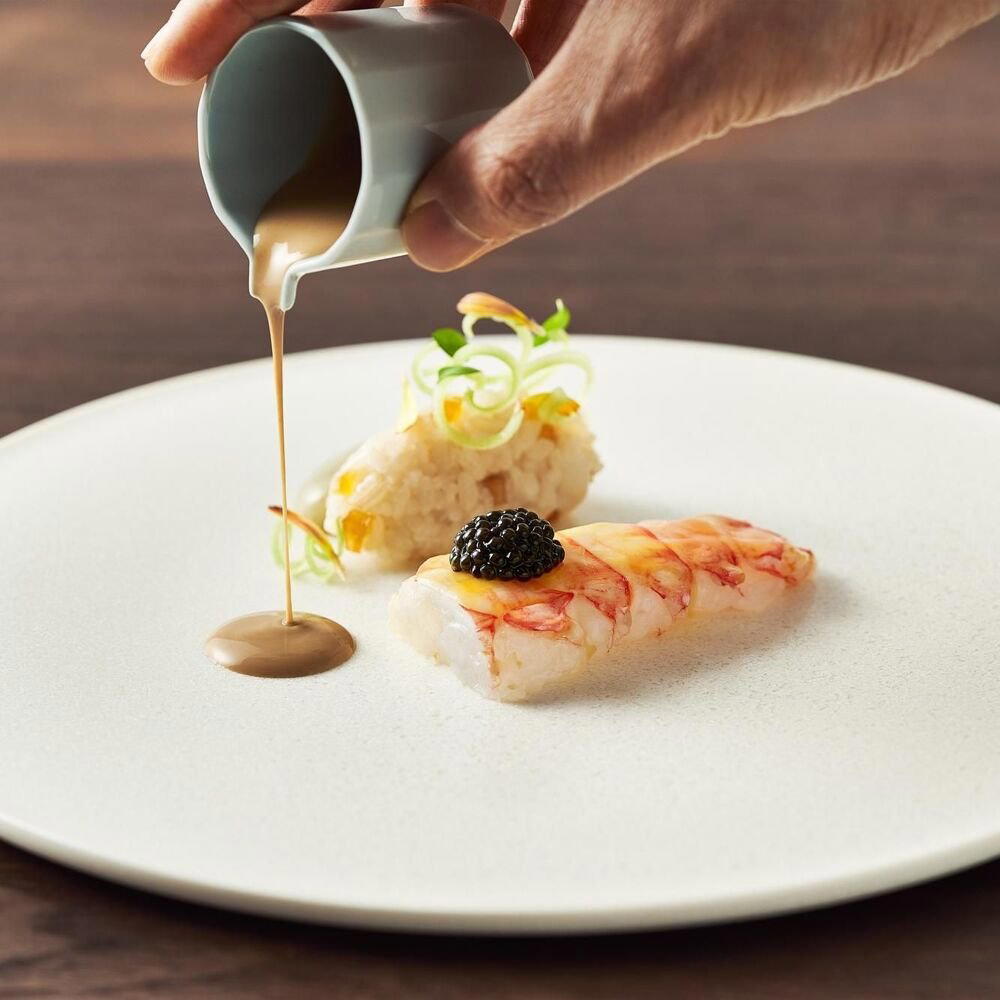
Bars in Seoul
All bars in Seoul →
Details
- Elegant
- Modern
- Sophisticated
- Intimate
- Date Night
- Special Occasion
- Celebration
- Private Dining
- Extensive Wine List
- Local Sourcing
- Tasting Menu
Current opening hours
- Monday
- Closed
- Tuesday
- 12–3 PM, 6–10 PM
- Wednesday
- 12–3 PM, 6–10 PM
- Thursday
- 12–3 PM, 6–10 PM
- Friday
- 12–3 PM, 6–10 PM
- Saturday
- 12–3 PM, 6–10 PM
- Sunday
- Closed
Hours can change for holidays and private events. Hours as of .
Minimalist space with muted colors, natural light, casual yet high-end feel, and classic tabletops emphasizing traditional Korean elegance.