Hwangnam Bread and Busan Steamed Bun
Hwangnam Bread and Busan Steamed Bun represents Gyeongju's most direct line to Korean regional bakery tradition, where red bean paste fillings and slow-steamed dough connect visitors to ingredients and techniques rooted in the Silla period. These are not novelty souvenirs but working expressions of local grain and legume culture, bought and eaten in the city that made them famous across South Korea.
Pearl is the En Primeur Club membership app — saves, bookings, and concierge access live there. Same editors, same standards.
- Address
- Gyeongju, South Korea
- Directions
- Get directions
 Saves & bookings on Pearl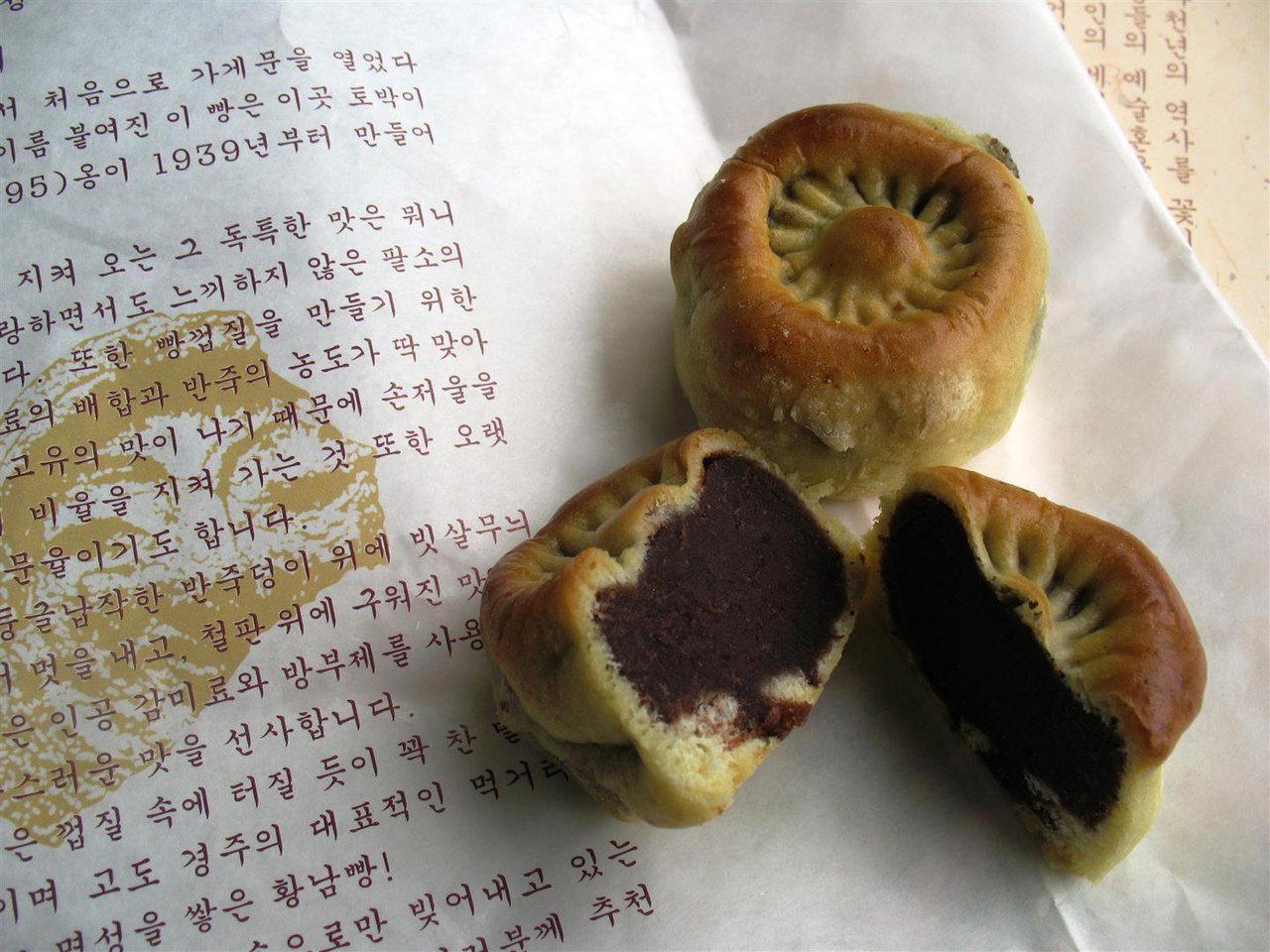
Where Gyeongju's Grain Culture Lives on Paper Bags and Steam
Most cities in South Korea have a food that travels with you when you leave. Gyeongju has two, and they arrive together: hwangnam bread, the dense red-bean-filled pastry that has defined the city's edible identity for decades, and the Busan-style steamed bun that shares counter space and customer loyalty in equal measure. Walking through the older quarters near the Tumuli Park burial mounds, the smell of baking dough and warming bean paste moves through the air before any signage does. This is not a manufactured food district. The pairing exists because the ingredients and the demand were always here.
The Ingredient Logic Behind the Filling
Korean red bean confectionery operates on a spectrum that runs from aggressively sweet commercial paste to something closer to earthy, mineral-forward simplicity. Hwangnam bread sits toward the restrained end of that spectrum. The filling in the traditional version is built from pat, the small adzuki-style red beans long cultivated across the Korean peninsula, and the proportion of bean to dough is what distinguishes a serious hwangnam bread from an imitation. In the original format, the filling is dense and substantial, not a thin stripe inside a bread shell, but the structural center of the thing.
That ratio matters because it reflects a particular regional logic: Gyeongju's agricultural history and its proximity to grain-producing lowlands meant that both the flour and the legumes could be sourced locally. The bread's identity is inseparable from that sourcing context, in the same way that a good Gyeongju Wonjo Kongguk draws its character from the quality of the soybeans behind it. Korean regional food at its most coherent is a function of what the land produces, not what a menu designer decided to put on paper.
The Busan steamed bun introduces a different regional grammar. Steamed buns in the Busan tradition tend toward a lighter, more yielding dough than their northern or Chinese-influenced counterparts, and the fillings shift accordingly, sometimes sweet, sometimes savory, depending on the maker. The pairing of these two formats in one setting is a statement about how Gyeongju functions as a transit city, a place where travelers and ingredients from the southeastern coast have always passed through on their way inland.
Gyeongju as a Food City, Not Just a Heritage Site
Visitors to Gyeongju frequently arrive for the archaeology, the Silla tombs, Bulguksa Temple, the stone lanterns at Anapji Pond, and treat the food as secondary. That framing misreads the city. Gyeongju's food culture is among the more coherent in the country for a city of its size, built around a handful of specific products that carry genuine provenance rather than tourist-market approximations. Hwangnam bread is particularly traveled of those products; boxes of it appear in the hands of every departing bus passenger, sent home as gifts in the way that Jeju produces its citrus or Andong its braised mackerel.
The broader Gyeongju dining scene has been developing quietly. Hongsi Hanjeongsik represents the hanjeongsik tradition of set-meal Korean cuisine at the more formal end of the spectrum, while Thank You Chicken holds down the casual end with local poultry preparations. Hwangnam bread and the steamed bun sit outside both of those registers, operating as street-adjacent takeaway items rather than seated dining experiences. That positioning is not a limitation. It is a different kind of authority.
How These Fit Into Korea's Regional Bakery Tradition
Korean regional specialty breads and buns occupy a specific niche in the national food conversation. They are not the fine-dining products that critics document at places like Mingles in Seoul or Atomix in New York City, where Korean culinary technique is performing on a global stage. They are also not the fusion bakery products filling the Instagram-driven café districts of Seoul and Busan. What they represent is a third category: regionally specific, ingredient-grounded, sold in volume to people who know exactly what they are buying.
That category has parallels across the country. The pork-centered street culture in Jeju, documented through places like 88돼지 and Black Pork BBQ in Seogwipo, operates on the same principle: a product defined by a specific regional animal or ingredient becomes the organizing logic of a local food identity. In Gyeongju, that organizing logic is the red bean and the grain. The steamed bun adds a coastal inflection from Busan's seafood-and-street-food culture, a city whose own fine dining scene, including venues like Mori in Busan, has been developing fast while its street-level traditions remain strong.
Practical Notes for the Visit
Hwangnam bread shops cluster near the Tumuli Park area and along the commercial streets feeding toward Gyeongju's central historic zone. The products are sold fresh, in individual pieces or boxed sets, and the boxes travel well enough for train or bus journeys back to Seoul or Busan. No reservation is required. The format is counter service, and queues during peak tourist periods, particularly spring cherry blossom season and autumn foliage weeks, can be substantial, though they move quickly. Pricing sits at the low end of the Korean street food spectrum: these are everyday items sold at everyday prices, not premium gift goods despite their souvenir function.
Visitors combining food and history in a single Gyeongju day will find the bread shops naturally on the route between the major archaeological sites. If the city is one stop on a broader Korean itinerary that includes Suwon, the galbi tradition at Gobojeong Galbi #1 and the fermented flavors at Doosoogobang offer useful contrast points for understanding how Korean regional food identities diverge sharply by geography.
Quick Comparison
Comparable venues nearby, for context on price, style, and recognition.
| Venue | Cuisine | Price | Notes |
|---|---|---|---|
| Hwangnam Bread and Busan Steamed BunThis venue — the venue you are viewing | Traditional Korean Red Bean Pastry | $ | Not listed |
| Gyeongju Wonjo Kongguk (경주원조콩국) | Traditional Korean Kongguksu | $$ | Hwangnam-dong |
| Hongsi Hanjeongsik | Traditional Korean Hanjeongsik | $$$ | Seonggeon-dong |
| Thank You Chicken | Korean Fried Chicken | $$ | Hwangnam-dong |
| 오는정김밥 | Traditional Korean Kimbap | $ | 동문동 (Dongmun-dong) |
| Namagjib | Korean Pork Bone Soup Specialist | $ | Daeyeon 3(sam)-dong |
Continue exploring
More in Gyeongju
Restaurants in Gyeongju
Browse all →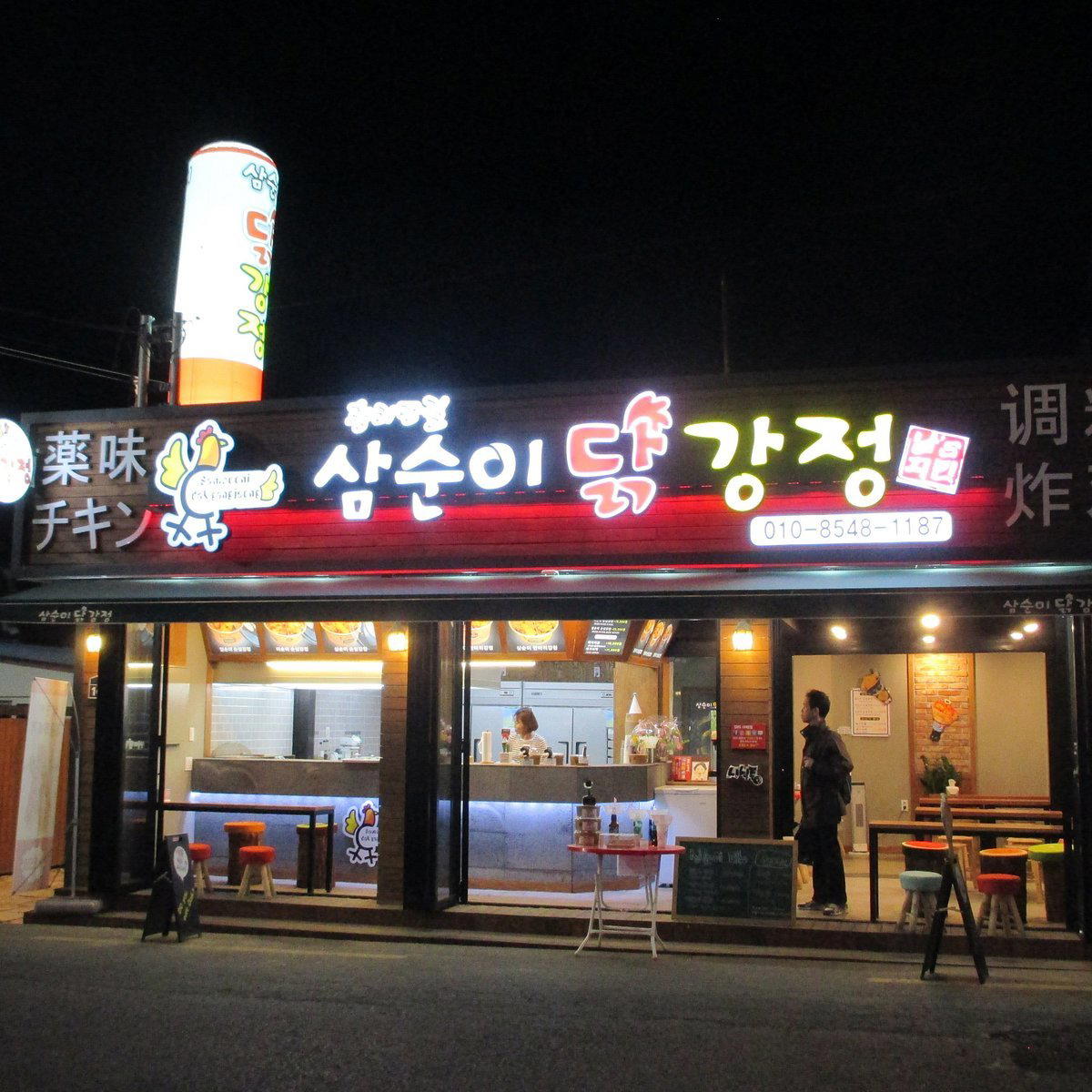
At a Glance
- Classic
- Well Known
- Casual Hangout
- Historic Building
Classic bakery atmosphere focused on traditional pastry preparation.