Mingles









3 Michelin Stars · World's 50 Best #4 · La Liste Top Restaurants
Our verdict
Mingles places modern Korean tasting-menu cooking inside Seoul’s luxury dining tier, with banchan logic translated into composed courses rather than a crowded table. Chef Mingoo Kang’s cooking is backed by Michelin three-star recognition in 2024 and 2025, La Liste 96-point scores, and a 2026 OAD Asia ranking at No. 16, making it a serious reference point for contemporary Korean cuisine.

Pearl is the En Primeur Club membership app, where members save venues, book tables and use the concierge.
The menu
What to order
- Mingling Pot with morel and cabbage ssam
- Hanwoo beef with Jerusalem artichoke
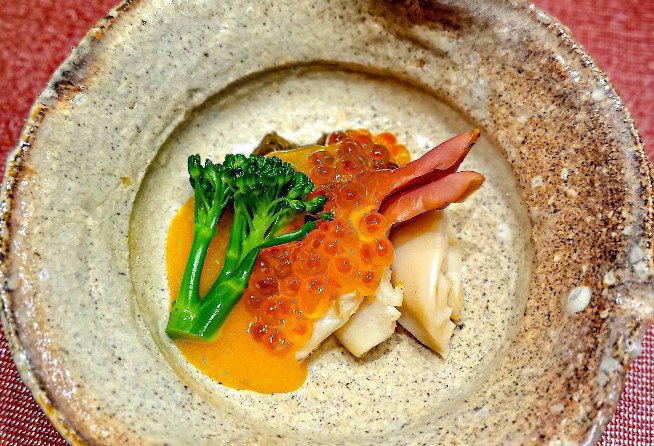
- Abalone and Cabbage Seon
- Fish Mandu
- Jang trio dessert
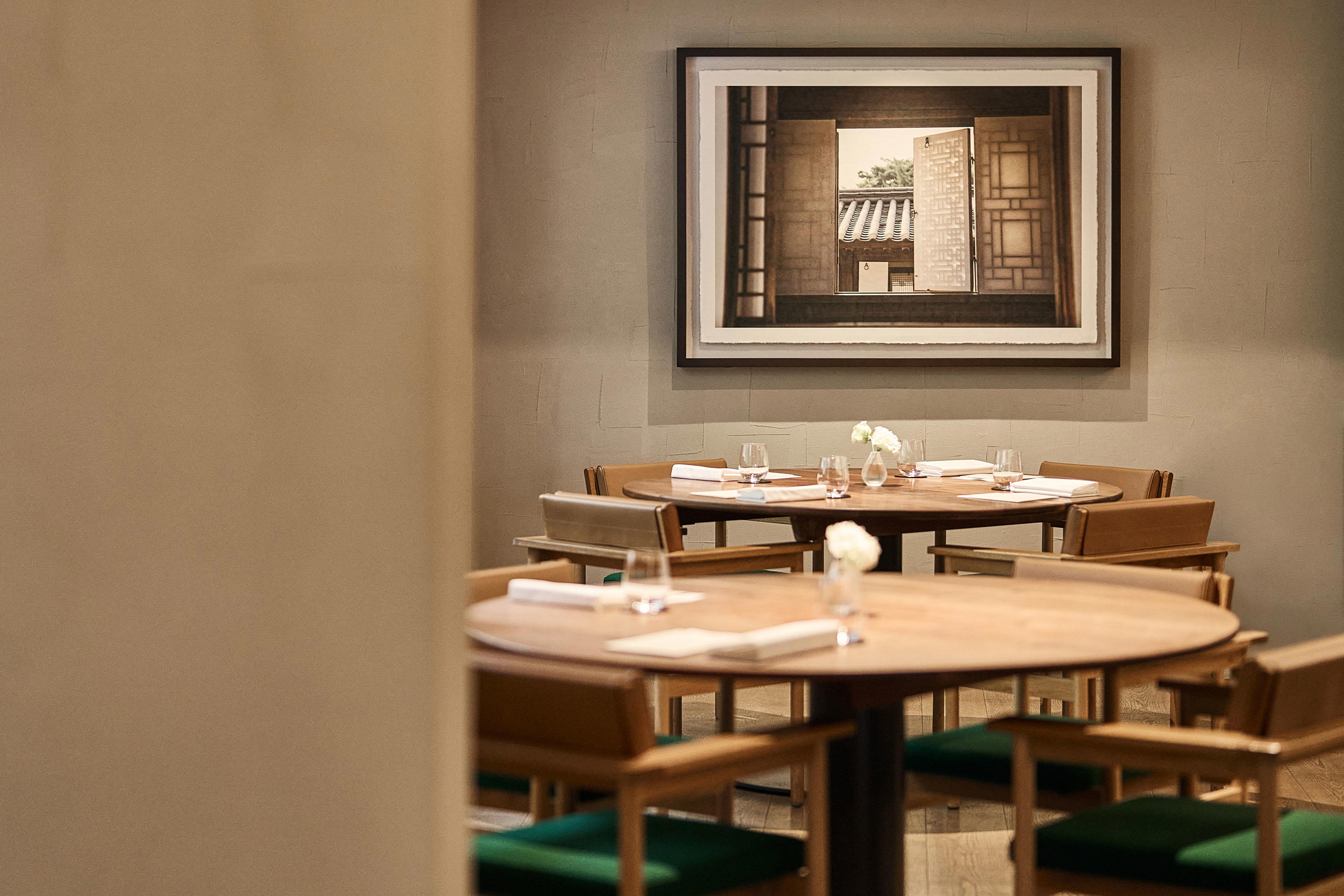
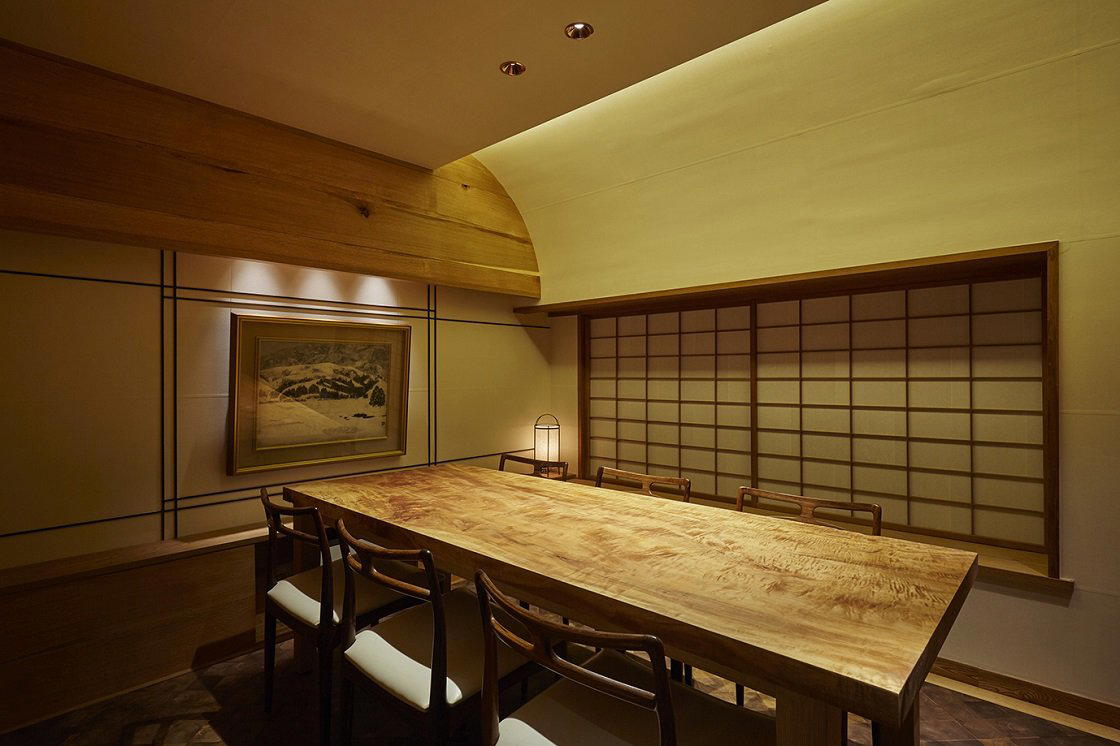
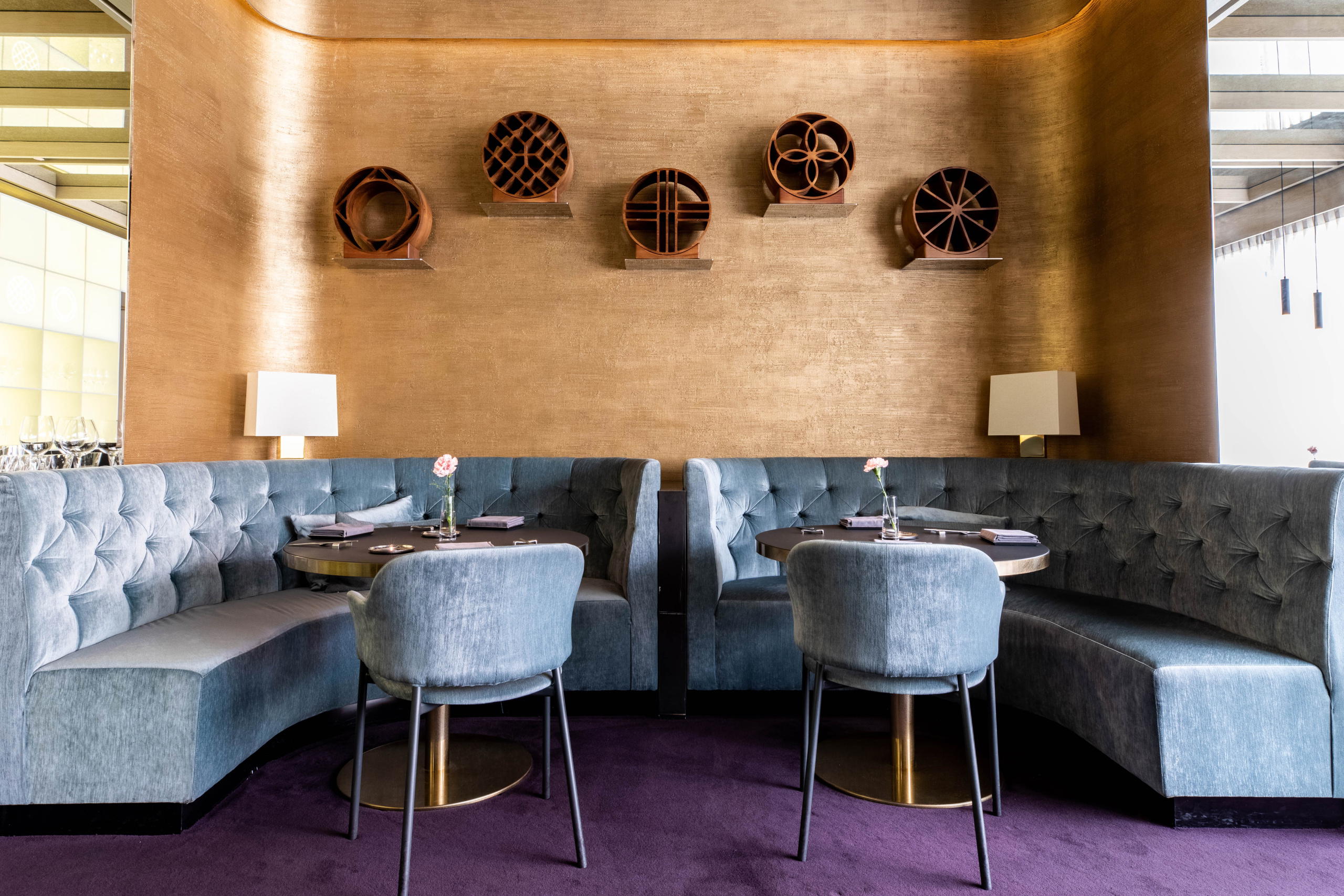
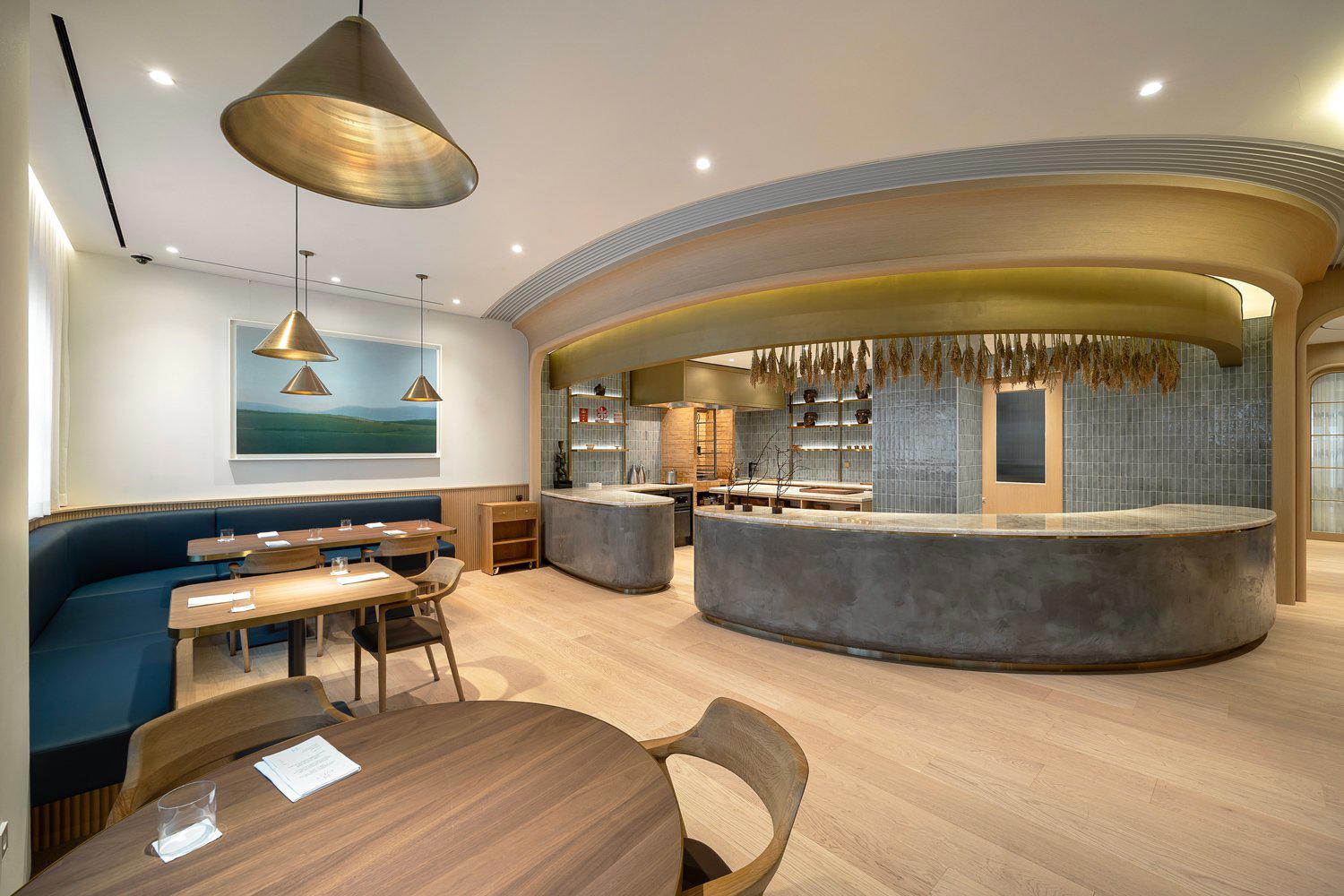
The room sets the terms before the meal: warm tones, contemporary art, refined tableware, and windows framing calm green views rather than city glare. Mingles is a high-end Korean restaurant in Seoul led by chef-owner Mingoo Kang. The verified picture is concise but useful: Korean cuisine, a ₩₩₩₩ price marker, smart casual dress, and service on Tuesday through Saturday for both midday and evening hours.
That matters in a city where premium Korean dining can take many forms, from tradition-forward rooms to contemporary interpretations. For Mingles, the safest reading is not to attach unverified claims about a specific menu format, signature dishes, rankings, or drinks program. The grounded appeal is clearer: a polished Seoul dining room presenting Korean cuisine with an elegant, minimalist setting.
Korean cuisine in a refined contemporary room
Mingles is best introduced through what is verified rather than through unconfirmed menu detail. It serves Korean cuisine under Mingoo Kang, and its setting is described in warm, contemporary terms: refined tableware, artworks, and calm green views. Those details support an expectation of a composed, premium meal, but the exact structure of the menu should be confirmed directly with the restaurant before booking.
Diners interested in particular ingredients, allergies, substitutions, or service format should contact Mingles directly. What can be stated with confidence is that the restaurant sits in Seoul’s upper price bracket and presents itself as a smart-casual Korean dining destination.
Chef-owner Mingoo Kang is the named culinary figure behind Mingles. The restaurant’s draw, on the available record, is its combination of Korean cuisine, a refined contemporary room, and a premium positioning in Seoul.
The useful takeaway is narrower and more reliable: Mingles is a polished Korean restaurant in Seoul with an elegant minimalist setting and a high-end price marker.
Where it sits among Seoul's Korean dining rooms
Seoul’s premium Korean dining scene is not a single hierarchy. Bium, Keunkiwajip, Kwonsooksoo, Sool052, and Soseoul Hannam offer other points of comparison for diners building a Korean restaurant itinerary. Mingles occupies a refined contemporary lane, with the available information emphasizing Korean cuisine, smart casual dress, and an elegant room.
That comparison helps because travellers can misread premium Korean dining as one uniform category. The better approach is to decide what kind of meal you want, then verify the current menu and booking conditions directly. For Mingles, the confirmed case rests on Korean cuisine by Mingoo Kang in a polished Seoul setting, not on unverified claims about a particular tasting-menu structure or international ranking.
Diners who care about drinks should ask the restaurant for its current list or pairing options. The same applies to private dining, celebrations, dietary needs, and any special service requests.
For a wider Seoul itinerary, place this meal beside other Korean dining rooms rather than treating every high-end address as interchangeable. Bium, Keunkiwajip, Kwonsooksoo, Sool052, and Soseoul Hannam each suggest another way to think about Korean dining in the city, while other Seoul restaurants can fill in more casual, regional, or specialist meals.
How to read the meal before committing
The price marker sits at ₩₩₩₩, and Mingles serves on Tuesday through Saturday from 12–3 PM and 6–10 PM. It is closed on Monday and Sunday. This is therefore a planned Seoul meal rather than an everyday drop-in choice, and the smart casual dress code reinforces the polished tone.
The verified location detail is Seoul. The same caution applies to menu details, reservation policies, and any special requests.
Editorial case is simple: Mingles is for diners who want Korean cuisine in a refined Seoul setting led by chef-owner Mingoo Kang. Its confirmed value lies in the combination of Korean cooking, elegant minimalism, smart casual presentation, and a premium price bracket, rather than in unverified claims about awards, dishes, rankings, or service format.
Frequently asked questions
Is Mingles okay with children?
Mingles is a refined Korean restaurant in Seoul with a smart casual dress code and a ₩₩₩₩ price marker. Families should check the venue's official channels to confirm its current policy for children and suitability for their party.
What should I expect atmosphere-wise at Mingles?
Expect an elegant, contemporary room in Seoul, described with warm tones, modern artworks, refined tableware, and calm green views.
What's the cuisine at Mingles?
Mingles serves Korean cuisine. Chef-owner Mingoo Kang is the named culinary figure behind the restaurant.
How much does it cost to eat at Mingles?
Pricing at Mingles is listed as ₩₩₩₩.
What days is Mingles closed?
Hours at Mingles: Mon: Closed; Tue: 12–3 PM, 6–10 PM; Wed: 12–3 PM, 6–10 PM; Thu: 12–3 PM, 6–10 PM; Fri: 12–3 PM, 6–10 PM; Sat: 12–3 PM, 6–10 PM; Sun: Closed.
In Context: Similar Options
Comparable venues by cuisine and price in the same metro.
| Venue | Cuisine | Price | Awards |
|---|---|---|---|
| MinglesThis venue (the venue you are viewing) | Modern Korean Fine Dining | $200–300 | 3 Michelin Stars · World's 50 Best #4 |
| Kwonsooksoo | Modern Korean Fine Dining | $150–200 | 2 Michelin Stars · World's 50 Best #98 |
| Soseoul Hannam | Modern Korean Fine Dining | $100–150 | 1 Michelin Star |
| Sool052 | Modern Korean Gastropub | $30–50 | Michelin Plate |
| Keunkiwajip | Traditional Korean Hanjeongsik with Ganjang Gejang | $30–50 | Not listed |
| Bium | Korean Temple Cuisine | Not listed | Michelin Plate · World's 50 Best #43 |
Recognition history
Dated appearances from independent guides and award organizations, with the underlying list record or original source where available.
Michelin 3 Stars
Michelin
World's 50 Best Asia's Best Restaurants #4
World's 50 Best
La Liste Top Restaurants
La Liste
Star Wine List
Star Wine List
Black Pearl 3 Diamond
Black Pearl
Full recognition history (20 entries)
Opinionated About Dining Top Restaurants in Asia Ranked #16
Opinionated About Dining
Wine Spectator Best of Award of Excellence
Wine Spectator
La Liste Top Restaurants
La Liste
Michelin 3 Stars
Michelin
Opinionated About Dining Top Restaurants in Asia Ranked #23
Opinionated About Dining
Tatler Listed in Best Restaurants Asia-Pacific
Tatler
We're Smart World 2 Radishes
We're Smart World
Wine Spectator Best of Award of Excellence
Wine Spectator
World's 50 Best Asia's Best Restaurants #5
World's 50 Best
World's 50 Best Restaurants #29
World's 50 Best
Michelin 3 Stars
Michelin
Opinionated About Dining Top Restaurants in Asia Ranked #23
Opinionated About Dining
World's 50 Best Restaurants #44
World's 50 Best
Opinionated About Dining Top Restaurants in Asia Ranked #23
Opinionated About Dining
World's 50 Best Restaurants #89
World's 50 Best
Continue exploring
More in Seoul
Restaurants in Seoul
All restaurants in Seoul →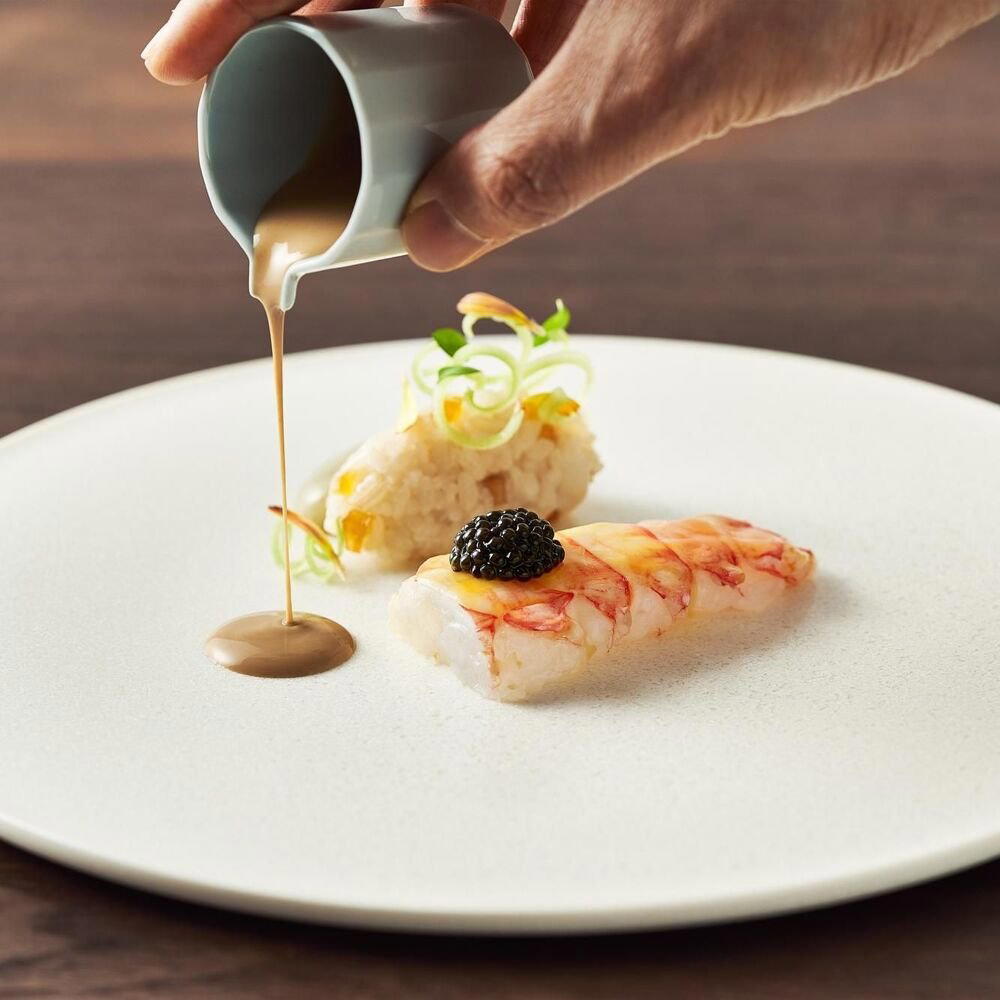
Bars in Seoul
All bars in Seoul →
Mingles
The wine
Mingles holds the Wine Spectator Best of Award of Excellence, which Wine Spectator gives to lists of usually 350 or more selections.
- Wine program
- Deep wine list
- Wine Spectator
- Wine Spectator Best of Award of Excellence
- Selections
- 780
- Bottles in cellar
- 2,220
- List strengths
- France, Burgundy
- Wine director
- Lee Hyeon Jae
- Extensive wine list
- Sommelier-led
- Natural wine
Details
- Elegant
- Minimalist
- Sophisticated
- Modern
- Special Occasion
- Celebration
- Date Night
- Business Dinner
- Open Kitchen
- Design Destination
- Standalone
- Extensive Wine List
- Natural Wine
- Sommelier Led
- Local Sourcing
Current opening hours
- Monday
- Closed
- Tuesday
- 12–3 PM, 6–10 PM
- Wednesday
- 12–3 PM, 6–10 PM
- Thursday
- 12–3 PM, 6–10 PM
- Friday
- 12–3 PM, 6–10 PM
- Saturday
- 12–3 PM, 6–10 PM
- Sunday
- Closed
Hours can change for holidays and private events. Hours as of .
Warm minimalism with understated elegance of Korean aesthetics, featuring natural wood tables, fresh flowers, succulents, and precise cream-hued ceramics crafted by Korean artisans; relaxed yet refined atmosphere.