Mori

1 Michelin Star
Our verdict
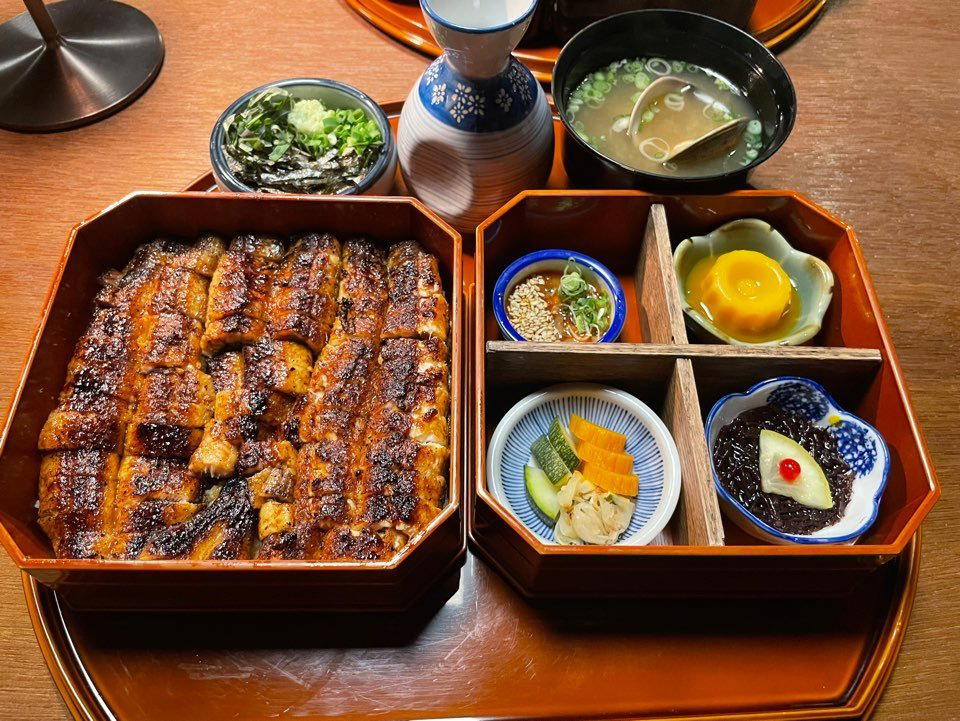
Mori holds a Michelin star (2024) for its kaiseki-style course meals in Haeundae, where a Korean chef trained in Japan and his Japanese wife serve Busan's freshest seafood through a disciplined seasonal format. The kitchen draws on local produce to express traditional Japanese aesthetic principles, while the front-of-house delivers the kind of attentive, unhurried service that the format demands. Tuesday through Sunday, evenings only.

Pearl is the En Primeur Club membership app, where members save venues, book tables and use the concierge.
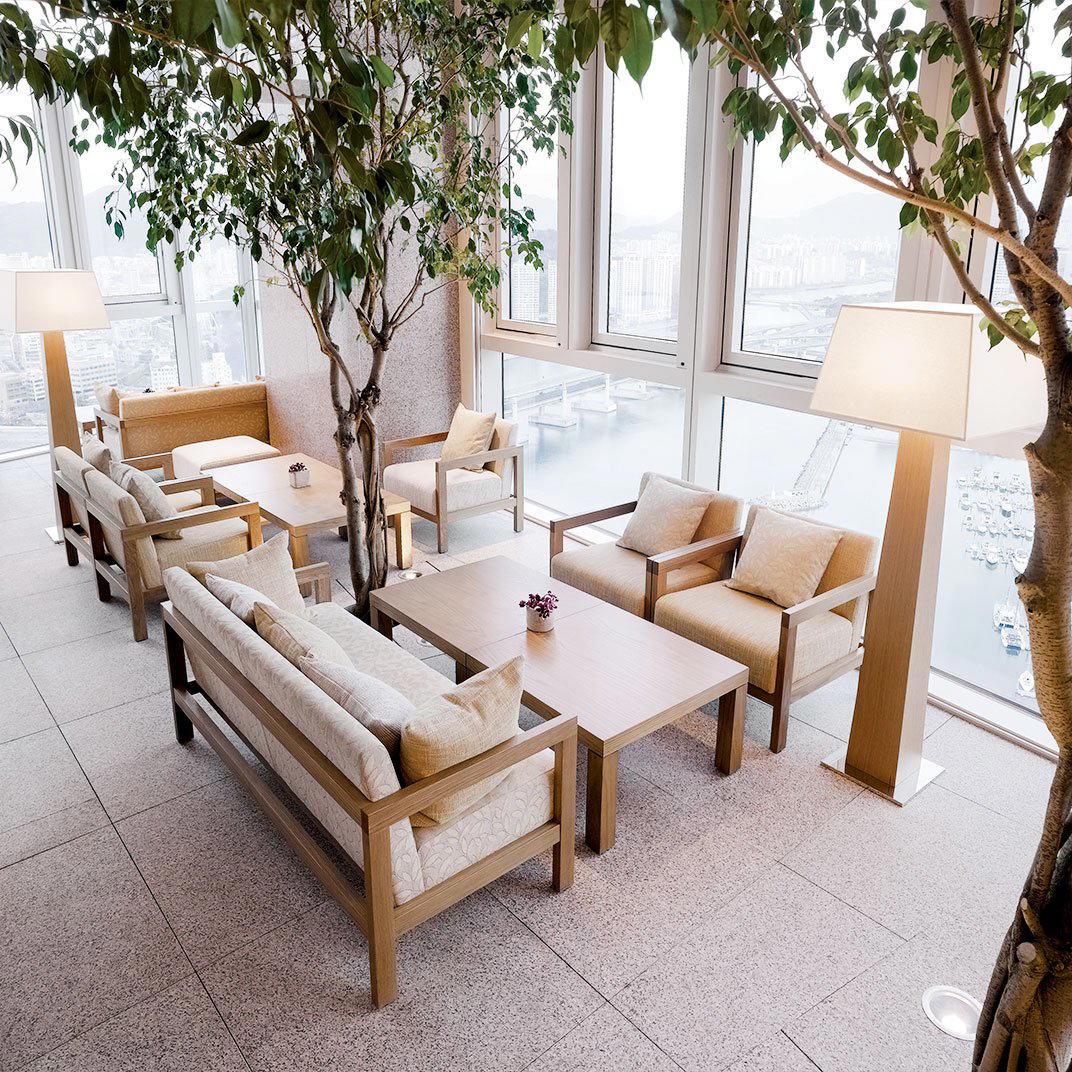
Where Busan's Seafood Meets the Kaiseki Discipline
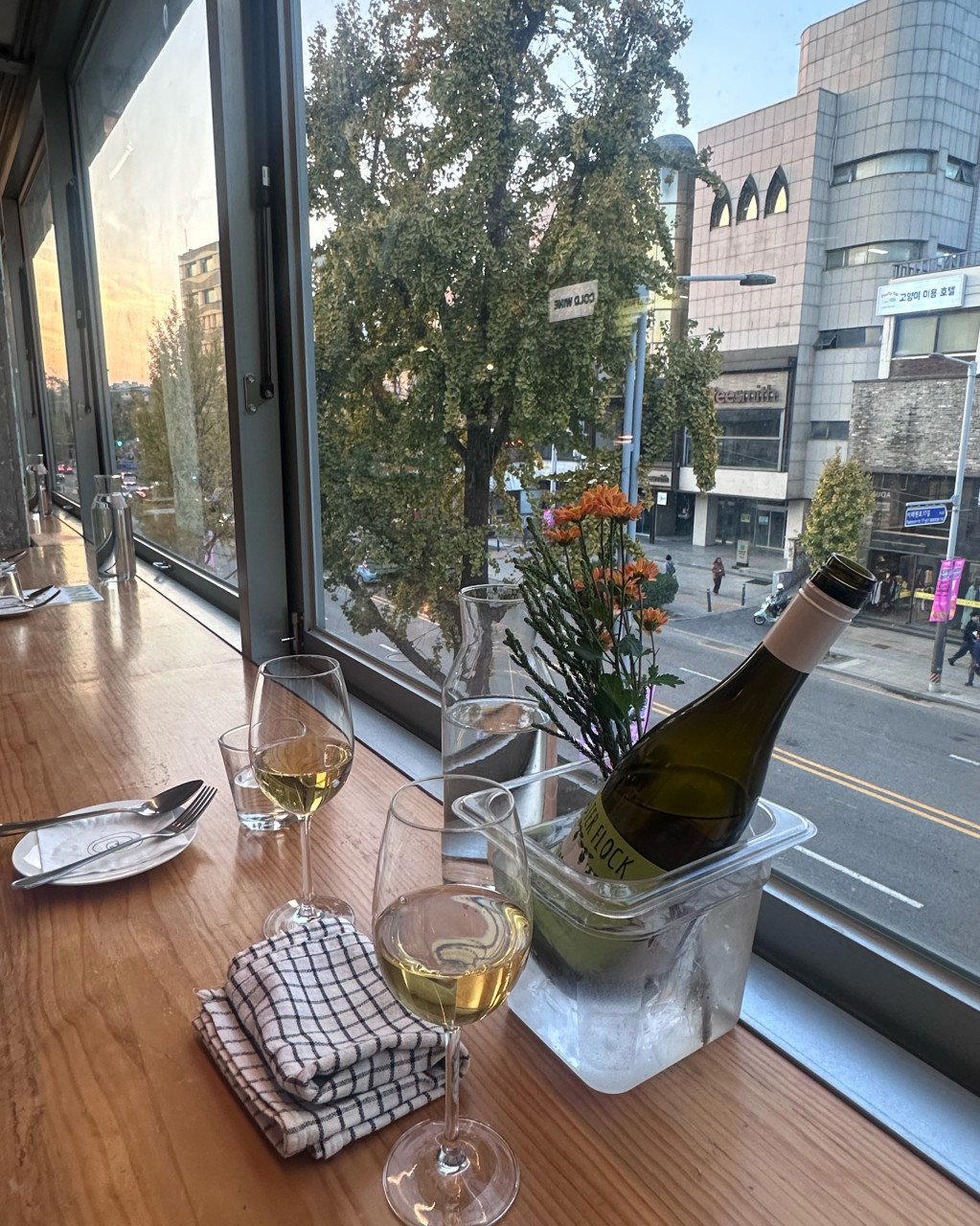
The third floor of a low-rise commercial building in Haeundae-gu is not where most diners expect to find a Michelin-starred kaiseki counter. But the relative quietness of the address is part of the logic. Kaiseki, the multi-course seasonal tradition that traces back to the tea ceremony culture of Kyoto, has never been about visibility. It is about concentration: the gradual accumulation of small, precisely calibrated courses, each one a statement about a season and its produce, arranged so that the sequence itself carries meaning. Mori works inside that tradition. The room is small, the hours are short, Tuesday through Sunday, from 7 PM, and the format asks more of the diner than a conventional restaurant visit. You are not choosing from a menu; you are following a course set by the kitchen.
Kaiseki in a Korean Port City
Kaiseki as it is practised in Japan is inseparable from geography. The great kaiseki houses in Kyoto, such as Isshisoden Nakamura, have centuries of relationship with specific mountain suppliers, river fish, and fermented ingredients. Tokyo kaiseki counters, Myojaku and Azabu Kadowaki among them, operate with access to Tsukiji-adjacent supply chains and a dining culture where the format has deep institutional recognition. Busan presents a different set of conditions: a port city with some of the Korean peninsula's freshest and most diverse seafood, a strong Japanese culinary influence from historical proximity, and a dining culture that is sophisticated but largely organised around Korean forms, gukbap, naengmyeon, raw fish in the hoesik style.
The opportunity that Mori takes is to apply the kaiseki framework to Busan's own seasonal and marine abundance. Chef Kim Wan-gyu, trained in Japan and operating alongside his Japanese wife, is not translating the tradition at a distance. The cross-cultural credential is structural to the kitchen's credibility: the training is Japanese, the produce is Korean, and the result is a course meal that belongs to neither category in a direct way. That combination earned Mori its Michelin star in 2024, placing it within a small cohort of Busan restaurants recognised by the Guide, a list that also includes Haemok and Iwa.
The Kaiseki Aesthetic and What It Asks of the Kitchen
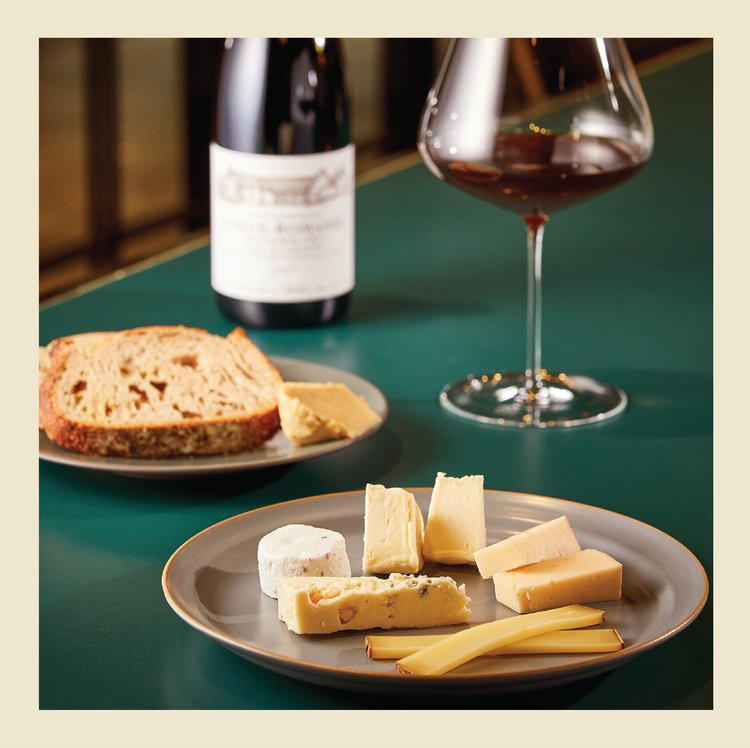
The kaiseki format is demanding in a particular way that separates it from other multi-course structures. A tasting menu at a contemporary restaurant, say, Palate at the ₩₩ tier, is free to move across influences, surprise with contrasts, and build toward a dramatic centrepiece. Kaiseki operates by different rules. The tradition demands that each course reflect its season, that visual presentation carry as much intention as flavour, and that the sequence move through a recognised rhythm: light opening courses give way to more substantive preparations, then ease back toward restraint. The logic is cumulative rather than climactic.
What makes this difficult at Mori's level is that Busan's seasons do not map neatly onto the Japanese calendar that kaiseki inherited. The city's position on the southeastern tip of the peninsula gives it a maritime climate with distinct seasonal shifts, and its fish markets, Jagalchi chief among them, reflect a different species calendar than the rivers and inland farms that supplied traditional Kyoto kitchens. The Michelin assessors' recognition in 2024 implies that the kitchen has found a way to hold the formal discipline while adapting to local supply. That is, in kaiseki terms, the interesting problem: how to honour a tradition built in one geography when you are working in another.
Across Korea, a smaller number of restaurants are working at the intersection of Japanese technique and Korean produce. Mingles in Seoul and Kwon Sook Soo in Gangnam approach the question through Korean culinary forms enriched by French and Japanese methods. Gaon works in the opposite direction, applying court cuisine principles to the same kind of seasonal and aesthetic discipline that kaiseki claims. Mori's position is narrower and more specific: a kaiseki practitioner operating outside Japan's borders with direct training from within the tradition.
Service, Setting, and What the Format Requires
The evening-only hours at Mori, 7 PM until 11 PM, Tuesday through Saturday, and the same window on Sundays, reflect the reality of kaiseki service rather than a deliberate limitation. A course meal of this structure requires preparation that cannot be compressed into lunch service without significant compromise. The kitchen works through a fixed sequence, and the front-of-house, led by Chef Kim's Japanese wife, operates as part of that rhythm rather than separately from it. In traditional kaiseki dining, the interaction between host and guest is considered integral: the service is not a delivery mechanism for food but part of the experience's formal architecture.
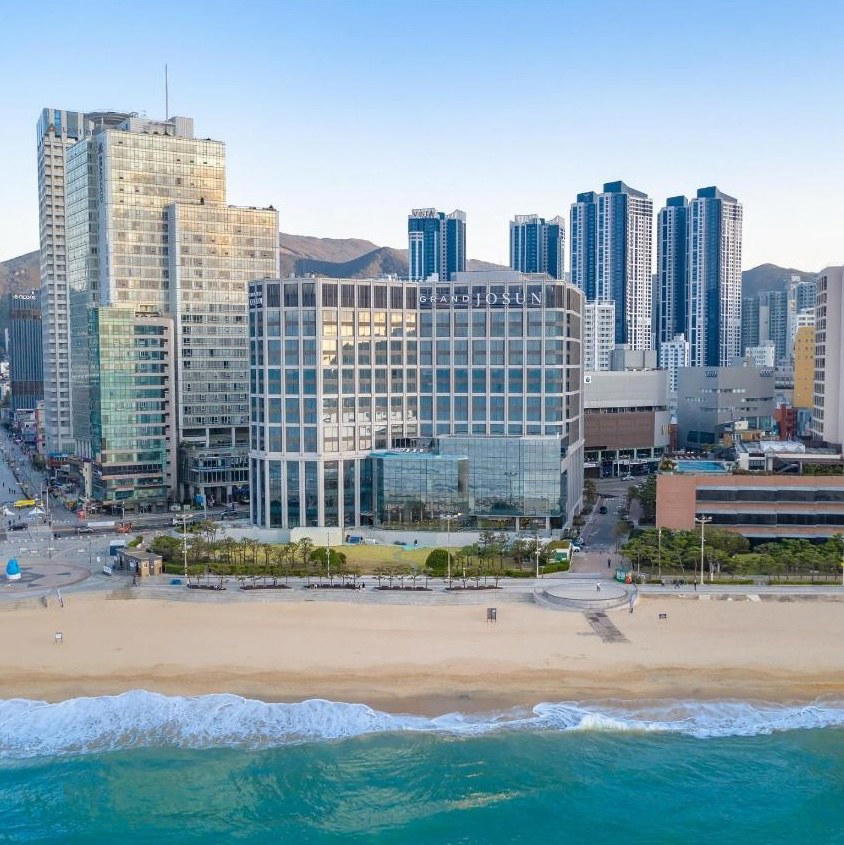
The address in Haeundae-gu places Mori within reach of the beach district and the broader hotel concentration around Haeundae. Visitors staying in the area, for context on accommodation options, see our full Busan hotels guide, can reach the restaurant without crossing the city. The ₩₩₩ price point puts it above Busan's casual tier and below the ₩₩₩₩ bracket of places like the steakhouse Born and Bred, in a range where the cost reflects the length and preparation intensity of the kaiseki format rather than premium ingredient mark-ups alone.
Planning a Visit
Mori is closed on Mondays. The remaining six evenings share identical hours: 7 PM to 11 PM. The format is a set course, so arriving with specific dietary restrictions worth communicating in advance is advisable, kaiseki kitchens plan their sequences ahead of service and last-minute alterations are structurally more disruptive here than at à la carte restaurants. Booking at Michelin-recognised counters in Busan's limited fine-dining tier tends to require lead time, particularly on weekends. Seasonal transitions, the shifts between Korea's pronounced spring, summer, autumn, and winter supply, are the logical moments to revisit, since the course changes with what the kitchen is working with. For a broader orientation to Busan's dining options, from the one-star kaiseki of Mori through to the city's Michelin Bib Gourmand-recognised Korean tables, see our full Busan restaurants guide. The city's bar and experience programming is covered in our full Busan bars guide and our full Busan experiences guide respectively. For wine-focused additions to an itinerary, our full Busan wineries guide covers what the city and region offer.
Within Busan's fine-dining circuit, Mori sits alongside Eutteum Iroribata and Zero Base as addresses where the format demands a certain commitment from the diner and the kitchen earns it. For a longer view on the kind of culinary discipline that connects Mori to Korean temple cooking traditions, Baegyangsa Temple in Jangseong-gun offers an instructive comparison: a very different context, but the same underlying attention to seasonal restraint and considered sequence.
Frequently asked questions
Can I bring kids to Mori?
Mori's format is a structured kaiseki course running from 7 PM to 11 PM, which sets a particular pace and tone at the table. The evening-only hours and the deliberate rhythm of the meal make it a poor fit for young children who may struggle with a long, multi-course seated dinner. This is a Michelin-starred counter where the course progresses on the kitchen's schedule, not the diner's.
How would you describe the vibe at Mori?
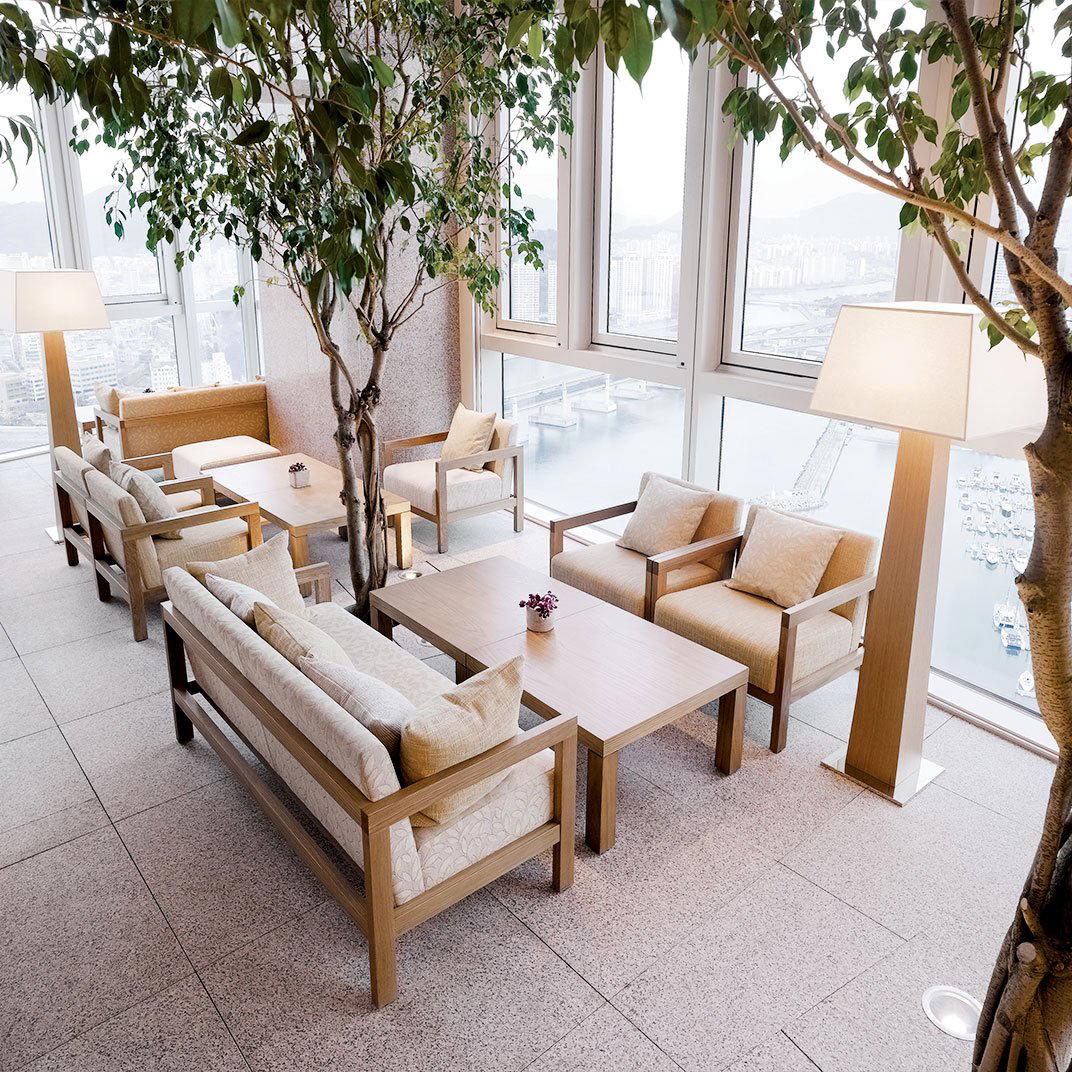
The setting is a cozy third-floor space in a commercial building in Haeundae-gu, understated from the outside, considered on the inside. Chef Kim Wan-gyu and his Japanese wife run the room together, with her handling service, which keeps the atmosphere quiet and attentive rather than formal or theatrical. It reads closer to an intimate Tokyo neighbourhood counter than a destination restaurant.
Does Mori have a Michelin star or similar recognition?
Mori has received recognition including: Co-owned by a Korean chef trained in Japan and his Japanese wife, Mori offers nicely presented authentic Japanese kaiseki dining that will delight both your eyes and palate. Chef Kim Wan-gyu crafts delicate dishes using the fresh seafood an….
What's the signature dish at Mori?
Mori does not present a single headline dish, the point of kaiseki is the course as a whole, where balance and sequence carry the weight. What distinguishes the kitchen, according to the Michelin recognition, is Chef Kim's use of Busan's fresh seafood and seasonal produce within the kaiseki discipline, and the sense of rhythm across the meal rather than any single standout plate.
What type of food is Mori known for?
Comparable Options
| Venue | Cuisine | Price | Awards | Notes |
|---|---|---|---|---|
| MoriThis venue (the venue you are viewing) | Japanese Kaiseki | $200–300 | 1 Michelin Star | Not listed |
| Palate | Contemporary French with Korean Fusion | $150–200 | 1 Michelin Star · La Liste Top Restaurants | Contemporary |
| Born and Bred | Modern Hanwoo Beef Omakase Steakhouse | $100–150 | Michelin Plate · World's 50 Best #51 | Steakhouse |
| 100.1. Pyeongnaeng | Pyongyang-style Naengmyeon | $10–20 | Michelin Bib Gourmand | Naengmyeon |
| Anmok | Modern Korean Dwaeji-Gukbap | $10–20 | Michelin Bib Gourmand | Dwaeji-gukbap |
| Bao Haus | Taiwanese-inspired Bib Gourmand | $10–20 | Michelin Bib Gourmand | Taiwanese |
Recognition history
Dated appearances from independent guides and award organizations, with the underlying list record or original source where available.
Michelin 1 Star
Michelin
Full recognition history (3 entries)
Michelin 1 Star
Michelin
Michelin 1 Star
Michelin