La Liste Top Restaurants · Tabelog Silver #103
Our verdict
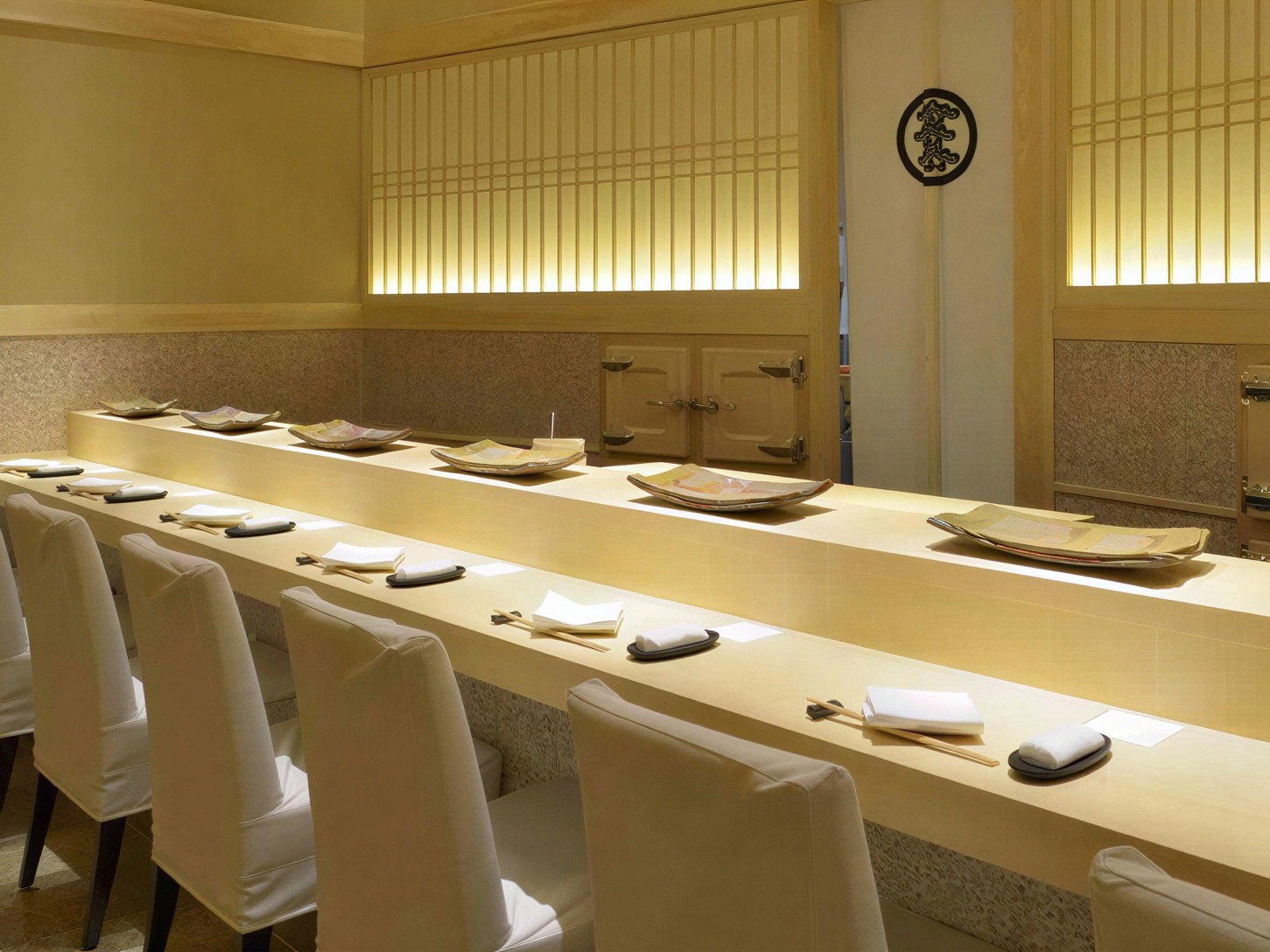
Open since March 2009, Pellegrino is a six-seat Italian counter in Ebisu that has held Tabelog Gold for eight of the past ten years and carries a 4.51 score in 2026. Reservations run exclusively through the omakase platform, dinner pricing sits at JPY 100,000 or above, and the kitchen places particular emphasis on fish. La Liste rates it 85.5 points, and Opinionated About Dining ranked it 40th in Japan in 2023.

Pearl is the En Primeur Club membership app, where members save venues, book tables and use the concierge.
The menu
What to order
- Prosciutto di Parma
- Handmade tagliolini with white truffle
- Parmigiano Reggiano soufflé with white truffle
Six Seats in Ebisu: How Tokyo's Italian Counter Format Reached Its Apex
When Pellegrino opened in the Ebisu neighbourhood of Shibuya on 2 March 2009, the Italian counter format in Tokyo was still a novelty. Over the intervening sixteen years, that format has matured into one of the city's most competitive dining sub-categories, occupying the same rarefied tier as the leading omakase sushi counters and private kaiseki rooms. La Liste places it at 85.5 points in its 2025 edition. That trajectory is a useful lens for understanding where Pellegrino sits relative to peers such as Aroma Fresca, PRISMA, and Principio, all operating in the same city-wide conversation about what Italian cuisine means when it is filtered through a Japanese culinary sensibility.
The Physical Container: A House Restaurant at Six Seats
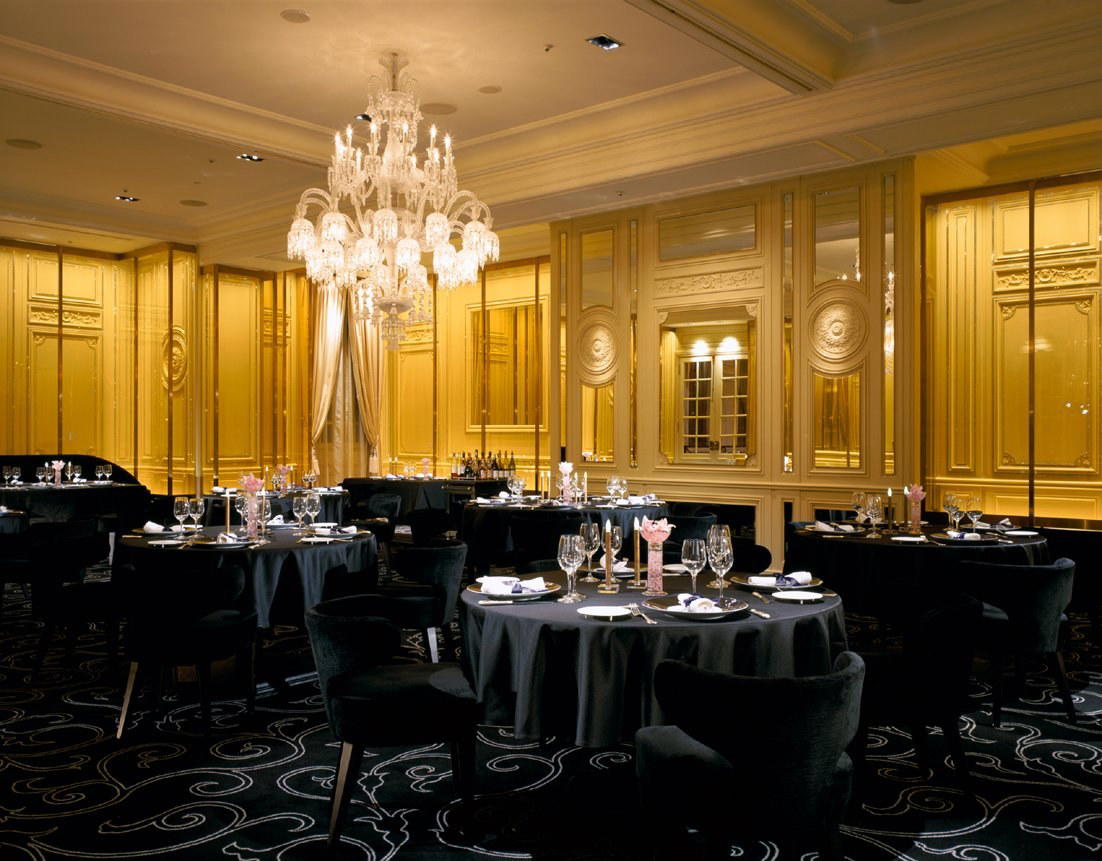
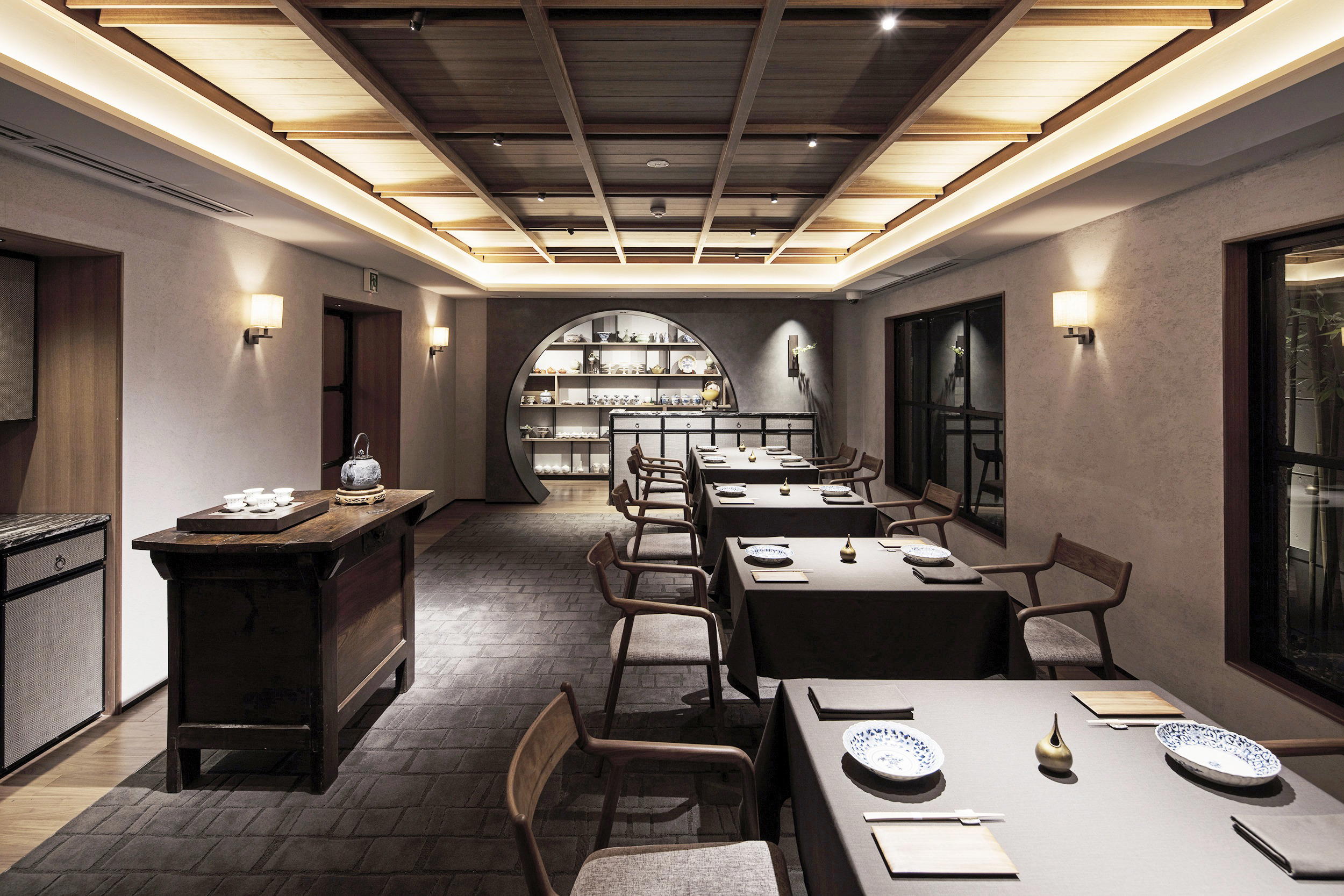
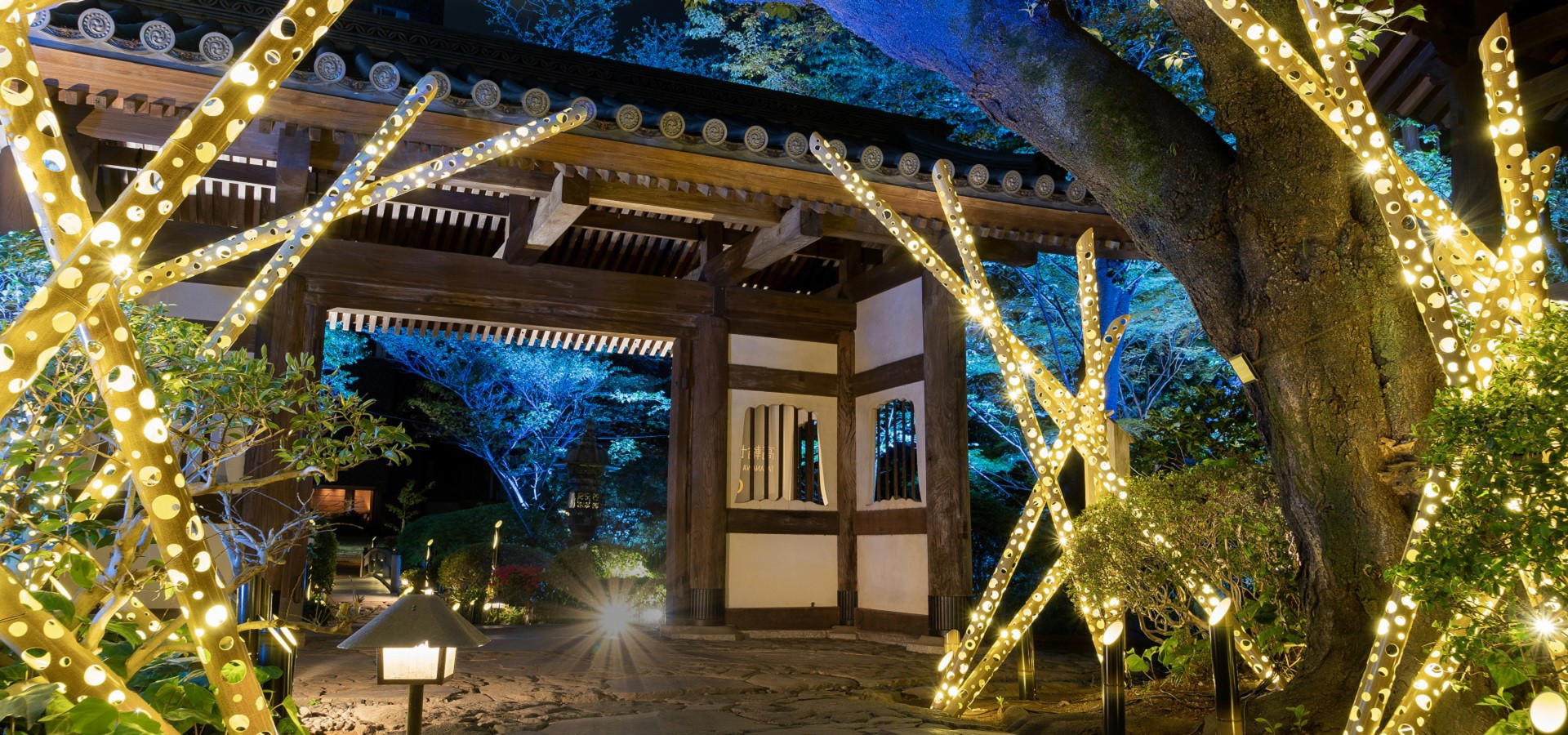
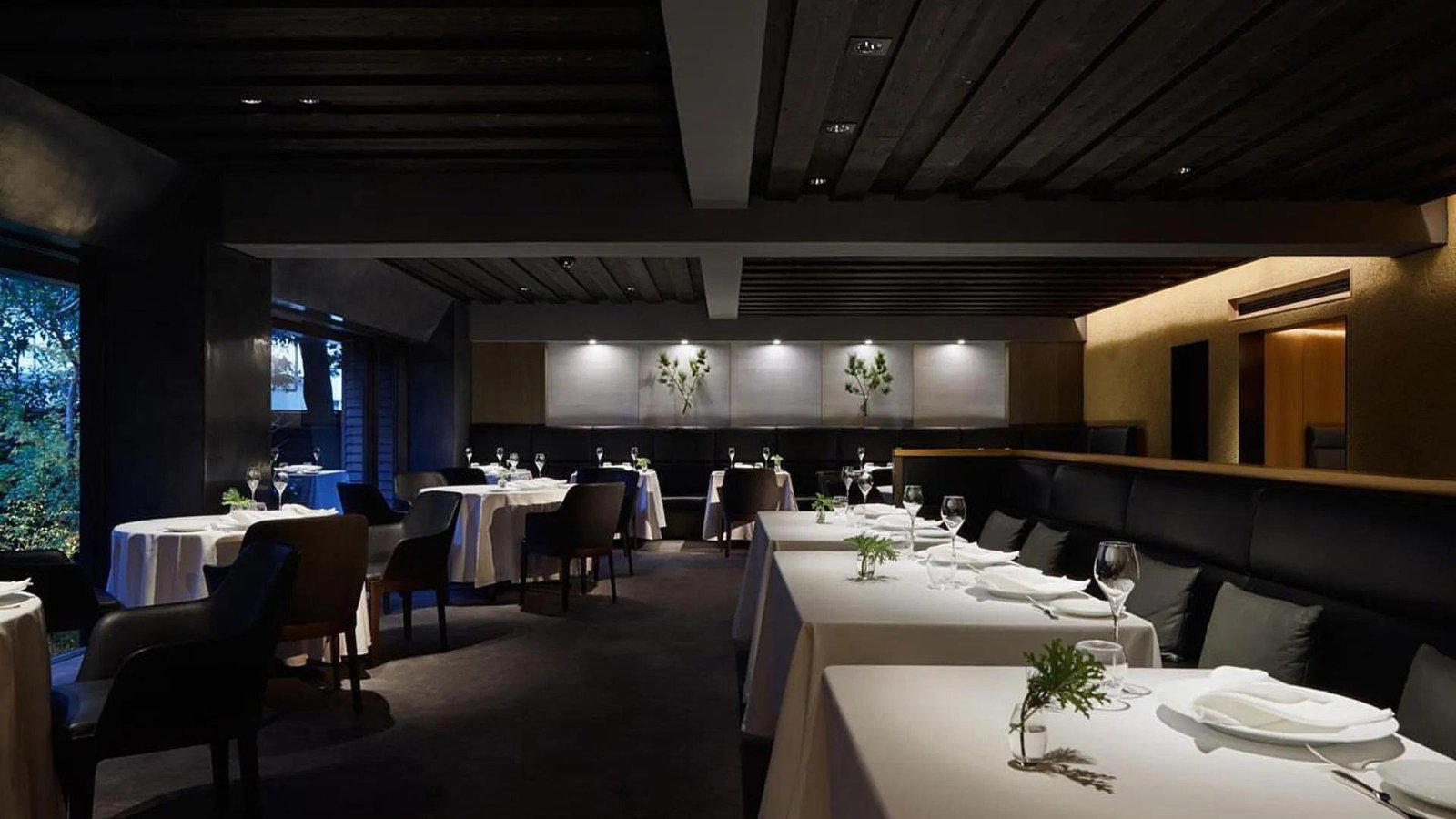
Tabelog classifies Pellegrino under two location descriptors: hideout and house restaurant. Both signal something specific about the format. House restaurants in Tokyo occupy a distinct architectural category, they typically operate out of converted residential structures or spaces scaled to feel domestic rather than commercial, a design approach that produces an intimacy difficult to engineer in purpose-built dining rooms. At six seats, Pellegrino operates at the smallest end of the Tokyo Italian counter spectrum, comparable in scale to the tightest omakase sushi counters rather than to the larger Italian fine-dining rooms that seat twenty or thirty. That constraint is not merely logistical. It determines sightlines, the relationship between kitchen and table, and the degree of attention each cover receives. The space is described as a relaxing environment, which in the context of a six-seat counter at this price point suggests a room calibrated for extended service rather than table turns. Chef Hayato Takahashi works within these physical parameters, and the kitchen's noted focus on fish aligns with a counter format where each course can be addressed with the precision more commonly associated with Japanese washoku technique than with Italian trattoria pacing.
Ebisu as a Setting for This Category
The Ebisu and Hiroo corridor running through Shibuya ward has become one of Tokyo's more consistent addresses for premium European dining. The neighbourhood lacks the density of Ginza's restaurant cluster or Nishi-Azabu's nightlife-adjacent dining strip, but it offers something different: a quieter residential character that suits the house-restaurant format particularly well. Pellegrino sits approximately nine minutes on foot from Hiroo Station (Hibiya Line, Exit 1) and ten minutes from JR Ebisu Station's East Exit, which places it in a zone where the lack of immediate commercial bustle reinforces rather than detracts from the enclosed counter experience. Comparable Italian operations across the city, including AlCeppo and Gucci Osteria da Massimo Bottura Tokyo, occupy very different spatial and neighbourhood registers, which makes the Ebisu address part of Pellegrino's identity rather than incidental to it.
The Award Record as a Peer Comparator
Tabelog's scoring system gives a useful framework for placing Pellegrino within the Tokyo Italian field. The platform's Gold award, awarded consistently to Pellegrino from 2017 through 2025, sits above Bronze and Silver in the Tabelog hierarchy and represents sustained peer and reviewer consensus rather than a one-year spike. The 2026 Silver result, against a score of 4.51, compared to a 4.59 Gold score in 2025, reflects the granularity of Tabelog's annual recalibration rather than a significant change in standing. The Tabelog 100 selections, covering 2021, 2023, and 2025, place Pellegrino within the thirty Italian restaurants Tabelog considers the most relevant in Tokyo in each of those years. For international context, La Liste's 85.5-point placement in 2025 aligns Pellegrino with European-trained fine dining rather than the mid-tier Italian operations that dominate most Tokyo neighbourhoods. Among Japan's broader premium restaurant field, OAD's rankings place Pellegrino alongside heavy-competition peers including HAJIME in Osaka, Gion Sasaki in Kyoto, and akordu in Nara.
Price Point and What It Implies
Dinner at Pellegrino prices at JPY 100,000 or above per person, and the lunch session carries the same floor. At current exchange rates, that positions each cover above the ¥30,000–¥50,000 bracket occupied by most Tokyo Italian tasting menus and aligns Pellegrino with the top tier of the omakase sushi category rather than with Italian peers priced below it. A 10 percent service charge applies. The pricing makes logical sense given the format: six seats, reservation-only access through the omakase platform, and a kitchen described as fish-focused suggest a cost structure built around premium ingredient sourcing similar to the approach at top-tier Japanese seafood counters. For comparison, Italian operations at this price tier in the broader Asia-Pacific region include 8½ Otto e Mezzo Bombana in Hong Kong and cenci in Kyoto, both of which operate in culturally distinct settings but occupy the same argument about what Italian cooking costs and what it delivers when it is taken seriously outside Italy.
Booking, Access, and Practical Parameters
Pellegrino operates on a reservation-only basis, with all bookings handled exclusively through the omakase reservation platform. The restaurant does not accept phone inquiries. Operating hours follow an asymmetric weekly pattern: lunch on Tuesdays only (doors open at 11:45, service from 12:00), dinner Wednesday through Sunday (doors open at 16:45, service from 17:00), closed Monday and Tuesday evenings. That schedule produces a maximum of roughly ten service sessions per week across six seats, which clarifies the access constraint without needing to describe the restaurant as popular.
| Venue | Cuisine | Seats | Price Tier | Booking Method |
|---|---|---|---|---|
| Pellegrino | Italian | 6 | JPY 100,000+ | Omakase platform only |
| PRISMA | Italian | N/A | ¥¥¥¥ | Standard reservation |
| Aroma Fresca | Italian | N/A | ¥¥¥¥ | Standard reservation |
| Principio | Italian | N/A | ¥¥¥¥ | Standard reservation |
Credit cards are accepted (Visa, Mastercard, JCB, Amex, Diners Club). Electronic money and QR code payments are not accepted. Private rooms are unavailable, and the space does not accommodate private hire. Parking is unavailable at the venue.
The Broader Tokyo Italian Scene
Tokyo's Italian restaurant field has fractured into several distinct tiers over the past decade. At the base, there is a large volume of neighbourhood trattorias and casual pasta operations. In the middle sits a dense band of well-executed regional Italian cooking, much of it driven by chefs who trained in Italy. At the leading, a smaller group of counters and intimate rooms operates at price points and with a rigour of ingredient sourcing that places them in direct comparison with leading French and Japanese fine-dining operations rather than with Italian peers in the middle band. Pellegrino occupies that upper tier, alongside Aroma Fresca and a handful of others. What distinguishes this tier structurally is the counter format itself: it shifts the dining grammar from restaurant service toward something closer to the omakase model, where sequence, pacing, and the physical proximity of kitchen to table define the experience as much as the cooking does. For readers planning a broader Tokyo itinerary, the full Tokyo restaurants guide covers the range of options across categories, while the Tokyo hotels guide, bars guide, and experiences guide address the wider city. Readers with an interest in Japan's regional Italian dining beyond Tokyo will find useful reference points at Goh in Fukuoka, 1000 in Yokohama, and 6 in Okinawa.
Frequently asked questions
Who is the chef or culinary lead at Pellegrino?
The chef associated with Pellegrino is Hayato Takahashi.
What time does Pellegrino open and close?
Hours at Pellegrino: Hours: Monday Closed Tuesday 11:45 am–3 pm, 7–10:15 pm Wednesday 5–9:30 pm Thursday 5–9:30 pm Friday 5–9:30 pm Saturday 5–9:30 pm Sunday 5–9:30 pm.
What's the signature dish at Pellegrino?
No specific dish is documented in Pellegrino's published record. What the venue data does confirm is that the kitchen places particular emphasis on fish, and the wine program is treated with equal seriousness. At JPY 100,000 or above per person, the omakase format means the menu is composed entirely by the kitchen, with no à la carte option.
What's the cuisine at Pellegrino?
What part of town is Pellegrino in?
Pellegrino is located at 2 Chome-3-4 Ebisu, Shibuya, Tokyo 150-0013, Japan, Tokyo.
Price and Recognition
Comparable venues nearby, for context on price, style, and recognition.
| Venue | Cuisine | Price | Awards | Notes |
|---|---|---|---|---|
| PellegrinoThis venue (the venue you are viewing) | Parma Italian Fine Dining | $300–500 | La Liste Top Restaurants · Tabelog Silver #103 | Not listed |
| misola | Modern Italian | $150–200 | Michelin Plate · Tabelog 100 #52 | Minato, Modern Italian |
| ess. | Classic Italian with Seasonal Ingredients | $150–200 | Michelin Plate | Shibuya, Classic Italian with Seasonal Ingredients |
| DepTH brianza | Innovative Italian with Japanese Ingredients | $200–300 | Michelin Plate | Minato, Innovative Italian with Japanese Ingredients |
| Arva | Modern Italian with Japanese Influences | $150–200 | Michelin Plate | Chiyoda, Modern Italian with Japanese Influences |
| Regalo | Modern Italian with Japanese Seasonal Influences | $200–300 | Michelin Plate · Tabelog 100 #94 | Shibuya, Modern Italian with Japanese Seasonal Influences |
Recognition history
Dated appearances from independent guides and award organizations, with the underlying list record or original source where available.
La Liste Top Restaurants
La Liste
Opinionated About Dining Top Restaurants in Japan Ranked #74
Opinionated About Dining
Tabelog Silver #103
Tabelog
Full recognition history (8 entries)
Opinionated About Dining Top Restaurants in Japan Ranked #55
Opinionated About Dining
Tabelog 100 #60 · No. 60
Tabelog · Tabelog 100 - Italian - TOKYO - 2025
Tabelog Gold
Tabelog
Opinionated About Dining Top Restaurants in Japan Ranked #47
Opinionated About Dining
Opinionated About Dining Top Restaurants in Japan Ranked #40
Opinionated About Dining