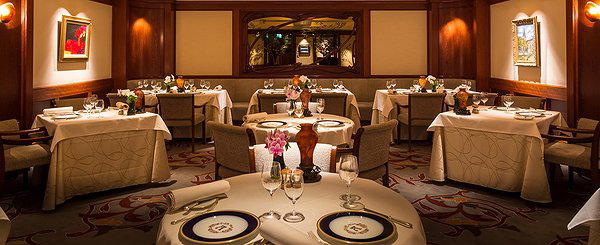
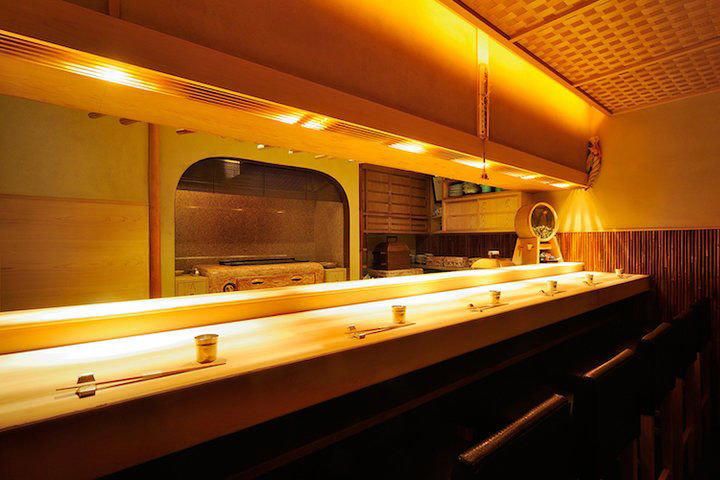
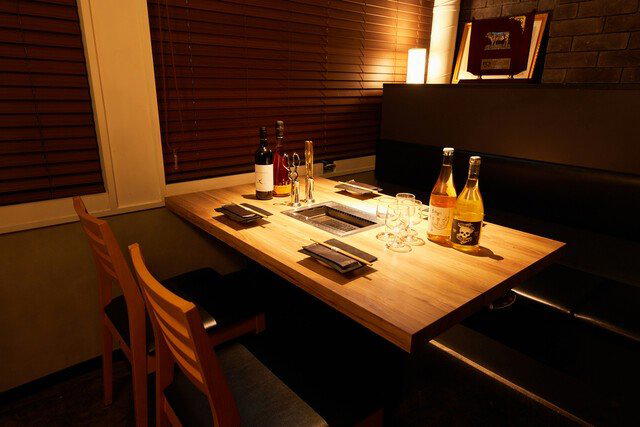
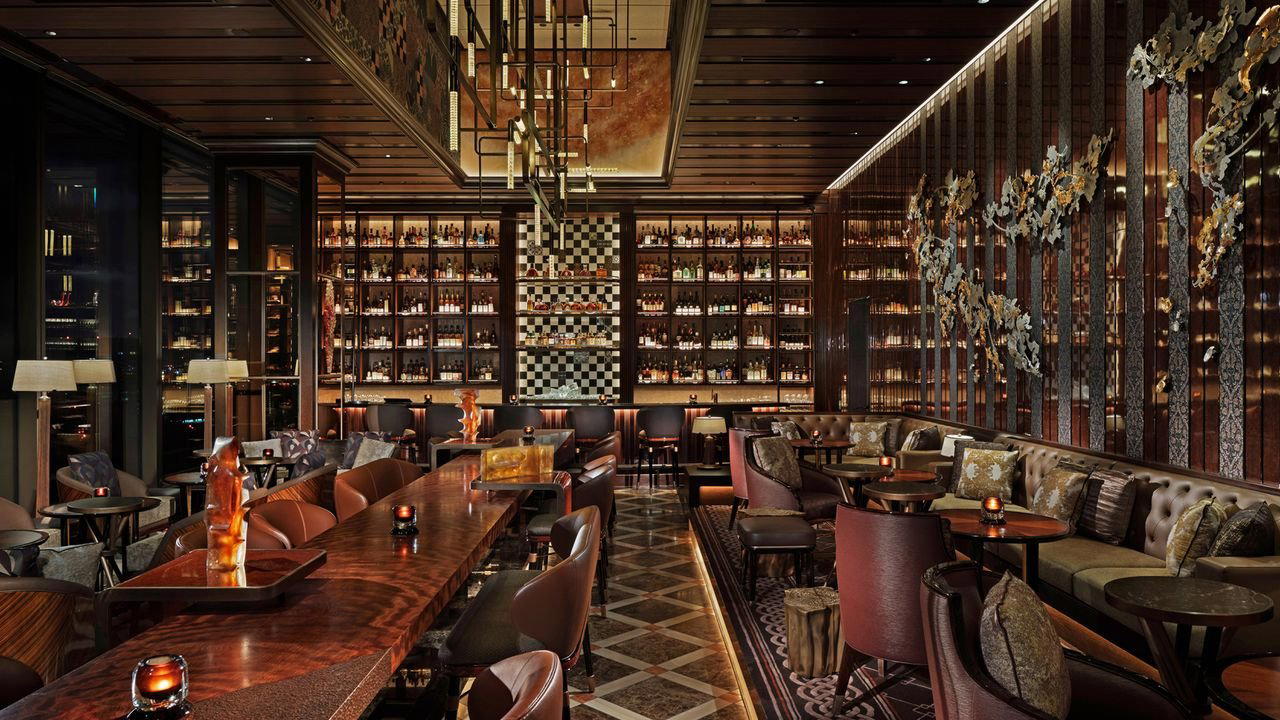
Michelin Plate · Tabelog 100 #34
Our verdict
The menu is built around kombu-based broths, sudachi-dressed tsukuri, and a rice course that arrives in multiple forms, with free refills that signal a service philosophy of genuine hospitality over ceremony.

Pearl is the En Primeur Club membership app, where members save venues, book tables and use the concierge.
Planning a Table at Nishiazabu Noguchi: What to Know Before You Go
The Minato City location, on a residential stretch of Nishiazabu rather than a high-visibility dining corridor, means discovery tends to happen through deliberate research rather than chance.
For those approaching a booking strategically, that dynamic matters. A small, appointment-driven Japanese restaurant in this part of Tokyo is unlikely to carry open availability through a general reservations platform. The practical advice from comparable venues in the Minato and Minami-Azabu dining cluster is to pursue contact through the venue directly, ideally with assistance from a hotel concierge or a Tokyo-based dining reservation service, particularly if language access is a barrier. The physical address, 1F 102, Royal Building, 1 Chome-10-16 Nishiazabu, is a first-floor unit in a low-profile building, the kind of address that does not announce itself. First-time visitors are advised to confirm exact location and entry details ahead of arrival.
What the Kitchen Is Actually Doing
Among Tokyo's one-star Japanese restaurants, there is a broad spectrum between strict classical kaiseki and kitchens that treat the kaiseki framework as a foundation for personal expression. Nishiazabu Noguchi occupies a specific position on that spectrum: the Michelin entry describes it as honest Japanese cuisine with inspirations layered from the chef, which, in the context of Tokyo's starred dining, signals a kitchen rooted in classical hospitality principles while retaining editorial authority over the menu's direction.
The menu construction gives this away in specific ways. The soup course is built on kombu dashi, the foundational stock of Japanese cuisine, brewed from dried kelp in a process that prioritises subtle mineral depth over the more assertive flavour profiles you find in restaurants pushing harder toward novelty. The tsukuri, or raw fish course, is dressed in salt water flavoured with sudachi, the Japanese citrus common to Tokushima and widely used in washoku to lift seafood without masking it. That combination, kombu, sudachi, restraint, places Nishiazabu Noguchi closer to the tradition-first end of the spectrum than to the technique-forward kaiseki houses like RyuGin, which operates at the higher end of the ¥¥¥¥ tier with a more pronounced emphasis on culinary invention.
The rice course is where the menu makes a statement about priorities. The inclusion of unadon is notable, it is a dish with deep roots in Tokyo's Edo-period food culture, and its presence in a starred restaurant signals a commitment to satisfying, grounded eating over aesthetic restraint. The free rice refill policy reinforces this: in a city where kaiseki restaurants often calibrate portions to the gram, offering refills is a deliberate hospitality position.
Nishiazabu in the Context of Tokyo's Japanese Dining Tier
Nishiazabu neighbourhood occupies a specific position in Tokyo's food geography. It is neither the ultra-premium restaurant corridor of Ginza nor the neighbourhood-restaurant density of Koenji or Sangenjaya. Instead, it sits in a quieter, residential-commercial zone adjacent to Roppongi, close enough to the embassies and international business cluster of Minato to attract a cosmopolitan clientele, but without the performative energy of the city's flagship dining districts. Several Michelin-recognized Japanese restaurants operate in the area, and the neighbourhood's character tends to favour serious, intimate rooms over large-format spectacle.
At the ¥¥¥¥ price tier in Tokyo, the peer reference points span a wide range of cuisines and formats. For washoku specifically, comparable one-star addresses include rooms like Myojaku, Azabu Kadowaki, and Kagurazaka Ishikawa, each with its own approach to classical Japanese cuisine at the same price level. Ginza Fukuju and Jingumae Higuchi represent further comparison points across Michelin-recognized Japanese formats in the city. What separates Nishiazabu Noguchi in this field is the explicit emphasis on generosity and satisfaction, qualities that are not universal across starred Japanese dining, where restraint and portion discipline are often treated as markers of seriousness.
Beyond Tokyo, the washoku tradition at the Michelin level is explored across Japan's major food cities. Gion Sasaki in Kyoto and Isshisoden Nakamura represent Kyoto's classical kaiseki tradition, while Kashiwaya Osaka Senriyama holds its own position in Osaka's starred Japanese scene. For those extending travel beyond Tokyo, HAJIME in Osaka, akordu in Nara, Goh in Fukuoka, 1000 in Yokohama, and 6 in Okinawa complete a broader picture of Japan's serious dining circuit.
When to Go and How to Approach It
Japanese restaurants at this tier tend to reflect the seasons more directly than their Western counterparts at equivalent price points. In Tokyo, this means that the menu at any traditional Japanese restaurant shifts meaningfully between the cold months (roughly November through February), when root vegetables, winter fish, and warming preparations dominate, and the warmer half of the year, when lighter dashi constructions, chilled preparations, and summer citrus notes take precedence. The sudachi-forward tsukuri construction described in the Michelin record suits warmer months, when the fragrance of citrus reads as fresh rather than astringent, but there is no indication that the broader menu structure changes dramatically by season in the way a purely kaiseki calendar might.
For the planning logistics: visitors unfamiliar with the neighbourhood should note that Nishiazabu is leading reached from Hiroo or Roppongi stations, both within reasonable walking distance, though the specific unit within the Royal Building warrants confirmation ahead of arrival. Compare the approach required here with other ¥¥¥¥ Japanese rooms across the city, and you will find this is a consistent pattern, not an anomaly.
For wider planning across Tokyo, see our full Tokyo restaurants guide, alongside our full Tokyo hotels guide, our full Tokyo bars guide, our full Tokyo wineries guide, and our full Tokyo experiences guide.
Know Before You Go
- Address: 1F 102, Royal Building, 1 Chome-10-16 Nishiazabu, Minato City, Tokyo 106-0031
- Cuisine: Japanese (washoku with personal inspirations)
- Price tier: ¥¥¥¥
- Guest rating:
- Booking: No public booking platform confirmed; approach via hotel concierge or specialist Tokyo reservation service
- Language note: Confirm reservation and location details in Japanese where possible
- Nearest stations: Hiroo or Roppongi (both within walking distance)
Frequently asked questions
What part of town is Nishiazabu Noguchi in?
Nishiazabu Noguchi is located at Japan, 〒106-0031 Tokyo, Minato City, Nishiazabu, 1 Chome−10−16 ロイヤルビル 1F 102, Tokyo.
What price level is Nishiazabu Noguchi?
Pricing at Nishiazabu Noguchi is listed as ¥¥¥¥.
Nishiazabu Noguchi has received recognition including: Honest Japanese cuisine, overlaid with inspirations from the chef. Keen to ensure everyone’s satisfaction, Nishiazabu Noguchi offers an extensive menu. The delicate broth in soup dishes gets its flavour from kombu. Tsukuri are dressed in sa….
What dish is Nishiazabu Noguchi famous for?
The kitchen's approach centres on rice rather than a single showpiece dish. Three rice preparations appear at the meal's close: plain white rice, takikomi-gohan (rice cooked with mixed ingredients), and unadon (rice topped with eel), with free refills available. The tsukuri course also draws attention for its salt-water dressing flavoured with sudachi, which amplifies the natural fragrance of the seafood rather than masking it.
Is Nishiazabu Noguchi focused on a specific cuisine style?
How hard is it to get a table at Nishiazabu Noguchi?
Visitors without a Japanese-speaking contact or hotel concierge assistance may find the booking process harder to complete, as direct contact details are not publicly listed. Approaching through a Tokyo hotel concierge desk is the most reliable route.
Comparable Options
A quick peer check to anchor this venue’s price and recognition.
| Venue | Cuisine | Price | Awards | Notes |
|---|---|---|---|---|
| Nishiazabu NoguchiThis venue (the venue you are viewing) | Kaiseki Omakase | $200–300 | Michelin Plate · Tabelog 100 #34 | Not listed |
| Harutaka | Edo-Style Omakase Sushi | $200–300 | 3 Michelin Stars · World's 50 Best #76 | Sushi |
| RyuGin | Modern Kaiseki | $500+ | 3 Michelin Stars · World's 50 Best #41 | Kaiseki, Japanese |
| L'Effervescence | Modern French with Japanese Influences | $200–300 | 3 Michelin Stars · World's 50 Best #69 | French |
| HOMMAGE | Modern French with Japanese Influences | $150–200 | 2 Michelin Stars · World's 50 Best #78 | Innovtive French, French |
| MAZ | Innovative Peruvian-Japanese Fusion | $150–200 | 2 Michelin Stars · World's 50 Best #28 | Innovative |
Recognition history
Dated appearances from independent guides and award organizations, with the underlying list record or original source where available.
Michelin Plate
Michelin
Tabelog 100 #34 · No. 34
Tabelog · Tabelog 100 - Japanese cuisine - TOKYO - 2025