

1 Michelin Star
Our verdict
A Michelin-starred counter kappo in Shinjuku's Arakicho neighbourhood, Yotsuya Minemura serves an omakase sequence that moves through sashimi, steamed seafood sushi, and handmade 100% buckwheat soba before closing with a rolled omelette prepared in the style of a sushi artisan. The format is deliberately cross-disciplinary, drawing from kappo, sushi, and soba traditions within a single meal.

Pearl is the En Primeur Club membership app, where members save venues, book tables and use the concierge.
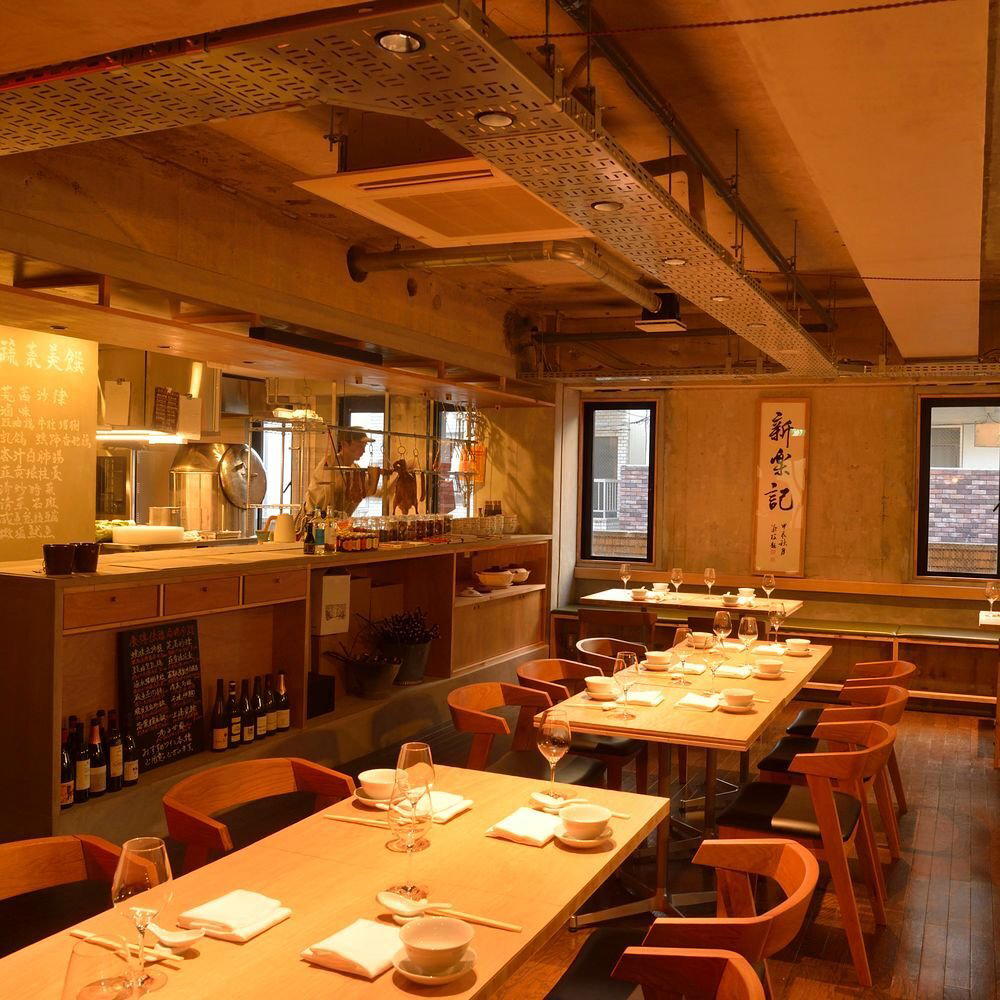
The menu
What to order
- Handmade 100% buckwheat soba
- Steamed seafood sushi
- Sushi-style rolled omelette
The Meal as a Structured Argument
In Tokyo's most considered dining rooms, the meal has a grammar. Courses arrive in an order that builds, resolves, and occasionally surprises, not to show off, but because the sequencing itself carries meaning. Counter kappo, the format that places the chef directly in the diner's line of sight across an intimate counter, is one of the more demanding expressions of that grammar. The chef cannot hide behind a pass, and the meal cannot hide behind spectacle. What you see is what is being cooked, and the logic of the sequence has to hold up in real time.
Yotsuya Minemura, holding a Michelin star since the 2024 guide, operates inside this tradition from a small address in Arakicho, the low-key residential enclave that sits between Yotsuya-Sanchome and Akebonobashi in Shinjuku City. The neighbourhood is not a dining destination in the way Ginza or Nishiazabu are, it has no cluster of high-profile addresses, no rooftop bars drawing a scene crowd. What it has is the quiet that suits a meal you are meant to pay close attention to.
A Format That Crosses Disciplines
The omakase structure at Yotsuya Minemura is less orthodox than most counters of comparable standing. Where a dedicated sushi counter stays within its discipline, and a kaiseki room follows the seasonal progression of a single culinary language, Minemura's sequence moves between registers. Sashimi arrives with the kind of decorative arrangement associated with kaiseki presentation. Steamed seafood sushi follows. The meal closes with handmade soba made from 100% buckwheat, a technically demanding preparation, since pure buckwheat without wheat flour binder is harder to work and easier to break, and a rolled omelette executed as a sushi chef would make it, served not as a savoury bridge course but as dessert.
That last gesture is the one that signals intent most clearly. The tamago, in the sushi tradition, is the dish that closes the counter meal and allows the chef to show precision and restraint in something that looks simple. Repositioning it as a dessert inside a broader kappo meal is a compositional choice, not a gimmick: it takes a dish carrying established meaning in one context and asks it to do different work in another. The structure of the meal is itself the argument the kitchen is making.
This cross-disciplinary approach places Minemura in a small peer group within Tokyo's Michelin-recognised counter restaurants. Most starred counters are format-specific: sushi counters stay with sushi, tempura counters with tempura, soba specialists with soba. Counters that move between disciplines with sustained technical credibility, and earn Michelin recognition doing so, are considerably less common. For comparison, counters like Myojaku or Azabu Kadowaki maintain their recognition within a more defined culinary focus, as does Kagurazaka Ishikawa in the kaiseki tradition.
The Kappo Counter as a Format
Kappo as a category sits between the formality of kaiseki and the focused intensity of a specialist counter. The word itself means to cut and to cook, and the tradition places value on the chef's full range, the ability to move through techniques, textures, and temperatures within a single service rather than drilling into one. Tokyo has a number of kappo counters at the Michelin level, including Ginza Fukuju and Jingumae Higuchi, but the discipline varies widely in how literally or loosely each kitchen interprets the breadth that kappo permits.
At Minemura, the breadth is real: the sequence includes soup courses, sashimi, sushi, and soba, disciplines that in other contexts would each anchor a standalone restaurant. The counter format keeps the experience intimate and the pacing controlled by the chef rather than by the diner. You are not ordering from a menu and waiting for dishes to arrive in whatever order the kitchen sends them. You are watching the sequence be assembled, course by course, at close range.
That proximity changes the experience of eating in ways that are difficult to describe in abstract terms. The soup's temperature is evident before it reaches you. The knife work on the sashimi is visible. The soba, rolled and cut by hand from 100% buckwheat, arrives with an immediacy that underscores how short its viable window is, pure soba stales quickly, and it is made to be eaten now.
Where It Sits in the Tokyo Scene
Tokyo's Michelin-starred counter restaurants now span a wide price and format range. At the leading end, three-star omakase counters in Ginza and Minami-Aoyama price against international peer restaurants rather than the local market. Minemura, at the ¥¥¥¥ tier, sits within the upper bracket of Tokyo dining costs, consistent with single-star counter kappo of this kind.
The neighbourhood context matters for first-time visitors. Arakicho is residential and quiet; there are no obvious landmarks drawing foot traffic past the address. This is not a restaurant that benefits from passing trade or casual walk-ins. The meal requires a booking, a clear block of time, and the attention that the format demands. Visitors arriving from elsewhere in Japan should note that comparable counter experiences exist in other cities: Gion Sasaki in Kyoto, HAJIME in Osaka, and Kashiwaya Osaka Senriyama each represent distinct regional expressions of formal Japanese dining. Further afield, akordu in Nara, Goh in Fukuoka, 6 in Okinawa, and 1000 in Yokohama show how the broader Japanese counter tradition extends well beyond the capital. For those planning around Tokyo specifically, Isshisoden Nakamura in Kyoto provides a useful point of comparison for classical technique at the counter level.
Planning Your Visit
| Venue | Format | Price Tier | Michelin | Neighbourhood |
|---|---|---|---|---|
| Yotsuya Minemura | Counter kappo / omakase | ¥¥¥¥ | 1 Star (2024) | Arakicho, Shinjuku |
| Kagurazaka Ishikawa | Kaiseki | ¥¥¥¥ | 3 Stars | Kagurazaka |
| Azabu Kadowaki | Japanese | ¥¥¥¥ | 2 Stars | Minami-Azabu |
| Myojaku | Counter | ¥¥¥¥ | Starred | Tokyo |
Arakicho is accessible from Yotsuya-Sanchome station on the Marunouchi line, a short walk from the address. Booking is required and, given the counter format and likely limited seat count, lead times of several weeks should be expected. The meal is omakase only, meaning the sequence is set by the kitchen rather than chosen by the diner.
For broader Tokyo planning, see our full Tokyo restaurants guide, our full Tokyo hotels guide, our full Tokyo bars guide, our full Tokyo wineries guide, and our full Tokyo experiences guide.
Frequently asked questions
What's Yotsuya Minemura known for in terms of accolades?
Yotsuya Minemura has received recognition including: The menu at this intimate counter kappo gives free rein to the skills and experience the chef acquired as an apprentice. The omakase set meal is a medley of sushi, soba noodles and other Japanese dishes. Graceful soup dishes and decorativel….
What do people recommend at Yotsuya Minemura?
The closing sequence draws the most attention: handmade 100% buckwheat soba served at the meal's end, and a rolled omelette prepared in the style of a sushi artist and presented as dessert. The Michelin committee's 2024 one-star recognition specifically cited the omakase's range, which moves through graceful soups, decoratively arranged sashimi, and steamed seafood sushi before arriving at those final two courses. For a single through-line, the soba is the course most discussed by diners who have made the trip to Arakicho.
What should I budget for a meal at Yotsuya Minemura?
Pricing at Yotsuya Minemura is listed as ¥¥¥¥.
Where is Yotsuya Minemura in Tokyo?
Yotsuya Minemura is located at Japan, 〒160-0007 Tokyo, Shinjuku City, Arakicho, 8-1 「根本ビル/1F」, Tokyo.
Can I walk in to Yotsuya Minemura?
Almost certainly not. Michelin-starred kappo counters in Tokyo operate on advance reservations, and the intimate counter format at Yotsuya Minemura limits covers to a small number of seats per service. With no walk-in culture at this level of the Tokyo dining scene, contacting the restaurant well ahead, ideally weeks in advance, is the practical approach, particularly for international visitors without local contacts to assist with bookings.
Recognition Snapshot
A quick peer list to put this venue’s basics in context.
| Venue | Cuisine | Price | Awards | Notes |
|---|---|---|---|---|
| Yotsuya MinemuraThis venue (the venue you are viewing) | Kappo Omakase with Soba | $300–500 | 1 Michelin Star | Not listed |
| Harutaka | Edo-Style Omakase Sushi | $200–300 | 3 Michelin Stars · World's 50 Best #76 | Sushi |
| RyuGin | Modern Kaiseki | $500+ | 3 Michelin Stars · World's 50 Best #41 | Kaiseki, Japanese |
| L'Effervescence | Modern French with Japanese Influences | $200–300 | 3 Michelin Stars · World's 50 Best #69 | French |
| HOMMAGE | Modern French with Japanese Influences | $150–200 | 2 Michelin Stars · World's 50 Best #78 | Innovtive French, French |
| MAZ | Innovative Peruvian-Japanese Fusion | $150–200 | 2 Michelin Stars · World's 50 Best #28 | Innovative |
Recognition history
Dated appearances from independent guides and award organizations, with the underlying list record or original source where available.
Michelin 1 Star
Michelin
Opinionated About Dining Top Restaurants in Japan Recommended
Opinionated About Dining
Full recognition history (3 entries)
Michelin 1 Star
Michelin
Continue exploring
More in Tokyo
Restaurants in Tokyo
All restaurants in Tokyo →

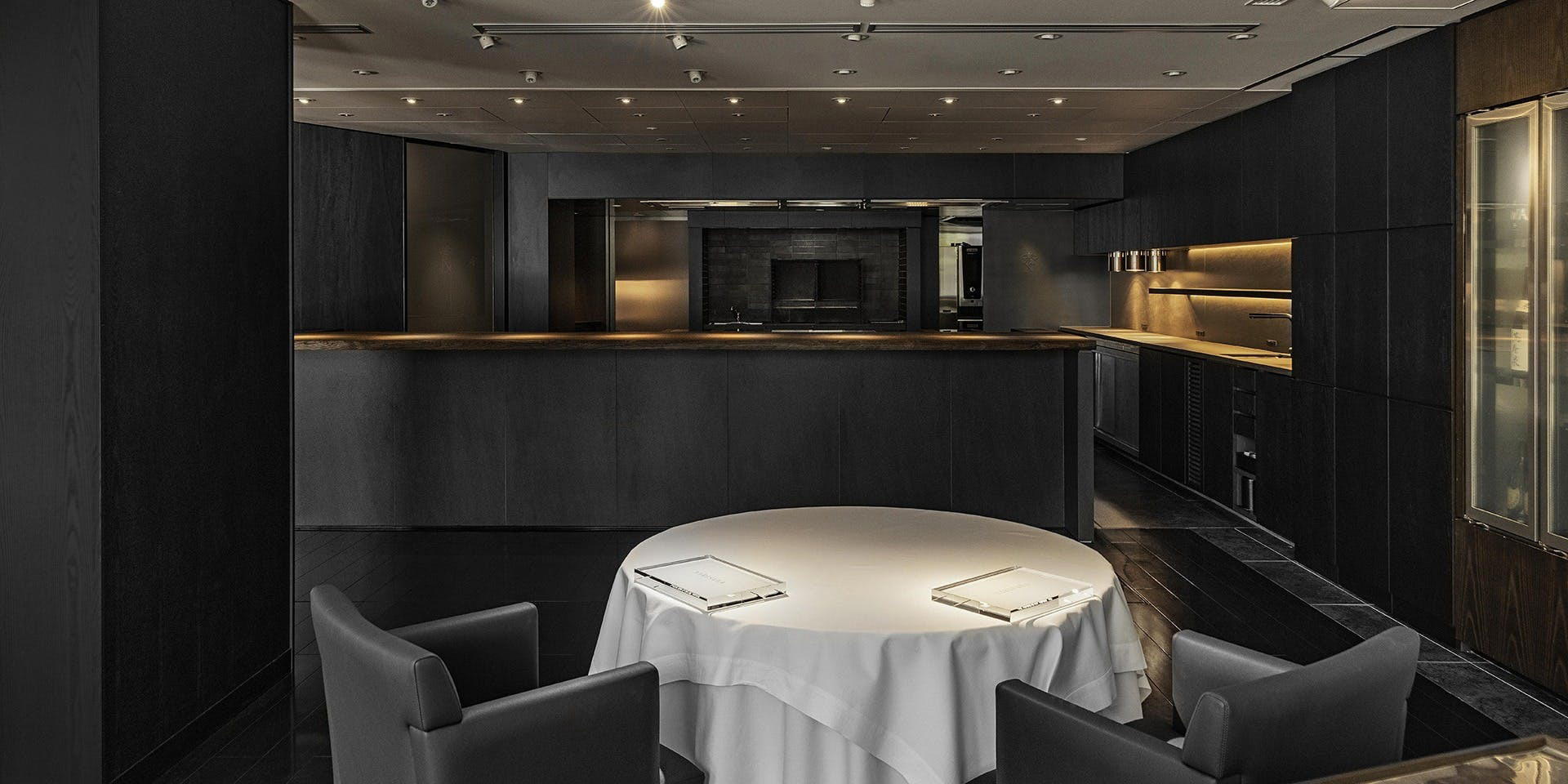

Bars in Tokyo
All bars in Tokyo →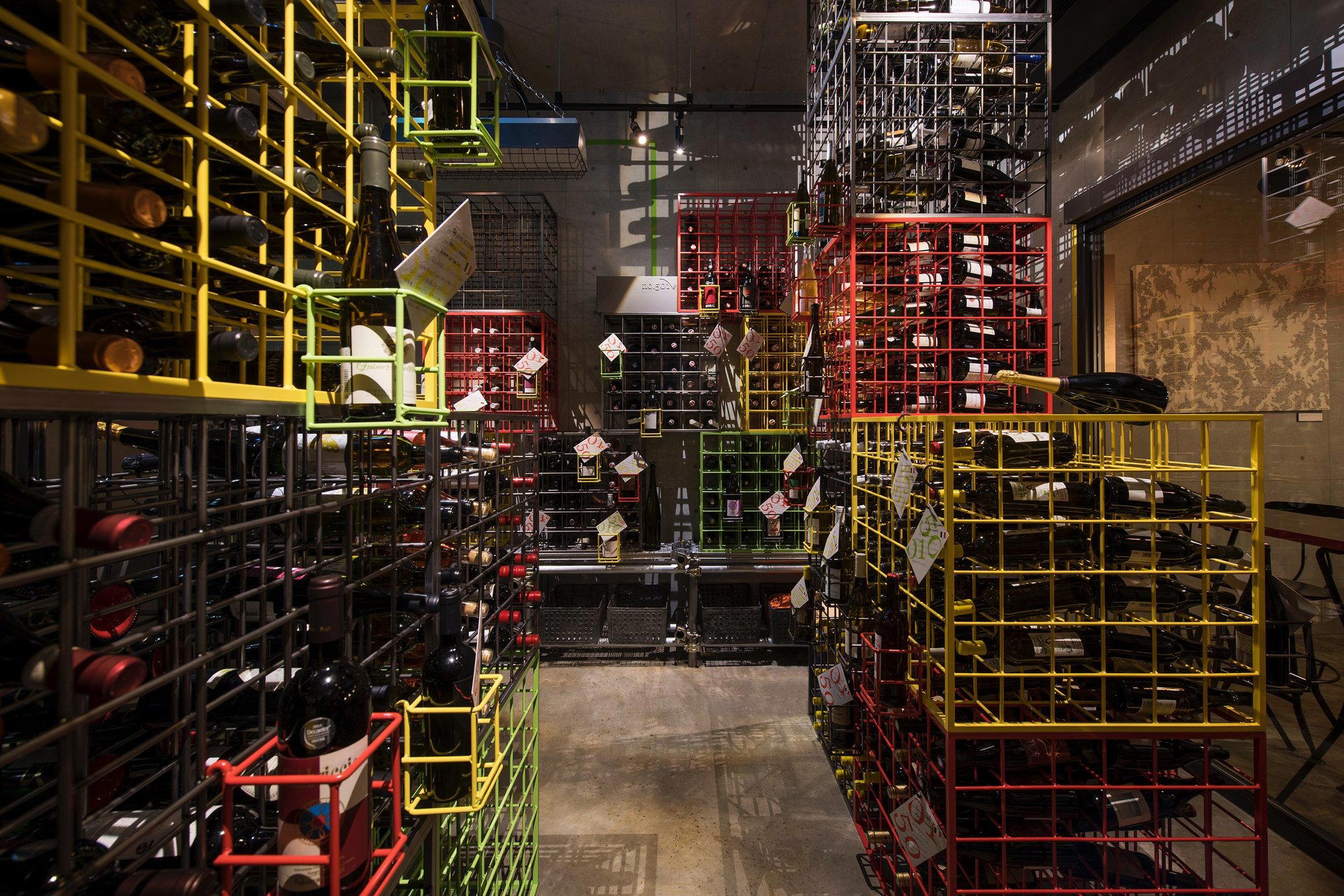







Details
- Intimate
- Elegant
- Quiet
- Sophisticated
- Special Occasion
- Date Night
- Chefs Counter
- Sake Program
- Omakase
- Counter Dining
- Sake Program
Current opening hours
- Monday
- 6–11 PM
- Tuesday
- 6–11 PM
- Wednesday
- 6–11 PM
- Thursday
- 6–11 PM
- Friday
- 6–11 PM
- Saturday
- 6–11 PM
- Sunday
- Closed
Hours can change for holidays and private events. Hours as of .
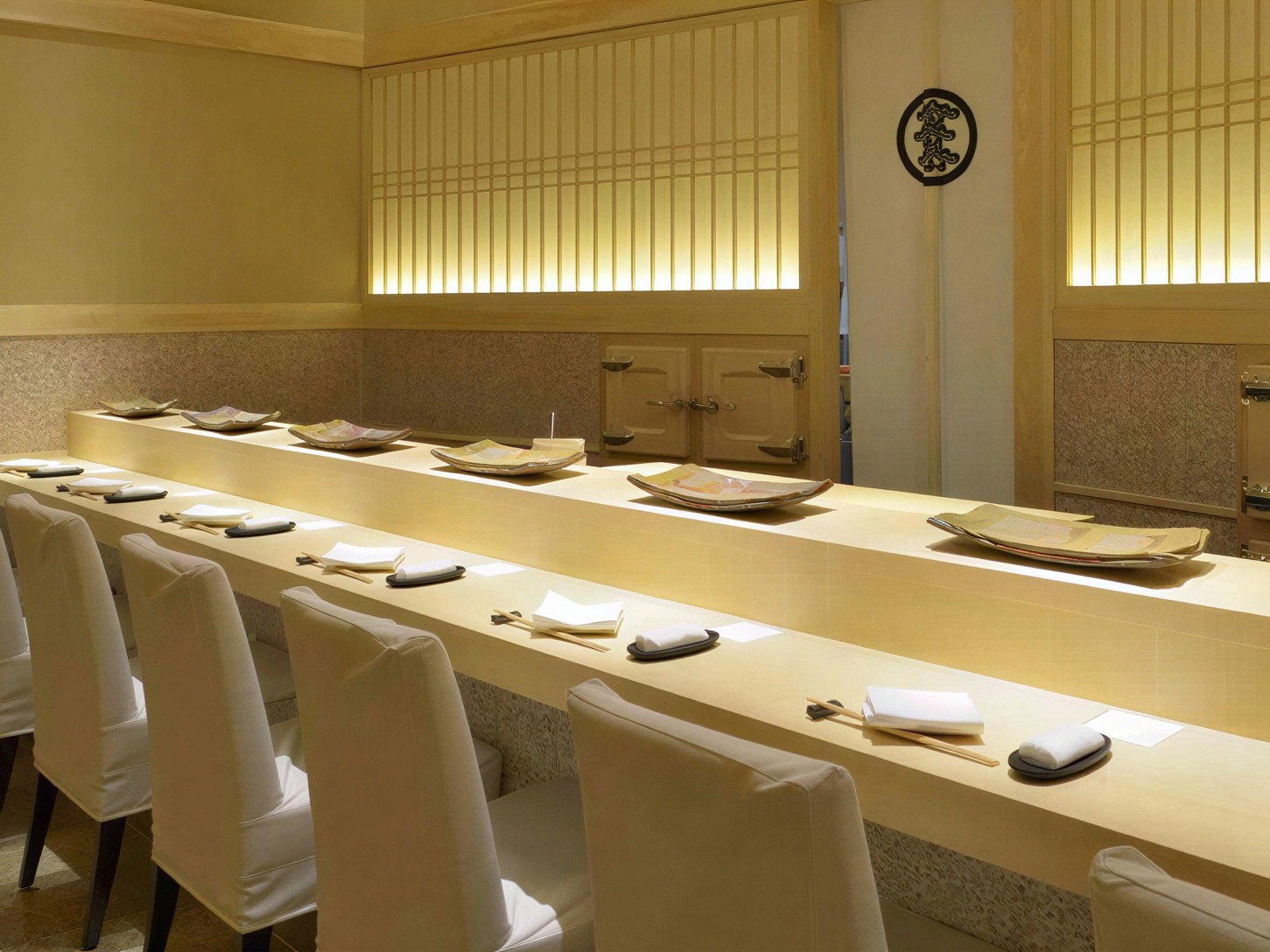
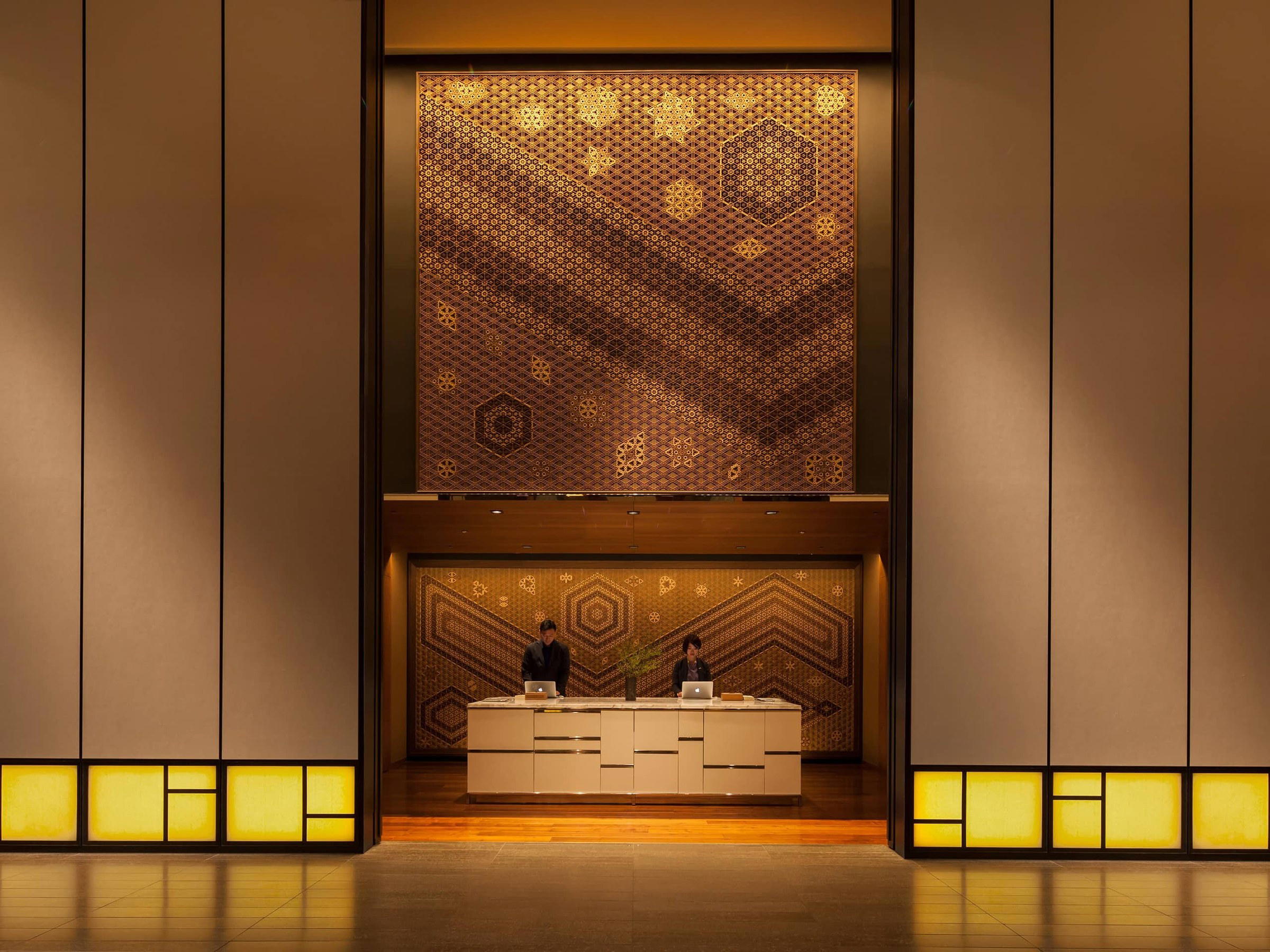
Modest, serene space with natural woods, soft lighting, and calm focus on the kappo counter.