1 Michelin Star
Our verdict
A Michelin-starred kaiseki counter in Ginza's basement tier, Ginza Okuda holds steady recognition from both Michelin (one star, 2024) and Opinionated About Dining's Japan rankings. Chef Shun Miyahara leads a format rooted in the seasonal rhythms and ritualized pacing of classical kaiseki, placing the restaurant within Ginza's mid-to-upper tier of Japanese fine dining rather than its three-star ceiling.

Pearl is the En Primeur Club membership app, where members save venues, book tables and use the concierge.
The menu
What to order
- Salt-grilled sweetfish
- Charcoal-grilled eel
- Pufferfish
- Wagyu shabu-shabu
Below Street Level in Ginza: The Basement Counter and What It Signals
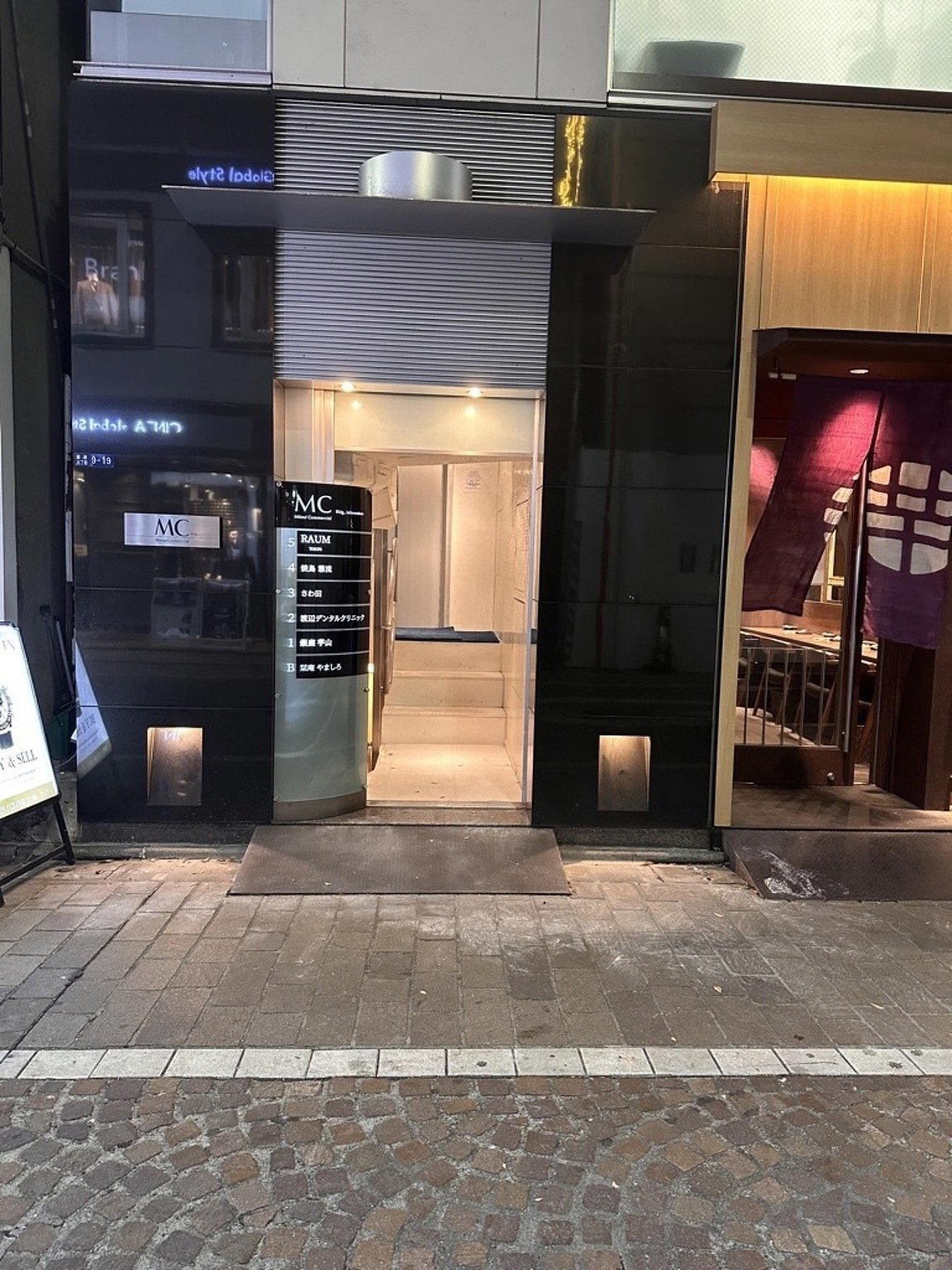
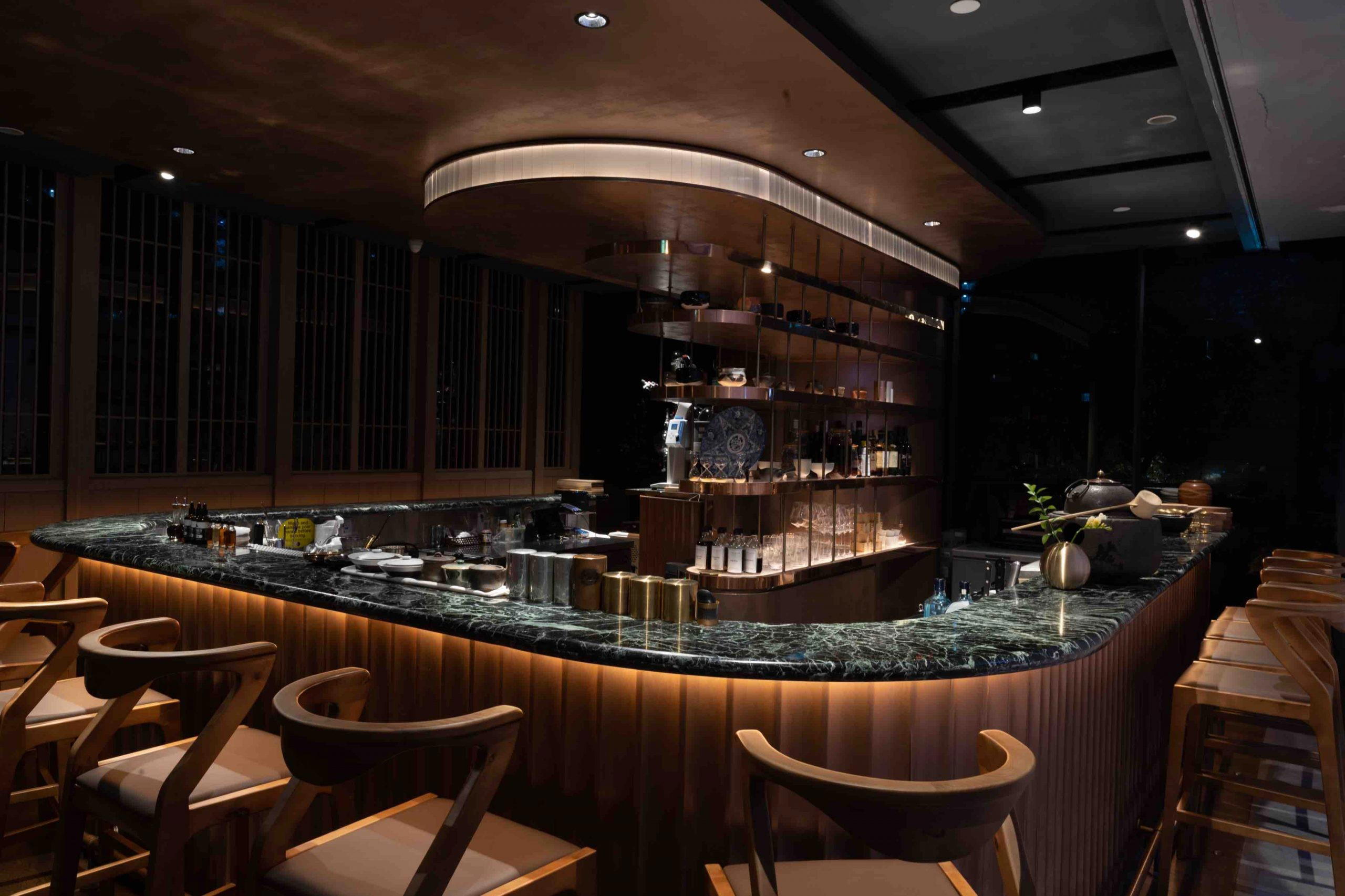
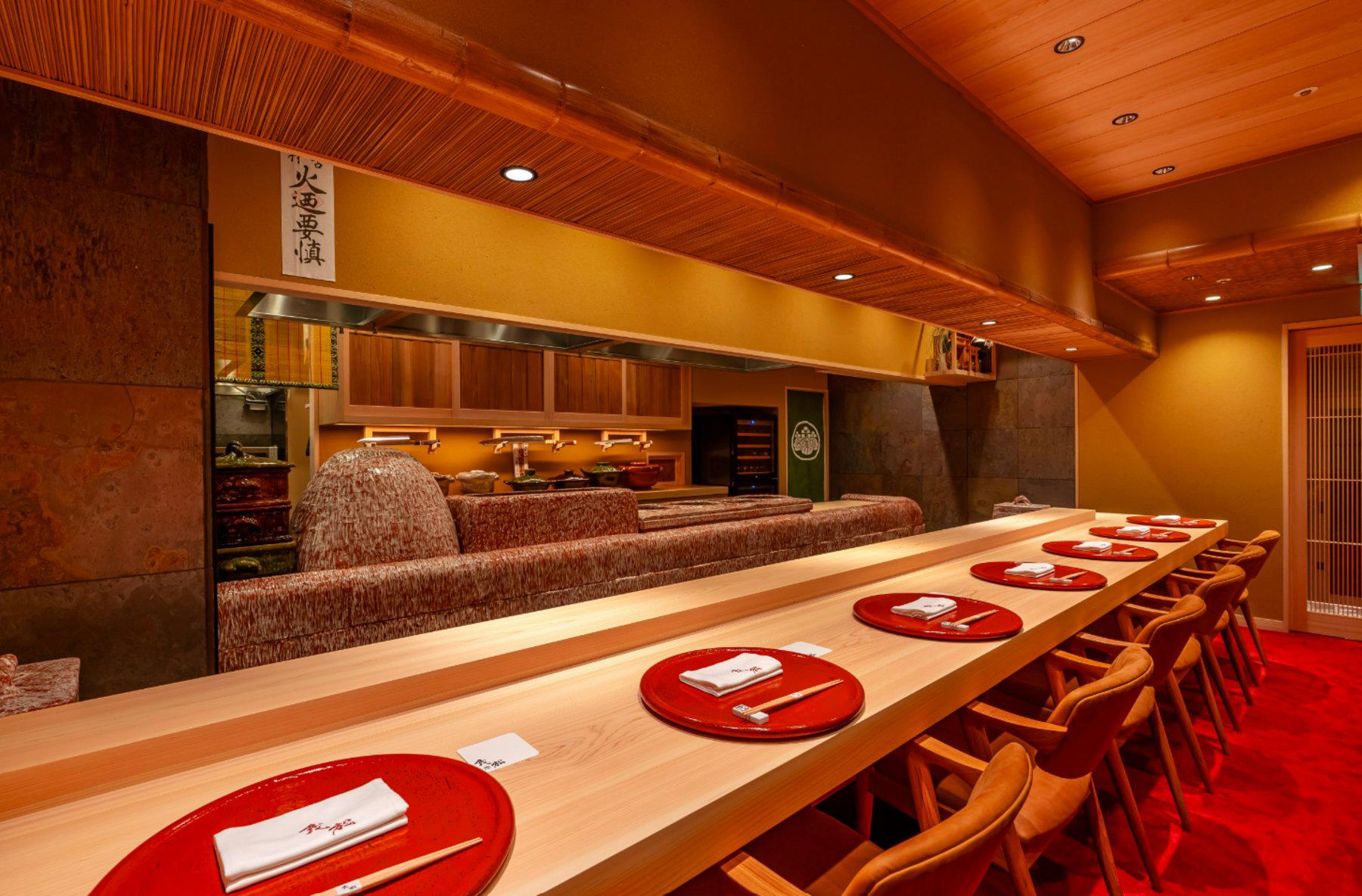
Ginza's dining culture has always operated on a vertical axis, literally. The district's most serious Japanese restaurants have long occupied basement floors or upper-storey rooms that remove the meal from the street's retail energy. Ginza Okuda sits in the basement of the Ginza Carioca Building on Chome 5-4-8, a position that, in this neighbourhood, signals intent rather than limitation. The descent into a kaiseki counter in Ginza functions almost as a threshold ritual: the city recedes, the pacing shifts, and the meal begins before the first course arrives.
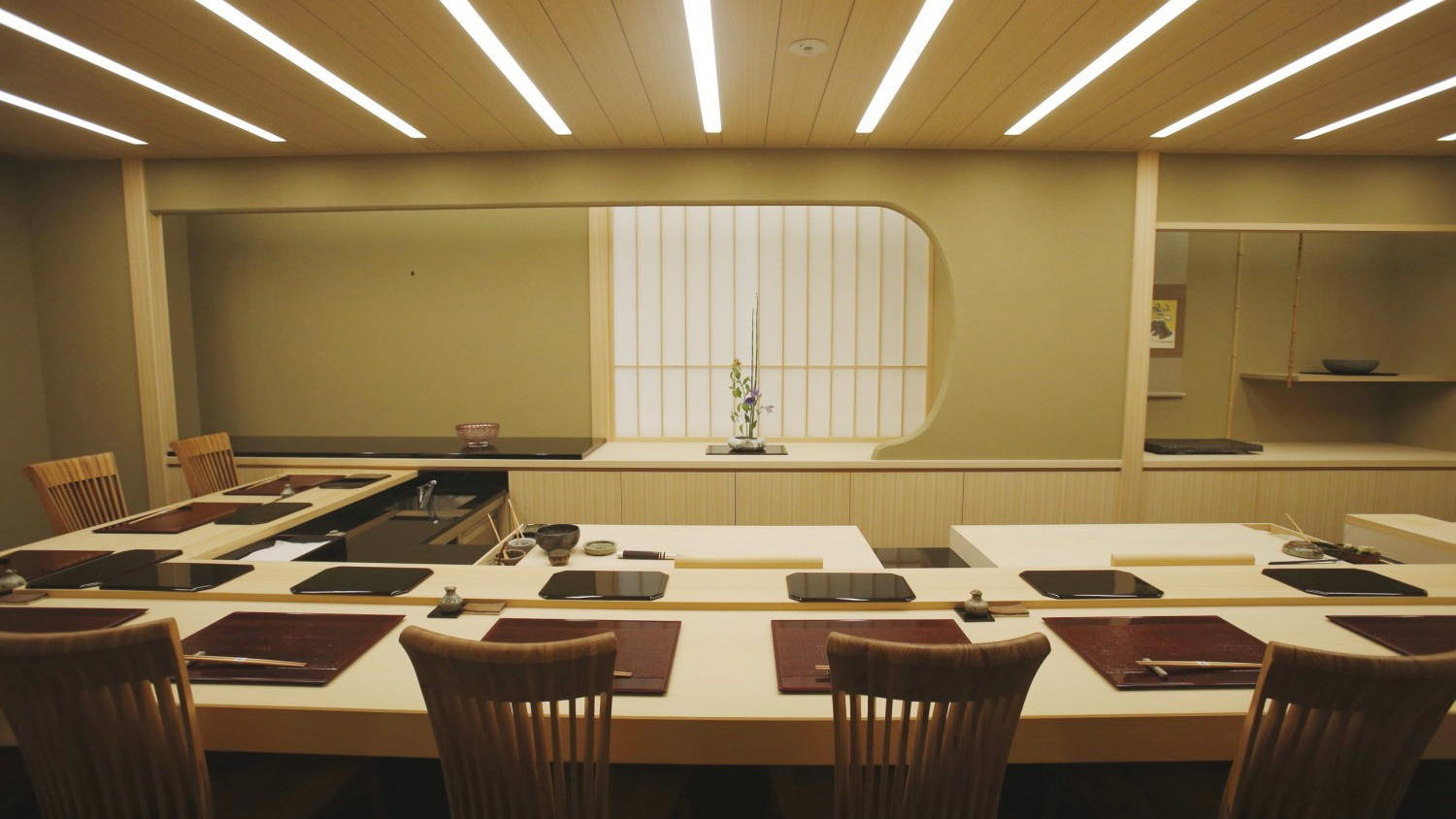
That physical remove matters in kaiseki dining more than in almost any other Japanese format. The tradition demands a particular kind of attention from both the kitchen and the guest, and the room needs to support it. Ginza, with its density of serious counters and its clientele accustomed to extended tasting formats, is one of the few Tokyo districts where that dynamic operates reliably across multiple venues in close proximity. For comparison, RyuGin operates under three Michelin stars nearby, while Ginza Kojyu and Ginza Shinohara anchor the district's kaiseki offering at different price points and recognition tiers. Ginza Okuda, holding one Michelin star since at least 2024, sits within this cohort but prices and presents itself as a committed specialist rather than a destination at the district's absolute ceiling.
The Structure of a Kaiseki Meal and Why It Resists Shortcuts
Kaiseki is, at its core, a codified sequence, a series of small courses that move through preparation methods, temperatures, and ingredient categories in a prescribed order shaped by centuries of refinement in Kyoto's tea ceremony culture. The format migrated from Kyoto to Tokyo through lineages of chefs trained in the Kansai tradition, and Tokyo's version has developed its own character: slightly more direct, occasionally more ingredient-focused, but still governed by the same underlying logic of restraint and seasonal precision.
At a counter like Ginza Okuda, the sequence typically moves from sakizuke (an appetiser that signals the season's direction) through soup, sashimi, grilled and simmered courses, rice, and finally a sweet. Each transition is paced deliberately; the kitchen does not accelerate to accommodate impatient tables. This is where the dining ritual at a kaiseki counter differs most sharply from a Western tasting menu. The guest's role is participatory in a specific way: to receive each course with the appropriate attentiveness, to read the seasonal logic being expressed, and to understand that the meal's meaning accumulates across its arc rather than residing in any single dish. Venues like Hyotei in Kyoto and Kikunoi Honten represent the Kyoto lineage of this format in its most historically anchored form; Tokyo kaiseki, including Ginza Okuda, adapts those roots to a different urban appetite without abandoning the underlying structure.
That multi-year recognition matters in kaiseki particularly, because the format's quality signal is consistency with seasonal change, the ability to refresh the menu around what the season offers while maintaining the technical standard the format demands.
Recognition Tier and Peer Positioning
Opinionated About Dining, which surveys a broad panel of serious diners and industry professionals across Japan, ranked Ginza Okuda at #290 in 2024 and #306 in 2025, a slight movement within a large field that reflects the competitive density of Tokyo's kaiseki category rather than a meaningful quality shift. The venue received Highly Recommended status from OAD in 2023, the year before Michelin awarded the single star. That sequencing is a reasonable pattern: OAD's crowd-sourced panel often registers emerging consensus slightly ahead of Michelin's annual inspection cycle.
The single Michelin star, held in 2024, places Ginza Okuda in a substantial peer group. Michelin's Tokyo guide remains the densest concentration of starred restaurants of any city globally, and one star in Ginza is a meaningful credential without implying the rarefied positioning of the district's two- and three-star counters. For context within the kaiseki category, Kanda and Kohaku represent other approaches to Japanese fine dining at varying recognition levels within Tokyo. Across Japan, venues like Gion Sasaki in Kyoto, HAJIME in Osaka, and Goh in Fukuoka illustrate how the country's fine dining recognition spreads beyond Tokyo into regional centres with distinct culinary identities. akordu in Nara, 1000 in Yokohama, and 6 in Okinawa extend that picture further into Japan's less-covered dining cities.
Seasonality as the Organising Principle
Kaiseki's relationship to season is not decorative. The format was built around the Japanese culinary calendar, and a kitchen operating seriously in the tradition will reorient its menus as many as four or five times across the year, tracking not just the four broad seasons but the micro-seasons within them. Spring at a kaiseki counter brings bamboo shoots, young greens, and delicate dashi built around lighter profiles; summer shifts toward cooling preparations and the specific bitter and refreshing notes associated with that season; autumn introduces the rich, earthy registers of root vegetables and matsutake mushrooms; winter centres the meal on the fat and warmth of premium ingredients that peak in cold months.
The practical implication for visitors is that the experience of Ginza Okuda in April is materially different from the same venue in October. This is not a marketing claim, it is the operational reality of any kitchen serious about the kaiseki contract with its guests. Guests returning to the same counter across seasons are, in effect, eating at a different restaurant each time, which is part of why repeat dining at kaiseki counters is common among Tokyo's serious dining community.
Planning Your Visit
Ginza Okuda operates a schedule that reflects the typical patterns of a kaiseki counter at this tier: lunch service runs Tuesday through Saturday (12–1 pm), and dinner runs Monday through Saturday (6–9 pm), with Sunday closed. The single lunch seating and single dinner window per day are characteristic of the format's commitment to pacing; there is no second turn.
The ¥¥¥¥ price range places it in the leading pricing tier for Tokyo restaurants, consistent with Michelin-starred kaiseki in Ginza. Reservations for counters in this category typically require advance planning; first-time guests without an existing relationship with the restaurant may find a dedicated concierge or reservation service the most practical approach. The address, B1, Ginza Carioca Building, 5 Chome-4-8 Ginza, Chuo City, is accessible via Ginza Station on the Tokyo Metro, a few minutes on foot.
Ginza Okuda vs. Comparable Kaiseki Counters: Practical Overview
| Venue | Cuisine | Price Tier | Michelin Stars | Lunch Service |
|---|---|---|---|---|
| Ginza Okuda | Kaiseki | ¥¥¥¥ | 1 Star (2024) | Tue–Sat |
| RyuGin | Kaiseki | ¥¥¥¥ | 3 Stars | Not available |
| Ginza Kojyu | Kaiseki | ¥¥¥¥ | See listing | See listing |
| Ginza Shinohara | Kaiseki | ¥¥¥¥ | See listing | See listing |
For broader Tokyo planning, see our full Tokyo restaurants guide, our full Tokyo hotels guide, our full Tokyo bars guide, our full Tokyo wineries guide, and our full Tokyo experiences guide.
Frequently asked questions
What should I budget for a meal at GINZA OKUDA?
Pricing at GINZA OKUDA is listed as ¥¥¥¥.
What part of town is GINZA OKUDA in?
GINZA OKUDA is located at Japan, 〒104-0061 Tokyo, Chuo City, Ginza, 5 Chome−4−8 銀座カリオカビル B1, Tokyo.
Has GINZA OKUDA won any awards?
GINZA OKUDA has received recognition including: Opinionated About Dining Top Restaurants in Japan Ranked #306 (2025); Opinionated About Dining Top Restaurants in Japan Ranked #290 (2024); Michelin 1 Star (2024); Opinionated About Dining Top Restaurants in Japan Highly Recommended (2023).
What's the signature dish at GINZA OKUDA?
Kaiseki counters do not anchor their menus around a fixed signature dish. At Ginza Okuda, the organizing principle is seasonal sequence: each course reflects what the Japanese culinary calendar dictates at the time of your visit, not a recurring centerpiece. The Michelin one-star kitchen, ranked #306 on Opinionated About Dining's Japan list in 2025, earns its recognition through the coherence of that progression rather than any single preparation.
What's the cuisine at GINZA OKUDA?
What are the operating hours at GINZA OKUDA?
Hours at GINZA OKUDA: Hours: Monday 6–9 pm Tuesday 12–1 pm, 6–9 pm Wednesday 12–1 pm, 6–9 pm Thursday 6–9 pm Friday 12–1 pm, 6–9 pm Saturday 12–1 pm, 6–9 pm Sunday Closed.
Who is the chef connected to GINZA OKUDA?
The chef associated with GINZA OKUDA is Shun Miyahara.
Cost and Credentials
| Venue | Cuisine | Price | Awards | Notes |
|---|---|---|---|---|
| GINZA OKUDAThis venue (the venue you are viewing) | Seasonal Japanese Kaiseki | $200–300 | 1 Michelin Star | Not listed |
| Harutaka | Edo-Style Omakase Sushi | $200–300 | 3 Michelin Stars · World's 50 Best #76 | Sushi |
| RyuGin | Modern Kaiseki | $500+ | 3 Michelin Stars · World's 50 Best #41 | Kaiseki, Japanese |
| L'Effervescence | Modern French with Japanese Influences | $200–300 | 3 Michelin Stars · World's 50 Best #69 | French |
| HOMMAGE | Modern French with Japanese Influences | $150–200 | 2 Michelin Stars · World's 50 Best #78 | Innovtive French, French |
| MAZ | Innovative Peruvian-Japanese Fusion | $150–200 | 2 Michelin Stars · World's 50 Best #28 | Innovative |
Recognition history
Dated appearances from independent guides and award organizations, with the underlying list record or original source where available.
Michelin 1 Star
Michelin
Opinionated About Dining Top Restaurants in Japan Recommended
Opinionated About Dining
Full recognition history (5 entries)
Opinionated About Dining Top Restaurants in Japan Ranked #306
Opinionated About Dining
Opinionated About Dining Top Restaurants in Japan Ranked #290
Opinionated About Dining
Opinionated About Dining Top Restaurants in Japan Highly Recommended
Opinionated About Dining