

The kitchen layers Western and Japanese ingredients into compositions shaped by a French culinary foundation, with recommended pairings for each course. Priced at the ¥¥¥¥ tier, it addresses a small and informed bracket of Tokyo's cross-cultural dining scene.
Pearl is the En Primeur Club membership app — saves, bookings, and concierge access live there. Same editors, same standards.
- Address
- Japan, 〒150-0001 Tokyo, Shibuya, Jingumae, 6 Chome−9−9 アヴニール表参道 1F
- Phone
- +81 70-3882-3150
- Website
- nodaharajuku.tumblr.com
- Directions
- Get directions
 Saves & bookings on Pearl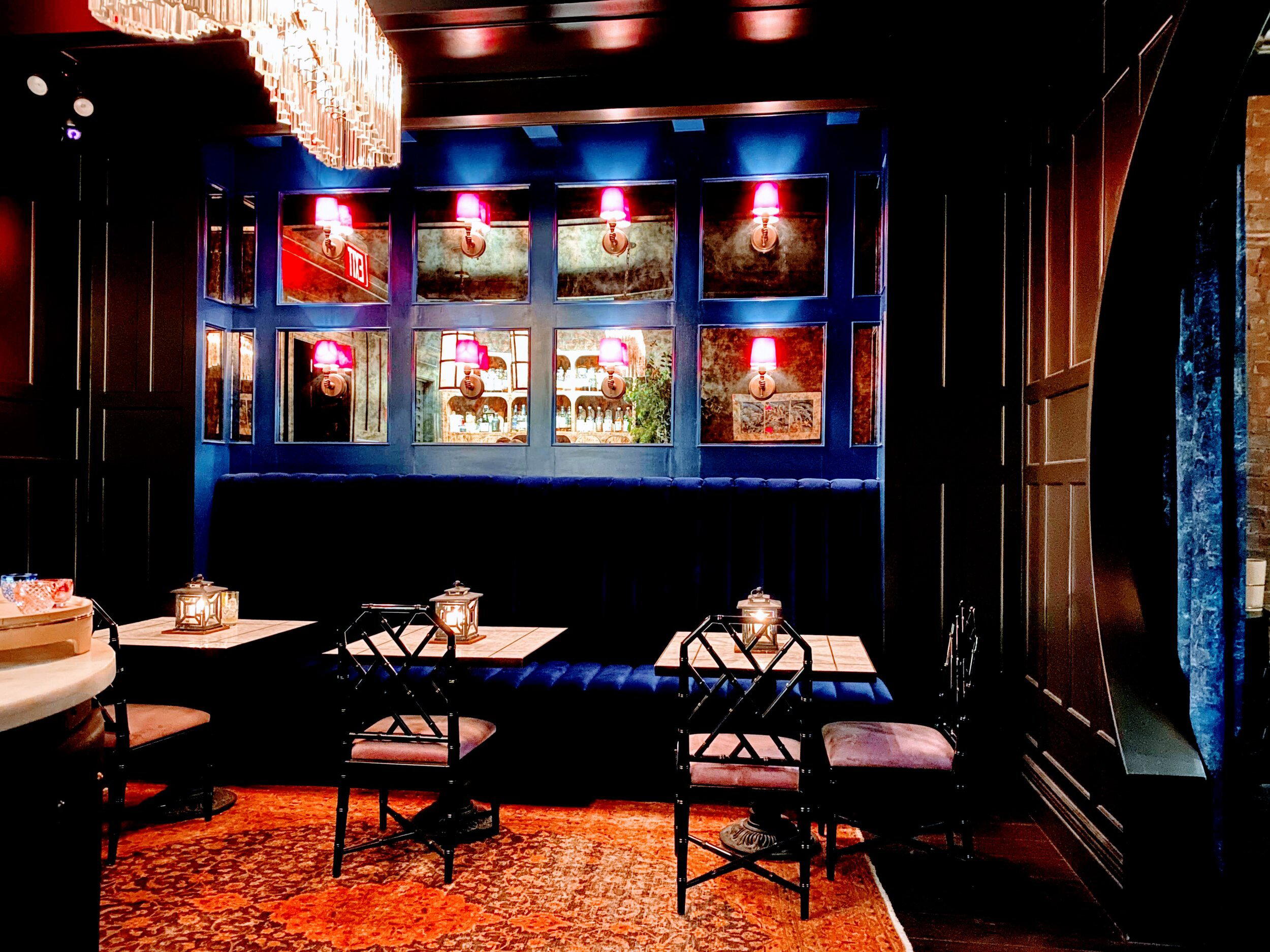
Where French Technique and Japanese Terroir Converge
Tokyo's contemporary dining tier has grown increasingly specific about what it means to fuse French and Japanese traditions. A decade ago, the formula often meant applying French technique to premium Japanese ingredients as a kind of upgrade exercise. The restaurants earning sustained recognition in 2024 tend to operate differently: they treat both culinary heritages as equal sources of flavour logic, allowing each dish to be shaped by whichever tradition leading serves the ingredient at hand. Noda, located at street level on a quiet stretch of Jingumae in Omotesando, sits inside that more demanding framework.
The restaurant holds, a signal worth noting in a city where diners are famously precise in their assessments. That rating places Noda in the company of Tokyo restaurants reviewed in our full Tokyo restaurants guide, many of which operate at the ¥¥¥¥ price tier and draw their credibility from a coherent culinary logic rather than a single headline technique.
The Cross-Cultural Framework on the Plate
Tokyo's most discussed contemporary kitchens tend to organise around a central thesis. At RyuGin, the argument is kaiseki precision meeting seasonal intensity. At L'Effervescence, it is French classicism adapted through Japanese restraint. Noda's kitchen positions itself differently: the culinary framework here draws on what might be described as hometown cooking on two fronts, both French regional terroir and Japanese local produce carry equal weight as source material. The result is a menu built through layering rather than substitution, where ingredients from both traditions appear in the same composition rather than one tradition serving as a backdrop for the other.
The recommended pairings that accompany each course reflect the same dual logic. Rather than defaulting to a French wine programme or a Japanese sake list as the natural companion, the pairing structure acknowledges that dishes spanning two ingredient traditions may require a broader range of beverage references. This approach mirrors what some of the more technically precise contemporary restaurants in Asia have moved toward, including Jungsik in Seoul and César in New York City, where beverage programmes are constructed around dish flavour profiles rather than national tradition.
Omotesando at the ¥¥¥¥ Level
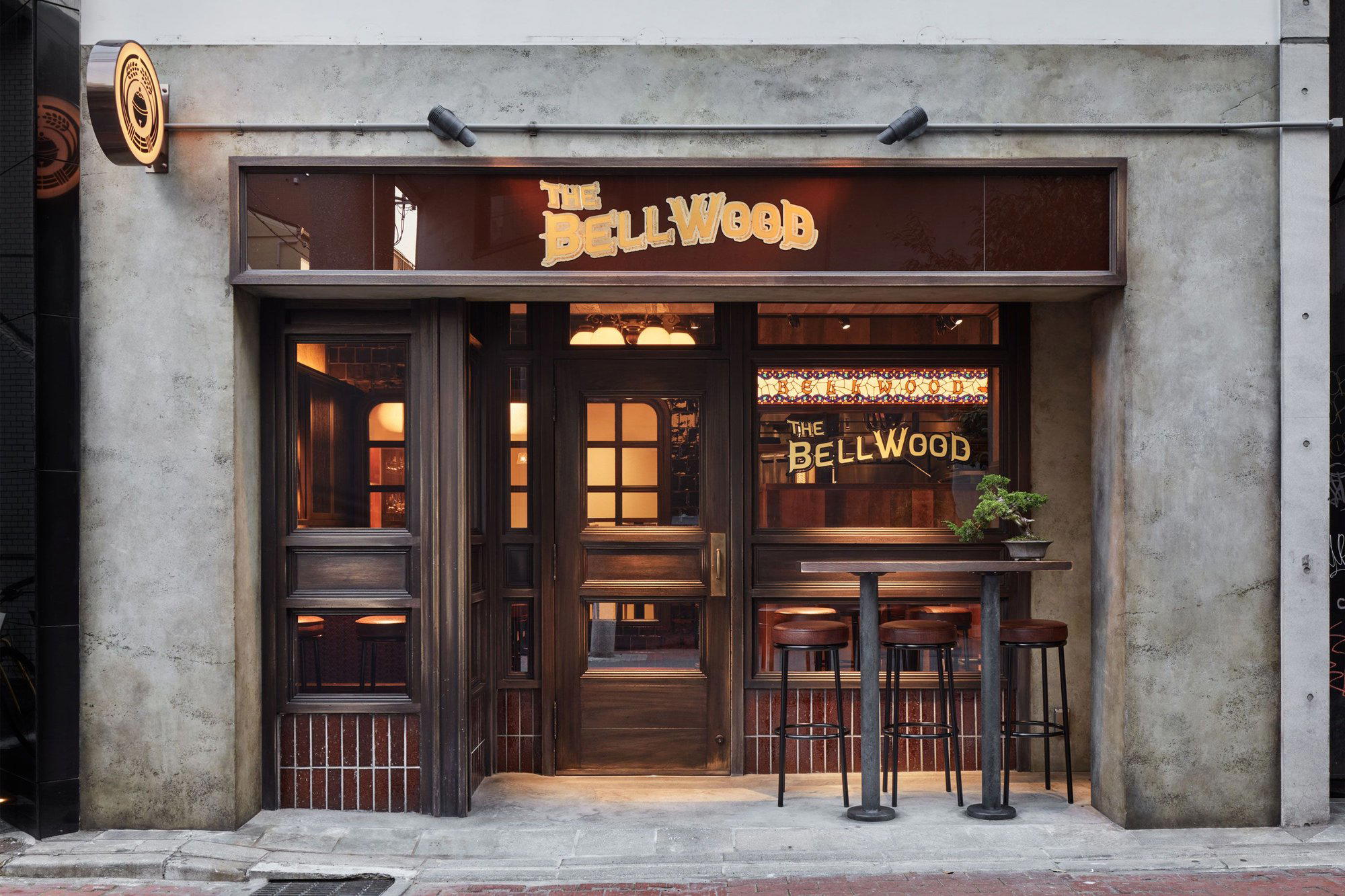
Omotesando and the surrounding Jingumae neighbourhood have developed a specific character within Tokyo's dining map. It is not Ginza, where the density of Michelin-starred counters creates a particular kind of competitive pressure, nor is it the more experimental cluster around Shibuya. Omotesando sits somewhere between, a neighbourhood where the retail character (flagship architecture, considered independent boutiques) has drawn a restaurant scene that tends toward precision and quiet confidence rather than spectacle. The ground-floor location in the Avenir Omotesando building on 6 Chome keeps the setting accessible without diluting the seriousness of the kitchen.
At the ¥¥¥¥ price tier, Noda prices against a comparable set that includes multi-awarded kaiseki rooms and high-end French-Japanese hybrids. That tier in Tokyo is not forgiving, diners at this spend level in the city have access to Hakunei, nôl, FUSOU, HYÈNE, and JULIA, each with a distinct culinary argument to make. The fact that Noda has maintained a 4.8 rating within that context suggests the kitchen's central thesis is being executed with consistency.
Culinary Foundations and Critical Standing
The kitchen's documented foundation in French cuisine provides a structural reference point that recurs across the menu. French culinary training shapes how ingredients are layered, the logic of building flavour through successive elements rather than presenting a single dominant note, and this is where Noda's approach diverges from restaurants that treat French-Japanese fusion as a matter of decoration. The terroir concept, typically a French wine and agricultural reference, is applied here to both Japanese and French source ingredients simultaneously, asking what sense of place each ingredient carries and how those senses of place interact on the plate.
This kind of intellectual rigour tends to generate the sustained critical attention that keeps a restaurant visible in a city as competitive as Tokyo. For broader context on what this level of ambition looks like across Japan's restaurant tier, the cross-country comparison set is instructive: HAJIME in Osaka operates at a comparable level of French-inflected innovation, Gion Sasaki in Kyoto represents the kaiseki tradition against which contemporary kitchens are often measured, and akordu in Nara offers another model of European technique working through Japanese ingredients. Goh in Fukuoka, 1000 in Yokohama, and 6 in Okinawa extend that national picture further.
Planning a Visit
Noda is located at 6 Chome-9-9, Jingumae, Shibuya, Tokyo, street level in the Avenir Omotesando building, within walking distance of Omotesando station. The ¥¥¥¥ price tier positions this as an occasion restaurant rather than a neighbourhood drop-in, and the recommended pairing structure suggests that the full experience is designed around a set menu format rather than à la carte selection. Booking ahead is advisable given the category and rating; specific reservation windows and contact details are best confirmed through current third-party booking platforms or directly with the restaurant. Visitors planning a broader Tokyo stay can consult our full Tokyo hotels guide, our full Tokyo bars guide, our full Tokyo wineries guide, and our full Tokyo experiences guide for a complete picture of the city.
Cost and Credentials
Comparable venues nearby, for context on price, style, and recognition.
| Venue | Cuisine | Price | Awards | Notes |
|---|---|---|---|---|
| NodaThis venue — the venue you are viewing | Contemporary | $$$$ | Michelin Plate | Not listed |
| Ebisu Endo | Shibuya, Modern Edomae Omakase | $$$$ | Not listed | Not listed |
| Sushi Take | Chūō, Edomae Sushi Omakase | $$$$ | Not listed | Not listed |
| Idea Ginza | Not listed | $$$$ | Not listed | Chūō, Kobe Beef Rogama Charcoal-Grilled Steak |
| Gorio | Not listed | $$$$ | Not listed | Chūō, Traditional Japanese Charcoal-Grilled Tajima Beef Steakhouse |
| Fugu Fukuji | Not listed | $$$$ | Not listed | Chūō, Fugu (Pufferfish) Fine Dining |
Recognition history
Dated appearances from independent guides and award organizations, with the underlying list record or original source where available.
Opinionated About Dining Top Restaurants in Japan Recommended
Opinionated About Dining
Michelin Plate
Michelin











At a Glance
- Intimate
- Elegant
- Sophisticated
- Minimalist
- Special Occasion
- Date Night
- Celebration
- Chefs Counter
- Open Kitchen
- Extensive Wine List
- Sake Program
- Craft Cocktails
- Sommelier Led
- Local Sourcing
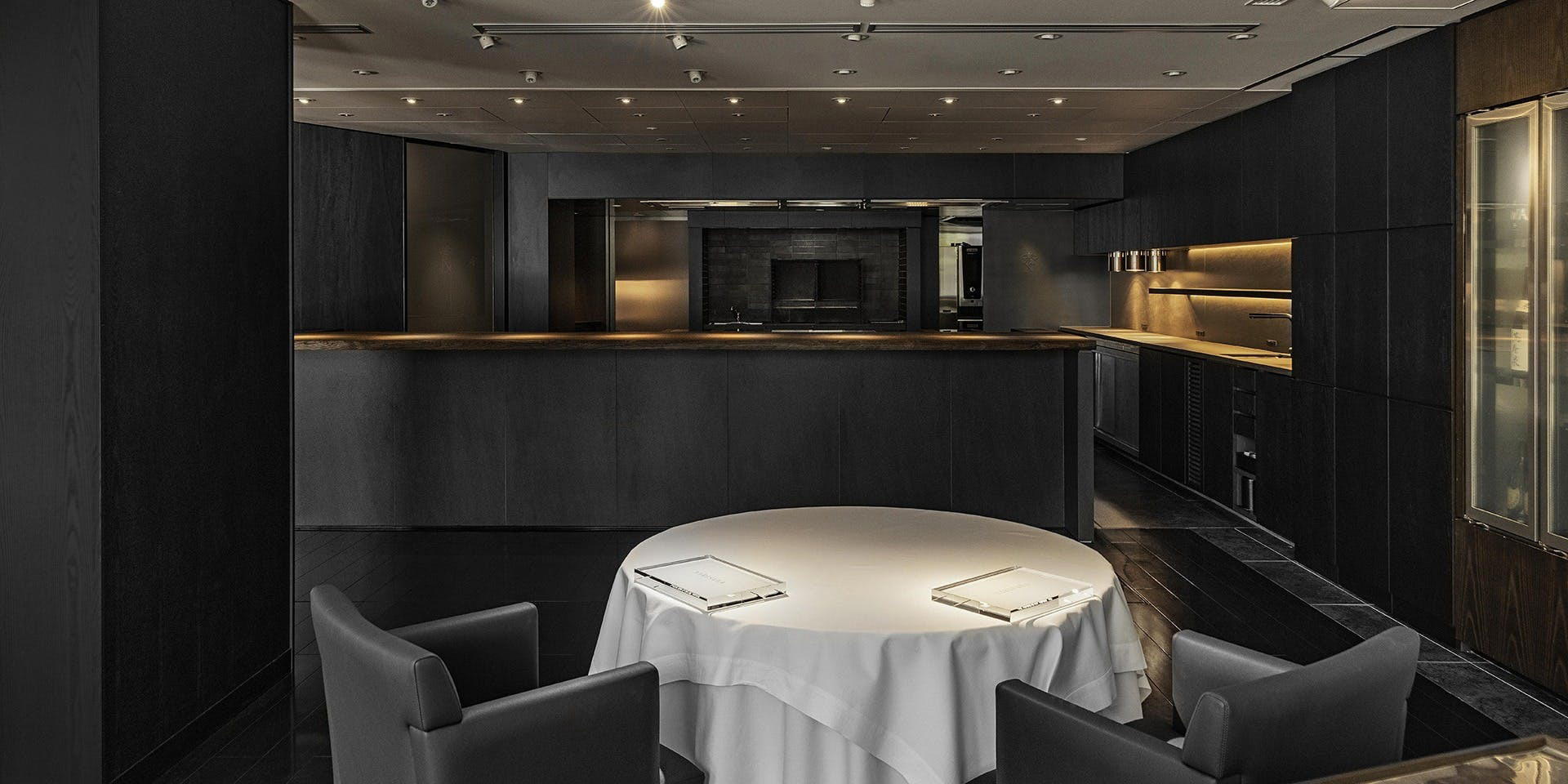
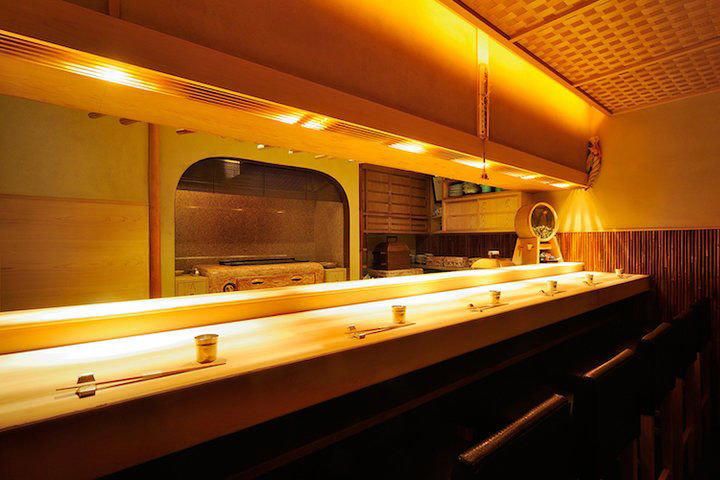
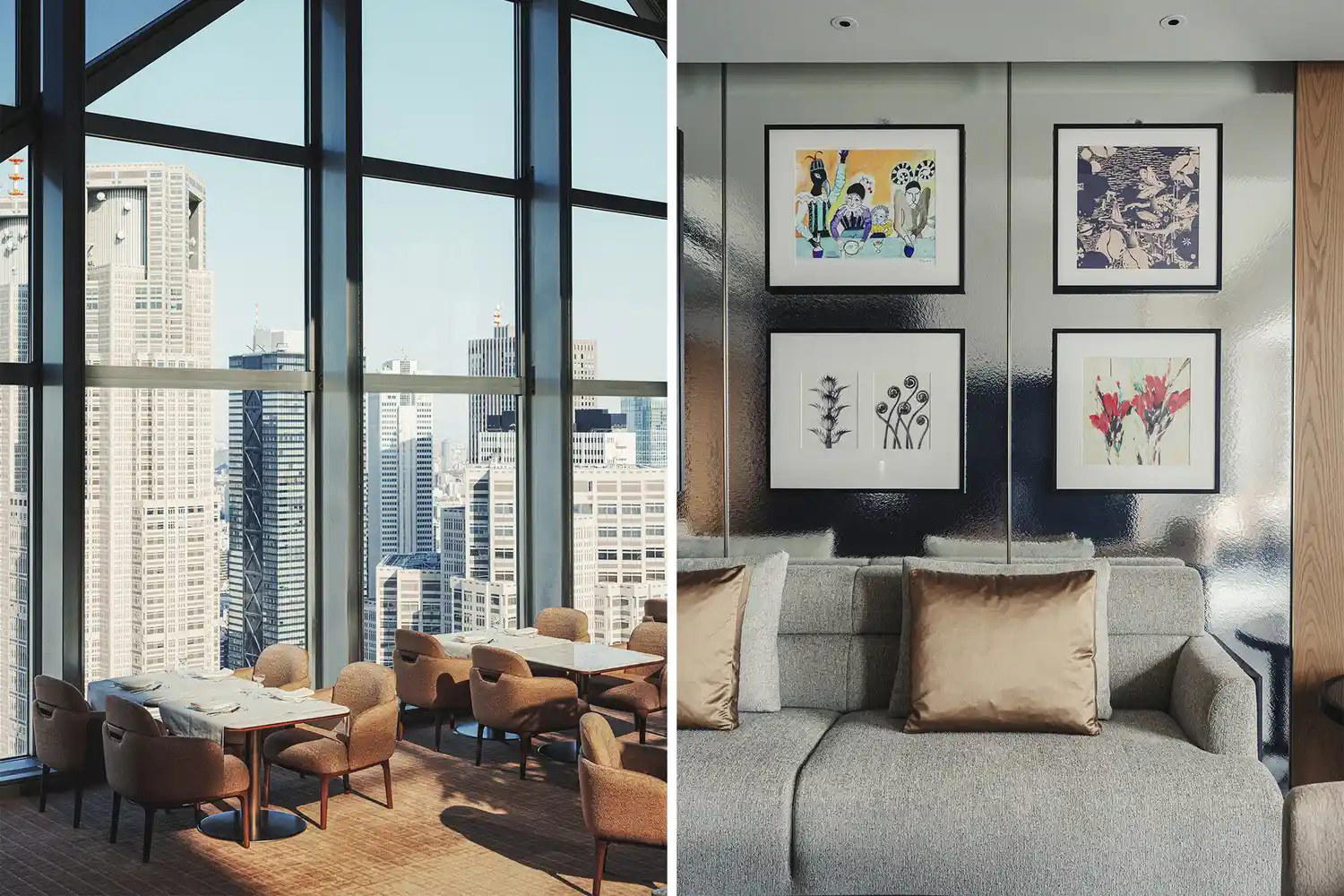
Dark, cozy intimate space with exposed brick walls, minimalist design with steamer-shaped lighting, and a sophisticated speak-easy vibe that keeps focus on the culinary experience.