


An eight-seat counter in Toranomon running French-meets-Japanese cuisine under chef Riku Yakushijin, Unis has earned Tabelog Bronze Awards in both 2025 and 2026, a Tabelog French TOKYO 100 selection, and a place in Opinionated About Dining's top 300 restaurants in Japan. Dinner runs JPY 50,000 to 59,999 per person; reservations are accepted online only.
Pearl is the En Primeur Club membership app — saves, bookings, and concierge access live there. Same editors, same standards.
- Address
- Japan, 〒105-0001 Tokyo, Minato City, Toranomon, 1 Chome−23−3 ヒルズガーデンハウス 1階
- Website
- unis-anniversary.com
- Directions
- Get directions
 Saves & bookings on Pearl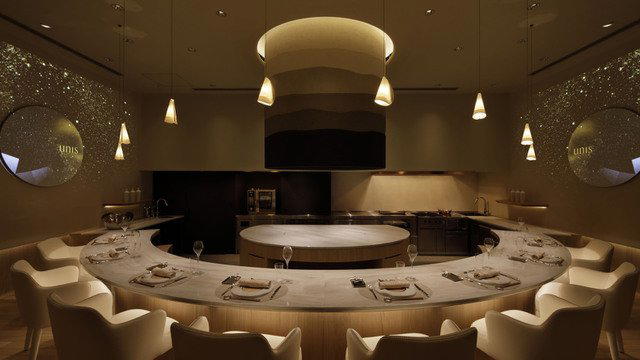
Eight Seats, No Phone Number, Consistent Recognition
Tokyo's premium French counter scene has consolidated around a specific format: small capacity, counter-only seating, reservation-only access, and a price point that competes with the city's serious kaiseki rooms rather than its mid-tier bistros. Unis, a Modern French restaurant in Tokyo's Toranomon district, runs exactly that format. The counter seats eight. There is no phone reservation line. Bookings are made through the venue's website exclusively, and the recognition that has followed, Tabelog Bronze Awards in consecutive years (2025 and 2026), two selections for Tabelog French TOKYO 100, and an Opinionated About Dining ranking that climbed from Highly Recommended in 2023 to 254th in Japan in 2024 and 319th in 2025, places it inside a comparable set that includes particularly competitive tables in the capital.
That comparable set matters for calibration. At the JPY 50,000 to 59,999 per-person average logged across both lunch and dinner, Unis prices at a level comparable to counters like Sézanne and L'Effervescence, both of which have held Michelin recognition and operate in the same serious-French register. The question at this price tier is never whether the cooking will be technically accomplished, it will be, but rather what the specific drink programme and format bring to the experience.
The Wine Programme: Deliberate, Not Decorative
Tokyo's leading French counters have increasingly treated the beverage programme as a core editorial statement rather than a supplementary listing. At Unis, the drink philosophy is specific: the venue is noted as being particular about both wine and nihonshu (sake), with a sommelier on the floor. That combination, French fine dining with a deliberate sake dimension, is a meaningful signal. In a room of eight seats running a single counter format, the sommelier's role is closer to a collaborator than a service function. There is no background noise to talk over, no adjacent table to turn before your pairing conversation is finished.
The presence of sake alongside wine in a French context at this price point speaks to a broader shift in how Tokyo's premium French kitchens approach beverages. Rather than treating a French cellar as the only reference point, properties like Unis have introduced sake as a parallel pairing language, particularly for courses where Japanese fish or seasonal produce from domestic suppliers anchors the plate. The venue's database notes a particular focus on fish, and the nihonshu selection is likely calibrated around that, higher-acidity, lower-umami profiles for delicate fish courses being a common pairing logic in this hybrid French-Japanese format.
For guests arriving with a preference for wine over sake, the sommelier presence at a counter of this scale means pairings are genuinely responsive to the meal's progression, not pre-set in a standard package. The venue accepts VISA, Mastercard, JCB, AMEX, and Diners, and service charge is separate, relevant when factoring total spend at the JPY 50,000 to 59,999 base, as pairing additions will move the final figure upward.
Format and Setting: Toranomon Hills as Context
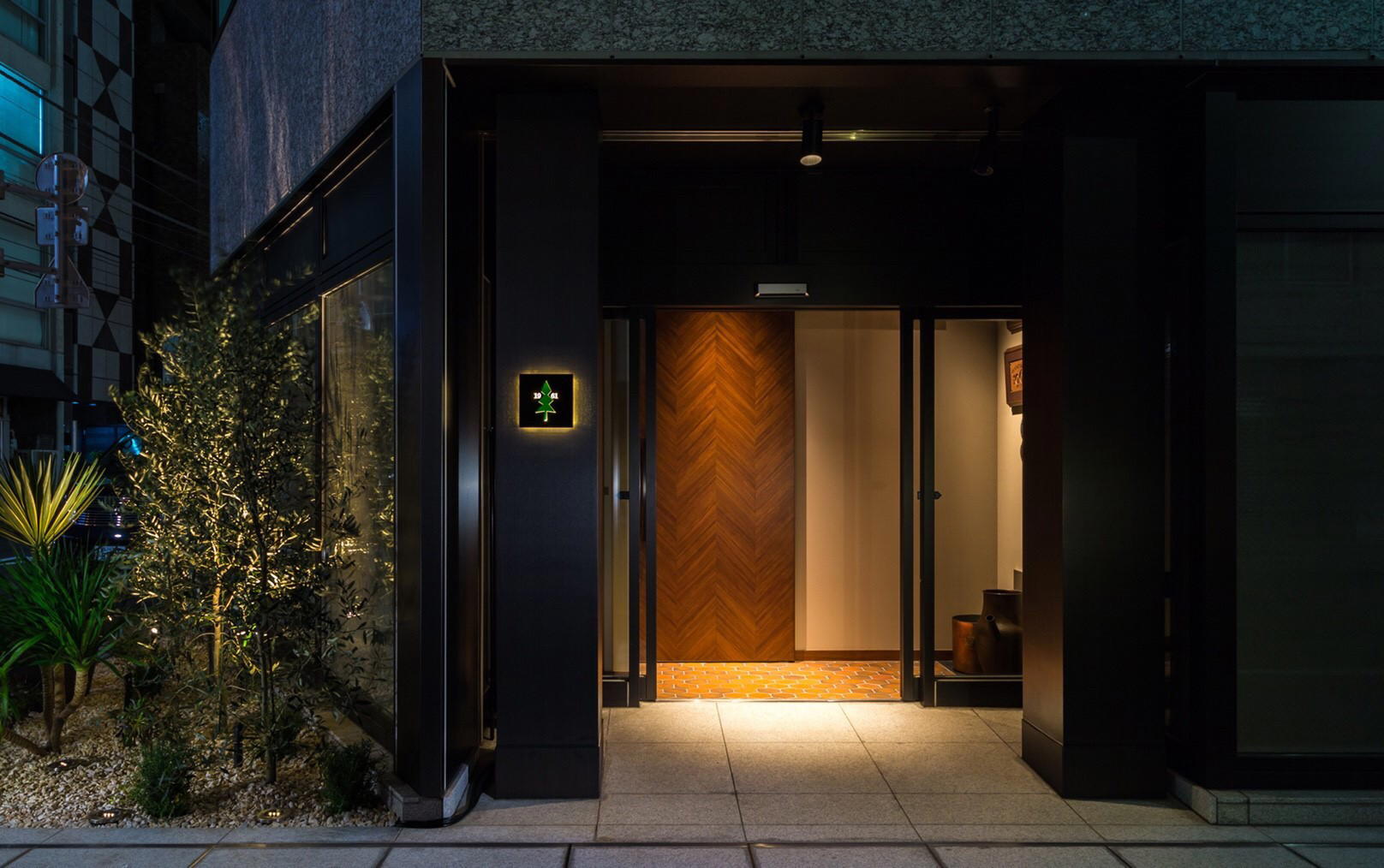
Toranomon Hills is not the obvious postcode for this kind of dining. The area is primarily a corporate and residential cluster around Mori Building's development, and the restaurants that have arrived alongside it skew international and hotel-adjacent. Unis occupies a different register: the Tabelog listing categorises its location as a "hideout" and a "house restaurant," both descriptors pointing to something quieter and more contained than the glass-tower dining typically associated with this part of Minato ward.
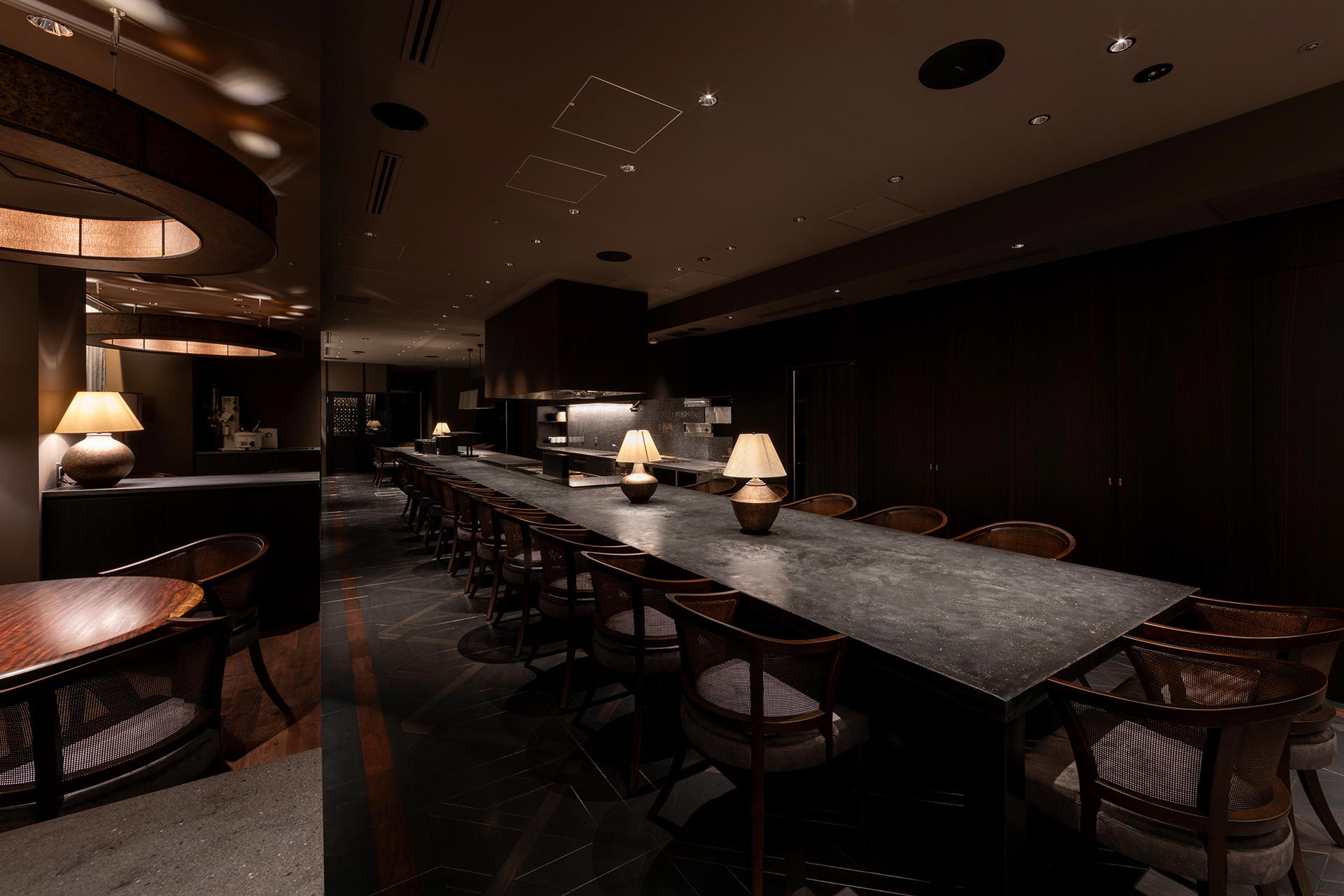
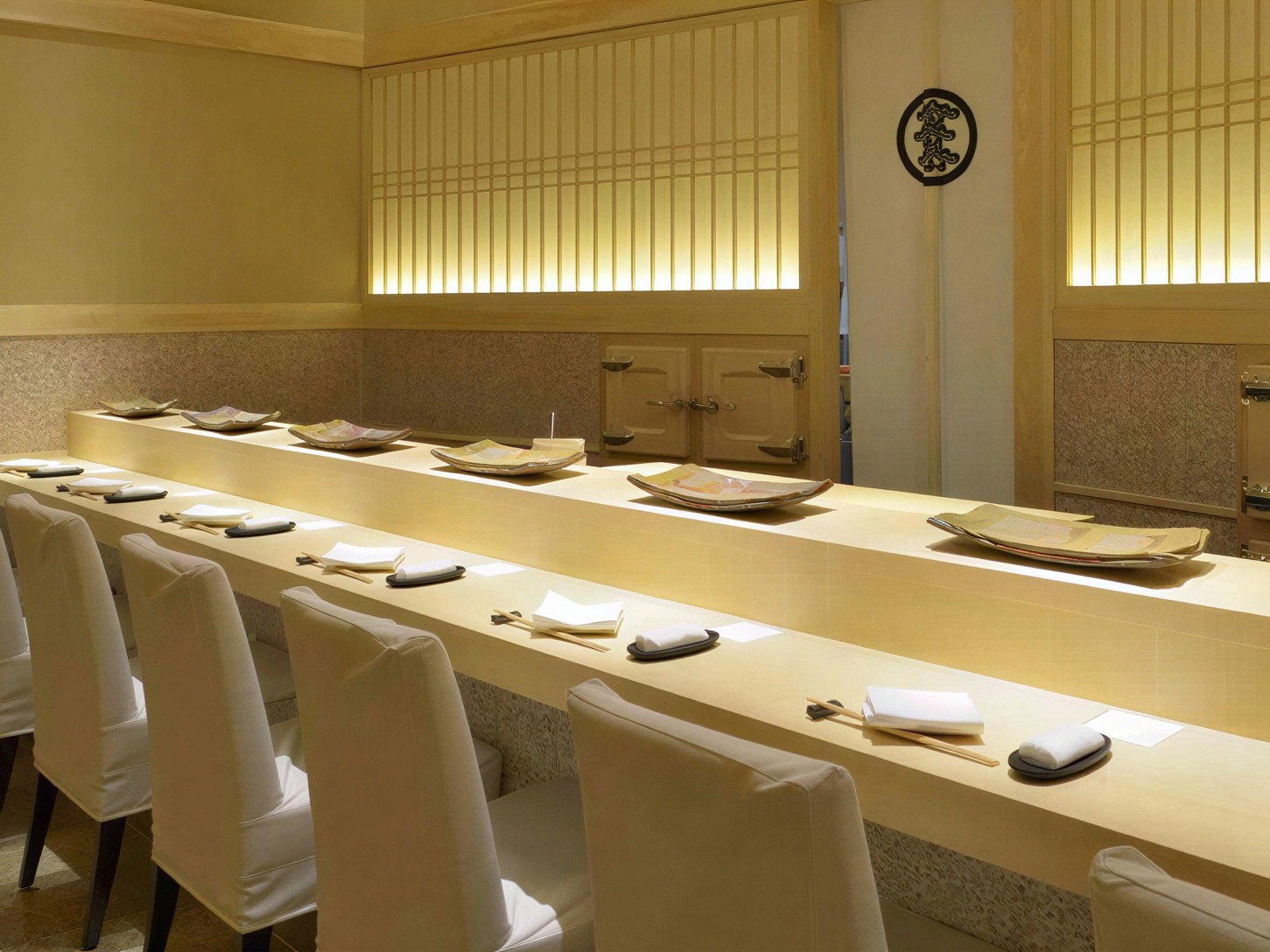
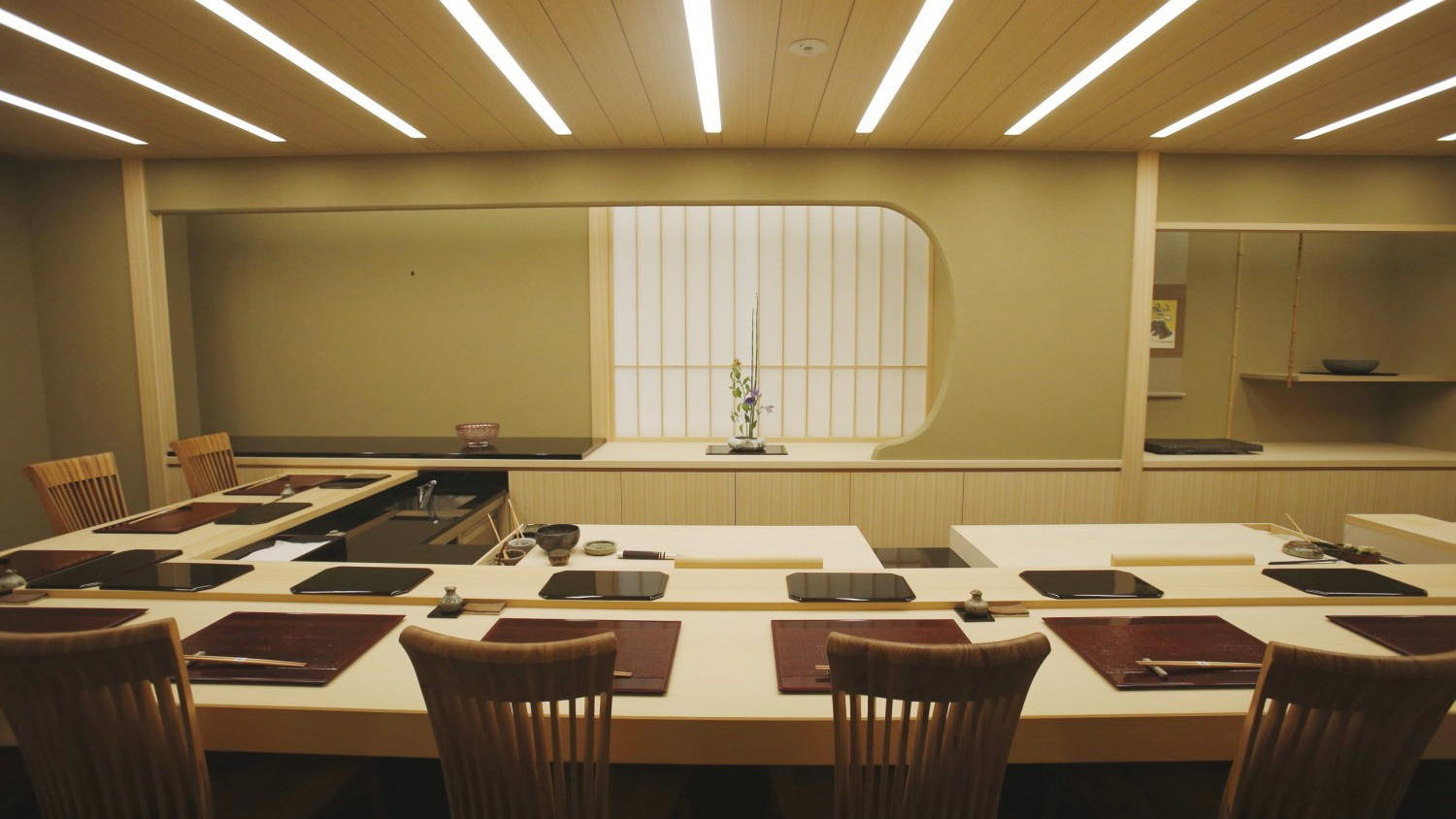
The physical space runs to eight counter seats only, with sofa seating also available and facilities noted as spacious despite the intimate capacity. Wheelchair access is confirmed. The venue is a two-minute walk from Toranomon Hills Station (Tokyo Metro), with the Toranomon Hills parking lot available for those arriving by car.
Operating hours concentrate the week tightly: Tuesday through Friday for dinner from 18:00 to 20:30, Saturday for both lunch (12:00 to 15:00) and dinner (17:00 to 19:30), with Monday and Sunday closed. The compressed schedule is consistent with a kitchen running at this precision level without brigade scaling, a pattern common to Tokyo's most decorated small counters, where the chef's direct involvement across every service sets a hard ceiling on how many covers can be executed well.
French in Tokyo: Where Unis Sits in the Competitive Set
Tokyo now has more Michelin-starred French restaurants than Paris, a fact that has reshaped how the city's French dining scene is understood internationally. Within that scene, the Innovative French counter format, tight capacity, Japanese ingredient sourcing, chef's table delivery, hybrid beverage programming, has become its own sub-category, distinct from both the grand French dining rooms of properties like Château Restaurant Joël Robuchon and the chef-driven neo-bistro tier below. Unis operates firmly in that counter format, alongside venues like ESqUISSE and Florilège, which have built sustained recognition through similar principles: small rooms, domestic ingredient sourcing, and personal service at counter level.
What distinguishes Unis within that grouping is partly the beverage dual focus and partly the Toranomon location, which places it slightly outside the Ginza-Minami Aoyama axis where most comparable counters cluster. For guests whose itinerary includes other Japanese cities, the relevant comparison tier includes HAJIME in Osaka, Gion Sasaki in Kyoto, akordu in Nara, Goh in Fukuoka, 1000 in Yokohama, and 6 in Okinawa, each representing what serious, small-format dining looks like when applied to a regional context. Internationally, the formal French counter tradition Unis draws from has close relatives in Hotel de Ville Crissier in Crissier and Les Amis in Singapore, both of which operate with similar precision and comparable price positioning in their respective markets.
The venue opened in December 2020 and has accumulated its recognition in the four years since. The Opinionated About Dining trajectory, from Highly Recommended to a ranked position inside the top 320 in Japan, over a three-year window is a meaningful indicator of consistency rather than a single strong year.
Planning Your Visit
Know Before You Go
- Address: Toranomon Hills Garden House 1F, 1-23-3 Toranomon, Minato City, Tokyo 105-0001
- Getting there: Tokyo Metro Toranomon Hills Station, A1 or A2 exit, approximately 2 minutes on foot; Toranomon Station, Exit 4, approximately 5 minutes on foot
- Hours: Tue–Fri dinner 18:00 to 20:30; Sat lunch 12:00 to 15:00, dinner 17:00 to 19:30; closed Mon and Sun
- Price: JPY 50,000 to 59,999 per person (both lunch and dinner); service charge additional
- Reservations: Online only via the venue website; no telephone, walk-in, or email bookings accepted
- Seats: 8 (counter only); private hire of the full room is available
- Payment: Credit cards accepted (VISA, Mastercard, JCB, AMEX, Diners); electronic money and QR payments not accepted
- Dress code: Smart casual recommended
- Parking: Toranomon Hills parking lot; use K elevator to 1F
- Children: Welcome (preschool and school-age); children's reservations must be made through the website
Comparable Spots
Comparable venues nearby, for context on price, style, and recognition.
| Venue | Cuisine | Price | Notes |
|---|---|---|---|
| UnisThis venue — the venue you are viewing | Modern French | $$$$ | Not listed |
| Patous | Classic French Fine Dining | $$$$ | Minato |
| Ne Quittez pas | French Fine Dining with Avant-Garde Soil Course | $$$$ | Shinagawa |
| Plaiga TOKYO | Modern French with Japanese Seasonal Ingredients | $$$$ | Chiyoda |
| Watanabe Ryouri-mise | Modern French Bistro | $$$$ | Kōtō |
| Les deux | Modern French Bistro | $$$$ | Meguro |
Recognition history
Dated appearances from independent guides and award organizations, with the underlying list record or original source where available.
Opinionated About Dining Top Restaurants in Japan Recommended
Opinionated About Dining
Tabelog Bronze #498
Tabelog
Michelin Plate
Michelin
Opinionated About Dining Top Restaurants in Japan Ranked #319
Opinionated About Dining
Tabelog 100 #30 · No. 30
Tabelog · Tabelog 100 - French - TOKYO - 2025
Tabelog Bronze
Tabelog
Opinionated About Dining Top Restaurants in Japan Ranked #254
Opinionated About Dining
Opinionated About Dining Top Restaurants in Japan Highly Recommended
Opinionated About Dining







At a Glance
- Elegant
- Sophisticated
- Intimate
- Modern
- Special Occasion
- Celebration
- Date Night
- Chefs Counter
- Open Kitchen
- Local Sourcing
Current opening hours
- Monday
- Closed
- Tuesday
- Closed
- Wednesday
- 5–7:30 PM, 8–10:30 PM
- Thursday
- 5–7:30 PM, 8–10:30 PM
- Friday
- 5–7:30 PM, 8–10:30 PM
- Saturday
- 12–2:30 PM, 5–8:30 PM
- Sunday
- Closed
Hours can change for holidays and private events. Last verified .
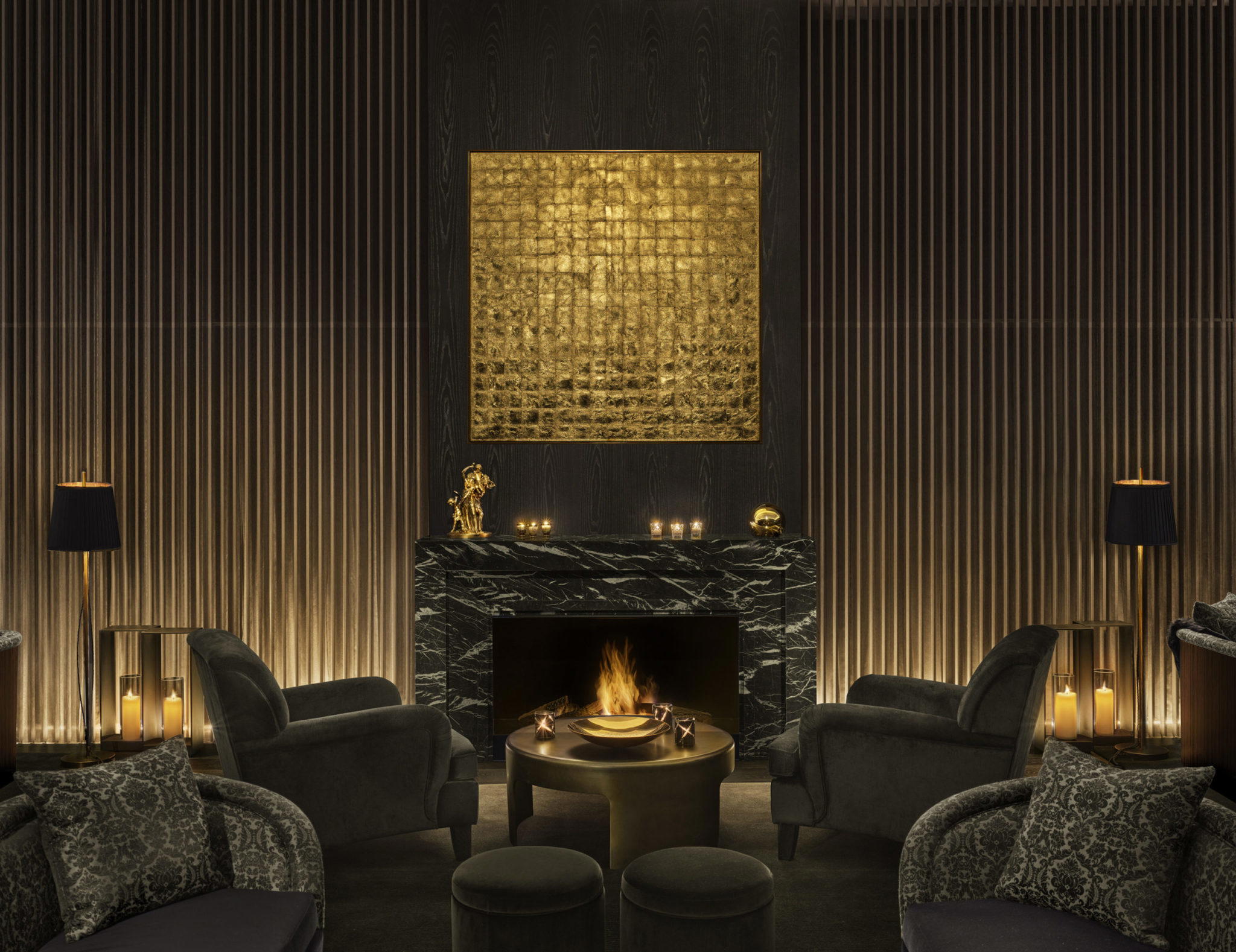
Intimate counter seating for 8 with luminescent artwork, chic waiting room, and carefully crafted atmosphere heightening anticipation.