
In a converted old house in Jingumae, HYÈNE holds a Michelin Plate and a culinary premise that crosses Japanese, Korean, and French traditions under chef Yoko Kimoto, whose dual cultural heritage shapes the menu's logic. The restaurant's name references the hyena's ecological role, a creature led by females, and that framing extends to how the meal itself is structured: as an act of culture-mixing rather than fusion for its own sake. Rated 4.6 on Google across 74 reviews, this is Shibuya-area dining with a clear point of view.
Pearl is the En Primeur Club membership app — saves, bookings, and concierge access live there. Same editors, same standards.
- Address
- 5 Chome-13-14 Jingumae, Shibuya, Tokyo 150-0001, Japan
- Phone
- +81 3-6450-5760
- Website
- hyene.hviewgroup.com
- Directions
- Get directions
 Saves & bookings on Pearl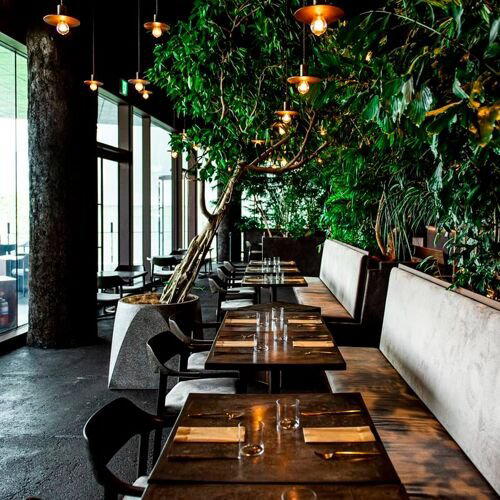
Where Three Culinary Traditions Meet in Jingumae
HYÈNE is a restaurant in Tokyo's Jingumae district serving Modern French-Japanese-Korean Fusion Omakase at about $100 per person. Tokyo's contemporary dining category has spent the past decade sorting itself into two distinct postures: kitchens that fold foreign technique into Japanese produce without announcing it, and kitchens that make the cultural collision the explicit premise of the meal. HYÈNE, operating out of a converted old house in Jingumae's 5-chome, belongs firmly to the second group. The restaurant holds a Michelin Plate in both 2024 and 2025, placing it in the same recognition tier as kitchens that have earned consistent critical attention without yet reaching starred status, a bracket that, in Tokyo's densely competitive contemporary scene, still represents meaningful editorial validation.
The culinary framework here draws from three traditions: Japanese, Korean, and French. That triangulation is less common than it sounds. Most Tokyo kitchens working across borders default to a Japanese-French axis, see the kaiseki-inflected tasting menus at nôl or the French-rooted structure at FUSOU. Bringing Korean culinary logic into that equation shifts the fermentation vocabulary, the spice register, and the approach to sourness in ways that French-Japanese synthesis alone doesn't produce. The result is a menu that doesn't read like a compromise between traditions but like an argument for what happens when all three are taken seriously.
The Logic of the Meal
Dining rituals in Tokyo operate on a spectrum from rigidly choreographed to casually sequential, and where a kitchen positions itself on that spectrum says a great deal about its priorities. At the higher end of the contemporary tier, venues like JULIA or KIBUN, the pacing is usually controlled, courses arriving at intervals that allow the diner to absorb each transition. HYÈNE's format, housed in a traditional Japanese structure, suggests a similar attentiveness to sequence. The old house setting is not incidental: in Tokyo, choosing a machiya or a converted residential structure as a venue carries a specific cultural signal. It implies intimacy, a departure from the neutral luxury of purpose-built dining rooms, and a certain deliberateness about atmosphere that shapes the meal from the moment you arrive.
The name itself encodes a philosophy about how the meal should be understood. The hyena is an animal whose ecological function is widely misread, it is not a scavenger by default but an apex predator in its own right, and crucially, its societies are matriarchal. Chef Yoko Kimoto has cited an affinity with that framing. That framing matters as a structural clue: the meal at HYÈNE is designed to challenge received hierarchies, whether those hierarchies are culinary or cultural.
Jingumae and the Broader Shibuya Context
The address in 5-chome Jingumae places HYÈNE in a neighbourhood that sits between Harajuku's retail energy and the quieter, more residential pockets that bleed toward Aoyama. This is not the high-density dining corridor of Ginza or the bar-heavy density of Shinjuku. Restaurants in this part of Jingumae tend to be destination choices rather than walk-in discoveries, with guests typically arriving with a booking rather than stumbling in. That geography reinforces the intimate, appointment-driven character of the experience.
For comparative context across Japan, the contemporary format HYÈNE represents has strong regional analogues: HAJIME in Osaka and Gion Sasaki in Kyoto operate in adjacent territory, as do akordu in Nara and Goh in Fukuoka. The cross-cultural contemporary model also has international peers: Jungsik in Seoul operates in a comparable register, fusing Korean foundations with Western fine-dining structure, while César in New York City represents how the contemporary format translates into a different metropolitan context entirely.
Where HYÈNE Sits in Tokyo's Contemporary Tier
The price range of ¥¥¥ positions HYÈNE below the upper tier of Tokyo contemporary dining, venues like Den (also ¥¥¥, Michelin 2 Stars) represent the ceiling of that bracket, while Crony and L'Effervescence operate at ¥¥¥¥. This matters because it affects who the meal is for and what the implicit contract with the diner is. At ¥¥¥, the expectation is a serious kitchen without the full apparatus of a multi-starred production: no army of sommeliers, no tableside theatre for its own sake, but genuine culinary ambition within a more human-scaled format.
Den, at a comparable price point with two Michelin stars, represents one version of what ambitious contemporary Japanese cooking can achieve in that tier. HYÈNE's Michelin Plate signals consistent quality without the starred designation, which is a meaningful distinction but not a disqualifying one. Plenty of kitchens in Tokyo carry plates rather than stars because the format, whether too casual, too small, or too recent, hasn't yet aligned with what the Guide rewards.
Diners comparing venues in the broader Shibuya and Jingumae area should also consider hakunei, which operates in an adjacent register.
Planning Your Visit
HYÈNE is located at 5 Chome-13-14 Jingumae, Shibuya, Tokyo, a ten-minute walk from Harajuku Station or roughly the same from Meiji-jingumae Station on the Fukutoshin and Chiyoda lines. The Jingumae address means the surrounding streets are relatively quiet after dark, and arriving on foot through the neighbourhood rather than by taxi is a reasonable choice. Booking in advance is advisable given the intimate scale that a converted house format typically involves; walk-in availability at venues of this type in Tokyo is rarely reliable.
Same-City Peers
Comparable venues nearby, for context on price, style, and recognition.
| Venue | Cuisine | Price | Notes |
|---|---|---|---|
| HYÈNEThis venue — the venue you are viewing | Modern French-Japanese-Korean Fusion Omakase | $$$ | Not listed |
| bonélan | Classic French Bistro | $$$ | Shibuya |
| KOTARO Hasegawa DOWNTOWN CUISINE | French Fine Dining | $$$ | Taitō |
| Kanshin | Seasonal Japanese Kaiseki | $$$ | Minato |
| Hakozakicho Sumito | Edomae Sushi | $$$ | Chūō |
| Le Bouton | Modern French Bistro | $$$ | Minato |
Recognition history
Dated appearances from independent guides and award organizations, with the underlying list record or original source where available.
Michelin Plate
Michelin
Michelin Plate
Michelin
Michelin Plate
Michelin












At a Glance
- Intimate
- Modern
- Elegant
- Cozy
- Date Night
- Special Occasion
- Chefs Counter
- Open Kitchen
- Private Dining
- Sake Program
- Extensive Wine List
Current opening hours
- Monday
- Closed
- Tuesday
- 6–11:30 PM
- Wednesday
- 6–11:30 PM
- Thursday
- 6–11:30 PM
- Friday
- 6–11:30 PM
- Saturday
- 6–11:30 PM
- Sunday
- Closed
Hours can change for holidays and private events. Last verified .
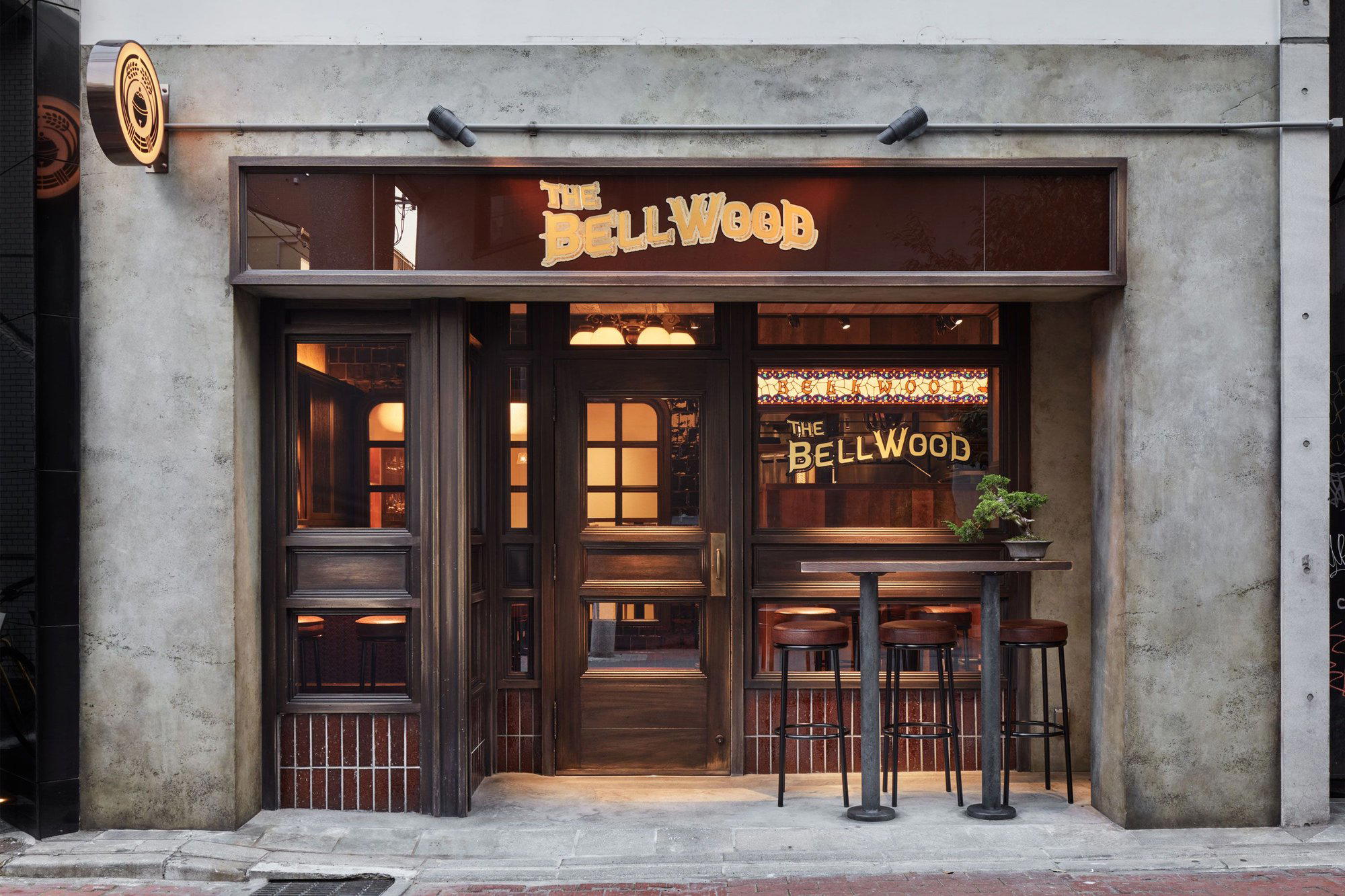
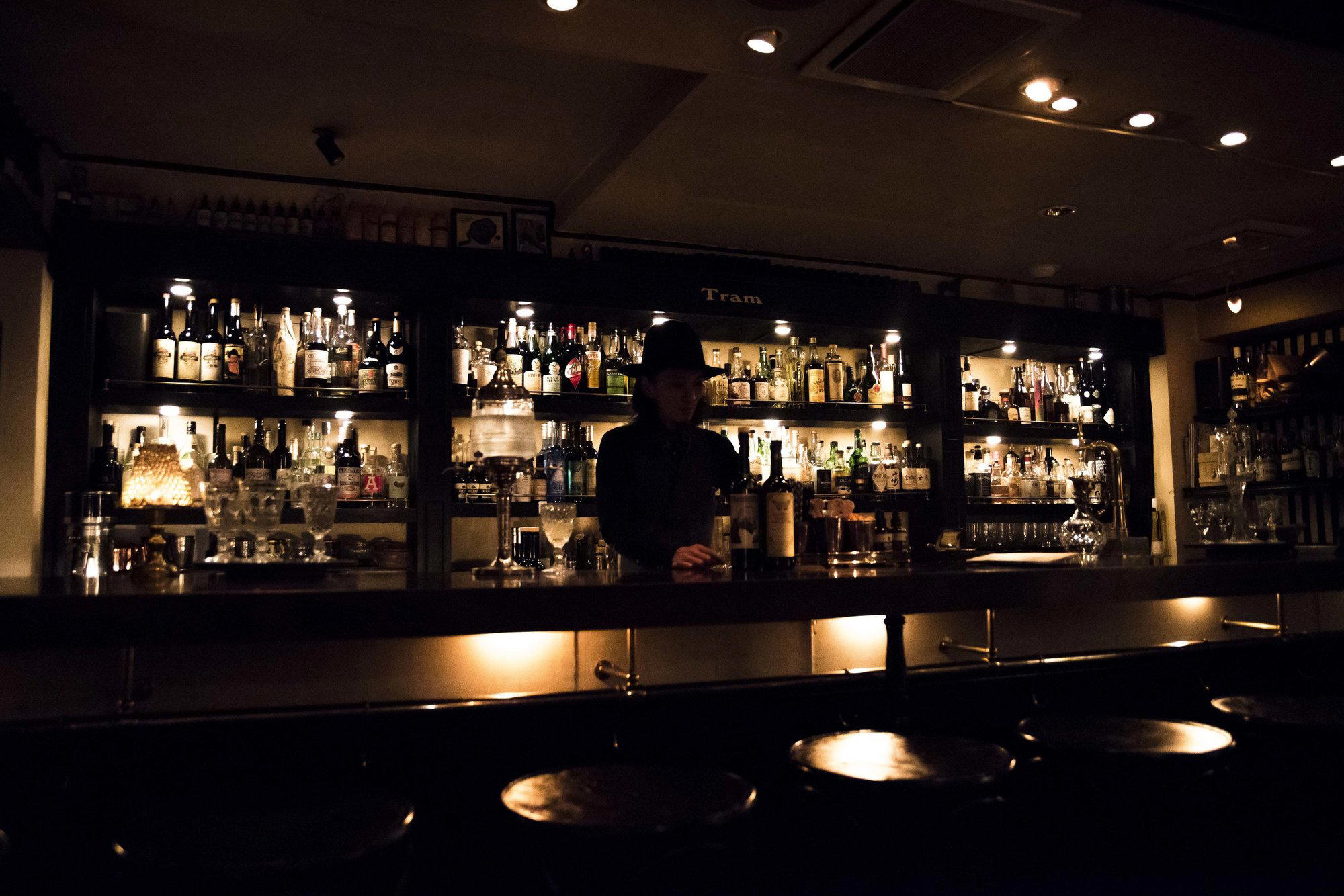
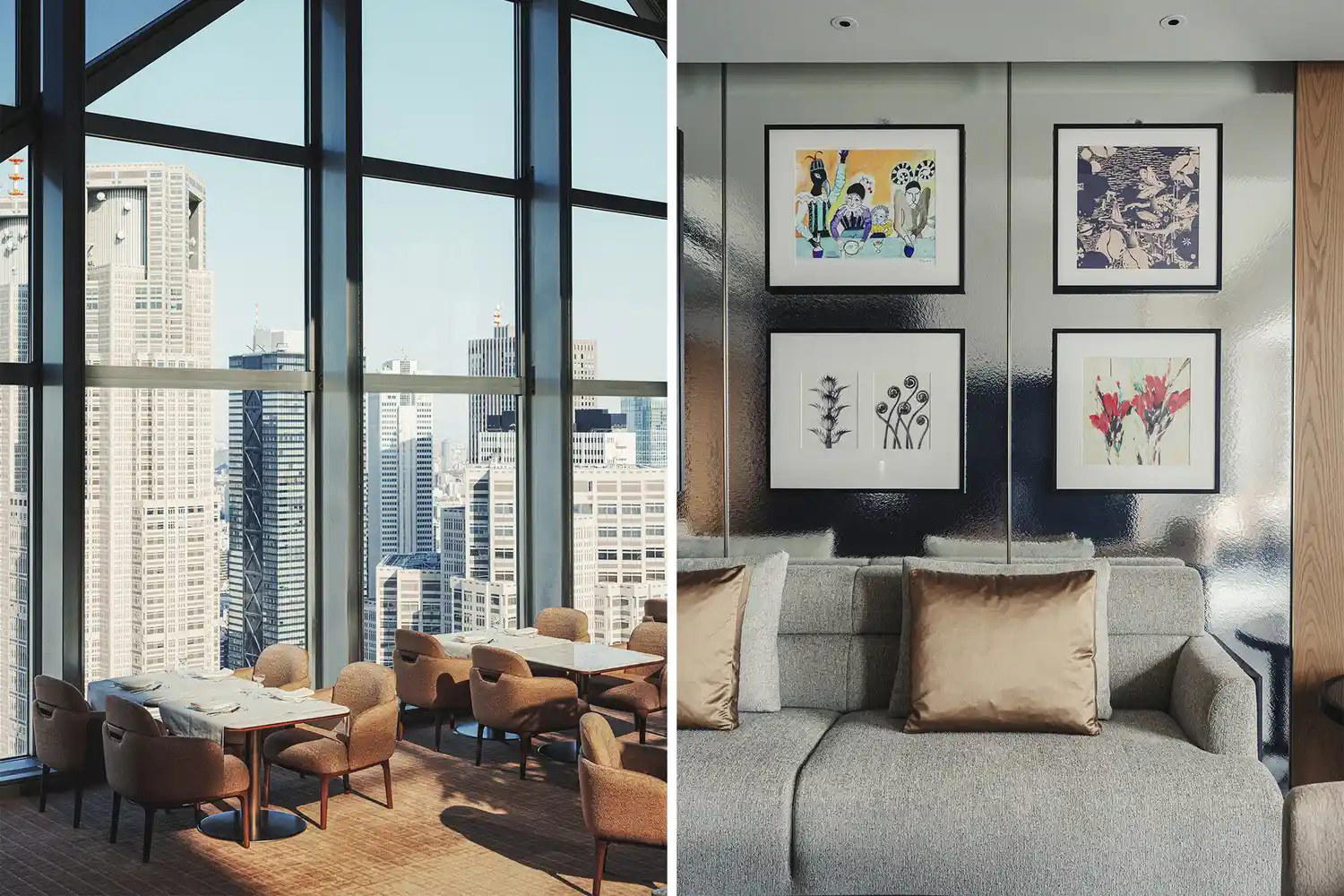
Warm and inviting atmosphere in a traditional Japanese house with open kitchen performance.