Tabelog 100 #36
Our verdict
Sushi Take occupies a fourth-floor counter in Ginza's 7-chome, where chef Fumi Takeuchi runs a tight lunch-and-dinner service that has climbed steadily through Opinionated About Dining's Japan rankings, from Highly Recommended in 2023 to #310 in 2024 and #363 in 2025.. Advance planning is advisable for both sittings.

Pearl is the En Primeur Club membership app, where members save venues, book tables and use the concierge.
Where Sushi Take Tokyo Sits in the Ginza Counter Hierarchy
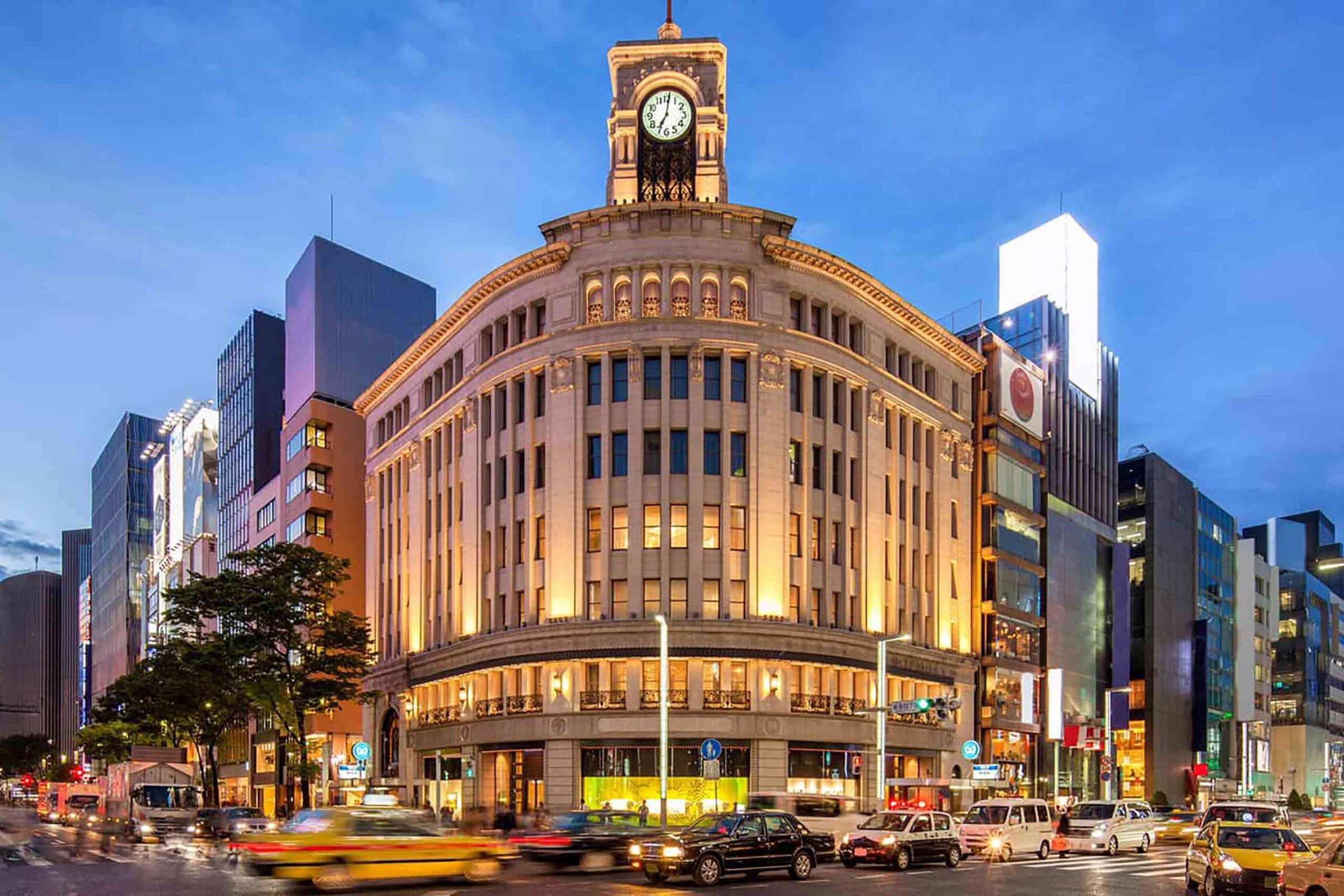
Ginza has long concentrated Japan's most scrutinised sushi counters into a few city blocks. The neighbourhood's fourth-floor addresses, above street-level retail, accessed by narrow staircases or small lifts, have become a shorthand for a particular type of serious, low-capacity sushi operation. Sushi Take, at 7 Chome-6-5 in the Ishii Kishyuya Building, fits that pattern precisely. It is not a flagship property with a ground-floor presence; it is a working counter that earns its place in the conversation through consistent output rather than address prestige.
For context, Ginza's upper tier is anchored by counters with long Michelin histories and established waiting lists that stretch months or years. Sushi Kanesaka and Harutaka operate in that bracket, where the competitive reference point is other multi-starred peers. Sushi Take occupies a different but adjacent position: tracked by Opinionated About Dining, which applies one of the more methodologically transparent scoring systems in the Japan dining space, and building a recognisable record across three consecutive years of recognition.
A Consistent Climb Through the Rankings
The trajectory matters more than any single-year placement. Opinionated About Dining listed Sushi Take as Highly Recommended in 2023, then moved it to #310 among Japan's leading restaurants in 2024, followed by a #363 position in the 2025 list. Rankings that drift slightly year-on-year within a competitive field of hundreds of restaurants say less about decline than they do about the density of competition at that level. What the three-year arc confirms is continued relevance: a restaurant that appears once in an OAD list can be anomalous; one that appears three consecutive years is part of the fabric.
That score, at that sample size, reflects sustained performance across a broad range of visitors rather than a concentrated run of enthusiast reviews. It places Sushi Take alongside venues like Edomae Sushi Hanabusa and Hiroo Ishizaka in the tier of Tokyo sushi counters where reputation is broad-based rather than niche.
The Service Architecture at a Ginza Counter
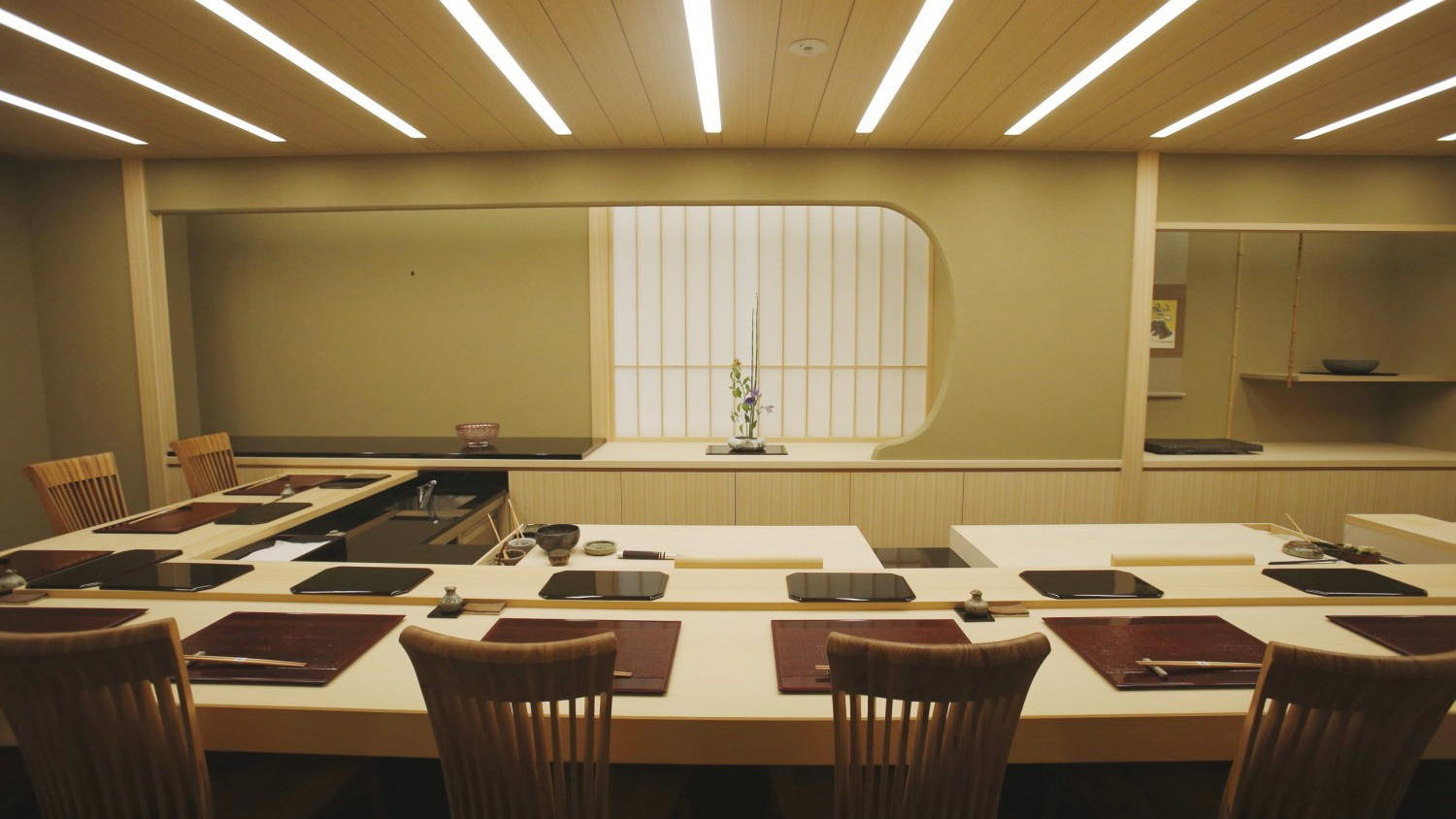
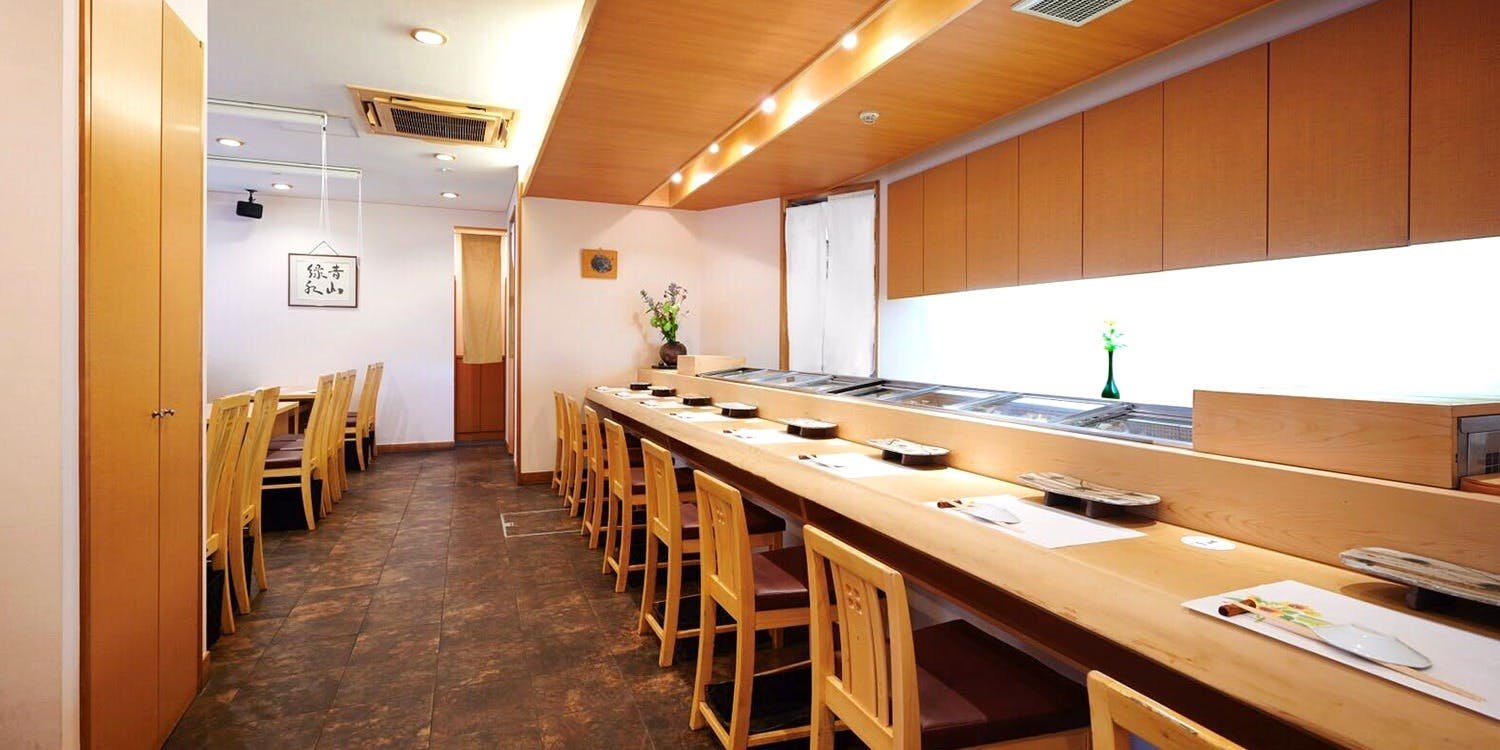
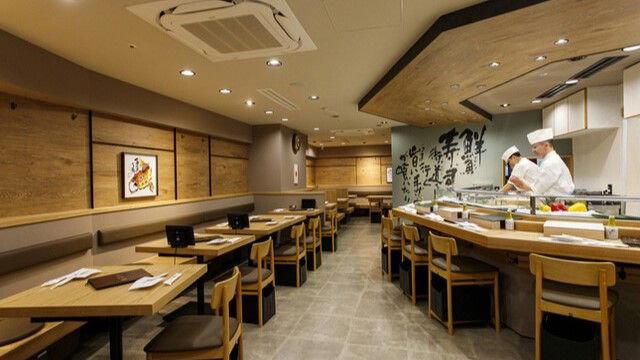
The editorial angle that defines a counter like this is not the chef alone, it is the interplay between the person at the cutting board, the rhythm of service, and the way information moves from kitchen to guest. In Edomae tradition, the counter format is explicitly designed to collapse the distance between preparation and consumption. The itamae is visible at all times; the sequence of the meal is communicated through placement and pacing rather than a printed menu.
Chef Fumi Takeuchi leads the kitchen at Sushi Take, and the service structure that surrounds that role is what shapes the guest experience. Front-of-house at a small Ginza counter operates differently from a Western restaurant floor: there is less physical separation between service staff and preparation staff, which means communication between them has to be precise. The timing of a nigiri course depends on coordination that is invisible to the guest but entirely responsible for the warmth of rice when it arrives, the temperature of fish, and the sequencing of flavours across a sitting. A counter that gets this right, and the OAD recognitions suggest Sushi Take gets it right consistently, is one where the team dynamic has been worked out with care.
For comparison, counters at the level of Sukiyabashi Jiro Roppongiten have famously formalised this choreography to the point where it has become part of the cultural discussion around Japanese hospitality. Sushi Take operates below that level of public profile, but the same principles of coordinated, counter-format service apply.
The Operating Format and What It Signals
Sushi Take runs lunch and dinner services Tuesday through Saturday and on Sunday, closing on Wednesday. Lunch runs from 11:30 am to 12:30 pm, a single, tight hour that implies a fixed format rather than an à la carte approach. Dinner runs from 5 to 9 pm. The Wednesday closure is common among serious Tokyo counters, where kitchen prep and sourcing schedules dictate the weekly rhythm as much as customer demand does.
The dual-service format is worth noting. Some Ginza counters operate dinner-only, which raises the barrier to entry and concentrates the experience in the evening. A venue that runs both lunch and dinner is making a different calculation: it opens the counter to a broader range of visitors, including those whose schedules or budgets make a full dinner sitting harder to commit to. For international visitors working through a Tokyo itinerary, the lunch sitting at Sushi Take is a practical option that the evening-only counters simply cannot offer.
Tokyo's sushi scene extends well beyond Ginza, of course. Visitors building a Japan-wide dining programme might also consider HAJIME in Osaka or Gion Sasaki in Kyoto for contrast. For sushi specifically in other Asian cities, Sushi Shikon in Hong Kong and Shoukouwa in Singapore represent the export model of the Ginza counter format. Elsewhere in Japan, akordu in Nara, Goh in Fukuoka, 1000 in Yokohama, and 6 in Okinawa offer further regional reference points.
Planning a Visit
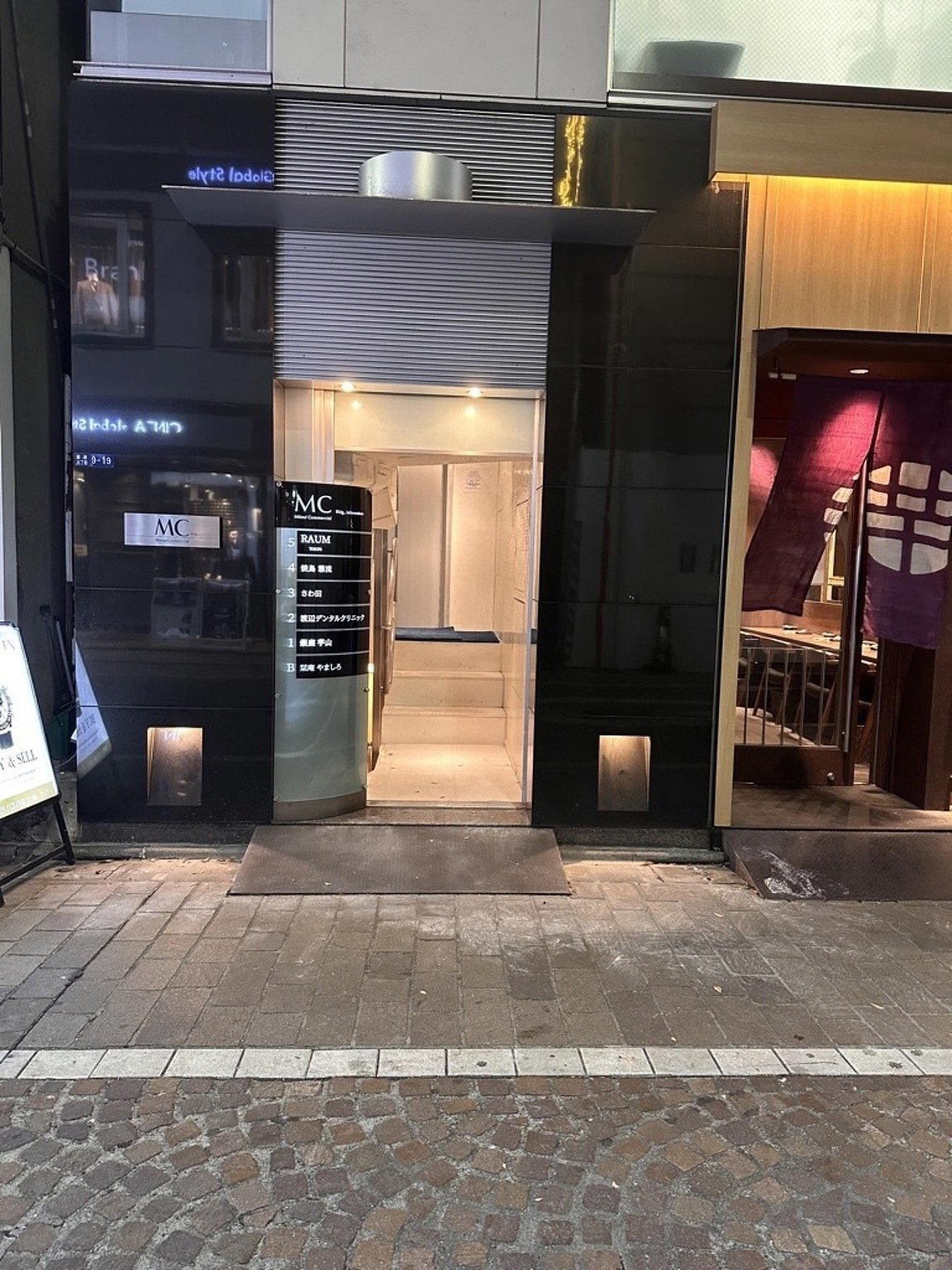
The fourth-floor location in Ginza's 7-chome puts Sushi Take within easy walking distance of Ginza Station. The building address, Ishii Kishyuya Building, 4F, follows the standard Tokyo convention of stacking independent restaurants above commercial ground floors, so arriving with the address confirmed in Japanese script is practical. The one-hour lunch window requires punctuality; arriving at the tail end of a twelve-seat counter's lunch service is not a position any serious counter will accommodate graciously.
For broader Tokyo dining research, see our full Tokyo restaurants guide, Tokyo hotels guide, Tokyo bars guide, Tokyo wineries guide, and Tokyo experiences guide.
Quick reference: Sushi Take, 7 Chome-6-5 Ginza, Chuo City, Tokyo, 4F, lunch 11:30 am–12:30 pm, dinner 5–9 pm, Tuesday–Saturday and Sunday, closed Wednesday.
Frequently asked questions
What distinctions does Sushi Take have?
Sushi Take has received recognition including: Opinionated About Dining Top Restaurants in Japan Ranked #363 (2025); Opinionated About Dining Top Restaurants in Japan Ranked #310 (2024); Opinionated About Dining Top Restaurants in Japan Highly Recommended (2023).
When is Sushi Take open?
Hours at Sushi Take: Hours: Monday 11:30 am–12:30 pm, 5–9 pm Tuesday 11:30 am–12:30 pm, 5–9 pm Wednesday Closed Thursday 11:30 am–12:30 pm, 5–9 pm Friday 11:30 am–12:30 pm, 5–9 pm Saturday 11:30 am–12:30 pm, 5–9 pm Sunday 11:30 am–12:30 pm, 5–9 pm.
What's the best thing to order at Sushi Take?
Sushi Take operates as an omakase counter, meaning the selection is determined by chef Fumi Takeuchi rather than the diner. Opinionated About Dining has ranked the kitchen among Japan's top restaurants in both 2023 and 2024, with a further climb to #363 in 2025, a trajectory that reflects consistency across multiple services rather than a single standout dish. Arriving without expectations beyond the chef's sequence is the format here.
What kind of cuisine does Sushi Take serve?
| Venue | Cuisine | Price | Awards | Notes |
|---|---|---|---|---|
| Sushi TakeThis venue (the venue you are viewing) | Edomae Sushi Omakase | Not listed | Tabelog 100 #36 | Not listed |
| Harutaka | Edo-Style Omakase Sushi | $200–300 | 3 Michelin Stars · World's 50 Best #76 | Sushi |
| RyuGin | Modern Kaiseki | $500+ | 3 Michelin Stars · World's 50 Best #41 | Kaiseki, Japanese |
| L'Effervescence | Modern French with Japanese Influences | $200–300 | 3 Michelin Stars · World's 50 Best #69 | French |
| HOMMAGE | Modern French with Japanese Influences | $150–200 | 2 Michelin Stars · World's 50 Best #78 | Innovtive French, French |
| MAZ | Innovative Peruvian-Japanese Fusion | $150–200 | 2 Michelin Stars · World's 50 Best #28 | Innovative |
Recognition history
Dated appearances from independent guides and award organizations, with the underlying list record or original source where available.
Opinionated About Dining Top Restaurants in Japan Recommended
Opinionated About Dining
Tabelog 100 #36 · No. 36
Tabelog · Tabelog 100 - Sushi - TOKYO - 2025
Full recognition history (5 entries)
Opinionated About Dining Top Restaurants in Japan Ranked #363
Opinionated About Dining
Opinionated About Dining Top Restaurants in Japan Ranked #310
Opinionated About Dining
Opinionated About Dining Top Restaurants in Japan Highly Recommended
Opinionated About Dining