

Tabelog Bronze
Our verdict
A sushi counter in Ebisu's residential backstreets, Ebisu Endo has appeared in Opinionated About Dining's Japan rankings — from Recommended in 2023 to #316 in 2024 and #362 in 2025 — signalling a venue that the specialist critic community takes seriously. Chef Norihito Endo operates across a full midday-to-midnight window, an unusually extended schedule for a counter at this recognition level.

Pearl is the En Primeur Club membership app — saves, bookings, and concierge access live there. Same editors, same standards.
The menu
What to order
- Salt-grilled eel
- Chutoro nigiri
- Shijimi clam soup
A Counter in Ebisu's Quieter Register
Shibuya's dining energy tends to pool around its train interchanges and commercial corridors, but the Ebisu quarter runs on a different frequency. The residential streets south of the station, where low-rise apartment buildings share blocks with wine bars and neighbourhood restaurants, have accumulated a particular kind of serious eating over the past decade: counters and rooms that attract a local professional crowd rather than tourists following guidebook trails. Ebisu Endo sits on the fourth floor of a building on Ebisuminami 1-chome, away from the pavement-level visibility that drives foot traffic to more casual venues. That elevation is part of a pattern recognisable across Tokyo's mid-to-serious sushi scene — the deliberate step off the street signals intent before the meal has begun.
What Opinionated About Dining's Rankings Signal
The specialist critic circuit that OAD represents operates differently from Michelin or the 50 Best infrastructure. Its rankings draw from a pool of experienced diners submitting assessments in real time, which means movement in the list tends to reflect sustained cooking quality rather than a single inspection moment. Ebisu Endo's trajectory — Recommended in 2023, #316 in 2024, then #362 in 2025 — places it in a tier that attracts the kind of diner who cross-references multiple evaluation systems before booking. The 2025 position in a list that includes counters ranked against Harutaka and Sushi Kanesaka, both three-Michelin-star operations, suggests Ebisu Endo is read by that community as occupying adjacent critical territory.
The Ritual at a Tokyo Sushi Counter
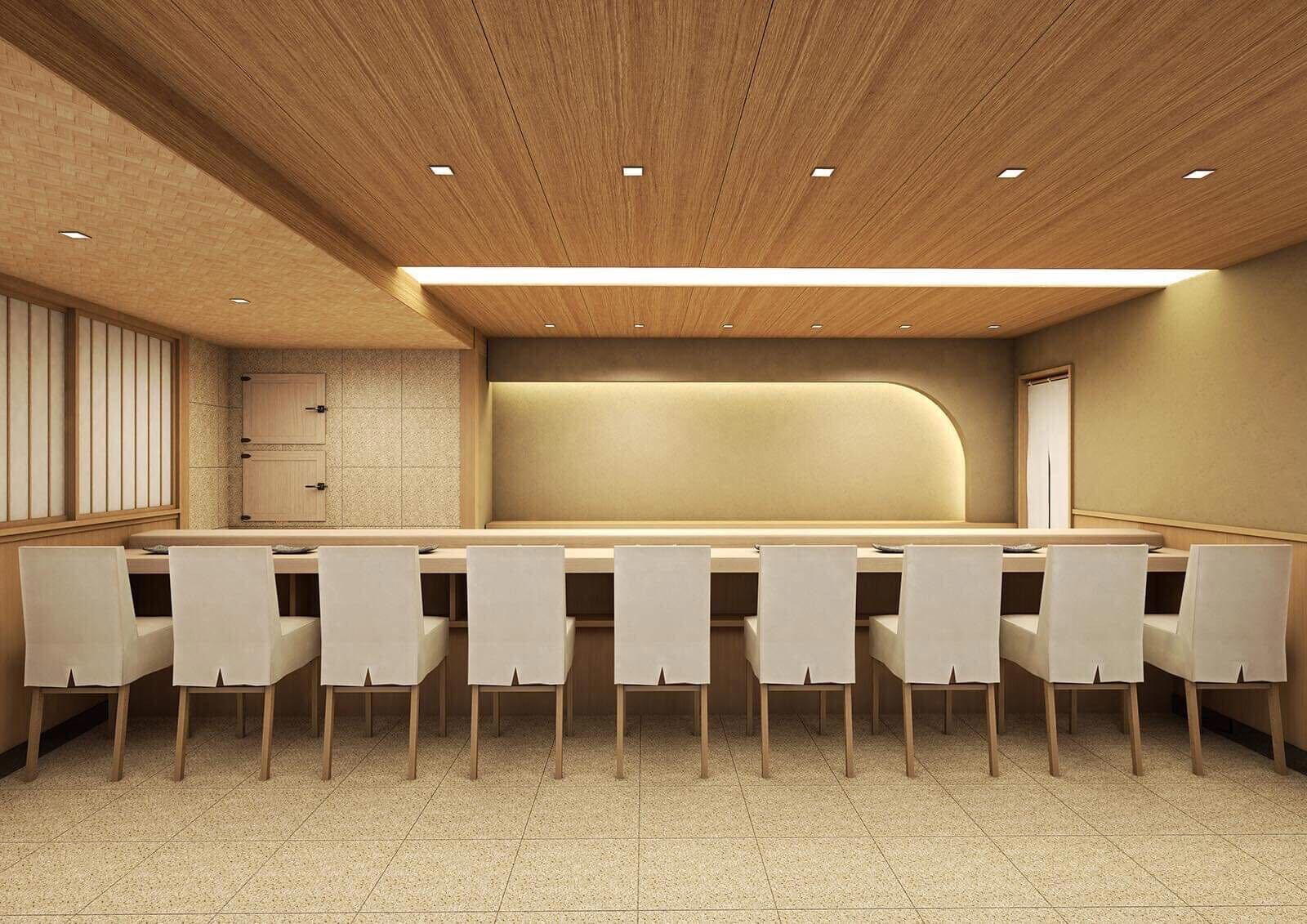
The rhythm of a Tokyo omakase counter is among the more codified dining rituals in the world, and understanding its structure changes how the meal reads. The itamae sets the pace, nigiri arrives at a cadence the chef controls, each piece timed to be eaten within seconds of placement. The counter format, typically narrow and close to the preparation surface, eliminates the distance between cooking and eating that most restaurant formats preserve. This proximity is not incidental: it is the point. The diner watches rice temperature managed, neta conditioned, and the brief resting period between shari and fish calibrated in real time. At counters operating in Ebisu Endo's recognition tier, that precision is assumed rather than performed.
Extended operating hours, noon to midnight, seven days a week, are worth noting against this context. Most serious omakase counters in Tokyo run two tightly scheduled seatings with defined start times; a midday-to-midnight window suggests Ebisu Endo either operates multiple service formats or maintains a flexibility that separates it from the more regimented high-end bracket. For the diner, this carries practical weight: access may be less constrained by the narrow seating windows that govern counters like Sukiyabashi Jiro Roppongiten or Edomae Sushi Hanabusa.
Edomae as the Underlying Tradition
Tokyo sushi operates within the Edomae tradition, a set of curing, marinating, and aging techniques developed in the Edo period when refrigeration did not exist and fish required preparation to extend usability and develop flavour. The tradition has evolved considerably, but its core logic persists: the chef's role includes transforming the ingredient before it reaches the plate, not simply slicing and presenting it. This is what separates a serious omakase counter from a more casual sushi restaurant, and it is the standard against which OAD's evaluators, who skew toward technically literate diners, are implicitly judging.
The broader Tokyo sushi scene has stratified sharply. At the upper tier, counters aligned with the Jiro or Kanesaka lineages command prices that reflect both scarcity and prestige signalling. Below that, a competitive mid-level bracket has expanded as trained itamae have opened independent operations across the city's residential neighbourhoods. Ebisu Endo's Ebisu address and OAD standing place it in a position that serious diners would likely read as the latter category, independent, technically grounded, operating at price points that may undercut the top-tier bracket while matching it on cooking standards. Hiroo Ishizaka, a few kilometres north in Hiroo, represents a comparable residential-neighbourhood counter format with its own specialist following.
Tokyo in Context
A meal at Ebisu Endo sits within a city that holds more Michelin stars than any other on the planet and a specialist dining scene that rewards research. For visitors structuring time around serious eating, Tokyo's sushi counters represent the densest concentration of technical ambition in the format anywhere. The OAD Japan list alone runs to several hundred entries. Ebisu Endo is one data point inside that system, but a consistent one.
For a broader view of Tokyo dining, see our full Tokyo restaurants guide. For those extending travel across Japan, the editorial community that rates Ebisu Endo also tracks operations like HAJIME in Osaka, Gion Sasaki in Kyoto, akordu in Nara, Goh in Fukuoka, 1000 in Yokohama, and 6 in Okinawa. For visitors focused specifically on the sushi counter format across Asia, Sushi Shikon in Hong Kong and Shoukouwa in Singapore represent the format's export at high levels of execution.
Know Before You Go
- Address
- Ebisuminami 1-chome 17-2, 4F, Shibuya, Tokyo 150-0022
- Hours
- Monday to Sunday, 12:00 pm – 12:00 am
- Awards
- Opinionated About Dining Leading Restaurants in Japan: #362 (2025), #316 (2024), Recommended (2023)
- Cuisine
- Sushi (Edomae tradition)
- Booking
- Contact the restaurant directly or check current reservation platforms.
Where It Fits
A quick context table of similar venues.
| Venue | Cuisine | Price | Awards | Notes |
|---|---|---|---|---|
| Ebisu EndoThis venue (the venue you are viewing) | Modern Edomae Omakase | $300–500 | Tabelog Bronze | Not listed |
| Harutaka | Edo-Style Omakase Sushi | $200–300 | 3 Michelin Stars · World's 50 Best #76 | Sushi |
| RyuGin | Modern Kaiseki | $500+ | 3 Michelin Stars · World's 50 Best #41 | Kaiseki, Japanese |
| L'Effervescence | Modern French with Japanese Influences | $200–300 | 3 Michelin Stars · World's 50 Best #69 | French |
| HOMMAGE | Modern French with Japanese Influences | $150–200 | 2 Michelin Stars · World's 50 Best #78 | Innovtive French, French |
| MAZ | Innovative Peruvian-Japanese Fusion | $150–200 | 2 Michelin Stars · World's 50 Best #28 | Innovative |
Recognition history
Dated appearances from independent guides and award organizations, with the underlying list record or original source where available.
Opinionated About Dining Top Restaurants in Japan Recommended
Opinionated About Dining
Tabelog Bronze
Tabelog
Full recognition history (6 entries)
Opinionated About Dining Top Restaurants in Japan Ranked #362
Opinionated About Dining
Tabelog 100 #100 · No. 100
Tabelog · Tabelog 100 - Sushi - TOKYO - 2025
Opinionated About Dining Top Restaurants in Japan Ranked #316
Opinionated About Dining
Opinionated About Dining Top Restaurants in Japan Recommended
Opinionated About Dining
Continue exploring
More in Tokyo
Restaurants in Tokyo
All restaurants in Tokyo →


Bars in Tokyo
All bars in Tokyo →



Details
- Elegant
- Sophisticated
- Intimate
- Cozy
- Date Night
- Special Occasion
- Business Dinner
- Chefs Counter
- Sake Program
- Sustainable Seafood
- Street Scene
- Omakase
- Counter Dining
- Sake
- Tea Pairing
Current opening hours
- Monday
- 12 PM–12 AM
- Tuesday
- 12 PM–12 AM
- Wednesday
- 12 PM–12 AM
- Thursday
- 12 PM–12 AM
- Friday
- 12 PM–12 AM
- Saturday
- 12 PM–12 AM
- Sunday
- 12 PM–12 AM
Hours can change for holidays and private events. Last verified .
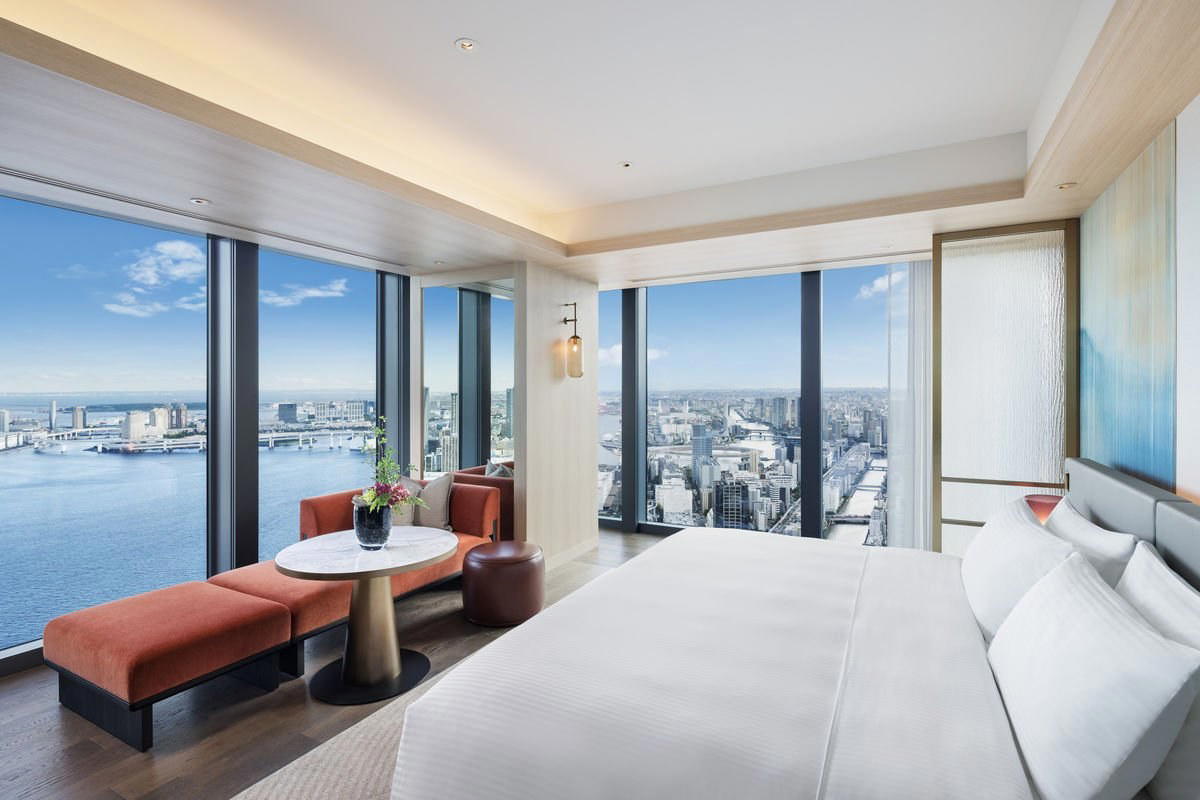
Spacious counter seating with large windows allowing ample natural light, hinoki wood counter, and a calm, relaxed atmosphere appreciated in guest reviews.