


Chef's Table Featured on Chef's Table · Tabelog 100 #23
Our verdict
monk sits at the quieter northeastern edge of Kyoto, in the Jodoji district near Nanzenji, where the city's dining scene thins out considerably from the kaiseki corridors of Gion and Higashiyama. The restaurant occupies a different register from Kyoto's established formal tradition, drawing visitors who plan well ahead and arrive with specific intent. Contact details and booking channels are best confirmed directly before travel.

Pearl is the En Primeur Club membership app, where members save venues, book tables and use the concierge.
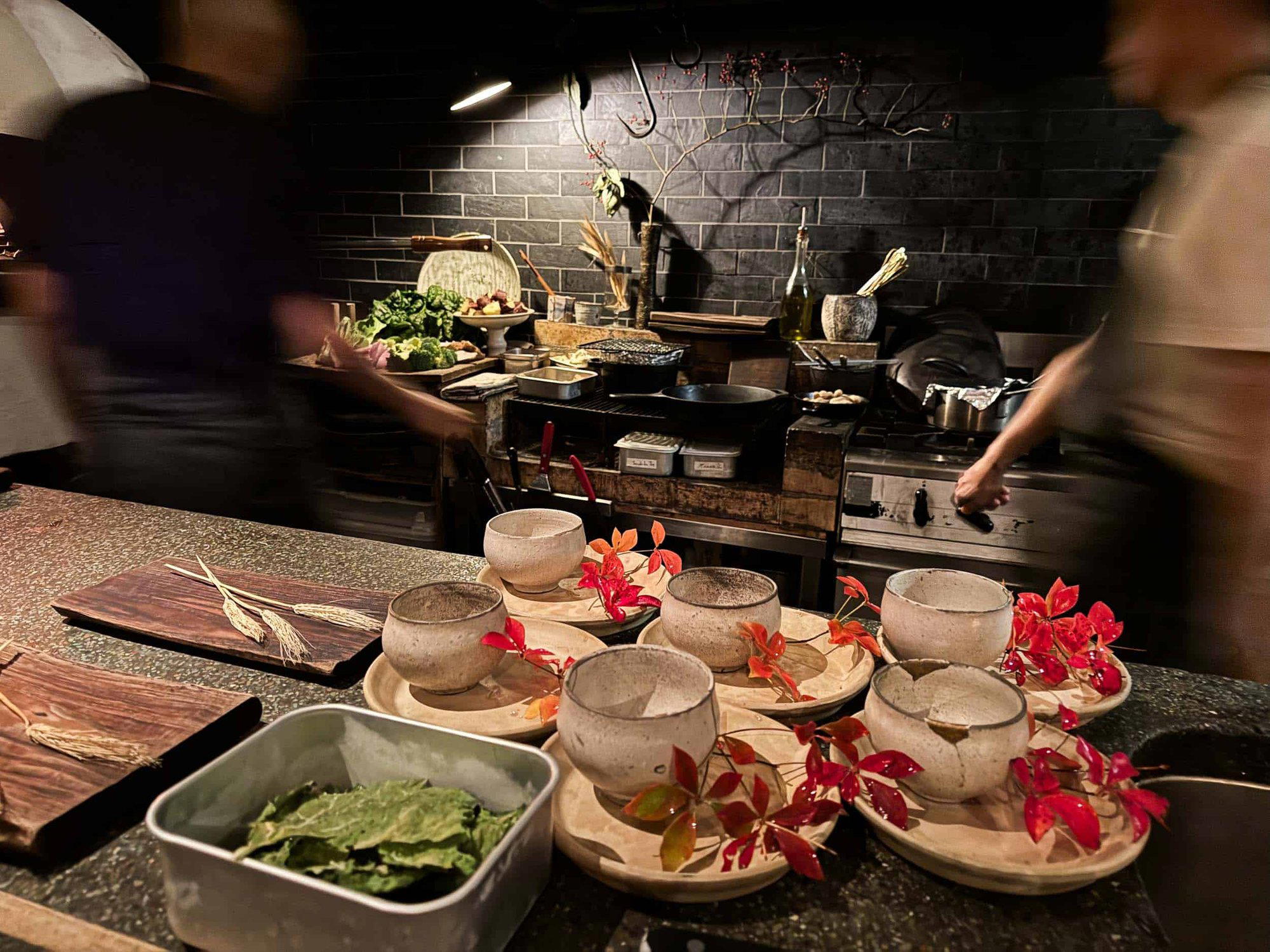
The Northeastern Corner of Kyoto's Dining Scene
Kyoto's most discussed restaurants cluster predictably: kaiseki institutions along the Kamo River, Michelin-flagged rooms in Gion, and multi-generational Japanese houses that have held the same address for decades. Gion Sasaki, Hyotei, and Kikunoi Honten occupy that well-mapped tier, drawing reservation traffic from visitors who have done their research months in advance. monk, addressed at 147 Jodoji Shimominamidacho in Sakyo Ward, sits considerably further from that circuit, geographically and categorically. The Jodoji area, northeast of central Kyoto and close to the Nanzenji and Eikan-do temple corridor, is the kind of neighbourhood where the dining options thin out and the addresses that remain tend to attract visitors with a specific purpose rather than passing trade.
That geographic remove matters when thinking about what kind of dining experience monk represents. Restaurants that position themselves in quieter residential or temple-adjacent neighbourhoods in Kyoto are not doing so for foot traffic. They are doing so for atmosphere, cost structure, or a particular kind of guest who plans deliberately. Understanding that context is the starting point for planning a visit.
What the Booking Process Looks Like from the Outside
Given the editorial angle that frames monk most honestly, it is worth addressing the logistics head-on. The venue's contact details, website, and booking method are not reliably surfaced through standard aggregator searches, which is itself a signal. Restaurants operating in this tier in Kyoto, particularly in lower-density neighbourhoods outside the main tourist corridors, frequently rely on a combination of direct contact, concierge referral, or local knowledge for reservations. That is not unusual for Japan's more serious dining addresses. Counters in Tokyo's leading omakase tier, comparable rooms like Harutaka in Tokyo, and tightly controlled formats such as Atomix in New York City all require planning windows that reward early movers.
For monk specifically, visitors planning from outside Japan should account for the possibility that booking requires either hotel concierge support or direct outreach through channels that may not be publicly listed. This is not an obstacle unique to Kyoto; it reflects a broader pattern in Japan's high-intent dining culture, where the reservation itself is part of the signal that you are a serious guest. Confirming current hours, format, and contact method before building an itinerary around this address is not optional, it is the minimum preparation this kind of venue requires.
Kyoto's Dining Geography and Where monk Fits
Sakyo Ward runs north along the city's eastern edge, encompassing the university district around Yoshida, the Nanzenji temple complex, and the quieter residential pockets of Jodoji. It is not a dining neighbourhood in the way Gion or Pontocho are. The restaurants that do operate here tend to be embedded in the neighbourhood rather than performing for it, and the guest mix skews local or deliberately informed rather than broadly tourist. Isshisoden Nakamura and Mizai represent the kind of serious Japanese dining that Kyoto produces at its most formal; monk's Jodoji address places it in a different register, though the specifics of its format require direct verification.
The broader Japanese dining scene provides useful reference points. Across the country, a category of smaller, intentional restaurants has emerged that operates outside major award circuits while maintaining serious culinary focus. Goh in Fukuoka and akordu in Nara occupy related positions in their respective cities, places that require some effort to find and book, but that reward the effort with a dining experience calibrated for guests who have done that work. Regional Japan also produces serious addresses well outside major urban circuits: 三本木 長谷川製 in Nanao and 湖畔荘 in Takashima are examples of how intent-driven dining extends well beyond the Michelin-mapped cities. monk's Kyoto address places it in a city with deep culinary tradition, but its neighbourhood context suggests a format closer to this deliberate, lower-profile tier.
Planning a Visit: What to Confirm Before You Go
Kyoto's dining scene rewards preparation at every price level. At the formal end, Gion Sasaki and Hyotei require booking windows of several months for prime slots; the same applies to HAJIME in Osaka for visitors covering the Kansai region. monk does not publish a public booking interface through standard channels, which means the practical approach is to treat the address as a starting point for direct inquiry rather than a confirmed listing.
Visitors arriving in Kyoto from international gateways typically land at Kansai International Airport (KIX) and reach the city by Haruka limited express in approximately 75 minutes. The Jodoji area is accessible by bus from central Kyoto; the specific stop for this address is best confirmed via local transit apps closer to travel. Because Kyoto's northeastern temple districts draw significant visitor traffic in spring cherry blossom season (late March to mid-April) and autumn foliage season (mid-November), dining availability across the city compresses sharply during those windows. If monk is on your itinerary, earlier outreach during peak seasons is proportionally more important.
For visitors building a broader Kansai dining itinerary, the full Kyoto restaurants guide covers the range of options across price tiers and neighbourhoods. Additional reference points across Japan's regional dining scene include 古代山乃 in Sapporo, 庭羽屋 in Nishikawa Machi, Birdland in Sakai, and Bistro Ange in Toyohashi, all useful context for understanding how serious dining distributes across the country beyond the headline cities. At an international comparison level, Le Bernardin in New York City represents a format where the booking process itself is a structured, public-facing system; monk's lower profile is a reminder that Japan's dining culture often works quite differently.
Frequently asked questions
What do people recommend at monk?
Specific menu details and signature dishes are not reliably documented in public sources, which means dish-level recommendations require direct contact with the venue. Kyoto's dining culture, particularly in the kaiseki and contemporary Japanese categories represented by peers like Mizai and Gion Sasaki, typically foregrounds seasonal produce and format over individual dishes. Confirming the current menu structure directly is the most reliable approach before visiting.
Should I book monk in advance?
Yes, and the lead time matters more than it might for a restaurant with a public booking system. Kyoto's dining availability across all serious addresses, from formally awarded kaiseki rooms to smaller neighbourhood formats, compresses significantly during spring and autumn peak seasons. monk's Jodoji address and low public profile suggest it operates with limited capacity, which makes early outreach proportionally more important. Budget itinerary time for the inquiry itself, particularly if you are coordinating from outside Japan.
What's the standout thing about monk?
The address itself is a signal: 147 Jodoji Shimominamidacho places monk in a quieter, temple-adjacent part of Kyoto that most visitors to the city never reach. In a city whose serious dining is heavily concentrated in Gion, Higashiyama, and the river districts, a restaurant operating in Sakyo Ward's Jodoji area is either embedded in the neighbourhood or drawing guests who specifically sought it out. That geographic and cultural remove from Kyoto's main dining circuit is, for a certain kind of traveller, exactly the point.
Do they accommodate allergies at monk?
In Japan broadly, smaller restaurants with tightly controlled formats often require allergy information at the time of reservation rather than on arrival. If dietary requirements are relevant, the appropriate approach is to raise them during the initial booking inquiry. For venues with limited public contact information, hotel concierge services can be useful intermediaries for this kind of communication.
Is monk the kind of restaurant that works for first-time visitors to Kyoto?
monk is better suited to visitors who have some prior experience with Kyoto's dining culture and are looking beyond the city's established formal circuit. First-time visitors to Kyoto tend to orient around the kaiseki tradition represented by institutions like Kikunoi Honten or Isshisoden Nakamura, where the format and booking process are well-documented. monk's lower public profile and Jodoji location make it a more deliberate choice, rewarding guests who approach it with advance research and direct outreach rather than a standard reservation workflow.
Cost and Credentials
Comparable venues nearby, for context on price, style, and recognition.
| Venue | Cuisine | Price | Awards | Notes |
|---|---|---|---|---|
| MonkThis venue (the venue you are viewing) | Modern Japanese Wood-Fired Pizza Omakase | $100–150 | Chef's Table Featured on Chef's Table · Tabelog 100 #23 | Not listed |
| Junsei | Kyoto Kaiseki Yudofu | $50–100 | Not listed | Sakyo-ku, Kyoto Kaiseki Yudofu |
| Hyōto Shijō Karasuma | Kyoto Dashi Shabu-Shabu Kaiseki | $100–150 | Not listed | Shijō Karasuma, Kyoto Dashi Shabu-Shabu Kaiseki |
| Kyoto Modern Terrace | Modern Japanese-Western Fusion | Not listed | Not listed | Okazaki, Modern Japanese-Western Fusion |
| Kiharu Brasserie | Western Brasserie with Kyoto Influences | $20–30 | Not listed | Nakagyo-Ku, Western Brasserie with Kyoto Influences |
| Menbaka Fire Ramen | Fire Ramen | $10–20 | Not listed | Kamigyo Ward, Fire Ramen |
Recognition history
Dated appearances from independent guides and award organizations, with the underlying list record or original source where available.
Opinionated About Dining Top Restaurants in Japan Recommended
Opinionated About Dining
Chef's Table Featured on Chef's Table
Chef's Table
Tabelog 100 #23 · No. 23
Tabelog · Tabelog 100 - Italian - WEST - 2025
Continue exploring
More in Kyoto
Restaurants in Kyoto
All restaurants in Kyoto →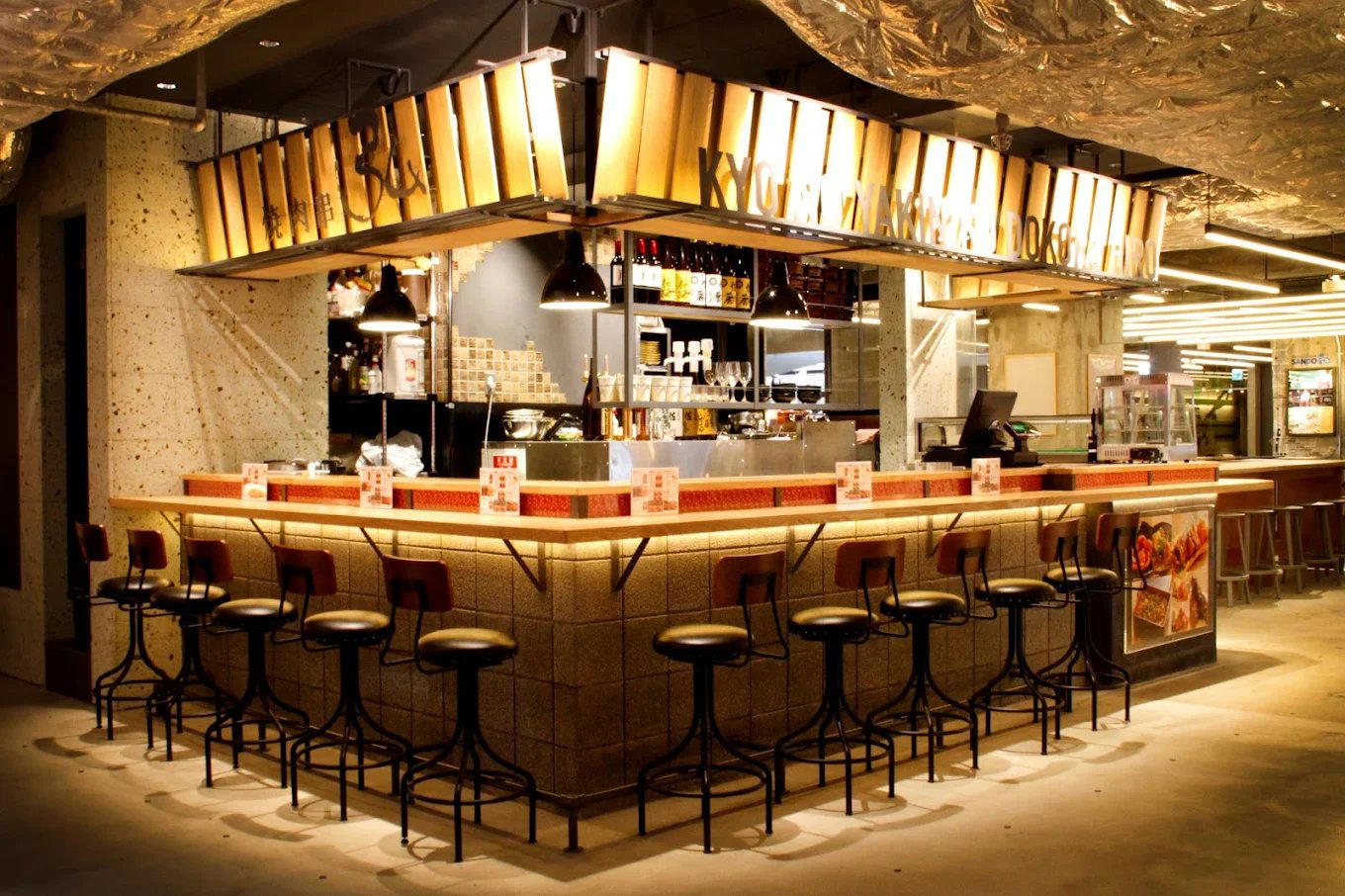
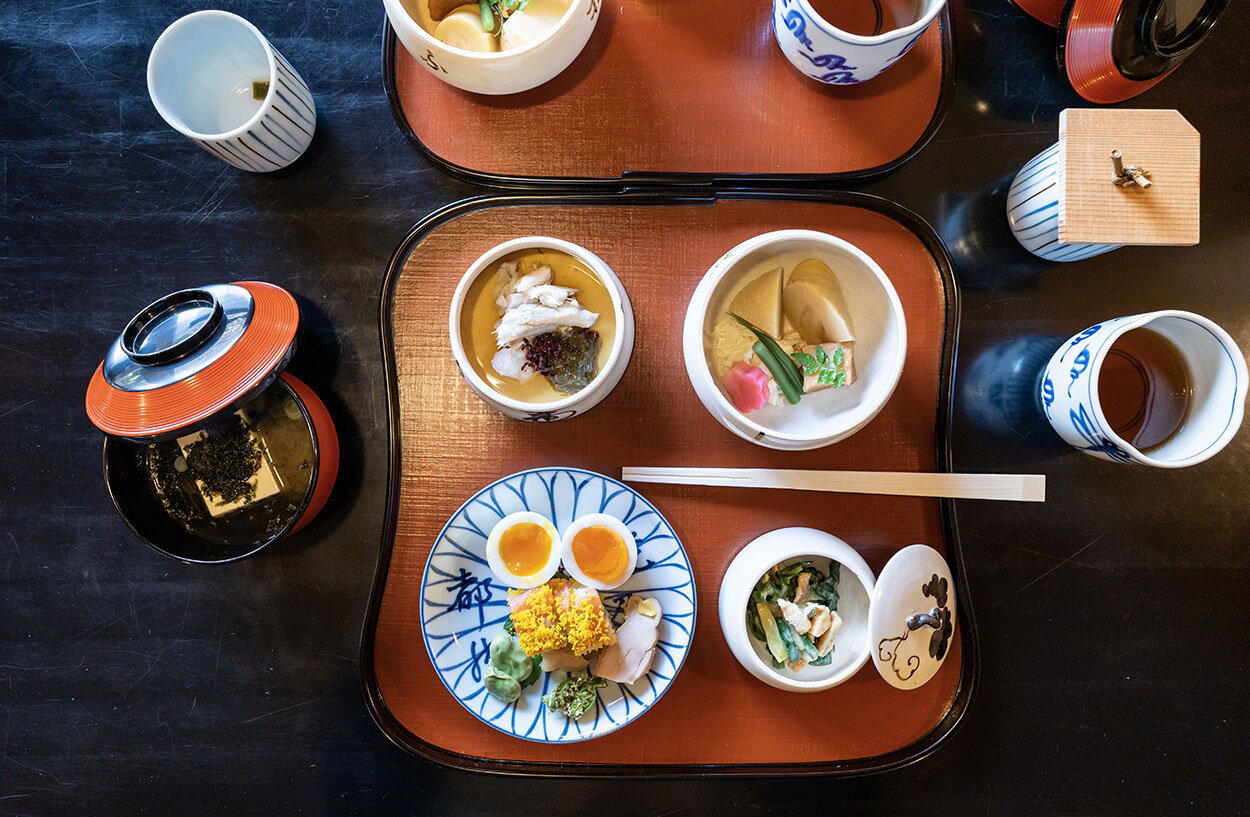
Bars in Kyoto
All bars in Kyoto →
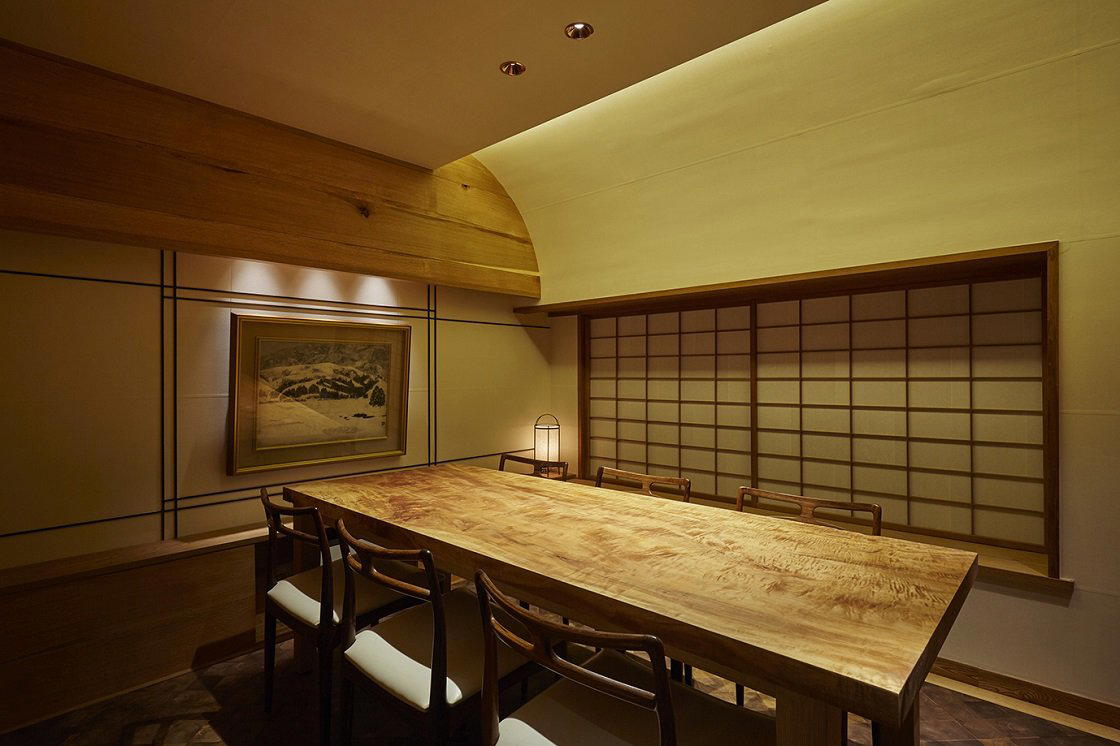
Hotels in Kyoto
All hotels in Kyoto →
Wineries in Kyoto
Browse all →
Details
- Intimate
- Cozy
- Serene
- Elegant
- Special Occasion
- Date Night
- Open Kitchen
- Chefs Counter
- Local Sourcing
- Farm To Table
- Omakase
- Tasting Menu
- Vegetarian Friendly
- Vegan Options
Current opening hours
- Monday
- Closed
- Tuesday
- 5–8:30 PM
- Wednesday
- 5–8:30 PM
- Thursday
- 5–8:30 PM
- Friday
- 5–8:30 PM
- Saturday
- Closed
- Sunday
- Closed
Hours can change for holidays and private events. Hours as of .
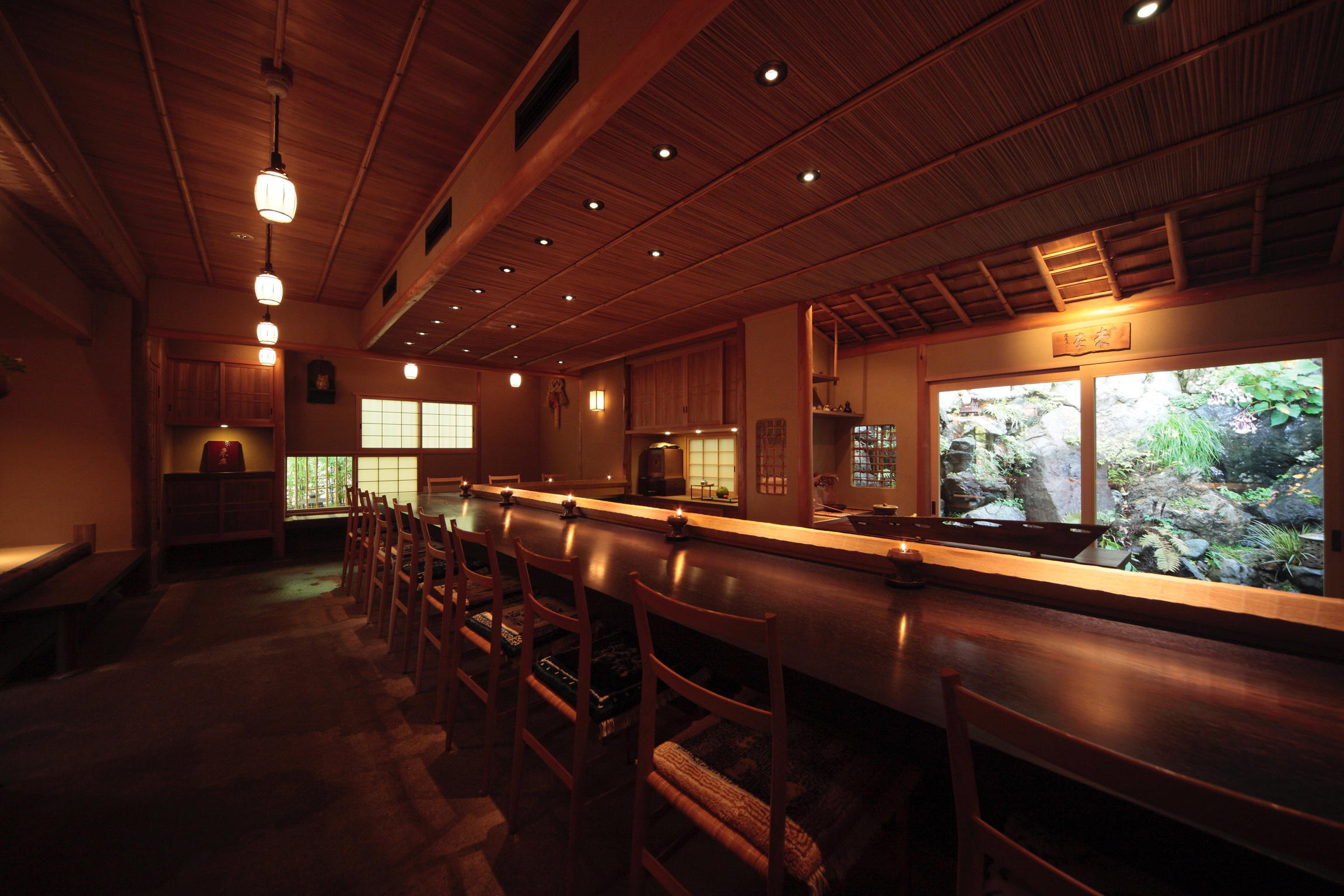
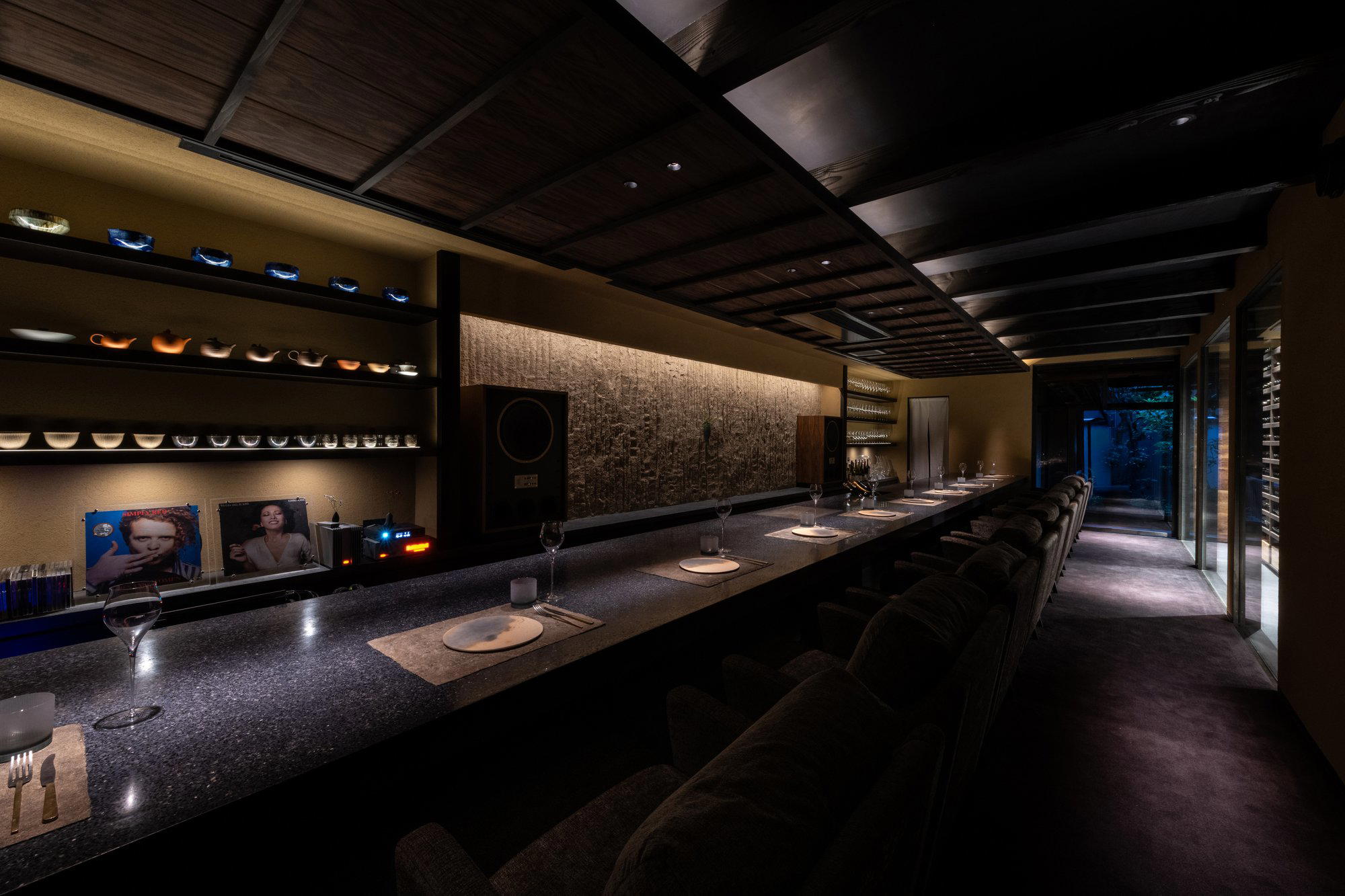
Serene and intimate with dark, snug dining room centered around an open kitchen.