Kiharu occupies a quiet address in Kyoto's Nakagyo Ward, placing it within reach of the city's most concentrated stretch of traditional dining. The venue sits in a neighbourhood where kaiseki heritage and contemporary Japanese cooking coexist at close quarters, making it a reference point for understanding how Kyoto's mid-city dining scene operates across different registers and price tiers.
Pearl is the En Primeur Club membership app — saves, bookings, and concierge access live there. Same editors, same standards.
- Address
- Japan, 〒604-8234 Kyoto, Nakagyo Ward, Fujinishicho, 595-2
- Phone
- +81 75 708 2768
- Directions
- Get directions
 Saves & bookings on Pearl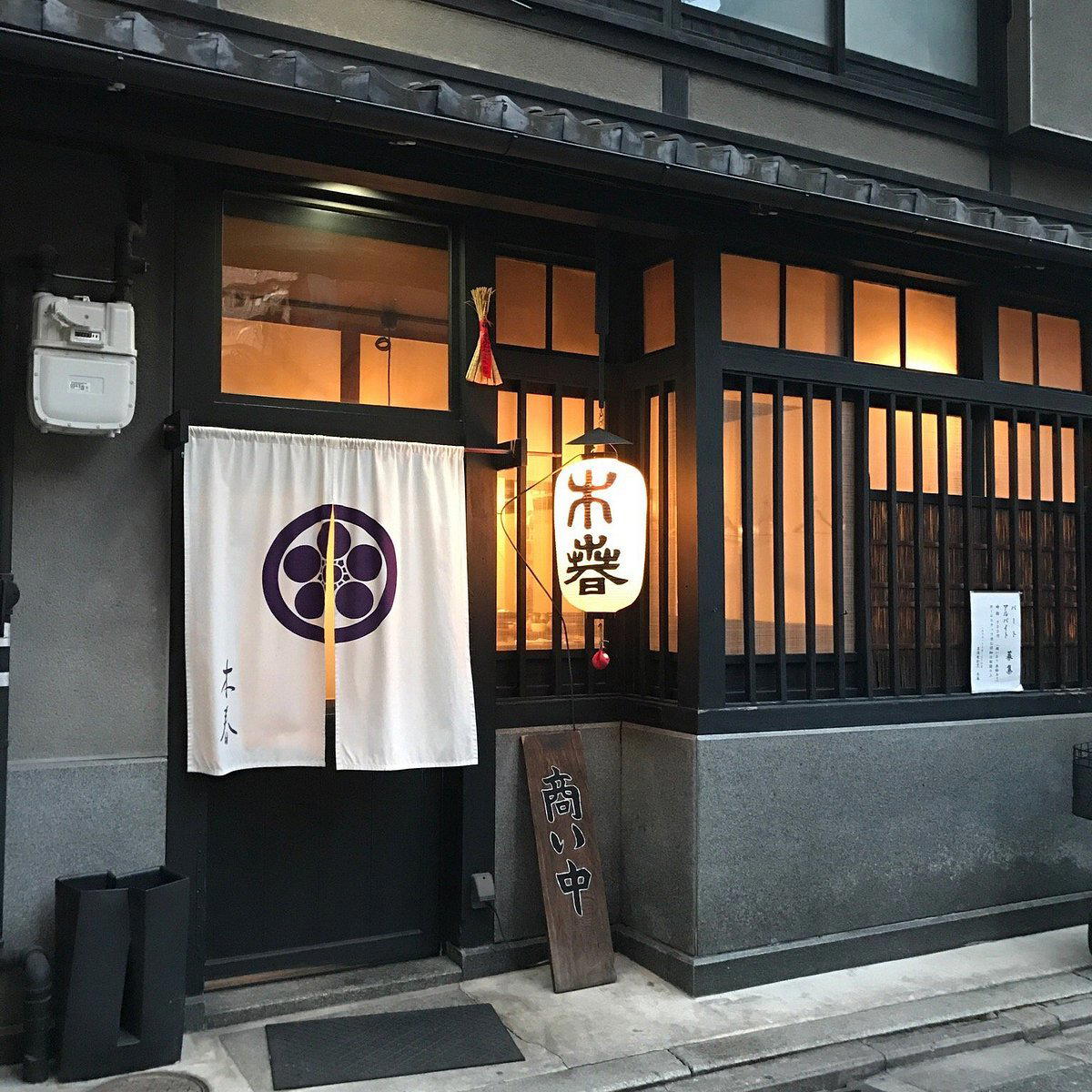
Nakagyo Ward and the Shape of Central Kyoto Dining
Central Kyoto's Nakagyo Ward is not the city's most photographed district, but it is among its most functional for serious dining. Fujinishicho, where Kiharu sits at address 595-2, falls within a part of the ward that connects the commercial density around Shijo-Karasuma to the quieter residential streets pushing north and west. That geography matters because it places the venue inside a corridor where Kyoto's dining registers shift rapidly: formal kaiseki houses, informal izakaya, French-inflected Japanese kitchens, and temple-adjacent cuisine all operate within minutes of each other. For visitors trying to read the city's culinary structure, this part of Nakagyo functions as a kind of cross-section.
Kyoto's broader dining identity is built on restraint and seasonality. The kaiseki tradition that shaped the city's culinary reputation is not a single format but a set of principles, ingredient primacy, course sequencing tied to the calendar, presentation as a form of respect, that spread across many different dining categories over centuries. Venues in the Nakagyo corridor engage with that inheritance in different ways: some work within it directly, others adapt it into hybrid formats, and a smaller number operate at a studied distance from it. Understanding where a given restaurant sits in that spectrum is often more useful than a simple category label.
What Kyoto's Mid-City Dining Scene Actually Looks Like
The neighbourhood around Kiharu operates in a different register from the high-end ryotei corridor along the Kamogawa or the tourist-facing clusters near Gion. Mid-city Nakagyo dining tends to attract a local clientele, and the venues that survive here over time generally do so because they offer consistent, substantive cooking rather than spectacle or setting alone. Comparable addresses in this part of Kyoto include Hyōto Shijō Karasuma and kiln, both of which operate in the wider Shijo-Karasuma zone and offer points of comparison for how different kitchens approach the tension between Kyoto tradition and contemporary cooking format.
In the same part of the city, Junsei represents an older, more established register, yudofu-focused, tied to a specific cultural and dietary tradition, and operating with a clarity of purpose that comes from decades of single-format commitment. The contrast between that kind of long-form specialisation and newer, more eclectic approaches is one of the defining tensions in Kyoto dining right now. Kiharu Brasserie, which shares the Kiharu name, operates as a distinct venue and should not be confused with this address; the two venues serve as useful evidence that the Nakagyo zone supports enough demand to sustain multiple formats under related identities.
Temple-adjacent dining represents another thread worth tracking in this part of the city. Kanga-an Temple offers a shojin ryori experience that is directly anchored in Buddhist dietary practice, no meat, no fish, no root vegetables, and that format has its own competitive logic and guest set. It is a useful reminder that Kyoto's food culture is not simply about refinement in the French sense but about a set of interacting philosophical traditions, each of which shaped specific ingredients, techniques, and presentation norms over hundreds of years.
Placing Kiharu in the Regional Picture
Kyoto does not operate in isolation from the rest of Kansai or from Japan's broader dining geography. The city's culinary identity is in constant dialogue with Osaka, which historically supplied Kyoto's markets and developed its own more assertive, merchant-class food culture. HAJIME in Osaka represents the far end of that Osaka trajectory, a three-Michelin-star kitchen working at a level of technical precision that reframes what modern Japanese haute cuisine can mean. The contrast with Kyoto's more tradition-anchored approach is instructive for anyone trying to understand why the two cities, forty minutes apart by train, produce such different dining experiences.
Further afield, Gion Sasaki in Kyoto holds Michelin recognition and operates in the eastern part of the city, where the Gion corridor's density of high-end venues creates a different competitive environment from Nakagyo. akordu in Nara offers another regional reference point, a Spanish-Japanese hybrid format in a city that shares Kyoto's heritage-heavy identity but operates at a different scale. Across Japan's regions, venues like Goh in Fukuoka, Abon in Ashiya, affetto akita in Akita, Aji Arai in Oita, Ajidocoro in Yubari District, and Akakichi in Imabari demonstrate how Japan's regional dining scene extends well beyond the three major metropolitan corridors. For international comparison, Harutaka in Tokyo sits at the upper end of Tokyo's sushi counter tradition, while Le Bernardin in New York City and Lazy Bear in San Francisco represent the kind of technically ambitious, tasting-format dining that increasingly draws comparison with Japan's high-end kaiseki model in international critical discourse.
Planning a Visit
Kiharu's address in Nakagyo Ward, Fujinishicho 595-2, Kyoto, places it within walking distance of the Shijo-Karasuma subway interchange, which connects directly to Kyoto Station on the Karasuma Line. That accessibility makes it a direct stop to build around for visitors covering central Kyoto on foot or by metro. Kiharu is a modern Western brasserie with Kyoto influences, recommended for reservations and priced around $25 per person. Advance contact is advisable rather than arriving without a reservation.
Budget Reality Check
Comparable venues nearby, for context on price, style, and recognition.
| Venue | Cuisine | Price | Notes |
|---|---|---|---|
| KiharuThis venue — the venue you are viewing | Not listed | $$ | Not listed |
| Kiharu Brasserie | Not listed | $$$ | Nakagyo-Ku, Western Brasserie with Kyoto Influences |
| Kyoto Handicraft Center | Takano, Seasonal Japanese Kaiseki | $$ | Not listed |
| Kyoto Modern Terrace | Okazaki, Modern Japanese-Western Fusion | $$$ | Not listed |
| Menbaka Fire Ramen | Kamigyo Ward, Fire Ramen | $$ | Not listed |
| Monk | Not listed | $$$$ | Sakyo Ward, Modern Japanese Wood-Fired Pizza Omakase |
Continue exploring
More in Kyoto Shi
Restaurants in Kyoto Shi
Browse all →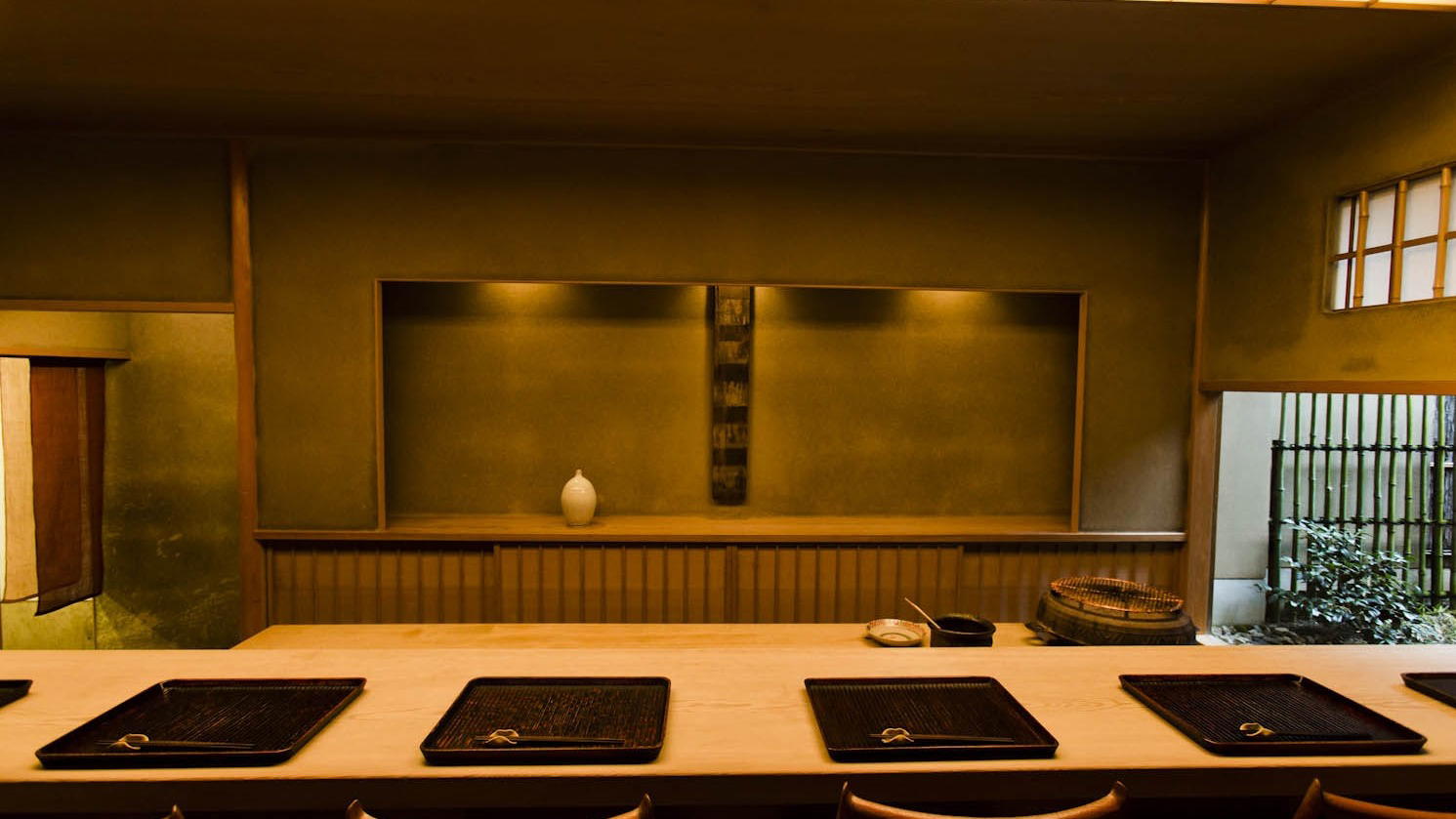
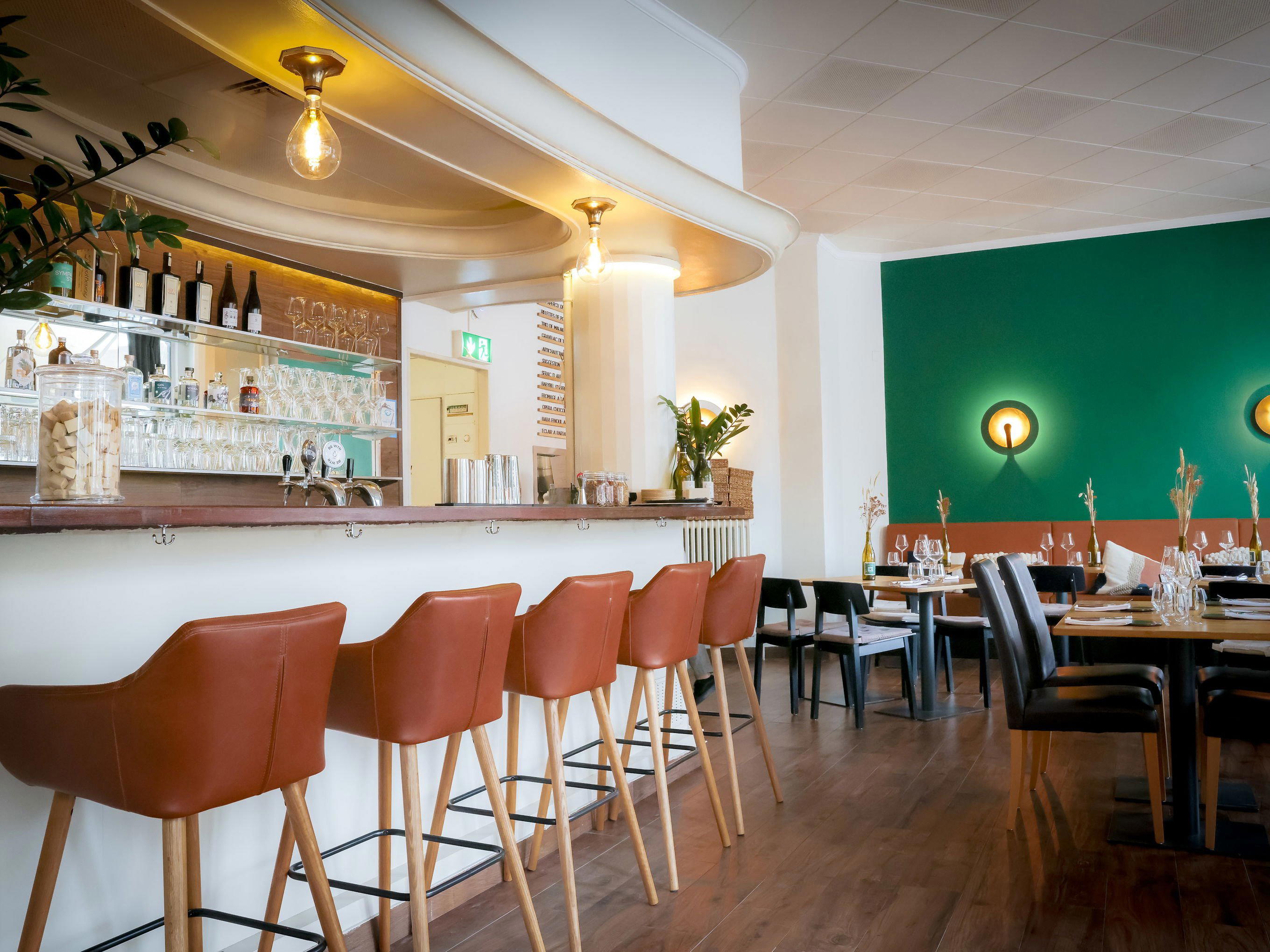
Bars in Kyoto Shi
Browse all →
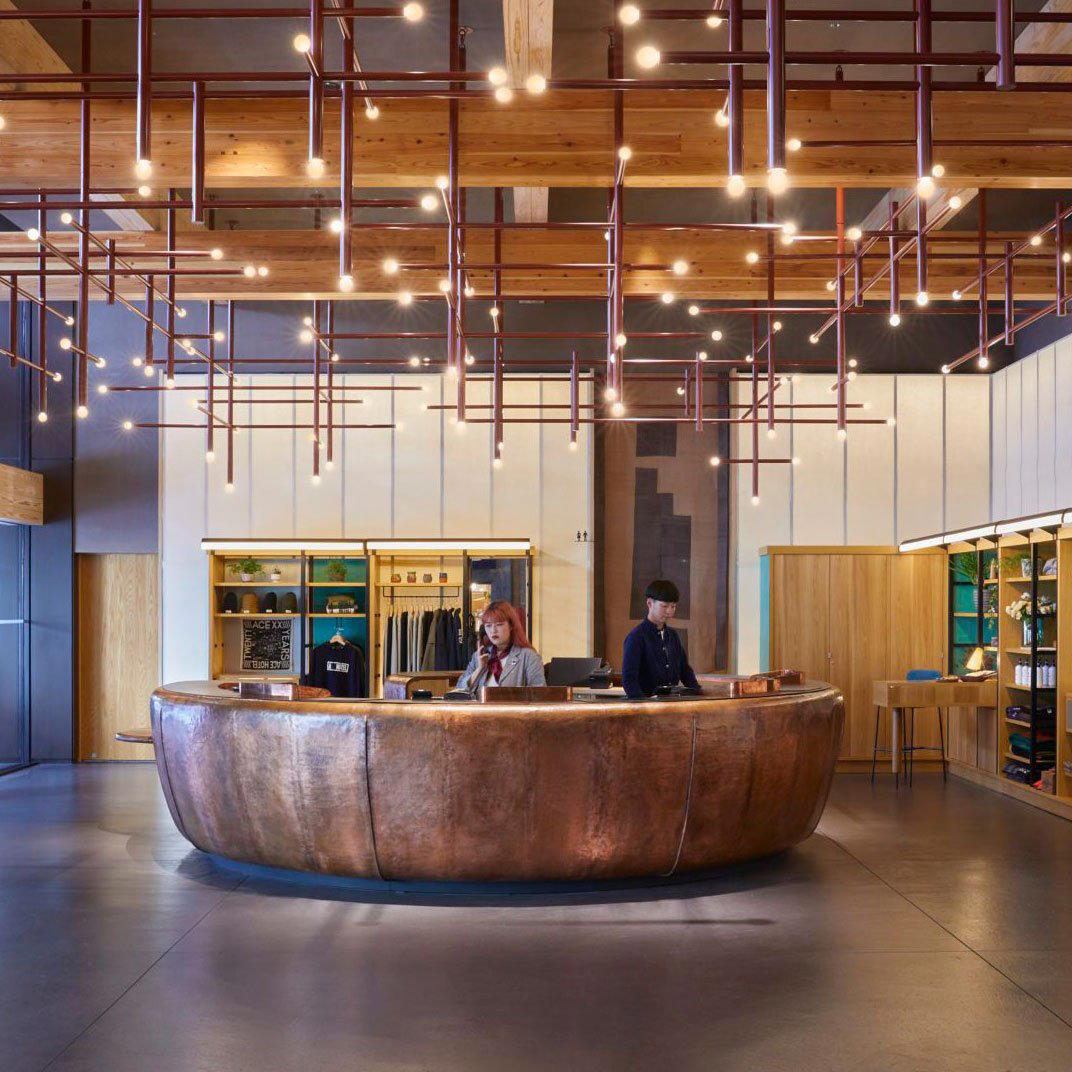
Hotels in Kyoto Shi
Browse all →
Wineries in Kyoto Shi
Browse all →
At a Glance
- Modern
- Cozy
- Trendy
- Date Night
- Casual Hangout
- Brunch
- Garden
- Hotel Restaurant
- Open Kitchen
- Sake Program
- Local Sourcing
- Garden
Current opening hours
- Monday
- 5:30–11 PM
- Tuesday
- 5:30–11 PM
- Wednesday
- Closed
- Thursday
- 5:30–11 PM
- Friday
- 5:30–11 PM
- Saturday
- 5:30–11 PM
- Sunday
- 5:30–11 PM
Hours can change for holidays and private events. Last verified .
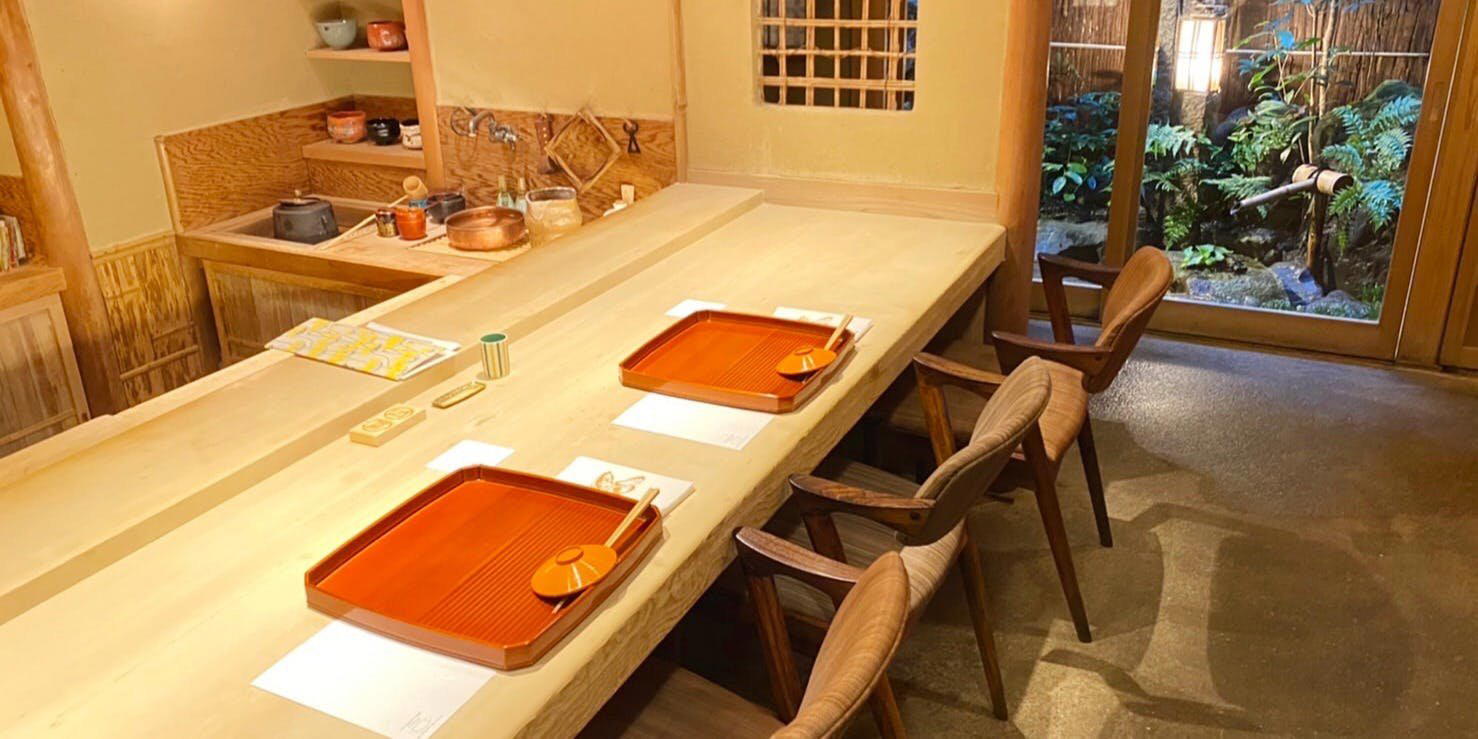
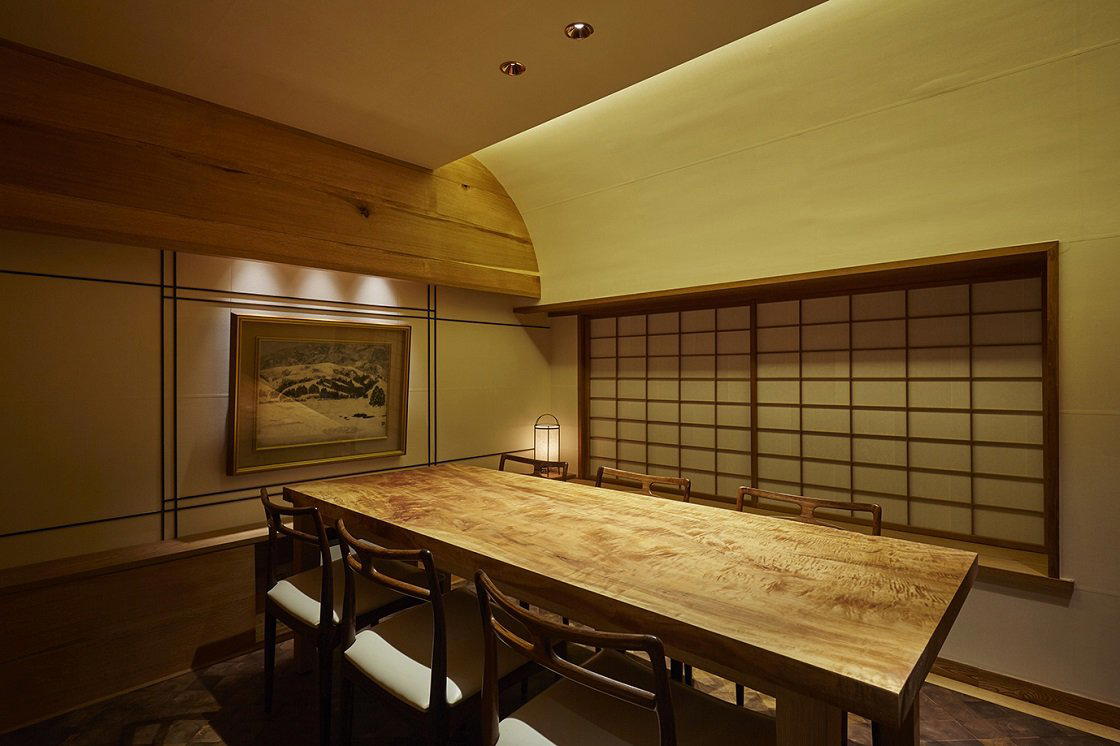
Spacious and cozy dining area with modern retrospective art, giant picture windows, and natural light overlooking a wooden terrace and 800-year-old pond garden.