Kyoto Handicraft Center occupies a multi-floor building in Sakyo Ward, positioning itself as one of the city's most concentrated points of access to traditional Kyoto crafts, from Nishijin weaving to Kiyomizuyaki ceramics. The format sits closer to a curated cultural marketplace than a conventional retail stop, with craft demonstrations and workshops layered into the commercial offer. Located in the Okazaki corridor, it draws both independent travellers and group itineraries through the city's denser cultural north.
Pearl is the En Primeur Club membership app — saves, bookings, and concierge access live there. Same editors, same standards.
- Address
- 17 Shogoin Entomicho, Sakyo Ward, Kyoto, 606-8323, Japan
- Phone
- +81 75 761 8001
- Website
- kyotohandicraftcenter.com
- Directions
- Get directions
 Saves & bookings on Pearl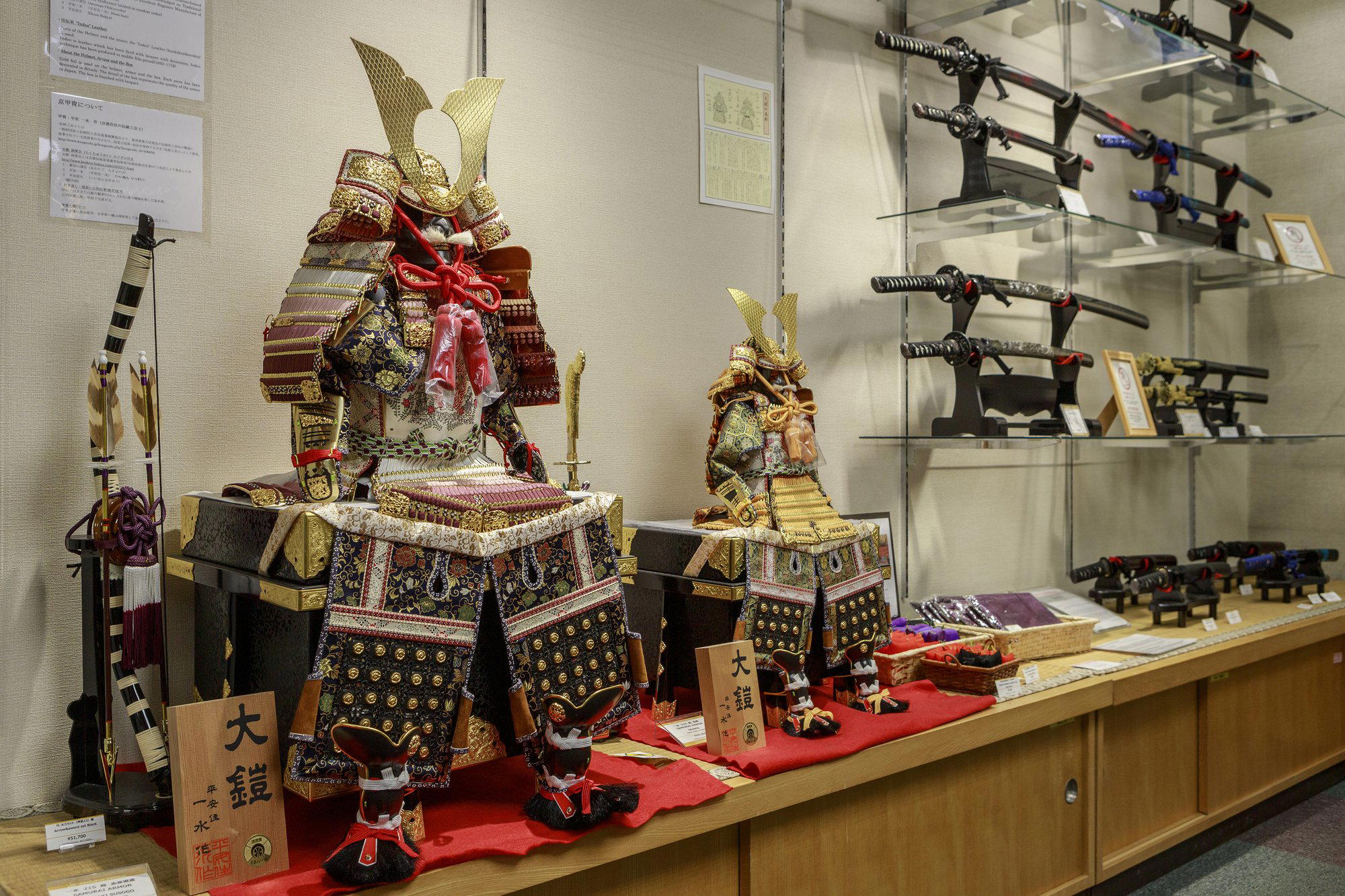
Sakyo Ward and the Infrastructure of Kyoto's Craft Economy
Along the northeastern corridor of Kyoto, between Heian Shrine and the Yoshida Hills, Sakyo Ward holds a particular position in the city's cultural geography. This is where museums cluster alongside university campuses, where the density of traditional workshops sits a few blocks from contemporary gallery spaces, and where the business of preserving Kyoto's artisanal heritage operates with the kind of institutional seriousness rarely found in tourist-facing retail. The Kyoto Handicraft Center, at 17 Shogoin Entomicho, sits inside this context rather than apart from it. Its address places it within walking range of Heian Jingu and the Okazaki museum complex, which means the foot traffic it draws is already primed for cultural engagement rather than incidental shopping.
The broader pattern in Kyoto's craft sector is worth understanding before arriving. The city's traditional industries, including Nishijin textile weaving, Kiyomizuyaki ceramics, Kyoto lacquerware (Kyonuri), and Kyo-yuzen dyeing, have each developed their own retail and workshop infrastructure over centuries. What concentrates in a space like the Handicraft Center is the edited version of that ecosystem: multiple craft categories under one roof, with demonstration elements that give visitors a frame of reference for what they are looking at when they pick up an object. That curatorial architecture is the distinguishing structural choice here, and it matters because context is precisely what separates a meaningful craft purchase from a transaction made in ignorance.
How the Format Is Organised
The Center operates across multiple floors, with different craft categories assigned to distinct areas. This vertical organisation reflects a deliberate approach to sequencing: you move through the building encountering different traditions in turn, rather than encountering an undifferentiated mass of objects. The format has more in common with a museum shop that has grown to building scale than with a conventional department store. Where comparable commercial spaces in other Japanese cities tend to compress craft into a single floor of a larger shopping complex, the Handicraft Center's dedicated architecture allows each tradition more room to breathe and more space for the demonstration components that give the commercial offer its credibility.
Workshop and demonstration programming is the structural element that most clearly separates this format from retail competition. Kyoto's craft traditions are technique-intensive: Nishijin weaving requires understanding the relationship between warp threads and the Jacquard loom mechanism; Kiyomizuyaki glazing is inseparable from the kiln conditions of the Higashiyama district; Kyo-yuzen dyeing depends on a rice-paste resist process developed in the seventeenth century. Watching these techniques in practice, even briefly, recalibrates the visitor's reading of the finished objects on sale nearby. That recalibration is what gives the format its editorial logic, and it explains why the Center draws visitors who are already oriented toward Kyoto's living craft culture rather than those looking for mass-produced souvenirs.
Where This Sits in Kyoto's Wider Craft and Cultural Map
Kyoto's premium dining and cultural experiences have increasingly split between highly specialised single-discipline venues and broader access points designed to serve visitors with limited time and cross-category curiosity. The Handicraft Center belongs to the second category without apology. In the dining sphere, the city produces experiences like Junsei, which focuses exclusively on yudofu as a vehicle for understanding Zen Buddhist culinary tradition, or Kanga-an Temple, where the kaiseki format is inseparable from its temple garden setting. The Handicraft Center operates differently: it offers breadth rather than depth, and its value lies precisely in that breadth for visitors who want a working map of Kyoto's craft categories before they commit to specialist engagement.
Visitors who leave having watched a weaving demonstration and then spend three hours at a Nishijin atelier in the northern part of the city are using the Center correctly: as an orientation platform that sharpens appetite rather than satisfying it. The same logic applies in the dining world, where a meal at Kiharu or Kiharu Brasserie in Kyoto rewards visitors who have already built some familiarity with the city's culinary register. Context compounds value.
For comparison with Japan's broader premium cultural and dining offer, the pattern of concentrated specialist access is visible in other cities too. HAJIME in Osaka and Gion Sasaki in Kyoto represent the deep-specialist end of the spectrum, where single-minded focus on one tradition defines the entire offer. The Handicraft Center's multi-category architecture reflects a different but equally considered editorial choice about what kind of access serves which visitor. Further afield, venues like akordu in Nara and Goh in Fukuoka demonstrate how Japan's premium cultural and culinary venues tend to anchor themselves in specific regional identity, which is precisely the framework the Handicraft Center uses to organise its offer around Kyoto's distinct craft lineages.
Practical Planning
The Center is located at 17 Shogoin Entomicho in Sakyo Ward. The Okazaki area, where it sits, clusters several of Kyoto's major museums including the Kyoto Municipal Museum of Art and the National Museum of Modern Art, making it sensible to combine a visit with the broader museum precinct. The building's multi-floor format means a thorough visit, including workshop observation, takes more time than a quick retail stop. The Sakyo Ward location positions the Center usefully between the northern temple districts and the Higashiyama craft corridor, making it a natural midpoint on a culturally oriented day rather than a detour.
Harutaka in Tokyo, Abon in Ashiya, affetto akita in Akita, Aji Arai in Oita, Ajidocoro in Yubari District, and Akakichi in Imabari suggest how deeply regional identity permeates Japan's premium experience sector, from ceramics to cuisine. The same attentiveness to local tradition that defines the Handicraft Center's programming is visible across this network of regionally grounded venues. Internationally, the curatorial discipline at play here has parallels in how venues like Le Bernardin in New York City and Lazy Bear in San Francisco approach format design: the architecture of the experience is itself a statement about what the venue values and how it wants that value communicated. Also worth noting in the Kyoto context: Hyōto Shijō Karasuma represents the kind of neighbourhood-anchored dining that the Okazaki corridor increasingly supports as Kyoto's cultural tourism matures.
Credentials Lens
Comparable venues nearby, for context on price, style, and recognition.
| Venue | Cuisine | Price | Notes |
|---|---|---|---|
| Kyoto Handicraft CenterThis venue — the venue you are viewing | Seasonal Japanese Kaiseki | $$ | Not listed |
| Junsei | Kyoto Kaiseki Yudofu | $$$ | Sakyo-ku |
| Aoiya Yakimochi Sohonpo | Japanese Sweets | $ | Toyama |
| Menbaka Fire Ramen | Fire Ramen | $$ | Kamigyo Ward |
| Kiharu Brasserie | Western Brasserie with Kyoto Influences | $$$ | Nakagyo-Ku |
| Kyoto Modern Terrace | Modern Japanese-Western Fusion | $$$ | Okazaki |
Continue exploring
More in Kyoto Shi
Restaurants in Kyoto Shi
Browse all →

Bars in Kyoto Shi
Browse all →
Hotels in Kyoto Shi
Browse all →
Wineries in Kyoto Shi
Browse all →
At a Glance
- Elegant
- Special Occasion
- Standalone
Current opening hours
- Monday
- 10 AM–7 PM
- Tuesday
- 10 AM–7 PM
- Wednesday
- 10 AM–7 PM
- Thursday
- 10 AM–7 PM
- Friday
- 10 AM–7 PM
- Saturday
- 10 AM–7 PM
- Sunday
- 10 AM–7 PM
Hours can change for holidays and private events. Last verified .
Elegant atmosphere suitable for traditional Japanese dining.