Situated at 60 Nanzenji Kusakawacho in Kyoto's Sakyo Ward, Junsei occupies one of the city's most historically weighted dining addresses, steps from Nanzenji Temple. The restaurant is rooted in the tofu kaiseki tradition that defines this corner of Kyoto, where proximity to the Higashiyama foothills and the city's celebrated soft water has shaped a cuisine built on restraint and ingredient integrity for generations.
Pearl is the En Primeur Club membership app — saves, bookings, and concierge access live there. Same editors, same standards.
- Address
- 60 Nanzenji Kusakawacho, Sakyo Ward, Kyoto, 606-8437, Japan
- Phone
- +81 75 761 2311
- Website
- to-fu.co.jp
- Directions
- Get directions
 Saves & bookings on Pearl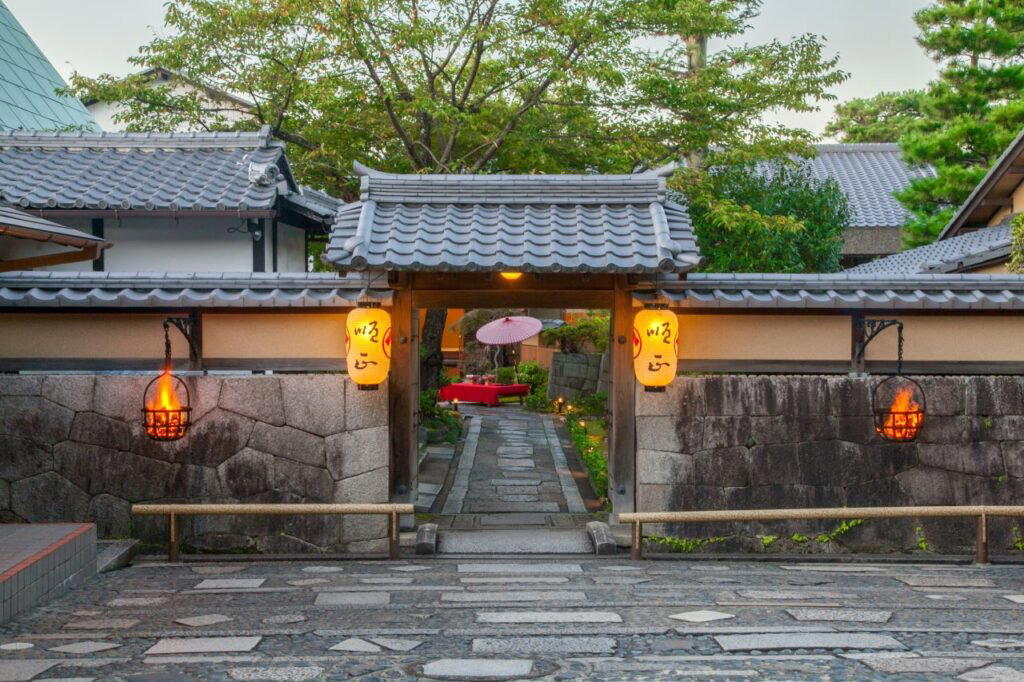
Where Nanzenji's Water Shapes What Ends Up on the Plate
The approach to Nanzenji in Kyoto's Sakyo Ward sets a particular kind of expectation. Stone-paved lanes pass through temple gates, the canal aqueduct cuts across the canopy above, and the neighbourhood settles into a quietude that feels earned rather than performed. Restaurants in this corridor don't announce themselves aggressively. They sit within traditional machiya and garden compounds, and the density of cultural weight in the surrounding blocks, one of Kyoto's most intact historic zones, does most of the contextual work before you've touched a menu. Junsei is a restaurant serving Kyoto Kaiseki Yudofu at 60 Nanzenji Kusakawacho, Sakyo Ward, Kyoto, Japan.
What positions Junsei within Kyoto's wider dining conversation is less about individual dishes than about a sourcing logic that has defined tofu-centred kaiseki in this district for well over a century. Kyoto's reputation for refined vegetable and tofu cookery is inseparable from its geography: the city sits in a basin fed by mountain streams, and the soft, low-mineral water drawn from these sources produces tofu with a texture and sweetness that harder water cannot replicate. The proximity of restaurants like Junsei to those water sources is not incidental, it is the technical foundation on which the entire cuisine rests.
The Tofu Kaiseki Tradition and Where Junsei Sits Within It
Tofu kaiseki is a specific sub-genre within Kyoto's broader kaiseki tradition, and it occupies a different register than the multi-course haute-kaiseki served at the city's most decorated restaurants. Where venues such as Gion Sasaki in Kyoto operate at the peak of the seasonal tasting-menu format with an emphasis on technical elaboration, the tofu kaiseki tradition leans toward a different kind of mastery: restraint in preparation, sourcing specificity, and the demonstration that a single ingredient, handled correctly, from the right source, can carry an entire meal's intellectual weight.
This tradition has parallels elsewhere in Japan. The dedication to single-ingredient sourcing that drives tofu-centred cooking in Kyoto shares philosophical ground with the rice-and-fish precision found at omakase counters in Tokyo, such as Harutaka in Tokyo, or the obsessive local-produce orientation found at places like HAJIME in Osaka. The common thread is not cuisine type but a sourcing ethic: the idea that provenance is argument enough, that the cook's primary job is to select correctly and then step back.
Junsei's location in the Nanzenji district places it in a cluster of tofu-specialist restaurants that have operated along this stretch for generations. This is not a neighbourhood defined by culinary trend cycles. The restaurants here, including Junsei, draw on an ingredient logic tied to the district's waterways and its historical relationship with Buddhist temple cookery. Shojin ryori, the plant-based cuisine developed within Buddhist monasteries, provided the conceptual skeleton on which Kyoto's tofu tradition was built, and that lineage remains legible in the cooking emphasis at venues across this part of Sakyo Ward.
Sourcing and Seasonality as the Kitchen's Primary Language
The ingredient sourcing that defines this style of cooking is seasonal in a way that differs from European farm-to-table frameworks. In Kyoto kaiseki, seasonality is codified: specific ingredients appear in specific months, their arrival signals calendar transitions, and a cook's reputation rests partly on how precisely those transitions are tracked and expressed on the plate. The first appearance of bamboo shoots in spring, the particular sweetness of Kyoto's kamo eggplant in late summer, the grounding weight of root vegetables through winter, these aren't creative choices so much as obligations to a long-established culinary calendar.
For a restaurant in the Nanzenji district, this means the sourcing network extends to Kyoto's traditional vegetable farms in areas such as Kamigamo and Fushimi, where Kyo-yasai (Kyoto heirloom vegetables) are grown under designations that protect both variety and cultivation method. These vegetables carry distinct textural and flavour profiles that differ measurably from commercial equivalents, and the cooking traditions of Nanzenji's restaurants were developed specifically around these ingredients. This kind of sourcing network is specific to Kyoto's agricultural history and does not transfer cleanly to other cities.akordu in Nara or Goh in Fukuoka.
Planning a Visit: Timing, Booking, and the Nanzenji District
The Nanzenji district rewards visitors who stay nearby or plan half-day visits rather than quick drop-ins. The neighbourhood's rhythm is unhurried, and a meal at a tofu kaiseki restaurant here is best understood as part of a longer engagement with the area: the temple complex itself, the Heian Shrine a short walk north, and the Tetsugaku-no-Michi (Philosopher's Path) running along the canal.
Kyoto's dining scene more broadly offers a range of formats that complement a visit to the Nanzenji corridor. Those seeking a different stylistic register within the city can cross-reference options in the full Kyoto Shi restaurants guide. For temple-adjacent dining experiences with a distinct character, Kanga-an Temple offers a shojin ryori experience with its own historical depth. For more contemporary Kyoto cooking, Kiharu and its more accessible counterpart Kiharu Brasserie represent the modern direction the city's restaurant culture has taken, while kiln occupies a different niche again. For a broader view of Kyoto's kaiseki tradition alongside contemporary Japanese dining, Hyōto Shijō Karasuma is worth including in any serious dining itinerary through the city.
The comparison is useful: venues like Le Bernardin in New York City or Lazy Bear in San Francisco demonstrate how a single-ingredient obsession can anchor an entire restaurant identity in Western contexts. In the Nanzenji corridor, that same logic has simply been running longer, and the local sourcing networks that support it are correspondingly more deeply established. Regional restaurants across Japan, from Abon in Ashiya to affetto akita in Akita, Aji Arai in Oita, Ajidocoro in Yubari District, and Akakichi in Imabari, each demonstrate how Japan's regional dining identity is built on exactly this kind of locally-rooted sourcing specificity. Junsei sits within that national pattern, expressing Kyoto's particular version of it.
At-a-Glance Comparison
Comparable venues nearby, for context on price, style, and recognition.
| Venue | Cuisine | Price | Notes |
|---|---|---|---|
| JunseiThis venue — the venue you are viewing | Kyoto Kaiseki Yudofu | $$$ | Not listed |
| Wabiya Korekido | Traditional Yakitori & Oyakodon | $$$ | Gion |
| Menbaka Fire Ramen | Fire Ramen | $$ | Kamigyo Ward |
| Kyoto Modern Terrace | Modern Japanese-Western Fusion | $$$ | Okazaki |
| Aoiya Yakimochi Sohonpo | Japanese Sweets | $ | Toyama |
| Kanga-an Temple | Vegan Shojin Ryori Fucha Cuisine | $$$ | Kita-ku |
Continue exploring
More in Kyoto Shi
Restaurants in Kyoto Shi
Browse all →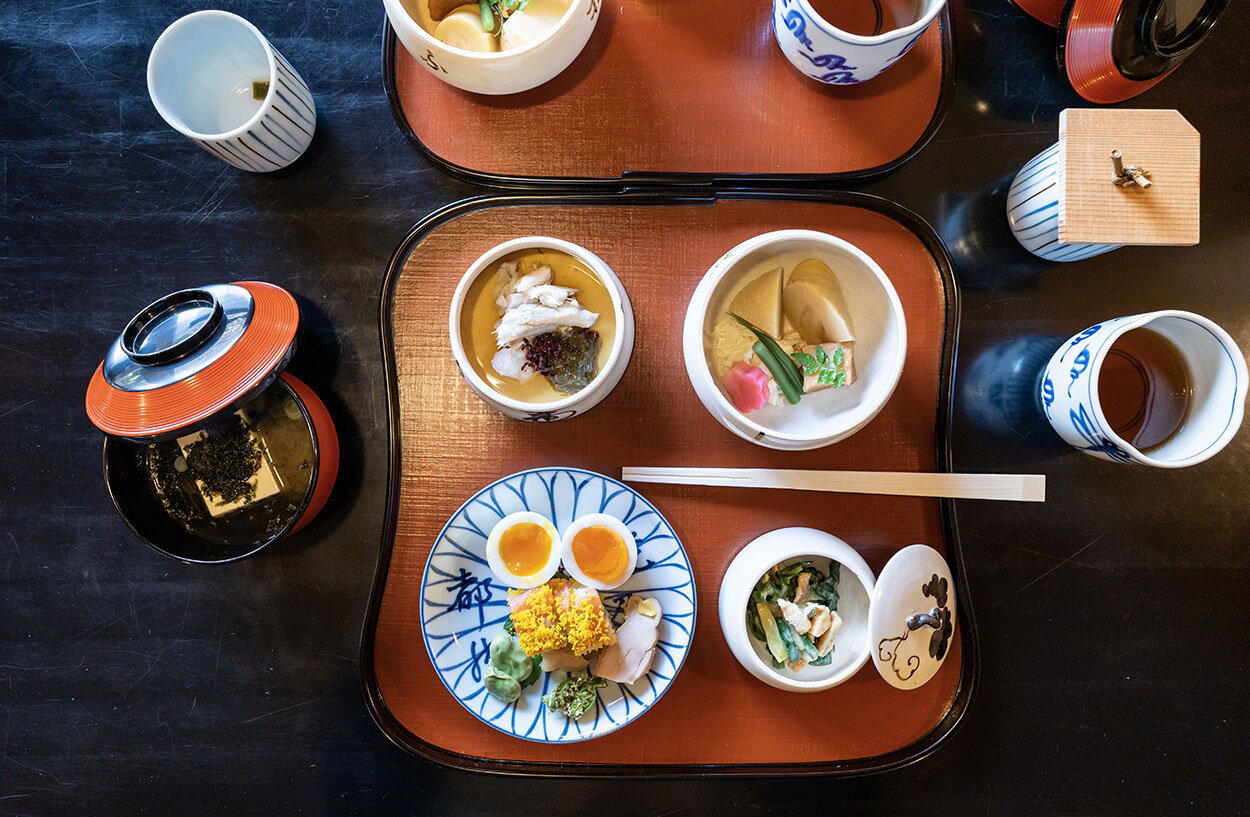
Bars in Kyoto Shi
Browse all →
Hotels in Kyoto Shi
Browse all →
Wineries in Kyoto Shi
Browse all →
At a Glance
- Elegant
- Quiet
- Scenic
- Classic
- Intimate
- Special Occasion
- Date Night
- Garden
- Historic Building
- Sake Program
- Garden
Current opening hours
- Monday
- 11 AM–2:30 PM, 5–7 PM
- Tuesday
- 11 AM–2:30 PM, 5–7 PM
- Wednesday
- Closed
- Thursday
- 11 AM–2:30 PM, 5–7 PM
- Friday
- 11 AM–2:30 PM, 5–7 PM
- Saturday
- 11 AM–2:30 PM, 5–7 PM
- Sunday
- 11 AM–2:30 PM, 5–7 PM
Hours can change for holidays and private events. Last verified .
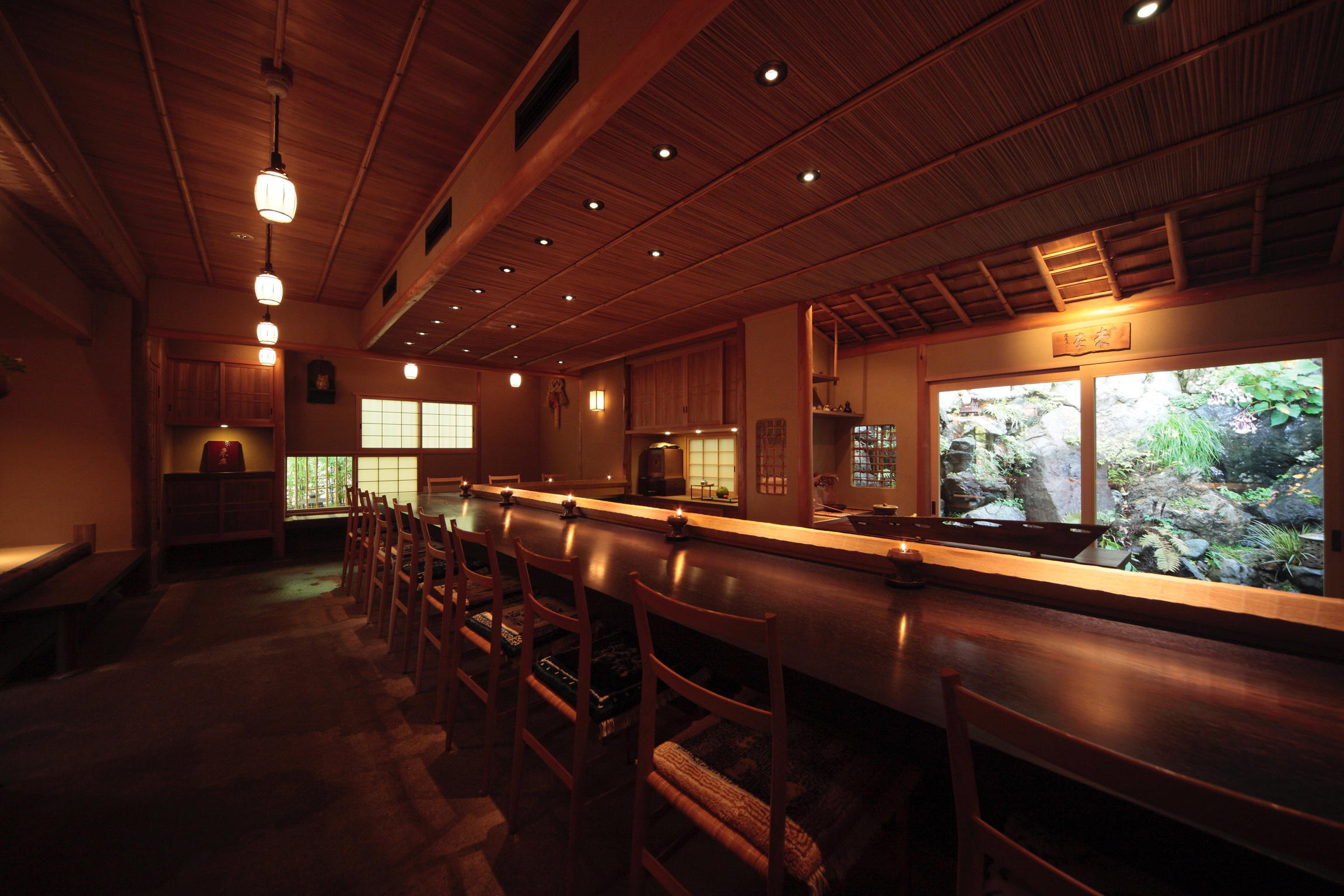
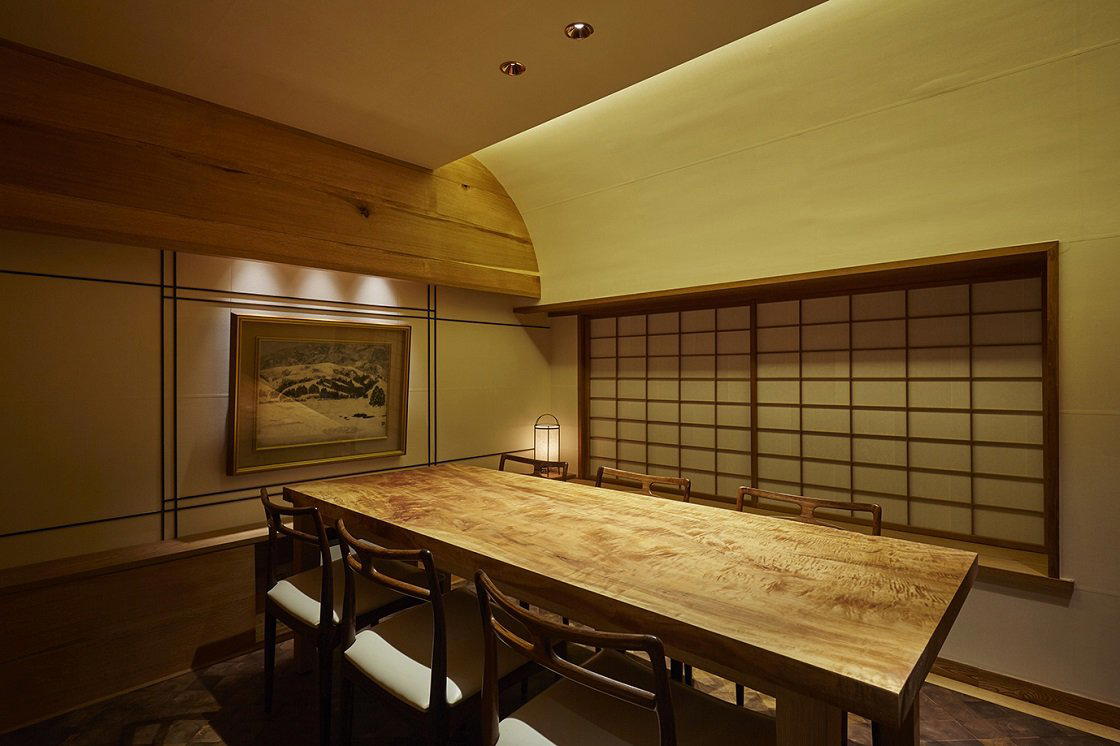
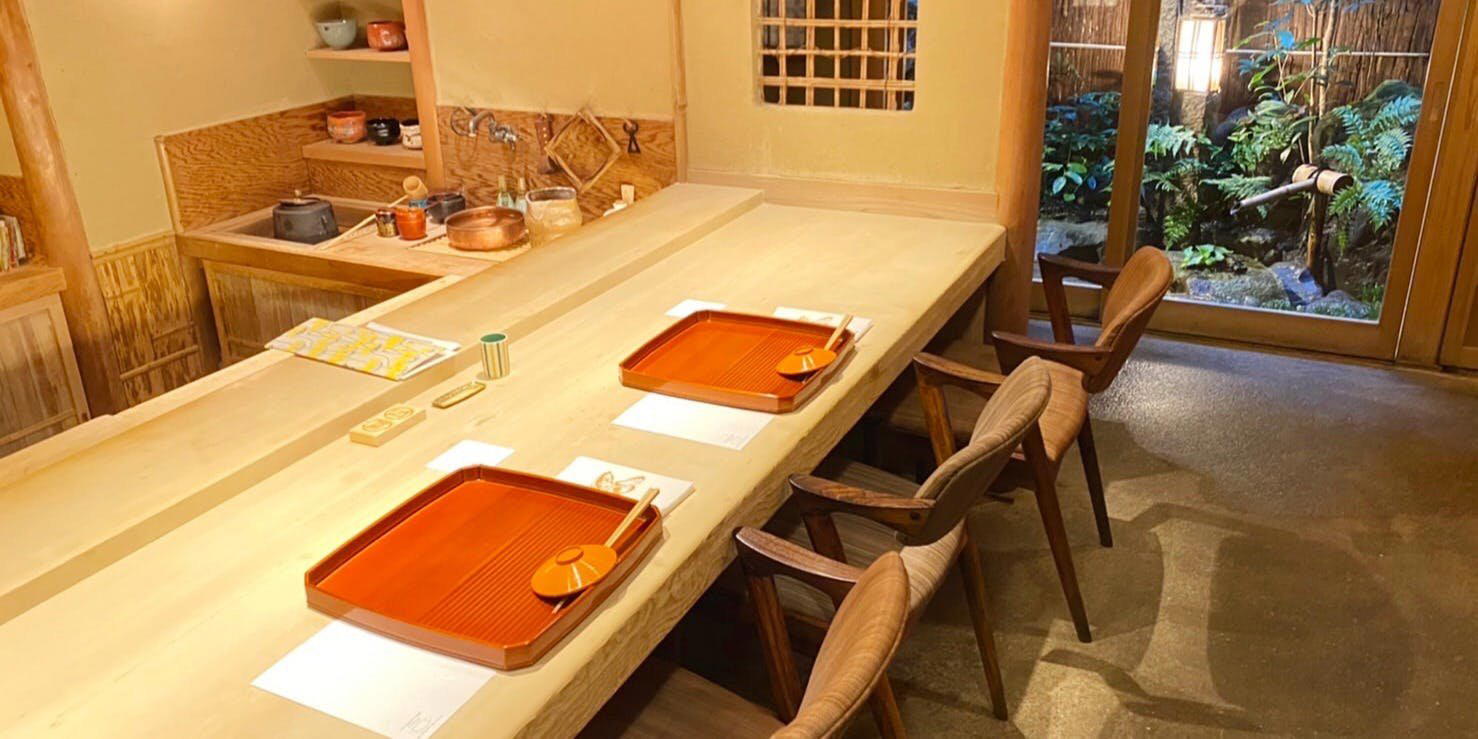
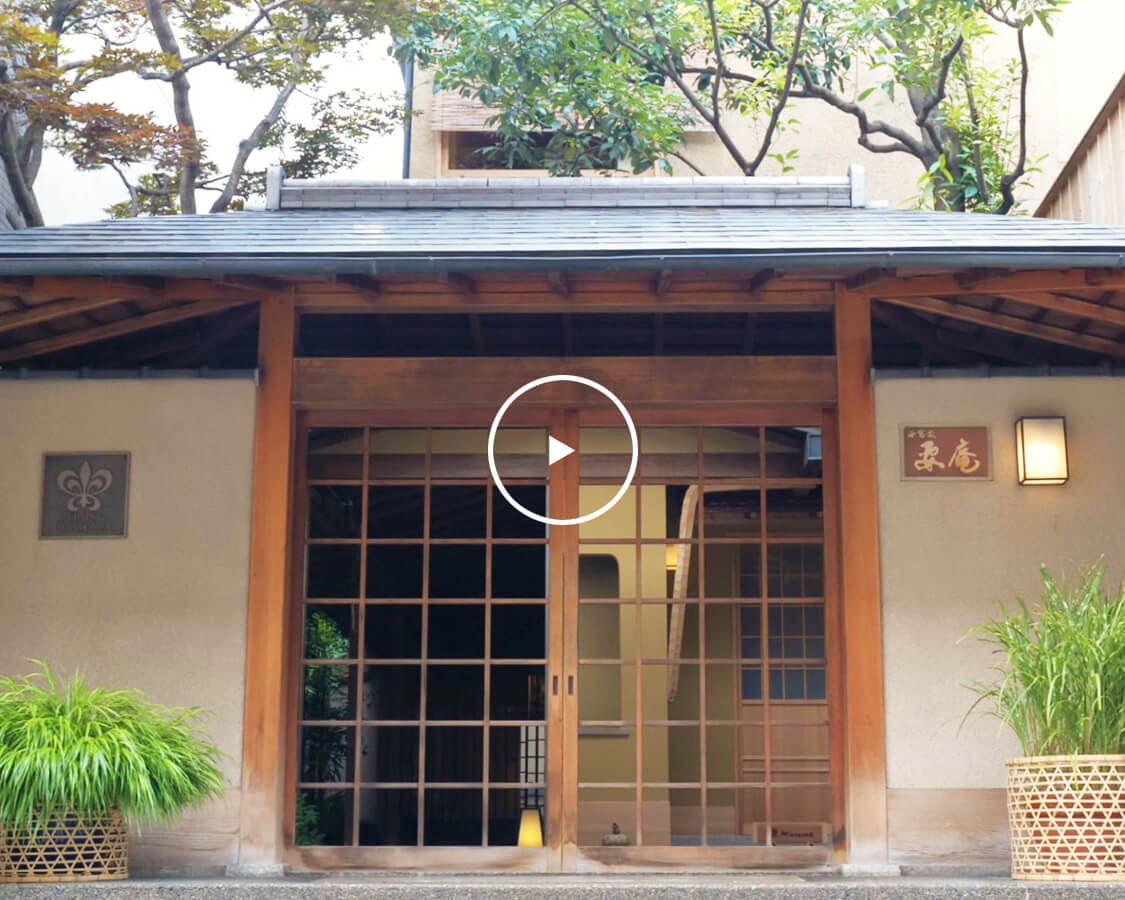
Traditional serene atmosphere with seasonal garden views from historic premises, featuring elegant lighting and historic wooden interiors.