



Kohaku sits in Kagurazaka's back-alley quiet, a three-Michelin-star kaiseki counter where Chef Koji Koizumi folds Western ingredients, truffle, caviar, into a dashi-anchored seasonal framework. Tabelog Bronze 2026, La Liste 86 points, and near-impossible walk-in availability place it firmly in Tokyo's premium kaiseki tier, operating Tuesday through Saturday from a reservation-only format.
Pearl is the En Primeur Club membership app — saves, bookings, and concierge access live there. Same editors, same standards.
- Address
- 3 Chome-5-5 Kagurazaka, Shinjuku City, Tokyo 162-0825, Japan
- Phone
- +81 3-5225-0807
- Website
- kagurazaka-kohaku.jp
- Directions
- Get directions
 Saves & bookings on Pearl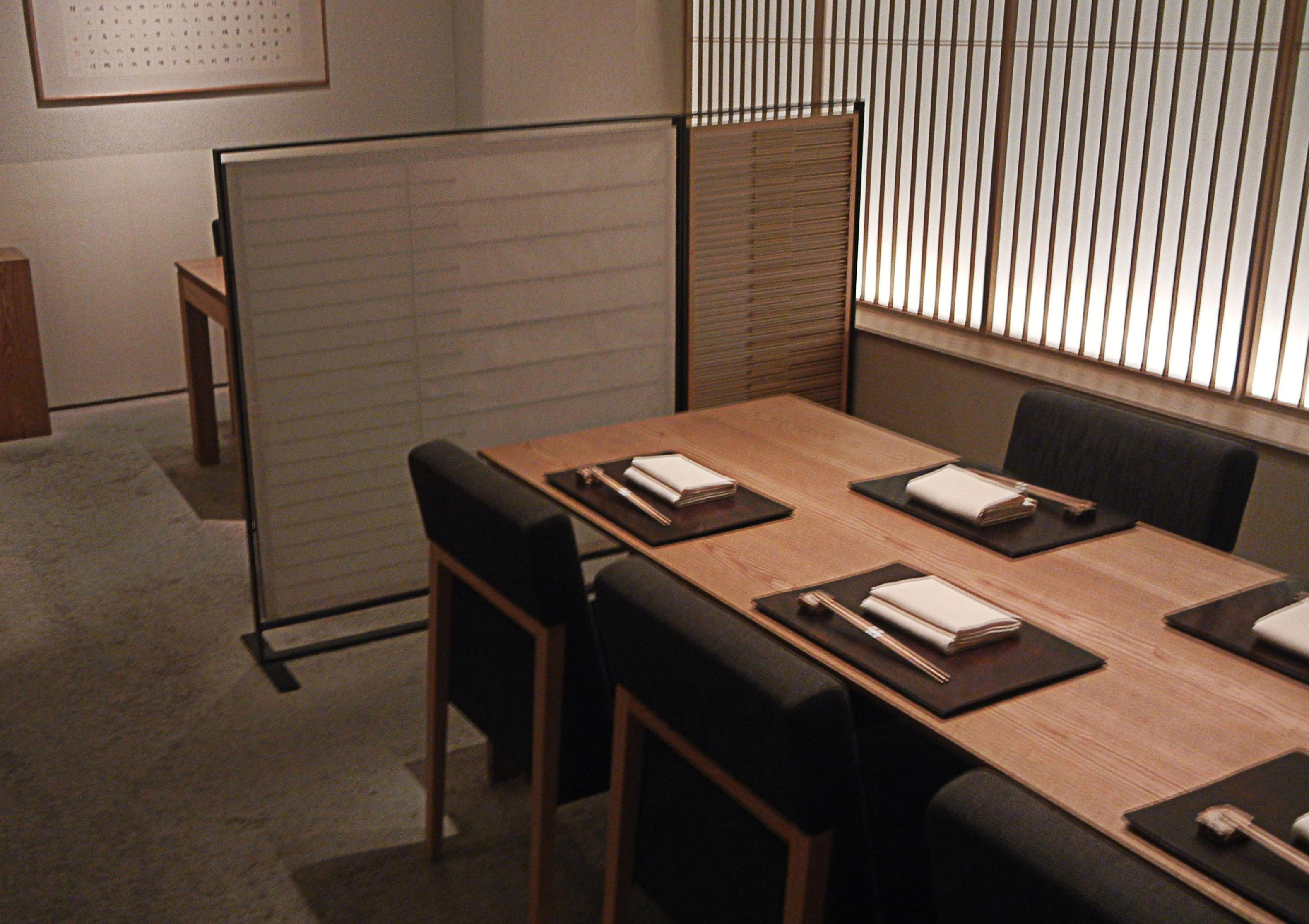
Kagurazaka and the Question of Where Tokyo Kaiseki Lives
Kohaku is a restaurant in Kagurazaka, Tokyo, with three Michelin stars and a price tier of JPY 60,000 to JPY 79,999 per person.
Kagurazaka itself is worth understanding before arriving. The neighbourhood retains a geisha-district past that most of central Tokyo has fully shed, and its cobbled side streets, traditional inns, and French bistros in close proximity create a layering of influences that feels appropriate context for what Chef Koji Koizumi does at the table. The garden visible from the dining room provides the seasonal visual register that kaiseki has always relied on: spring growth, summer depth, autumn colour, winter restraint. That rhythm, which in Kyoto is taken as a given, has been deliberately reconstructed in Tokyo's Shinjuku City ward.
Innovation Inside a Traditional Frame
Tokyo's leading kaiseki houses have generally split into two camps over the past decade. The first holds close to Kyoto-rooted orthodoxy: dashi clarity, seasonal ingredient restraint, a refusal to acknowledge anything outside the Japanese pantry. The second, represented by houses like RyuGin and, in its own way, Kohaku, treats kaiseki's structure as a framework rigorous enough to absorb outside influence without collapsing. At Kohaku, that outside influence arrives in the form of truffle and caviar. The cooking stays anchored in Japanese technique. The structure holds; the vocabulary expands.
This is a different project from what Kanda or Ginza Kojyu pursue, both of which operate inside Tokyo's kaiseki tier but with different relationships to classical form. Ginza Kojyu, for instance, grounds its seasonal work in a more orthodox seasonal rotation, while Kohaku's identity depends specifically on that creative tension between Western flamboyance, La Liste's phrase, and Japanese architecture. Ginza Shinohara and Kutan round out the tier at different price and format positions, making Tokyo's three-star kaiseki category more internally varied than Kyoto's, where tradition exerts a stronger gravitational pull on outliers.
The Kyoto comparison is worth pressing further. Houses like Hyotei and Kikunoi Honten in Kyoto carry centuries of institutional memory and a relationship to seasonal Kyoto produce, Kamo vegetables, Fushimi sake, Kyoto tofu, that is geographically irreproducible. Kohaku does not attempt to replicate that lineage. Instead, it asserts Tokyo's claim: that metropolitan sourcing networks, proximity to Tsukiji successor markets, and freedom from regional orthodoxy can produce kaiseki that is contemporary and complete on its own terms.
The Record Since Opening
Kohaku opened in 2024, and its credentials accumulated quickly. Three Michelin stars in 2024 and again in 2025. A Tabelog score of 4.34 with Bronze recognition in the 2026 Tabelog Award cycle, alongside selection for the Tabelog Japanese Cuisine Tokyo 100 in 2025. La Liste placed it at 90.5 points in 2025 and 86 points in 2026. That La Liste trajectory, a modest points decline from one year to the next, is worth noting as context rather than concern; it reflects the scoring variance typical of a young restaurant establishing its ranking position rather than any documented change in kitchen quality.
The counter seats are in high demand. Private dining rooms are available for exclusive use. For a restaurant less than two years old at time of writing, the booking pressure it faces is comparable to Tokyo three-star kaiseki houses that have operated for a decade or more. That is the working reality for anyone planning a visit: reservations require advance planning at a minimum of several months, and availability will depend on monitoring cancellation windows as much as early booking.
The dinner budget runs JPY 60,000 to JPY 79,999, consistent with the restaurant's price tier. Credit cards are accepted; the restaurant operates reservation-only with no walk-in format. The non-smoking policy applies throughout. Parking is unavailable, which in Kagurazaka is the practical norm, the area's narrow lanes and proximity to Iidabashi and Kagurazaka stations make public transit the standard approach.
Format and Setting
Venue operates Tuesday through Friday from 17:00 to 22:30, with Saturday split into a lunch service from 12:00 to 15:00 and an evening service from 17:00 to 22:30. Monday and Sunday are closed.
Private rooms are available and the venue can be reserved for exclusive private use, which places it in a practical tier relevant for corporate dining or significant occasions where the full space is required. The garden setting reinforces the seasonal visual logic that kaiseki dining relies on. The absence of QR code and electronic money payment options, and the reservation-only format, reflect a deliberate positioning: this is a counter that controls its guest experience from the first point of contact.
Tokyo's Kaiseki Tier in Context
Tokyo's three-Michelin-star restaurant count has grown substantially over the past decade, and the kaiseki segment within that count now spans a range of positions and approaches. RyuGin's molecular-influenced kaiseki, Kanda's quieter classical register, and Kohaku's Western-ingredient integration represent different answers to the same question about what Tokyo kaiseki is and where it is going. None of these houses is simply a Tokyo copy of Kyoto practice; each has staked a position that depends on the capital's specific conditions.
For travellers building a broader Japan itinerary, the regional comparison extends outward: Gion Sasaki in Kyoto and HAJIME in Osaka represent the Kansai end of Japan's serious dining spectrum, while Goh in Fukuoka and akordu in Nara extend the map further. The full Japan dining circuit now includes credentialed destinations at every major node. 1000 in Yokohama and 6 in Okinawa add further range for those extending beyond the traditional circuit.
Planning Your Visit
Kohaku accepts reservations only and operates no walk-in service. The dinner budget is JPY 60,000 to JPY 79,999 per person; the same range applies to the Saturday lunch service. Tuesday through Friday, service runs from 17:00 to 22:30. Saturday lunch is 12:00 to 15:00 with an evening service following at 17:00. Monday, Sunday, and public holidays are closed. The restaurant is approximately 413 metres from Iidabashi Station. Credit cards are accepted; electronic money and QR code payments are not. Private rooms and full private-use bookings are available.
Quick Reference
Address: 3 Chome-5-5 Kagurazaka, Shinjuku City, Tokyo. Reservation only. Dinner JPY 60,000 to 79,999. Tue–Fri 17:00 to 22:30; Sat 12:00 to 15:00 and 17:00 to 22:30. Closed Mon, Sun, public holidays.
What Do People Recommend at Kohaku?
Kohaku's menu is seasonal and changes in response to produce availability, so no fixed dish can be reliably cited as a permanent feature. What reviewer commentary and award citations consistently point to is the integration of Western luxury ingredients, truffle and caviar appear in La Liste's editorial description, within a kaiseki structure anchored by dashi. The counter seating format is the primary experience; private rooms are available but, per La Liste's note, counter seats book out first and earliest. Chef Koji Koizumi's approach to the menu, described by La Liste as weaving creativity and Western flamboyance into Japanese fare, is the through-line that reviewers return to. The Tabelog score of 4.34 and Michelin three-star recognition across 2024 and 2025 reflect consistent quality across multiple visit cycles and reviewer sources.
Cuisine and Recognition
Comparable venues nearby, for context on price, style, and recognition.
| Venue | Cuisine | Price | Awards | Notes |
|---|---|---|---|---|
| KohakuThis venue — the venue you are viewing | Modern Japanese Kaiseki | $$$$ | Michelin 3 Star | Not listed |
| L'OSIER | Classic French Fine Dining | $$$$ | Michelin 3 Star | Chūō |
| Kanda | Contemporary Kaiseki | $$$$ | Michelin 3 Star | Minato |
| Château Restaurant Joël Robuchon | Modern French Fine Dining | $$$$ | Michelin 3 Star | Meguro |
| Kagurazaka Ishikawa | Traditional Japanese Kaiseki | $$$$ | Michelin 3 Star | Shinjuku |
| Quintessence | Modern French Fine Dining | $$$$ | Michelin 3 Star | Shinagawa |
Recognition history
Dated appearances from independent guides and award organizations, with the underlying list record or original source where available.
La Liste Top Restaurants
La Liste
Michelin 2 Stars
Michelin
Opinionated About Dining Top Restaurants in Japan Ranked #82
Opinionated About Dining
Tabelog Bronze #192
Tabelog
La Liste Top Restaurants
La Liste
Michelin 3 Stars
Michelin
Opinionated About Dining Top Restaurants in Japan Ranked #81
Opinionated About Dining
Opinionated About Dining Top Restaurants in Japan Ranked #479
Opinionated About Dining
Tabelog 100 #42 · No. 42
Tabelog · Tabelog 100 - Japanese cuisine - TOKYO - 2025
Tabelog Silver
Tabelog
Michelin 3 Stars
Michelin
Opinionated About Dining Top Restaurants in Japan Ranked #69
Opinionated About Dining
Opinionated About Dining Top Restaurants in Japan Ranked #61
Opinionated About Dining











At a Glance
- Elegant
- Sophisticated
- Modern
- Intimate
- Special Occasion
- Celebration
- Business Dinner
- Date Night
- Chefs Counter
- Open Kitchen
- Design Destination
- Extensive Wine List
- Sake Program
- Sommelier Led
- Local Sourcing
Current opening hours
- Monday
- Closed
- Tuesday
- 5 PM–12 AM
- Wednesday
- 5 PM–12 AM
- Thursday
- 5 PM–12 AM
- Friday
- 5 PM–12 AM
- Saturday
- 12–3 PM, 5 PM–12 AM
- Sunday
- Closed
Hours can change for holidays and private events. Last verified .
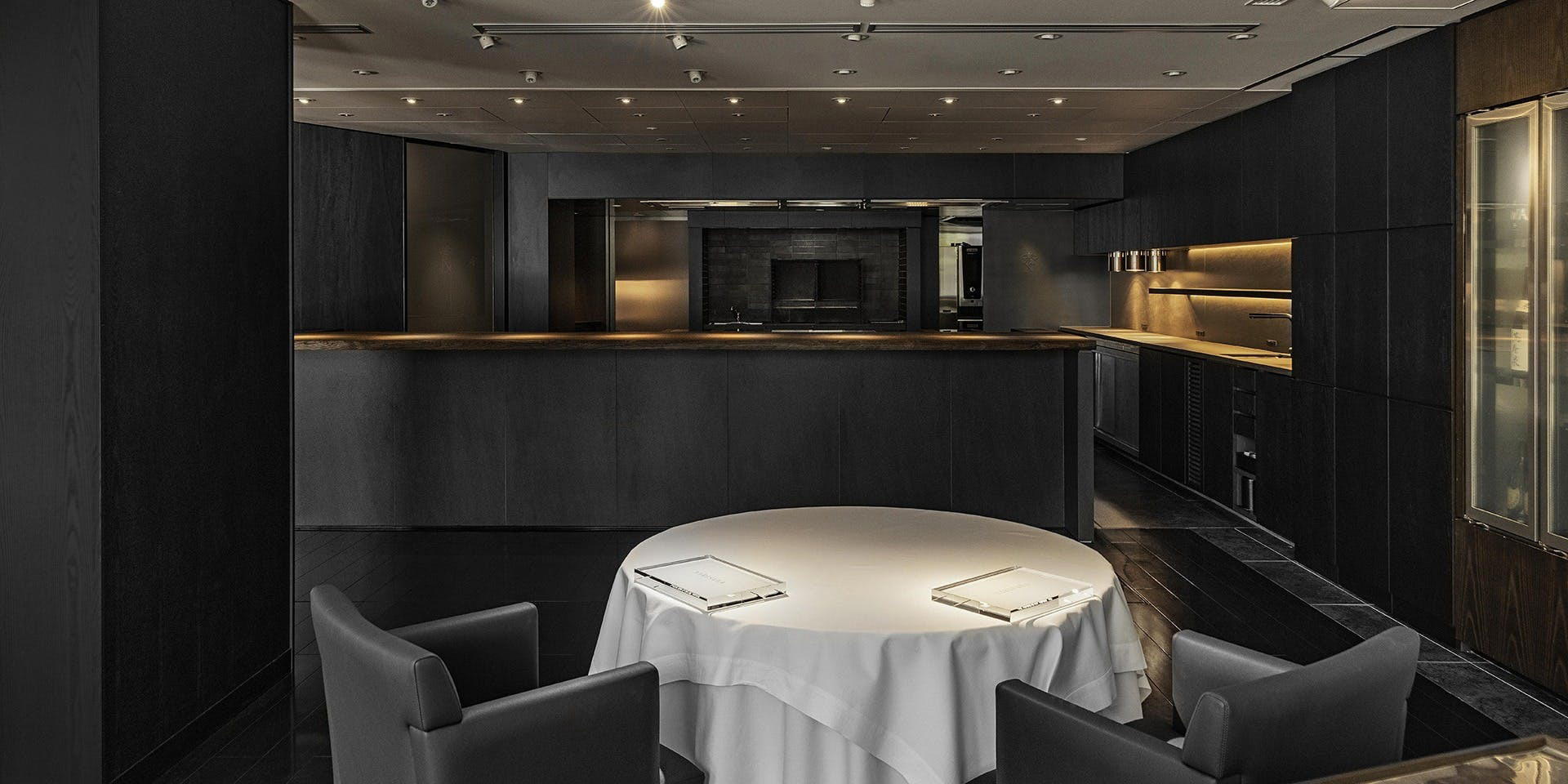
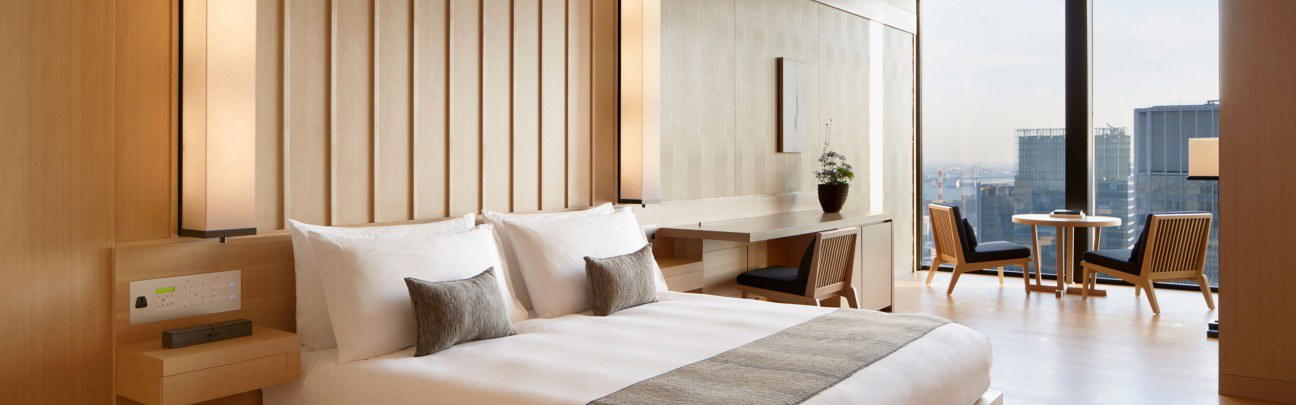
Minimalist modern Japanese interior with light wood, well-lit counter and table seating, adorned with calligraphy, paintings, and carefully curated tableware featuring earthy tones and striking individuality.