Our verdict
Mayrig on Pasteur Street is one of Beirut's most recognised addresses for Armenian home cooking, a cuisine that arrived in Lebanon through waves of displacement and took deep root in the city's culinary fabric. The kitchen draws on the repertoire of the Armenian diaspora — slow-braised meats, hand-rolled pastries, and spice combinations that differ markedly from the Lebanese mezze tradition next door. For anyone tracing the layered food cultures that define this city, it is a considered and concrete starting point.

Pearl is the En Primeur Club membership app — saves, bookings, and concierge access live there. Same editors, same standards.
- Address
- 282 Pasteur Street, Mansour Building, Beirut, Lebanon
- Phone
- +9613228227
- Hours
- Daily 12 PM–12 AM
- Website
- mayrigrestaurant.com
- Directions
- Get directions
The menu
What to order
- Mante
- Teble
- Printzov keufte
- Hommos basturma
Where the Armenian Table Meets Beirut
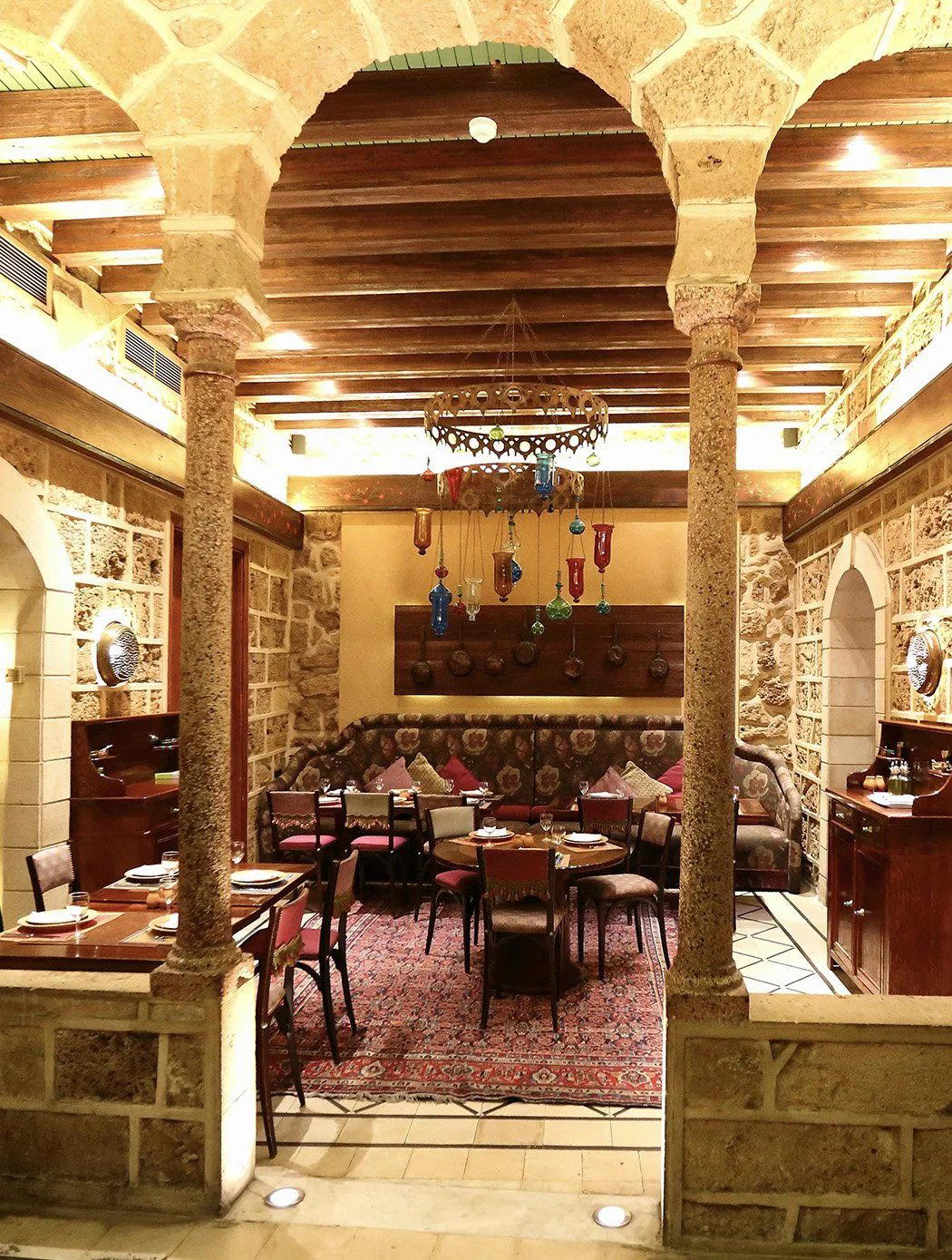
Pasteur Street in central Beirut is not a dining destination in the way that Mar Mikhael or Gemmayze announce themselves. It is quieter, more residential in character, the kind of address you arrive at with purpose rather than stumble upon mid-wander. That quality is itself a signal: Mayrig, at 282 Pasteur Street in the Mansour Building, belongs to a category of Beirut restaurants that draws a loyal, return clientele rather than foot traffic. The dining room does not perform. It settles. The atmosphere is closer to the kitchen of a well-organised household than to a restaurant stage — warm materials, a pace that is unhurried, and a smell that arrives before you find your seat: braised meat, toasted spice, baked dough.
The Armenian Culinary Tradition in Beirut Context
Armenian cooking in Lebanon is not a recent import dressed up for contemporary audiences. It arrived through the early twentieth century, carried by communities displaced from Anatolia who built permanent lives in cities including Beirut, Bourj Hammoud, and Antelias. That history matters when you read a menu at Mayrig because the dishes are not adaptations of a foreign cuisine for local palates — they are the evolved product of a diaspora that put down roots and cooked in continuity. The result is a culinary tradition that shares geography with Lebanese food but operates on a different logic: where Lebanese mezze disperses flavour across many small plates, Armenian cooking tends toward concentration, depth, and dishes that require time.
Bourj Hammoud, the Armenian-majority district east of central Beirut, remains the geographic heart of this community, and restaurants like Onno Bistro in Bourj Hammoud represent one end of the spectrum, bistro-inflected, younger in feel. Mayrig represents a different position: the restaurant that attempts the domestic register, cooking that reads as inherited rather than constructed.
Sight, Smell, and What Arrives at the Table
The sensory register at Mayrig is not built around theatre. There is no open kitchen designed for viewing, no dramatic plating intended to interrupt conversation. The visual grammar of the room leans on warmth, colours and materials that read as domestic, and the experience of eating there is shaped more by smell and flavour than by spectacle. Armenian cooking uses a spice palette that includes dried fenugreek, allspice, red pepper paste, and dried herbs in combinations that produce a depth of aroma distinct from the fresh herb brightness that defines much of Lebanese cooking. A dish like manti, small, pinched dumplings baked in tomato broth and served with yoghurt and clarified butter, arrives at the table smelling of the oven, sour dairy, and spice simultaneously. It is a combination that does not resolve into a single register but shifts as you work through it.
The wider Beirut dining scene offers plenty of access to Lebanese cooking at different registers: the rooftop formality of Albergo Rooftop, the sprawling mezze of Al Halabi, the neighbourhood ease of Al Falamanki Sodeco. What Mayrig provides is a different kind of depth, a cuisine with its own internal grammar that repays attention rather than simply delivering familiar satisfaction.
Placing Mayrig in the Lebanese Food Culture
Beirut's food scene functions as a collection of parallel culinary traditions operating in close proximity. Armenian, Lebanese, and Armenian-Lebanese hybrid cooking exist alongside Syrian, Palestinian, and more recent international influences. Mayrig holds a specific position within that arrangement: it is one of the few addresses in the city where Armenian home cooking is presented with consistency and without significant concession to the Lebanese mainstream. That specificity is what gives it cross-reference value. When critics or food writers mapping Lebanese food culture reference Mayrig, they are using it as an anchor point for the Armenian thread in that broader weave.
For readers who have explored Armenian food at the ingredient level, through trips to Laiterie Massabki in Chtoura for dairy products that appear in this cuisine, or through regional explorations that reach Lakkis Farm in Baalbek for agricultural context, Mayrig provides the cooked, table-ready version of that same regional seriousness. It sits naturally alongside destinations like Feniqia in Byblos or Jammal in Batroun District on any itinerary that takes Lebanon's food geography seriously.
The contrast with internationally recognised fine dining is also worth framing. Restaurants like Le Bernardin in New York City or Atomix in New York City operate on the logic of technique-as-spectacle, where the kitchen's intervention is the subject of the meal. Mayrig's register is almost the inverse: the cooking aims to recede, to feel as though it could have been produced in a family setting rather than a professional one. That restraint is the technique.
Planning Your Visit
Mayrig is located at 282 Pasteur Street in the Mansour Building, in central Beirut. Given its reputation as one of the city's primary addresses for Armenian cooking, and given the relatively intimate scale typical of restaurants in this register, booking ahead is advisable, particularly for Friday and Saturday evenings when the dining room fills with extended family groups rather than lone tables. Arriving without a reservation on a weekend carries meaningful risk of a wait or a turn-away. Phone and online booking details are best confirmed through current local sources, as operational specifics in Beirut shift with some frequency. The restaurant is accessible by car; parking in this part of the city follows the usual Beirut logic of patience and improvisation. For readers building a broader Beirut itinerary, our full Beirut restaurants guide maps the wider scene across neighbourhood and cuisine type.
Those building a full-day programme around this part of Beirut might combine a lunch or early dinner at Mayrig with evening drinks or a later meal at Al Rawda in Shatila, which represents another layer of Beirut's displaced-community food culture. The juxtaposition is instructive: two cuisines, two communities, two sets of recipes that arrived in Beirut through displacement and became part of what the city eats.
For readers interested in Armenian and Levantine food beyond the city boundaries, Shams Restaurant in Aanjar offers a regional complement, Aanjar being one of Lebanon's Armenian-founded towns and a place where the food culture reflects that history in its own way. Kitchen Garage in Aley District and BRUT by Youssef Akiki in Keserwan District complete a picture of how cooking with strong regional and cultural roots is being interpreted across different registers in contemporary Lebanon. Mayrig sits at the more traditional end of that spectrum, and that positioning is precisely its value. Also worth noting in the Matn District: Al Halabi Restaurant in Matn District provides further context for how Lebanese regional cooking operates at this level of seriousness.
Frequently asked questions
What's Mayrig's location?
Mayrig is located at 282 Pasteur Street, Mansour Building, Beirut, Lebanon, Beirut.
Is Mayrig suitable for someone unfamiliar with Armenian cuisine?
Armenian cooking shares structural roots with broader Levantine food culture, so diners already familiar with Lebanese cuisine will find recognisable reference points in the use of spices, grains, and slow-cooked meats. Mayrig on Pasteur Street in Beirut is positioned as an address where the tradition is presented with depth rather than simplified for a general audience. It functions well as a first encounter with this cuisine precisely because the cooking reflects its diaspora origins in Lebanon rather than a reinterpreted version of it.
What dish is Mayrig famous for?
Mayrig is associated with Armenian home-style cooking carried to Beirut through the early twentieth-century diaspora, so its reputation rests on dishes rooted in that tradition rather than on a single signature plate. The kitchen draws from a canon that includes slow-cooked preparations and spiced meat dishes central to Armenian table culture.
Do I need a reservation for Mayrig?
Given Mayrig's standing as one of Beirut's primary addresses for Armenian cooking, demand from both residents and visitors is consistent.
What makes Mayrig worth seeking out?
Mayrig represents one of the few Beirut restaurants where Armenian cooking is treated as a living culinary tradition rather than a novelty, grounded in the community that arrived in Lebanon during the early twentieth century. Pasteur Street lacks the foot traffic of Mar Mikhael or Gemmayze, which means the audience here is intentional. That context alone separates it from the broader restaurant circuit in the city.
Similar Picks
Comparable venues nearby, for context on price, style, and recognition.
| Venue | Cuisine | Price | Notes |
|---|---|---|---|
| MayrigThis venue — the venue you are viewing | Authentic Armenian | $30–50 | Not listed |
| Malak Al Tawouk | Lebanese Fast Food | $1–10 | Dora |
| Al Rawda - Shatila - Restaurant | Traditional Lebanese | $10–20 | Manara |
| Liza | Modern Lebanese | $50–100 | Achrafieh |
| Babel Bay | Modern Lebanese Seafood | $50–100 | Zaitunay Bay |
| Al Falamanki Sodeco | Traditional Lebanese | $20–30 | Sodeco |
Continue exploring
More in Beirut
Restaurants in Beirut
Browse all →
Bars in Beirut
Browse all →
Hotels in Beirut
Browse all →

Details
- Cozy
- Classic
- Elegant
- Intimate
- Family
- Group Dining
- Special Occasion
- Terrace
- Garden
- Historic Building
- Local Sourcing
- Garden
- A La Carte
- Small Plates
- Family Style
- Vegetarian Friendly
- Vegan Options
- Gluten Free Options
Current opening hours
- Monday
- 12 PM–12 AM
- Tuesday
- 12 PM–12 AM
- Wednesday
- 12 PM–12 AM
- Thursday
- 12 PM–12 AM
- Friday
- 12 PM–12 AM
- Saturday
- 12 PM–12 AM
- Sunday
- 12 PM–12 AM
Hours can change for holidays and private events. Last verified .
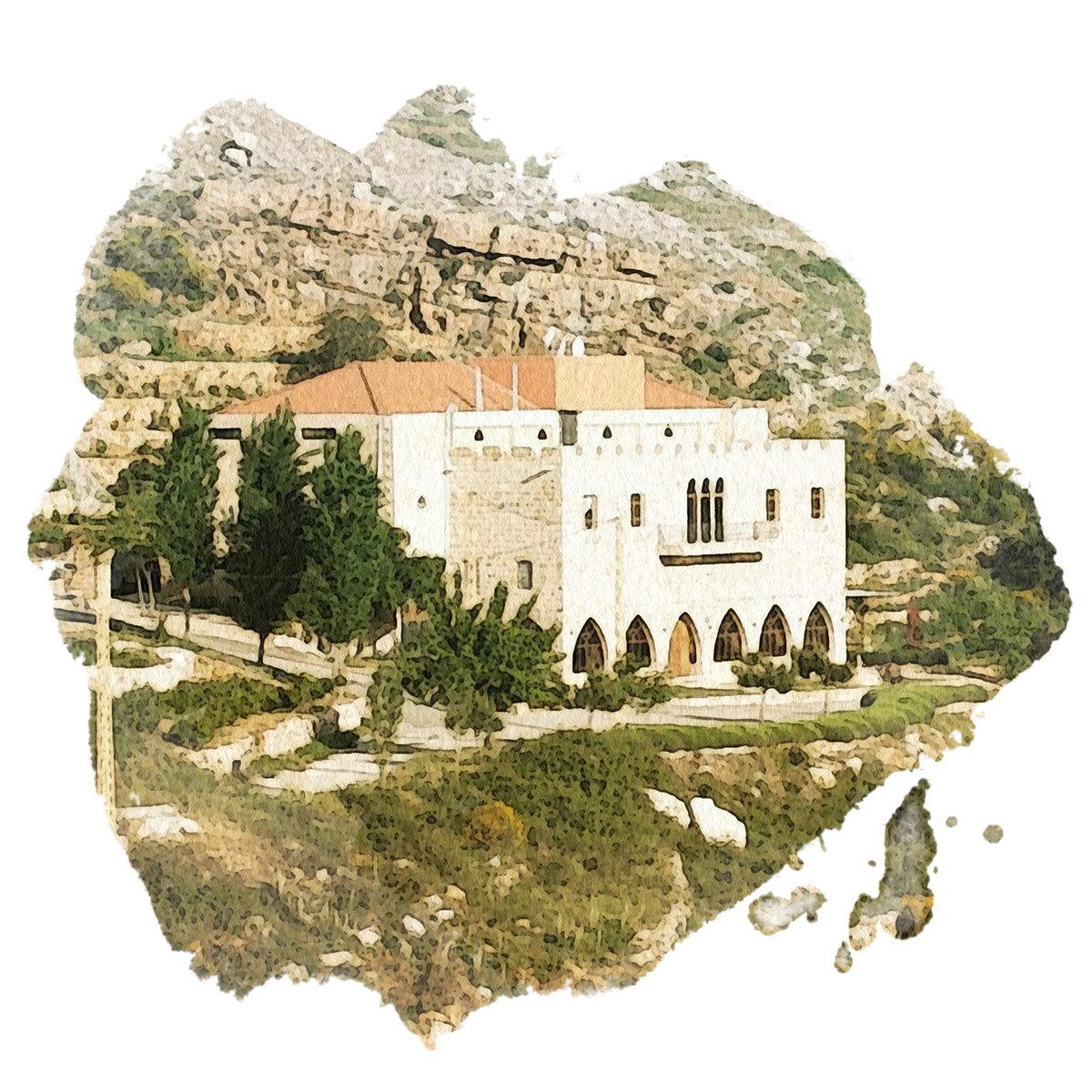
Warm homey atmosphere in a stone-walled old Lebanese house with wood tables, terrace garden, and inviting decor evoking maternal hospitality.