Our verdict
Babel Bay sits within Beirut's dining scene as a venue that draws on the city's instinct for convivial, layered hospitality. With a name that gestures toward the Mediterranean port culture threading through Lebanon's culinary history, it occupies a tier of Beirut restaurants where the room, the table, and the kitchen are expected to work as a single coordinated argument. Practical details including booking logistics are best confirmed directly before visiting.

Pearl is the En Primeur Club membership app — saves, bookings, and concierge access live there. Same editors, same standards.
- Address
- Beirut, Lebanon
- Phone
- +9611370846
- Hours
- Daily 12 PM–12 AM
- Website
- babelrestaurant.com
- Directions
- Get directions
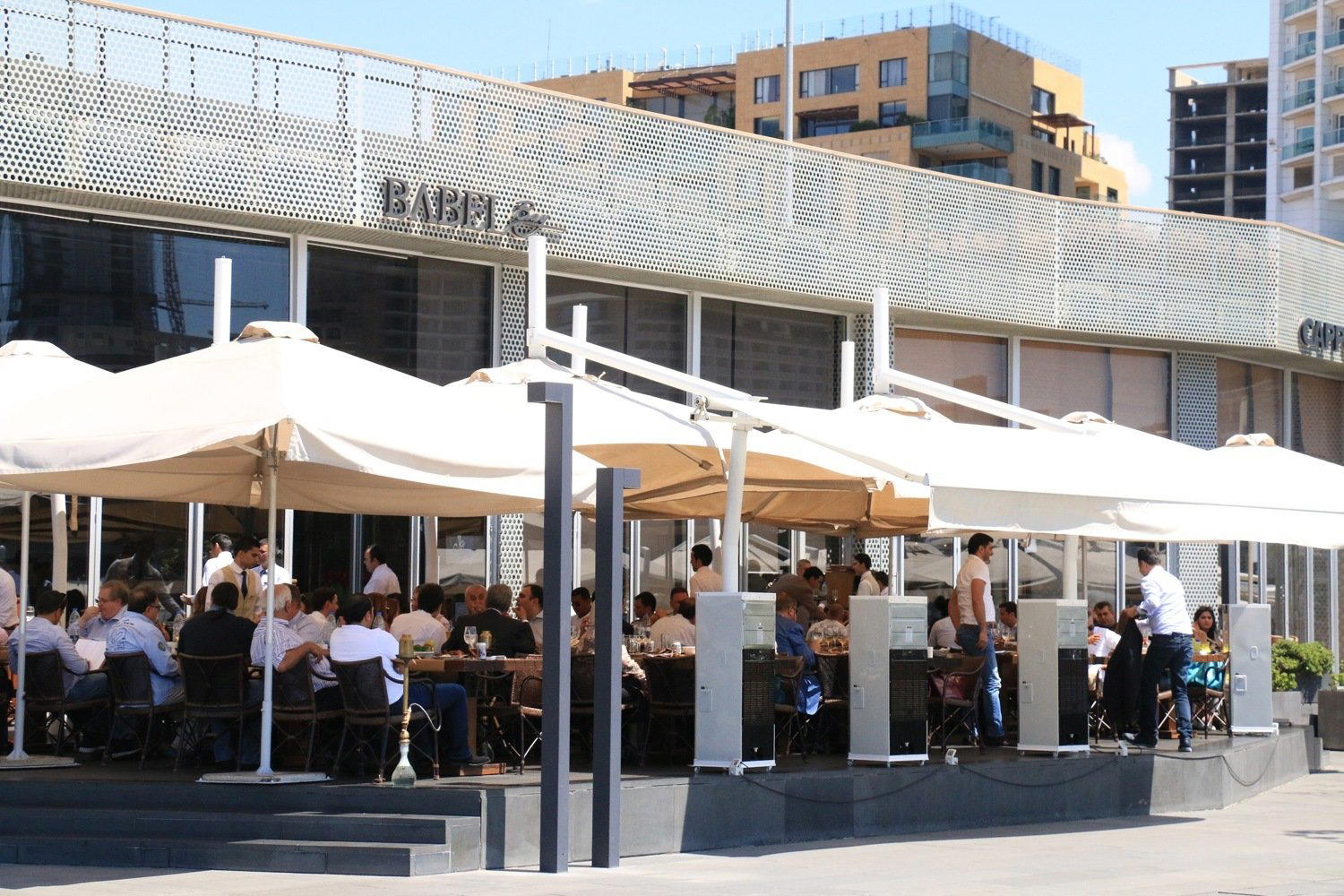
The menu
What to order
- Shrimps fatteh
- Seafood baklava
- White fish raw
Where Beirut's Port Spirit Meets the Table
Beirut has always organised itself around the bay. The city's relationship with the sea is not decorative — it is structural, shaping what gets cooked, how meals are timed, and who sits down together. Restaurants that take the waterfront seriously tend to inherit a particular rhythm: unhurried arrival, food that comes in waves rather than courses, and a floor that moves between tables with the confidence of people who have done this through several versions of the city. Babel Bay positions itself within that tradition, and the name itself signals the ambition — a meeting point, a convergence of voices, a place where the port's cosmopolitan history is present at the table.
For context on how Beirut's dining scene is structured, and where Babel Bay fits within the broader spectrum of the city's restaurants, see our full Beirut restaurants guide.
The Collaborative Logic Behind the Room
In Beirut's stronger restaurants, the quality of an evening rarely reduces to one person's contribution. The city's dining culture has historically rewarded teams, kitchens that think collectively, service staff who understand the food well enough to explain it without reciting it, and sommeliers or drinks leads who read the table rather than the list. This collaborative model is visible across the tier of restaurants that have maintained reputations through Beirut's turbulent recent years: places like Em Sherif, which built its standing on an integrated approach to Lebanese hospitality where kitchen, floor, and cellar read from the same script.
Babel Bay operates within this same expectation. The venues that hold attention in this city are the ones where the front-of-house team communicates the kitchen's logic, not through scripted table-side explanations, but through a fluency that only comes from working closely together. When that relationship functions, the meal has a coherence that single-dish brilliance cannot replicate. Guests notice it without always being able to name it: the reason a particular pairing arrives at the right moment, or why the pacing shifts correctly after a certain point in the meal.
Lebanese Dining in the Bay-Adjacent Tier
Beirut's restaurant market has, over the past decade, stratified noticeably. At one end, the meze-and-grill tradition continues at neighbourhood institutions that have operated continuously for generations, Al Falamanki Sodeco represents that kind of embedded, unhurried format where the room itself is part of the offering. At the other end, a tier of more considered Lebanese restaurants has emerged, framing local ingredients and cooking traditions within a more composed, sometimes hybrid format. Al Halabi occupies the classical end of that tier, with a focus on regional Lebanese cuisine executed at a level that treats the tradition as a serious culinary argument rather than a background to the room.
Babel Bay sits within this broader competitive picture. The bay-adjacent location is not incidental, proximity to the water in Beirut carries associations with a specific social register, one that connects the restaurant to the city's pre-war cosmopolitan identity. Venues in this zone are expected to do more than feed guests: they are expected to sustain a version of Beirut that the city's regulars want to believe in. That is a heavier brief than most cities ask of their restaurants, and it shapes everything from how the room is designed to how the team is trained.
Reading Beirut Through Its Restaurants
To understand any single Beirut venue properly, it helps to map the full range of what the city's dining culture offers. The Lebanese table is one of the most structurally complex in the Mediterranean, the meze format alone contains dozens of distinct preparations that serious establishments treat as individual technical exercises rather than a collective starter. Beyond the city itself, Lebanon's restaurant culture extends into the districts: Onno Bistro in Bourj Hammoud brings Armenian-Lebanese influences into a Matn setting; BRUT by Youssef Akiki in Keserwan has built a reputation around wine-focused dining that signals a shift in how Lebanese restaurants communicate their drinks programs. Further afield, Jammal in Batroun District and Feniqia in Byblos anchor coastal dining traditions outside the capital, while the Bekaa Valley's agricultural richness feeds restaurants like Lakkis Farm in Baalbek and Laiterie Massabki in Chtoura.
Beirut's dining culture is also held together by its street-level institutions. Falafel Sahyoun operates at the opposite end of the formality scale from bay-adjacent dining rooms, but both categories matter to understanding how the city feeds itself. The range is part of the point. Restaurants like Al Rawda in Shatila carry the neighbourhood-table tradition into areas of the city rarely covered by standard restaurant guides.
The Team as the Product
In a city where economic and logistical pressures have thinned out many restaurants' back-of-house capacity, the venues that have sustained quality tend to do so through staff retention and kitchen-floor communication rather than through ingredient sourcing alone. The comparison with internationally recognised collaborative formats is instructive: restaurants like Lazy Bear in San Francisco and Le Bernardin in New York City have built durable reputations partly because their front-of-house and kitchen operations are legible to each other in real time. In Beirut, that dynamic is harder to maintain but no less important to the result. Venues where the sommelier knows what the kitchen is serving at temperature, and where the floor adjusts pacing in response to how a table is eating rather than how long they have been sitting, are operating at a different register from those that treat service as separate from cooking.
The Albergo Rooftop in Achrafieh demonstrates how a hotel-attached restaurant can maintain that integration, the rooftop format demands tight coordination between kitchen output and floor timing, particularly in summer, when the room fills quickly and the ambient conditions change the window for serving certain dishes correctly. Kitchen Garage in Aley District approaches the same problem from a mountain-setting context, where the team dynamic is shaped by different seasonal and logistical constraints.
Planning a Visit
Specific booking details, current hours, and pricing for Babel Bay are best confirmed through direct contact or a current reservations platform, as operational details in Beirut shift frequently. Given the city's dining habits, reservations are advisable for any evening sitting at venues in the bay-adjacent tier, walk-in availability tends to narrow considerably after 8pm on weekends. For visitors using Beirut's restaurant scene as a wider programme, pairing a Babel Bay reservation with time at one of the city's neighbourhood institutions, whether Al Halabi in Matn District or Shams Restaurant in Aanjar for a day-trip context, covers more of what Lebanese hospitality actually looks like across its registers.
Frequently asked questions
What's Babel Bay's location?
Babel Bay is located at Beirut, Lebanon, Beirut.
How does Babel Bay fit into Beirut's broader restaurant scene compared to traditional meze institutions?
Beirut's restaurant market has stratified considerably over the past decade, separating neighbourhood meze-and-grill institutions from venues working in a more collaborative, bay-adjacent register. Babel Bay occupies the latter category, drawing on the city's coastal food culture rather than the inland meze tradition. For travellers mapping Beirut's full dining range, it represents a different entry point into Lebanese cuisine than the classic neighbourhood grill.
What do regulars order at Babel Bay?
Specific dish details for Babel Bay are best confirmed through direct contact, as the menu has not been publicly documented in detail. What is consistent with Beirut's bay-adjacent restaurant tier is a strong emphasis on seafood and meze formats built around the city's port-supply traditions. Confirming current signatures directly with the venue before visiting is the most reliable approach.
Can I walk in to Babel Bay?
Contacting the venue directly before arrival is the practical route, since no online booking platform is currently listed for Babel Bay.
What's Babel Bay best at?
Babel Bay's positioning in Beirut's dining scene draws on the city's structural relationship with the sea, which has historically shaped both supply and cooking culture along the bay. Restaurants in this tier of the Beirut market typically perform strongest when that port-sourced ingredient logic is most visible on the plate. For current specifics on what the kitchen is executing well, direct contact with the venue reflects real-time conditions.
A Pricing-First Comparison
Comparable venues nearby, for context on price, style, and recognition.
| Venue | Cuisine | Price | Notes |
|---|---|---|---|
| Babel BayThis venue — the venue you are viewing | Modern Lebanese Seafood | $50–100 | Not listed |
| Mayrig | Authentic Armenian | $30–50 | Gemmayzeh, Authentic Armenian |
| Basterma Mano | Armenian Shawarma & Basterma | $1–10 | Borj Hammoud, Armenian Shawarma & Basterma |
| Café D'Orient | Oriental Middle Eastern | $20–30 | Ashrafieh, Oriental Middle Eastern |
| Le Chef | Authentic Lebanese Home Cooking | $10–20 | Gemmayze, Authentic Lebanese Home Cooking |
| Liza | Modern Lebanese | $50–100 | Achrafieh, Modern Lebanese |
Continue exploring
More in Beirut
Restaurants in Beirut
Browse all →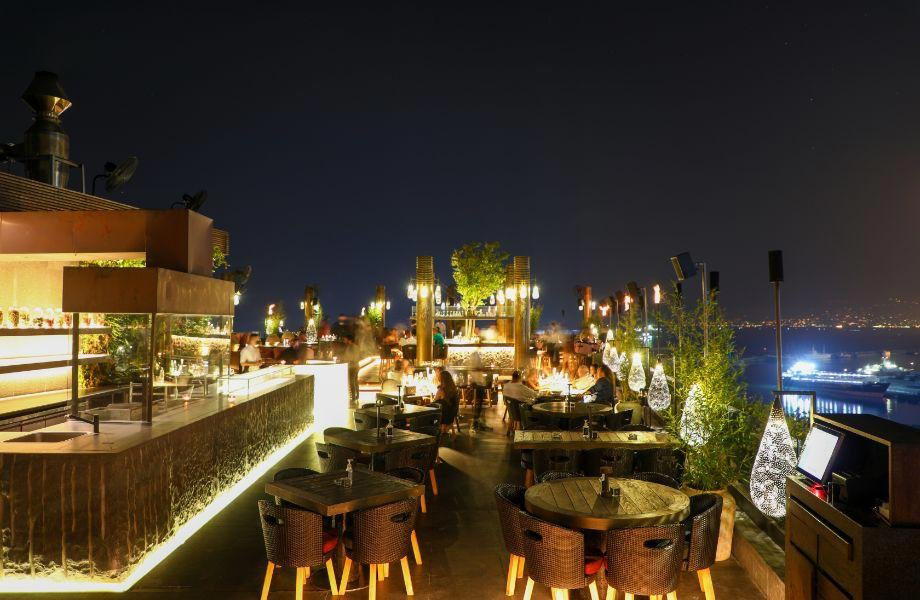
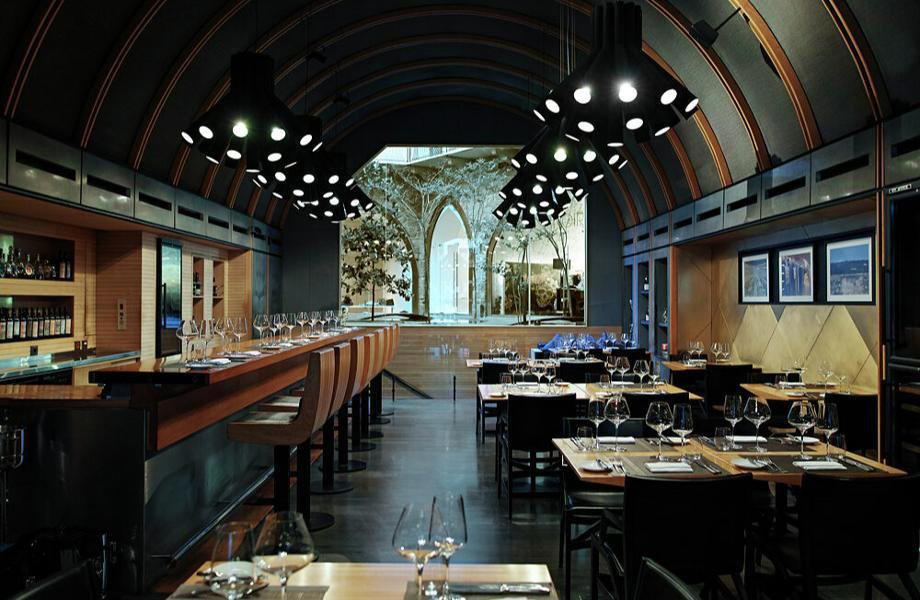
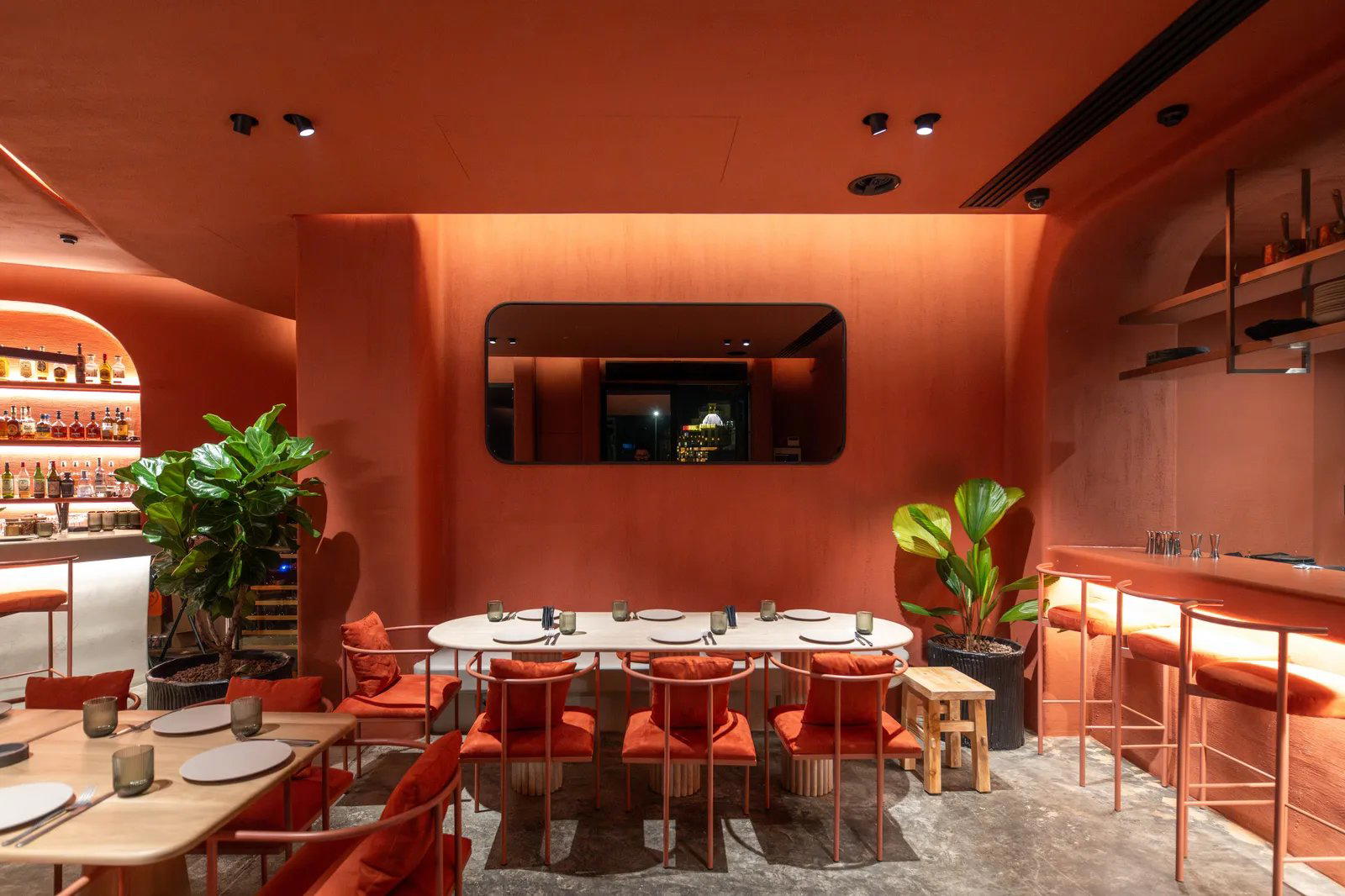
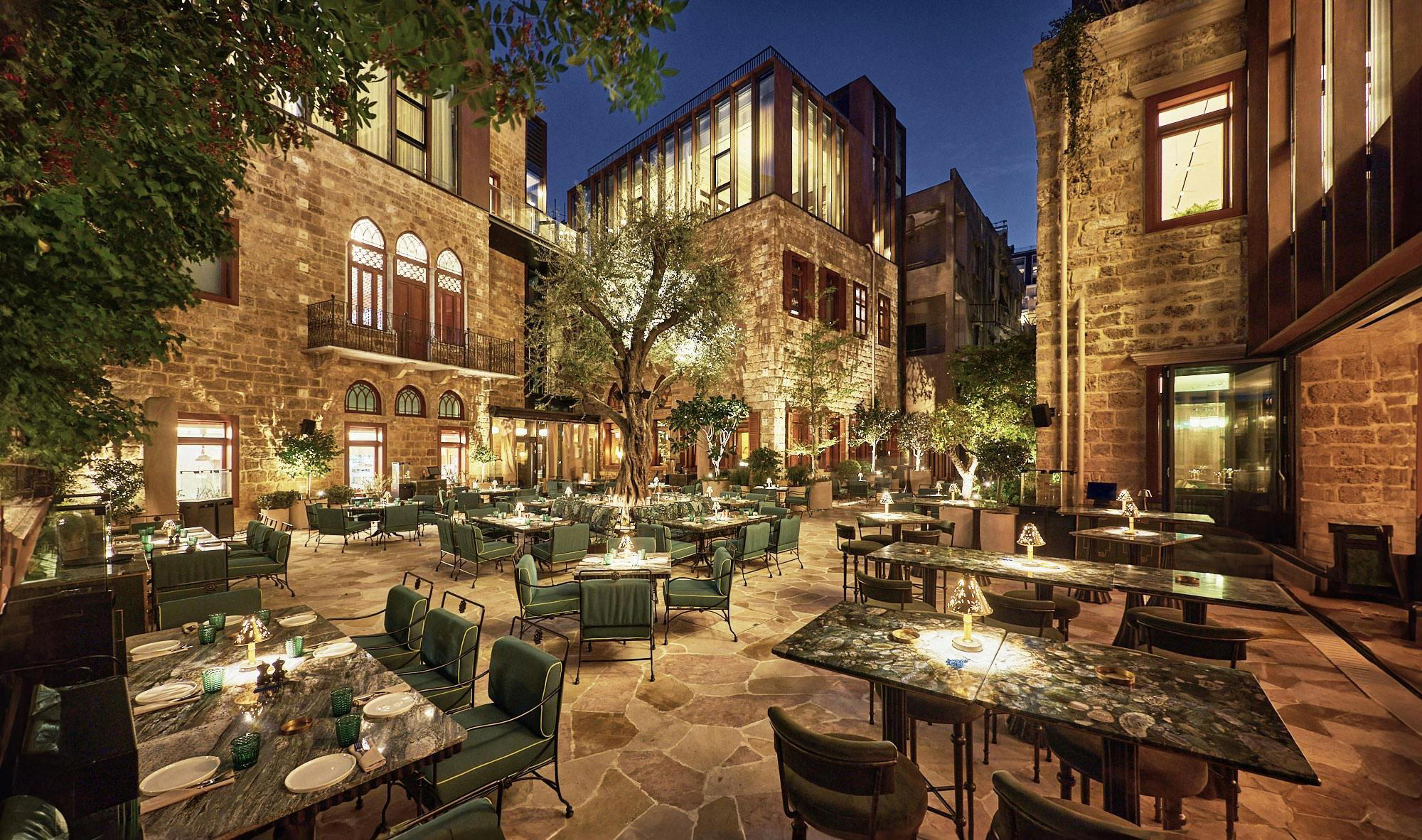
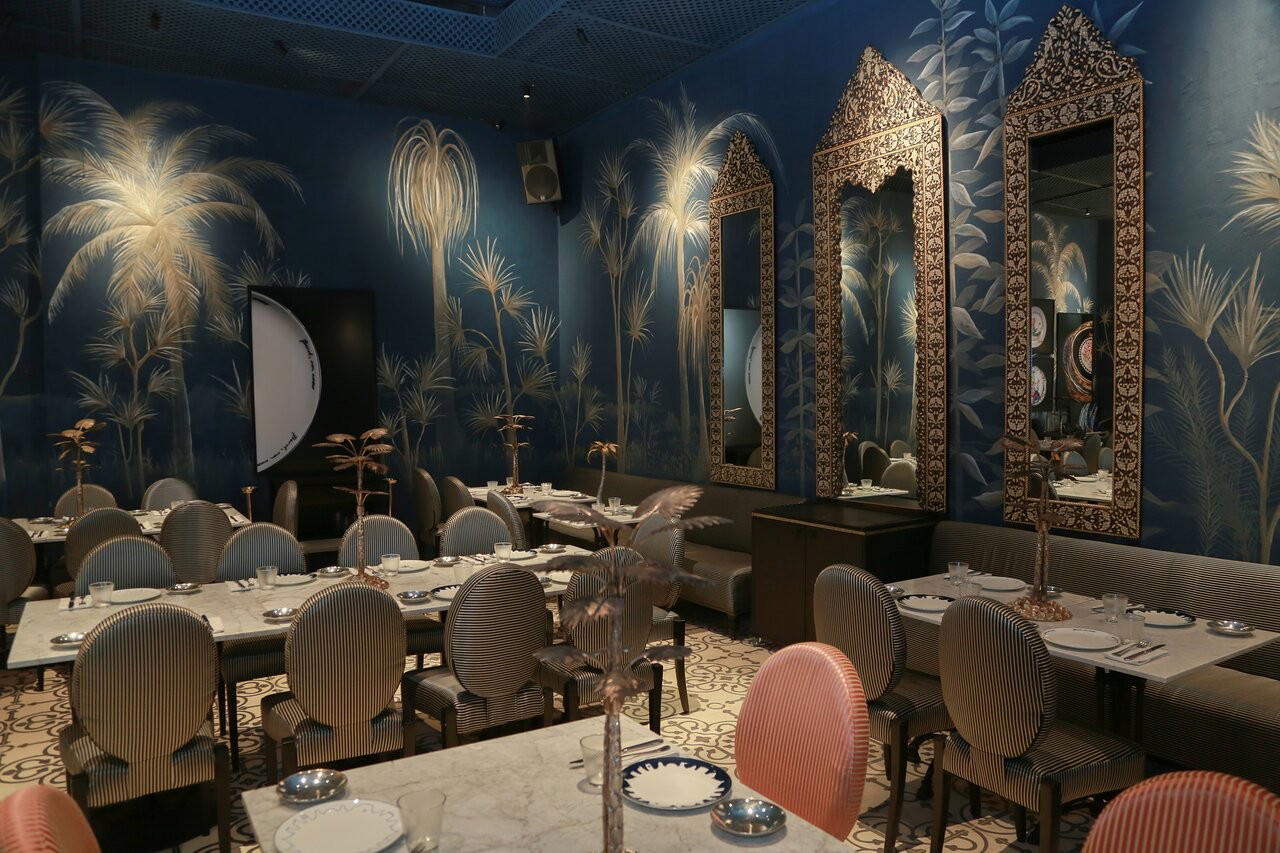
Bars in Beirut
Browse all →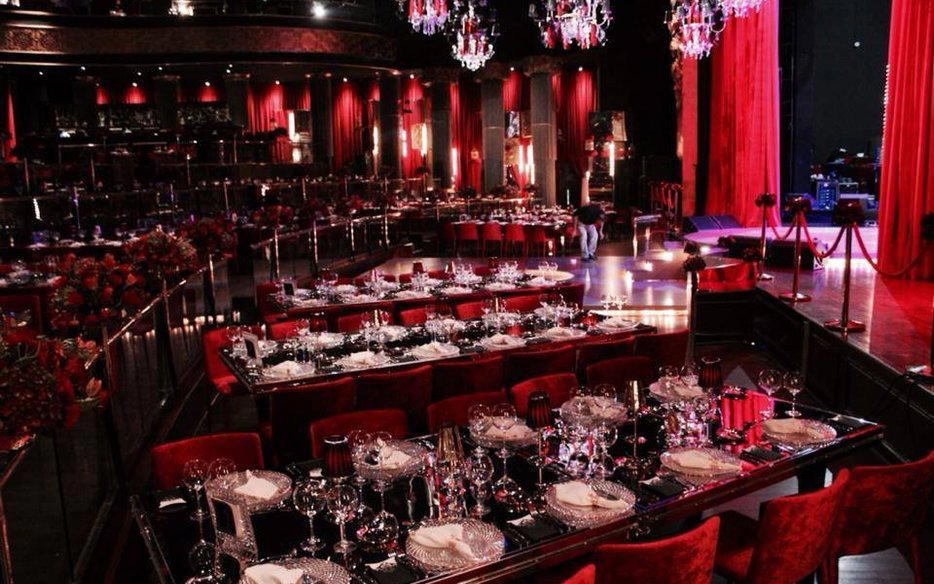
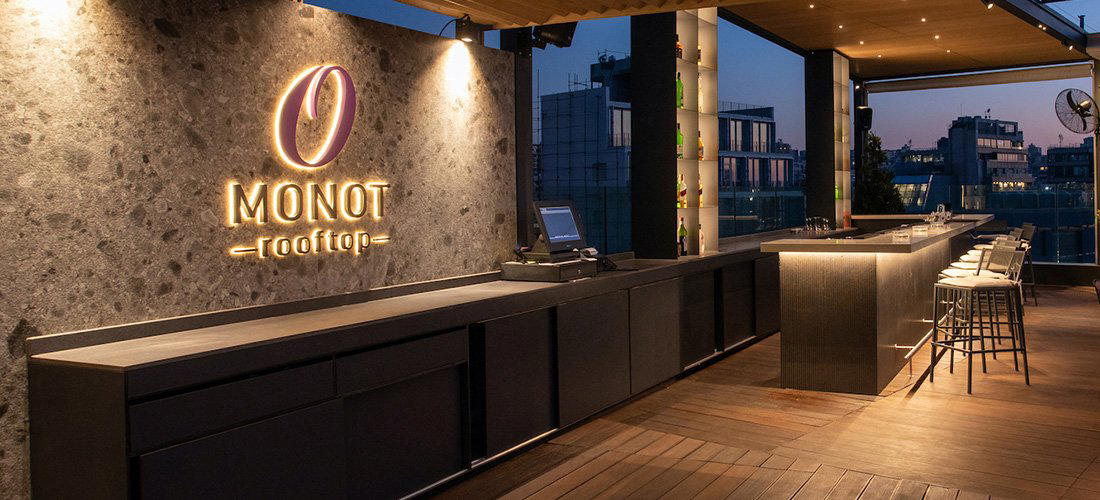
Hotels in Beirut
Browse all →

Details
- Sophisticated
- Elegant
- Modern
- Date Night
- Special Occasion
- Brunch
- Waterfront
- Terrace
- Local Sourcing
- Waterfront
- A La Carte
- Small Plates
- Vegetarian Friendly
- Vegan Options
- Gluten Free Options
- Halal
Current opening hours
- Monday
- 12 PM–12 AM
- Tuesday
- 12 PM–12 AM
- Wednesday
- 12 PM–12 AM
- Thursday
- 12 PM–12 AM
- Friday
- 12 PM–12 AM
- Saturday
- 12 PM–12 AM
- Sunday
- 12 PM–12 AM
Hours can change for holidays and private events. Last verified .
Evocative sandstone interior with illuminated blocks and Beirut skyline depiction, complemented by a terrace overlooking yachts on the Mediterranean.