Liza sits on Rue Trabeau in Beirut as one of the city's most recognised addresses for Lebanese cuisine presented with formal care. The room draws on the country's tradition of abundant, ingredient-led mezze while occupying a tier of the market where sourcing and setting carry equal weight. For visitors orienting themselves in Beirut's dining scene, it represents a clear reference point.
Pearl is the En Primeur Club membership app — saves, bookings, and concierge access live there. Same editors, same standards.
- Address
- Rue trabeau, Beirut, Lebanon
- Phone
- +96171717105
- Website
- lizabeirut.com
- Directions
- Get directions
 Saves & bookings on Pearl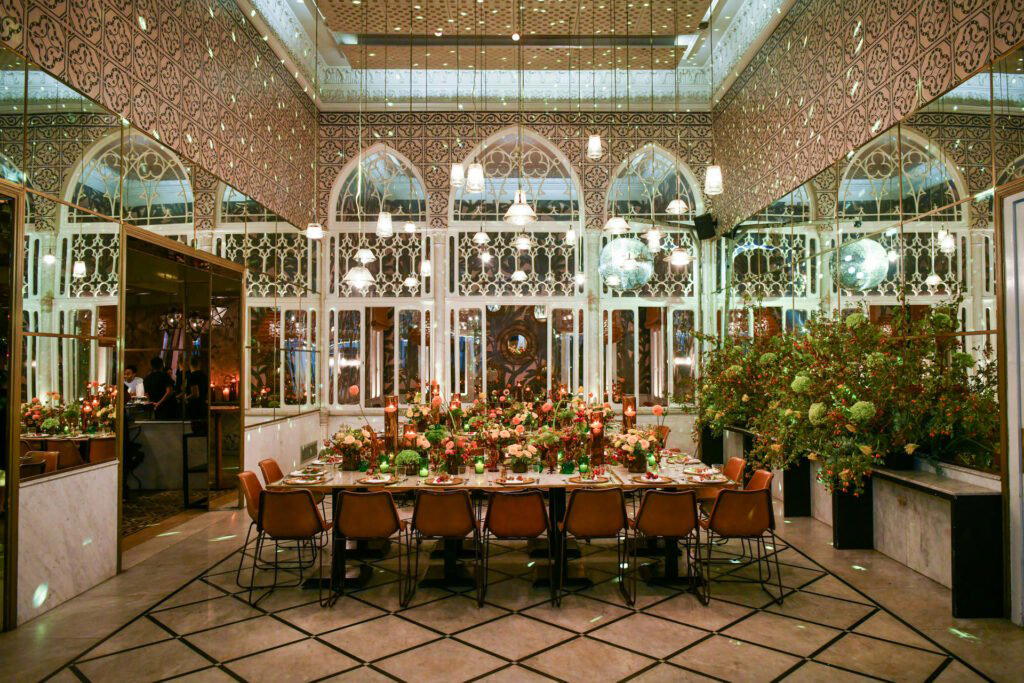
Where the Room Sets the Terms
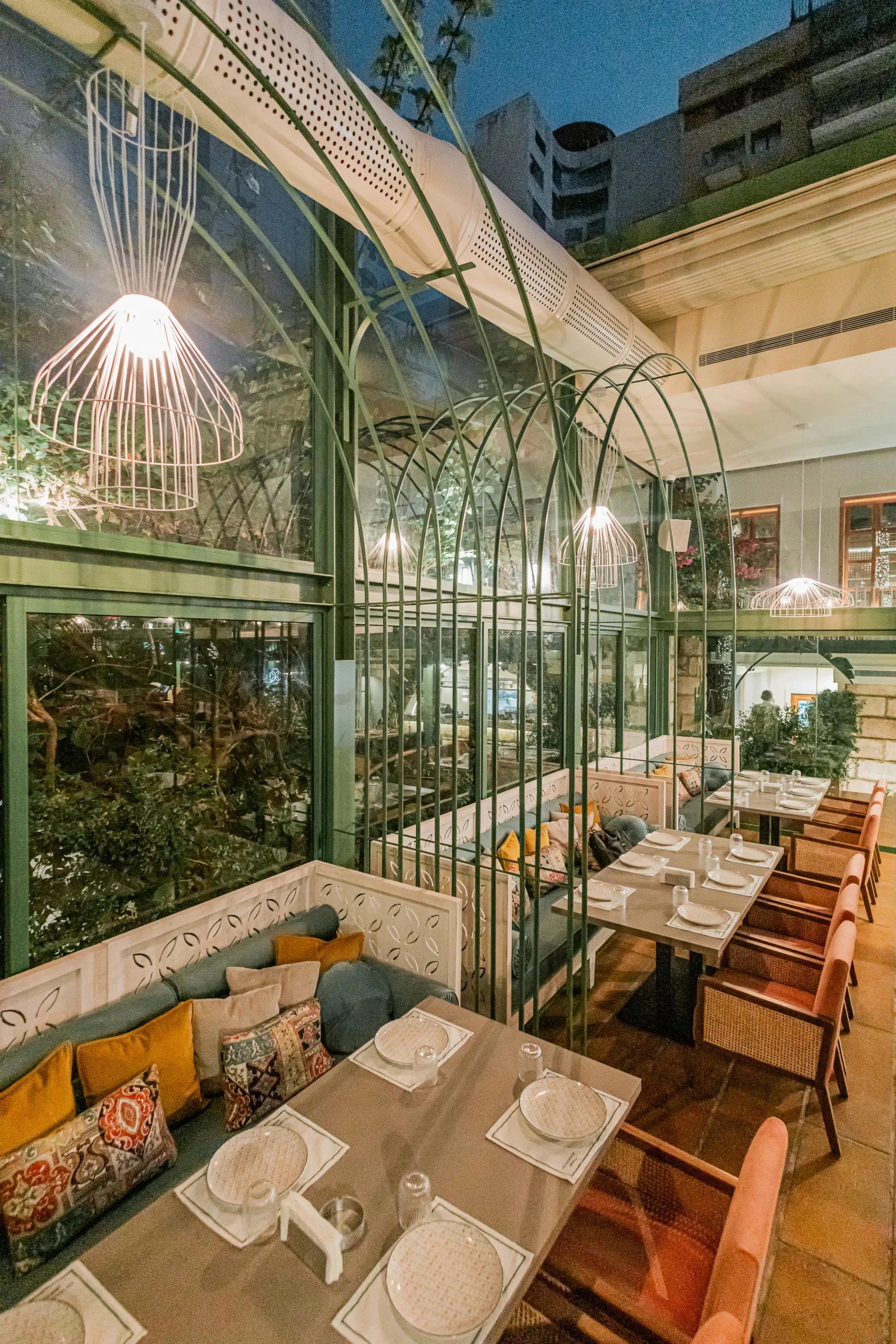
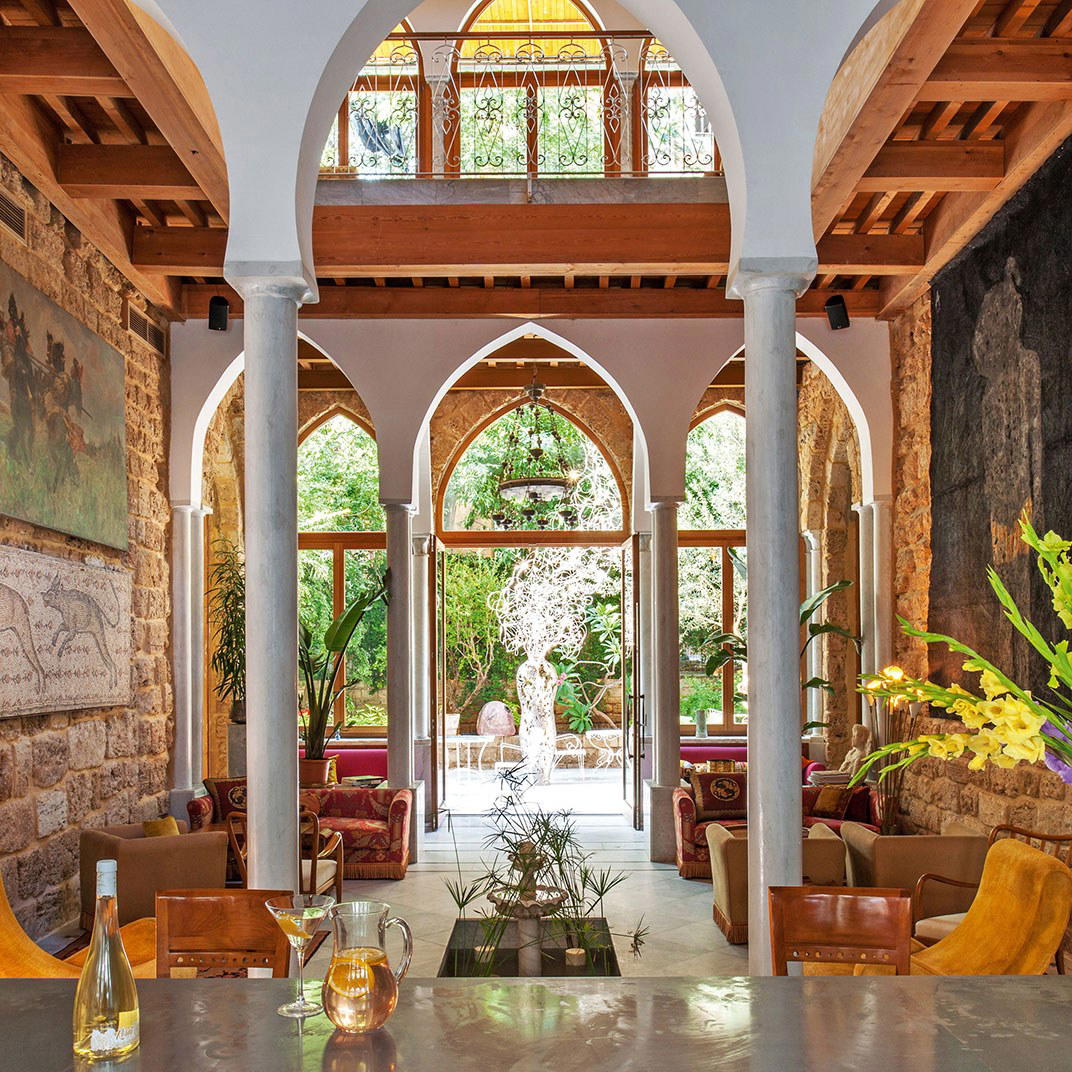
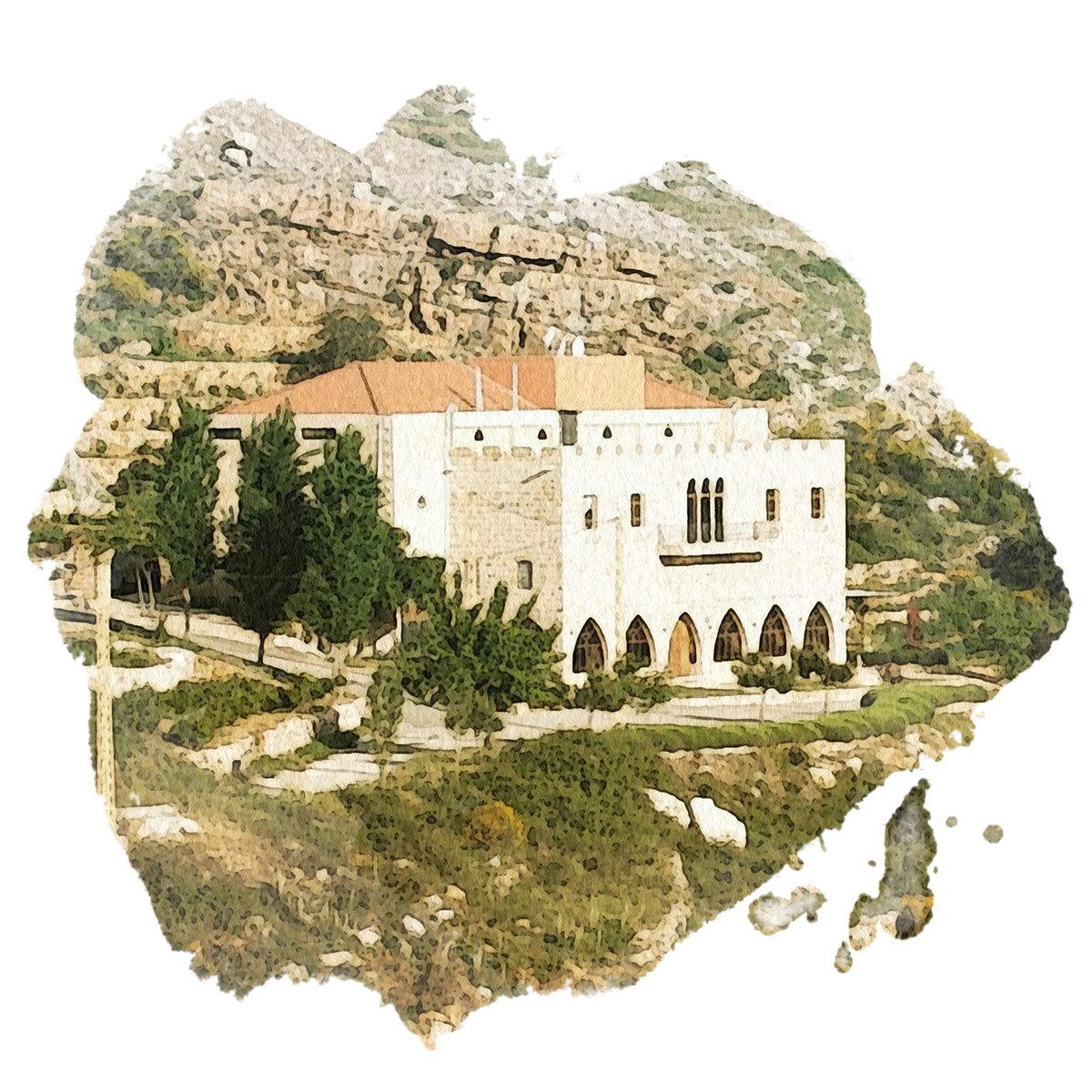
There is a particular category of Beirut restaurant where the architecture does not merely frame the meal but actively instructs it. Walk along Rue Trabeau and you encounter Liza, a modern Lebanese restaurant in Beirut, in that mode: a space where the physical environment signals the register before any plate arrives. The tradition it belongs to is one that treats Lebanese domestic aesthetics, tiled floors, arched doorways, the kind of light that softens a room rather than performing in it, as serious design language rather than nostalgic decoration. Beirut has produced a cluster of restaurants that work in this vein, using the visual vocabulary of the Lebanese house to frame cooking that draws on the same deep well of local knowledge. Liza occupies that category with enough consistency to have built a following among both residents and visitors who arrive already knowing what they want from it.
The Ingredient as the Argument
Lebanese cuisine's authority as a regional tradition rests substantially on what it has always demanded from its ingredients: proximity, seasonality, and specificity of origin. The mezze format, which forms the backbone of most serious Lebanese restaurant menus, is built on this premise. A plate of hummus, a bowl of fattoush, a kibbeh nayeh, each one depends on the sourcing decisions made before the kitchen starts work. The quality of the olive oil, the variety and freshness of the herbs, the provenance of the dairy used in labneh: these are not background details but the central variables on which the dish succeeds or fails.
This is the culinary logic that defines the upper tier of Beirut's restaurant scene, and it is worth understanding before you arrive. Restaurants like Em Sherif have built their reputations on an approach that treats Lebanese pantry ingredients with the same reverence that a French kitchen might apply to its cellar. Al Halabi has taken a similar position on quality of base materials across its menus. Liza operates in a related register: a restaurant where the sourcing philosophy precedes the style conversation, rather than the reverse.
Lebanon's geography makes this kind of sourcing possible in ways that are not available to most urban restaurant markets. The Bekaa Valley produces vegetables, herbs, and grains within a few hours of Beirut. The farms and dairies of the mountain villages supply the raw materials that define the country's mezze tradition. For those interested in how this supply chain extends beyond Beirut, Lakkis Farm in Baalbek offers a direct lens on the agricultural context from which much of Lebanon's restaurant produce is drawn. Laiterie Massabki in Chtoura represents the dairy side of that same supply chain, producing the kind of akkawi and labneh that reach Beirut's better restaurant kitchens in forms worth paying attention to.
How Liza Sits in the Beirut Dining Map
Beirut's restaurant market has undergone repeated disruption over the past decade, and the addresses that have maintained their standing through successive economic and political pressures tend to share certain characteristics: a clear identity, a committed returning clientele, and a format that does not depend on novelty cycles to sustain interest. Liza falls into this cohort. Its position is not built on a tasting-menu format or a single marquee dish but on the accumulated credibility of consistent execution within a clearly understood tradition.
The city offers a range of reference points for Lebanese cuisine at different registers. Al Falamanki Sodeco leans toward the informal and social, a venue where the atmosphere is as important as the food. Albergo Rooftop frames Lebanese cuisine against a view that changes the context entirely. Al Rawda in Shatila operates at the neighbourhood scale where the cooking is inseparable from its community context. Liza occupies a different position: a formal-leaning room where the cooking is presented with care and the setting is controlled enough to put the food in focus. It is a useful reference point for visitors who want Lebanese cuisine in a context that prioritises the plate rather than the backdrop.
For those building a broader picture of Beirut's dining range, our full Beirut restaurants guide maps the city's major addresses across price points and formats.
Beyond Beirut: The Regional Context
Understanding Liza also means understanding that it belongs to a Lebanese dining tradition that extends well beyond the city limits. The same sourcing logic that drives the better Beirut restaurants operates across the country, from the fish restaurants of Jammal in Batroun District to the mountain-village cooking of Kitchen Garage in the Aley District. Feniqia in Byblos applies a similar ingredient-forward sensibility to a coastal context. Shams Restaurant in Aanjar works within the Armenian-Lebanese culinary tradition that adds another dimension to the country's food map.
Within Beirut itself, the restaurant scene has diversified considerably. Onno Bistro in Bourj Hammoud represents the Armenian-inflected side of the city's culinary character. Al Halabi in Matn District extends the Al Halabi approach to a suburban context. Falafel Sahyoun anchors the street-food end of the spectrum. And for those tracking where Lebanese chefs are pushing the technical conversation, BRUT by Youssef Akiki in Keserwan District applies a natural-wine and produce-driven approach that shares philosophical ground with what the more ingredient-focused Beirut restaurants have been doing for years, but through a different formal register. Internationally, the conversation about ingredient-led fine dining at venues like Le Bernardin in New York City or the produce-first philosophy at Atomix in New York City underlines how seriously the global market has taken sourcing as a primary editorial statement, a conversation Lebanese cuisine has been having in its own terms for considerably longer.
Planning Your Visit
Liza is located on Rue Trabeau in Beirut. Liza is open daily from 12 PM to 12 AM, and reservations are recommended. The address is well-established enough that most local taxi drivers and apps will locate it without difficulty. The format and price positioning place it in the mid-to-upper range of Beirut's restaurant market, appropriate for a meal where the sourcing and setting are part of what you are paying for.
At-a-Glance Comparison
Comparable venues nearby, for context on price, style, and recognition.
| Venue | Cuisine | Price | Notes |
|---|---|---|---|
| LizaThis venue — the venue you are viewing | Modern Lebanese | $$$ | Not listed |
| Boubouffe | Lebanese Brasserie | $$ | Achrafieh |
| Le Chef | Authentic Lebanese Home Cooking | $$ | Gemmayze |
| Marinella | Classic Italian Trattoria | $$$ | Mar Mikhael |
| Al Halabi | Classic Lebanese | $$$ | Antelias |
| Tawlet | Traditional Lebanese Home Cooking | $$ | Mar Mikhael |
Continue exploring
More in Beirut
Restaurants in Beirut
Browse all →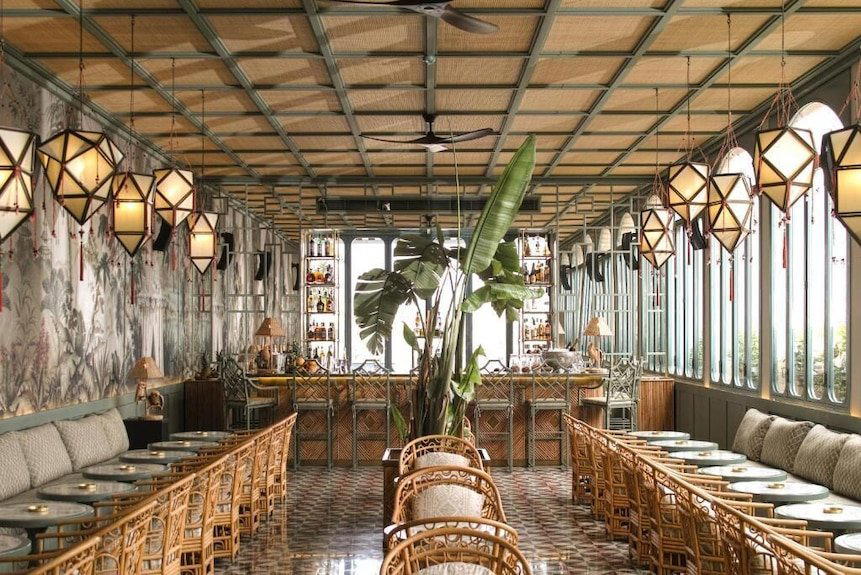
Bars in Beirut
Browse all →
Hotels in Beirut
Browse all →

At a Glance
- Elegant
- Sophisticated
- Cozy
- Modern
- Well Known
- Date Night
- Business Dinner
- Celebration
- Brunch
- Historic Building
- Design Destination
- Organic
Current opening hours
- Monday
- 12 PM–12 AM
- Tuesday
- 12 PM–12 AM
- Wednesday
- 12 PM–12 AM
- Thursday
- 12 PM–12 AM
- Friday
- 12 PM–12 AM
- Saturday
- 12 PM–12 AM
- Sunday
- 12 PM–12 AM
Hours can change for holidays and private events. Last verified .
Elegant and lively atmosphere in a historic house with light-flooded rooms, lavish wallpapers, and a fusion of traditional grandeur and modern lightness.