Michelin Plate
Our verdict
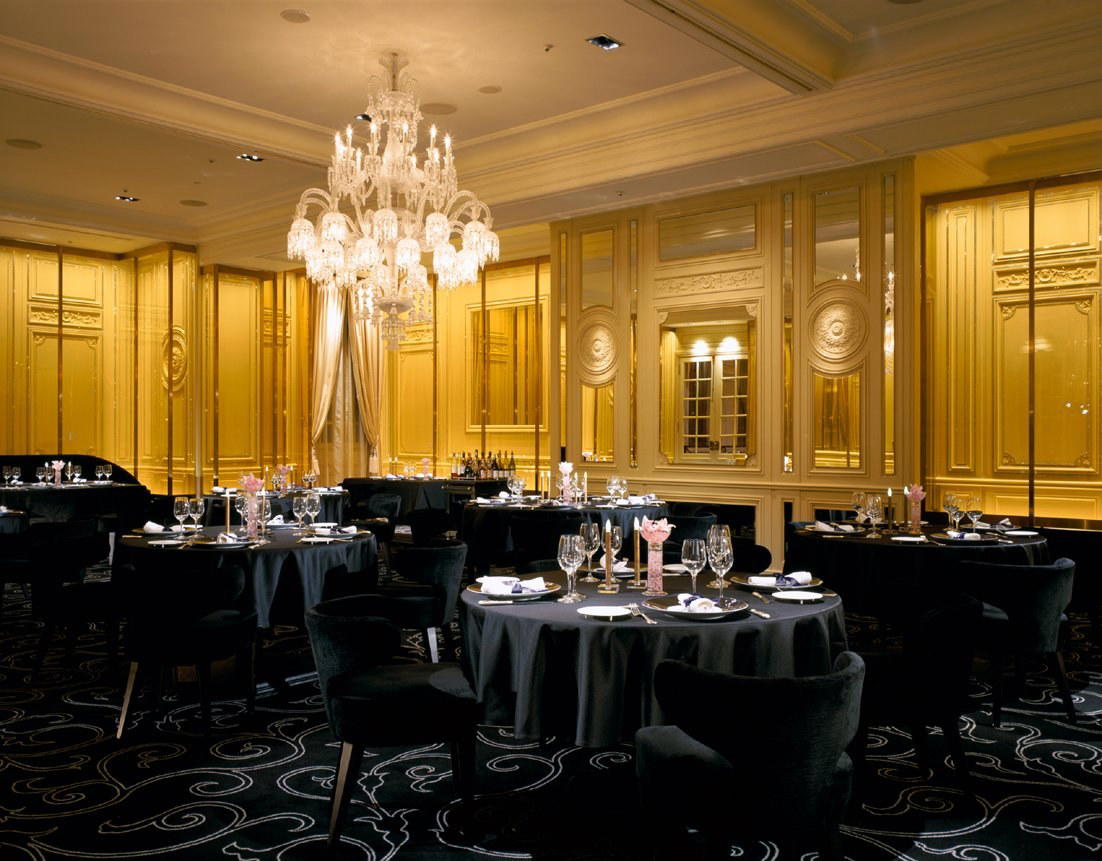
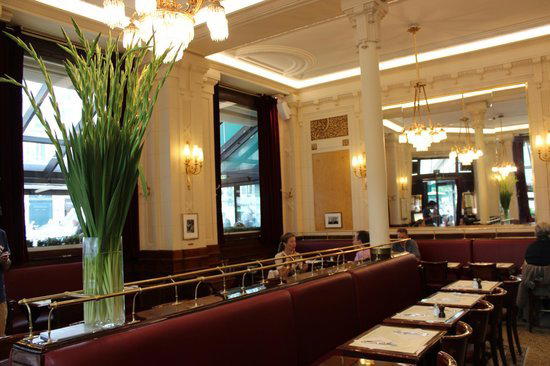
A Michelin Plate-recognised French bistro on a quiet Nakameguro backstreet, Les deux operates on an omakase-only format that lets seasonal Japanese ingredients drive a blackboard menu rooted in French technique. Generous portions, a wine list, and a neighbourhood atmosphere pitched well below the formality of Tokyo's grand French dining rooms make it a practical choice for an unhurried weeknight dinner.

Pearl is the En Primeur Club membership app, where members save venues, book tables and use the concierge.
Nakameguro's French Bistro Register
Tokyo's French dining scene distributes across a wider price and format range than almost any other city outside France itself. At the upper end, multi-starred rooms like L'Effervescence, Sézanne, and ESqUISSE command ¥¥¥¥ prices and months-long waits. Below that stratum sits a smaller, less-discussed tier: neighbourhood French bistros that work with the same seasonal Japanese produce but operate at a more accessible price point and without the architectural formality. That tier is where Les deux, on a backstreet in Kamimeguro, has positioned itself since opening in the Meguro neighbourhood.
The address matters here. Nakameguro and its surrounding streets have, over the past decade, become one of Tokyo's most reliable clusters for serious but low-key dining. The canal-side stretch draws a specific kind of guest: unhurried, interested in the food rather than the occasion, unlikely to be photographing the room. A French bistro operating on this street acquires a neighbourhood credibility that a comparable room in Ginza or Minami-Aoyama would struggle to claim. The walk from Nakameguro Station takes around ten minutes, and the setting reinforces the idea that the meal here is a local event rather than a destination performance.
Omakase Logic Applied to French Technique
The format decision at Les deux is the thing worth understanding before you arrive. Meals are served omakase-style only, which in a French bistro context means the kitchen controls pacing and selection around whatever seasonal produce is performing leading that day. This is not the high-formality omakase of a counter sushi room. It is closer to how a serious French regional kitchen would operate if it had no obligation to print a fixed menu. The blackboard functions as the real menu, updated to reflect what is available and what is working. Alongside the set progression, à la carte items are offered, and half portions are available on some dishes, which gives the table more control over pace and volume than a standard tasting format allows.
Seasonality emphasis connects Les deux to a pattern visible across Tokyo's mid-range French scene, where chefs trained in classical French technique redirect that toolkit toward Japanese seasonal ingredients rather than imported European produce. The approach is not novel at this point, but the execution determines whether it reads as opportunistic or as a genuine synthesis. The 2025 Michelin Plate recognition signals that inspectors found the kitchen consistent enough to warrant acknowledgement, even if it sits below the starred tier occupied by Florilège or the grand-hotel formality of Château Restaurant Joël Robuchon.
The Opening and What the Blackboard Signals
Bistro format, with its reliance on a handwritten or chalked daily menu, carries specific meaning in French food culture. It signals that the kitchen is not coasting on a fixed repertoire. At Les deux, the blackboard acts as a commitment device: dishes change as the season moves, and guests returning in different months will encounter a materially different selection. The opening move described in the kitchen's known approach involves a seafood preparation, specifically a cocktail of snow crab, scallop, and sea urchin, that functions as a flamboyant appetiser, an unusual register for a bistro that otherwise leans toward classic French bistro fare. This tension between the theatrical starter and the more grounded main course section is characteristic of kitchens that have absorbed Japanese ingredient sensibility without abandoning French structural logic.
Portion sizing at a bistro-format restaurant is an editorial decision by the kitchen. The deliberate generosity at Les deux, which the Michelin notes describe as ensuring guests leave feeling full, is a positioning choice as much as a hospitality one. It separates the experience from the restrained, often deliberately unsatisfying portion logic of some contemporary tasting menus and aligns it with the French bistro tradition where a meal is an event with a definite end rather than a sequence of impressions.
Wine as Co-Equal Programme
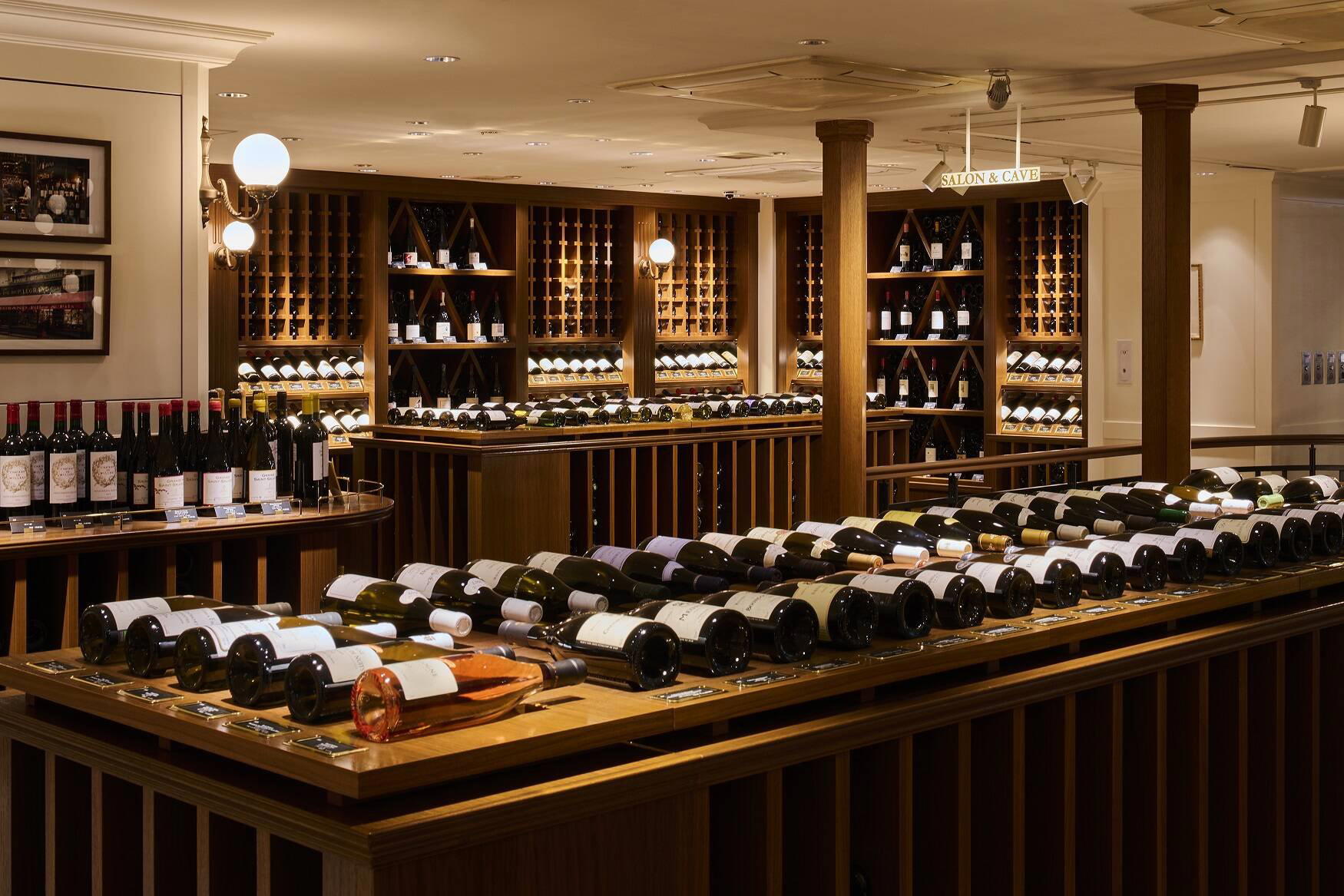
The name Les deux means 'both' in French, and the duality it references is the kitchen and the wine selection, treated here as equal contributors rather than the usual hierarchy where food leads and wine supports. The proprietress's wine curation is presented as a genuine draw alongside the cooking, which is relatively uncommon at this price tier in Tokyo. For guests who choose wine as a serious part of the evening's logic, that co-equal framing is a meaningful signal. It suggests the list has been built with the same seasonal and ingredient-led attention that governs the food.
Tokyo has a deep market for serious wine at restaurants across price points. At the ¥¥¥ level, the wine programme is often an afterthought or a short list of reliable French imports. A room that explicitly centres the proprietress's selections as part of its identity is making a claim that the two halves of the evening, food and wine, are designed in dialogue. Whether that claim holds on any given night depends on the specific guest's engagement with the list, but the framing itself is consistent with the bistro's broader positioning: serious without being ceremonial.
Where Les deux Sits in the Wider Picture
Across Japan, the French-technique-with-local-ingredients model has produced some of the most interesting restaurants of the past decade. HAJIME in Osaka and Gion Sasaki in Kyoto demonstrate how far that synthesis can reach at the three-star level. akordu in Nara and Goh in Fukuoka show the model working in secondary cities with distinct regional ingredient profiles. Les deux operates at a different scale and ambition level than any of those, but it sits in the same broad tradition: a non-Japanese technique applied with genuine attention to Japanese seasonality.
For a wider sense of how Tokyo's dining scene is structured around French cooking specifically, our full Tokyo restaurants guide maps the range from neighbourhood bistros to multi-starred rooms. Those planning a longer stay will find our Tokyo hotels guide, Tokyo bars guide, and Tokyo experiences guide useful for building out the trip. And if the French bistro format itself is the draw, the same model operates in different cultural registers at Les Amis in Singapore and reaches its Swiss expression at Hotel de Ville Crissier in Crissier.
Planning the Visit
Les deux is at 2 Chome-7-2 Kamimeguro, Meguro City, a ten-to-twelve minute walk from Nakameguro Station on the Tokyu Toyoko and Tokyo Metro Hibiya lines. The ¥¥¥ price positioning places it in a bracket below the tasting-menu rooms of central Tokyo but above the casual end of neighbourhood dining. Given the omakase-only format, booking in advance is advisable, particularly for weekend evenings. The half-portion option on some dishes is worth asking about at the start of the meal if you want to cover more of the blackboard. Given the wine programme's stated co-equal status, arriving with enough time to work through the list rather than rushing a single glass makes the most of the room's dual focus. Nearby alternatives for comparison, all within the broader Meguro and Daikanyama orbit, include the starred French rooms mentioned above, though the register and price step up considerably. Also worth knowing: 1000 in Yokohama and 6 in Okinawa offer further reference points for how Japanese chefs are working at the edges of the French tradition in different regional contexts. Our Tokyo wineries guide is also available for those extending the wine focus beyond the restaurant itself.
Frequently asked questions
Would Les deux be comfortable with kids?
Les deux operates an omakase-only format built around a seasonal blackboard menu, with no à la carte ordering beyond select half-portion options. That structure, combined with the intimate bistro setting in Kamimeguro, suits adults or older children comfortable with a set progression of courses. Younger children who require flexibility in ordering or pacing would find the format restrictive.
What's the overall feel of Les deux?
The atmosphere sits closer to a considered neighbourhood bistro than a formal French dining room. The blackboard menu, generous portions, and the proprietress's wine selections create a deliberately convivial register, where the Michelin Plate-recognised kitchen runs French bistro technique without the stiffness that often accompanies it in Tokyo. The dual focus on food and wine, referenced in the name itself, keeps the experience grounded rather than ceremonial.
Is Les deux Michelin-listed?
Les deux has received recognition including: The name means ‘both’, and both the chef’s cuisine and the proprietress’s wine selections make guests feel at home. To showcase the seasonal ingredients’ flavours to the fullest, meals are served omakase-style only. Cocktails of snow crab, ….
What's the must-try dish at Les deux?
The kitchen doesn't publish a fixed menu, so no single dish is guaranteed across visits. That said, the snow crab, scallop, and sea urchin cocktail is cited in the venue's own description as a signature opening, and it reflects the kitchen's approach of applying French bistro logic to premium Japanese seasonal ingredients. Portions are deliberately generous, so an appetiser and main course is typically sufficient.
The Minimal Set
A quick snapshot of similar venues for side-by-side context.
| Venue | Cuisine | Price | Awards | Notes |
|---|---|---|---|---|
| Les deuxThis venue (the venue you are viewing) | Modern French Bistro | $150–200 | Michelin Plate | Not listed |
| Harutaka | Edo-Style Omakase Sushi | $200–300 | 3 Michelin Stars · World's 50 Best #76 | Sushi |
| RyuGin | Modern Kaiseki | $500+ | 3 Michelin Stars · World's 50 Best #41 | Kaiseki, Japanese |
| L'Effervescence | Modern French with Japanese Influences | $200–300 | 3 Michelin Stars · World's 50 Best #69 | French |
| HOMMAGE | Modern French with Japanese Influences | $150–200 | 2 Michelin Stars · World's 50 Best #78 | Innovtive French, French |
| MAZ | Innovative Peruvian-Japanese Fusion | $150–200 | 2 Michelin Stars · World's 50 Best #28 | Innovative |
Recognition history
Dated appearances from independent guides and award organizations, with the underlying list record or original source where available.
Michelin Plate
Michelin
Full recognition history (2 entries)
Michelin Plate
Michelin