







2 Michelin Stars · World's 50 Best #67 · La Liste Top Restaurants
Our verdict
ESqUISSE brings Tokyo French dining into a Ginza register: formal, seasonal, and more reflective than bistro-derived comfort cooking. Chef Lionel Beccat’s kitchen is backed by Michelin two-star recognition, La Liste 93 points for 2026, and long-running Tabelog Award history, placing it in the city’s serious French conversation rather than the casual Parisian mold.

Pearl is the En Primeur Club membership app, where members save venues, book tables and use the concierge.

Ginza changes the grammar of French dining. Paris bistros announce themselves with zinc counters, chalkboards, crowded tables, butter, and stock; in Tokyo’s luxury district, that inheritance moves upward, behind elevator doors, into rooms where pace, silence, and service become part of the cooking. ESqUISSE belongs to this Ginza formality: not bistro in mood or brasserie in scale, but a restaurant showing how far Tokyo has carried French technique from casual European roots.
The room is best read by contrast. A true bistro is democratic, built on repetition, short menus, and dishes that withstand busy service. Tokyo’s French fine-dining tier borrows French kitchen discipline, then filters it through Japanese seasonality, produce obsession, and tasting-menu cadence. For travellers, this is not steak frites as comfort theatre, but French structure in a quieter, more seasonal Tokyo format.
French technique, Japanese seasonality, and the distance from the bistro table
The old bistro tradition depends on appetite and familiarity: terrines, roast chicken, blanquette, lentils, pâté en croûte, whatever the house repeats well. Tokyo’s mature French restaurants often use France less as nostalgia than as technical language. Sauces, reductions, pastry craft, sequencing, and wine service remain central, but convivial abundance shifts to precision and restraint.
That is where ESqUISSE sits. Chef Lionel Beccat’s cooking is French, while the restaurant’s published framing places Japanese ingredients and sensibilities inside that vocabulary. Menu items are named after the traditional 24 divisions of the seasons, a Japanese calendar structure tied to the sun’s celestial longitude. The detail signals micro-seasonal thinking, closer to kaiseki’s temporal logic than bistro repetition.
ESqUISSE is a case study in Tokyo’s relationship with French cuisine. The city has absorbed, professionalised, and made it compete with sushi counters, kappo rooms, and kaiseki restaurants on product quality and technical control. Its two Michelin stars in 2025, La Liste 93 points in 2026, Tabelog Award 2026 Bronze status, and 2026 Opinionated About Dining Highly Recommended listing place it in a crowded, technically literate Ginza field where diners can compare serious French rooms within a short taxi ride.
The comparison is not Parisian neighbourhood bistros but other Tokyo addresses using French technique at premium scale. amarantos operates in the same French and ¥¥¥¥ bracket, while Ginza L’écrin, L’AFFINAGE, l’Odorante par Minoru Nakijin, and Gendaisaryo Ginza Fugetsudo sit in adjacent French territory at a slightly lower listed price tier. The distinction is intent: polished familiarity, chef-led composition, or Japanese-seasonal reinterpretation of the French canon.
Ginza turns French dining into ceremony
Ginza rewards discretion, rent-efficient vertical addresses, and clientele used to formality without theatrical excess. French dining here loses bistro noise and gains ceremony: longer meals, sommelier presence, private-room options, and dining rooms designed for concentration. ESqUISSE, with 38 seats and private rooms for four or six, fits that pattern: neither tiny counter nor hotel spectacle, but a middle scale allowing formality without large-room anonymity.
That scale matters. Tokyo French dining has split into intimate chef counters, grand hotel rooms, wine-led neighbourhood restaurants, and destination tasting-menu rooms. ESqUISSE sits in the last category, with only the chef’s choice course listed for reservations. The format removes bistro flexibility but clarifies purpose: diners buy sequence, timing, and the kitchen’s seasonal interpretation, not a choice among classics.
Beccat gives ESqUISSE a French foundation, but its stronger point is its place in Tokyo’s long fascination with French cuisine. Since the postwar rise of French haute cuisine in Japan, Tokyo has treated French technique with reverence and independence, asking what happens when French structure meets Japanese product calendars, service codes, and precision.
The awards pattern is coherent. Tabelog history runs from a Gold Award in 2017 through multiple Silver Awards from 2018 to 2025 and Bronze in 2026, plus Tabelog French Tokyo 100 selections in 2021, 2023, and 2025. Awards are not dinner, but they show sustained local recognition in a category Japanese diners scrutinise closely. Asia’s 50 Best Restaurants listed ESqUISSE at No. 67 in 2025, adding a regional signal.
How to place it in a Tokyo dining itinerary
For travellers, the question is less “French or Japanese” than “which version of Tokyo formality fits the trip.” Sushi counters offer compression and directness; kaiseki offers seasonal ceremony through Japanese form; high-end French in Ginza offers another angle on the same city values. ESqUISSE suits diners wanting French technique interpreted through Tokyo’s seasonal discipline, not casual bistro warmth or à la carte spontaneity.
The practical rhythm reinforces that. Lunch and dinner run in narrow seating windows on operating days, with Wednesday the regular closure. Reservations are by phone during stated daytime hours, and the restaurant asks for allergies, disliked ingredients, previous visits, and seating preference. A jacket is recommended for men, extremely casual clothing is discouraged, and the room is non-smoking. These are details of ceremony, not drop-in dining.
Budget accordingly. Published Tabelog ranges place 2026 dinner at JPY 30,000 to JPY 39,999 and lunch at JPY 20,000 to JPY 29,999, plus a 12 percent service charge. Private rooms cost extra. The bistro value proposition does not survive here. What remains from France is technique, sequencing, wine culture, and the idea of the restaurant as civic stage; Tokyo adds seasonality, composure, and sharper occasion.
Readers mapping Tokyo can use Our full Tokyo restaurants guide for context, then compare French-adjacent choices such as amarantos, ABBESSES, abysse, Alchimiste, and Alternative. For trip planning beyond dinner, keep Our full Tokyo hotels guide, Our full Tokyo bars guide, Our full Tokyo wineries guide, and Our full Tokyo experiences guide alongside the restaurant shortlist.
For a wider Japan and French-dining frame, compare how formality changes across regions and formats: -Grilled beef Sukiyaki- KAMAKURA TANUKIAN 鎌倉 たぬき庵 in Kamakura.cafe in Osaka.know in Kumamoto, (Shoku) Vietnam in Kawasaki, [Curry Senmon Ten] Maruyama Kyoju. in Sapporo, [ki:] in Kyoto, 3 Fils Counter, French in Dubai, and 3G Trois Gourmands, French in Ho Chi Minh City. The through-line is useful: French cuisine travels well, but the host city decides whether it becomes comfort, ceremony, or something between.
Frequently asked questions
Would ESqUISSE be comfortable with kids?
The restaurant generally limits dining to junior high school age and above. Private rooms may be used by quiet elementary school children, and ESqUISSE lists private rooms for 4 or 6 guests at its Ginza address.
What should I expect atmosphere-wise at ESqUISSE?
Expect a formal Ginza dining room with 38 seats, private rooms, and a 12% service charge. The setting is positioned for longer meals and sommelier-led service, which suits its Michelin-starred French format in Tokyo.
What should I expect cuisine-wise at ESqUISSE?
ESqUISSE serves French cuisine.
Is ESqUISSE more mid-range or high-end?
Pricing at ESqUISSE is listed as ¥¥¥¥.
What days is ESqUISSE closed?
Hours at ESqUISSE: Hours: Monday 12–1 pm, 6–8:30 pm Tuesday 12–1 pm, 6–8:30 pm Wednesday Closed Thursday 12–1 pm, 6–8:30 pm Friday 12–1 pm, 6–8:30 pm Saturday 12–1 pm, 6–8:30 pm Sunday 12–1 pm, 6–8:30 pm.
What part of town is ESqUISSE in?
ESqUISSE is located in Tokyo.
Comparable venues nearby, for context on price, style, and recognition.
| Venue | Cuisine | Price | Awards | Notes |
|---|---|---|---|---|
| ESqUISSEThis venue (the venue you are viewing) | Modern French with Japanese Influences | $200–300 | 2 Michelin Stars · World's 50 Best #67 | Not listed |
| HOMMAGE | Modern French with Japanese Influences | $150–200 | 2 Michelin Stars · World's 50 Best #78 | Taitō |
| Château Restaurant Joël Robuchon | Modern French Fine Dining | $300–500 | 3 Michelin Stars · La Liste Top Restaurants | Meguro |
| L'OSIER | Classic French Fine Dining | $300–500 | 3 Michelin Stars · La Liste Top Restaurants | Chūō |
| Azabu Kadowaki | Modern Japanese Kaiseki with Truffle Rice | $300–500 | 3 Michelin Stars · La Liste Top Restaurants | Minato |
| L'Effervescence | Modern French with Japanese Influences | $200–300 | 3 Michelin Stars · World's 50 Best #69 | Minato |
Recognition history
Dated appearances from independent guides and award organizations, with the underlying list record or original source where available.
Michelin 2 Stars
Michelin
World's 50 Best Asia's Best Restaurants #67
World's 50 Best
La Liste Top Restaurants
La Liste
Star Wine List
Star Wine List
Black Pearl 1 Diamond
Black Pearl
Full recognition history (18 entries)
Opinionated About Dining Top Restaurants in Japan Highly Recommended
Opinionated About Dining
Tabelog Bronze #67
Tabelog
Black Pearl 1 Diamond
Black Pearl
La Liste Top Restaurants
La Liste
Michelin 2 Stars
Michelin
Opinionated About Dining Top Restaurants in Japan Ranked #129
Opinionated About Dining
Tabelog 100 #97 · No. 97
Tabelog · Tabelog 100 - French - TOKYO - 2025
Tabelog Silver
Tabelog
Tabelog Chef's Gold
Tabelog
The Best Chef Two Knives
The Best Chef
Michelin 2 Stars
Michelin
Opinionated About Dining Top Restaurants in Japan Ranked #121
Opinionated About Dining
Opinionated About Dining Top Restaurants in Japan Ranked #116
Opinionated About Dining
Continue exploring
More in Tokyo
Restaurants in Tokyo
All restaurants in Tokyo →
Bars in Tokyo
All bars in Tokyo →


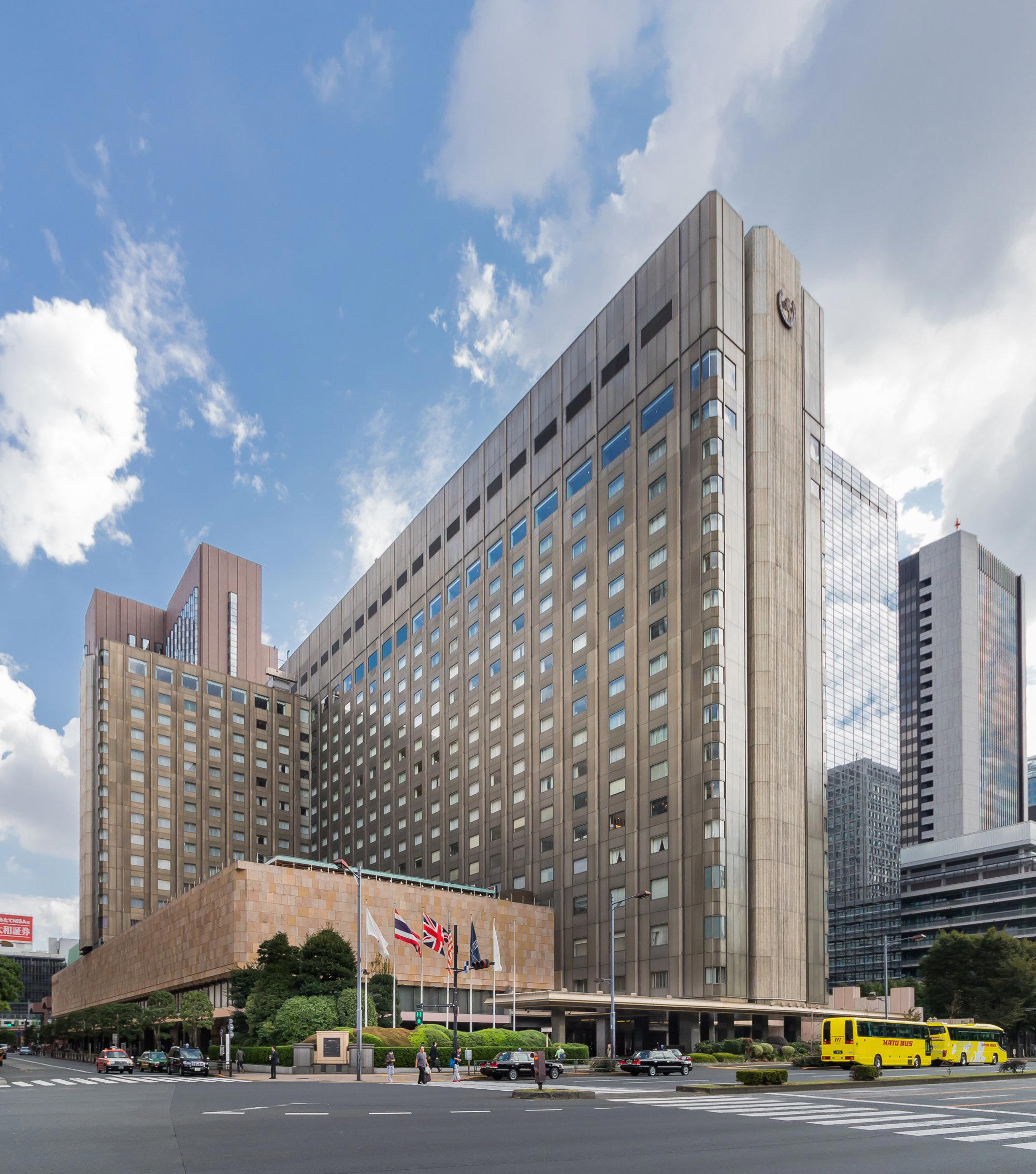

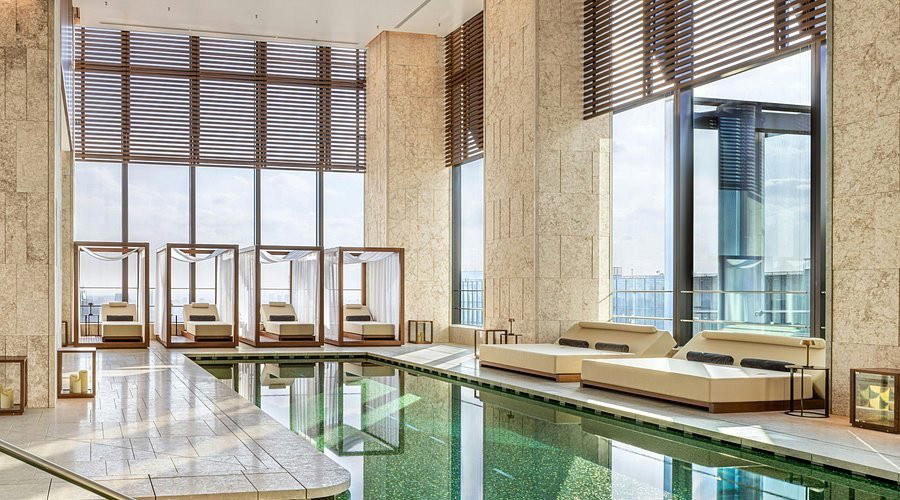
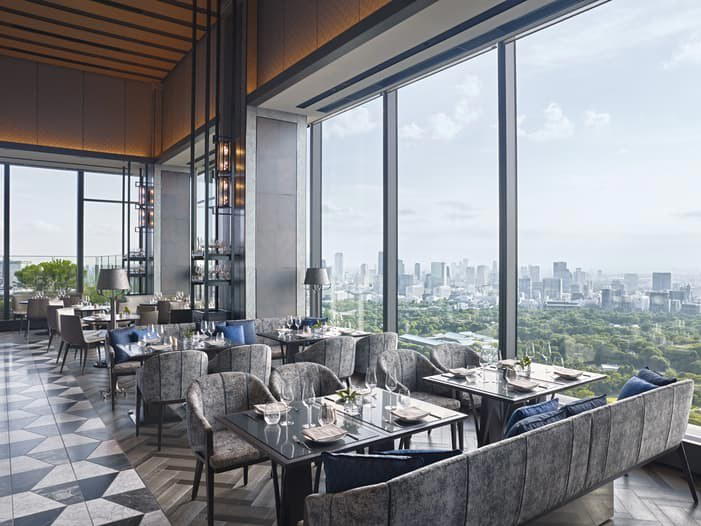
ESqUISSE
The wine
- Wine program
- Deep wine list
- Extensive wine list
- Sake program
Details
- Elegant
- Sophisticated
- Intimate
- Modern
- Date Night
- Special Occasion
- Business Dinner
- Sake Program
- Extensive Wine List
- Street Scene
- Tasting Menu
- Vegetarian Friendly
Current opening hours
- Monday
- 12–1 p.m., 6–8:30 p.m.
- Tuesday
- 12–1 p.m., 6–8:30 p.m.
- Wednesday
- Closed
- Thursday
- 12–1 p.m., 6–8:30 p.m.
- Friday
- 12–1 p.m., 6–8:30 p.m.
- Saturday
- 12–1 p.m., 6–8:30 p.m.
- Sunday
- 12–1 p.m., 6–8:30 p.m.
Hours can change for holidays and private events. Hours as of .
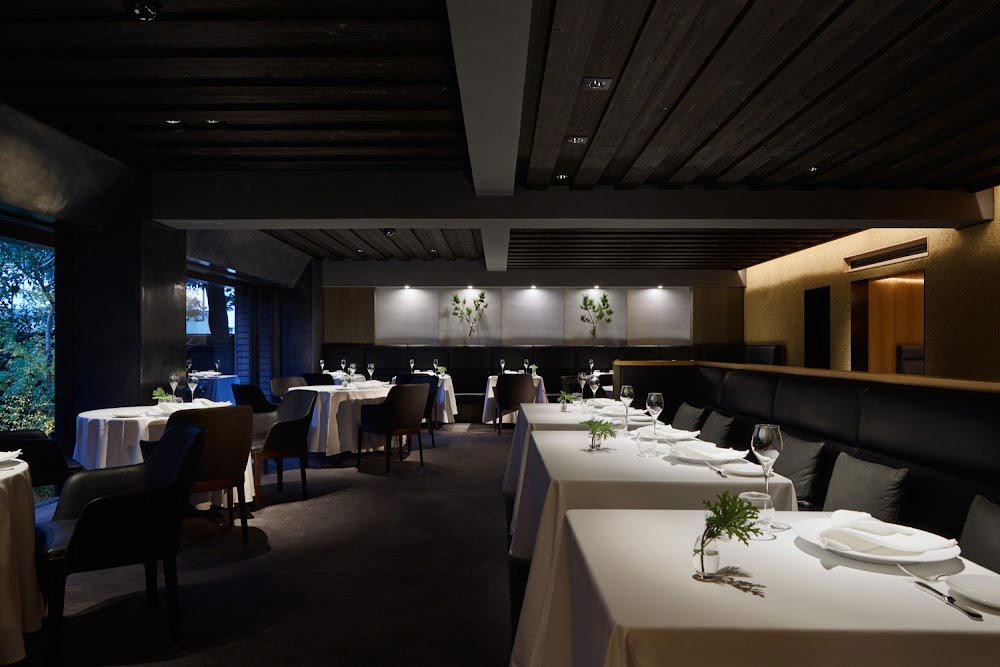
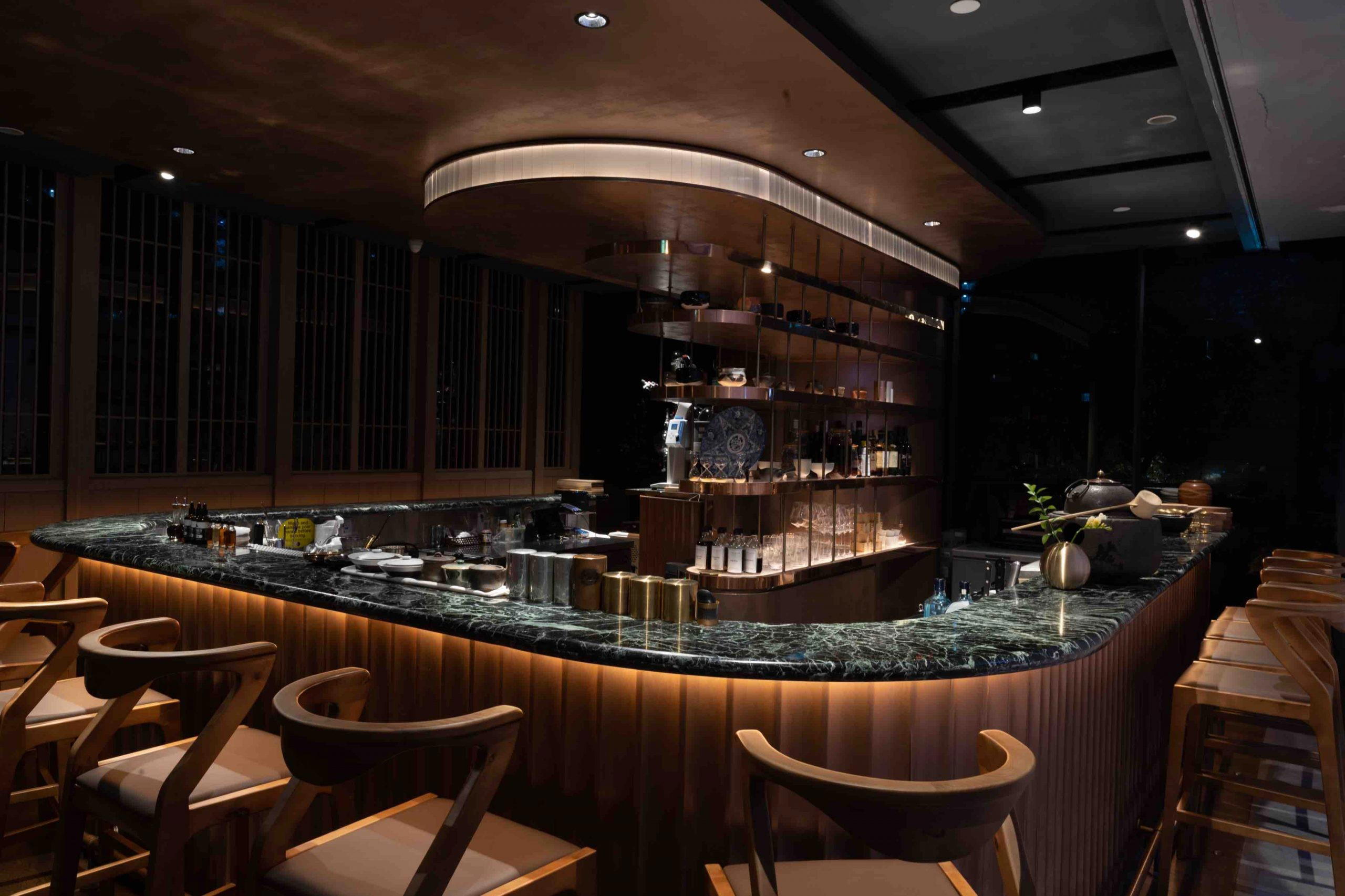
Refined and elegant with simple decor, well-spaced tables, chic lighting, privacy, and Ginza night views.