

In Takadanobaba, L'AMITIE occupies the quieter end of Tokyo's French dining spectrum: a neighbourhood bistro built around the shared rhythms of French country cooking rather than the precision-tasting formats that dominate the city's higher price tiers. Meat terrine, cassoulet, and red-wine-braised beef cheek anchor the menu, all prepared to share between two.
Pearl is the En Primeur Club membership app — saves, bookings, and concierge access live there. Same editors, same standards.
- Address
- 2 Chome-9-12 Takadanobaba, Shinjuku City, Tokyo 169-0075, Japan
- Phone
- +81 3-5272-5010
- Website
- ge4r600.gorp.jp
- Directions
- Get directions
 Saves & bookings on Pearl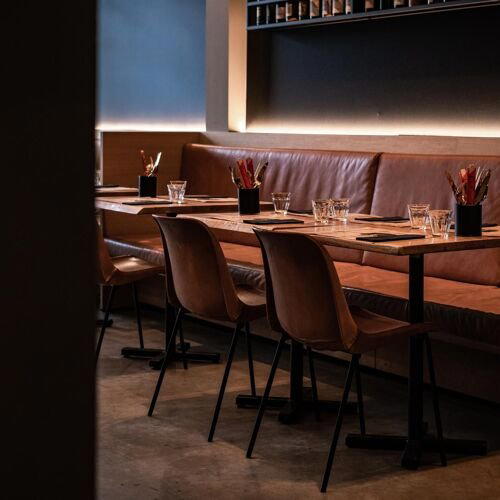
A Different Frequency of French Dining in Tokyo
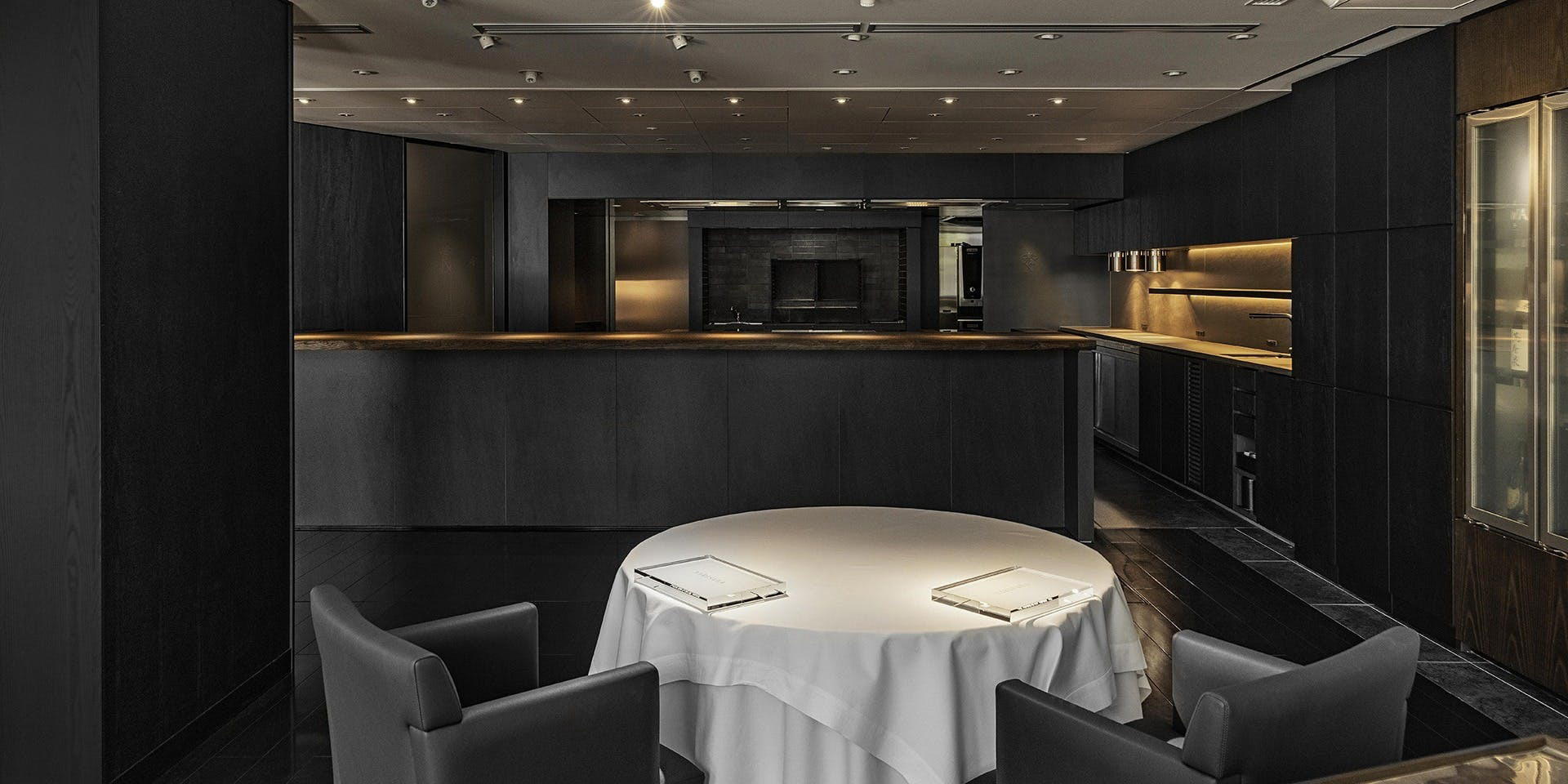
Tokyo's French restaurant scene operates across a wide register. At the upper end, Michelin-decorated houses like L'Effervescence, Sézanne, and ESqUISSE operate on multi-course tasting formats where the kitchen's technical ambitions are the central subject of the meal. Below that tier sits a quieter category: the bistro, where the social logic of French eating, communal plates, wine by the carafe, an unhurried pace, matters as much as what arrives on the plate. L'AMITIE, a French Bistro in Takadanobaba, Tokyo, belongs to that second register. Its pitch is not refinement or innovation but something more specific: the daily-life atmosphere of a French provincial diner, reconstructed in a corner of Shinjuku that most visitors never reach.
That positioning makes L'AMITIE part of a broader pattern in Tokyo dining. The city has a long history of absorbing foreign culinary traditions at high fidelity, then expressing them across multiple price points. Stronger examples from the French tier, houses like Florilège or Château Restaurant Joël Robuchon, commands serious prices and international attention. The bistro tier works differently: it asks for regulars, not occasion diners, and its success depends on whether it can reproduce the particular ease of a French neighbourhood restaurant. L'AMITIE holds, a signal that the atmosphere lands for people who are looking for exactly that.
How the Meal Moves
French bistro cooking has a built-in narrative arc, and the restaurant's menu follows it without deviation from the template. The progression is familiar by design: charcuterie and terrine to open, a slow-cooked main to anchor the middle, and the unhurried close that comes from food that was never trying to impress through speed or technique.
Meat terrine à la campagne marks the entry point. In French country cooking, terrine is a test of patience and proportion: the balance of fat, the coarseness of the grind, the seasoning held in suspension over days of resting. It arrives as something that requires no explanation, only bread and, ideally, cornichons. The shared format, à la carte items are prepared for two, means this opening course does the social work it was always meant to do, drawing the table together before anything else arrives.
Cassoulet sits in the middle register of the meal. The dish has a long and argumentative history in southwest France, with the towns of Castelnaudary, Carcassonne, and Toulouse each claiming authority over the canonical version. What matters at a bistro table is less the regional debate than the effect: a deep, slow-cooked accumulation of duck or pork confit, white beans, and sausage that transforms a cold evening into something manageable. In Tokyo, where the winters are damp rather than severe, cassoulet carries its atmosphere as much as its warmth.
Beef cheek braised in red wine closes the savoury arc. Cheek is a cut that rewards long cooking in a way that more expensive cuts don't: the collagen breaks down into a sauce that needs no thickening, and the meat itself holds together in a way that fillet never would. The red wine in the braise does structural work, not decorative work. This is the kind of dish that separates a kitchen that understands French country cooking from one that simply lists it.
Takadanobaba as Context
The neighbourhood matters to how the restaurant functions. Takadanobaba sits in the northwest of Shinjuku ward, a district more associated with student life and local commerce than with destination dining. It lacks the concentrated restaurant density of Ginza or the design-led venues of Ebisu, which means the French bistro format here serves a local audience first. That is precisely the condition a bistro requires to operate authentically: it needs regulars who arrive without ceremony, eat unhurriedly, and return the following week.
For visitors extending beyond the usual Tokyo dining circuits, Takadanobaba represents the kind of neighbourhood that reveals how the city actually eats, away from the clusters that attract international coverage. The area is accessible by train and sits within reasonable distance of Shinjuku's main transport hub, making logistics direct even for first-time visitors to the city.
Where L'AMITIE Sits in the Wider Picture
Tokyo's French dining tiers are well defined. The Michelin-starred end draws comparisons across Asia and Europe; the bistro tier draws less attention but serves a different function entirely. The restaurant's ¥¥ price positioning places it well below the ¥¥¥¥ bracket occupied by L'Effervescence or the innovative French format at Crony, and that gap is the point. The meal here costs what a meal in a decent Paris arrondissement bistro costs, which is the implicit promise of the format.
For those tracking French cooking across Japan, the register shifts considerably by city. HAJIME in Osaka operates at the opposite end of the spectrum from the restaurant in terms of ambition and format. Regional comparisons further afield, Gion Sasaki in Kyoto, akordu in Nara, Goh in Fukuoka, operate across different cuisines and price tiers entirely, but they illustrate how Japan's regional dining culture varies from the capital's density. Closer geographically, 1000 in Yokohama and 6 in Okinawa represent the spread of the EP Club network across the wider Tokyo-Japan corridor.
Internationally, the French bistro format the restaurant works within has strong expressions in Europe: Hotel de Ville Crissier in Crissier operates at a different scale, while Les Amis in Singapore represents how formal French dining expresses itself in another major Asian city. The contrast in all three cases underlines what makes the bistro format distinct: its deliberate resistance to occasion-dining logic.
Planning Your Visit
The restaurant is located at 2 Chome-9-12 Takadanobaba, Shinjuku City, Tokyo 169-0075, a short walk from Takadanobaba Station. The ¥¥ price range makes it an accessible option within Tokyo's French dining tier. Given the intimate scale of the room and the neighbourhood's local character, reservations in advance are advisable, particularly for weekend evenings.
Cuisine Context
Comparable venues nearby, for context on price, style, and recognition.
| Venue | Cuisine | Price | Awards | Notes |
|---|---|---|---|---|
| L'AMITIEThis venue — the venue you are viewing | French Bistro | $$$ | Bib Gourmand | Not listed |
| Quatre Vingt Douze | Modern French Fine Dining | $$$ | Michelin Plate | Setagaya |
| Ma Poule | Jura Regional French | $$$ | Bib Gourmand | Bunkyō |
| Äta | French Seafood Bistro | $$$ | Michelin Plate | Shibuya |
| LAUBURU | Basque French | $$$ | Bib Gourmand | Minato |
| ete | Modern French Fine Dining | $$$$ | Not listed | Shibuya |
Recognition history
Dated appearances from independent guides and award organizations, with the underlying list record or original source where available.
Michelin Bib Gourmand
Michelin
Tabelog 100 #94 · No. 94
Tabelog · Tabelog 100 - French - TOKYO - 2025












At a Glance
- Cozy
- Elegant
- Intimate
- Date Night
- Special Occasion
- Standalone
Current opening hours
- Monday
- Closed
- Tuesday
- 5–11 PM
- Wednesday
- 5–11 PM
- Thursday
- 5–11 PM
- Friday
- 5–11 PM
- Saturday
- 5–11 PM
- Sunday
- Closed
Hours can change for holidays and private events. Last verified .
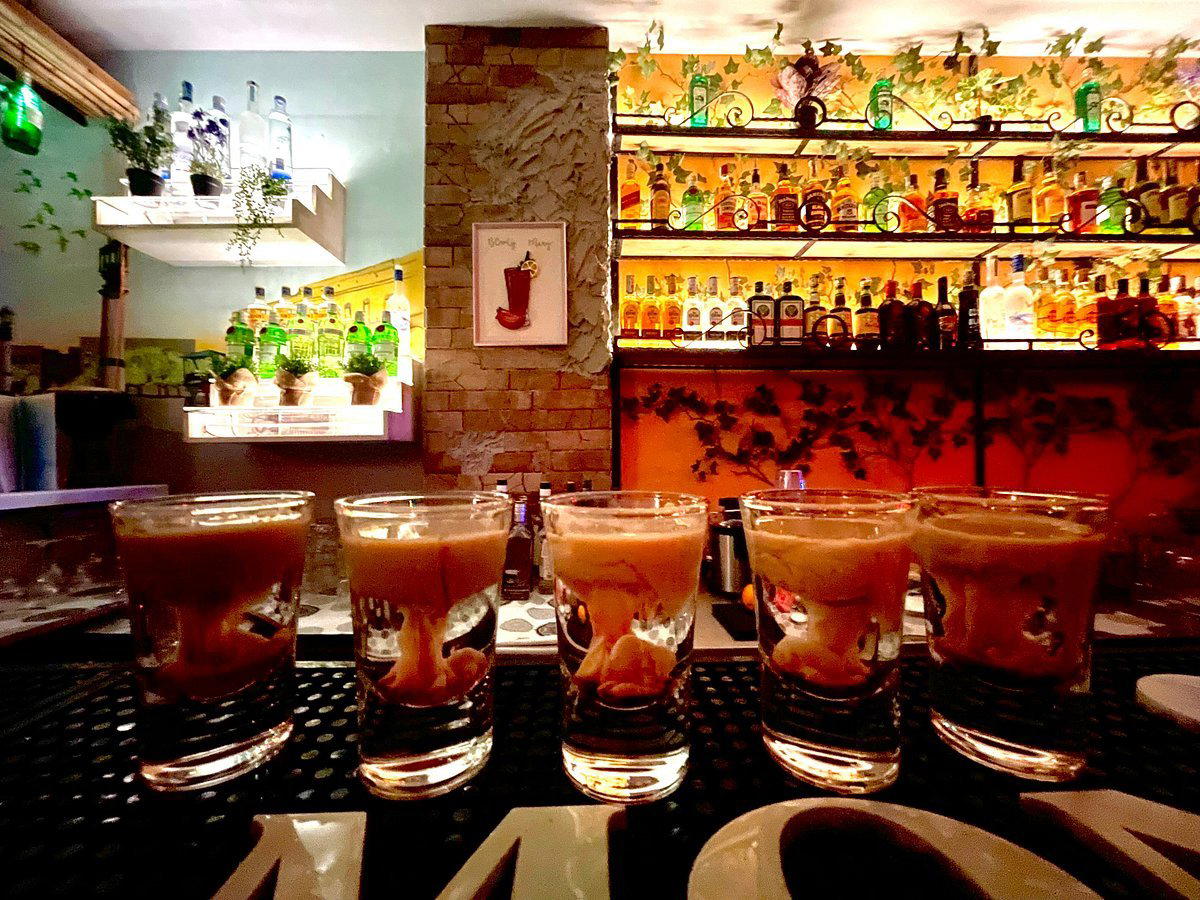
Cozy Parisian-inspired setting with hearty dishes in a tightly packed, slightly noisy space.