Kyoto Tonkatsu Katsuda Shijokarasuma sits in the Shimogyo Ward, where the city's more workaday commercial fabric runs alongside its ceremonial heritage. The restaurant represents a strand of Kyoto dining that operates outside the kaiseki hierarchy: precise, single-category cooking that has found its own loyal tier of regulars. In a city where the formal tasting menu dominates critical attention, tonkatsu specialists like Katsuda occupy a different but no less serious position.
Pearl is the En Primeur Club membership app — saves, bookings, and concierge access live there. Same editors, same standards.
- Address
- Japan, 〒600-8413 Kyoto, Shimogyo Ward, Omandokorocho, 673-1 峯ビル 1F
- Phone
- +81753715855
- Website
- chikayado.jp
- Directions
- Get directions
 Saves & bookings on Pearl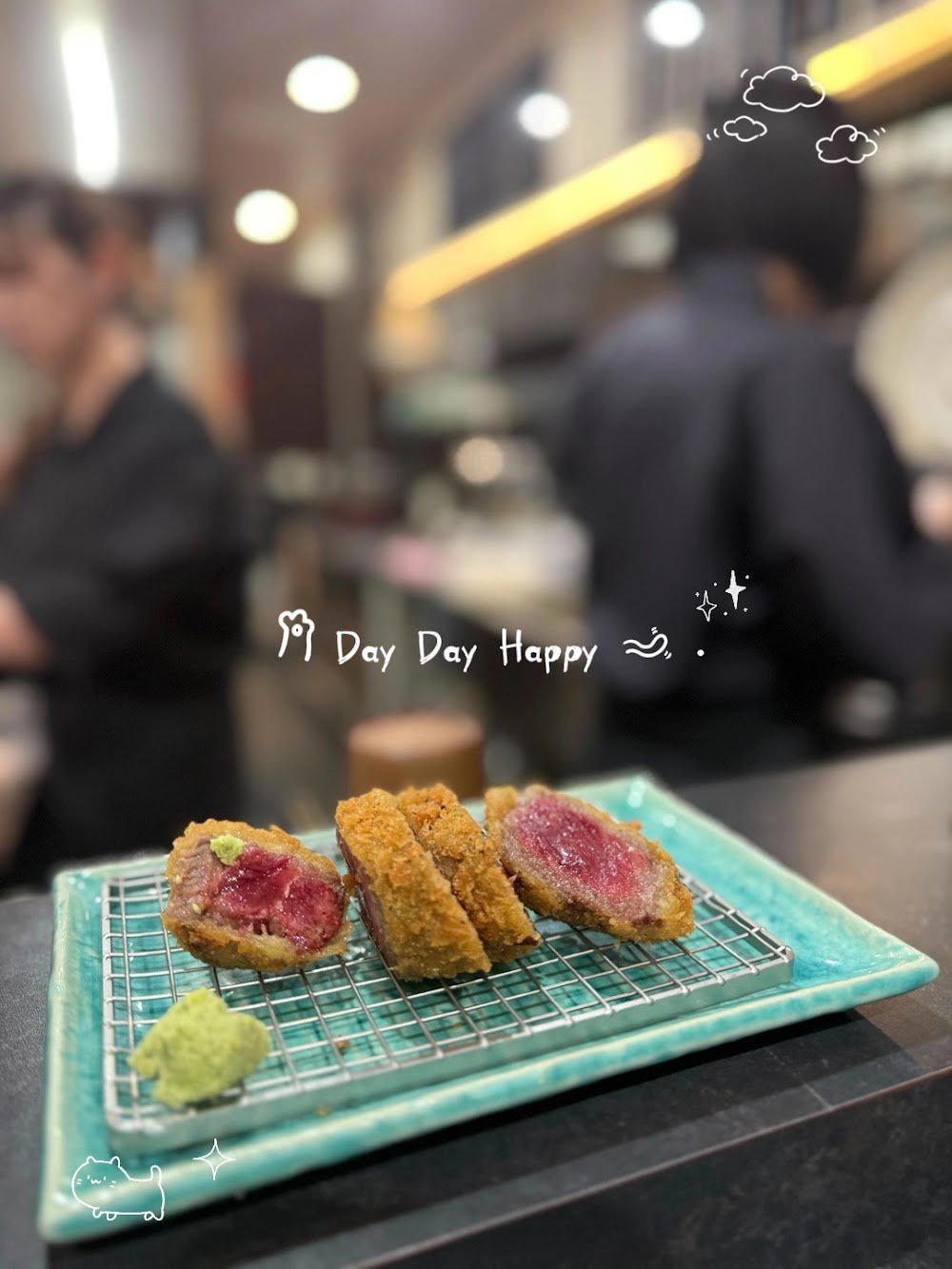
Where Shimogyo's Street-Level Eating Holds Its Ground
The area around Shijo-Karasuma is not Kyoto at its most picturesque. Department stores, commuter traffic, and the ordinary machinery of a working urban district define the streetscape here. That context matters when placing a tonkatsu specialist in the broader geography of Kyoto dining, because it speaks to a specific ambition: to be taken seriously not as a tourist draw or a novelty, but as a neighbourhood institution that earns return visits on the strength of what arrives on the plate. Kyoto Tonkatsu Katsuda Shijokarasuma, a casual traditional Japanese tonkatsu restaurant at 673-1 Omandokorocho in Shimogyo Ward, Kyoto, belongs to a category of Kyoto restaurant that operates largely below the critical radar trained on the city's kaiseki houses, yet serves a clientele that is no less particular about what it expects.
Tonkatsu in the Shadow of Kaiseki
Kyoto's dining reputation is built on restraint, seasonal precision, and the elaborate grammar of kaiseki. Venues such as Gion Sasaki, Hyotei, Kikunoi Honten, Mizai, and Isshisoden Nakamura command the upper tier of critical and commercial attention, priced at ¥¥¥¥ and structured around multi-course formats that require both time and advance reservation. Tonkatsu operates on a different register entirely. The discipline is older in its mass-market form, rooted in the Meiji-era adoption of Western-style breaded and fried cutlets, but in specialist hands it has developed a precision that places it in conversation with Japan's broader culture of single-category excellence, the same logic that produces dedicated tempura counters, yakitori specialists, and the kind of focused soba houses that treat their buckwheat ratios with the seriousness of a winemaker adjusting a blend.
At its most refined, tonkatsu is defined by pork selection, bread-crumb grade, oil temperature control, and resting time, variables that separate a competent fry from something worth making a specific trip for. Katsuda's position in Shimogyo puts it at the accessible commercial end of Kyoto geography, which has historically correlated with a democratic pricing posture, even if the kitchen ambitions run high. For context, specialist tonkatsu restaurants in Tokyo's competitive market, such as the well-documented counters in Shibuya and Shinjuku, have demonstrated that the category can command meaningful price points when the sourcing and technique justify it.
The Evolution of a Neighbourhood Standard
Restaurants in the Shijo-Karasuma corridor have historically faced a particular pressure: the proximity of Nishiki Market and the concentrated foot traffic of central Kyoto means that the passing tourist trade is always available as a business fallback, but it also risks diluting the local identity that gives a specialist restaurant its authority. The restaurants in this area that have built durable reputations tend to be those that resisted the tourist-volume trap and continued to cook for regulars who understand the format.
The evolution of a tonkatsu specialist in Kyoto also reflects broader shifts in how the city's dining culture has absorbed outside influence. Japan's domestic pork sourcing has become more sophisticated over the past two decades, with regional breeds, Kagoshima Kurobuta, Okinawan Agu, Tohoku varieties, entering the mainstream supply chain for specialist restaurants in a way that would have been unusual for a Kyoto neighbourhood restaurant twenty years ago.
Comparable cases are visible elsewhere in the Kansai region. HAJIME in Osaka represents a different category entirely, but Osaka's broader restaurant culture has always maintained stronger street-level specialist traditions than Kyoto's more ceremony-conscious scene. Outside the region, Harutaka in Tokyo demonstrates what focused single-category discipline looks like at the highest price tier, and akordu in Nara shows how a neighbouring city handles the challenge of building a serious dining identity outside Kyoto's shadow. Further afield, Goh in Fukuoka illustrates the pattern of regional specialist restaurants that earn recognition on their own terms rather than by comparison to the capital's hierarchy.
Planning a Visit: What the Shimogyo Location Means in Practice
Shimogyo Ward is among the more accessible parts of Kyoto for visitors. Shijo-Karasuma station sits at the intersection of the Hankyu Kyoto Line and the Karasuma subway line, making the address reachable from Kyoto Station in under ten minutes and from Osaka's Umeda in roughly forty. The commercial character of the neighbourhood means that the surrounding streets function normally through lunch and dinner service without the reservation-bottleneck dynamics that affect restaurants in Gion or Higashiyama. For practical planning purposes, the Shimogyo location suggests walk-in accessibility is more plausible here than at formal kaiseki houses operating further east.
Tonkatsu as a format is also well-suited to timing flexibility in a way that multi-course tasting menus are not. A tonkatsu meal in Japan typically runs thirty to sixty minutes, which means it functions as a lunch anchor or an early dinner without demanding the evening-length commitment of a kaiseki sitting. For visitors who have already committed time to the city's formal dining culture, a tonkatsu lunch at Katsuda represents a different mode of seriousness, not a lesser one.
Across Japan's broader restaurant network, the pattern of specialist restaurants in commercially busy corridors earning quiet authority is well-established. Birdland in Sakai, Bistro Ange in Toyohashi, and a range of regional specialists from Sapporo to Nanao and Takashima all demonstrate that the geography of serious Japanese cooking extends well beyond the cities and categories that receive international coverage. Katsuda at Shijo-Karasuma belongs to that wider tradition of the neighbourhood specialist that does not require a Michelin star to hold a position worth seeking out.
- Wagyu Katsu
- Pork Tonkatsu
- Chicken Katsu
- Scallop
- Squid
- Deep-fried Egg
A Credentials Check
Comparable venues nearby, for context on price, style, and recognition.
| Venue | Cuisine | Price | Notes |
|---|---|---|---|
| Kyoto Tonkatsu Katsuda ShijokarasumaThis venue — the venue you are viewing | Traditional Japanese Tonkatsu | $$ | Not listed |
| Motoi Gyoza | Modern Japanese Gyoza Bar | $$ | Nakagyō |
| 真白 | japanese | Not listed | Nakagyō |
| Gion Tokuya | Traditional Japanese Desserts & Sweets | $$ | Gion |
| Tasuki Pass The Baton | Traditional Japanese Tea Room & Kakigori | $$ | Gion |
| Hirasansou Chicken Hotpot Takeout | Japanese Kaiseki with Hot Pot | $$ | Katsuragawa valley |
Continue exploring
More in Kyoto
Restaurants in Kyoto
Browse all →
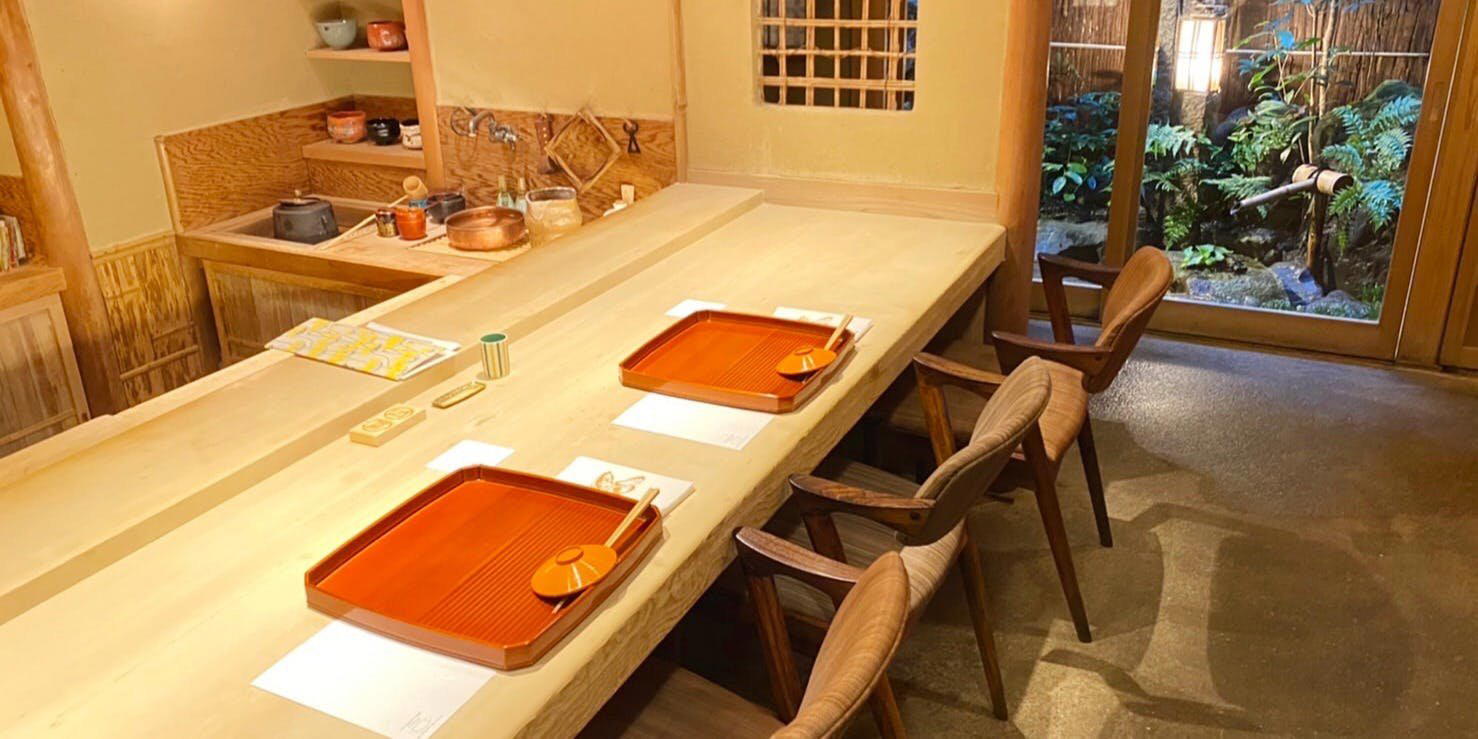
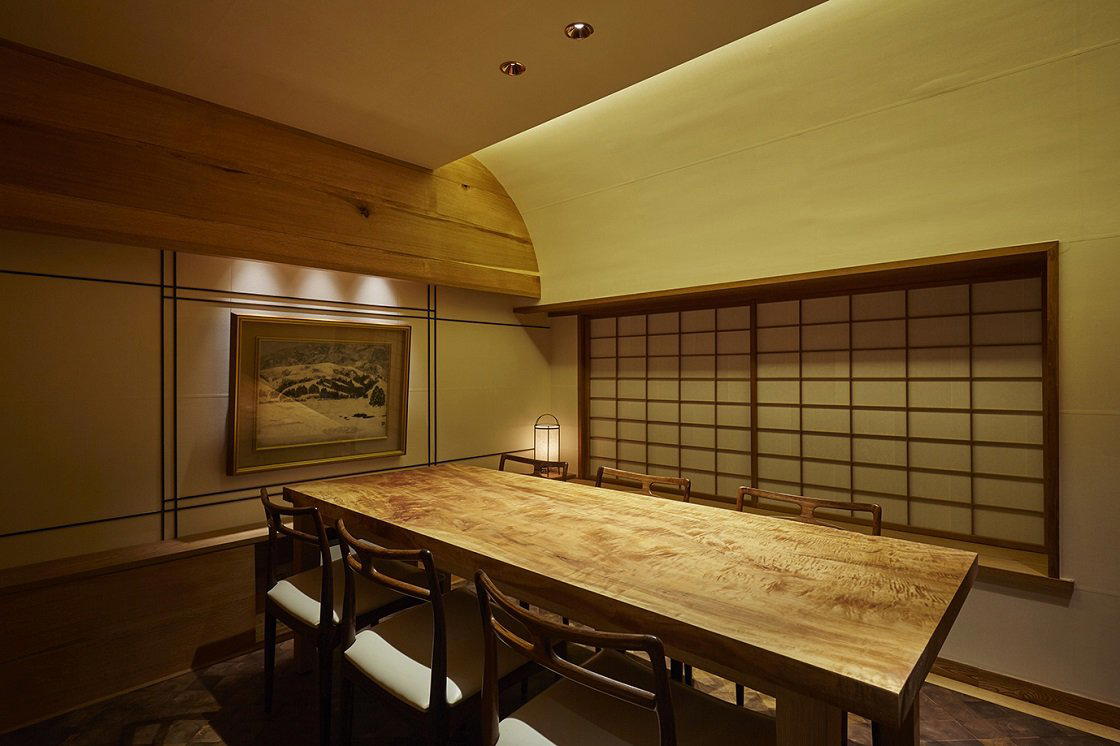
Bars in Kyoto
Browse all →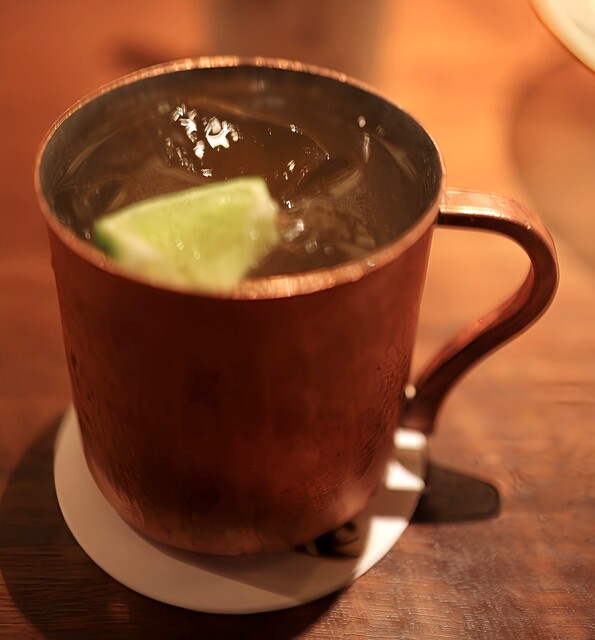
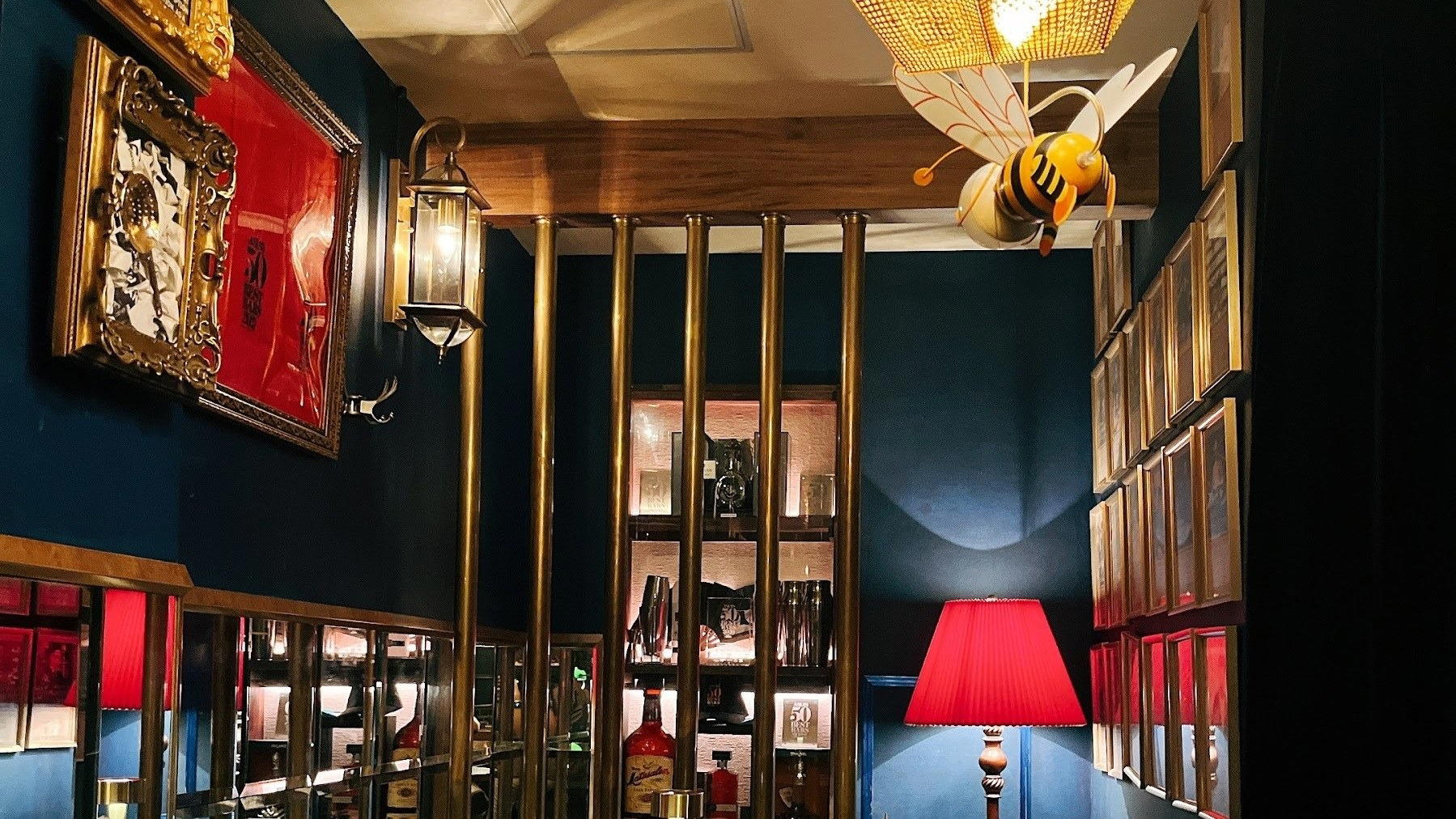
Hotels in Kyoto
Browse all →

Wineries in Kyoto
Browse all →
At a Glance
- Lively
- Intimate
- Cozy
- Casual Hangout
- Group Dining
- Family
- Open Kitchen
- Chefs Counter
- Beer Program
Current opening hours
- Monday
- 11:30 AM–10 PM
- Tuesday
- 11:30 AM–10 PM
- Wednesday
- 11:30 AM–10 PM
- Thursday
- 11:30 AM–10 PM
- Friday
- 11:30 AM–10 PM
- Saturday
- 11:30 AM–10 PM
- Sunday
- 11:30 AM–10 PM
Hours can change for holidays and private events. Last verified .
Intimate counter seating with open kitchen theater; warm, energetic atmosphere with classical jazz playing; ventilation works well but clothes may retain fried food aroma.