
Motoi Gyoza gives Kyoto’s dumpling culture a compact, design-conscious address in Nakagyo, with a 24-seat layout split between counter and tables. Its Tabelog 100 Dumplings 2024 selection places it in a national conversation, while the format stays casual: gyoza, izakaya rhythms, vegetable focus, take-out, and a room built for quick meals as much as small-group lunches.
Pearl is the En Primeur Club membership app — saves, bookings, and concierge access live there. Same editors, same standards.
- Address
- 470-2 Setoyacho, Nakagyo Ward, Kyoto, 604-8122, Japan
- Phone
- +81 75-212-9896
- Website
- instagram.com
 Saves & bookings on Pearl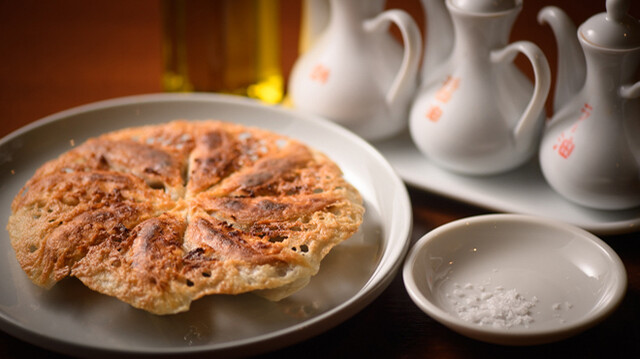
Approaching Kyoto’s central shopping grid, the city shifts from temple itinerary to lunch-counter tempo: narrow frontages, short menus, and rooms that work hard at every seat. Motoi Gyoza fits that compact urban type. It is not a grand dining stage, but a 24-seat room with eight counter seats and 16 table seats, a useful split in a city where specialist food stops often choose between solitary counters and tourist-facing dining rooms. The plan states the proposition before the menu: a dumpling house structured enough for a focused meal, flexible enough for family groups, solo diners, and a quick drink with food.
Kyoto is often framed through kaiseki, tea, wagashi, and old-line kitchens, but its everyday eating culture also depends on tight spaces and narrow specialisms. Gyoza sits in that lane. It is casual food, yet in Japan the category is granular enough to support national selection lists, regional loyalties, and serious shop-to-shop comparison. Motoi Gyoza’s inclusion in Tabelog 100 Dumplings 2024 gives it a trust signal beyond local foot traffic, important in a city where visitors often choose between heritage dining and efficient, lower-ceremony meals.
A 24-seat dumpling room built around counter rhythm and small-table flexibility
The design angle is practical, not decorative. Counter seating gives the room forward motion, suiting dumplings, drinks, and quick decisions. Tables soften that pace without turning the format into a full restaurant production. Compared with Kyoto kaiseki rooms such as Jiki Miyazawa, where meals are organized around sequence, season, and ceremony, this is another reading of craft: narrow focus, repeatable comfort, and a room that does not ask diners to surrender an evening.
That distinction helps when planning a Kyoto day. Around Karasuma and Shijo, central dining has to absorb shoppers, office workers, hotel guests, and food travelers moving between appointments. A gyoza specialist with counter seating answers that mixed demand better than a reservation-heavy tasting room. It also sits closer in spirit to compact city stops, from coffee counters such as Ikiteiru Coffee to casual daytime addresses such as Fuka Nishiki ten, than to formal dinner destinations. The common thread is efficient scale: small rooms, direct formats, and little wasted movement.
The venue’s association with a Michelin-starred French restaurant in Kyoto gives the project a credential, but works better as context than biography. Kyoto has a long habit of chefs working across registers: formal technique at one address, daily food at another. Here, the French-restaurant connection helps explain why a familiar dish is treated with controlled mise en place, including a stated avoidance of chemical seasonings, preservatives, and coloring agents. The point is not fusion theatre, but restaurant discipline applied to food that usually survives on speed, heat, and habit.
Gyoza as Kyoto everyday food, not a break from serious eating
Travelers often divide Kyoto meals into high and low: kaiseki on one side, snacks and noodles on the other. That split misses how Japanese cities reward specialization. A dumpling shop can carry as much editorial interest as an eel specialist such as Okuniya Mambei or a sweets address such as Daigokuden Honpo Honten, if the format is precise. Motoi Gyoza sits in the dumpling and izakaya category, with drinks spanning sake, wine, and cocktails, placing it between snack stop and casual dinner.
The vegetable emphasis is also notable in Kyoto, where plant-forward cooking is often associated with temple cuisine or seasonal set meals rather than gyoza counters. Vegetarian and vegan options change the decision: this is not only a pork-and-beer default. They broaden the address for mixed groups, especially where dietary requirements can become difficult once a meal moves into set-course territory. Family-friendly details, stroller access, and a non-smoking policy reinforce the same point. The room is built for repeatable daily use, not hushed occasion dining.
Its Tabelog score of 3.49 should be read in Japanese review-site context, where scores move conservatively and category recognition often matters more than raw numbers. Selection for the 2024 dumpling list places the shop within a defined national set. For travelers, the takeaway is clear: this is a specialist gyoza address with external recognition, not merely a convenient central stop.
How to place it in a Kyoto eating itinerary
Kyoto rewards contrast across a day. A formal Japanese meal, coffee counter, sweets stop, bar, and compact dumpling room can say more about the city than one expensive dinner alone. The restaurant works especially well in that middle register: after shopping, before a bar, or as a lighter alternative to a long dinner. It is less about spectacle than calibration. The seat mix, take-out service, drinks list, and accessible room make it useful in ways more ceremonial restaurants are not.
For readers mapping the city beyond one venue, nearby and category-adjacent references sharpen the choice. Central Kyoto casual dining can be explored through 3TOKU6MI Shijo karasuma ten, 551蓬莱, [ki:], Abbesses, and Aburi Mochi Honke Nemoto Kazariya. Wider planning sits in Our full Kyoto restaurants guide, with parallel city context from Our full Kyoto hotels guide, Our full Kyoto bars guide, Our full Kyoto wineries guide, and Our full Kyoto experiences guide.
For broader Japan and overseas comparisons in casual specialist eating, the same editorial lens applies to -Grilled beef Sukiyaki- KAMAKURA TANUKIAN 鎌倉 たぬき庵 in Kamakura. 鮪と炭火焼き うお炭 秋葉原店 in Tokyo.cafe in Osaka.know in Kumamoto, (Shoku) Vietnam in Kawasaki, [Curry Senmon Ten] Maruyama Kyoju. in Sapporo, Jōdo Saké Bar in Los Angeles, and Onigiri Time in Pasadena. The connection is not cuisine similarity, but the value of small formats that explain a city through one disciplined category.
Same-City Peers
Comparable options at the same price tier.
| Venue | Cuisine | Price | Notes |
|---|---|---|---|
| Motoi GyozaThis venue — the venue you are viewing | Modern Japanese Gyoza Bar | $$ | Not listed |
| Grill Kodakara (グリル小宝) | Retro Yoshoku (Japanese Western) | $$ | Okazaki |
| 3TOKU6MI Shijo karasuma ten | Japanese Izakaya & Oden Standing Bar | $$ | Shimogyō |
| GRILL DEMI | Japanese Western-style hamburg steak (yoshoku) | $$ | Nakagyō |
| Saryo Housen | Traditional Japanese Tea House and Sweets | $$ | Sakyō |
| Wagashi Mise Seiyo | Seasonal Japanese Wagashi Sweets Shop | $$ | Kita |
Recognition history
Dated appearances from independent guides and award organizations, with the underlying list record or original source where available.
Tabelog 100 #12 · No. 12
Tabelog · Tabelog 100 - Dumplings - 2024
Continue exploring
More in Kyoto
Restaurants in Kyoto
Browse all →
Bars in Kyoto
Browse all →

Hotels in Kyoto
Browse all →
Wineries in Kyoto
Browse all →
At a Glance
- Lively
- Cozy
- Trendy
- Casual Hangout
- Solo
- After Work
- Late Night
- Standalone
- Local Sourcing
Current opening hours
- Monday
- 11 AM–9 PM
- Tuesday
- 11 AM–9 PM
- Wednesday
- 11 AM–9 PM
- Thursday
- 11 AM–9 PM
- Friday
- 11 AM–9:30 PM
- Saturday
- 11 AM–9:30 PM
- Sunday
- 11 AM–9:30 PM
Hours can change for holidays and private events. Last verified .