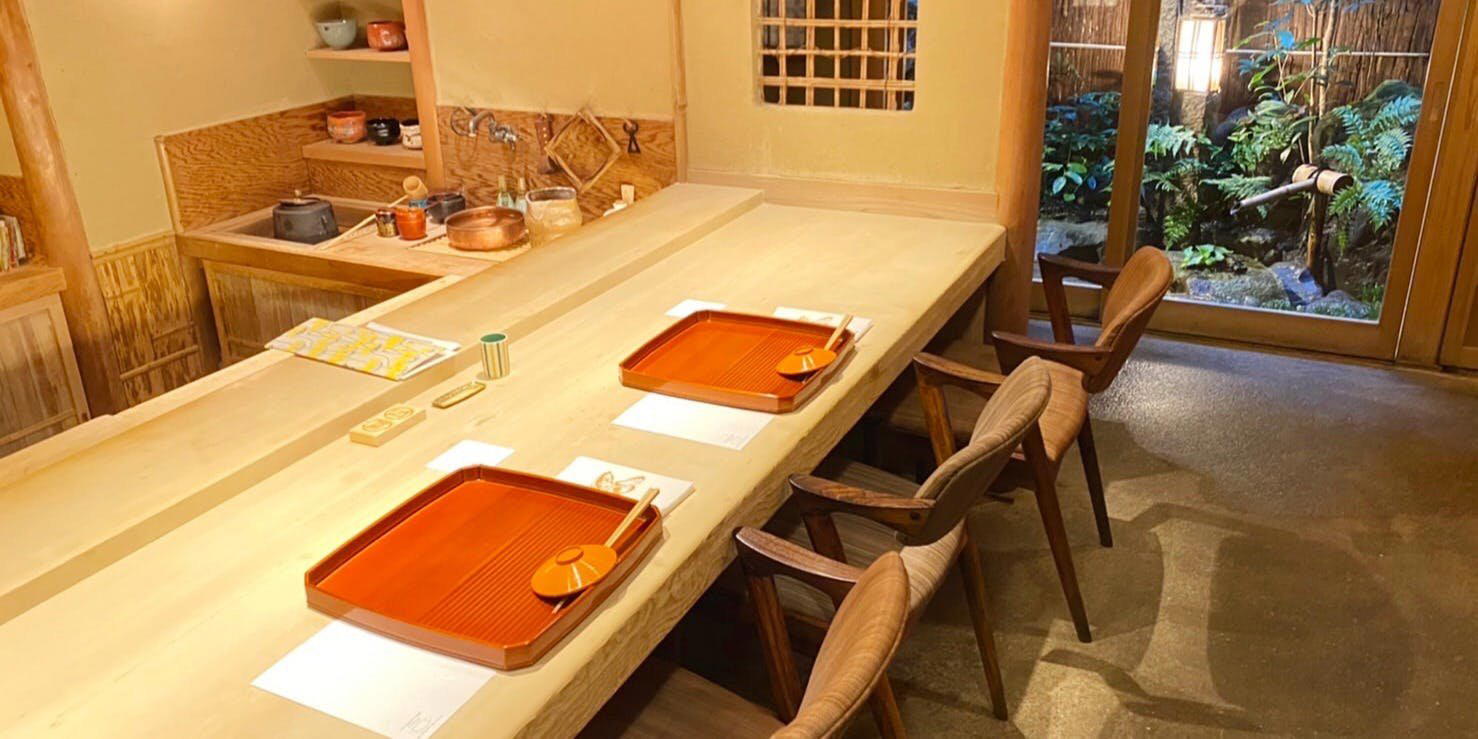
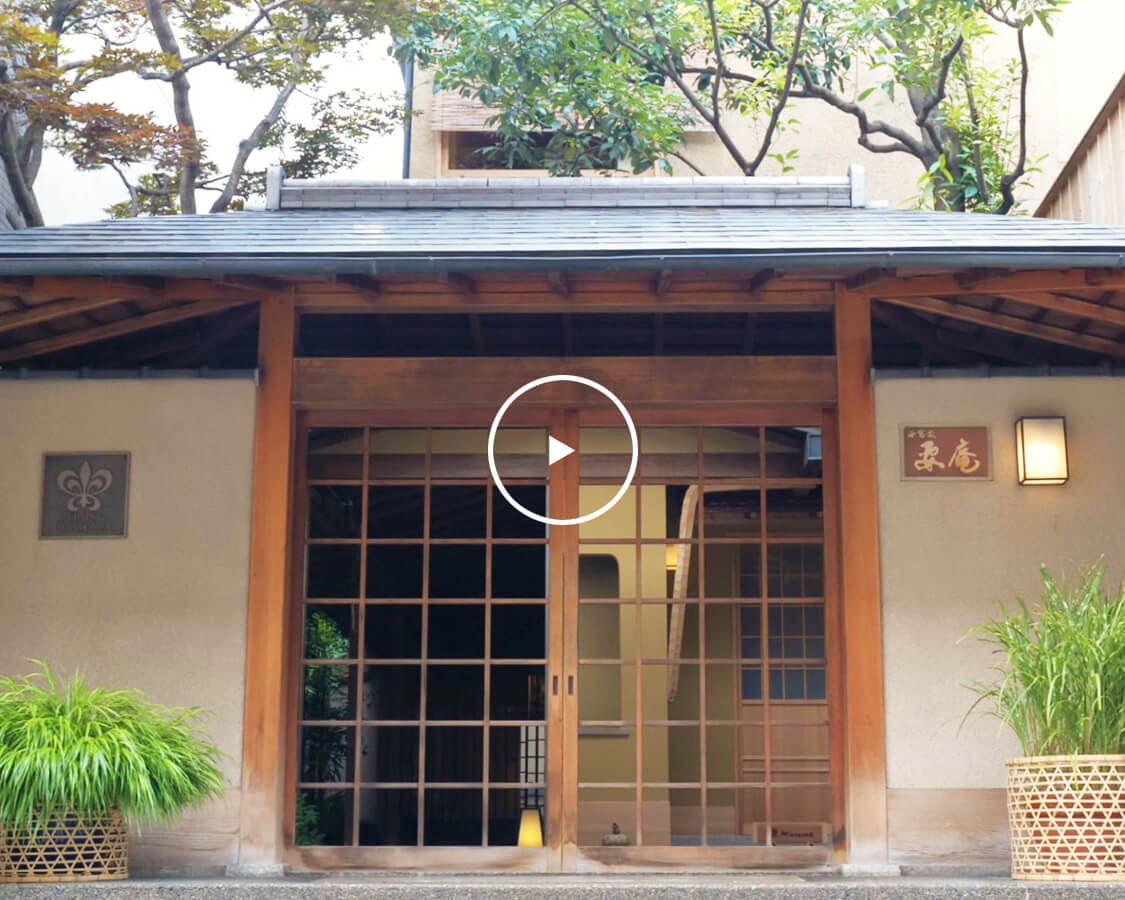
Located in Nakagyo Ward, çç½ occupies a quiet address in central Kyoto where the city's kaiseki tradition runs deepest. The restaurant sits in a neighbourhood defined by centuries of culinary discipline, where ingredient provenance and seasonal rhythm govern what appears on the plate. For visitors tracing Kyoto's serious dining circuit, it belongs on the same itinerary as the city's most studied counter-format restaurants.
Pearl is the En Primeur Club membership app — saves, bookings, and concierge access live there. Same editors, same standards.
- Address
- Japan, ã604-8134 Kyoto, Nakagyo Ward, Donomaecho, 234 OHG京é½å è§ãã« 2é
- Phone
- +815031645815
- Website
- mashiro-kyoto.com
- Directions
- Get directions
 Saves & bookings on Pearl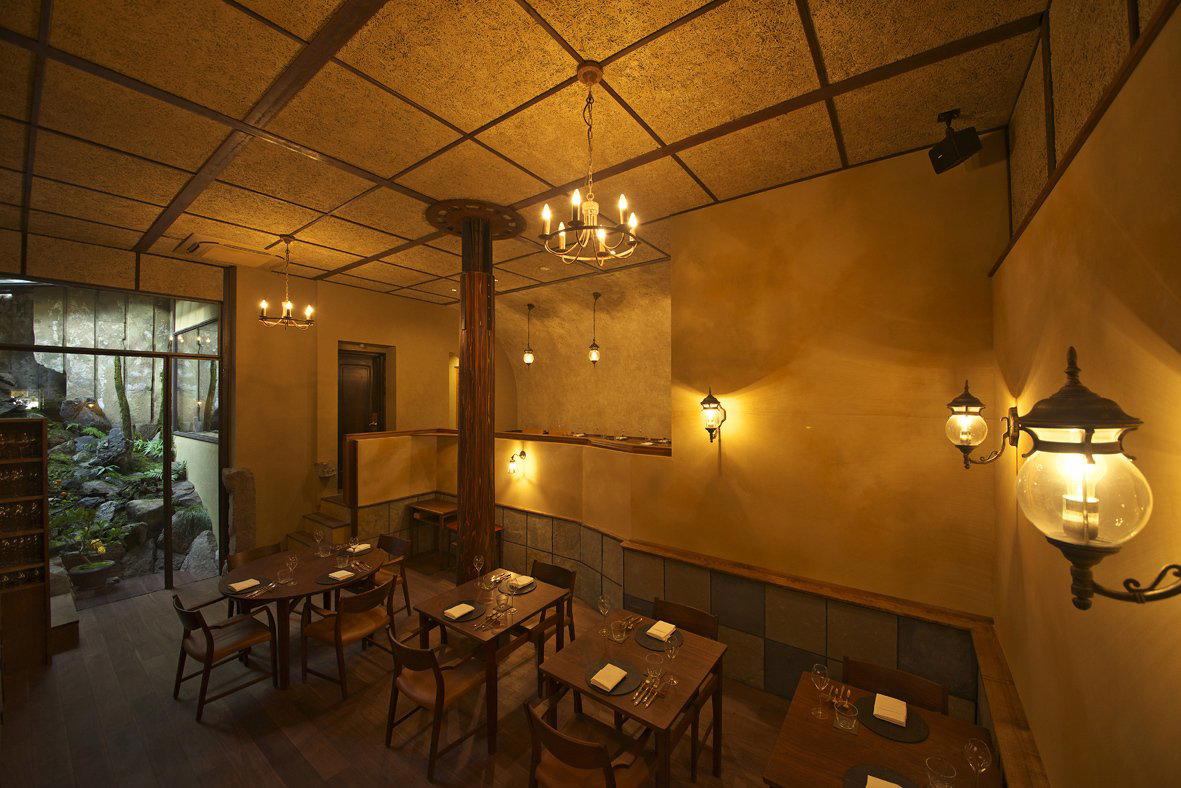
Nakagyo Ward and the Seasonal Logic Behind Kyoto Dining
In central Kyoto, the calendar does more editorial work than any menu description. Nakagyo Ward, where 真白 is a restaurant in Kyoto’s Nakagyo Ward at 234 Donomaecho. The neighbourhood has long sustained a density of serious restaurants precisely because its clientele, local business figures and visiting connoisseurs alike, expect food that tracks the agricultural season with near-documentary precision. This is not an affectation of Kyoto dining; it is the operating system. What the mountains to the north and west yield in a given week shapes what a kitchen in this district will serve. Restaurants that anchor themselves here are, in effect, committing to that accountability.
Kyoto's kaiseki tradition formalises this relationship between place, season, and plate more explicitly than almost any other culinary form. The sequence of dishes in a kaiseki meal is designed to move the diner through the season as much as through flavour registers, from the first delicate soup to the rice course that closes the meal. Houses like Kikunoi Honten and Hyotei have made that seasonal architecture their most documented credential. çç½ operates within the same disciplinary framework, in a city where that framework is the expected baseline, not a distinguishing flourish.
Where the Ingredients Come From, and Why That Question Matters
The sourcing logic that defines serious Kyoto cooking is worth understanding before you sit down anywhere in this city. Kyoto vegetables, known collectively as kyo-yasai, represent a class of produce cultivated in the Kyoto basin for generations: Kamo eggplant, Kujo green onion, Shishigatani pumpkin, Mibuna greens. These are not heritage varieties kept alive for marketing purposes. They reflect soil conditions, irrigation practices, and microclimates that produce flavours with a different density and subtlety than commercially scaled alternatives. A kitchen that sources these materials properly is paying a premium in both cost and relationship-management, since many kyo-yasai farmers maintain longstanding supply arrangements with specific restaurants rather than selling through general wholesale channels.
The same logic extends to protein sourcing in Kyoto's upper tier. Katsura River fish, Tanba-region wild game in autumn, and carefully sourced tofu from centuries-old Fushimi suppliers all appear in the vocabularies of the district's serious kitchens. When you eat at a restaurant in Nakagyo Ward at the level çç½ occupies, you are, in effect, eating a map of the region's agricultural relationships as much as a chef's creative statement. This is why ingredient sourcing is the more durable story in Kyoto dining, and why it rewards attention.
For comparison, restaurants outside the traditional kaiseki circuit, including Italian-inflected rooms like cenci, which operates at the ¥¥¥ tier in Kyoto, have begun applying the same kyo-yasai sourcing logic to non-Japanese formats. The ingredient philosophy has become city-wide, not category-specific. That diffusion is itself a signal of how deeply the sourcing ethic has penetrated Kyoto's dining culture.
The Competitive Tier çç½ Sits Within
Kyoto's serious dining market has stratified clearly over the past decade. At the leading sits a cluster of Michelin-decorated kaiseki houses operating at the ¥¥¥¥ price tier: Gion Sasaki, Mizai, and the long-established Isshisoden Nakamura all operate in this bracket. Below them, a second tier of smaller, less formally decorated rooms sustains serious cooking without the international reservation pressure. çç½, positioned in Nakagyo Ward rather than in the higher-profile Gion or Higashiyama neighbourhoods, sits in a part of the city where this second-tier dynamic is most active.
That positioning is not a limitation. Some of Kyoto's most technically precise cooking happens away from the addresses most frequently cited in international press. Gion's density of well-known restaurants has driven booking pressure to the point where the experience, for many visitors, is logistically strained before the first dish arrives. Nakagyo provides a different entry point: a neighbourhood with deep culinary credibility and less competitive reservation infrastructure.
For those building a broader Kansai itinerary, the relevant comparison set extends beyond Kyoto. HAJIME in Osaka operates at the region's highest formal tier, and akordu in Nara represents the kind of produce-led, counter-format dining that has emerged as a distinct alternative to classical kaiseki structures across the region.
Planning Your Visit to çç½
Nakagyo Ward is accessible from central Kyoto on foot or by taxi from Kyoto Station in under fifteen minutes. The address at 234 Donomaecho places the restaurant in a quiet residential and commercial block typical of the ward's interior streets, away from the main arterial shopping corridors.
For context on timing: Kyoto's kaiseki calendar peaks twice, in spring when mountain vegetables and sakura-themed presentations dominate, and in autumn when Tanba matsutake mushrooms and foliage-season produce define particularly prized menus. Visiting in either window raises the probability that seasonal sourcing is at its most expressive. Midsummer, with its ayu sweetfish and chilled preparations, also carries significant culinary logic in this city.
Same-City Peers
Comparable venues nearby, for context on price, style, and recognition.
| Venue | Cuisine | Price | Notes |
|---|---|---|---|
| 真白This venue — the venue you are viewing | japanese | Not listed | Not listed |
| Mentakumi Takamatsu (麺匠 たか松) | Takamatsu Ramen | $$ | central Kyoto |
| Katsukura (かつくら 四条東洞院店) | Traditional Kyoto Tonkatsu | $$ | Kawaramachi, Kiyamachi, Ponto-cho |
| Hirasansou Chicken Hotpot Takeout | Japanese Kaiseki with Hot Pot | $$ | Katsuragawa valley |
| Teuchi Soba Hanamomo | Traditional Handmade Soba | $$ | Nakagyō |
| Gion Negiyaki Kana Higashi ten | Kyoto-style Negiyaki & Okonomiyaki Counter | $$ | Higashiyama |
Continue exploring
More in Kyoto
Restaurants in Kyoto
Browse all →
Bars in Kyoto
Browse all →
Hotels in Kyoto
Browse all →

Wineries in Kyoto
Browse all →
At a Glance
- Special Occasion
- Chefs Counter
- Sake Program