Tasuki Pass The Baton occupies a specific niche in Kyoto's dining culture, where the act of transmission, passing craft from one generation to the next, becomes the organizing principle of the experience. Positioned against the city's deep roster of kaiseki institutions, it reads as a considered alternative: a venue where cultural continuity is both subject and method. Advance booking is advised given Kyoto's compressed calendar of peak seasons.
Pearl is the En Primeur Club membership app — saves, bookings, and concierge access live there. Same editors, same standards.
- Address
- Kyoto, Japan
- Directions
- Get directions
 Saves & bookings on Pearl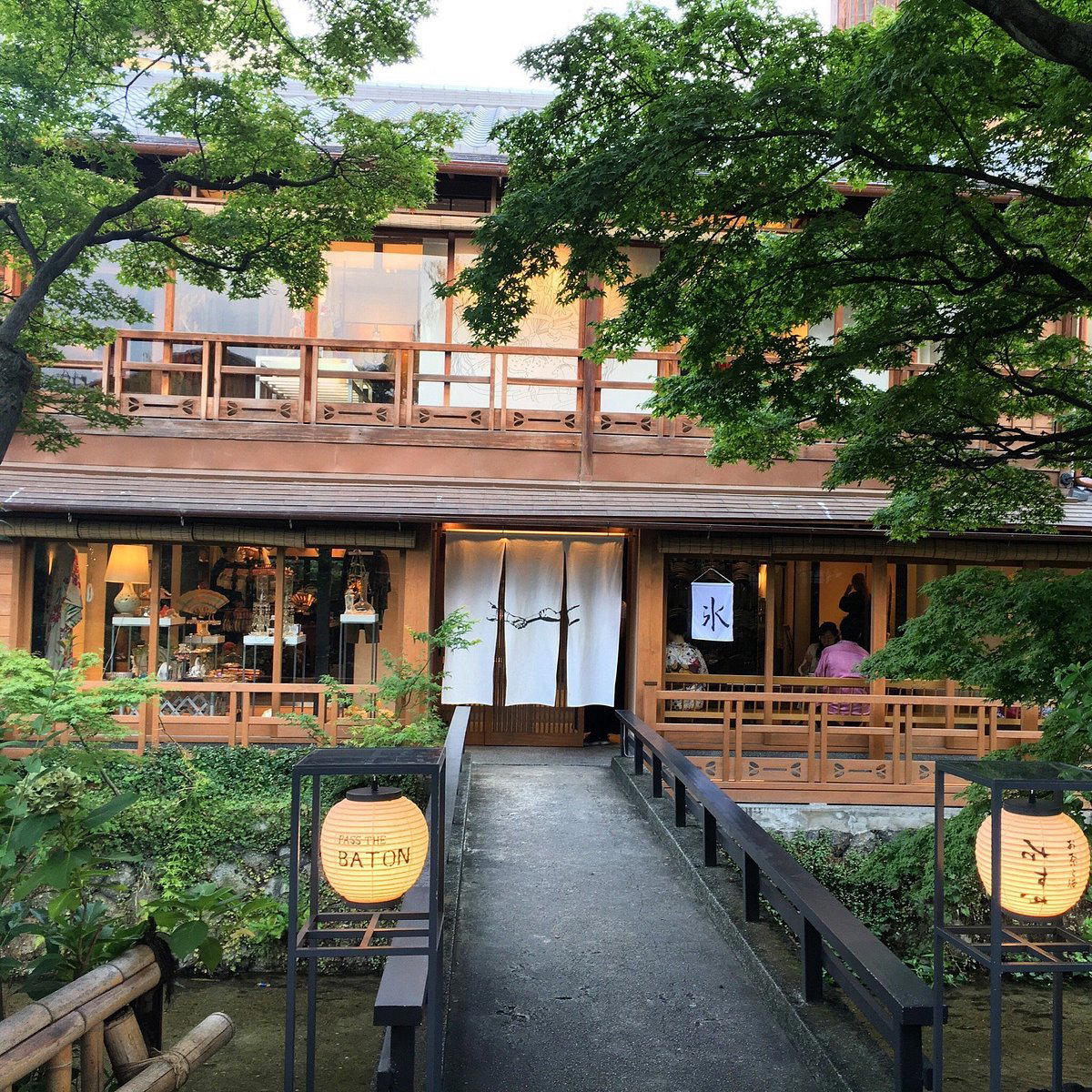
Where Craft Changes Hands
Kyoto has long operated as Japan's most self-conscious keeper of culinary tradition. The city's restaurant culture is shaped by a concept visitors often encounter before they sit down to eat: the idea that a dish, a technique, or a preparation style carries meaning precisely because it was handed down intact. That pressure of inheritance runs through the kaiseki lineages at places like Gion Sasaki and Hyotei, both operating under formats refined across multiple generations. Tasuki Pass The Baton addresses that same tradition, but the name makes the mechanism explicit: the baton is the object, and passing it is the act.
In relay athletics, the baton exchange is the most technically demanding moment in the race. Dropped batons cost championships. The metaphor applied to food culture in Kyoto is not decorative. The city's leading dining rooms treat intergenerational transmission as a discipline, not a sentiment. What Tasuki Pass The Baton signals through its name is that the exchange itself, not just what came before it, deserves attention.
Kyoto's Dining Tier and Where This Fits
To place any Kyoto dining room correctly, it helps to understand how the city's restaurant hierarchy actually stratifies. At the upper end sit the multi-generation kaiseki houses, with prices reflecting Kyoto's premium position in Japan's fine dining geography. Kikunoi Honten and Mizai operate in that tier, where decades of institutional recognition and Michelin acknowledgment set the competitive benchmark. A rung below, newer establishments with strong credentials but shorter operational histories occupy a middle bracket, competing on format innovation and ingredient sourcing rather than dynastic reputation.
Tasuki Pass The Baton sits within that broader Kyoto context. The venue data available does not specify cuisine type, price tier, or awards history, which means it cannot be placed with precision against the kaiseki institutions. What the name and city together imply, though, is a deliberate engagement with the tradition-and-transfer question that defines Kyoto's culinary identity. That positioning is itself meaningful in a city where naming choices carry weight.
For comparison against Kyoto's broader scene, the city also hosts strong work in adjacent formats: Isshisoden Nakamura represents the long-standing Japanese format at its most historically grounded. Further afield across Kansai, HAJIME in Osaka and akordu in Nara demonstrate how chefs across the region are working with and against inherited formats in different ways. Japan's dining geography rewards lateral comparisons: Goh in Fukuoka and Harutaka in Tokyo anchor what serious dining looks like in other major cities, offering calibration points for anyone building a broader Japan itinerary.
The Cultural Logic of Transmission in Japanese Cuisine
Japan's culinary apprenticeship model, the shugyo framework of disciplined training under a master, produces restaurants whose menus are inseparable from their lineage. A chef at a kaiseki counter in Kyoto typically carries a documented chain of instruction: who trained them, where that person trained, and how far the line extends back. Michelin's Kyoto coverage consistently notes these lineages because they function as quality signals, not merely biographical detail. The noren, the fabric divider hung at a restaurant entrance, is often inherited along with the recipes.
Tasuki Pass The Baton draws directly on this framework. The phrase "pass the baton" translates the apprenticeship logic into a more universally legible metaphor, but the underlying concept is the same: technique, taste memory, and craft are things that must be actively transferred, not merely observed. In cities with shorter culinary histories, this might read as affectation. In Kyoto, it reads as a statement of alignment with the deepest structural value in the city's restaurant culture.
That cultural weight extends across Japan's regional dining scene. Restaurants like this Nanao establishment and this Takashima venue operate in smaller cities where the transmission model is equally present but receives less international coverage. For readers building a Japan itinerary beyond the major urban centers, this Nishikawa Machi restaurant and this Sapporo address indicate how widely the craft-transmission principle distributes across the country's geography.
Planning a Visit
Kyoto's restaurant calendar compresses sharply around cherry blossom season in late March and early April, and again during autumn foliage in November. During those windows, even mid-tier restaurants fill weeks in advance. Any venue carrying the kind of conceptual intentionality that Tasuki Pass The Baton signals through its branding will typically require advance planning during peak periods. Outside sakura and koyo seasons, lead times shorten considerably, and shoulder months, particularly June and September, offer more accessible booking windows without sacrificing seasonal ingredient quality.
For international visitors, the practical logistics of eating well in Kyoto involve managing geography as much as reservations. The city's leading dining rooms distribute across Gion, Higashiyama, and the central Kawaramachi corridor, with a secondary cluster around Fushimi. Our full Kyoto restaurants guide maps the broader dining geography and provides planning context for first-time and returning visitors alike.
Closer to home, Bistro Ange in Toyohashi and Birdland in Sakai round out the regional picture for readers moving through central Honshu.
Know Before You Go
- City: Kyoto, Japan
- Booking: Advance reservations are strongly advisable, particularly during sakura (late March to early April) and koyo (November) seasons
- Leading timing: June and September offer shorter booking lead times and strong seasonal produce
The Short List
Comparable venues nearby, for context on price, style, and recognition.
| Venue | Cuisine | Price | Notes |
|---|---|---|---|
| Tasuki Pass The BatonThis venue — the venue you are viewing | Not listed | $$ | Not listed |
| 方寸長島 | Nakagyō, japanese | Not listed | Not listed |
| Sake Dokoro Terayama | Shimogyō, Kyoto Izakaya & Sake Bar | $$ | Not listed |
| Ebisu | Shimogyo-ku, Kyushu Izakaya | $$ | Not listed |
| 德まる | 中京区, Japanese Kappo | $$ | Not listed |
| Hirasansou Chicken Hotpot Takeout | Not listed | $$ | Katsuragawa valley, Japanese Kaiseki with Hot Pot |
Continue exploring
More in Kyoto
Restaurants in Kyoto
Browse all →
Bars in Kyoto
Browse all →
Hotels in Kyoto
Browse all →

Wineries in Kyoto
Browse all →
At a Glance
- Quiet
- Scenic
- Elegant
- Classic
- Casual Hangout
- Solo
- Family
- Waterfront
- Historic Building
- Design Destination
- Courtyard
- Sake Program
- Craft Cocktails
- Waterfront
Tranquil and relaxing with faint scents of roasted green tea, traditional Japanese furnishings, and riverside views that shift with the seasons.