Kushiage KAWATA occupies a quiet address in Azabu-Juban, one of Tokyo's more composed dining neighbourhoods, where the format of deep-fried skewered ingredients has been refined into counter dining that demands advance planning. The venue sits within a category that Tokyo takes seriously: kushiage as a considered meal, not a casual snack. Booking ahead and arriving with appetite are the two non-negotiable requirements.
Pearl is the En Primeur Club membership app — saves, bookings, and concierge access live there. Same editors, same standards.
- Address
- Japan, 〒106-0045 Tokyo, Minato City, Azabujuban, 1 Chome−6−9 ARUGA22 7階
- Phone
- +81367210600
- Website
- tablecheck.com
- Directions
- Get directions
 Saves & bookings on Pearl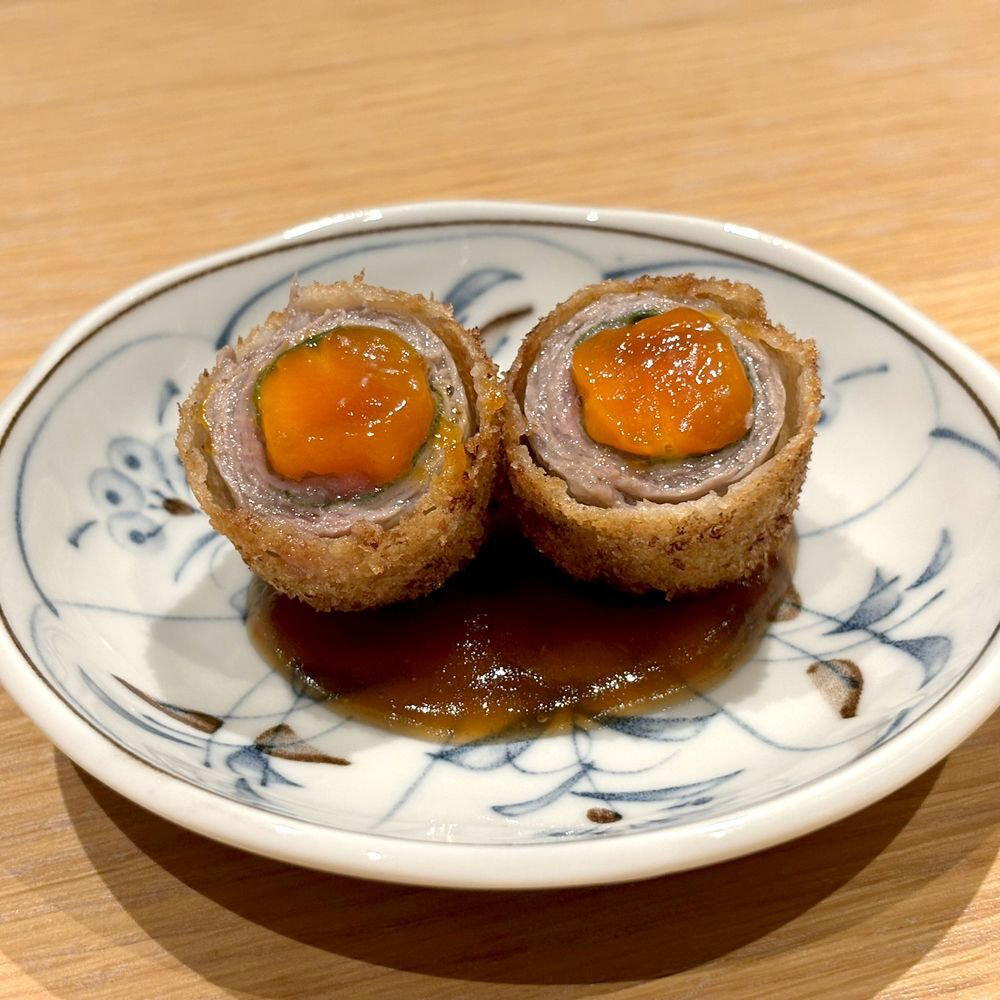
Azabu-Juban and the Counter Dining Tradition
Azabu-Juban occupies a particular position in Tokyo's dining geography. Neither as concentrated with international hotel restaurants as Ginza nor as aggressively fashionable as Daikanyama, the neighbourhood has built a reputation over decades as a place where serious, format-specific restaurants operate without the spectacle. Kushiage KAWATA, located in the ARUGA22 building on Azabu-Juban 1-chome, sits within that character. The address is residential in feel, which means arriving here is already a statement of intent: you have looked it up, planned ahead, and made a deliberate choice.
In Tokyo's broader counter-dining culture, the physical approach to a restaurant carries its own meaning. Narrow streets, modest signage, and buildings that house restaurants on upper floors or in basement levels are part of a grammar that regulars read fluently. For first-time visitors, this is worth understanding before you go. The neighbourhood itself rewards slow movement on foot, and building entry points in this part of the city are rarely obvious from the pavement.
What Kushiage Means at This Level
Kushiage, or kushikatsu in its Osaka usage, is a format in which ingredients are skewered, breaded, and deep-fried in sequence. At the casual end, it is bar food, ordered from a paper menu with cold beer. At the counter-dining end, it becomes an omakase-style progression, where the chef determines the sequence and the quality of ingredients sets the register of the meal. Tokyo has a smaller number of venues that operate kushiage at the latter level compared to sushi or kaiseki, which places those that do in a category where competition runs on ingredient sourcing and technical execution rather than volume.
The distinction matters for anyone arriving from the sushi or kaiseki tier of Tokyo dining. Venues like Harutaka or RyuGin operate in formats that carry decades of critical infrastructure: international Michelin coverage, documented lineages, and a global audience that books months in advance. Kushiage counters at the premium end occupy a quieter tier of that same attention economy, known more thoroughly within Tokyo than outside it, which affects how booking works and who is in the room with you.
The Booking Question
This is where the editorial angle for KAWATA is most instructive. Japan's premium counter restaurants have, over the past decade, divided into two booking cultures. The first is internationally legible: restaurants present on global reservation platforms, English-language booking pages, and concierge-assisted access through hotel networks. The second is locally embedded: restaurants that operate primarily through existing customer introductions, Japanese-language inquiry, or relationships with neighbourhood intermediaries.
Small-format kushiage counters in Azabu-Juban typically fall closer to the second model than the first. This is not a barrier designed to exclude; it is a function of how these rooms operate, where a counter of limited seats managed by a small team runs most efficiently when the guest profile is predictable. For international visitors, the practical implication is to approach through your hotel concierge or a specialist reservations service well in advance of your travel dates, rather than expecting walk-in availability or a same-week online booking window. The comparison here is instructive: even at French-format counters in the same city, such as L'Effervescence or Sézanne, international booking access has required planning horizons of six to eight weeks at minimum, and those venues have far more developed international booking infrastructure than a neighbourhood kushiage counter.
The practical timeline for a venue of this type and location: begin inquiry two to three months before your travel date if you are visiting from outside Japan. If you are in Tokyo and have a local contact, the timeline may compress, but do not assume it will.
Situating KAWATA Within Tokyo's Specialist Counter Scene
Tokyo's premium dining scene has always contained a category of venues that sit outside the international critical spotlight while maintaining high internal standards. Crony represents one version of this, a French-inflected format operating with technical seriousness at a price point below the leading Michelin tier. Kushiage KAWATA occupies a different lane within the same broad idea: a Japanese format, a neighbourhood address, a room where the experience is structured around the progression of the meal rather than the architecture of the room or the celebrity of the chef.
For visitors building a longer Japan itinerary, it is worth noting that this kind of specialist counter experience exists at different points of the country's dining circuit. HAJIME in Osaka and Gion Sasaki in Kyoto represent other expressions of serious Japanese counter dining at the formal end, while venues like akordu in Nara and Goh in Fukuoka show how the counter format adapts across regional contexts. Beyond Japan, the counter-dining logic has parallels at places like Atomix in New York, where sequenced tasting and intimate seating create a comparable rhythm, even across different culinary traditions.
Further afield, regional Japan also produces counter experiences worth the detour: 一本杉 川嶋製 in Nanao, 大地の泉乃 in Sapporo, 湖南食堂 in Takashima, and 鳥羽屋 in Nishikawa Machi each represent the depth of Japan's regional dining circuit beyond the three main metropolitan corridors. Birdland in Sakai and Bistro Ange in Toyohashi extend that geography further, as does Le Bernardin in New York for those mapping the global tier of technically precise tasting formats.
Planning Your Visit
Azabu-Juban station, served by the Namboku and Oedo lines, places you within easy walking distance of the ARUGA22 address. The neighbourhood is compact enough that orientation is direct once you are above ground. For visitors staying in Minato-ku, whether in Roppongi, Azabu, or Hiroo, this is a short journey. For those based further out in Shinjuku or Shibuya, allow twenty to twenty-five minutes by subway. Dinner in this format typically runs around two hours, depending on the number of courses, so build accordingly into your evening. Attire expectations at this level of Japanese dining tend toward smart casual at minimum; erring toward neat rather than casual is the right call for a first visit.
At-a-Glance Comparison
Comparable venues nearby, for context on price, style, and recognition.
| Venue | Cuisine | Price | Notes |
|---|---|---|---|
| Kushiage KAWATAThis venue — the venue you are viewing | Modern Kushiage Omakase | $$$$ | Not listed |
| Fukuda | Michelin-Starred Kaiseki | $$$$ | Minato |
| Unagi Akasaka Sekine | Michelin-Starred Unagi Omakase | $$$$ | Minato |
| Sushi Sho Yotsuya | Sushi Sho-style Edomae Omakase | $$$$ | Shinjuku |
| Iwai | Edo-Style Tempura Omakase | $$$$ | Chūō |
| 鮨処いし原 | Traditional Omakase Sushi | $$$$ | Chūō |












At a Glance
- Intimate
- Elegant
- Sophisticated
- Date Night
- Business Dinner
- Special Occasion
- Solo
- Chefs Counter
- Sake Program
- Street Scene
Current opening hours
- Monday
- 6–11 PM
- Tuesday
- 6–11 PM
- Wednesday
- 6–11 PM
- Thursday
- 6–11 PM
- Friday
- 6–11 PM
- Saturday
- 6–11 PM
- Sunday
- 6–11 PM
Hours can change for holidays and private events. Last verified .
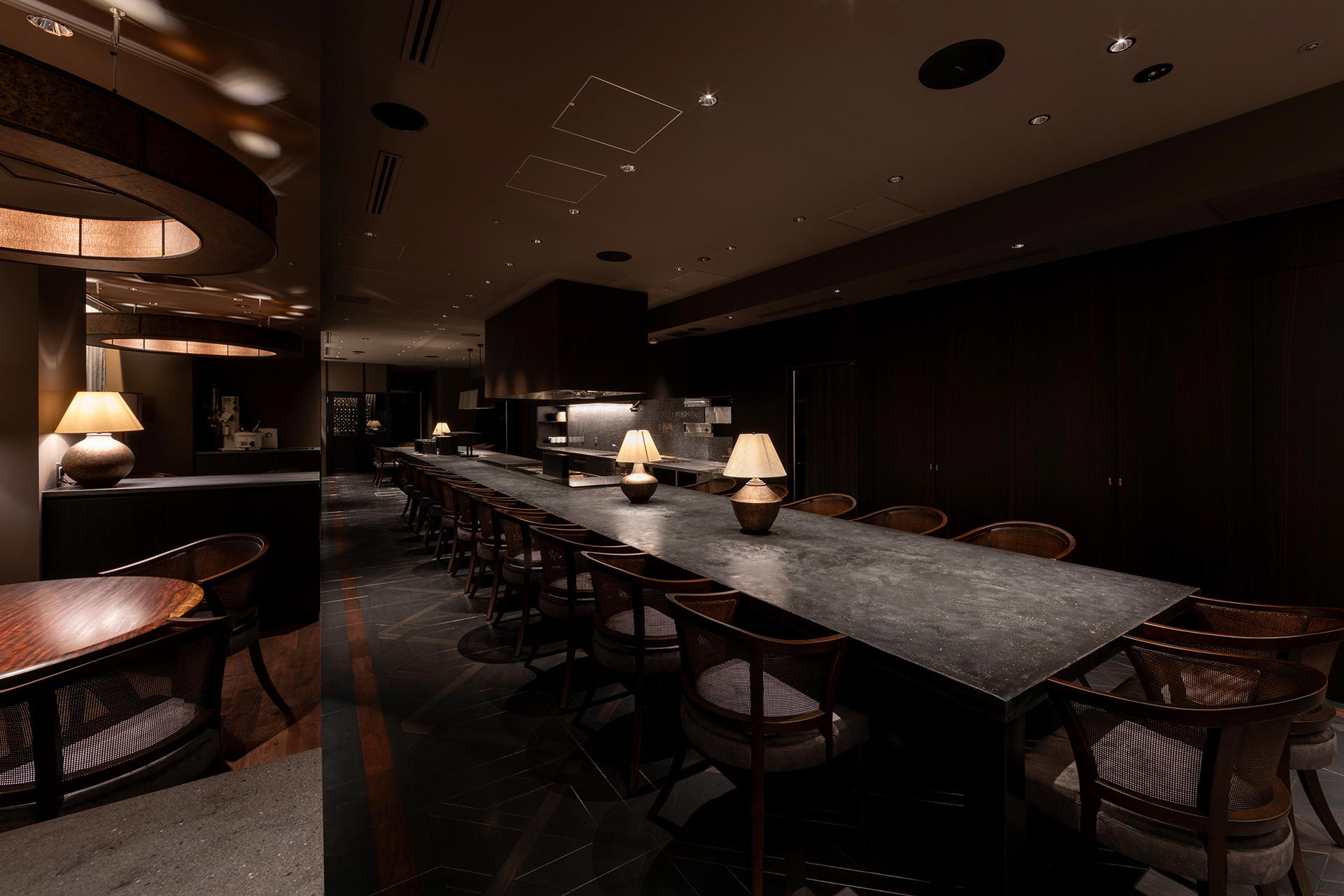
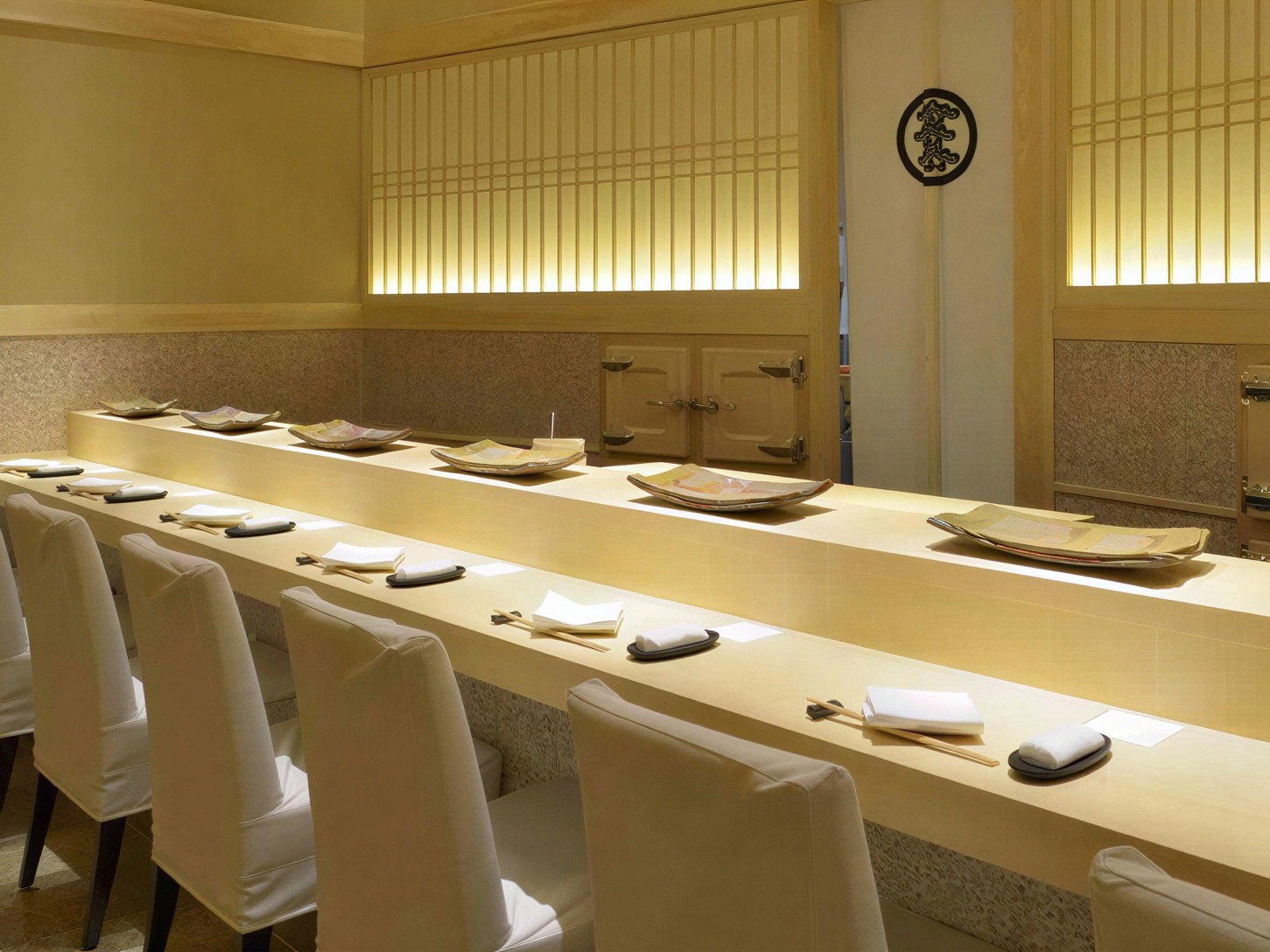
Hushed and elegant intimate counter seating for 8, offering a refined atmosphere of culinary finesse and clarity.