Situated in Ginza's 7-chome, 鮨処いし原 occupies the quieter fringe of Tokyo's most competitive sushi corridor, where counter dining operates at a different tempo than the neighbourhood's headline rooms. The address places it within a cluster of serious Edo-mae practitioners, where technique and provenance carry more weight than marketing. A reservation here signals intent rather than impulse.
Pearl is the En Primeur Club membership app — saves, bookings, and concierge access live there. Same editors, same standards.
- Address
- 7 Chome-6-5 Ginza, Chuo City, Tokyo 104-0061, Japan
- Phone
- +81335734134
- Directions
- Get directions
 Saves & bookings on Pearl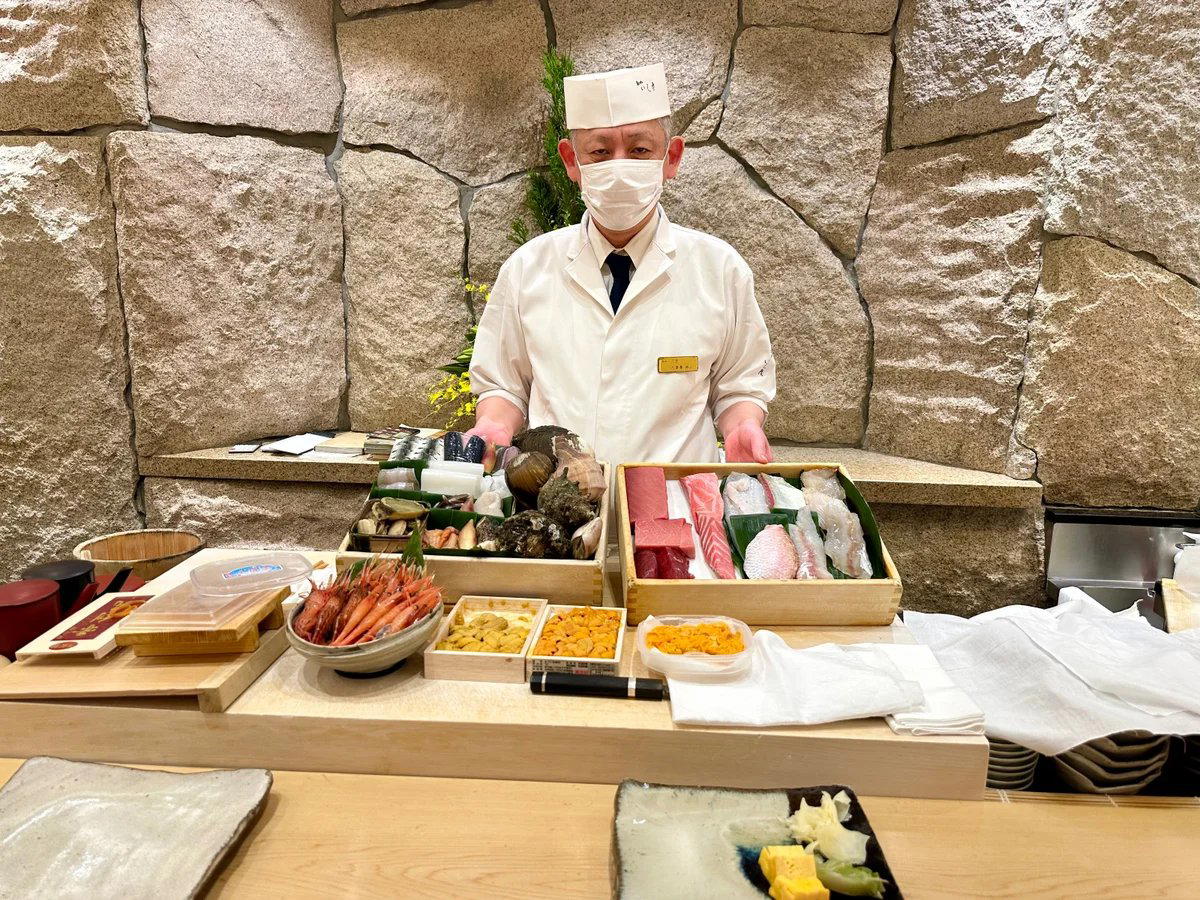
Ginza's Sushi Corridor and Where いし原 Sits Within It
Tokyo's Ginza district has long functioned as the reference point for premium omakase dining in Japan. The concentration of serious sushi counters in the 7-chome and 8-chome blocks is not accidental: the neighbourhood draws the suppliers, the clientele, and the competitive pressure that keeps standards calibrated against a peer group rather than against a regional average. In that context, 鮨処いし原, at 7 Chome-6-5 Ginza, operates inside among the more scrutinised dining corridors in the world. Its address is a statement of intent before a single piece of neta is placed on the counter.
Understanding what a Ginza sushi address means requires some separation between the neighbourhood's reputation and its current reality. The district's leading counters now occupy a narrower, more expensive tier than they did a decade ago, with omakase pricing that increasingly prices against international comparable venues rather than domestic ones. Nearby rooms such as Harutaka operate at ¥¥¥¥ and carry the kind of sustained critical recognition that sets the benchmark for what Ginza sushi is expected to deliver. いし原 sits within that geography, carrying the implicit comparisons that come with the postcode.
Edo-mae Tradition and the Question of Technique
The editorial angle that matters most in Ginza sushi is not which counter has the highest rating but what each counter's technique reveals about the tradition it is working within. Edo-mae sushi, the style that developed in Edo-period Tokyo around preserved and lightly cooked fish, seasoned rice, and minimal ornamentation, has always been a dialogue between local product and imported refinement. The fish arrives from Tsukiji's outer market and from specialist suppliers at Toyosu; the vinegar, the rice variety, and the temperature discipline come from training lineages that can be traced back generations.
What has shifted in the past decade is the degree to which global technique intersects with that tradition. Tokyo's fine dining scene has absorbed French culinary logic, Nordic fermentation frameworks, and scientific temperature control in ways that have pushed even conventional sushi counters to articulate their position more clearly. RyuGin, working in kaiseki rather than sushi, demonstrated early that classical Japanese formats could absorb technical rigour without surrendering their identity. The question for any Ginza counter now is not whether it uses modern technique but how it positions that technique relative to the Edo-mae lineage it claims.
At いし原, the address in Ginza's 7-chome places it squarely in the territory where that question is asked most seriously. The neighbourhood's diners arrive with calibrated expectations, and the counters that hold their clientele over time are those that can answer the technique question with consistency rather than novelty.
Local Ingredients, Global Methodology
The productive tension in Tokyo's leading sushi rooms is between the hyper-local sourcing that defines Edo-mae identity and the globally circulated methods that now inform how fish is handled, aged, and served. Aging protocols borrowed from European butchery, applied to fish rather than beef, have become a serious part of the conversation at the highest level of Tokyo sushi. Temperature management at the counter, the precise moment of seasoning in shari preparation, and the sequencing of a multi-course omakase all reflect a methodology that has absorbed international influence without discarding its local foundation.
This intersection is visible across Tokyo's serious dining culture more broadly. L'Effervescence and Sézanne work in French formats but source almost entirely from Japanese producers, inverting the equation. Crony applies innovative French logic to ingredients that are recognisably Japanese in origin. The city has become a laboratory for exactly this kind of methodological cross-pollination, and sushi sits at the centre of it because the format is simultaneously the codified and the technically demanding in Japanese cuisine.
Japan's broader restaurant geography reflects the same dynamic at different scales. HAJIME in Osaka brings a molecular rigour to kaiseki that reads as globally informed while remaining rooted in Kansai produce. Gion Sasaki in Kyoto holds its classical frame more tightly. akordu in Nara introduces European wine culture into a Japanese ingredient context. Goh in Fukuoka uses Hakata's proximity to Kyushu's fishing grounds to drive a local-product argument. Each of these rooms has staked out a position on the local-versus-global axis, and understanding that axis is especially useful framework for assessing what any Tokyo counter, including いし原, is actually doing.
The Ginza Counter Format and What It Demands
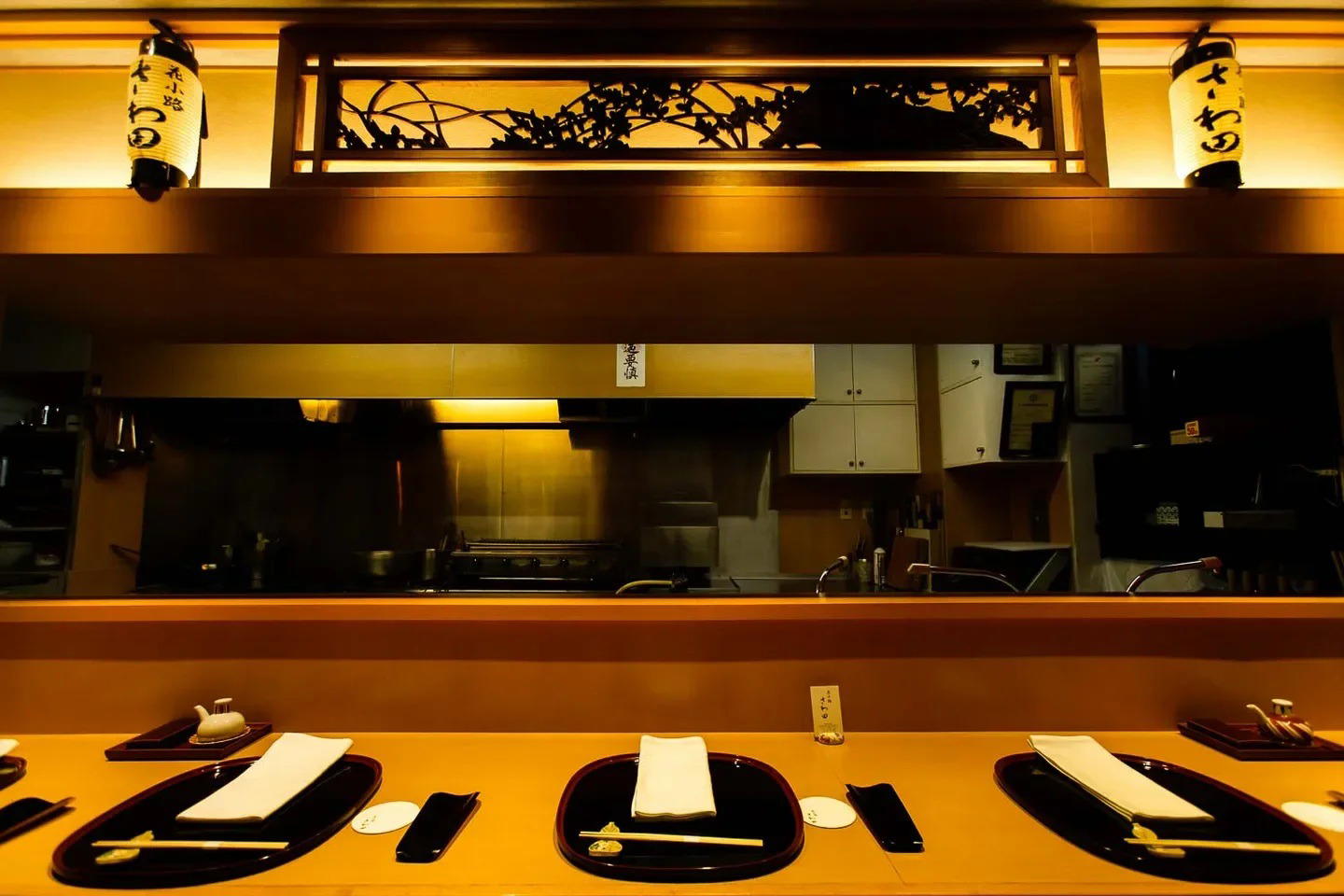
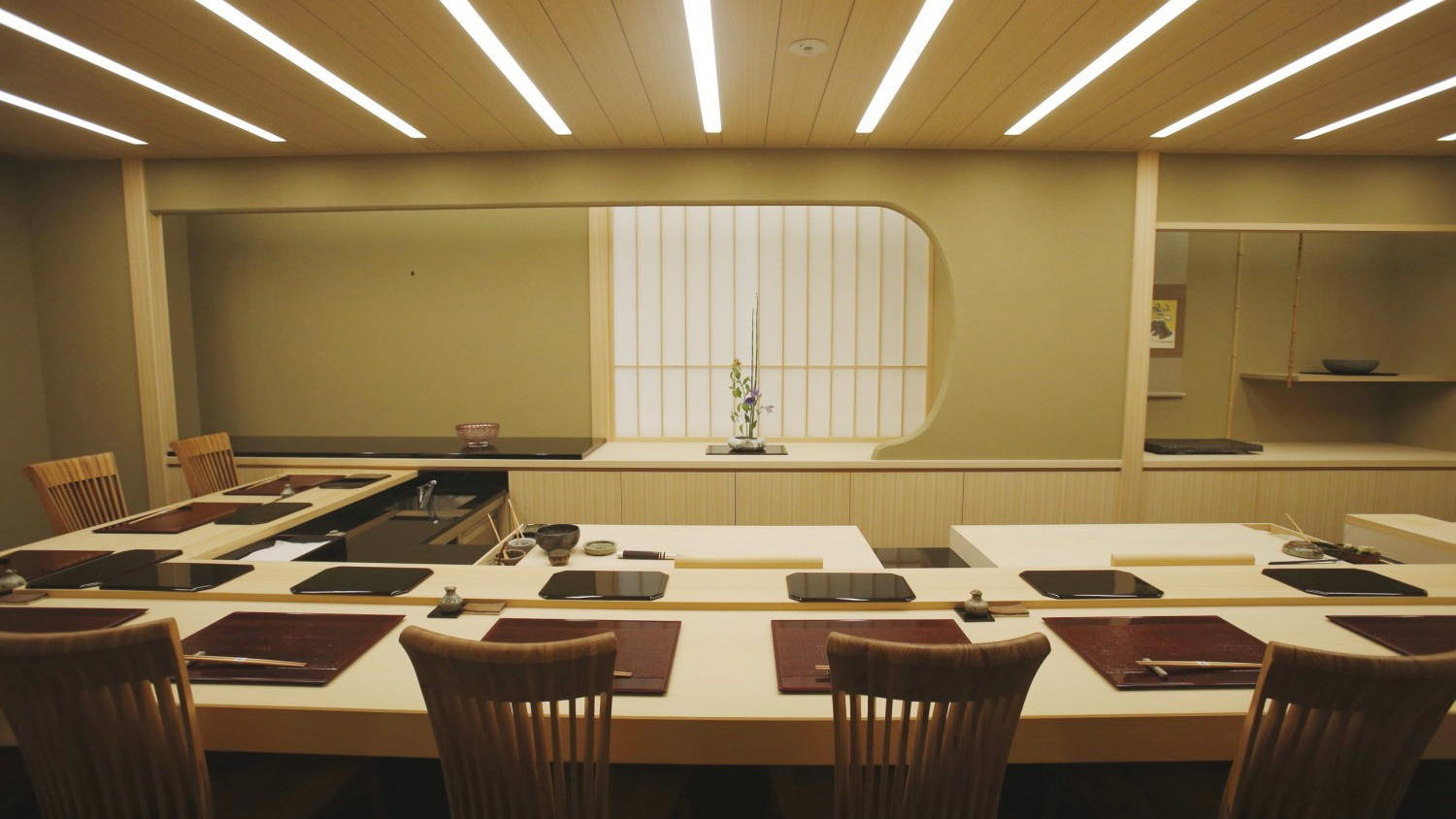
Counter dining in Ginza operates under a different social contract than restaurant dining. Diners at Ginza's serious omakase rooms are not passive participants: the format requires attention to the rice temperature, the cut angle, the ratio of fish to shari, and the progression from lighter white fish through richer fatty cuts. These are not details that require expertise to notice; they are details that reward attention when it is paid.
The booking dynamics at serious Ginza counters have tightened over the past several years, driven by inbound demand from international visitors. Rooms that previously operated on a local-clientele model have had to develop clearer policies around reservations and pace. For any counter at this address, the expectation is that reservations are structured rather than walk-in, and that the omakase format defines the experience rather than à la carte optionality.
Japan's regional sushi and seafood culture provides useful comparative context. Counters such as 一本木 石川製 in Nanao and 夕仙山乃 in Sapporo work with regional catch in ways that make their local sourcing argument clearer than anything a Tokyo counter can make, the proximity to the water is simply shorter. Places like 湖畔庵 in Takashima and 庄羽屋 in Nishikawa Machi operate in rural formats where the ingredient argument is the whole story. Ginza counters, by contrast, have to make the sourcing argument through curation rather than proximity, and that is a more effortful position to sustain.
The comparison extends internationally. Le Bernardin in New York City has spent decades arguing that French technique applied to premium seafood produces a result that justifies its price bracket. Atomix in New York City has made a parallel case for Korean cuisine in a tasting-counter format. Both rooms demonstrate that the local-ingredient, global-technique argument is not uniquely Japanese, it is the dominant logic of serious contemporary dining at the premium end of any market.
Planning a Visit
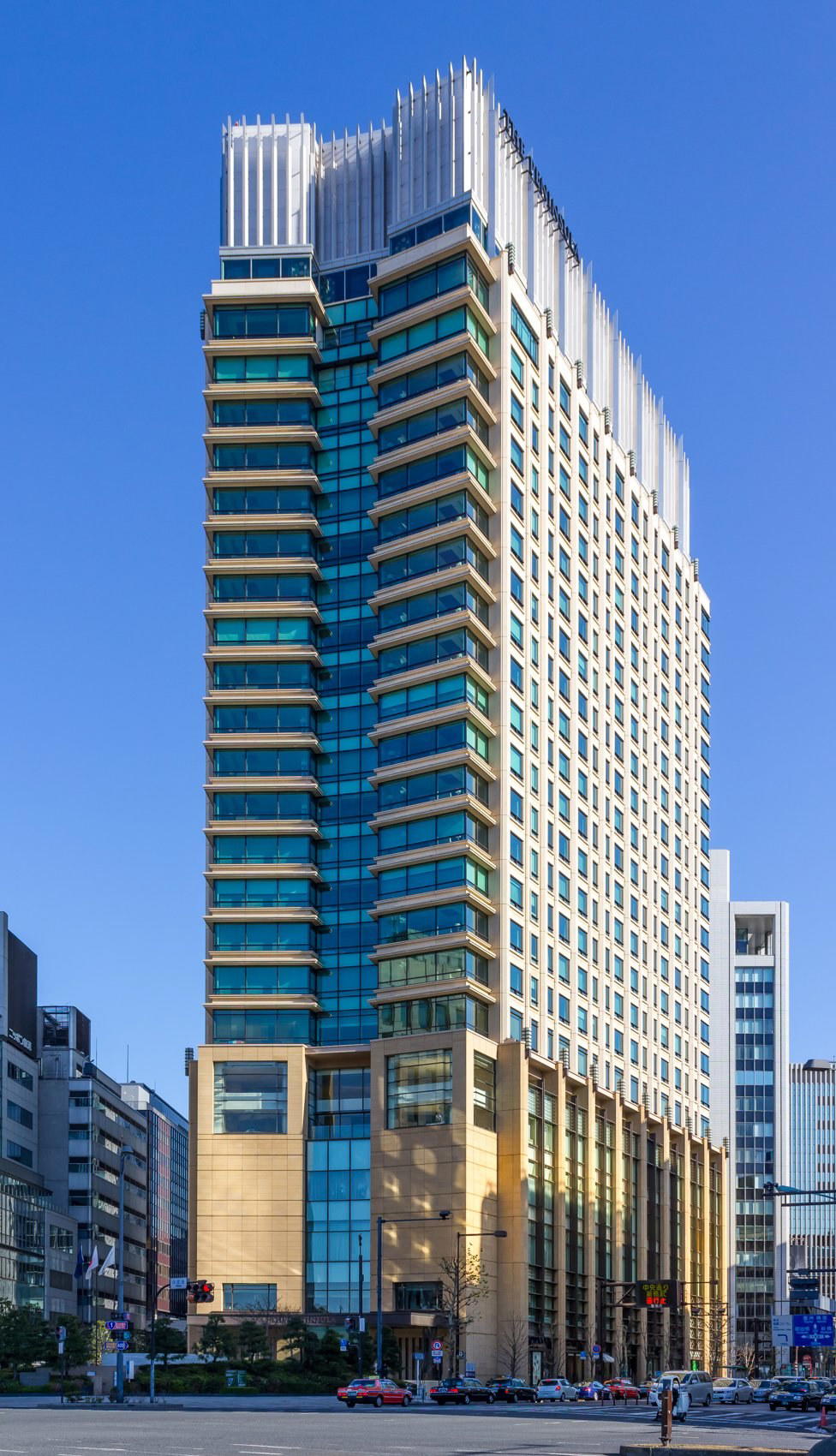
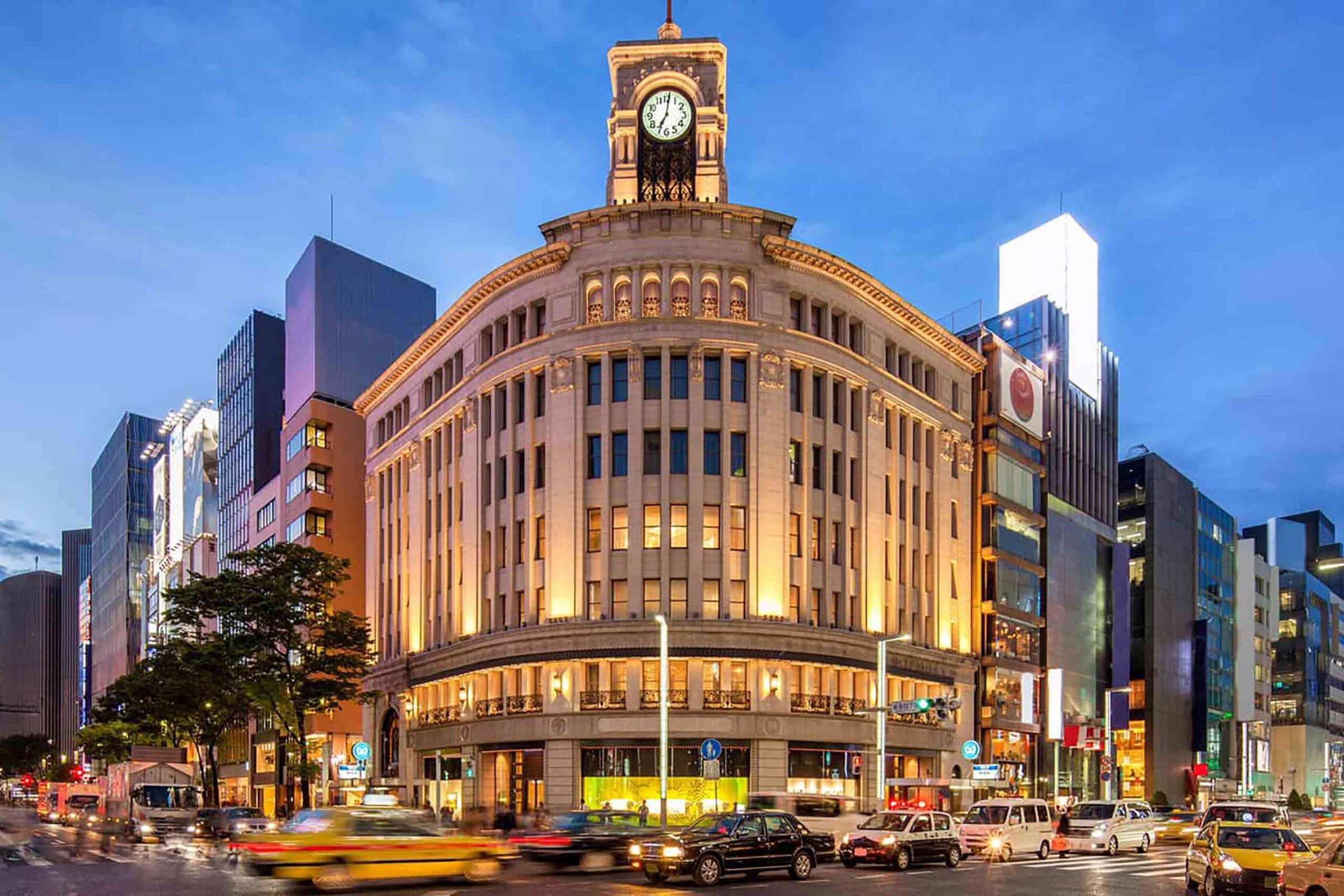
鮨処いし原 is located at 7 Chome-6-5 Ginza, Chuo City, Tokyo, in the southern stretch of Ginza's main commercial zone. The address is walkable from Ginza Station on the Ginza, Hibiya, and Marunouchi lines, placing it within the cluster of serious dining rooms that define the neighbourhood's evening character. Given the counter format standard for this category of Ginza dining, reservations should be treated as essential rather than optional; the omakase structure leaves no accommodation for unscheduled covers.
Reputation Context
Comparable venues nearby, for context on price, style, and recognition.
| Venue | Cuisine | Price | Notes |
|---|---|---|---|
| 鮨処いし原This venue — the venue you are viewing | Traditional Omakase Sushi | $$$$ | Not listed |
| Motoyoshi (天ぷら 元吉) | Michelin-Starred Modern Tempura Omakase | $$$$ | Ebisu |
| Bohemian Nishiazabu | Secret seasonal Japanese robata omakase | $$$$ | Nishiazabu |
| てんぷら 小野 | Seasonal Tempura Omakase | $$$$ | Chūō |
| The Okura | Luxury Japanese Fine Dining Collection | $$$$ | Minato |
| Kojimachi Nihee | Edomae Nigiri Sushi | $$$$ | Chiyoda |









At a Glance
- Elegant
- Intimate
- Quiet
- Special Occasion
- Date Night
- Business Dinner
- Chefs Counter
- Private Dining
Current opening hours
- Monday
- 11 AM–2 PM, 5–11 PM
- Tuesday
- 11 AM–2 PM, 5–11 PM
- Wednesday
- 11 AM–2 PM, 5–11 PM
- Thursday
- 11 AM–2 PM, 5–11 PM
- Friday
- 11 AM–2 PM, 5–11 PM
- Saturday
- 11 AM–2 PM, 5–11 PM
- Sunday
- Closed
Hours can change for holidays and private events. Last verified .
Calm and sophisticated atmosphere with a composed dining environment designed for focused appreciation of sushi craftsmanship.