

Tabelog 100 #90
Our verdict
Iwai occupies a sixth-floor address in Ginza's 7-chome block, placing it inside one of Tokyo's most concentrated corridors of serious dining. The venue operates in a district where wine curation and kitchen ambition are held to the same standard, and where a well-managed cellar is as much a statement of intent as the menu itself. For those tracking Tokyo's more considered wine programs, Ginza 7-chome is a reliable place to start.

Pearl is the En Primeur Club membership app, where members save venues, book tables and use the concierge.
The menu
What to order
- Uni tempura
- Scallop tempura
- Tuna sashimi palate cleanser
- Prawn tempura
- Asparagus tempura
Ginza's Sixth Floor and What It Signals
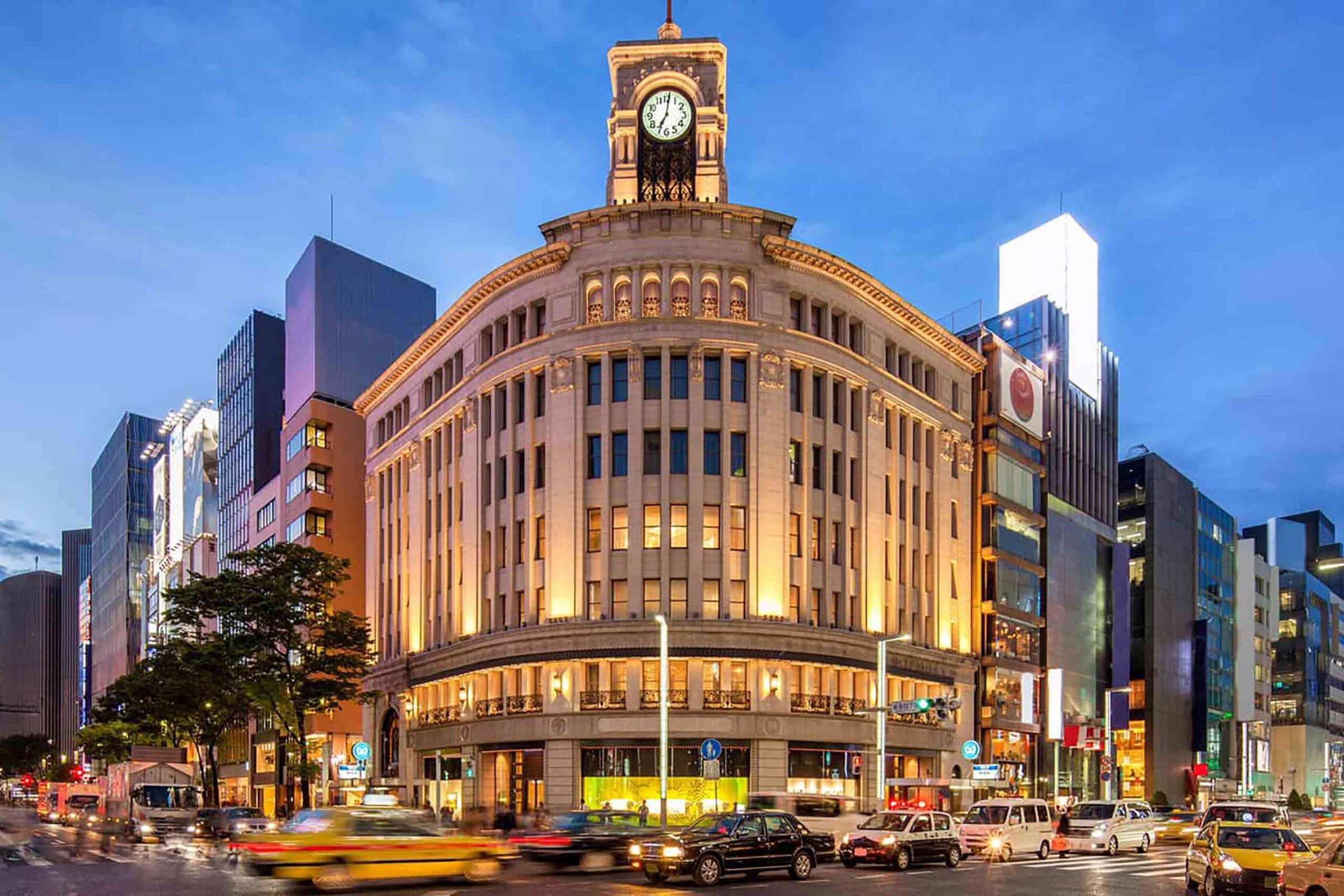
Ginza has been Tokyo's most legible fine-dining address for decades. The neighbourhood's vertical geography, restaurants stacked into tower floors above jewellery stores and cosmetics houses, reflects a city where premium dining rarely announces itself at street level. A sixth-floor address in the 7-chome block puts a venue inside a particularly dense cluster of serious rooms, competing for the same tier of guest as counter sushi operations like Harutaka and kitchen-forward destinations such as RyuGin. In that context, Iwai is not operating in a secondary market. It is positioned where the expectations around every element of the experience, including the wine list, are correspondingly high.
The concentration of three-Michelin-star and two-Michelin-star restaurants in this part of Ginza means that a venue's wine program is evaluated against some of the most considered cellars in Japan. French rooms like L'Effervescence and Sézanne have helped establish a Tokyo standard for European wine curation that extends beyond the obvious Burgundy and Bordeaux anchors. Any serious dining address in this corridor is implicitly measured against that benchmark.
The Wine Frame: Curation as Editorial Statement
Tokyo's most serious wine programs have moved away from depth-by-volume toward curation by argument. The shift, visible across the city's leading French and French-influenced rooms, involves building a list that makes a case, for a region, a producer philosophy, a vintage range, rather than simply presenting breadth. This is a harder thing to execute than assembling an extensive cellar, because it requires the sommelier's point of view to be legible in the selection without being narrow.
Ginza's dining culture has historically leaned toward European classical wine, particularly Burgundy and Champagne, as the default currency of premium pairing. That framework is still present, but the rooms that have attracted the most attention in recent years have complicated it with selections from lesser-documented French appellations, from Austrian and German producers working at high precision, and from Japanese domestic wine, a category that has developed considerable technical credibility in the last fifteen years, particularly from Hokkaido and Nagano producers.
A venue at the 7-chome level in Ginza is expected to have a position on these questions. The wine list, in this context, is not supplementary to the food program. It is part of the same editorial statement.
How Ginza Dining Rooms Are Judged
Guests arriving at a sixth-floor Ginza room in this block have typically already visited counter sushi at the level of Harutaka, kaiseki at the level of RyuGin, or French tasting menus at the level of Sézanne. They are not new to the category. That shapes what the room needs to deliver: not an introduction to Tokyo fine dining, but a sufficiently distinct argument to justify the choice.
Innovative French rooms in Tokyo, exemplified at different points by Crony, have demonstrated that a two-Michelin-star designation in this city does not imply a lesser experience than three-star operations. Tokyo's Michelin density means that the two-star tier contains rooms that would anchor the best of most other cities' lists. The competitive pressure at every level is unusual by global standards.
For comparison, Japanese dining rooms in other cities are navigating different conditions. HAJIME in Osaka and Gion Sasaki in Kyoto operate in markets where the peer density is lower and the culinary registers are distinct. Akordu in Nara and Goh in Fukuoka address regional markets with their own internal logic. Tokyo's Ginza, by contrast, concentrates international competition and local ambition in the same small geography, which is why address specificity matters here more than in most cities.
Planning a Visit to Ginza's Upper Tier
Booking patterns at Ginza's serious dining rooms have tightened considerably since 2022. The return of international travel to Japan, particularly from Hong Kong, Singapore, and the United States, increased pressure on the city's top-tier reservations in ways that have not fully eased. Rooms in the 7-chome block that previously required two to four weeks of advance planning now often require six to ten weeks, and in some cases more for specific seating times or days.
The practical implication is that Ginza dining at this level is not spontaneous. It is planned as part of a wider itinerary, and the logistics of that planning are worth treating seriously. For broader orientation on what Tokyo's dining, drinking, and hospitality map looks like, EP Club's full Tokyo restaurants guide, Tokyo bars guide, Tokyo hotels guide, Tokyo wineries guide, and Tokyo experiences guide provide the wider context for building an itinerary around a specific dining anchor.
For visitors extending beyond Tokyo, the logical circuit includes Osaka, Kyoto, and Fukuoka, each of which supports serious dining at a level that rewards the same planning discipline. Outside Japan, the closest analog environments for this density of high-precision tasting-menu dining are New York rooms like Le Bernardin and Atomix, both of which operate under comparable booking pressure and audience expectations. Regional references within Japan also extend to 1000 in Yokohama and 6 in Okinawa, which address different registers of the same high-intent dining market.
Know Before You Go
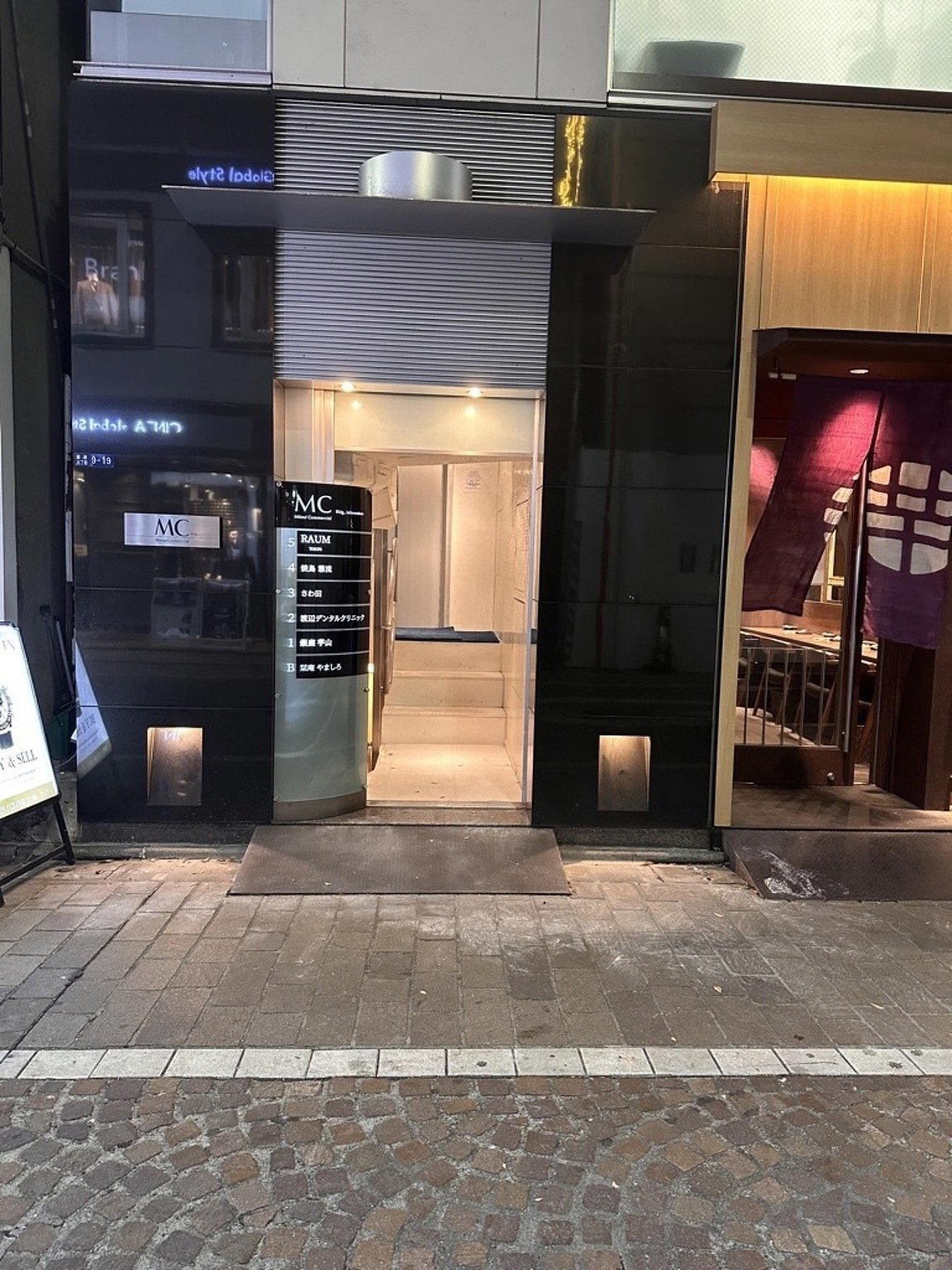
- Address: 6F, 銀座ビル 745, 7 Chome-4-5 Ginza, Chuo City, Tokyo 104-0061
- Neighbourhood: Ginza 7-chome, Central Tokyo
- Floor: Sixth floor, look for building directory on arrival
- Booking lead time: Plan six to ten weeks ahead given current Ginza reservation pressure
- Getting there: Ginza Station (Tokyo Metro Ginza, Hibiya, and Marunouchi lines) is the primary access point; 7-chome is a short walk east of the main Ginza crossing
- Contact: Phone and website not currently listed, check current booking platforms or contact directly via the building address
Frequently asked questions
What part of town is Iwai in?
Iwai is located at Japan, 〒104-0061 Tokyo, Chuo City, Ginza, 7 Chome−4−5 銀座ビル 745 6F, Tokyo.
What kind of dining experience does a sixth-floor Ginza room like Iwai typically offer compared to ground-level venues?
Ginza's vertical dining culture is a deliberate architectural choice: sixth-floor rooms at addresses like 7-chome Ginza Building 745 tend toward intimacy and separation from street-level foot traffic, which shapes both pacing and atmosphere. The format typically suits longer, more composed meals rather than quick-turn covers, a structural signal about how the kitchen and service are calibrated. For guests planning a visit to Iwai's Chuo City address, this context helps frame expectations around timing and the overall register of the evening.
What's the must-try dish at Iwai?
Given Iwai's address in Ginza's 7-chome, the cooking is likely to reflect the neighbourhood's broader discipline: precision over provocation, seasonal Japanese produce, and classical technique. Contacting the restaurant directly before your visit is the most reliable way to understand what the kitchen is currently focused on.
How far ahead should I plan for Iwai?
Booking windows across Ginza's sixth-floor dining rooms tightened considerably after 2022, when international travel to Japan resumed at scale. For a room at this address in the 7-chome block, lead times of six to eight weeks are a reasonable baseline, with popular weekend slots requiring more. Reaching out through the venue's reservation channel as early as possible is advisable, particularly if travelling from overseas.
What has Iwai built its reputation on?
Iwai occupies a sixth-floor position in Ginza's Chuo City core, a location that, in Tokyo's dining shorthand, signals a deliberate choice: the neighbourhood filters for a specific kind of intent. Guests in this part of Ginza are typically comparing the room against counter sushi and serious French, which sets the benchmark.
Can Iwai accommodate dietary restrictions?
As a general practice at serious Ginza dining rooms, dietary requirements communicated at the time of booking, rather than on arrival, are handled with greater reliability. Contacting the venue directly before your visit is the practical approach.
Should I splurge on Iwai?
In Ginza's 7-chome fine-dining tier, evening menus at comparably positioned sixth-floor rooms typically run from ¥20,000 to ¥40,000 per person before wine, which is consistent with what the address commands across the neighbourhood.
Comparable Venues
Comparable venues nearby, for context on price, style, and recognition.
| Venue | Cuisine | Price | Awards | Notes |
|---|---|---|---|---|
| IwaiThis venue (the venue you are viewing) | Edo-Style Tempura Omakase | $100–150 | Tabelog 100 #90 | Not listed |
| Sushi Sugita (日本橋 蛎殻町 すぎた) | Edomae Sushi Omakase | $300–500 | Not listed | Nihonbashi |
| Fukuji (ふぐ福治) | Fugu (Pufferfish) Fine Dining | $300–500 | Not listed | Ginza |
| くろぎ | Tokyo Kappo Kaiseki | $300–500 | Not listed | Hamamatsucho |
| 鮨処やまと | Edomae Sushi Omakase | $200–300 | Not listed | Tsukiji |
| Kosasa Sushi | Traditional Edomae Sushi Omakase | $500+ | Tabelog 100 #6 | Chūō |
Recognition history
Dated appearances from independent guides and award organizations, with the underlying list record or original source where available.
Opinionated About Dining Top Restaurants in Japan Recommended
Opinionated About Dining
Tabelog 100 #90 · No. 90
Tabelog · Tabelog 100 - Tempura - 2025
Continue exploring
More in Tokyo
Restaurants in Tokyo
All restaurants in Tokyo →

Bars in Tokyo
All bars in Tokyo →
Details
- Elegant
- Intimate
- Classic
- Quiet
- Special Occasion
- Date Night
- Celebration
- Chefs Counter
- Open Kitchen
- Extensive Wine List
- Sake Program
- Sommelier Led
- Local Sourcing
- Sustainable Seafood
- Omakase
- Counter Dining
- Tasting Menu
- Wine
- Sake
- Craft Beer
- Pescatarian Friendly
- Allergy Accommodating
Current opening hours
- Monday
- Closed
- Tuesday
- 6–10 p.m.
- Wednesday
- 6–10 p.m.
- Thursday
- 6–10 p.m.
- Friday
- 6–10 p.m.
- Saturday
- 6–10 p.m.
- Sunday
- Closed
Hours can change for holidays and private events. Last verified .
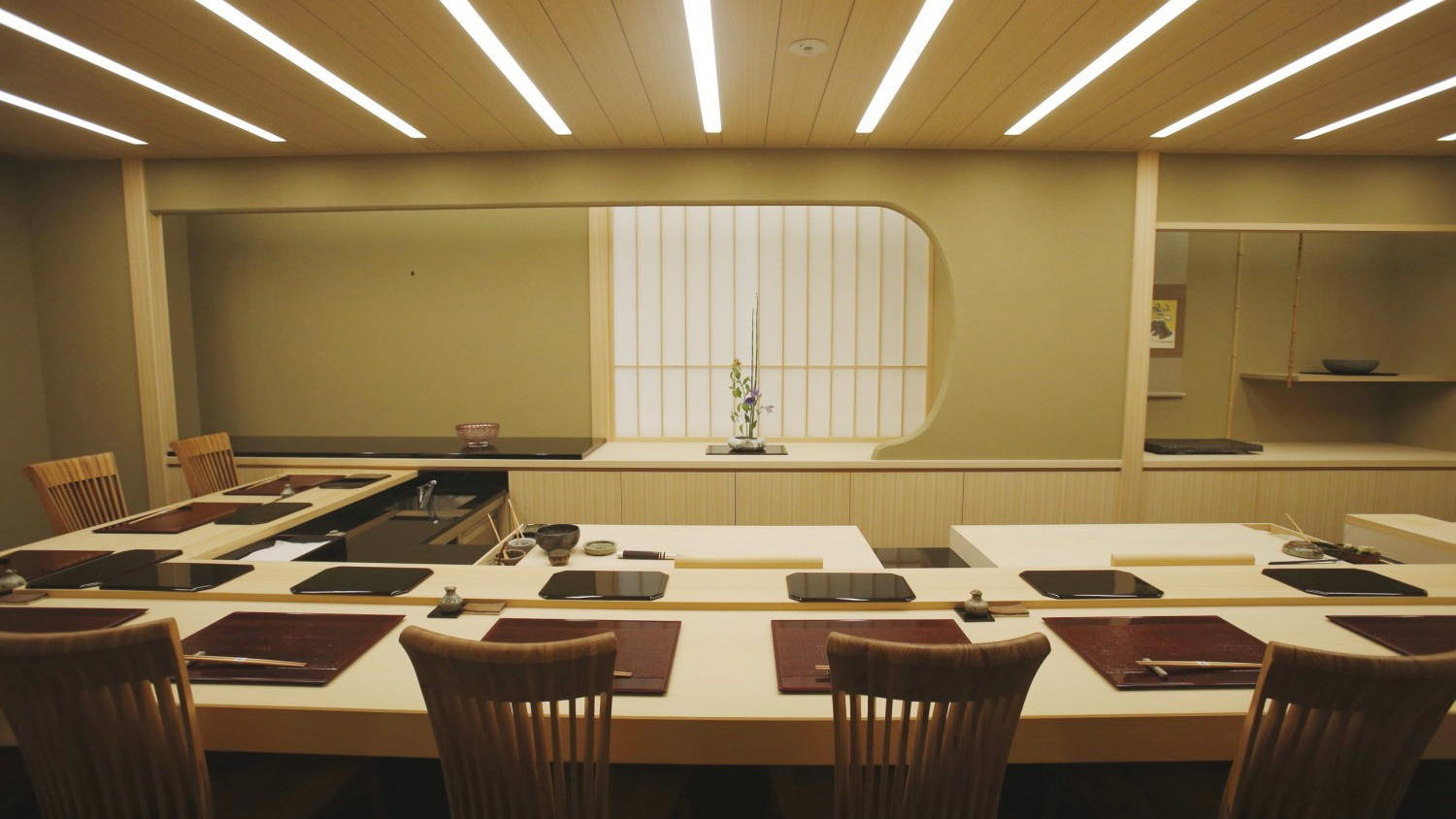
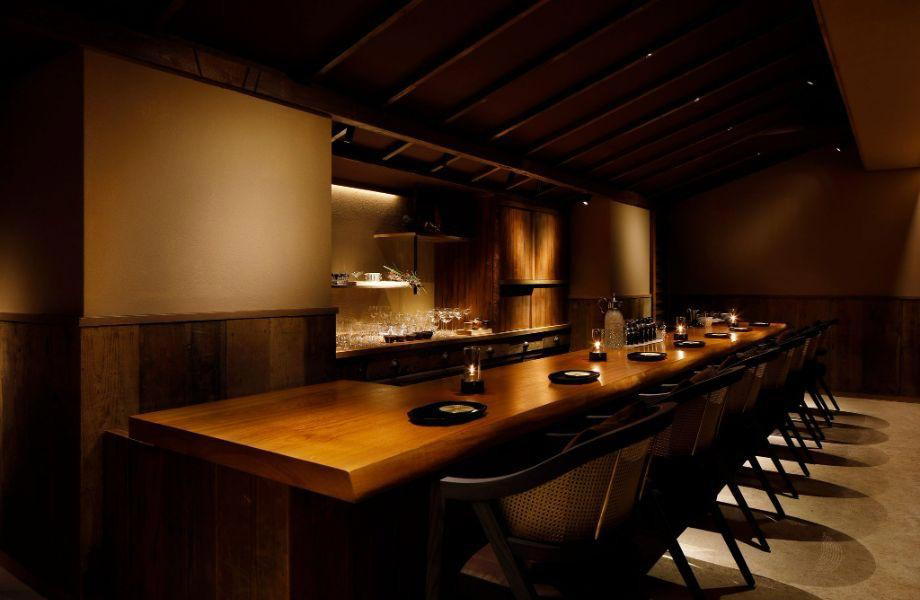
Serene and intimate counter-only setting with warm, peaceful atmosphere offering respite from Ginza's bustling streets; guests observe chef's precise tempura preparation directly.