
Fukuda occupies a first-floor address in Azabu-Juban, one of Minato's quieter residential pockets and a neighbourhood that has long supported serious, low-profile dining. The restaurant sits in a category of Tokyo establishments where the menu structure itself communicates intent, measured, course-driven, and built for readers who already know how to listen. For visitors cross-referencing Tokyo's broader fine-dining tier, Fukuda is a reference point worth understanding on its own terms.
Pearl is the En Primeur Club membership app — saves, bookings, and concierge access live there. Same editors, same standards.
- Address
- Japan, 〒106-0045 Tokyo, Minato City, Azabujuban, 3 Chome−7−5 マスコビル麻布弐番館 1階
- Phone
- +81364537256
- Website
- azabu10ban-fukuda.com
 Saves & bookings on Pearl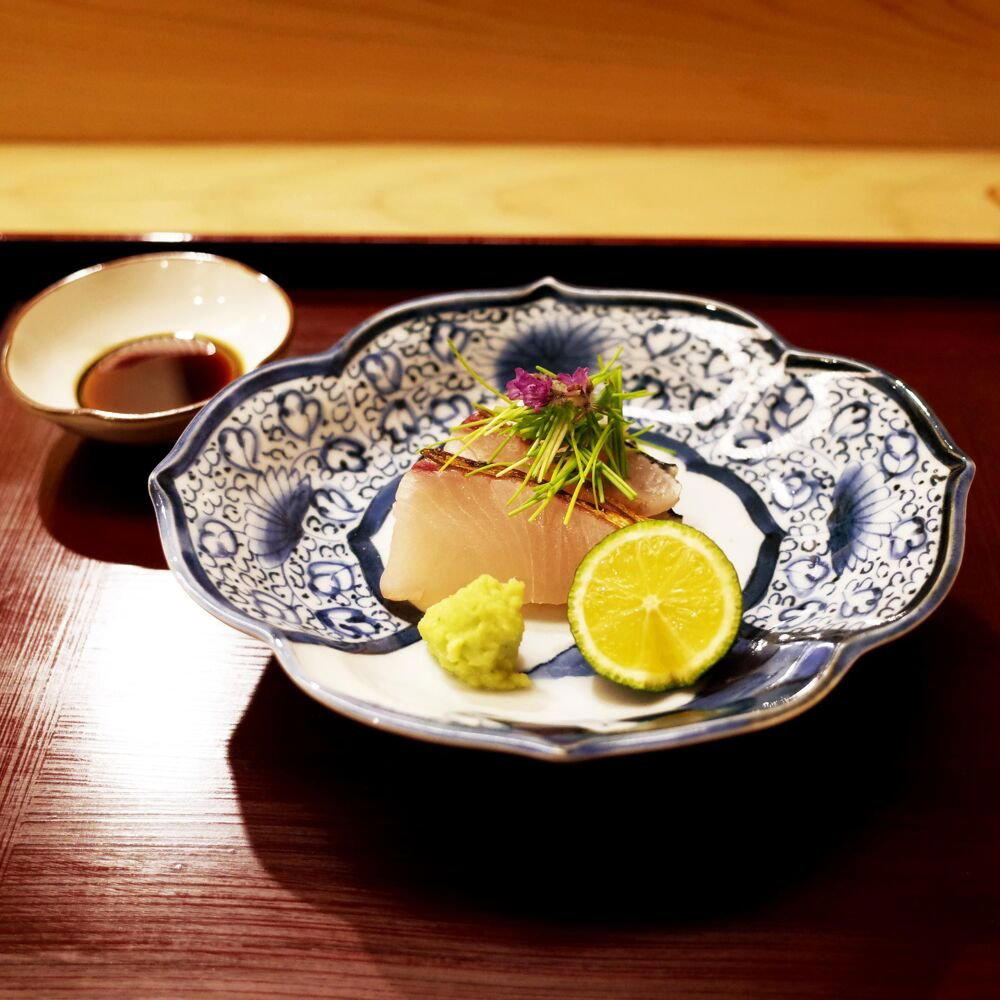
Azabu-Juban and the Case for Quiet Ambition
Minato City's Azabu-Juban district does not advertise itself the way Ginza or Roppongi do. The streets run residential between the embassy quarter and the old shitamachi grid, and the dining that takes root here tends to reflect that register: committed without being performative, expensive without being theatrical. It is a neighbourhood where the absence of a restaurant sign is not an oversight but a statement. Fukuda, on the first floor of a building on 3-chome, fits that pattern precisely. It is a Michelin-Starred Kaiseki restaurant in Tokyo's Minato City, priced at about $250 per person.
At the high end, Ginza and Minami-Aoyama anchor the formal omakase and kaiseki market. Azabu-Juban occupies an adjacent position, close enough to that prestige zone to draw the same clientele, far enough from it to operate at a different atmospheric temperature. The comparison is not about quality so much as register: where Ginza counters often project ceremony, Azabu-Juban's dining rooms tend toward concentration.
Reading the Menu as Architecture
One instructive thing about any serious Japanese restaurant is not the ingredient list but the sequence. In kaiseki and omakase formats, the two dominant structures at Tokyo's upper tier, the menu is a composed argument. Each course makes a claim about season, technique, and proportion, and the transitions between courses are as considered as the dishes themselves. What a menu omits tells you almost as much as what it includes.
Fukuda's address and positioning suggest a kitchen operating in this tradition of structured restraint. The Azabu-Juban restaurants that have sustained reputations in this city are rarely the ones with particularly elaborate presentations. They are the ones with the clearest internal logic: a menu that knows what it is trying to say and does not repeat itself. This is the editorial discipline that separates a well-organised tasting format from one that simply sequences courses.
RyuGin in Roppongi structures its kaiseki around seasonal transformation, each visit in a different month produces a materially different argument. L'Effervescence brings a French progression to Japanese ingredients, building tension through texture contrast rather than course type. Sézanne, in the Four Seasons Marunouchi, works within the French idiom but sources with the granularity of a Japanese kitchen. Each of these is a distinct structural proposition, not merely a collection of dishes. Fukuda's Azabu-Juban context places it in a category where diners arrive with similar expectations of internal coherence.
The Neighbourhood Competitive Set
In Tokyo's mature fine-dining market, the relevant comparable set for an Azabu-Juban restaurant is not defined solely by the style of cooking but by price tier, format discipline, and the kind of reservation behaviour the address tends to produce. The neighbourhood's restaurants generally operate on a pre-booking model with limited walk-in availability, and the clientele skews toward regulars and referrals rather than tourist-first traffic.
This puts Fukuda in a different competitive conversation than, say, Crony in Tomigaya, a restaurant whose innovative French format draws a younger, media-aware crowd, or Harutaka in Ginza, where the sushi counter format produces a different pacing and a different social contract between kitchen and guest. Azabu-Juban diners tend to want the room to feel like it belongs to them for the duration of a meal.
HAJIME in Osaka operates at a three-Michelin-star level with a strongly conceptual framework. Gion Sasaki in Kyoto anchors itself in the kaiseki tradition with rigorous seasonal discipline. Goh in Fukuoka takes a more personal approach to Japanese-European synthesis. Each of these represents a distinct structural argument, the same question that Fukuda, in its Azabu-Juban context, is implicitly answering.
What the Address Implies About the Experience
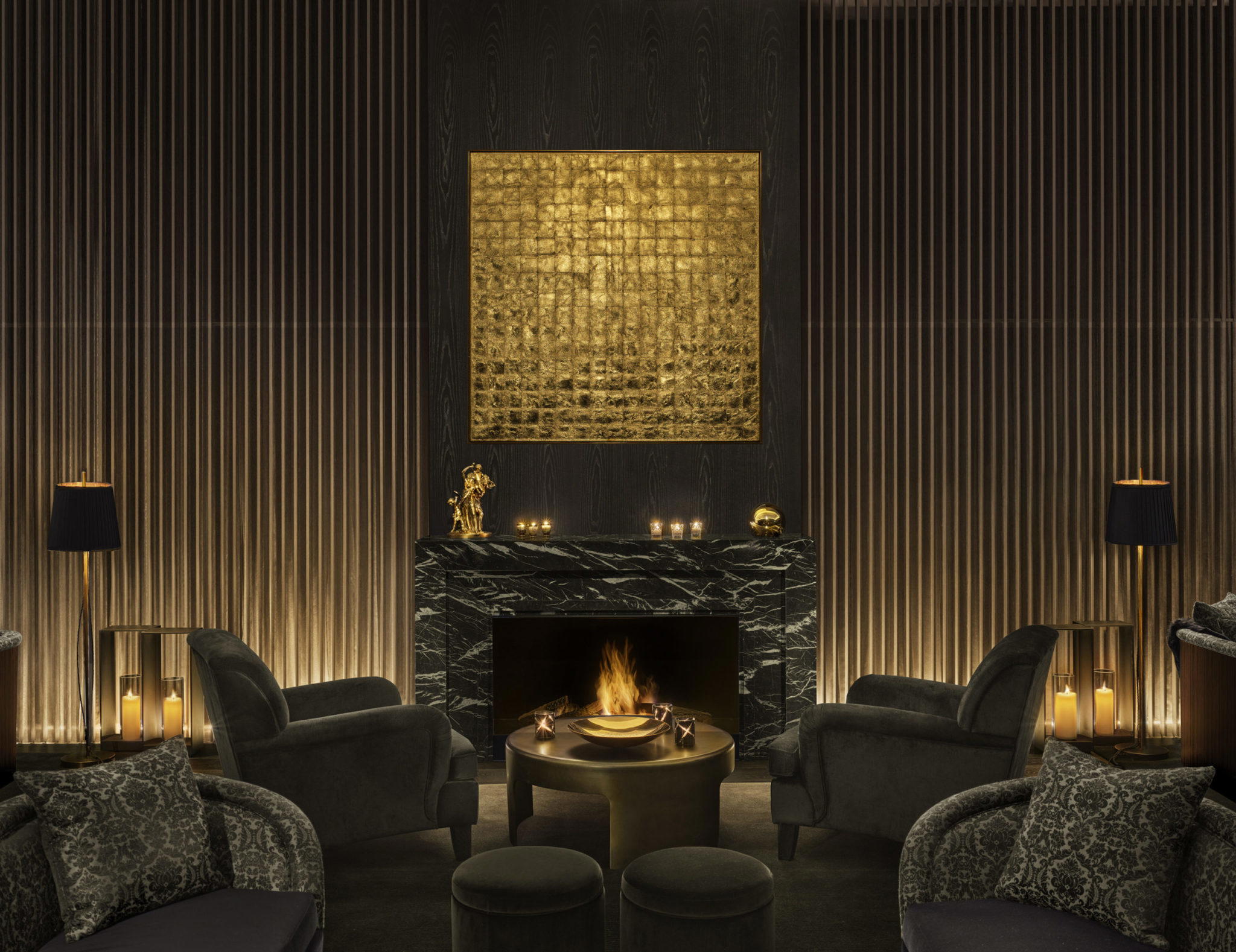
First-floor dining rooms in Tokyo's quieter residential districts have a specific phenomenology. The approach on foot is almost always understated, a half-lit entryway, a discrete nameplate, the sound of the street dropping away as you step inside. This is by design. The architecture of arrival is part of the menu, in the broadest sense: it calibrates the guest's attention before the first course arrives.
Azabu-Juban's built environment supports this. The district lacks the retail density of Omotesando or the financial-district energy of Marunouchi, which means arriving at a restaurant here involves passing through residential streets rather than a commercial gauntlet. For diners who find that transition useful, the neighbourhood delivers it reliably. For Tokyo visitors accustomed to the compressed energy of Shinjuku or Shibuya, Azabu-Juban registers as a deliberate deceleration.
Planning Your Visit
Azabu-Juban Station on the Namboku and Oedo lines puts guests within a short walk of Fukuda's 3-chome address. The neighbourhood is also accessible from Roppongi Station, roughly ten minutes on foot through the embassy district.
Beyond Tokyo, travellers building Japan itineraries around food might also reference akordu in Nara, Abon in Ashiya, affetto akita in Akita, Aji Arai in Oita, Ajidocoro in Yubari District, Akakichi in Imabari, and aki nagao in Sapporo, each representing a distinct regional approach to serious Japanese cooking. For international reference points in the same structural register, Le Bernardin in New York City and Lazy Bear in San Francisco both demonstrate how menu architecture functions as a primary communication tool at the upper end of Western fine dining.
| Venue | Neighbourhood | Cuisine | Price Tier | Format |
|---|---|---|---|---|
| Fukuda | Azabu-Juban, Minato | Not confirmed | Not confirmed | Not confirmed |
| Harutaka | Ginza | Sushi | ¥¥¥¥ | Omakase counter |
| RyuGin | Roppongi | Kaiseki | ¥¥¥¥ | Tasting menu |
| L'Effervescence | Minami-Aoyama | French | ¥¥¥¥ | Tasting menu |
| Crony | Tomigaya | Innovative French | ¥¥¥¥ | Tasting menu |
Where It Fits
Comparable venues nearby, for context on price, style, and recognition.
| Venue | Cuisine | Price | Notes |
|---|---|---|---|
| FukudaThis venue — the venue you are viewing | Michelin-Starred Kaiseki | $$$$ | Not listed |
| 精进料理 醍醐 | Shojin-ryori Buddhist vegetarian kaiseki | $$$$ | Minato (Atago) |
| Yakatabune Izanagi | Wagyu Omakase on Tokyo Bay Yakatabune | $$$$ | Shinagawa |
| Atelier Morimoto XEX | Modern Japanese Teppanyaki and Edomae Sushi | $$$$ | Minato |
| トラジ 西麻布店 | Premium Yakiniku | $$$$ | Minato |
| ジュリア | Modern Japanese Fine Dining | $$$$ | Shibuya |
Recognition history
Dated appearances from independent guides and award organizations, with the underlying list record or original source where available.
Opinionated About Dining Top Restaurants in Japan Recommended
Opinionated About Dining










At a Glance
- Intimate
- Elegant
- Sophisticated
- Date Night
- Special Occasion
- Chefs Counter
- Sake Program
Current opening hours
- Monday
- 6 PM–12 AM
- Tuesday
- 6 PM–12 AM
- Wednesday
- 6 PM–12 AM
- Thursday
- 6 PM–12 AM
- Friday
- 6 PM–12 AM
- Saturday
- 6 PM–12 AM
- Sunday
- 6 PM–12 AM
Hours can change for holidays and private events. Last verified .
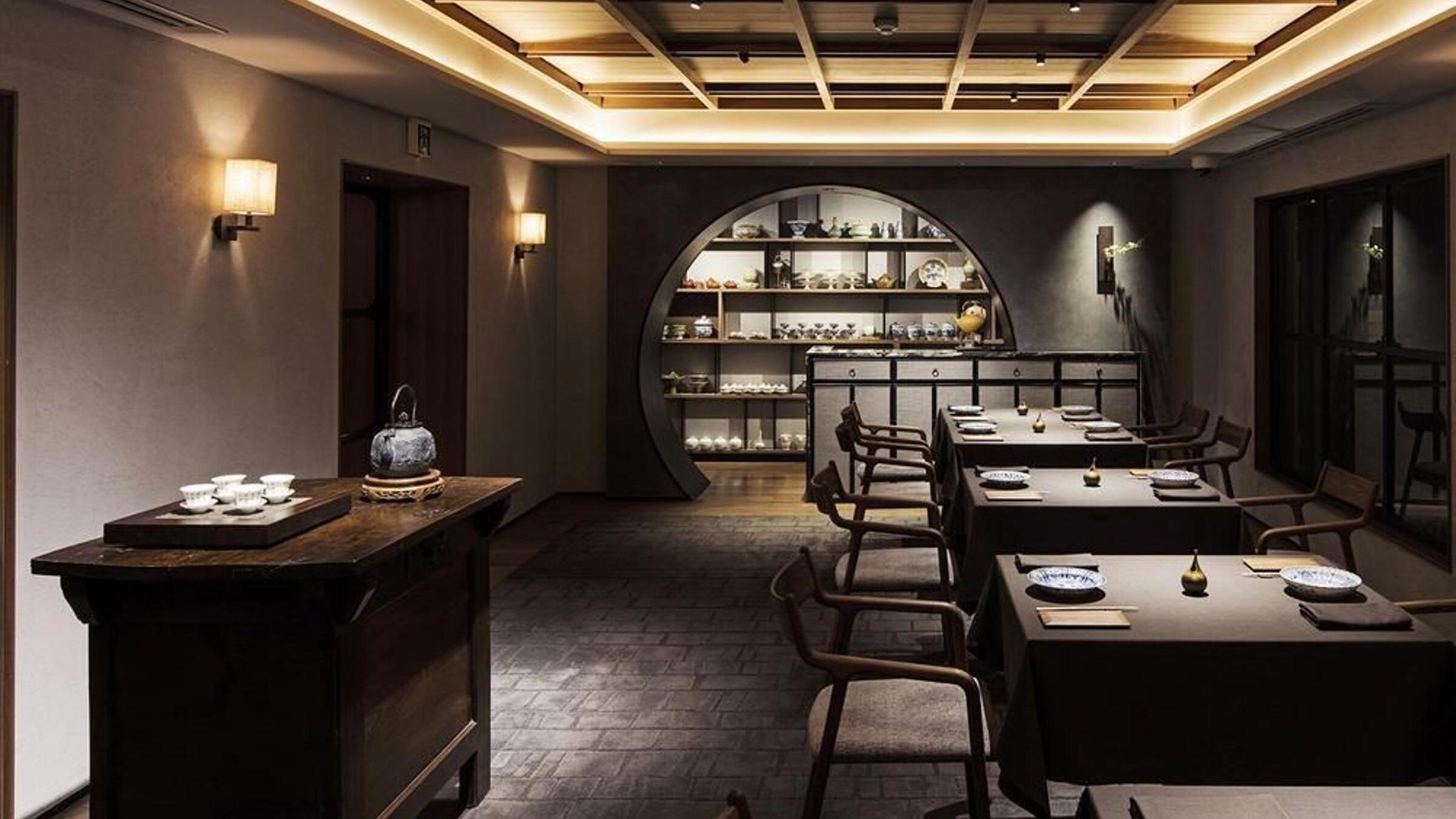
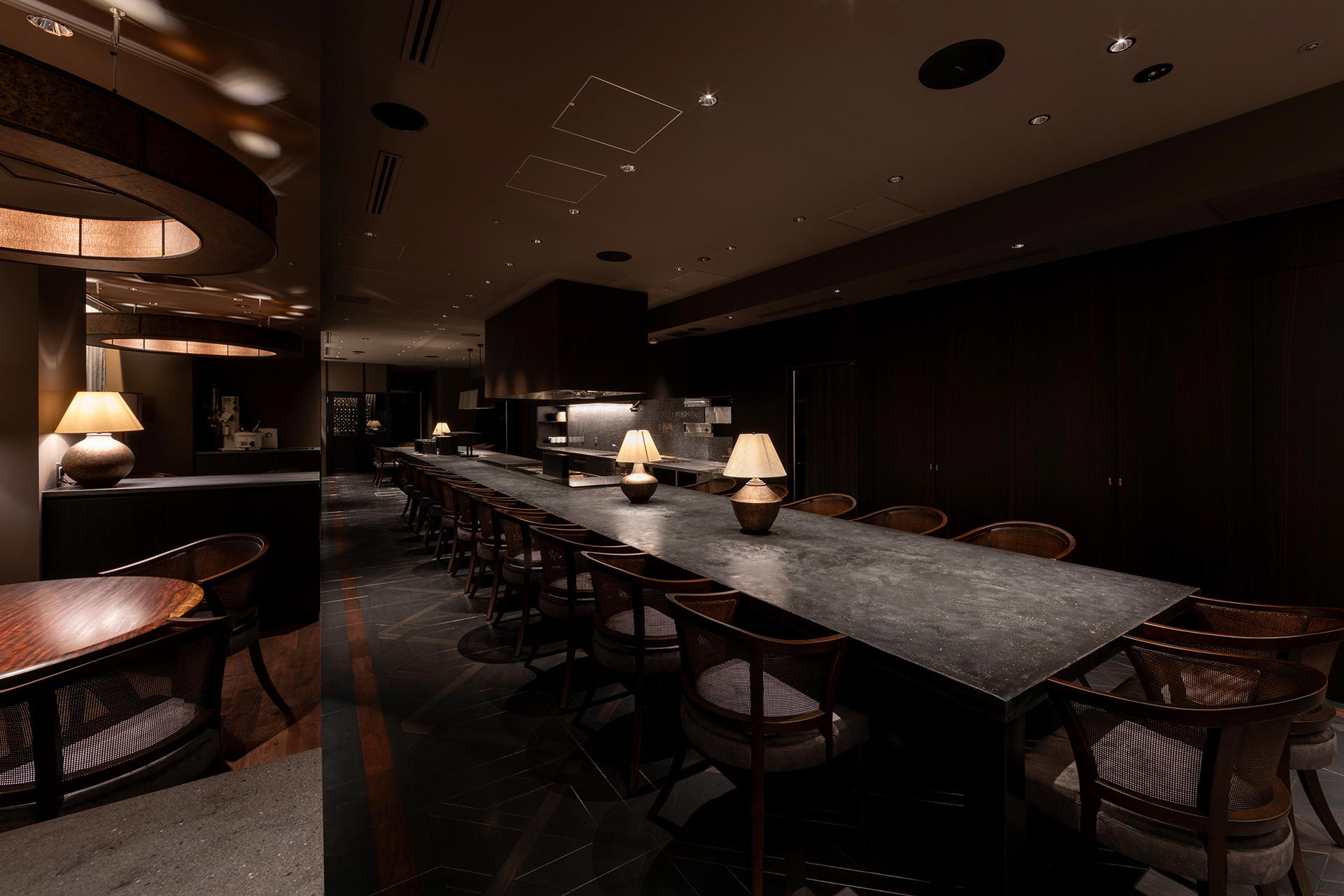
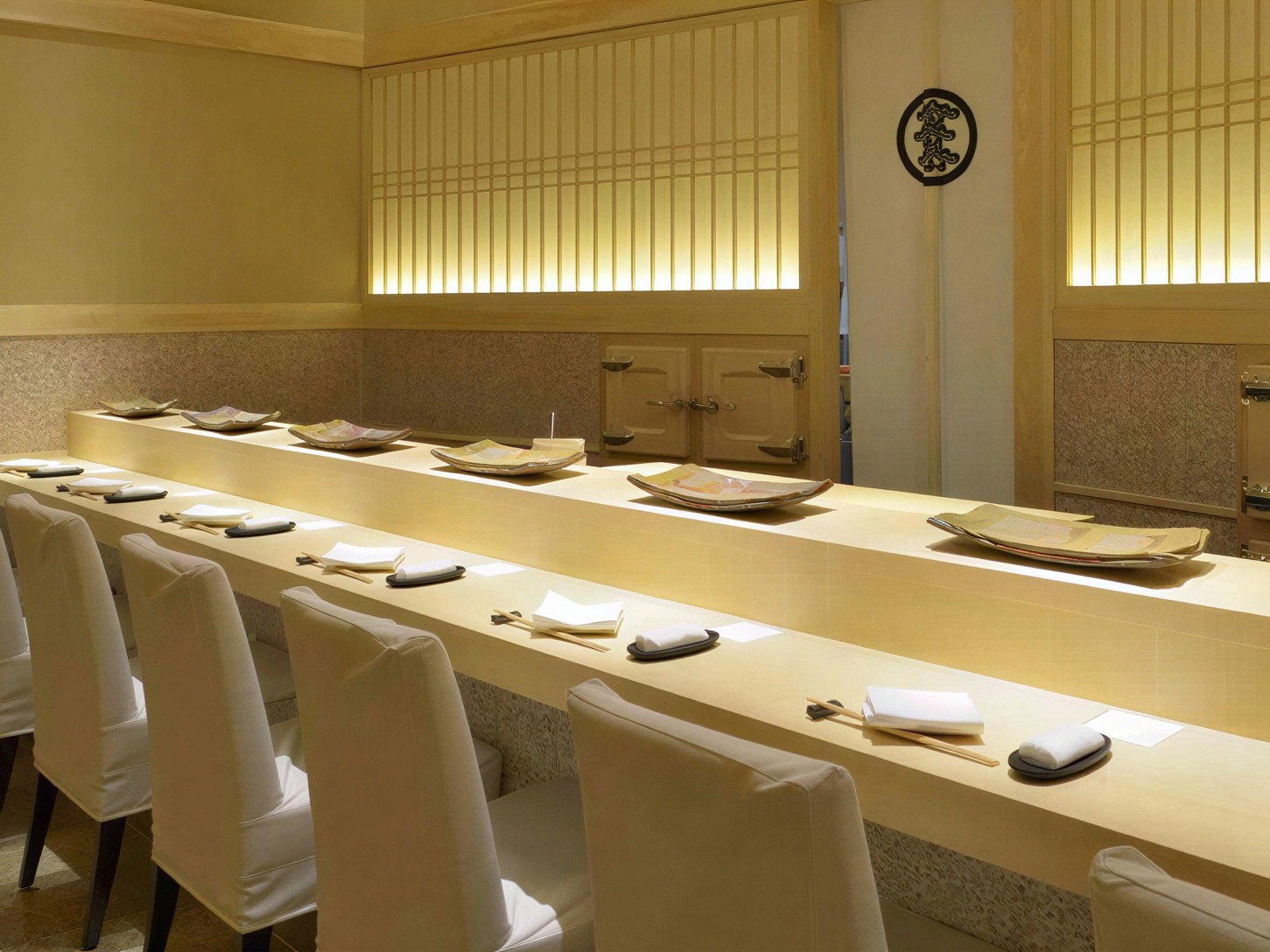
Intimate 14-seat counter with warm lighting and gracious hospitality from the owner couple.