
Among Tokyo's specialist eel restaurants, Unagi Akasaka Sekine occupies a specific and serious tier: a neighbourhood institution in Minato City's Akasaka district where the unagi tradition is observed with the kind of quiet discipline that separates dedicated specialists from broader Japanese restaurants that happen to serve eel. The address alone signals intent, Akasaka's dining culture rewards depth over novelty.
Pearl is the En Primeur Club membership app — saves, bookings, and concierge access live there. Same editors, same standards.
- Address
- 9-chōme-1 Akasaka, Minato City, Tokyo 107-0052, Japan
- Phone
- +81354101500
- Directions
- Get directions
 Saves & bookings on Pearl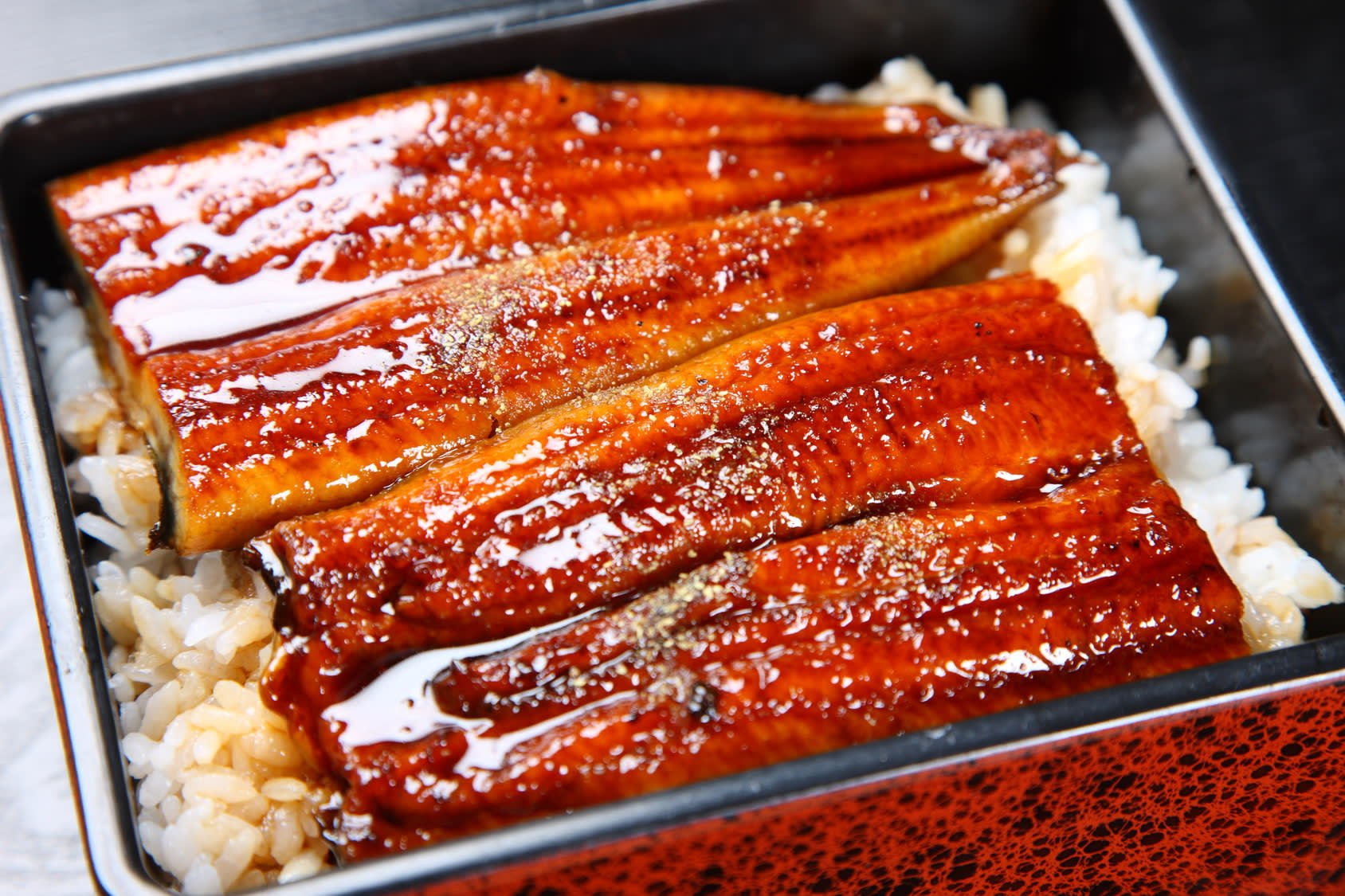
The Ritual Before the Room
There is a particular kind of Tokyo restaurant that announces itself without signage designed to impress, no dramatic facade, no velvet rope logic. Unagi Akasaka Sekine is a Tokyo restaurant in Minato City, specializing in Michelin-Starred Unagi Omakase and priced at about $350 per person. Addressed at 9-chōme-1 Akasaka in Minato City, it belongs to this category: a specialist eel house operating in one of the city's more purposeful dining districts, where the clientele tends to know precisely what it came for and the kitchen is set up to deliver exactly that.
Akasaka sits between the political weight of Nagatacho and the commercial density of Roppongi, and it has long supported a dining culture shaped by expense-account lunches, after-work kaiseki, and the kind of neighbourhood regulars who return to the same counter for decades. In this context, a dedicated unagi house is not a curiosity, it is a continuation of a long tradition.
Unagi as Ritual, Not Convenience
Understanding what an unagi specialist does requires some distance from the casual eel bowl served at chain restaurants across Japan. At the serious end of the category, unagi preparation follows a discipline closer to sushi omakase in its specificity: the eel is selected, prepared, and served according to methods that vary by region (the Kanto style, dominant in Tokyo, calls for steaming before grilling, which produces a softer, less fatty result than the Kansai approach of grilling directly from raw) and by the standards of each individual kitchen.
The meal itself at a dedicated unagi house is rarely complex in structure. It is almost always built around a small number of preparations: kabayaki (the lacquered, grilled format served over rice), shirayaki (grilled without tare sauce, allowing the natural flavour of the eel to read clearly), and a set of accompaniments, pickles, clear soup, a small appetiser, that frame rather than compete with the main subject. This compression of format is the point. The ritual is not about abundance; it is about calibration.
For comparison, consider the format discipline visible at Tokyo's other specialist counters. Harutaka, operating in the sushi register at ¥¥¥¥, builds its reputation on similar principles of focused craft. RyuGin in the kaiseki tradition applies comparable rigor to a broader seasonal canvas. The unagi specialist operates with even fewer variables to manage, which makes execution the only meaningful measure.
The Akasaka Setting and Its Implications
Minato City's Akasaka neighbourhood rewards some mapping before a visit. The area contains a high concentration of traditional Japanese dining formats: kaiseki rooms, tonkatsu specialists, yakitori counters, and, at the specialist end, unagi houses like Sekine. These are not restaurants that depend on foot traffic or tourism discovery. They depend on institutional memory, the guest who has been coming for twenty years, the business lunch that gets booked a month in advance, the introduced visitor who arrives already briefed.
This dynamic shapes the experience before you sit down. Tokyo's specialist dining culture at this level tends to run on reservation rather than walk-in logic, and the etiquette in the room follows from that: a measured pace, unhurried service, and an expectation that the guest understands the format well enough not to require explanation at every turn. For the uninitiated, this is not unwelcoming, it is simply the register in which the meal is set.
The broader Tokyo restaurant scene offers useful context. L'Effervescence and Sézanne represent the city's French fine dining tier, each operating at ¥¥¥¥ with high reservation pressure. Crony occupies an innovative French position in the same price bracket. Against these, the unagi specialist occupies a different axis entirely: tradition over innovation, compression over elaboration, a single ingredient over a seasonal catalogue. Neither is superior, they are answering different questions.
Pacing and Etiquette at the Table
The rhythm of an unagi meal at a serious specialist house is deliberately slow by Western fine dining standards. Eel cannot be rushed through its preparation: the steaming and grilling sequence in Kanto-style kabayaki takes time, and the better houses do not shortcut it. This means that sitting down and ordering does not produce food quickly. The interval is part of the format, not a failure of service.
Sake or beer tend to be the natural pairing registers here, not wine. The meal does not benefit from a long drinks programme. What it benefits from is attention, to the texture of the eel (the Kanto steam-then-grill method should produce something yielding rather than firm), to the depth of the tare applied across multiple grillings, to the rice underneath, which in a serious unagi house carries the sauce and juices as an equal component of the dish rather than filler.
For travellers moving between Japanese cities, this specialist format appears with regional variations. Gion Sasaki in Kyoto and HAJIME in Osaka represent the kaiseki and haute ends of Kansai dining, respectively. Goh in Fukuoka applies similar specialist discipline in a different regional register. The unagi tradition at Sekine is specifically Tokyoan, rooted in Kanto method and Akasaka's particular dining culture rather than anything itinerant or trend-responsive.
Further afield in Japan's specialist dining network, restaurants like this Nanao specialist, this Sapporo house, and this Takashima restaurant illustrate how Japan's regional dining culture sustains specialist formats far outside the major cities. This Nishikawa Machi restaurant, Birdland in Sakai, and Bistro Ange in Toyohashi each occupy niche specialist positions in their own markets, operating by the same logic that governs Sekine: depth over breadth, repetition over novelty. For international reference, the same commitment to a single craft tradition that defines Le Bernardin in New York City, a restaurant built entirely around fish, or the precision counter format of Atomix finds its Japanese analogue in the unagi specialist's refusal to diversify.
Know Before You Go
- Address: 9-chōme-1 Akasaka, Minato City, Tokyo 107-0052, Japan
- Neighbourhood: Akasaka, Minato City
- Cuisine: Unagi (freshwater eel) specialist
- Style: Traditional Japanese specialist house
- Reservations: Appointment only
- Ideal time to visit: Doyo no Ushi no Hi (the midsummer Day of the Ox, typically late July) is Japan's traditional peak period for unagi consumption, expect refined demand around this date
Just the Basics
Comparable venues nearby, for context on price, style, and recognition.
| Venue | Cuisine | Price |
|---|---|---|
| Unagi Akasaka SekineThis venue — the venue you are viewing | Minato, Michelin-Starred Unagi Omakase | $$$$ |
| 鮨よしたけ | Ginza, High-End Edomae Sushi Omakase | $$$$ |
| Rian | Minato, Modern Japanese Fine Dining | $$$$ |
| 福鮨 | Minato, Hokkaido-style Omakase Sushi | $$$$ |
| Ukai-tei Roppongi | Minato, Luxury Teppanyaki | $$$$ |
| Higuchi | Shibuya, Modern Japanese Kappo Omakase | $$$$ |
Recognition history
Dated appearances from independent guides and award organizations, with the underlying list record or original source where available.
Opinionated About Dining Casual in Japan Ranked #60
Opinionated About Dining









At a Glance
- Intimate
- Elegant
- Sophisticated
- Special Occasion
- Date Night
- Chefs Counter
- Open Kitchen
- Sake Program
Current opening hours
- Monday
- 6–10 PM
- Tuesday
- 6–10 PM
- Wednesday
- 6–10 PM
- Thursday
- 6–10 PM
- Friday
- 6–10 PM
- Saturday
- 6–10 PM
- Sunday
- Closed
Hours can change for holidays and private events. Last verified .
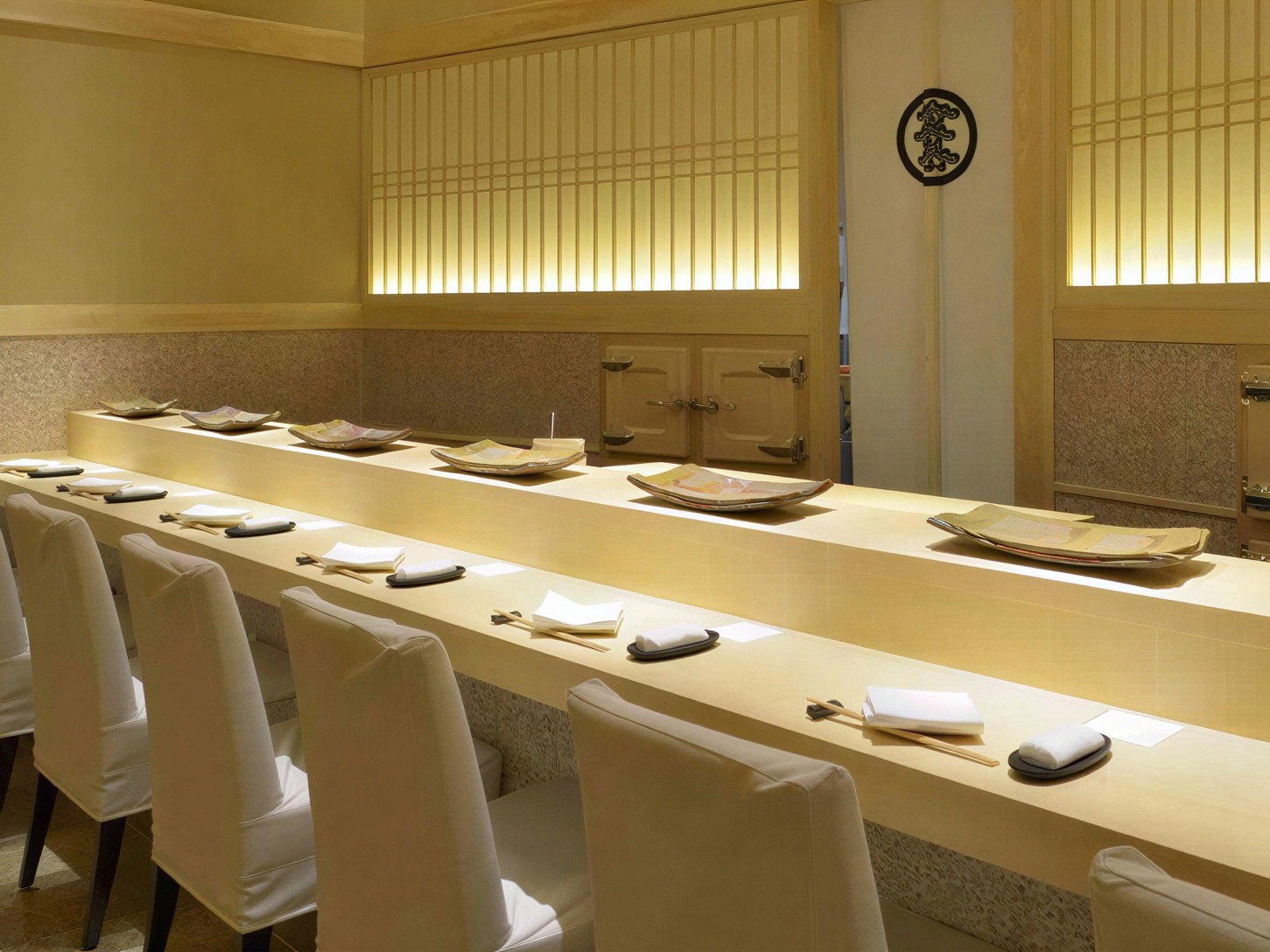
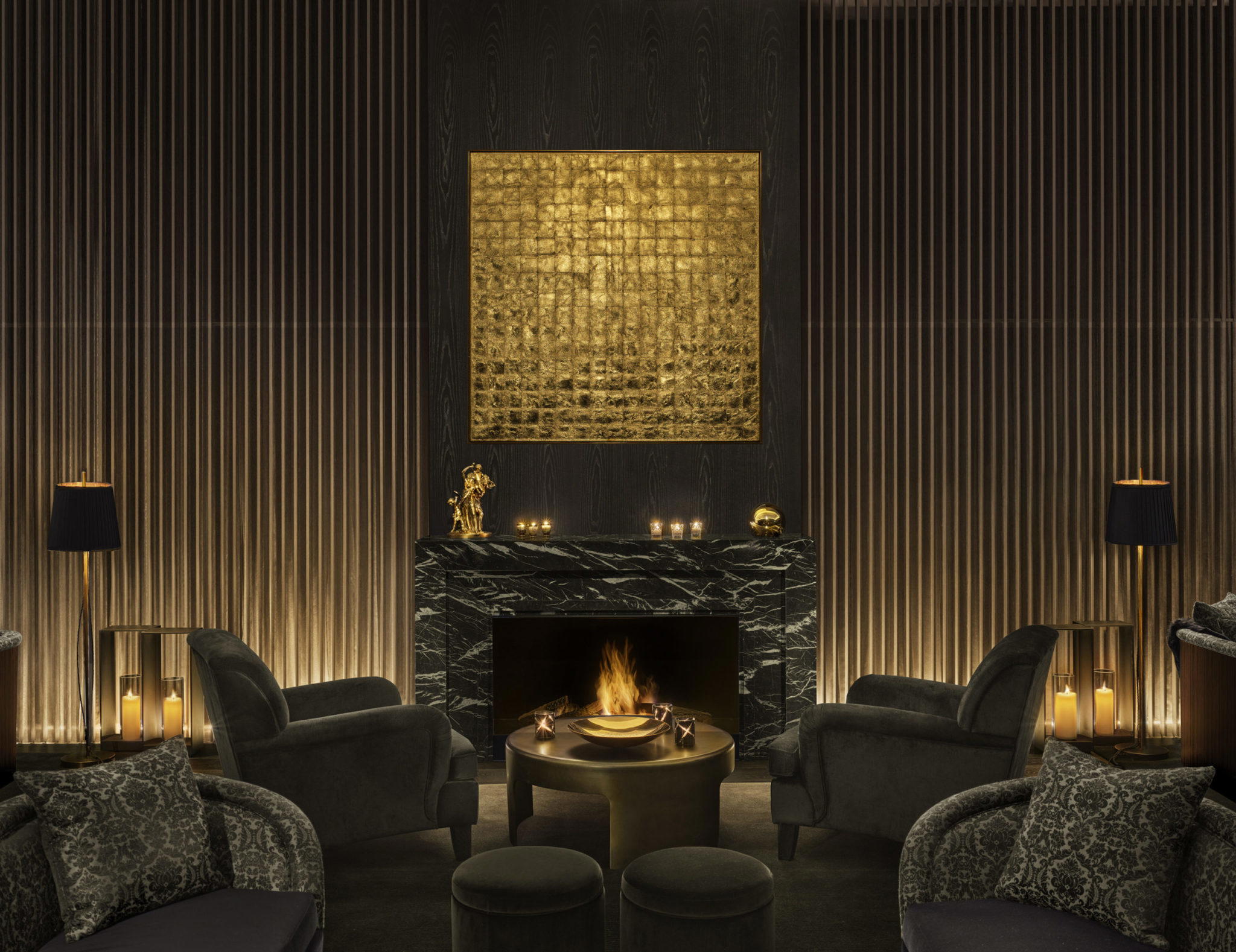
Intimate counter-only setting with serene Japanese aesthetic; minimal, focused atmosphere designed for guests to relax and appreciate each course.