Akasaka Gosen occupies a quieter register within one of Tokyo's most established dining districts, where Minato City's concentration of high-end Japanese restaurants sets a demanding baseline. The address places it within walking distance of Akasaka's political and business dining culture, a neighbourhood that has shaped formal Japanese hospitality for decades. Specific details on format, pricing, and reservation logistics are best confirmed directly with the venue.
Pearl is the En Primeur Club membership app — saves, bookings, and concierge access live there. Same editors, same standards.
- Address
- Japan, 〒107-0052 Tokyo, Minato City, Akasaka, 7 Chome−6−52 ハイツ赤坂
- Phone
- +81335888281
- Website
- gosen.biz
- Directions
- Get directions
 Saves & bookings on Pearl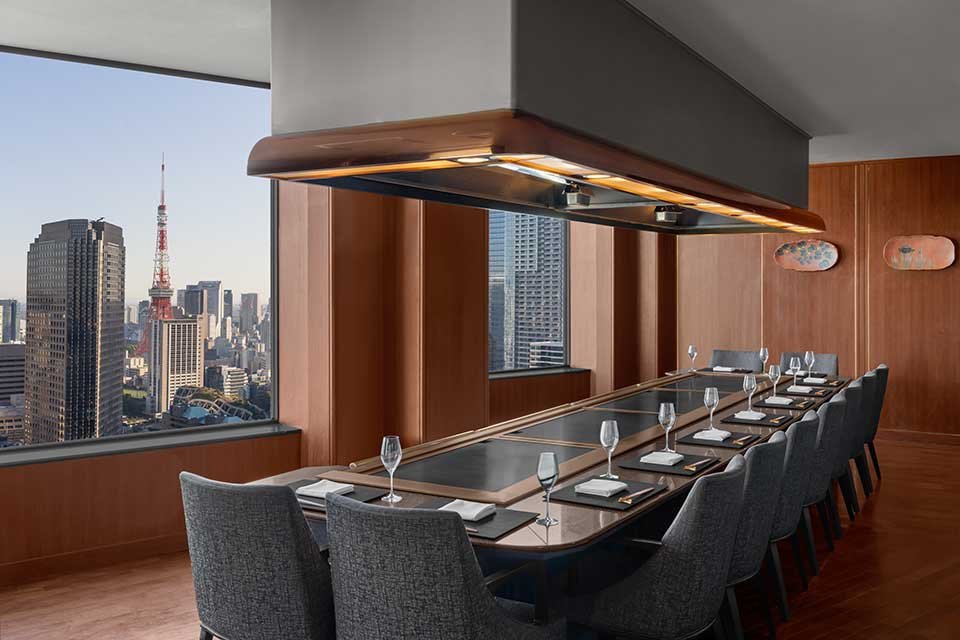
Akasaka's Dining Grammar
Minato City has long functioned as one of Tokyo's most demanding test environments for formal Japanese dining. The district around Akasaka draws a clientele shaped by political dinners, corporate entertainment, and the kind of habitual fine-dining that accumulates over careers rather than occasional celebrations. That context matters because it sets the baseline against which any address in the neighbourhood is implicitly measured. Restaurants here are not evaluated in isolation; they are read against decades of accumulated expectation about service tempo, ingredient sourcing, and the unspoken choreography of a Japanese formal meal.
Akasaka Gosen sits at 7-chome in Akasaka, a section of the district that carries that weight. The specific block positions it within a cluster of streets where the density of serious dining rooms is higher than almost anywhere else in the city. For the kind of eater who reads a neighbourhood address before a menu description, the postcode alone signals something about the competitive tier the kitchen is operating in.
The Arc of a Formal Japanese Meal
The progression of a multi-course Japanese meal in this price tier follows a logic that is worth understanding before you arrive. Unlike a Western tasting menu, which typically builds from lighter to richer, the Japanese kaiseki or kaiseki-adjacent format is structured around seasonal coherence and textural contrast across the whole arc rather than a single crescendo. A well-paced dinner in this tradition opens with something that announces the season without declaring it loudly, moves through a sequence of small courses that each ask something slightly different of the palate, and closes in a register that is deliberately understated.
Restaurants at the top of Akasaka's hierarchy, including addresses like RyuGin, have spent years calibrating that arc against a clientele that eats this format regularly enough to notice when a transition feels forced or a course arrives before the previous one has settled. The expectation is not spectacle but precision. At Harutaka, a comparable address in the top tier of Tokyo's formal Japanese dining, the pacing of the counter experience is itself a form of editorial judgment about what the guest needs to receive and when.
For a neighbourhood like Akasaka, where business dinners often run to two or three hours without feeling long, that calibration is table stakes. A kitchen that cannot manage the progression convincingly will not survive the scrutiny of a regular clientele.
Where Akasaka Gosen Sits in the Broader Scene
Tokyo's premium dining scene has consolidated significantly over the past decade. The middle tier has thinned while the leading and entry-level ends have both expanded. Akasaka reflects that compression clearly: the neighbourhood's surviving dining rooms tend to operate either at a price point that signals seriousness or not at all. French-influenced addresses like L'Effervescence and Sézanne demonstrate that even Western formats have adopted the discipline of long, sequenced meals in this market. Innovative hybrids like Crony show how the boundary between French and Japanese technique has become genuinely porous in Tokyo's top tier.
Akasaka Gosen's position in that ecosystem is best confirmed through direct engagement with the venue, as specific details about format, awards, and price structure are not publicly documented in the sources available to us. What the address signals is clear enough: this is not a casual neighbourhood room.
The Seasonal Discipline of Tokyo Dining
One of the most consistent features of serious Japanese dining in Tokyo is the degree to which the calendar governs the menu. This is not a marketing convention; it reflects supply chain realities and a culinary philosophy that treats seasonal coherence as a structural requirement. Spring menus built around bamboo shoots and cherry blossom-adjacent ingredients give way to summer formats that prioritise cold temperatures and textural relief. Autumn brings the most technically demanding moment in the Japanese dining year, with matsutake mushrooms, saury, and the first appearance of new-season vegetables creating a window that serious kitchens compete to interpret. Winter is typically the season for richer stocks, aged proteins, and the kind of warming preparations that extend a meal's emotional warmth alongside its caloric one.
For context on how this seasonal logic plays out across Japan's fine-dining spectrum, Gion Sasaki in Kyoto offers one of the most studied approaches to Kyoto-style kaiseki seasonality, while HAJIME in Osaka applies a more conceptual frame to the same underlying seasonal discipline. Regional addresses like akordu in Nara, Goh in Fukuoka, and Abon in Ashiya each demonstrate how Japan's formal dining culture extends well beyond the Tokyo concentration, drawing on regional produce calendars that differ meaningfully from what a Minato City kitchen can source locally.
Planning Your Visit
For anyone building an itinerary around Akasaka's dining circuit, the 7-chome address is accessible by taxi from central Minato City locations or a short walk from Akasaka station. The neighbourhood operates at a pace that rewards arriving slightly before your reservation rather than rushing from another appointment: the streets around this part of Akasaka have a particular evening register, particularly mid-week, when the business dining rhythm is at full volume and the streets between restaurants carry that unhurried sense of a city that takes its dinner seriously.
Specific pricing, hours, reservation procedures, and contact details for Akasaka Gosen should be confirmed directly with the venue before planning around them. For a broader map of where this address sits within Tokyo's dining hierarchy, our full Tokyo restaurants guide provides the comparative context that makes individual venue decisions easier to calibrate. Those also exploring Japan's wider dining geography will find useful reference points at affetto akita in Akita, Aji Arai in Oita, Ajidocoro in Yubari District, Akakichi in Imabari, and aki nagao in Sapporo. For international comparison on how formal multi-course sequencing operates in different markets, Le Bernardin in New York City and Lazy Bear in San Francisco each represent their city's highest expression of the format.
What It’s Closest To
| Venue | Cuisine | Price | Awards |
|---|---|---|---|
| Akasaka GosenThis venue — the venue you are viewing | This venue | Not listed | Not listed |
| Harutaka | Sushi | ¥¥¥¥ | Michelin 3 Star |
| L'Effervescence | French | ¥¥¥¥ | Michelin 3 Star |
| RyuGin | Kaiseki, Japanese | ¥¥¥¥ | Michelin 3 Star |
| Crony | Innovative, French | ¥¥¥¥ | Michelin 2 Star |
| Den | Innovative, Japanese | ¥¥¥ | Michelin 2 Star |










At a Glance
- Quiet
- Elegant
- Intimate
- Special Occasion
- Business Dinner
- Private Dining
- Sake Program
Current opening hours
- Monday
- 6–11 PM
- Tuesday
- 6–11 PM
- Wednesday
- 6–11 PM
- Thursday
- 6–11 PM
- Friday
- 6–11 PM
- Saturday
- 6–11 PM
- Sunday
- Closed
Hours can change for holidays and private events. Last verified .
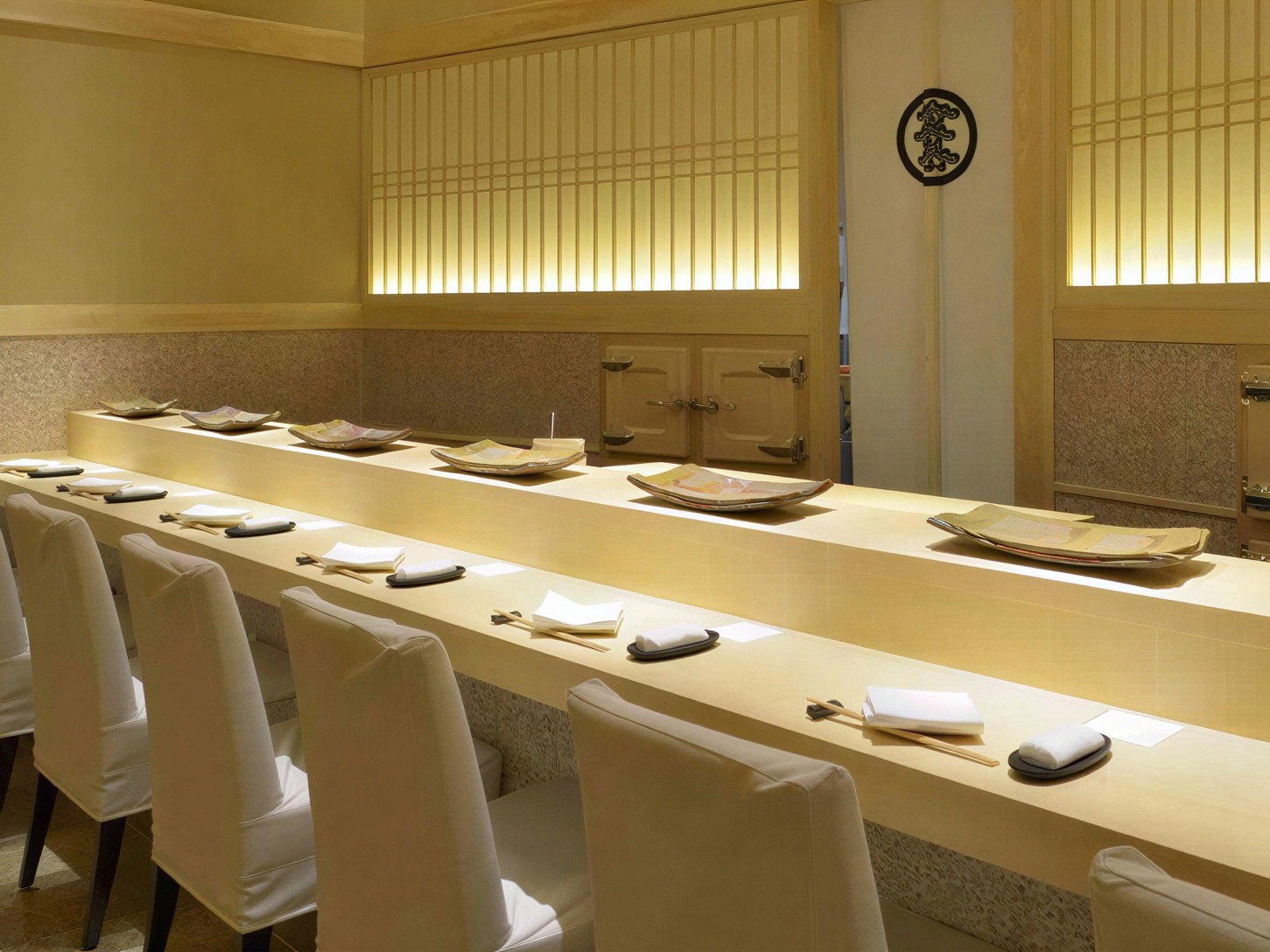
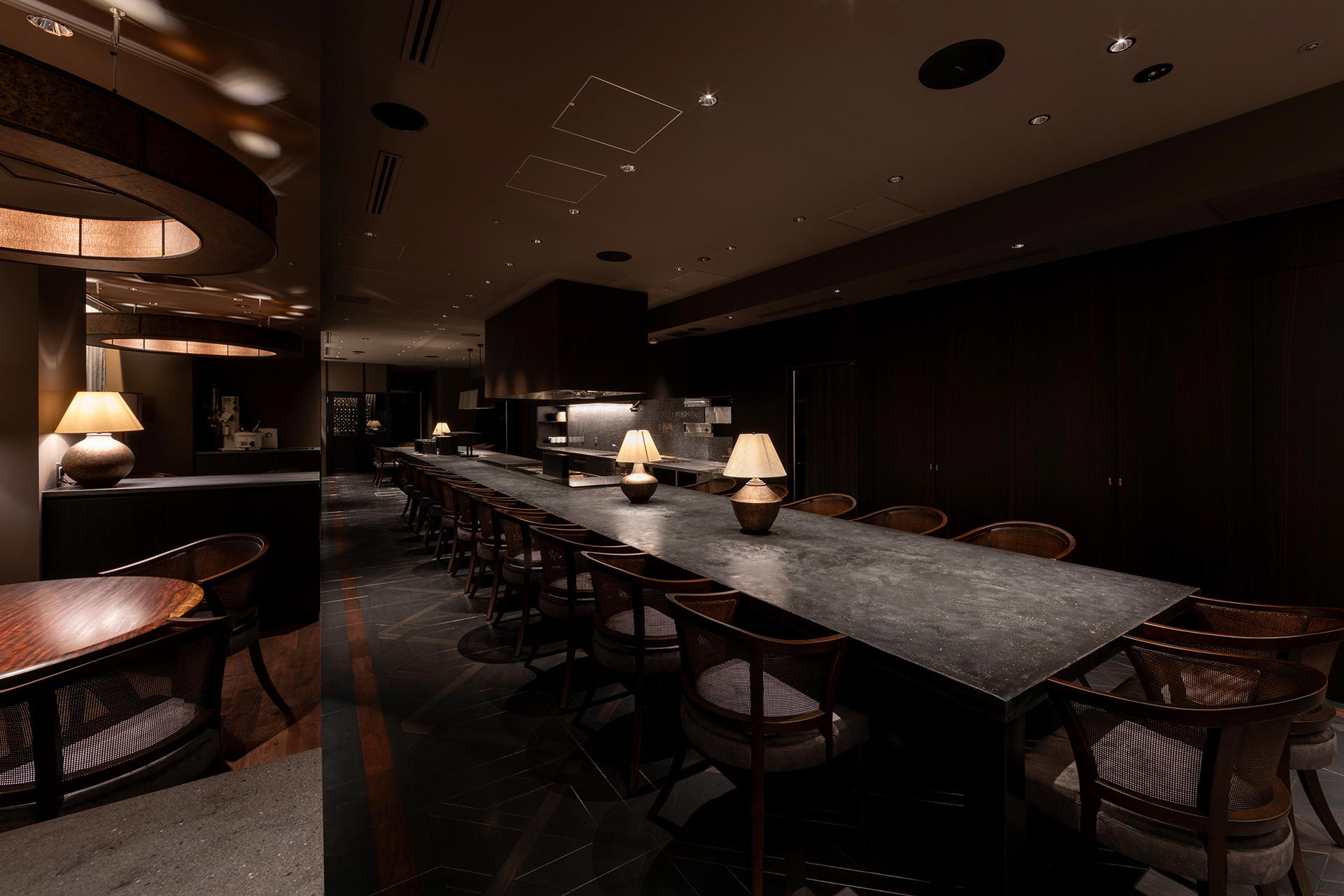
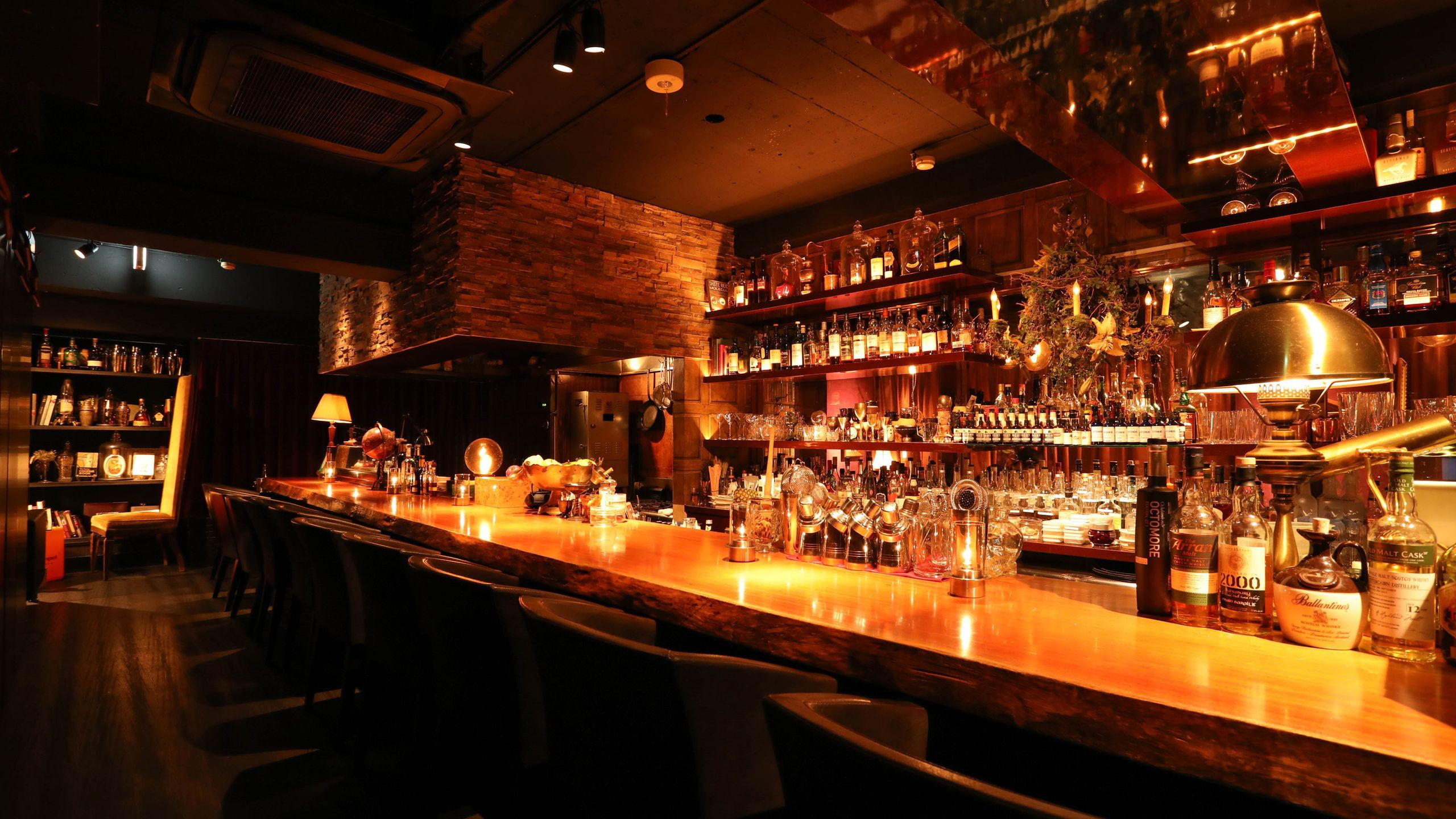
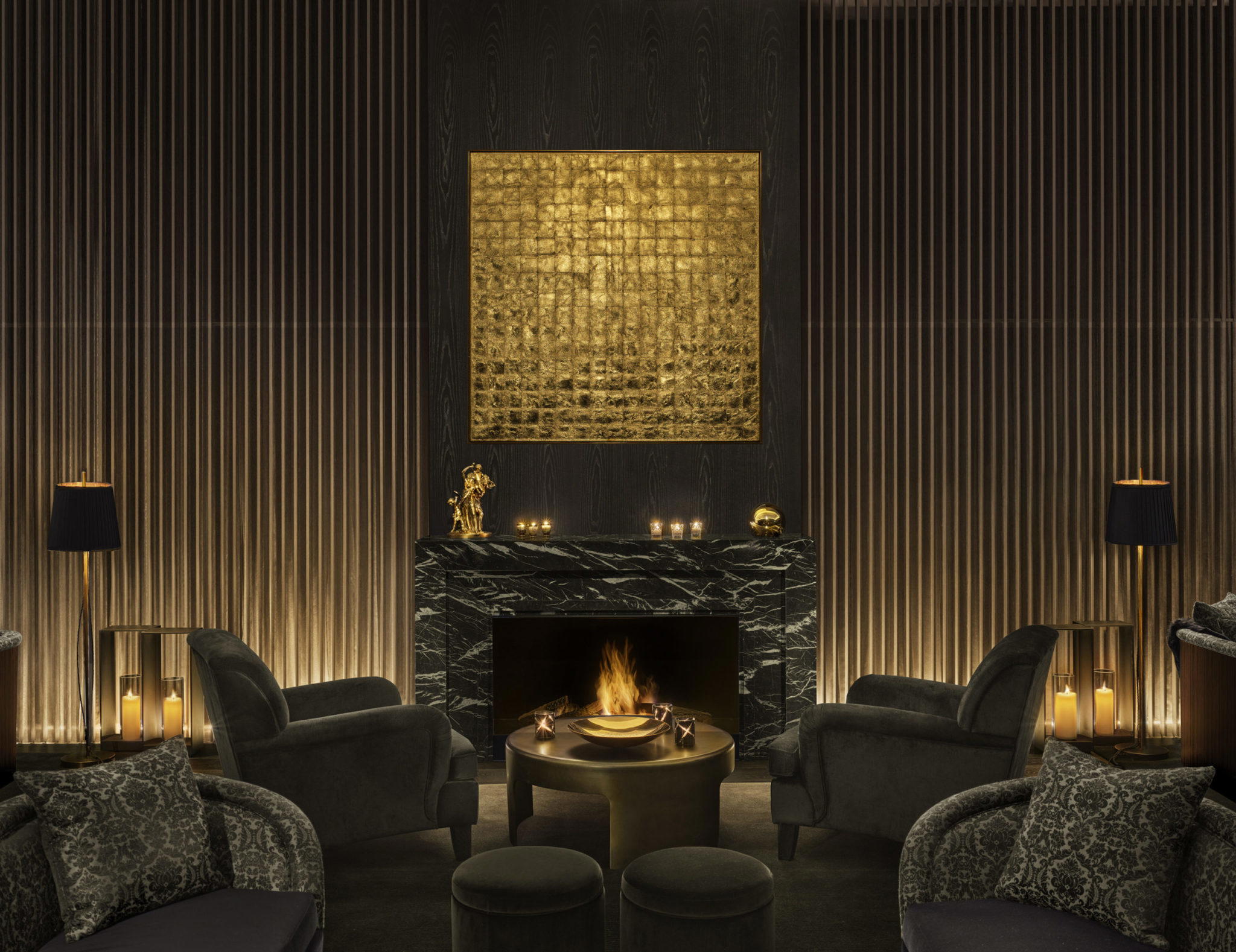
Quiet and elegant with an intimate counter and private rooms, offering a serene escape from bustling streets.
Know Before You Go
- Getting there
- Japan, 〒107-0052 Tokyo, Minato City, Akasaka, 7 Chome−6−52 ハイツ赤坂