Our verdict
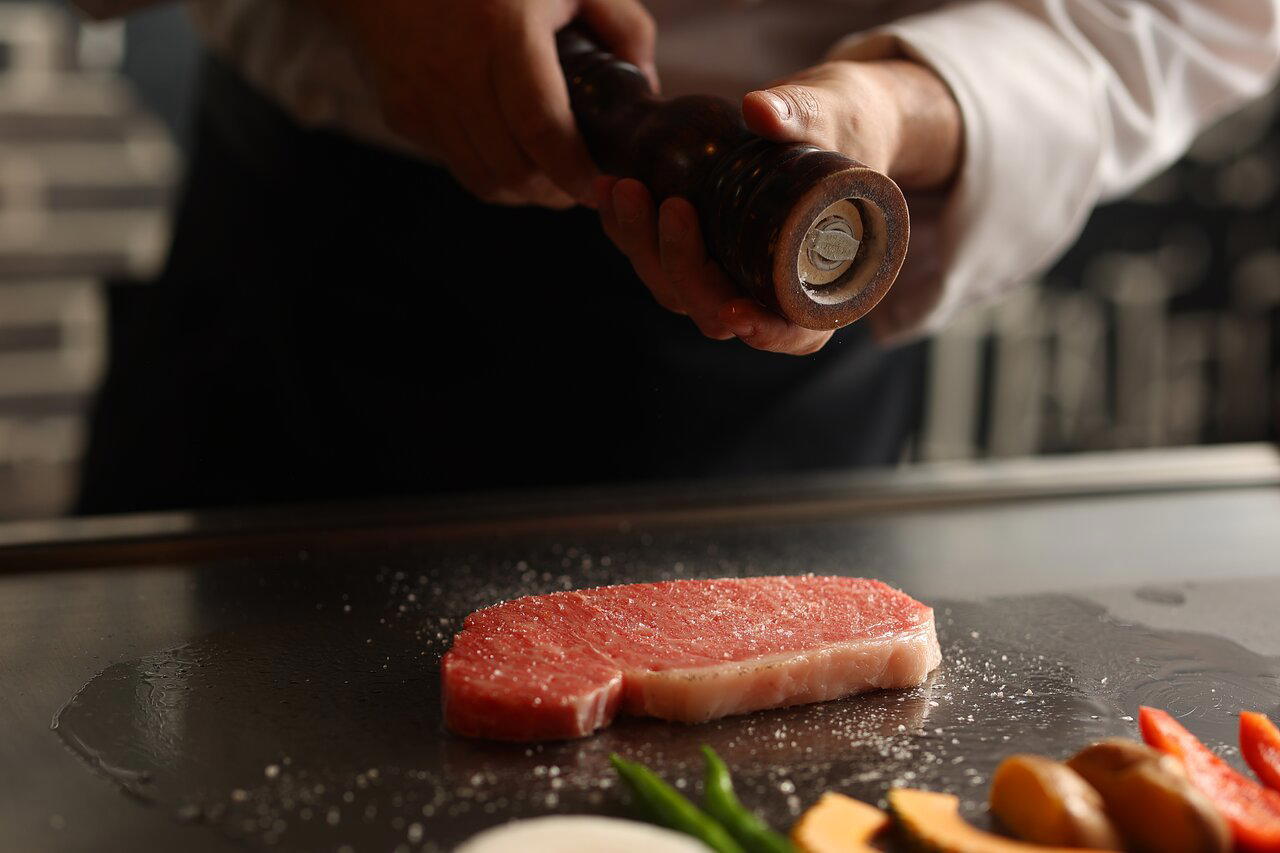
Kobe beef Daichi pairs a teppanyaki Kobe beef steakhouse format with an open kitchen, chefs counter, and a sake program, making it fit leisurely lunch or dinner plans.

Pearl is the En Primeur Club membership app — saves, bookings, and concierge access live there. Same editors, same standards.
- Address
- 1 Chome-1-3 Motomachidori, Chuo Ward, Kobe, Hyogo 650-0022, Japan
- Phone
- +81783336688
- Hours
- Daily 10 AM–9:30 PM
- Website
- koubegyuu.com
- Directions
- Get directions
The menu
What to order
- Kobe Beef Steak
- Premium Rare Cut Kobe Beef
Motomachidori and the Architecture of the Kobe Beef Counter
The stretch of Motomachidori running through Kobe's Chuo Ward has long carried a particular commercial gravity: department stores, covered arcades, and specialist food retailers that reflect the port city's habit of treating provenance as a selling point. On that strip, at 1 Chome-1-3, Kobe beef Daichi occupies a position that tells you something about how this city relates to its most celebrated export. The address is not a backstreet discovery or a destination buried inside a hotel tower. It sits where Kobe beef is expected to sit — at street level, accessible, within the urban fabric of a neighbourhood built for serious shopping and serious eating.
Kobe beef remains one of the most regulated meat designations in Japan. To carry the name, cattle must be Tajima-gyu of Hyogo Prefecture origin, graded A4 or A5 on the Japanese Beef Marbling Standard, and processed at specific certified facilities. That regulatory framework means any restaurant presenting the designation is already working within a defined quality ceiling, and the competitive differentiation between Kobe beef specialists happens inside that ceiling — through cutting method, cooking approach, format, and the physical space in which the product is served.
What the Room Is Doing
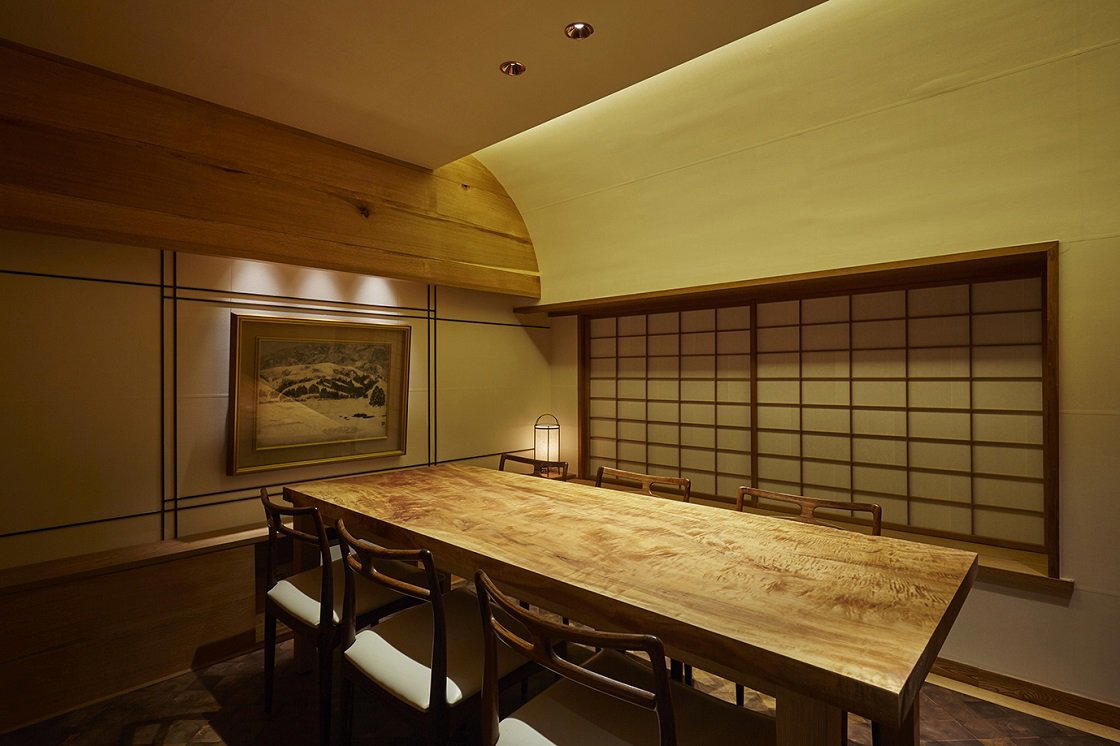
Among Kobe's beef specialists, the design choices a restaurant makes signal its positioning as clearly as price. The city's Kobe beef scene divides loosely into teppanyaki rooms, where the cook surface doubles as theatre and counter seating frames the chef's performance; yakiniku formats, where diners manage their own grilling at individual or shared table grills; and more conventional dining room arrangements with full table service. Each format shapes a different relationship between the diner, the meat, and the room itself.
The Motomachidori location places Kobe beef Daichi within walking distance of both the Motomachi shopping corridor and Kitano, the hillside district associated with Kobe's historical foreign settlement and its resulting European-influenced architecture. That neighbourhood layering, port commerce, foreign influence, specialist food retail, is the context in which the restaurant operates. Venues in this zone tend to attract both domestic travellers making a point of eating Kobe beef in Kobe, and international visitors who understand that eating a designated product in its prefecture of origin is a different proposition from ordering it abroad.
For reference across the Kansai region, the dining tier that Kobe beef Daichi participates in can be understood in relation to venues like Gion Sasaki in Kyoto or HAJIME in Osaka, not because these are direct culinary peers in format or cuisine, but because they represent the kind of destination-led eating that serious visitors to the Kansai region plan their itineraries around. Within Kobe itself, the competitive set includes Aragawa, one of the city's most discussed beef restaurants, as well as broader dining options such as Ash Restaurant, Ca Sento, Fushin, and fuxing. Our full Kobe restaurants guide maps out the broader options across the city.
The Product and Its Context
Kobe beef's international profile has created a paradox: it is simultaneously one of the world's most recognisable meat brands and one of the least understood in terms of actual availability. Outside Japan, the volume of beef sold under the Kobe name has historically far exceeded what the designation's strict certification system could produce, meaning most international diners encounter the term without ever tasting the certified product. Eating Kobe beef in Kobe, at a restaurant with documented access to certified supply, is a different act from ordering something labelled Kobe elsewhere.
Within Japan's broader premium beef dining scene, comparable experiences of eating a regional beef designation in its origin prefecture can be found at venues across the country. Diners building a Japan itinerary around food provenance might also consider Harutaka in Tokyo, akordu in Nara, Goh in Fukuoka, or regional specialists like 一本木 石川清流 in Nanao, 炉火山乃 in Sapporo, 湖畔荘 in Takashima, 庭羽屋 in Nishikawa Machi, and Birdland in Sakai. For those planning visits to cities further afield, Le Bernardin in New York City and Atomix in New York City represent the kind of destination-level dining that shares a planning register with Kobe's leading restaurants.
Planning a Visit
Motomachi Station on the JR Kobe Line is the most direct rail access to this part of Chuo Ward, placing the restaurant within the covered shopping arcade district that runs along the street. Kobe's dining customs at the upper end of beef restaurants tend toward reservation-led formats rather than walk-in service, and given the address's tourist-adjacent position, booking in advance is the more reliable approach for confirmed seating. Visitors combining Kobe beef eating with broader Kansai itineraries will find the city sits on the Shinkansen and rapid rail network between Osaka and Himeji, making it practical as a standalone lunch or dinner destination.
Frequently asked questions
Where do I go for Kobe beef Daichi?
Kobe beef Daichi is located at 1 Chome-1-3 Motomachidori, Chuo Ward, Kobe, Hyogo 650-0022, Japan, Kobe.
Is Kobe beef Daichi a good option for visitors staying in central Kobe who want to eat certified Kobe beef near Motomachi Station?
The address at 1 Chome-1-3 Motomachidori places Kobe beef Daichi directly within the covered shopping corridor accessible from Motomachi Station on the JR Kobe Line, making it one of the more logistically straightforward Kobe beef options for visitors without a car. Chuo Ward concentrates much of the city's certified beef dining, and this location sits inside that cluster rather than on its periphery. It is one of the few specialists positioned inside the arcade itself rather than on a side street.
What's the must-try dish at Kobe beef Daichi?
The defining order at any Kobe beef specialist is the sirloin or fillet in its least-interrupted form — typically as teppanyaki or shabu-shabu — where the marbling of certified Tajima-gyu does the work without distraction. At a counter on Motomachidori in Chuo Ward, where the emphasis is on the product rather than theatrical embellishment, the steak preparations are the logical focus.
How hard is it to get a table at Kobe beef Daichi?
Kobe's certified beef counters operate with limited covers by nature — the product's price point and sourcing constraints keep seatings small. Motomachidori draws both domestic visitors and international tourists specifically chasing Kobe beef at source, which compresses availability at neighbourhood specialists. Booking ahead rather than walking in is advisable; for confirmed reservation windows and availability, check directly with the restaurant.
A Lean Comparison
Comparable venues nearby, for context on price, style, and recognition.
| Venue | Cuisine | Price | Awards | Notes |
|---|---|---|---|---|
| Kobe beef DaichiThis venue — the venue you are viewing | Teppanyaki Kobe Beef Steakhouse | $100–150 | Not listed | Not listed |
| Kobe Beef Yakiniku Yazawa Nankinmachi Branch | Kobe Beef Yakiniku | $50–100 | Not listed | Chūō, Kobe Beef Yakiniku |
| Setsugekka | Kobe Beef Teppanyaki | $100–150 | Not listed | Chūō, Kobe Beef Teppanyaki |
| Aburi Niku Kobo Wakkoqu Kitano Sakamoto Ten | Kobe beef teppanyaki steakhouse | $100–150 | Tabelog 100 #62 | Chūō, Kobe beef teppanyaki steakhouse |
| Kobe Beef Steak Sakura | Premium Kobe Beef Teppanyaki | $100–150 | Not listed | Chūō, Premium Kobe Beef Teppanyaki |
| Kobe beef Hana-Houbi | Teppanyaki Kobe Beef Steakhouse | $100–150 | Not listed | Chūō, Teppanyaki Kobe Beef Steakhouse |
Continue exploring
More in Kobe
Restaurants in Kobe
Browse all →
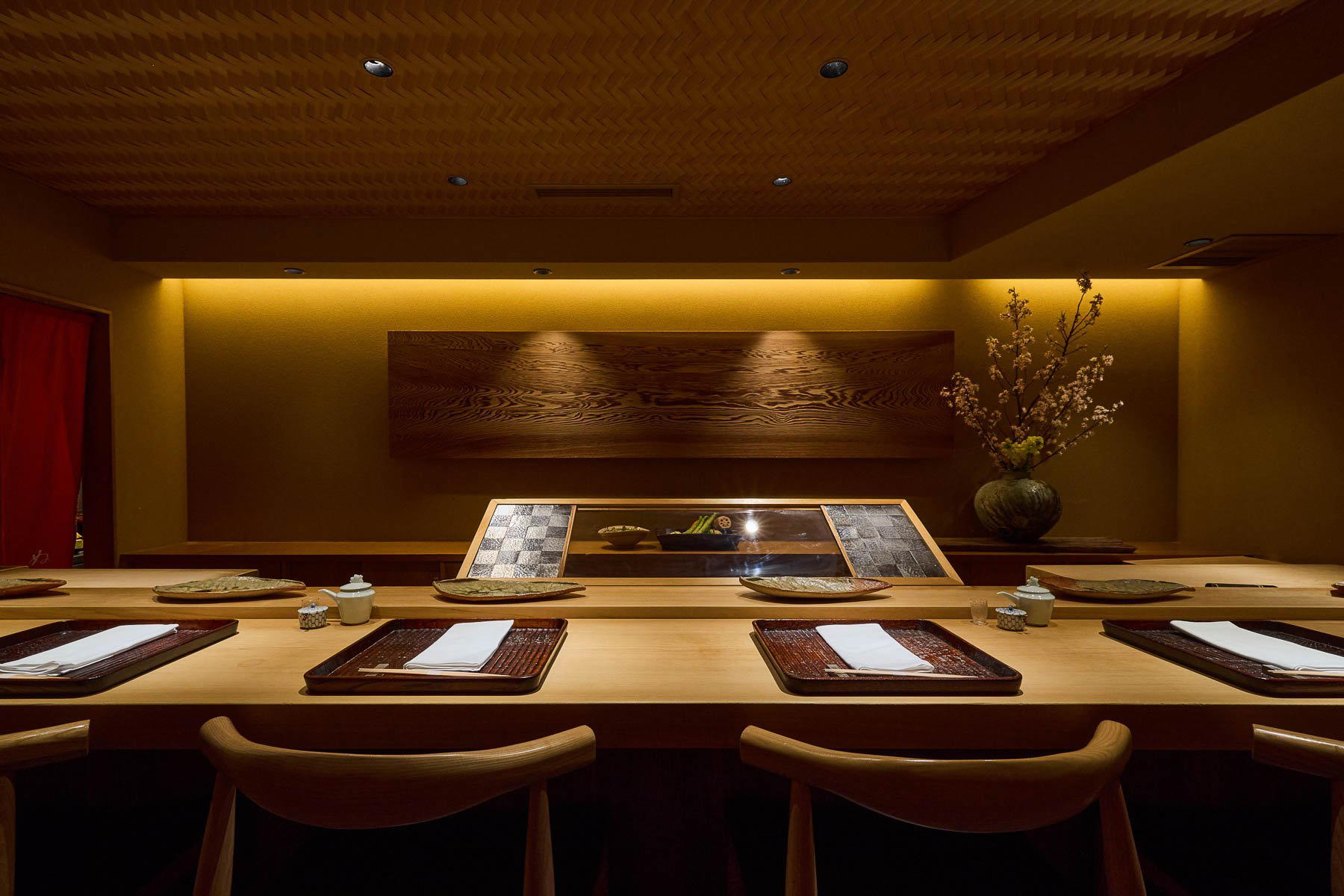
Bars in Kobe
Browse all →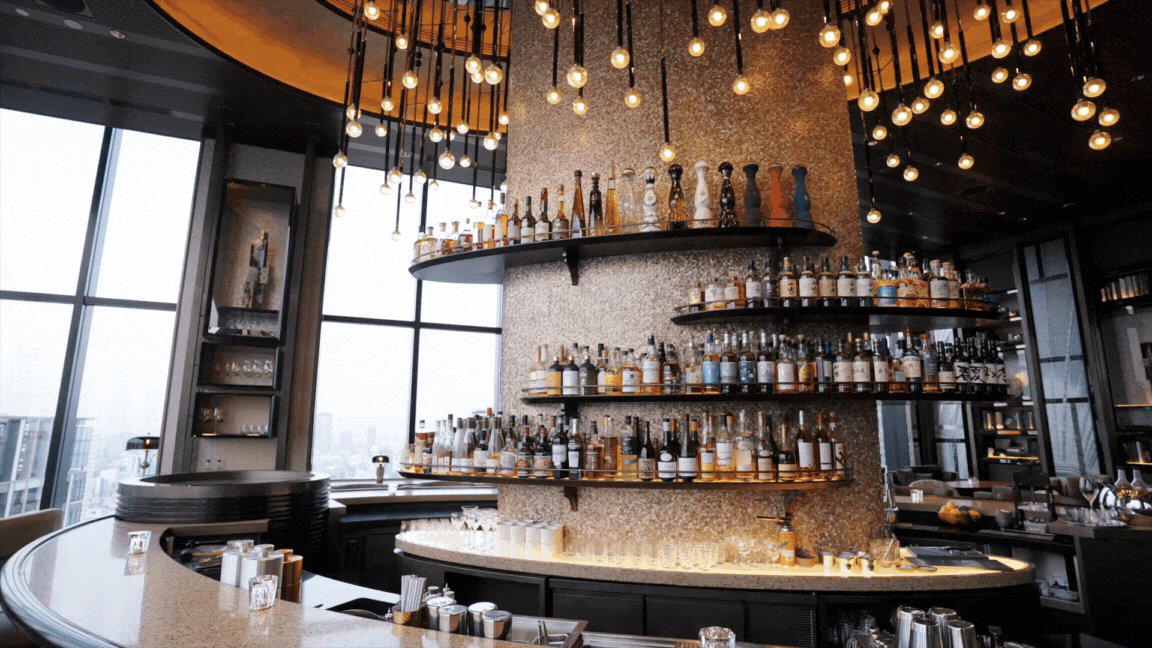
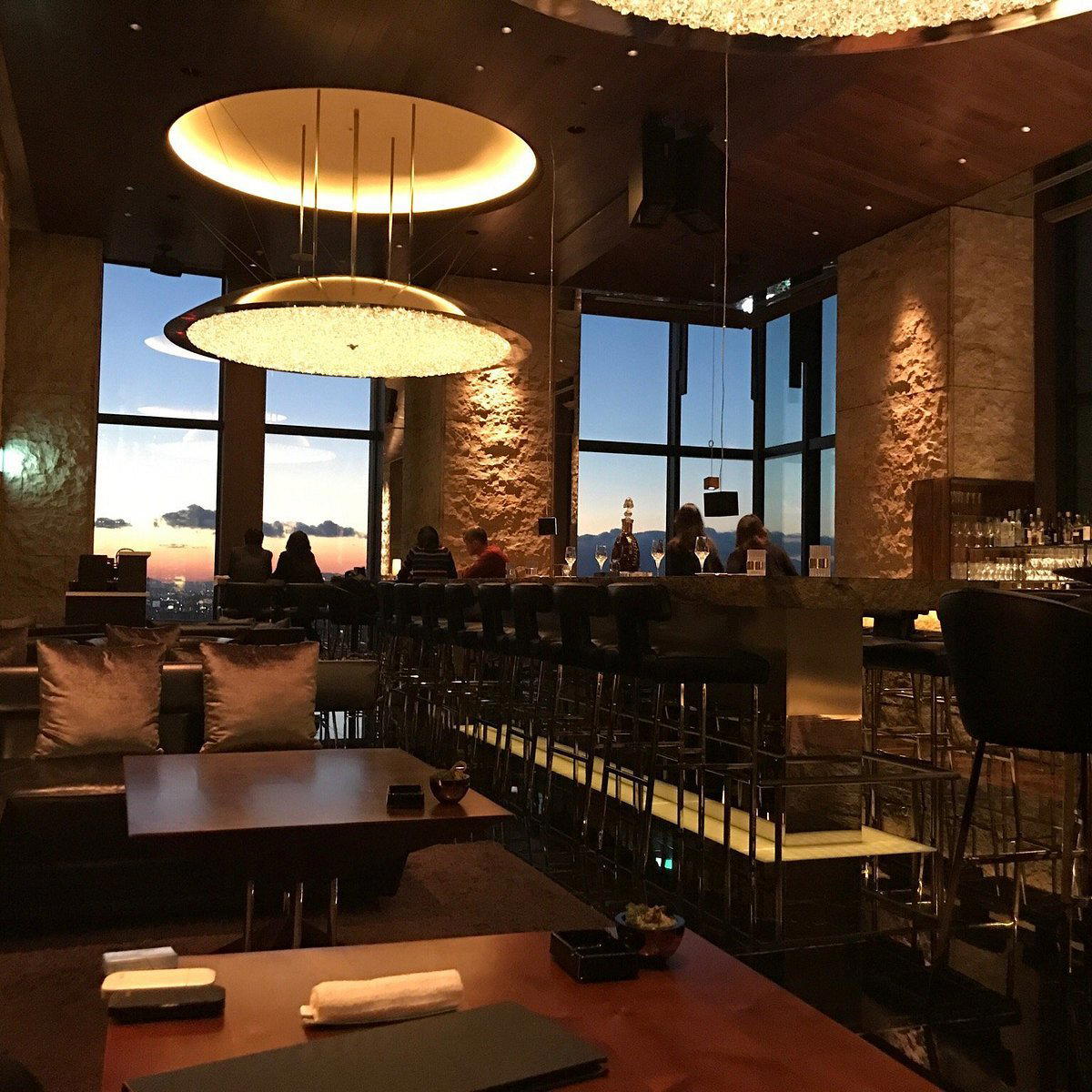



Hotels in Kobe
Browse all →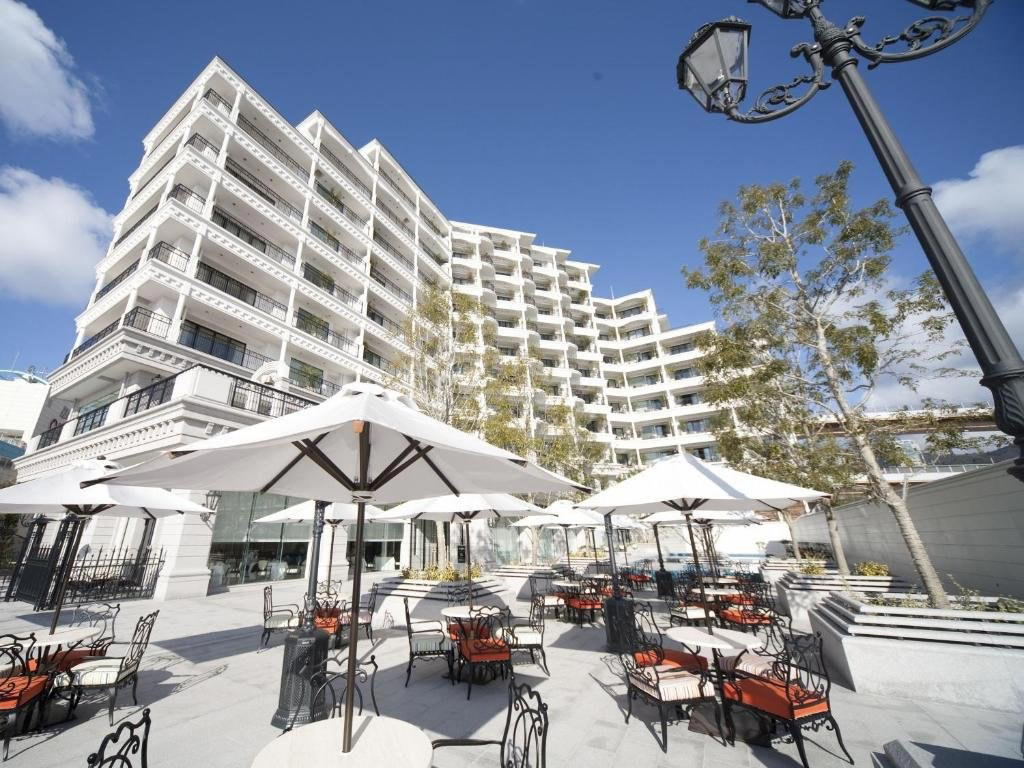


Details
- Modern
- Elegant
- Sophisticated
- Special Occasion
- Business Dinner
- Celebration
- Open Kitchen
- Chefs Counter
- Sake Program
- A La Carte
- Counter Dining
Current opening hours
- Monday
- 10 AM–9:30 PM
- Tuesday
- 10 AM–9:30 PM
- Wednesday
- 10 AM–9:30 PM
- Thursday
- 10 AM–9:30 PM
- Friday
- 10 AM–9:30 PM
- Saturday
- 10 AM–9:30 PM
- Sunday
- 10 AM–9:30 PM
Hours can change for holidays and private events. Last verified .
Relaxed yet stylish modern steakhouse with a gorgeous and luxurious atmosphere.