
Our verdict
Setsugekka in Kobe delivers focused teppanyaki centered on Tajima-gyu Kobe beef. Must-try dishes include Kobe Beef Sirloin with garlic chips, a truffle-topped seasonal steak, and sea urchin with house dashi. Chef Takayoshi Kobayashi selects whole cattle at auction to serve BMS11+ cuts, presented tableside on a large iron teppan. Recognized by the Michelin Guide Kansai for five consecutive years, the restaurant pairs theatrical cooking with a room-sized wine cellar, warm service, and precise seasoning that highlights beef fat, smoke, and umami. Expect lively counter cooking, layered textures, and a refined, late-night dining option in central Kobe.

Pearl is the En Primeur Club membership app — saves, bookings, and concierge access live there. Same editors, same standards.
- Address
- Japan, 〒650-0004 Hyogo, Kobe, Chuo Ward, Nakayamatedori, 1 Chome−9−24 エムズ北野坂 1F
- Phone
- +81 78-332-7272
- Hours
- Mon–Fri 5–11 PMSat–Sun 11:30 AM–3 PM, 5:30–11 PM
- Website
- tabelog.com
- Directions
- Get directions
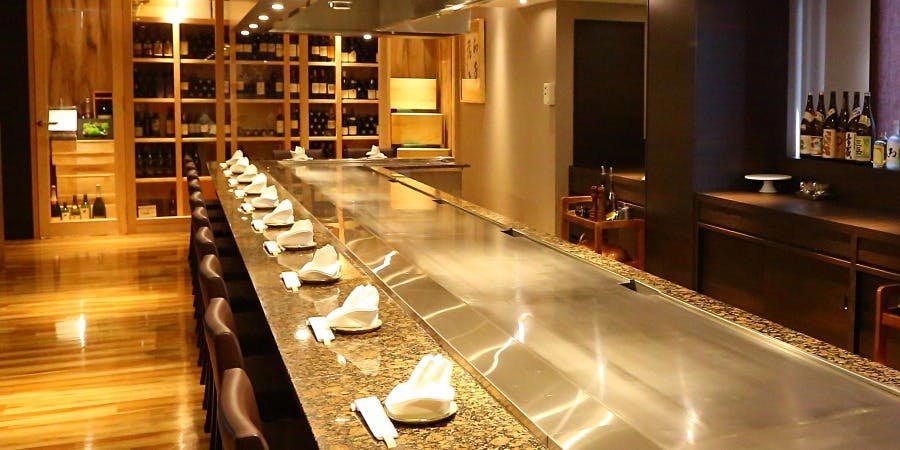
Where Kobe Beef Meets Counter Discipline
The approach along Kitano-zaka sets a particular register before you arrive at the door. This is the hillside quarter where Kobe's international history left its architectural residue — Western-style houses from the nineteenth century, a neighbourhood that still carries more formal weight than the port flatlands below. Setsugekka occupies a ground-floor space in this corridor, and the physical address already communicates something about the meal ahead: this is not the kind of beef restaurant that shouts. Kobe's premium beef dining tends toward the restrained — rooms that let the ingredient carry the conversation rather than spectacle that overwhelms it.
The Ritual Logic of High-Grade Beef Service
Across Japan, the protocols around premium beef have grown into something that functions more like ceremony than service. The pacing, the cut sequencing, the temperature management, the way fat is rendered, these are not incidental details but the substance of the dining format itself. Restaurants working at this register treat the beef as a text that the meal decodes progressively: leaner cuts first, richer marbled sections later, the experience building toward rather than opening with its most intense moments.
Setsugekka, under Chef Takayoshi Kobayashi, operates within this tradition. The address in Chuo Ward, close to Nakayamatedori, places it in a part of Kobe that draws diners willing to make a deliberate choice rather than stumbling in from a main thoroughfare. That geography signals something about the format: this is a destination within a destination, a restaurant for people who have already decided that the meal is the point of the evening.
The Opinionated About Dining ranking, placing Setsugekka at number 530 among Japan's leading restaurants in 2025, situates it within a peer field that includes a very large number of serious practitioners. Japan's restaurant culture is unusually deep; a ranking of 530 in that national context carries more competitive weight than the same number would in most other countries.
Kobe Beef as a Category, Not a Branding Exercise
It is worth understanding what distinguishes Kobe beef from the broader category of Wagyu before sitting down to a meal of it. The designation is geographically specific: Tajima-strain cattle raised in Hyogo Prefecture, meeting strict grading thresholds (BMS grade 6 and above on Japan's twelve-point marbling scale, among other criteria), and processed at designated facilities. The city of Kobe gives the beef its name, but the cattle are raised across Hyogo, Kobe itself is, in a sense, the certification authority and the dining capital for a product whose origins are rural.
This matters because restaurants in Kobe are selling proximity to the source in a way that beef restaurants in Tokyo or Osaka cannot quite replicate. Kintan in Tokyo and NAKATSU WONIKU in Osaka both work seriously within the beef genre, but neither carries the geographical claim that Kobe restaurants hold by default. Eating Kobe beef in Kobe is not sentiment, it is the shortest possible distance between provenance and plate.
The Competitive Frame in Kobe's Dining Scene
Kobe's restaurant offering is more varied than its international reputation suggests. The city has serious representation in sushi (see Sushi Ueda), kaiseki (see Uemura), Spanish cuisine (Ca Sento), Italian (Kitanozaka Kinoshita), and Chinese-influenced formats (fuxing). Against this range, a focused beef restaurant occupies a specific and well-defined slot: it is the category where the city's most famous product is taken most seriously, prepared by specialists, and consumed as the explicit purpose of the visit.
That specificity is both the restaurant's constraint and its advantage. Diners who arrive at Setsugekka have already made a series of decisions, to eat beef rather than sushi or kaiseki, to eat it in Kobe rather than elsewhere, to seek out a ranked practitioner rather than a tourist-facing establishment. The audience is self-selecting in a way that shapes the entire register of the experience.
For comparison across the broader Kansai and national dining scene: HAJIME in Osaka and Gion Sasaki in Kyoto each represent the upper tier of their respective city specialisations. Harutaka in Tokyo, akordu in Nara, and Goh in Fukuoka extend that map of Japan's serious dining into regions where each city has its own primary ingredient logic. Kobe's logic runs through beef, and Setsugekka holds a documented place within it.
Planning the Visit
Setsugekka is located at 1 Chome-9-24 Nakayamatedori, Chuo Ward, Kobe, within the Hyogo Prefecture address block. The Kitano-zaka area is accessible on foot from the main Sannomiya station cluster, which connects to Osaka via the Hankyu and JR lines, a journey that takes under thirty minutes, making Kobe a practical half-day or evening excursion from Osaka or even from Kyoto. The neighbourhood rewards arriving with time to walk before the meal rather than arriving directly from the station.
Booking ahead is the prudent approach for any restaurant carrying OAD recognition at this level. Walk-in availability at ranked beef specialists in Japan tends to be limited on weekends; a reservation placed in advance removes that uncertainty entirely. For broader Kobe context, our full Kobe restaurants guide covers the range of the city's serious dining. Further planning resources: hotels in Kobe, bars in Kobe, wineries in Kobe, and experiences in Kobe. If you are extending your trip eastward, 1000 in Yokohama represents a comparable level of seriousness in a very different register.
Frequently asked questions
Is there a head chef associated with Setsugekka?
The chef associated with Setsugekka is Takayoshi Kobayashi.
What's the best thing to order at Setsugekka?
The kitchen's sole focus is beef dishes, and given the restaurant's location in Kobe's Chuo Ward, the presumption is that Kobe-designated beef — the geographically protected Tajima-strain Wagyu — anchors the menu. Chef Takayoshi Kobayashi runs a tight, specialist operation rather than a broad à la carte format, so the serious order is whatever expression of Kobe beef the kitchen offers that day. Come with that expectation and you're aligned with what Setsugekka is actually doing.
Where do I go for Setsugekka?
Setsugekka is located at Japan, 〒650-0004 Hyogo, Kobe, Chuo Ward, Nakayamatedori, 1 Chome−9−24 エムズ北野坂 1F, Kobe.
What's Setsugekka known for in terms of accolades?
Setsugekka has received recognition including: Opinionated About Dining Top Restaurants in Japan Ranked #530 (2025).
Do I need a reservation for Setsugekka?
Yes. Setsugekka holds a place in the Opinionated About Dining 2025 Top Restaurants in Japan list, which places it on the radar of both domestic diners and international visitors arriving specifically for the Kobe beef experience in Kitano-zaka. That combination of national recognition and a specialist, likely compact format makes walk-in availability unreliable. check the venue's official channels to confirm booking terms before your visit.
What is Setsugekka known for?
Setsugekka is a beef-specialist restaurant in Kobe's Chuo Ward, operating under Chef Takayoshi Kobayashi and focused on the cuisine that defines the city internationally: Kobe beef. The Kitano-zaka location, a quarter with genuine historical character, adds context to what is otherwise a precision-focused dining proposition.
At a Glance
Comparable venues nearby, for context on price, style, and recognition.
| Venue | Cuisine | Price | Awards | Notes |
|---|---|---|---|---|
| SetsugekkaThis venue — the venue you are viewing | Kobe Beef Teppanyaki | $100–150 | Not listed | Not listed |
| Aburi Niku Kobo Wakkoqu Kitano Sakamoto Ten | Kobe beef teppanyaki steakhouse | $100–150 | Tabelog 100 #62 | Chūō, Kobe beef teppanyaki steakhouse |
| Kobe beef Hana-Houbi | Teppanyaki Kobe Beef Steakhouse | $100–150 | Not listed | Chūō, Teppanyaki Kobe Beef Steakhouse |
| Kobe Steak Restaurant Mouriya Lin | Teppanyaki Kobe Beef Steakhouse | $150–200 | Not listed | Chūō, Teppanyaki Kobe Beef Steakhouse |
| Kobe Beef GENKICHI | Kobe Beef Teppanyaki | Not listed | Not listed | Chūō, Kobe Beef Teppanyaki |
| Yakitori Bonsan | Yakitori | $50–100 | Tabelog 100 #95 | Chūō, Yakitori |
Recognition history
Dated appearances from independent guides and award organizations, with the underlying list record or original source where available.
Opinionated About Dining Top Restaurants in Japan Recommended
Opinionated About Dining
Full recognition history (2 entries)
Opinionated About Dining Top Restaurants in Japan Ranked #530
Opinionated About Dining
Continue exploring
More in Kobe
Restaurants in Kobe
Browse all →
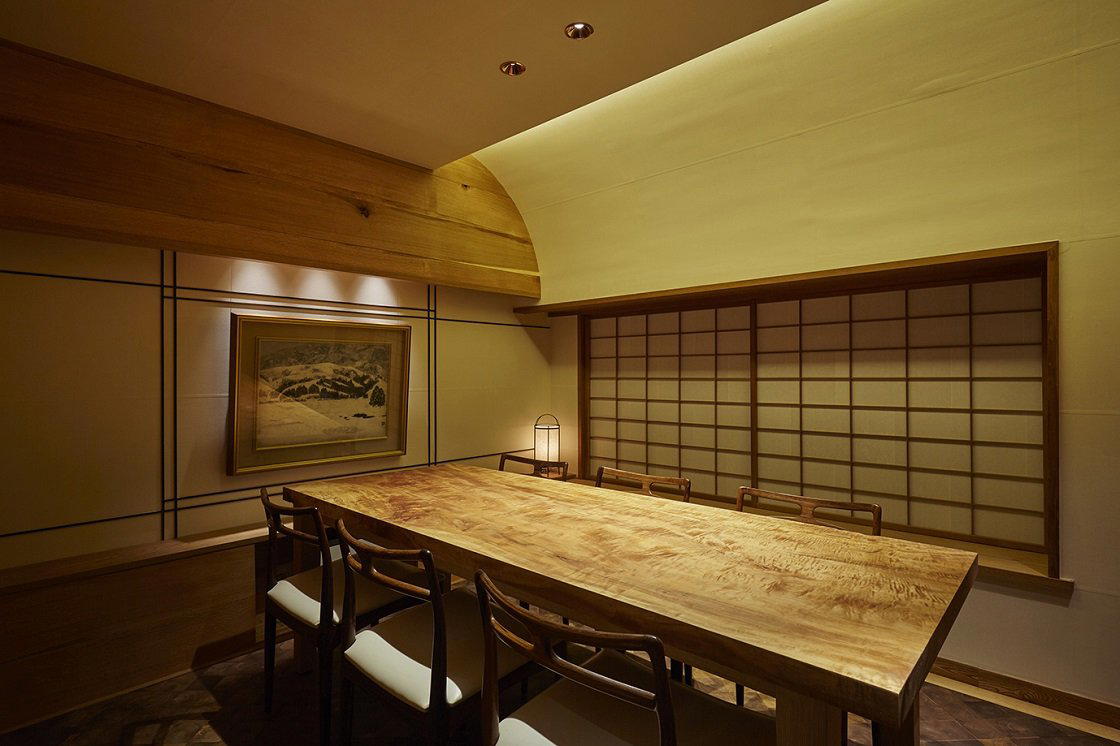
Bars in Kobe
Browse all →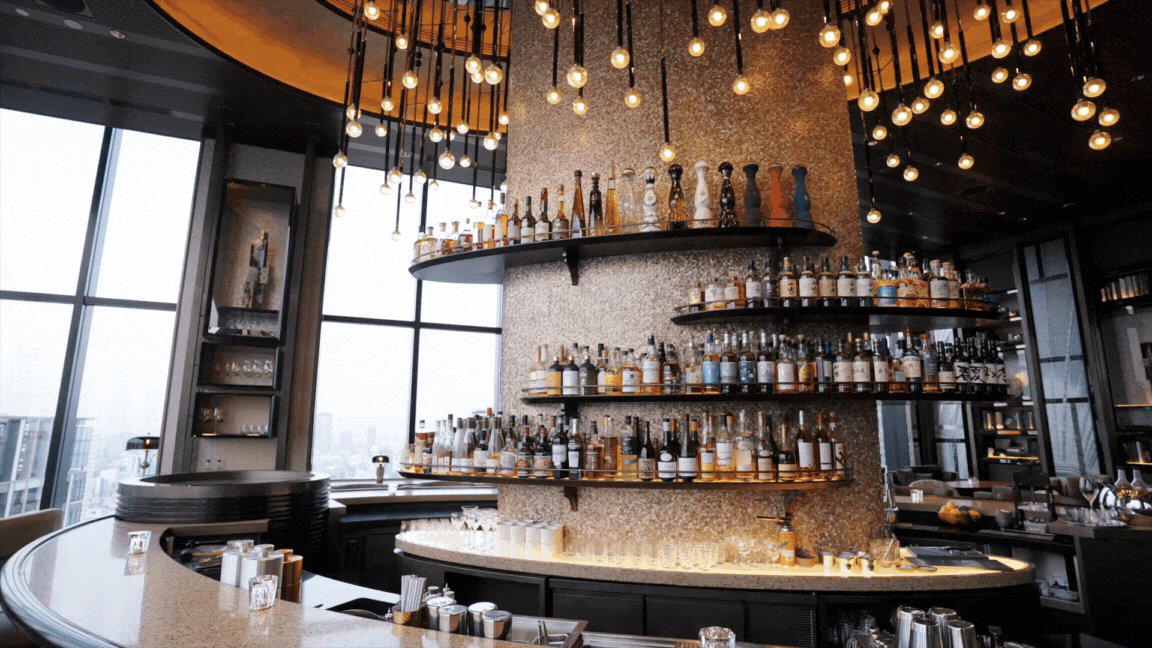
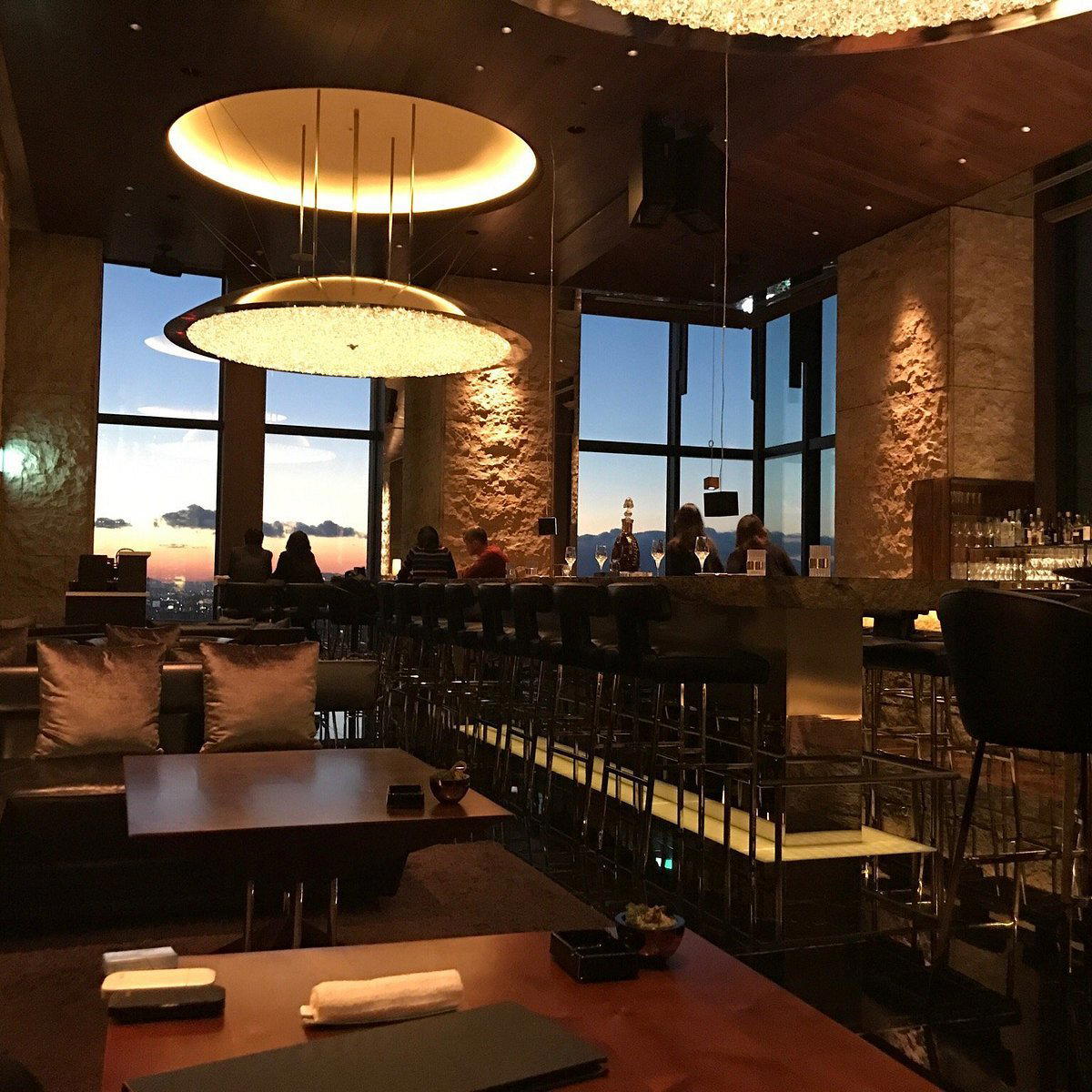


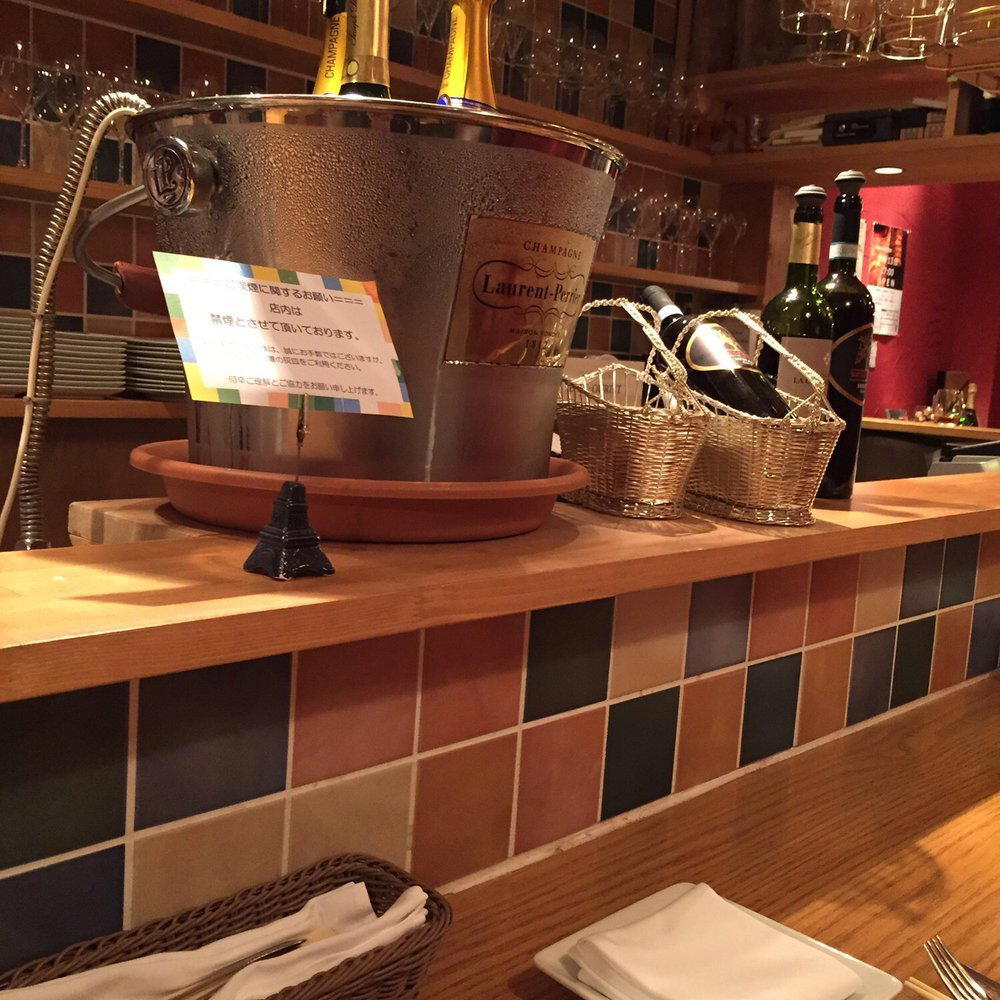
Hotels in Kobe
Browse all →


Details
- Elegant
- Sophisticated
- Intimate
- Special Occasion
- Date Night
- Chefs Counter
- Open Kitchen
- Sake Program
- Street Scene
- Counter Dining
- Vegetarian Friendly
Current opening hours
- Monday
- 5–11 PM
- Tuesday
- 5–11 PM
- Wednesday
- 5–11 PM
- Thursday
- 5–11 PM
- Friday
- 5–11 PM
- Saturday
- 11:30 AM–3 PM, 5:30–11 PM
- Sunday
- 11:30 AM–3 PM, 5:30–11 PM
Hours can change for holidays and private events. Last verified .
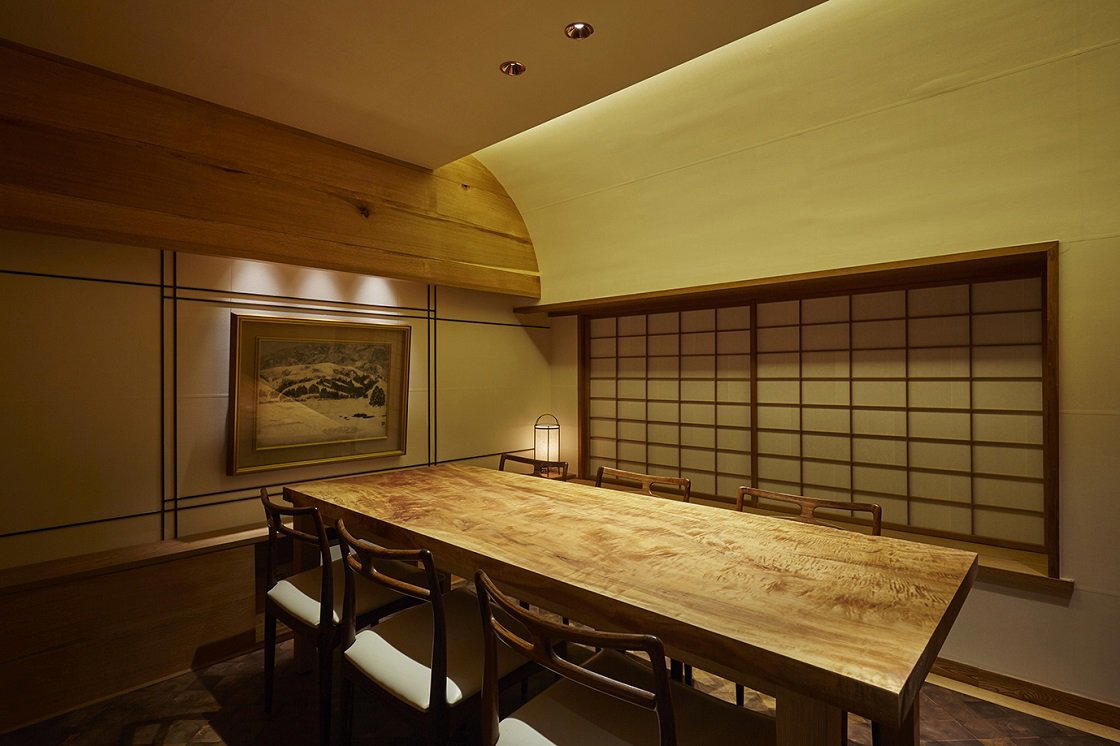
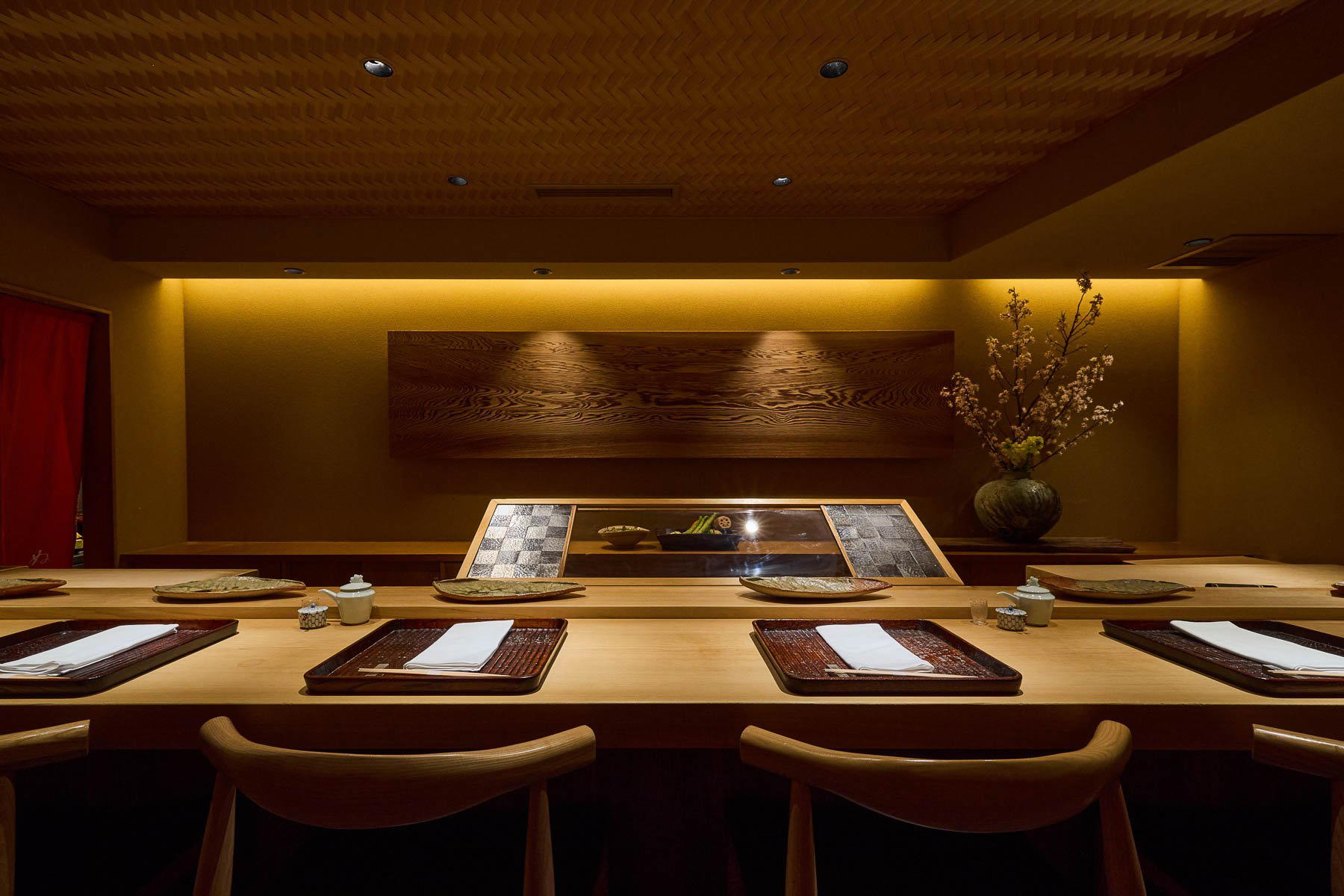
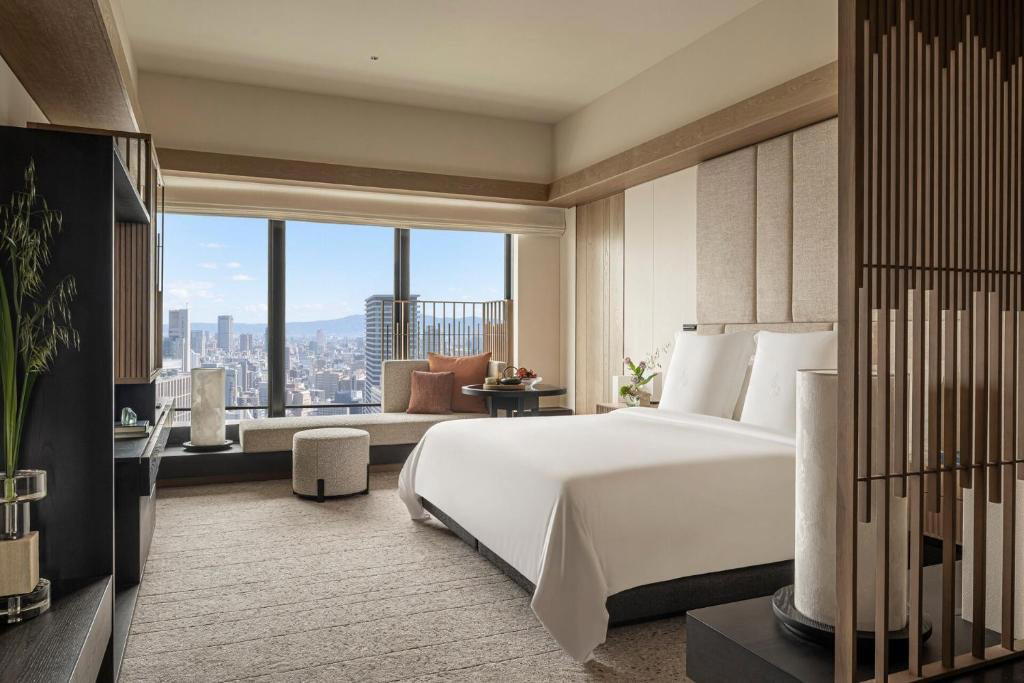
Chic and stylish counter seating with live cooking, offering a calm and private atmosphere enhanced by city views.