Our verdict
Kobe beef Hana-Houbi occupies a second-floor address in Chuo Ward's Shimoyamatedori district, placing it within the neighbourhood most closely associated with premium beef dining in the city that defined the category. The restaurant operates within a dining tradition where the ingredient itself sets the standard, and where the gap between serious practitioners and casual operators is immediately apparent to anyone who has eaten through the range.

Pearl is the En Primeur Club membership app — saves, bookings, and concierge access live there. Same editors, same standards.
- Address
- Japan, 〒650-0011 Hyogo, Kobe, Chuo Ward, Shimoyamatedori, 2 Chome−11−30 TN-â ¡ビル 2F
- Phone
- +81785156000
- Hours
- Daily 12–3 PM, 5–10 PM
- Website
- tablecheck.com
- Directions
- Get directions
- Booking
- Book on TableCheck
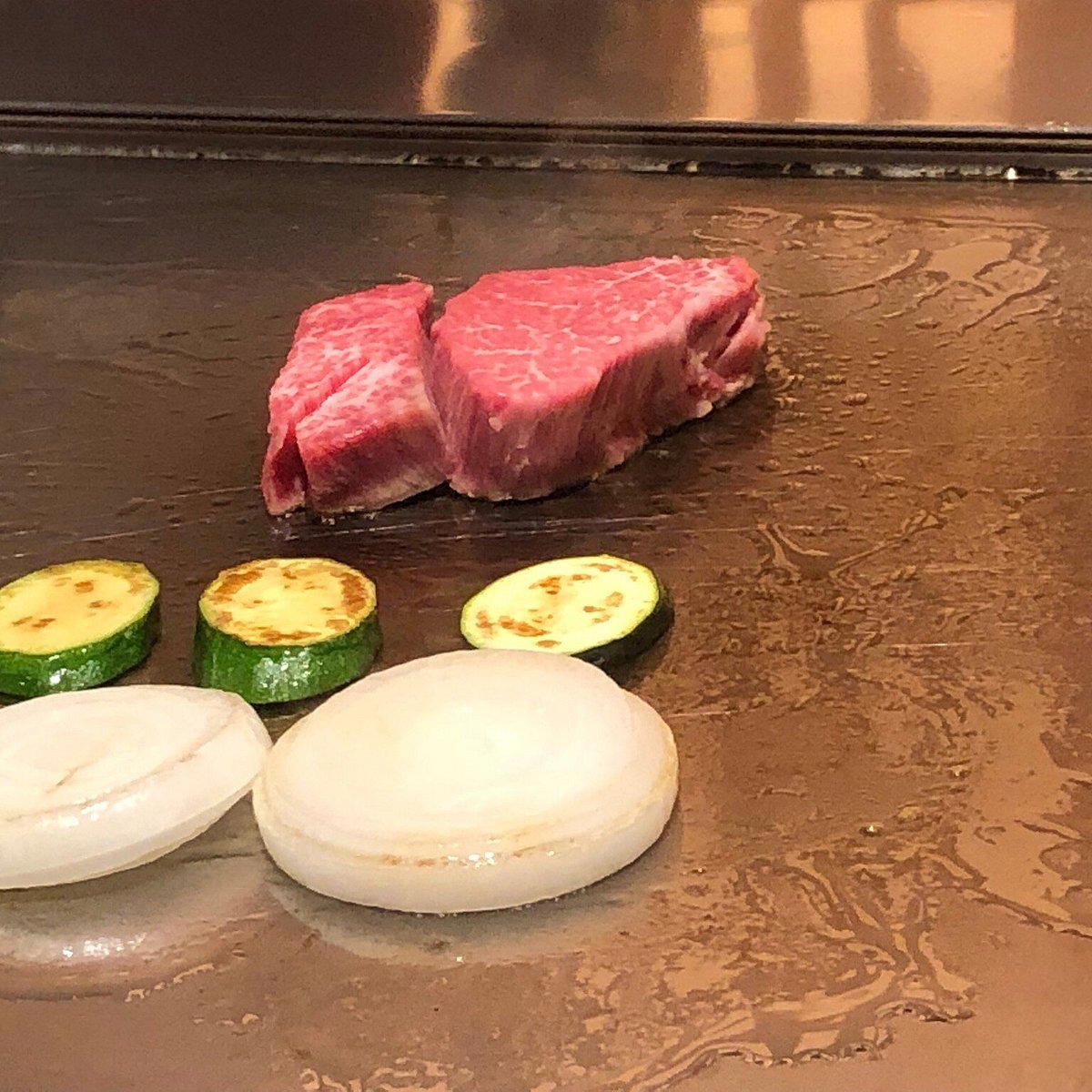
The menu
What to order
- Kobe Beef Steak
- Chateaubriand
- Sirloin
- Filet
Where Kobe Beef Dining Sits in the City That Invented It
Kobe's relationship with its namesake beef is not incidental to the city's identity — it is structural. The cattle, raised under strict conditions in Hyogo Prefecture, must meet grading thresholds that disqualify the majority of animals slaughtered under the breed. Only those certified by the Kobe Beef Marketing and Distribution Promotion Association can legally carry the name. That regulatory architecture means Kobe beef restaurants are not competing on the ingredient alone; they are competing on how intelligently they handle something that arrives with its credentials already established.
Hana-Houbi operates from a second-floor room in Shimoyamatedori, a stretch of Chuo Ward that runs between Kitano's foreign-residence heritage and the commercial density of Sannomiya. The neighbourhood has long attracted the kind of specialist restaurant that depends on a local clientele willing to pay for precision rather than ambience volume. A second-floor address in this district functions differently from a ground-floor room on a busy corner: the climb filters walk-ins, and the room serves people who have already decided before they arrive.
The Cultural Architecture of Wagyu Service
Understanding what a Kobe beef restaurant does requires understanding what Kobe beef is not. It is not a cooking style. It is a certified product with a defined geography, a defined breed (Tajima-gyu), and a defined fat distribution measured by the BMS marbling scale. Certified Kobe beef must score BMS 6 or above, which places it in a category where fat and lean tissue are so thoroughly interlaced that conventional high-heat cooking destroys rather than reveals. The service formats that have evolved around this ingredient — teppanyaki, shabu-shabu, sukiyaki, each address the same problem: how to transfer heat through a product that melts at body temperature without rendering it into grease.
Teppanyaki, the most internationally recognisable of these formats, involves cooking on a flat iron plate in view of the guest. In its serious domestic form, this is less about theatre than about precision temperature control. A skilled teppan cook adjusts the surface temperature in zones, moving cuts across the plate to manage doneness without losing the fat structure that justifies the price. Shabu-shabu, by contrast, uses barely simmering dashi or kombu broth, and the cook time for premium Kobe slices is measured in seconds rather than minutes. Both formats require the operator to source certified product and to treat it with the specificity it demands, and both are formats where the distance between adequate and excellent execution is immediately tasted.
Kobe's domestic beef dining scene runs from this kind of specialist precision through to tourist-facing operations near the waterfront that serve certified product but apply it to a much more generic experience. The distinction matters to anyone planning a serious meal here. Chuo Ward addresses away from the harbour, particularly in the Kitanozaka and Shimoyamatedori corridors, tend to draw restaurants whose customer base is largely local and repeat, which creates different operating pressures than restaurants whose revenue depends on first-time visitors. Hana-Houbi sits in this geography.
Placing Hana-Houbi in Kobe's Beef Dining Tier
Kobe's premium beef restaurant category is not large. The city supports a relatively small number of operators who focus specifically on certified Kobe beef at a serious level, with the remainder of the market divided between restaurants that serve Wagyu more broadly and those that treat beef as one item among many. Within the Kobe-specific tier, the competition for serious diners includes Setsugekka, which also specialises in beef dishes and draws a comparable clientele. Further out, Aragawa occupies a different price register entirely, with a reputation that extends well beyond the city and pricing that reflects decades of international recognition.
Hana-Houbi's Shimoyamatedori address places it physically close to restaurants like Fushin and Ash Restaurant, which operate in adjacent categories. The neighbourhood functions as something of a concentration point for Kobe's more considered dining, distinct from the Kitanozaka strip's more Spanish- and European-inflected offer, where restaurants like Ca Sento and fuxing occupy different competitive territory altogether.
For readers mapping Kobe against the broader Kansai region, the city's beef dining tradition sits alongside but distinct from Osaka's kaiseki and French-influenced fine dining, represented by restaurants like HAJIME in Osaka, or the seafood-forward precision of Gion Sasaki in Kyoto. Kobe beef restaurants occupy a niche that has no real equivalent elsewhere in the region: the ingredient is legally protected and geographically defined, which means the dining experience it anchors cannot be replicated by moving to another city. That geographical exclusivity is part of what makes a Kobe trip for serious beef dining different in kind from, say, visiting Harutaka in Tokyo or akordu in Nara.
Planning a Meal at Hana-Houbi
The practical considerations for dining at a specialist Kobe beef restaurant in Chuo Ward are worth stating plainly. Reservation lead times for the better-regarded rooms in this district typically run several weeks for weekend sittings and are somewhat shorter for midweek. Serious beef restaurants in Japan at this tier almost universally operate on a reservation basis; walk-in availability is rare and unreliable. Approaching the booking process with flexibility on day and time will improve the chances of securing a sitting.
Language is a practical consideration in restaurants of this type. Many specialist beef restaurants in Kobe's domestic-facing tier operate primarily in Japanese, with English menus available but English-language telephone reservations less consistent. A Japanese-speaking intermediary or a hotel concierge with local connections is useful for first contact. Once seated, the service format at teppanyaki and shabu-shabu restaurants is largely visual and sequential, which reduces communication friction considerably.
Getting to Shimoyamatedori from central Kobe is a short journey. The address sits within walking distance of Sannomiya Station, which is served by JR, Hankyu, and Hanshin lines, as well as the Kobe Municipal Subway. From Osaka, the Hankyu or Hanshin lines connect to Sannomiya in under forty minutes, making Kobe a realistic day-trip destination for diners based in the Kansai region. Those arriving from Tokyo by Shinkansen will use Shin-Kobe Station, from which Sannomiya is accessible by subway in a few minutes.
Our full Kobe restaurants guide covers the wider dining picture across the city's neighbourhoods, including the full range from beef specialists to sushi, French, and Spanish operators. For readers extending a Kansai itinerary, related reading includes coverage of Goh in Fukuoka and regional specialists across Japan from Nanao to Sapporo.
Frequently asked questions
Where exactly is Kobe beef Hana-Houbi?
Kobe beef Hana-Houbi is located at Japan, 〒650-0011 Hyogo, Kobe, Chuo Ward, Shimoyamatedori, 2 Chome−11−30 TN-â ¡ビル 2F, Kobe.
Is Kobe beef Hana-Houbi suitable for visitors who want to eat certified Kobe beef for the first time?
Hana-Houbi's location in Kobe's Chuo Ward puts it in the city where certified Kobe beef originates, which gives first-time diners a meaningful context that restaurants outside the region cannot replicate. A specialist venue of this format, focused specifically on certified wagyu rather than a broader Japanese menu, allows the product to be the entire point of the meal rather than a premium line item. Visitors unfamiliar with the difference between certified Kobe beef and general wagyu will find that distinction clarified by the experience itself.
What should I eat at Kobe beef Hana-Houbi?
The focus at Hana-Houbi is certified Kobe beef, which means the menu centres on wagyu from cattle that meet the strict grading criteria governed by the Kobe Beef Marketing and Distribution Promotion Association — a product available at only a small number of restaurants in the city. At a specialist of this kind in Chuo Ward, the core experience typically revolves around teppanyaki or shabu-shabu preparations that let the beef's marbling speak without interference.
Should I book Kobe beef Hana-Houbi in advance?
For specialist certified Kobe beef restaurants in Chuo Ward, advance reservations are standard practice and often necessary, particularly on weekends and during peak travel periods to Kobe. Hana-Houbi is located on the second floor of a building in Shimoyamatedori 2-chome, which suggests an intimate dining room rather than a high-turnover venue — smaller rooms fill faster. Booking at least one to two weeks ahead is the reasonable baseline; confirmed lead times and reservation channels should be verified directly with the restaurant.
Price and Positioning
Comparable venues nearby, for context on price, style, and recognition.
| Venue | Cuisine | Price | Awards | Notes |
|---|---|---|---|---|
| Kobe beef Hana-HoubiThis venue — the venue you are viewing | Teppanyaki Kobe Beef Steakhouse | $100–150 | Not listed | Not listed |
| Tsuki Usagi | Halal Kobe Beef Japanese | $200–300 | Not listed | Chūō, Halal Kobe Beef Japanese |
| Teppanyaki Sogo | Teppanyaki Steakhouse | Not listed | Tabelog 100 #3 | Chūō, Teppanyaki Steakhouse |
| Kobe Beef Steak Sakura | Premium Kobe Beef Teppanyaki | $100–150 | Not listed | Chūō, Premium Kobe Beef Teppanyaki |
| Kobe Steak Restaurant Mouriya Lin | Teppanyaki Kobe Beef Steakhouse | $150–200 | Not listed | Chūō, Teppanyaki Kobe Beef Steakhouse |
| すし うえだ | Traditional Omakase Sushi | $300–500 | Tabelog Bronze #494 | Chūō, Traditional Omakase Sushi |
Continue exploring
More in Kobe
Restaurants in Kobe
Browse all →
Bars in Kobe
Browse all →
Hotels in Kobe
Browse all →


Kobe beef Hana-Houbi
The wine
- Wine program
- Curated wine list
- Extensive wine list
- Sake program
Details
- Elegant
- Intimate
- Sophisticated
- Special Occasion
- Business Dinner
- Date Night
- Open Kitchen
- Sake Program
- Extensive Wine List
- A La Carte
- Counter Dining
- Wine
- Whiskey
- Gluten Free Options
Current opening hours
- Monday
- 12–3 PM, 5–10 PM
- Tuesday
- 12–3 PM, 5–10 PM
- Wednesday
- 12–3 PM, 5–10 PM
- Thursday
- 12–3 PM, 5–10 PM
- Friday
- 12–3 PM, 5–10 PM
- Saturday
- 12–3 PM, 5–10 PM
- Sunday
- 12–3 PM, 5–10 PM
Hours can change for holidays and private events. Last verified .
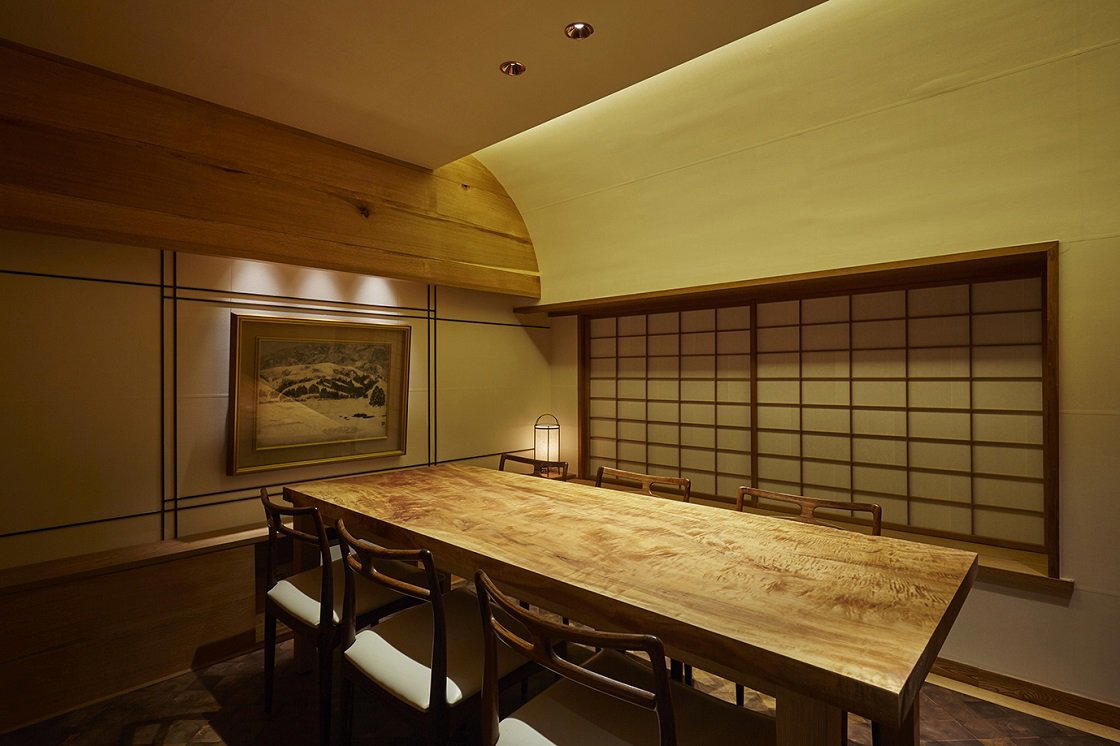
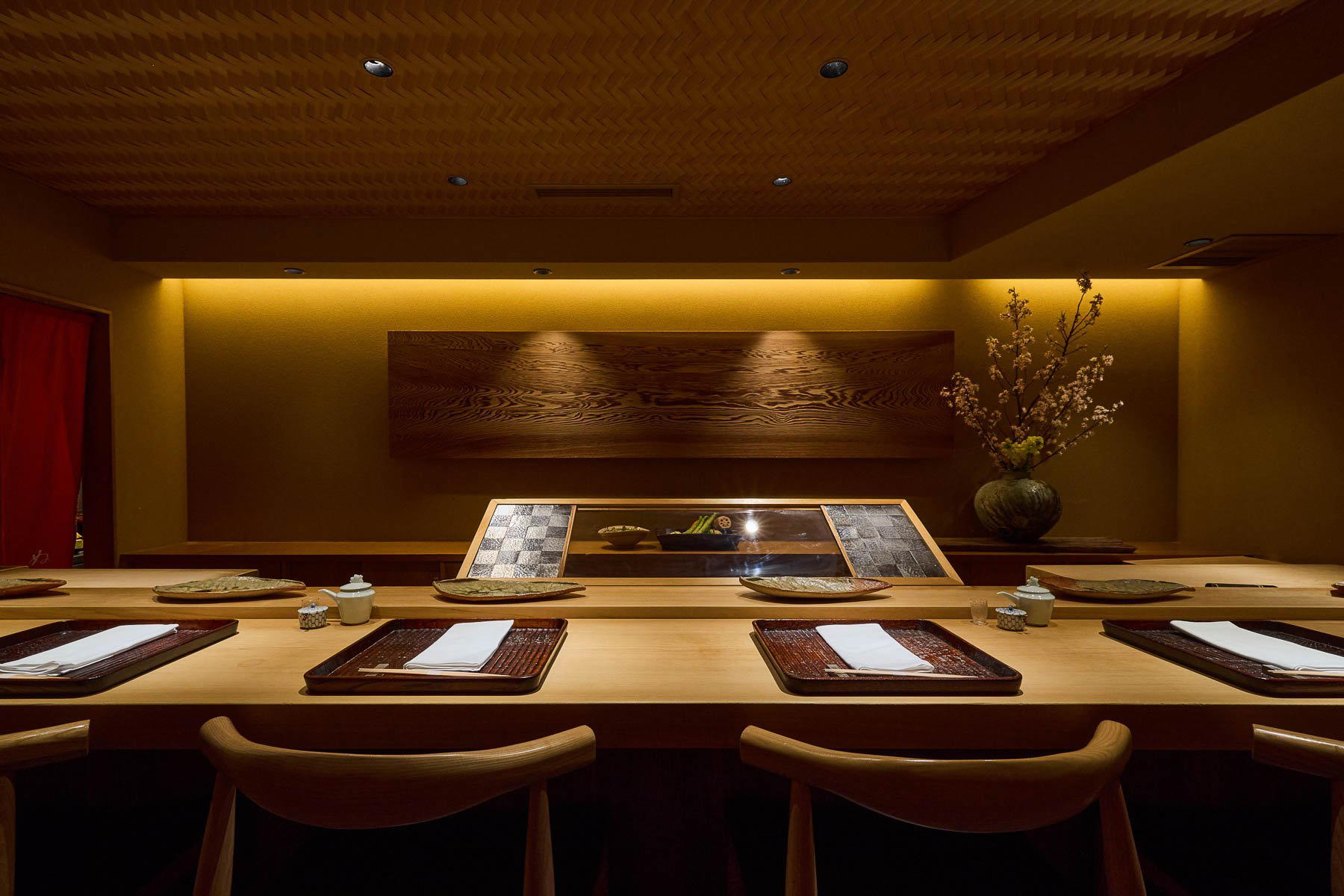
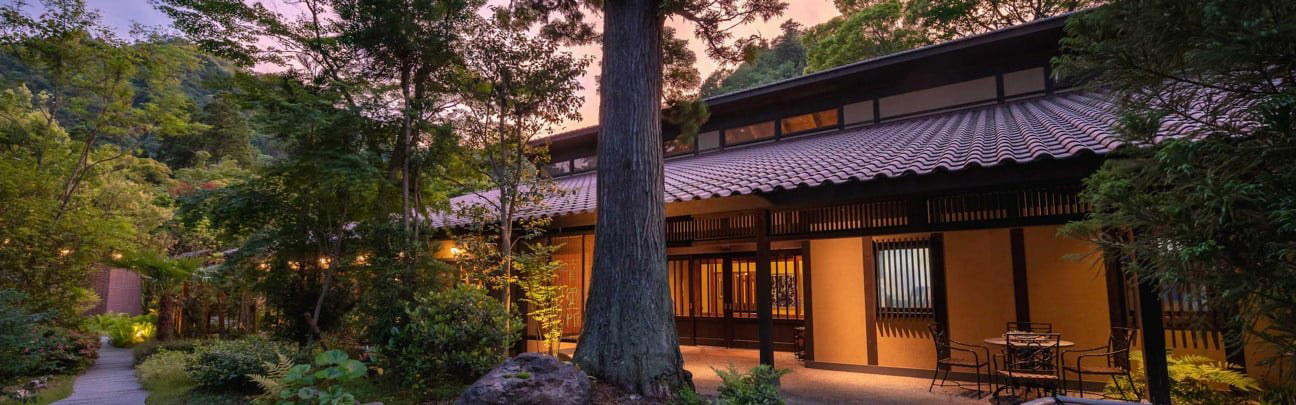
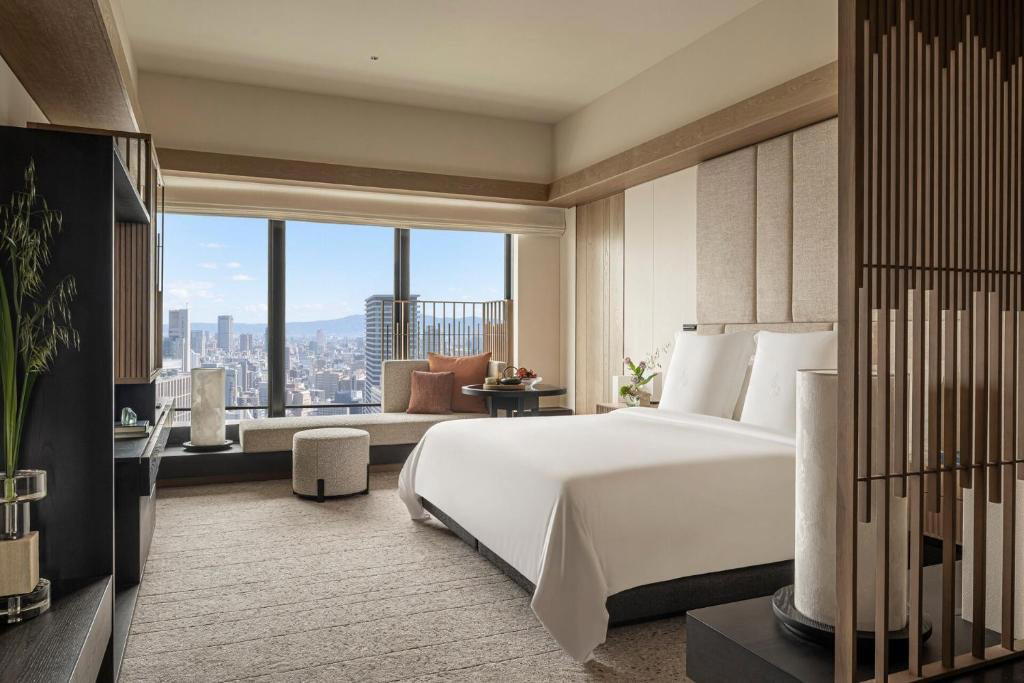
Elegant modern Japanese space with cozy, intimate atmosphere ideal for special occasions and business dinners.