Kobe Beef Yakiniku Yazawa Nankinmachi Branch sits at the edge of Kobe's historic Chinatown district, where Japan's most rigorously certified beef meets the interactive theatre of yakiniku. The menu is structured around cuts and grades of Kobe beef, positioning this address within a narrow tier of restaurants where provenance and marbling certification are the primary editorial story.
Pearl is the En Primeur Club membership app — saves, bookings, and concierge access live there. Same editors, same standards.
- Address
- Japan, 〒650-0022 Hyogo, Kobe, Chuo Ward, Motomachidori, 1 Chome−1−1 新å 町ビル 1階
- Phone
- +81783351844
- Website
- koubegyuu.com
- Directions
- Get directions
 Saves & bookings on Pearl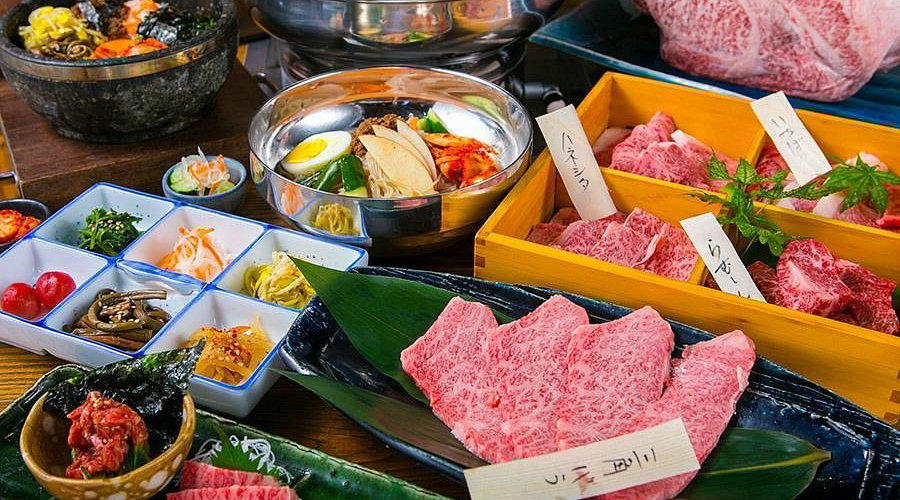
Nankinmachi and the Geography of Premium Beef in Kobe
Few cities carry a single ingredient's identity as completely as Kobe carries its beef. The name alone functions as a global shorthand for marbled fat, precise certification, and price points that place it in a different category from most Japanese wagyu. Within Kobe itself, the restaurants that serve this beef occupy a clear hierarchy: the older steakhouse institutions along Kitanozaka and Tor Road, the teppanyaki rooms in international hotel dining floors, and a younger cohort of yakiniku counters that prioritise interactivity over formality. Yazawa's Nankinmachi branch belongs to that third tier, situated at the edge of Kobe's Chinatown on Motomachidori, where the dining proposition is built around the grill.
Nankinmachi itself is worth understanding as a setting. Kobe's Chinatown is one of three main Chinese districts in Japan, alongside Yokohama and Nagasaki's Shinchi, and it operates as a dense retail and food corridor that attracts both domestic tourists and locals. The surrounding Motomachi neighbourhood has its own layered identity, with covered arcades and independent shops near the waterfront.
What Yakiniku Architecture Reveals About the Menu
Yakiniku as a format is structured around decision-making. Unlike teppanyaki, where the chef controls the cooking surface, or kaiseki, where the kitchen dictates sequence entirely, yakiniku places the guest at the centre of a series of choices: which cut, which grade, how long on the grill, with which condiments. For restaurants working with Kobe beef specifically, this format creates an educational pressure that works in the venue's favour. The menu architecture at a serious Kobe beef yakiniku counter is effectively a primer on bovine anatomy and marbling science, moving through the cow's muscle groups in a sequence that builds from leaner cuts toward the heavily marbled sections that define Kobe's international reputation.
Kobe beef itself operates under certification standards administered by the Kobe Beef Marketing and Distribution Promotion Association. To carry the name, the animal must be a Tajima-strain black Wagyu born, raised, and slaughtered in Hyogo Prefecture, with a Beef Marbling Standard score of 6 or above on a 12-point scale, a yield grade of A or B, and a carcass weight below 470 kilograms. These are not marketing claims; they are documented requirements that eliminate most wagyu from the category. A restaurant built around this ingredient is, in structural terms, a restaurant built around one of Japan's most regulated proteins.
The yakiniku format makes that regulation legible to the diner. Menus at this level of operation typically move through categories: tongue sections first, given their textural contrast and lower fat content; then shoulder and rib cuts that show how marbling distributes across different muscle groups; then the high-fat premium cuts, often kalbi or sirloin grades, where the Kobe BMS certification becomes visually apparent on the raw plate. The grill becomes a teaching tool as much as a cooking surface, and the sequence of courses serves as an argument for why the price differential between Kobe-certified beef and uncertified wagyu exists.
For context on how Kobe's premium dining tier is structured more broadly, Aragawa represents the older steakhouse model at the upper end of the city's beef hierarchy, while venues like Ash Restaurant and Fushin show how Kobe's fine dining operates across different formats and cuisines. Ca Sento and fuxing expand the city's range further, demonstrating that Kobe's dining identity extends well beyond its beef. Our full Kobe restaurants guide maps the broader scene.
How This Address Sits in the Regional Premium Dining Picture
The Kansai corridor that runs between Kobe, Osaka, Kyoto, and Nara contains some of Japan's most concentrated restaurant talent outside Tokyo. HAJIME in Osaka operates at the three-Michelin-star tier, while Gion Sasaki in Kyoto represents the kaiseki tradition at its most rigorous. akordu in Nara demonstrates that the region's premium dining extends into formats well outside Japanese tradition. Within this competitive geography, a Kobe beef yakiniku specialist occupies a specific and defensible niche: it offers ingredient-led transparency that tasting-menu formats do not, at a price point that reflects the cost of certified product rather than the overhead of a multi-course kitchen operation.
Further afield, Goh in Fukuoka represents the southern Japanese premium dining model, while Tokyo's leading counter experiences, including Harutaka, show how ingredient-focused formats operate at scale in a larger market. Japan's wider range of specialist dining also includes regional institutions such as 一本木 石川制 in Nanao, 夕仙夜山乃 in Sapporo, 湖隣庵 in Takashima, and 庄羽屋 in Nishikawa Machi, each demonstrating how provincial Japanese dining maintains its own distinct vocabulary. Internationally, the ingredient-transparency model that defines Kobe beef yakiniku has parallels in seafood-focused operations like Le Bernardin in New York City and the Korean-influenced precision of Atomix, where the product's provenance and preparation logic are as central to the dining proposition as the final dish. Birdland in Sakai offers a further regional reference point for specialist protein dining in the Kansai area.
Planning a Visit
Yazawa's Nankinmachi branch is located at 1-1-1 Motomachidori, Chuo Ward, Kobe, in Hyogo Prefecture. The address puts it within walking distance of Motomachi Station on the JR Kobe Line and a short walk from the main Nankinmachi gate, making it accessible from central Kobe without requiring a taxi or additional transit. The restaurant is open daily from 11 AM to 9 PM, and reservations are recommended. The Nankinmachi location also means lunch and dinner service suit both daytime visitors and evening diners.
Where the Accolades Land
Comparable venues nearby, for context on price, style, and recognition.
| Venue | Cuisine | Price | Notes |
|---|---|---|---|
| Kobe Beef Yakiniku Yazawa Nankinmachi BranchThis venue — the venue you are viewing | Kobe Beef Yakiniku | $$$$ | Not listed |
| Aragawa | Kobe Beef Steakhouse | $$$$ | Chuo-ku |
| KOBE BEEF EiKiChi | Kobe Beef Teppanyaki | $$$$ | Chūō |
| Kobe Plaisir Honten | Kobe beef teppanyaki & Hyogo vegetables | $$$$ | Chūō |
| Aburi Niku Kobo Wakkoqu Kitano Sakamoto Ten | Kobe beef teppanyaki steakhouse | $$$$ | Chūō |
| Teppanyaki Kokoro | Luxury Kobe Beef Teppanyaki | $$$$ | Chūō |
Continue exploring
More in Kobe
Restaurants in Kobe
Browse all →
Bars in Kobe
Browse all →



Hotels in Kobe
Browse all →


At a Glance
- Intimate
- Special Occasion
- Group Dining
- Open Kitchen
- Sake Program
- Street Scene
Current opening hours
- Monday
- 11 AM–9 PM
- Tuesday
- 11 AM–9 PM
- Wednesday
- 11 AM–9 PM
- Thursday
- 11 AM–9 PM
- Friday
- 11 AM–9 PM
- Saturday
- 11 AM–9 PM
- Sunday
- 11 AM–9 PM
Hours can change for holidays and private events. Last verified .
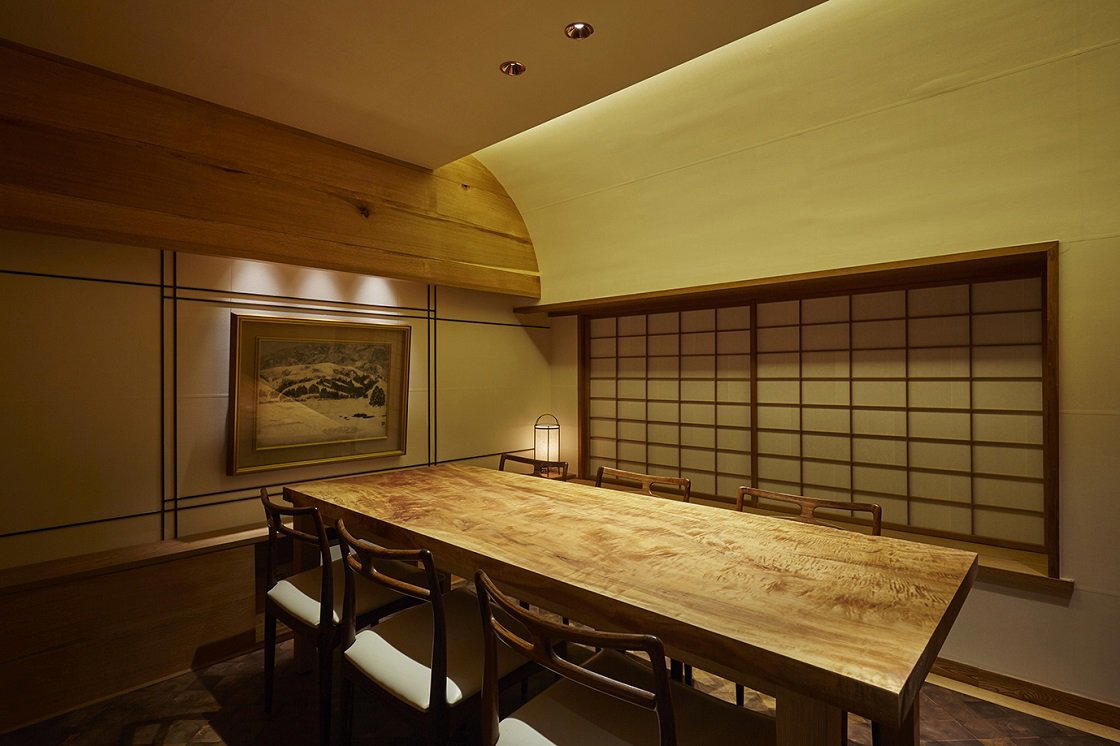
Cozy hideout atmosphere focused on intimate meat grilling experiences.