Our verdict
Kobe Beef Steak Sakura sits on the second floor of the Lion Building in Chuo Ward, placing it firmly within Kobe's concentrated corridor of premium beef restaurants. The restaurant operates in a city where the product itself sets the standard, and the service format is built around that ingredient. Visitors looking for a focused, beef-centred teppanyaki or course experience in central Kobe will find this address consistently in the conversation.

Pearl is the En Primeur Club membership app — saves, bookings, and concierge access live there. Same editors, same standards.
- Address
- Japan, 〒650-0011 Hyogo, Kobe, Chuo Ward, Shimoyamatedori, 2 Chome−17−10 2F 三ノ宮 神戸牛ステーキ 神戸牛専門 ランチ ディナー 鉄板焼き 接待 高級 コース
- Phone
- +81 78-335-8885
- Hours
- Daily 11:30 AM–2 PM, 5–9 PM
- Website
- saidining.com
- Directions
- Get directions
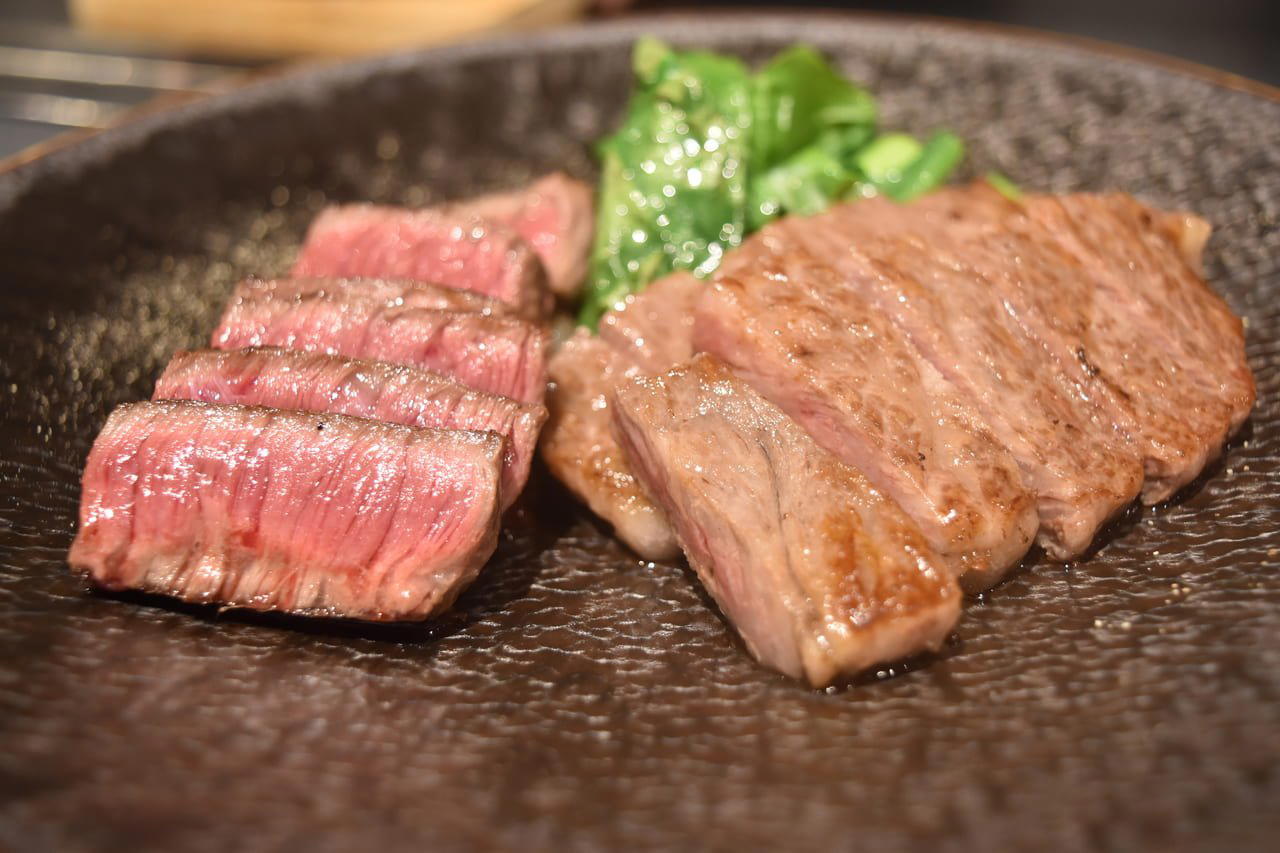
The menu
What to order
- A5 Kobe Beef Teppanyaki Steak
- Yaki Shabu
- Halal Wagyu Sirloin Steak
- Clay Pot Rice
Kobe's Beef Corridor and Where Sakura Sits Within It
Few cities in Japan carry a single ingredient as their entire culinary identity the way Kobe carries its beef. The concentration of certified Tajima-gyu restaurants in Chuo Ward is not accidental: the supply chain runs from Hyogo Prefecture's regulated cattle herds through a grading and certification system that is among the most scrutinised in Japan, and the restaurants that serve this product cluster in the areas where international visitors and domestic premium diners converge. Shimoyamatedori, where Kobe Beef Steak Sakura occupies the second floor of the Lion Building, sits at the geographic and commercial heart of that cluster.
The Kobe beef restaurant tier has become increasingly stratified over the past decade. At one end, high-volume tourist-facing operations serve certified Kobe beef at accessible price points with minimal ceremony. At the other, a smaller cohort of specialist restaurants builds the entire guest experience around the beef as a technical and cultural object: the grade of marbling, the provenance of the individual animal, and the precision of the cooking method. Sakura positions itself within that specialist tier through its address, its format, and the seriousness with which the service team approaches the product.
For context on Kobe's broader dining map, Aragawa holds the city's longest-standing reputation for aged domestic beef, while Ash Restaurant and Ca Sento represent the city's more genre-crossing ambitions. Sakura, by contrast, stays within the beef-specialist lane, which is a considered choice in a city where that lane carries the most cultural weight. Our full Kobe restaurants guide maps the broader scene across categories and price tiers.
The Service Architecture of a Beef-Specialist Room
In Japan's premium beef restaurants, the team dynamic between kitchen, floor, and the counter or tableside position is often where the experience is actually made or lost. The beef is certified; the quality of the raw material arrives with documentation. What differentiates one specialist restaurant from another at the same price tier is almost entirely a function of how the service team contextualises, prepares, and presents the product in front of the guest.
This is a category where the front-of-house role carries genuine technical weight. Explaining the marbling grade, the cut selection, the resting logic, and the cooking temperature to a guest who may be experiencing certified Kobe beef for the first time requires a level of product knowledge that sits closer to sommelier territory than to conventional table service. At Sakura, the format is built to give that interaction space: the second-floor setting removes the noise of street-level foot traffic, and the room structure allows for the kind of focused exchange between service staff and guest that the product warrants.
This team-led format has parallels in how Japan's leading teppanyaki and beef-course restaurants across the Kansai region have evolved. At HAJIME in Osaka, the interplay between kitchen and floor defines the pacing of the meal. At Gion Sasaki in Kyoto, front-of-house carries deep seasonal knowledge that shapes how dishes land. Sakura operates within that same Kansai tradition of service as expertise, not merely logistics.
The Ingredient as the Argument
Kobe beef's certification criteria are among the strictest applied to any beef product globally. Only cattle from the Tajima strain of Japanese Black, raised in Hyogo Prefecture, slaughtered at designated facilities, and meeting a Beef Marbling Standard of 6 or above on the 12-point Japanese grading scale qualify for the designation. This is a relatively small annual yield relative to the global appetite for the name, which is part of why the restaurants that serve genuine certified Kobe beef in Kobe itself occupy a different position than the many international restaurants that appropriate the name without meeting the certification criteria.
For a diner arriving at Sakura, this context matters. You are eating a product with a verifiable supply chain in the city where that supply chain originates. The restaurant's location in Chuo Ward places it within walking distance of the Kobe Beef Marketing and Distribution Promotion Association's registered restaurant network, which is the recognised body for certification in this category. That geographic and institutional grounding is a form of trust signal that no amount of imported product can replicate.
Restaurants across Japan working at the intersection of provenance and technique, including Fushin and fuxing in Kobe itself, each make different arguments about how local product should be handled. Sakura's argument is made through restraint and focus: the menu stays in its lane, the service team is trained around a single primary ingredient, and the room is scaled to support that specialisation.
Kobe in the Wider Kansai Premium Dining Circuit
Kobe sits between Osaka and Kyoto on a rail corridor that many premium diners now treat as a single extended dining region rather than three separate cities. A traveller spending three or four days in Kansai can move between HAJIME in Osaka, a Kyoto kaiseki counter, and a Kobe beef specialist without significant logistical friction. The Shin-Kobe Shinkansen station and the frequency of express trains on the Hankyu and JR lines mean Kobe's restaurants are realistically accessible for dinner from either city.
Within that circuit, Kobe's specific contribution is beef. Osaka's contribution is volume and genre diversity. Kyoto's is kaiseki formality and seasonal precision. Travellers who have explored Harutaka in Tokyo or akordu in Nara will find that a Kobe beef specialist operates with a different kind of discipline: the product is the anchor and the team builds outward from it, rather than building a menu where the protein is one element among many.
For those extending further across Japan, the specialist beef and premium dining format recurs in different registers at Goh in Fukuoka, at 一本杉川嶋 in Nanao, and at 古仲山乃 in Sapporo. The comparison across these addresses reveals how Japan's regional premium dining culture routes itself through local product rather than imported prestige.
Planning Your Visit
Kobe Beef Steak Sakura is located on the second floor of the Lion Building at 2-17-10 Shimoyamatedori, Chuo Ward, Kobe, Hyogo Prefecture. The address is accessible from central Kobe and sits within the concentrated restaurant district that runs between Kitano and the waterfront. Dress expectations at Kobe's premium beef restaurants tend toward smart casual at minimum, and the second-floor format implies a more formal dining atmosphere than street-level casual beef restaurants in the same neighbourhood.
Those building a wider Kobe itinerary should also consider Birdland in Sakai and 湖畔荘 in Takashima for regional contrast, and 庭羽屋 in Nishikawa Machi for a different register of Japanese hospitality. Internationally, travellers who calibrate their restaurant choices by technique and provenance discipline may find useful reference points at Le Bernardin in New York City and Atomix in New York City, both of which operate on the premise that a tightly defined product focus produces stronger results than a broad menu strategy.
Frequently asked questions
What's Kobe Beef Steak Sakura's location?
Kobe Beef Steak Sakura is located at Japan, 〒650-0011 Hyogo, Kobe, Chuo Ward, Shimoyamatedori, 2 Chome−17−10 ライオンビル三宮館 2F 三ノ宮 神戸牛ステーキ 神戸牛専門 ランチ ディナー 鉄板焼き 接å¾ 高級 コース, Kobe.
How does Kobe Beef Steak Sakura compare to other certified Kobe beef restaurants in Chuo Ward?
Kobe Beef Steak Sakura operates from a second-floor room in the Lion Building at 2-17-10 Shimoyamatedori, placing it within Chuo Ward's core dining district where several certified Kobe beef specialists compete on the same ingredient pool — Tajima-strain Japanese Black cattle meeting Hyogo Prefecture's strict marbling and yield criteria. What differentiates rooms in this category tends to be service format, counter configuration, and preparation style rather than the ingredient itself, since the beef certification sets a common floor. Visiting the Kobe city restaurant association listings or current Japanese dining platforms will give the most accurate side-by-side picture of how Sakura's pricing and format sit relative to its immediate neighbours.
What's the signature dish at Kobe Beef Steak Sakura?
The kitchen's focus is certified Kobe beef, sourced from Tajima-strain Japanese Black cattle raised in Hyogo Prefecture and graded to the strict yield and marbling standards that govern the Kobe beef designation. Preparation style at the restaurant sits within the grilled or teppanyaki tradition common to Kobe's beef specialist rooms, where the cut itself carries the argument. Specific menu items and seasonal configurations are best confirmed directly with the restaurant before visiting.
Can I walk in to Kobe Beef Steak Sakura?
Kobe's certified beef restaurants at the premium end of the market routinely require advance reservations, and Sakura's second-floor room in the Lion Building at 2-17-10 Shimoyamatedori is no exception in terms of the demand pattern for this category. Walk-in availability depends on the day and season, with quieter weekday lunches offering the best odds. Contacting the venue directly before arrival is the reliable approach.
Cost Snapshot
Comparable venues nearby, for context on price, style, and recognition.
| Venue | Cuisine | Price | Awards | Notes |
|---|---|---|---|---|
| Kobe Beef Steak SakuraThis venue — the venue you are viewing | Premium Kobe Beef Teppanyaki | $100–150 | Not listed | Not listed |
| Kobe beef Hana-Houbi | Teppanyaki Kobe Beef Steakhouse | $100–150 | Not listed | Chūō, Teppanyaki Kobe Beef Steakhouse |
| Aragawa | Kobe Beef Steakhouse | $300–500 | Not listed | Chuo-ku, Kobe Beef Steakhouse |
| Kobe Beef Steak Restaurant Royal Mouriya | Teppanyaki Kobe Beef | $150–200 | Not listed | Chūō, Teppanyaki Kobe Beef |
| Aburi Niku Kobo Wakkoqu Kitano Sakamoto Ten | Kobe beef teppanyaki steakhouse | $100–150 | Tabelog 100 #62 | Chūō, Kobe beef teppanyaki steakhouse |
| Toriryori Ranpu | Chicken Dishes / Izakaya | $30–50 | Tabelog 100 #95 | Chūō, Chicken Dishes / Izakaya |
Continue exploring
More in Kobe
Restaurants in Kobe
Browse all →
Bars in Kobe
Browse all →



Hotels in Kobe
Browse all →


Details
- Elegant
- Sophisticated
- Intimate
- Classic
- Business Dinner
- Special Occasion
- Celebration
- Date Night
- Open Kitchen
- Standalone
- Prix Fixe
- Set Menu
- Sake
- Matcha
- Halal
- Allergy Accommodating
Current opening hours
- Monday
- 11:30 AM–2 PM, 5–9 PM
- Tuesday
- 11:30 AM–2 PM, 5–9 PM
- Wednesday
- 11:30 AM–2 PM, 5–9 PM
- Thursday
- 11:30 AM–2 PM, 5–9 PM
- Friday
- 11:30 AM–2 PM, 5–9 PM
- Saturday
- 11:30 AM–2 PM, 5–9 PM
- Sunday
- 11:30 AM–2 PM, 5–9 PM
Hours can change for holidays and private events. Last verified .
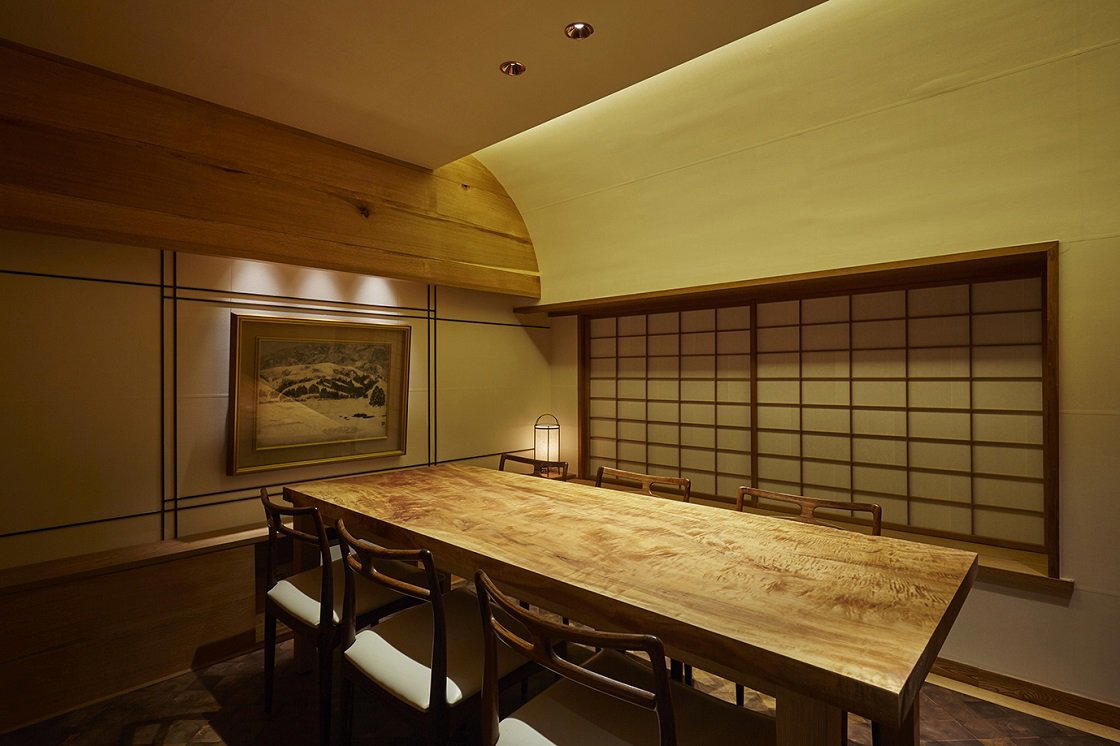
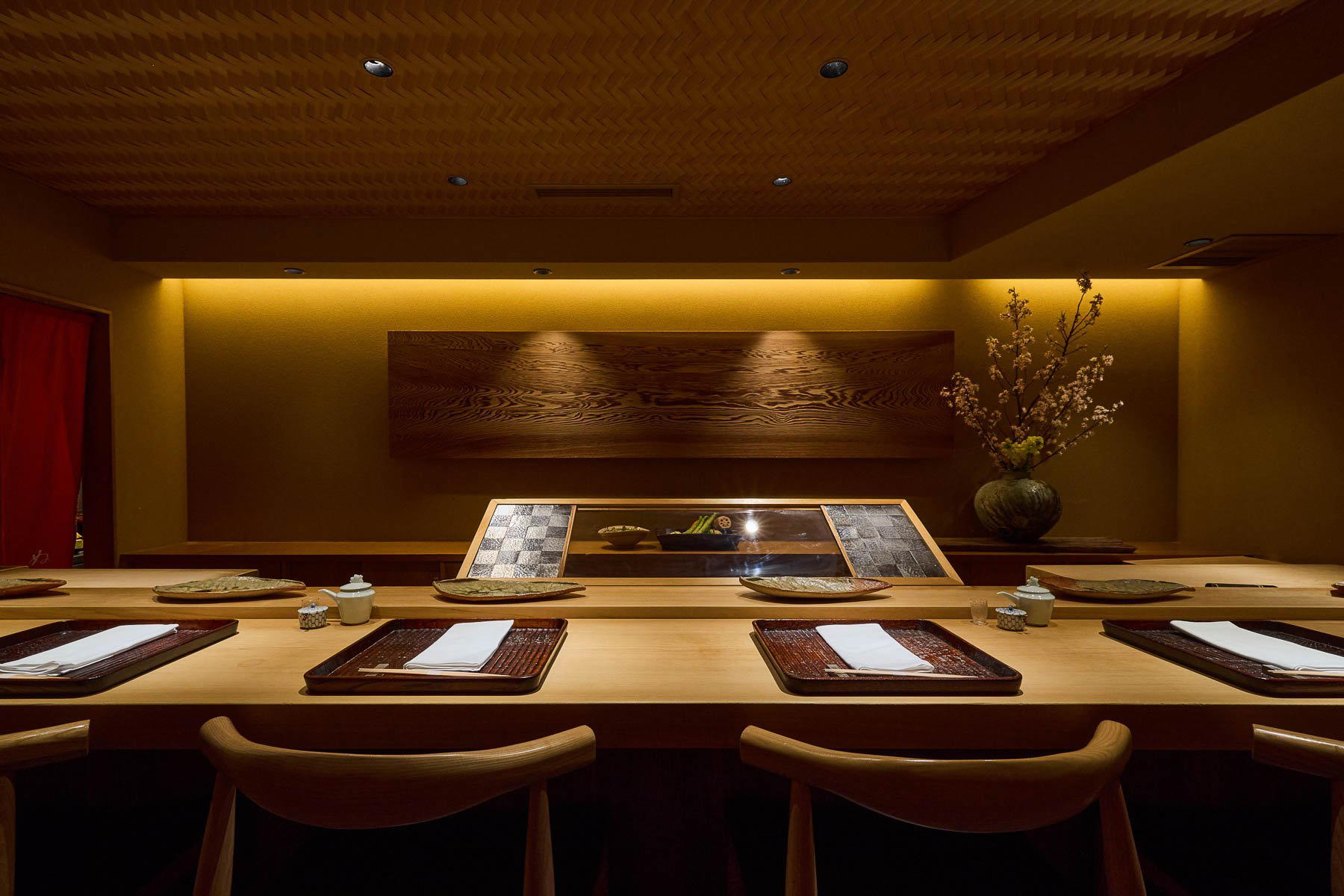
Refined and welcoming with soft lighting, traditional Japanese décor featuring cherry blossoms and golden dragon screens, calm atmosphere evoking Japanese tradition and affluent sensibilities.