Our verdict
Below street level in Roppongi, Kawamura is among Tokyo's most disciplined teppanyaki counters, built around certified Kobe beef at a time when provenance claims in Japanese beef dining have become increasingly contested. The subterranean room, serious wine program, and focused format place it in the premium tier of a narrow but demanding category.

Pearl is the En Primeur Club membership app, where members save venues, book tables and use the concierge.
Below Street Level, Above the Noise
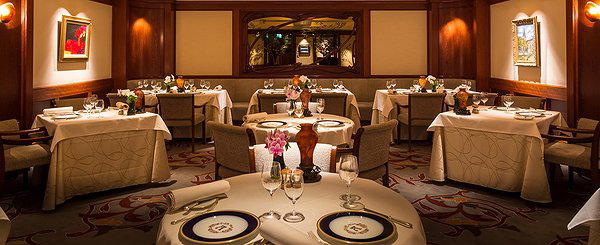
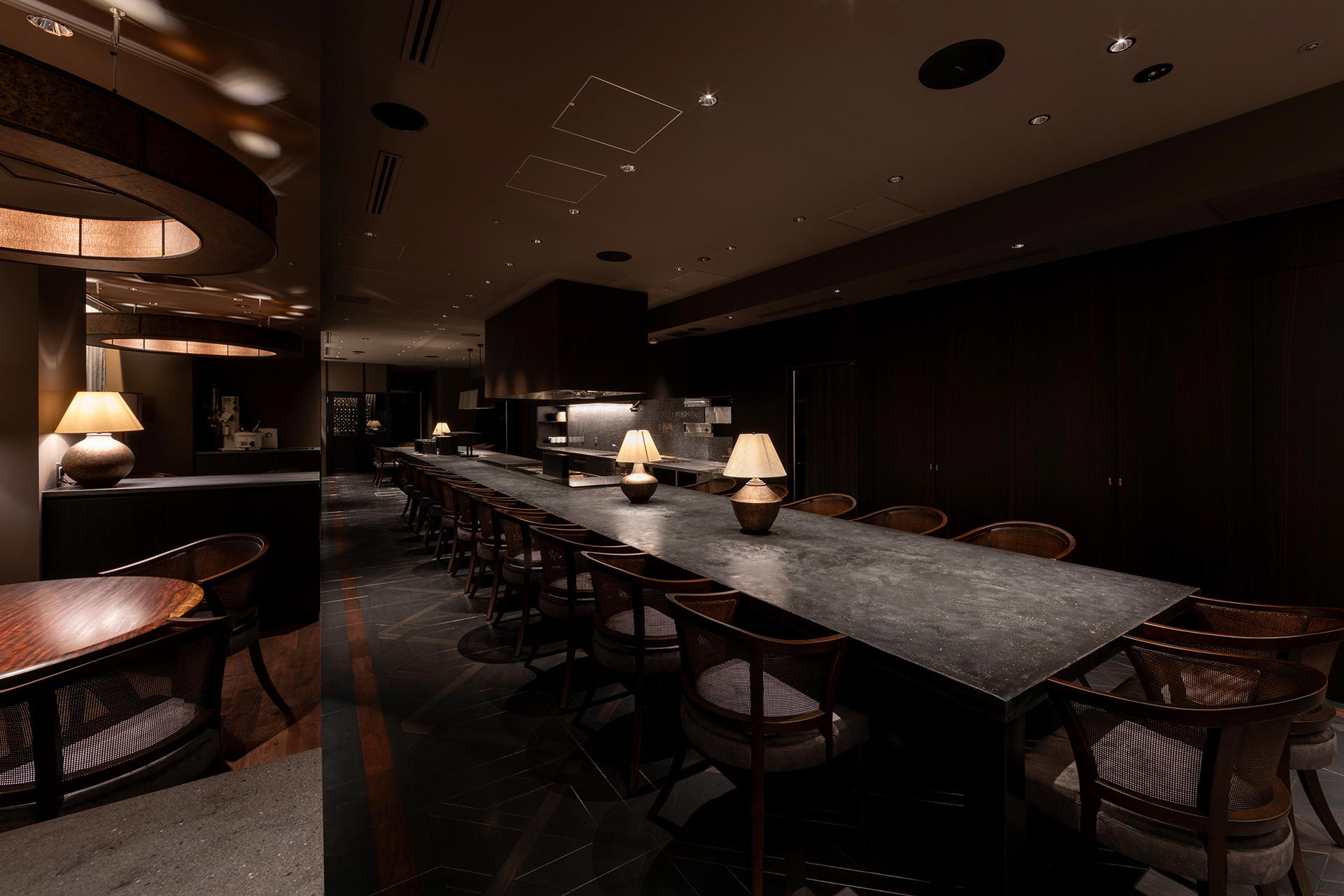
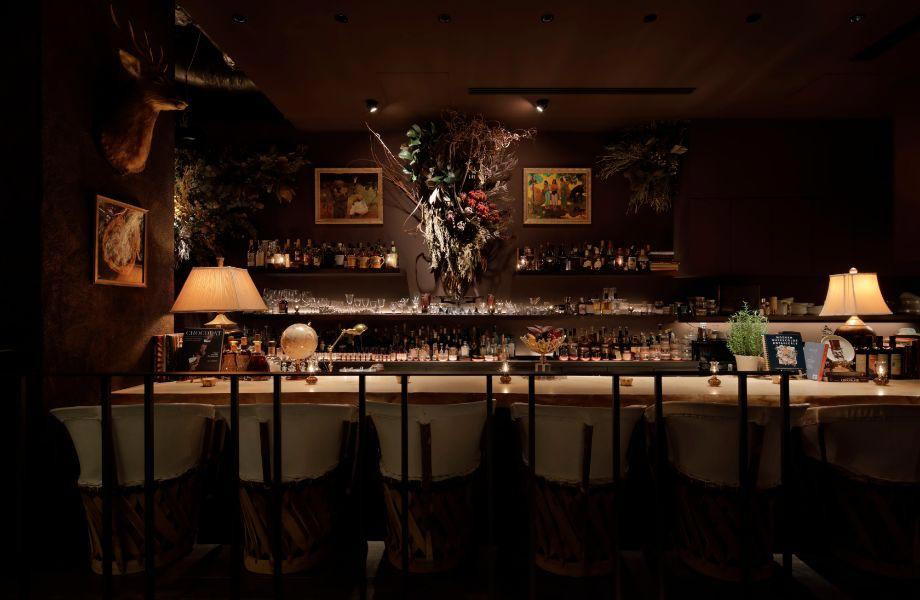
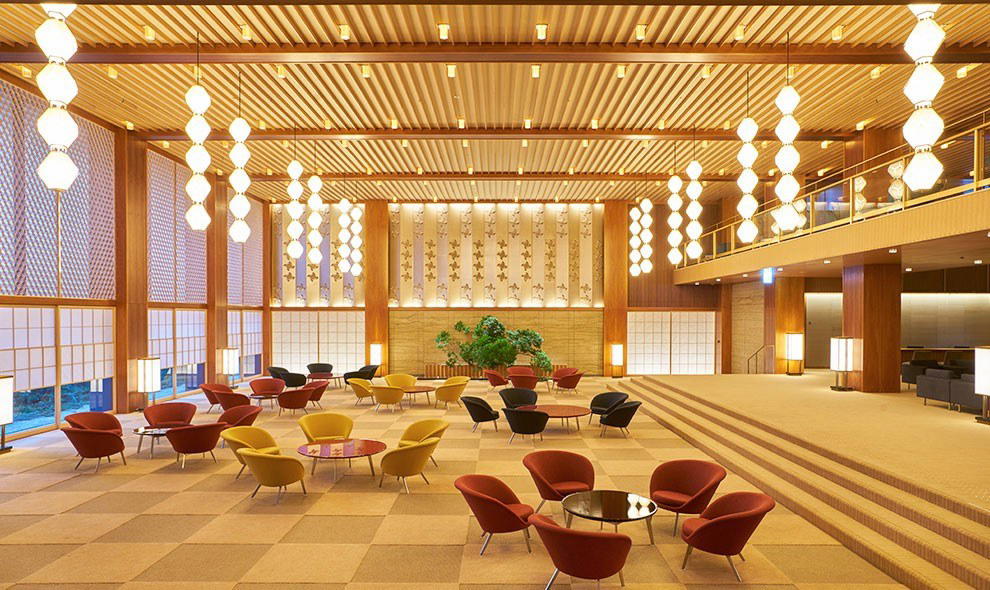
Descend into the basement of a Roppongi building on 4-chome and the contrast with the neighbourhood above is immediate. Roppongi has always been Tokyo's most internationally legible entertainment district, a place where transaction-speed dining and loud izakaya terraces set the baseline. Kawamura operates in a different register entirely. The room is calm, the counter is the architecture, and the subject is Kobe beef, handled with the kind of deliberate restraint that Tokyo's premium teppanyaki tradition demands.
Tokyo's teppanyaki tier has bifurcated sharply over the past decade. Hotel restaurants and department-store dining floors have pushed "wagyu" as a category term, often relying on A4 or A5 Kagoshima or Miyazaki beef under loosely applied branding. Certified Kobe beef, governed by strict prefectural criteria around bloodline, feeding period, marbling grade, and slaughter location, represents a much smaller, more formally controlled category.
The Teppanyaki Format and What It Demands
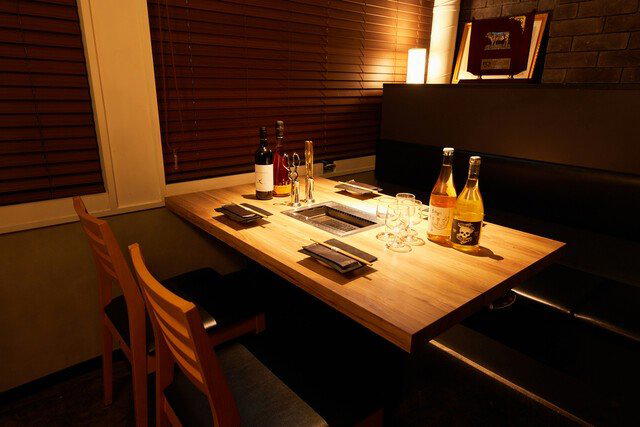
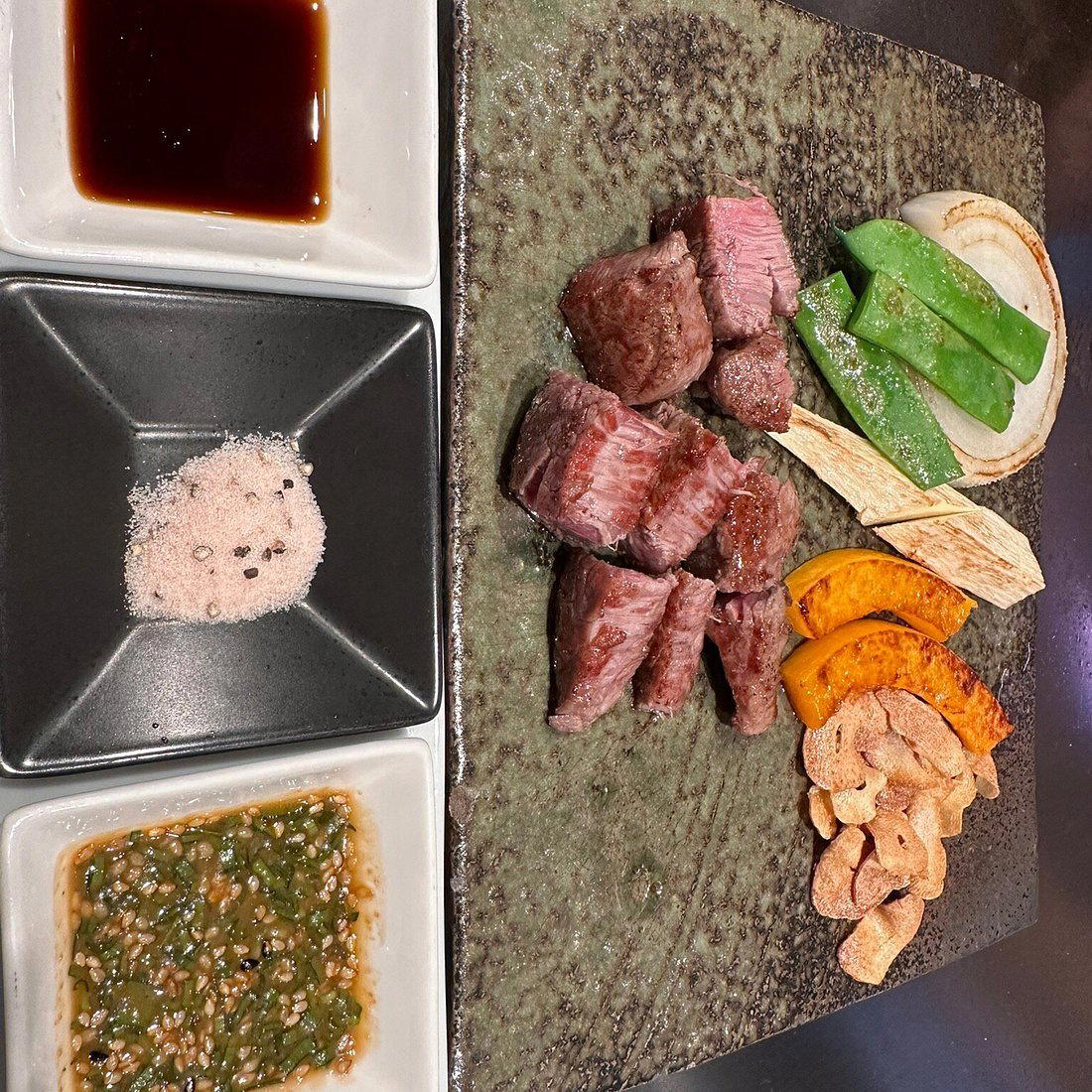
Teppanyaki as a format is sometimes misread as spectacle, the theatre of the iron plate, the choreography of the chef. At the upper end of the category, the opposite is true. The counter format removes distance between the diner and the preparation, which means there is nowhere to hide: every resting decision, every degree of heat, every slice thickness is visible. Premium teppanyaki counters in Tokyo have leaned into this transparency rather than away from it, and that discipline defines the room at Kawamura.
Kobe beef's fat profile, the fine marbling and lower melting point that distinguishes it from other wagyu classifications, responds poorly to aggressive searing. The teppan requires precise temperature management: enough heat to develop a crust without driving the internal temperature past the point where the fat renders unevenly. These are not aesthetic preferences; they are structural requirements of working with a product graded to BMS 6 or above. The counter format at this level is less performance and more demonstration of technical knowledge applied to a demanding ingredient.
The Wine Program in a Beef-Forward Room
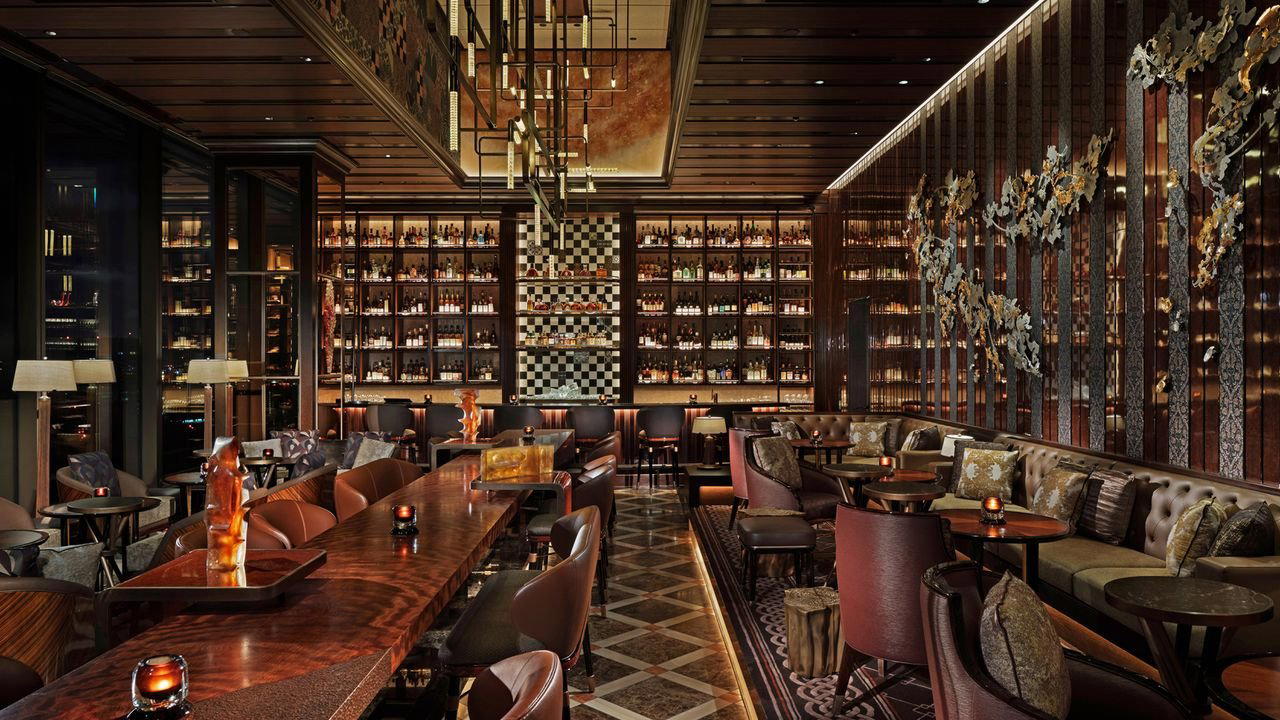
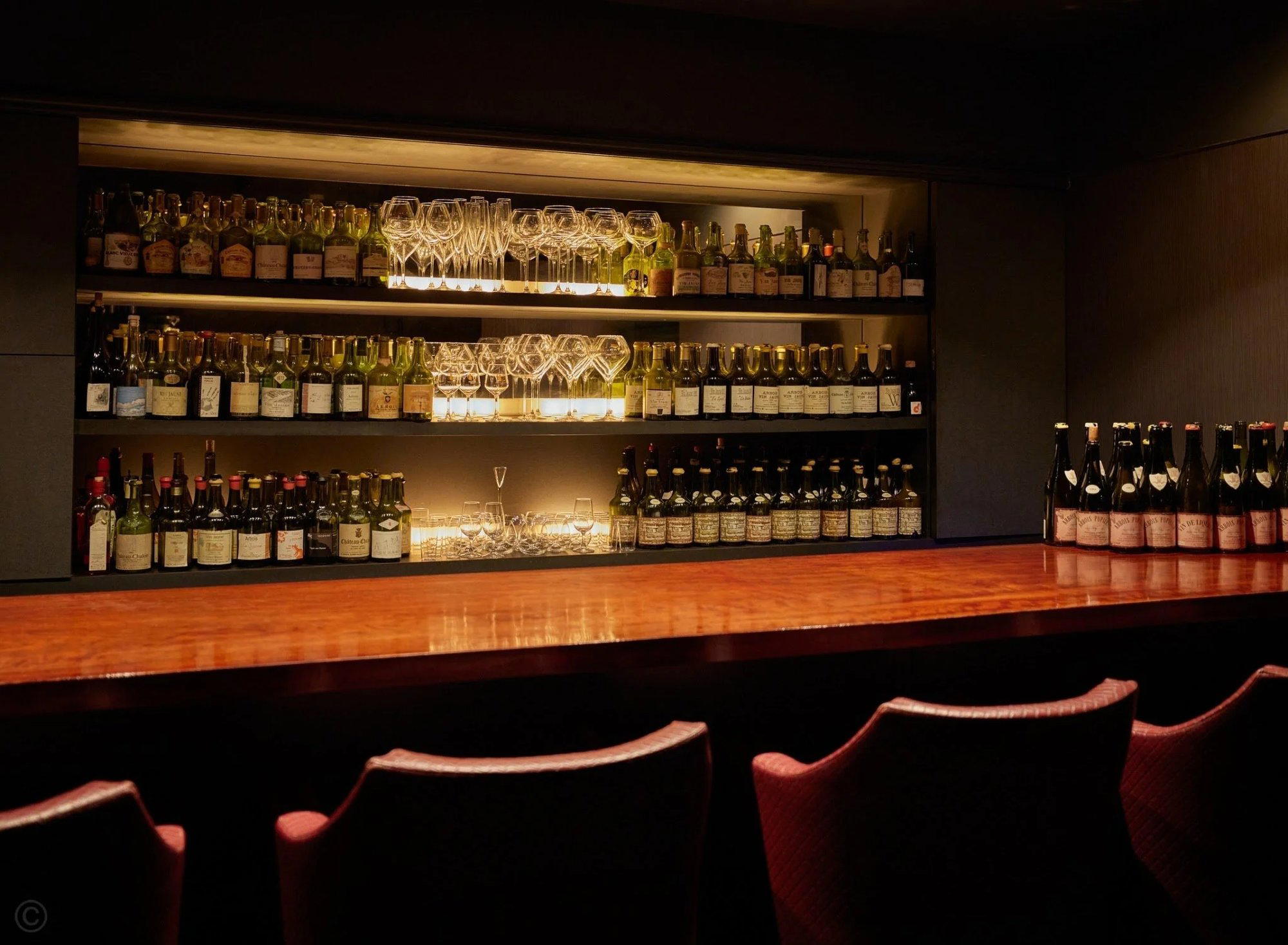
Tokyo's premium teppanyaki scene has been slower than the city's kaiseki and French fine dining sectors to develop serious wine programs. The historical pairing at Japanese beef counters runs toward sake, shochu, or domestic craft beer, all of which work with the savory umami depth of highly marbled wagyu. But a growing tier of Tokyo teppanyaki restaurants has shifted this calculus, recognising that the international clientele drawn to certified Kobe beef often arrives with an expectation of serious wine access.
Burgundy is the predictable reference point, old-vine Pinot Noir from the Côte de Nuits, where the combination of acid structure and earthiness has long been considered the classical European companion to richly marbled beef. But the conversation in Tokyo's premium beef dining has broadened. Mature Barolo and Barbaresco, with their tar and dried-rose complexity, sit alongside aged Napa Cabernet programs that have found a constituency among the district's international regulars. For whites, the match is less obvious but not rare: full-bodied Chardonnay from Meursault or Corton-Charlemagne can anchor a lighter early course before heavier cuts arrive.
A wine program built around Kobe beef has a specific editorial brief: it needs bottles that hold against the fat weight of highly marbled cuts without demanding that the wine dominate. Tannin management matters. Age matters. A cellar that lists young, extracted reds alongside a serious Kobe menu is a mismatch in both theory and practice. The leading programs in this category keep vertical depth on a handful of producers rather than pursuing breadth, allowing sommelier guidance to do real work at the table rather than presenting a catalogue the guest is expected to decode alone.
Kawamura's Roppongi positioning, within walking range of the embassies and international corporate addresses of Minato City, means the room draws the kind of guest who arrives with specific bottle preferences rather than relying on house recommendations. That creates a different dynamic at the wine service level than a traditional Japanese counter where sake is the default expectation.
Where Kawamura Sits in the Tokyo Premium Dining Map
Roppongi's fine dining tier is often underestimated from the outside. The district's reputation for noise and nightlife obscures the fact that it holds some of Tokyo's most serious restaurants, including RyuGin, the kaiseki counter that has held three Michelin stars for years and operates at the formal end of Japanese seasonal cooking. Nearby, L'Effervescence has established French fine dining credentials in the district. The premium teppanyaki format at Kawamura completes a different quadrant of the same neighbourhood's ambitions.
Across Tokyo's broader fine dining tier, the comparison set for serious beef-forward restaurants includes counters in Ginza and Minami-Aoyama that operate similar formats at similar price levels. Harutaka in Ginza and Sézanne in Marunouchi represent the omakase and French sides of the same premium dining conversation, different cuisines, similar guest expectations around precision, provenance, and service depth. Crony in the innovative French tier adds another data point on how seriously Tokyo takes the upper end of European-influenced tasting formats.
Japan's premium dining scene extends well beyond Tokyo. For comparison, HAJIME in Osaka and Gion Sasaki in Kyoto demonstrate how differently the same national commitment to ingredient quality manifests across cities. Regionally, akordu in Nara and Goh in Fukuoka extend the picture further. See the full Tokyo restaurants guide for broader context on where Roppongi's premium counters sit relative to the city's other dining districts.
Planning a Visit
The restaurant occupies the basement level (B1) of the Vorta Dual's building at 4-2-35 Roppongi, Minato City. Roppongi Station on the Hibiya and Toei Oedo lines is the practical arrival point, and the 4-chome address puts the restaurant a short walk from the main exit. Reservations at this level of teppanyaki are expected in advance; the format, the certified ingredient supply, and the price tier all suggest a room that does not absorb walk-in traffic. For visitors coming from outside Tokyo, day-trip access from Osaka or Kyoto on the Shinkansen is feasible, though the room's positioning, within Tokyo's international business and diplomatic quarter, draws a predominantly local-international clientele. Comparable premium Japanese experiences for those making a national itinerary include venues in Nanao, Sapporo, Takashima, and Nishikawa Machi, each operating in distinct regional registers. For international context, the precision-over-spectacle counter format has parallels at Le Bernardin in New York City and the ingredient-driven tasting philosophy at Atomix. Additional Japanese comparisons extend to Birdland in Sakai and Bistro Ange in Toyohashi.
Frequently asked questions
What's the address for Kobe beef Bifuteki Kawamura Roppongi?
Kobe beef Bifuteki Kawamura Roppongi is located at Japan, 〒106-0032 Tokyo, Minato City, Roppongi, 4 Chome−2−35 Vortå 本木Dual's B1, Tokyo.
Is Kobe beef Bifuteki Kawamura Roppongi a good option for a solo dining experience at the teppanyaki counter in Tokyo?
The teppanyaki counter format at Kawamura's Roppongi location is structurally well-suited to solo dining, the chef works directly in front of seated guests, making the iron-plate interaction the primary focus rather than table conversation. Solo diners at premium teppanyaki counters in Tokyo's Minato City district tend to be accommodated without issue, though confirming availability for a single seat at peak hours is worth doing when reserving.
What do regulars order at Kobe beef Bifuteki Kawamura Roppongi?
The core draw is the bifuteki itself, certified Kobe beef cooked directly on the teppan iron plate. At this level of specialisation, regulars tend to anchor their meal around the beef course rather than periphery dishes, selecting cuts by grade and weight with the chef's guidance. The format at Kawamura is built around that interaction at the counter.
How hard is it to get a table at Kobe beef Bifuteki Kawamura Roppongi?
Kawamura occupies the basement of the Vorta Dual's building in Roppongi's 4-chome, a format that, given the counter-focused teppanyaki layout, limits covers considerably. Advance reservation is advisable, particularly for weekend evenings when Roppongi's fine dining tier fills quickly. Booking several weeks ahead is a reasonable baseline for first-time visitors.
What do critics highlight about Kobe beef Bifuteki Kawamura Roppongi?
The consistent point of commentary around Kawamura Roppongi centres on the precision of the teppan format applied to Kobe beef specifically, a combination that demands sourcing discipline as much as cooking skill. The basement setting in Roppongi, a district more associated with noise than considered dining, is frequently noted as a deliberate contrast. The focus remains tight: this is a beef-led room, not a multi-concept menu.
What if I have allergies at Kobe beef Bifuteki Kawamura Roppongi?
The menu at Kawamura is structured around Kobe beef as its central ingredient, which simplifies the dietary picture in some respects, but accompaniments, sauces, and preparation oils vary. For serious allergies, contact the restaurant ahead of your visit through the Vorta Dual's building address in Minato City, Roppongi.
Is Kobe beef Bifuteki Kawamura Roppongi overpriced or worth every penny?
Certified Kobe beef carries a documented cost premium before a restaurant adds its margin, genuine Hyogo-prefecture wagyu at teppanyaki grade is among the highest-cost ingredients in Tokyo's dining market. Whether Kawamura's pricing aligns with that value depends on the cut weight and course structure chosen. The Roppongi basement setting signals that the spend goes toward the product and the cook's skill rather than a high-visibility address.
Comparable Venues
Comparable venues nearby, for context on price, style, and recognition.
| Venue | Cuisine | Price | Awards | Notes |
|---|---|---|---|---|
| Kobe beef Bifuteki Kawamura RoppongiThis venue (the venue you are viewing) | Kobe Beef Teppanyaki | $200–300 | Not listed | Not listed |
| Morimoto | Modern Japanese Sushi and Teppanyaki | $200–300 | Not listed | Minato |
| Kushiage KAWATA | Modern Kushiage Omakase | $100–150 | Michelin Plate | Minato |
| Azabu Wakei | Traditional Japanese Kaiseki | $200–300 | Not listed | Minato |
| Watanabe | Seasonal Japanese Omakase Counter | $200–300 | Tabelog 100 #31 | Minato |
| Kosasa Sushi | Traditional Edomae Sushi Omakase | $500+ | Tabelog 100 #6 | Chūō |