
Tabelog 100 #6
Our verdict
Kosasa Sushi occupies a basement counter in Ginza's 8-chome, one of Tokyo's most competitive corridors for high-end omakase. For a milestone meal in Tokyo, the location makes it a serious candidate.

Pearl is the En Primeur Club membership app, where members save venues, book tables and use the concierge.
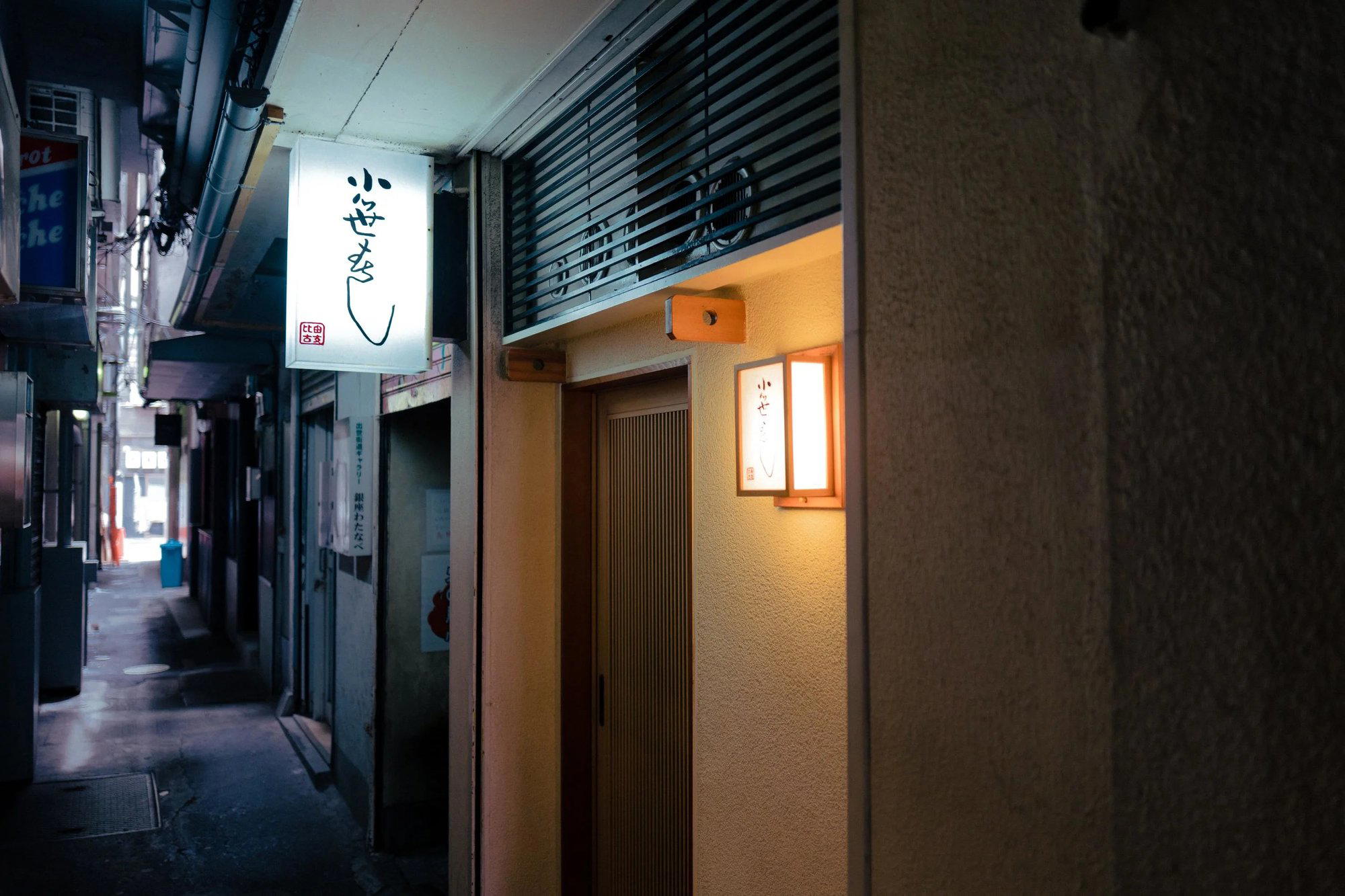
A Basement Counter in Ginza's Most Demanding Block
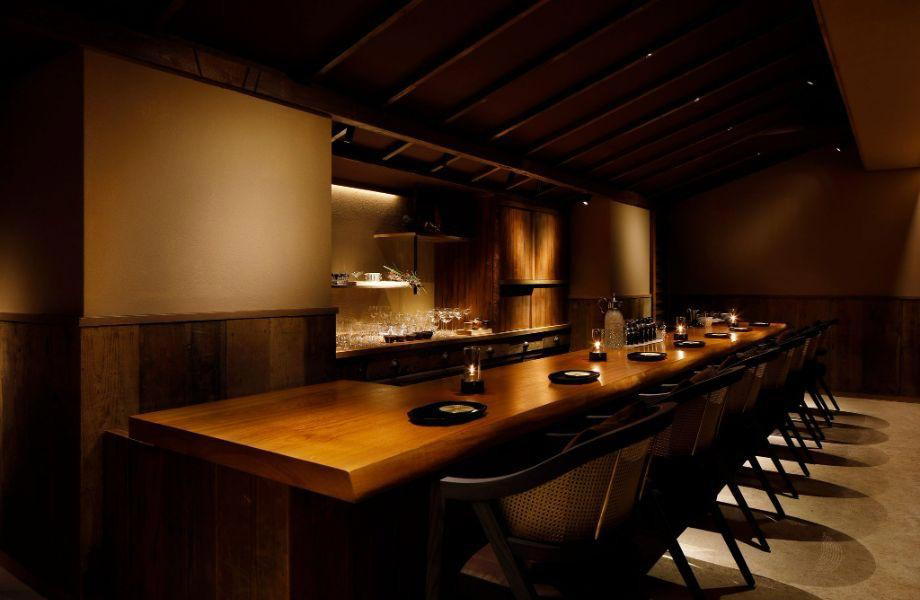
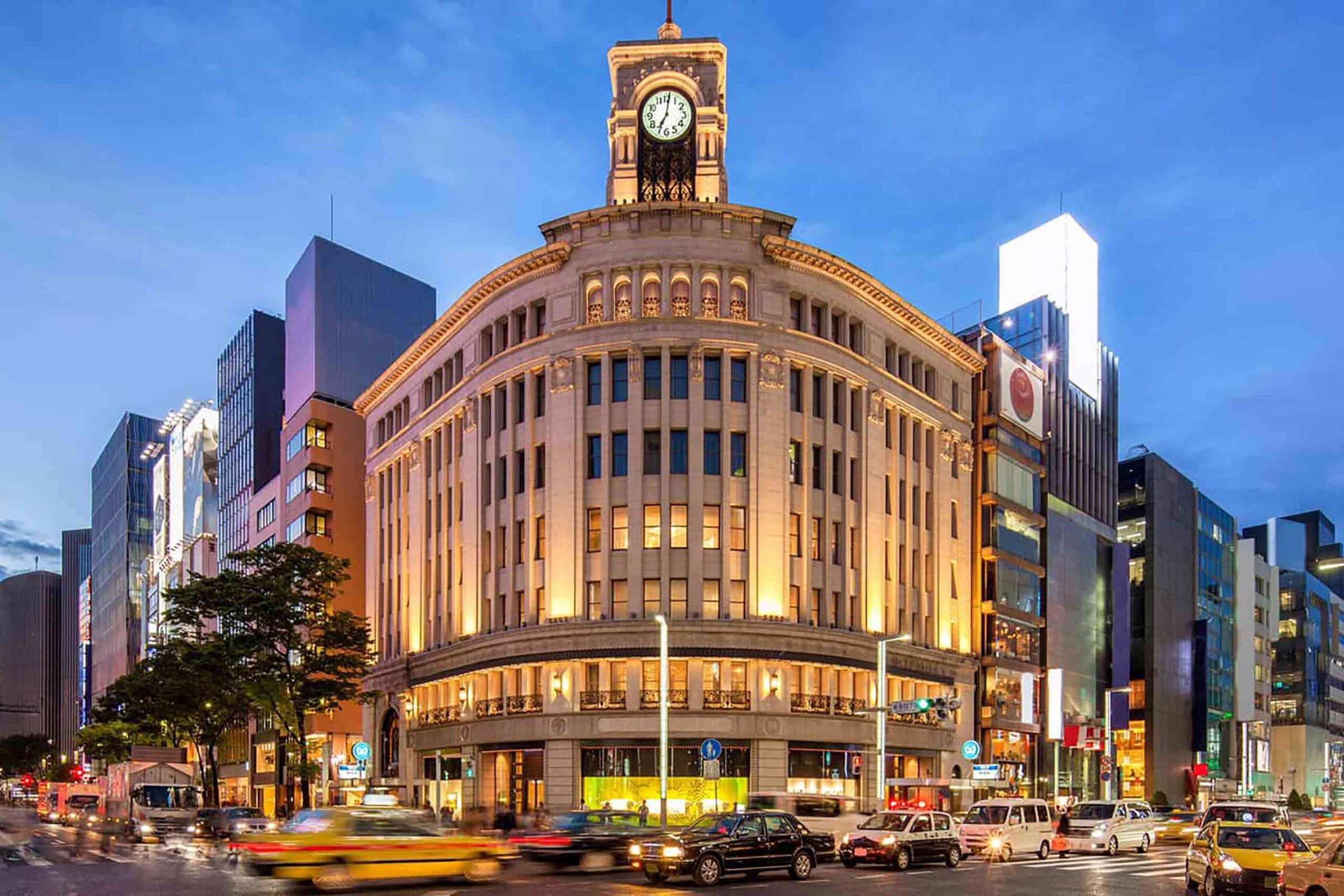
Ginza 8-chome has become one of the most scrutinised stretches of real estate in global dining. The neighbourhood's concentration of high-end omakase counters is dense enough that proximity alone carries meaning: operators who choose this postcode are pricing themselves into a competitive set that includes some of the most demanding sushi audiences in the world. Kosasa Sushi sits in that environment, occupying a basement level in the Ginza Culvert building, a configuration typical of the district's premium counter culture, where the descent below street level signals deliberate separation from foot traffic and a shift in register toward focused, occasion-led dining.
The basement format is not incidental. Across Ginza, the most serious omakase counters have historically favoured subterranean or high-floor locations that enforce a degree of intentionality on the guest: you go there on purpose, for a meal that warrants the trip. That physical framing shapes the experience before a single piece of fish is placed in front of you. In a district where Harutaka represents the Michelin-decorated upper tier of the same sushi tradition, the neighbourhood context sets a high bar for every counter operating within it.
Occasion Dining in the Ginza Omakase Tradition
Tokyo's omakase format has always been well-suited to milestone meals. The counter structure removes menu decision-making entirely, placing the burden of the experience on the chef and freeing the guest to be present. For anniversaries, significant birthdays, or professional celebrations, this is a practical advantage: there is no negotiation over dishes, no risk of an ill-chosen order, and no sense that one person at the table is eating better than another. The meal is shared equally, piece by piece, in sequence.
Ginza reinforces that occasion logic through its urban character. The neighbourhood's retail and hospitality infrastructure, department stores, gallery spaces, high-end bars, makes it a natural destination for evenings built around a single significant dinner. Arriving at a basement counter in this part of the city carries a different weight than the same meal eaten in a more casual setting. The journey, the address, and the format all signal that something deliberate is happening. For comparable Japanese fine dining occasions outside Tokyo, Gion Sasaki in Kyoto and HAJIME in Osaka occupy similar positions in their respective cities, places where the meal is the event, not the backdrop to one.
Where Kosasa Sits in Tokyo's Sushi Tier
The upper tier of Tokyo omakase has narrowed considerably over the past decade. Rising fish costs, shrinking counter sizes, and the departure of several senior itamae to open independent rooms have concentrated prestige into a smaller number of seats. Counter restaurants in this bracket typically operate with minimal front-of-house staff, limited seat counts, and reservation windows that extend weeks or months ahead. They price against peer counters in Ginza and Azabu rather than against the broader city average, and they attract guests who have often researched the lineage and philosophy of the room before booking.
Kosasa Sushi's Ginza 8-chome address positions it within this competitive cohort. The address is specific: 8-6-18 in the Culvert building places it close to the Shimbashi end of the strip, a section that has attracted serious dining investment in recent years. For guests comparing options across Tokyo's premium sushi scene, that positioning matters. It sits in a different register from the approachable mid-tier counters scattered across Shinjuku or Shibuya, and it belongs to a city-wide conversation that also includes destination Japanese dining at RyuGin and L'Effervescence for those building a multi-night itinerary around Tokyo's leading tables.
For guests whose Tokyo dining extends beyond Japanese cuisine, the same Ginza neighbourhood hosts French and innovative programs at the ¥¥¥¥ tier, including Sézanne and Crony, which compete for the same occasion-dining guest. The decision between sushi and French at this price point often comes down to format preference: counter intimacy versus the service choreography of a full dining room.
Planning a Meal at Kosasa Sushi
Ginza's top-tier omakase counters are not walk-in destinations. Reservation lead times at this level of the market typically run from several weeks to several months, and many counters in the district have moved to phone-only or introduction-based booking systems that limit access to new guests without an existing relationship. Guests planning a milestone meal around a fixed travel date should treat the reservation as the first step in planning, not the last. Concierge channels and hotel relationships carry genuine weight in this part of Tokyo's dining market.
The basement location in the Culvert building is accessible from Ginza Station, with the 8-chome exit reducing walking time to a few minutes. That proximity to multiple metro lines is a practical advantage for guests building an evening around the area, whether arriving from a hotel in the neighbourhood or continuing elsewhere after the meal. Tokyo's metro reliability means that timing a late Ginza dinner into a broader evening itinerary carries little transit risk.
For those building a broader Japan dining trip, the same occasion-dining logic applies across the country's other serious restaurant cities. akordu in Nara and Goh in Fukuoka both operate at the level where advance planning is required and the meal carries the weight of an event. Regional destinations including 一本杉川島 in Nanao, 北のたまゆら in Sapporo, 湖里庵 in Takashima, 庄羽屋 in Nishikawa Machi, Birdland in Sakai, and Bistro Ange in Toyohashi extend that geography for travellers spending more time outside the capital. Our full Tokyo restaurants guide maps the city's dining scene across cuisine types and price tiers for guests building a complete itinerary. For international comparison, Le Bernardin in New York City and Atomix in New York City represent the closest Western equivalents for milestone dining at serious tasting-menu counters.
Frequently asked questions
How do I find Kosasa Sushi?
Kosasa Sushi is located at Japan, 〒104-0061 Tokyo, Chuo City, Ginza, 8 Chome−6−18 銀座カレラ弐番館ビル B2, Tokyo.
Where exactly is Kosasa Sushi located within Ginza, and what does the setting look like?
Kosasa Sushi is located at Ginza 8-chome 6-18 in the Ginza Korera Bldg, basement level 2, in Tokyo's Chuo City. The B2 position places it below street level in a block that also contains several other high-tier omakase addresses, a format common among Tokyo counters that prioritise intimacy over visibility. Ginza 8-chome is one of the city's most concentrated stretches for serious sushi dining.
What do people recommend at Kosasa Sushi?
Kosasa operates within the omakase format, meaning the chef determines the full progression of the meal rather than offering a printed menu. At counters in Ginza's 8-chome corridor, the emphasis is typically on seasonal Edomae technique and precision sourcing. Specific dishes rotate with the market, so what arrives at the counter will depend entirely on the day.
Do I need a reservation for Kosasa Sushi?
Yes. Kosasa Sushi sits in Ginza 8-chome, a block that houses some of Tokyo's most tightly booked omakase counters. At this tier of the market, reservation lead times commonly run from several weeks to several months. Walk-in access is not a realistic option.
What's the signature at Kosasa Sushi?
The defining format is the counter omakase itself: a basement setting in Ginza's most scrutinised dining block, with no menu decision-making placed on the guest. In Tokyo's sushi tier, the counter location in Ginza Korera Bldg B2 positions Kosasa within a concentrated corridor of high-commitment, chef-led dining.
Can Kosasa Sushi accommodate dietary restrictions?
Omakase counters in Tokyo's Ginza tier are built around a fixed chef-driven sequence, which makes significant dietary substitutions difficult to accommodate. Restrictions such as shellfish allergies or religious dietary requirements should be communicated directly at the point of reservation. Severe or complex restrictions may limit compatibility with the format.
Cost and Credentials
Comparable venues nearby, for context on price, style, and recognition.
| Venue | Cuisine | Price | Awards | Notes |
|---|---|---|---|---|
| Kosasa SushiThis venue (the venue you are viewing) | Traditional Edomae Sushi Omakase | $500+ | Tabelog 100 #6 | Not listed |
| 3110NZ By LDH Kitchen | Modern Omakase Sushi with Art Gallery | $300–500 | Not listed | Naka-Meguro, Modern Omakase Sushi with Art Gallery |
| Kondo | Michelin-Starred Edo Tempura | $200–300 | 2 Michelin Stars · La Liste Top Restaurants | Chūō, Modern Edomae Tempura Omakase |
| Ginza Kira | Saga Beef Teppanyaki | $150–200 | Tabelog 100 #99 | Chūō, Saga Beef Teppanyaki |
| 鮨 銀座おのでら本店 | Edo-mae Sushi Omakase | $100–150 | Not listed | Chūō, Edo-mae Sushi Omakase |
| Seryna | Premium Kobe Beef Shabu-Shabu | $100–150 | Not listed | Minato, Premium Kobe Beef Shabu-Shabu |
Recognition history
Dated appearances from independent guides and award organizations, with the underlying list record or original source where available.
Tabelog 100 #6 · No. 6
Tabelog · Tabelog 100 - Sushi - TOKYO - 2025
Continue exploring
More in Tokyo
Restaurants in Tokyo
All restaurants in Tokyo →



Bars in Tokyo
All bars in Tokyo →
Details
- Intimate
- Classic
- Date Night
- Solo
- Special Occasion
- Chefs Counter
- Sake Program
- Sustainable Seafood
- Omakase
- Counter Dining
- Sake
Current opening hours
- Monday
- Closed
- Tuesday
- 12–2 PM, 6–10 PM
- Wednesday
- 12–2 PM, 6–10 PM
- Thursday
- 12–2 PM, 6–10 PM
- Friday
- 12–2 PM, 6–10 PM
- Saturday
- 12–2 PM, 6–10 PM
- Sunday
- Closed
Hours can change for holidays and private events. Last verified .
Simple, relaxing atmosphere with unpretentious, traditional sushi joint feel in a residential area.