Our verdict
Atelier Morimoto XEX sits in Roppongi's Minato ward, where the XEX group has long anchored a particular strand of Tokyo dining: technically serious, internationally framed, and built around the intersection of Japanese product and global culinary method. The address places it among Roppongi's denser concentration of destination restaurants, where the competition for the attention of well-travelled diners is as intense as anywhere in the city.

Pearl is the En Primeur Club membership app — saves, bookings, and concierge access live there. Same editors, same standards.
- Address
- Japan, 〒106-0032 Tokyo, Minato City, Roppongi, 7 Chome−21−19 IKN六本木ビル
- Phone
- +81334790065
- Hours
- Daily 5–11 PM
- Website
- xexgroup.jp
- Directions
- Get directions
- Booking
- Book on TableCheck
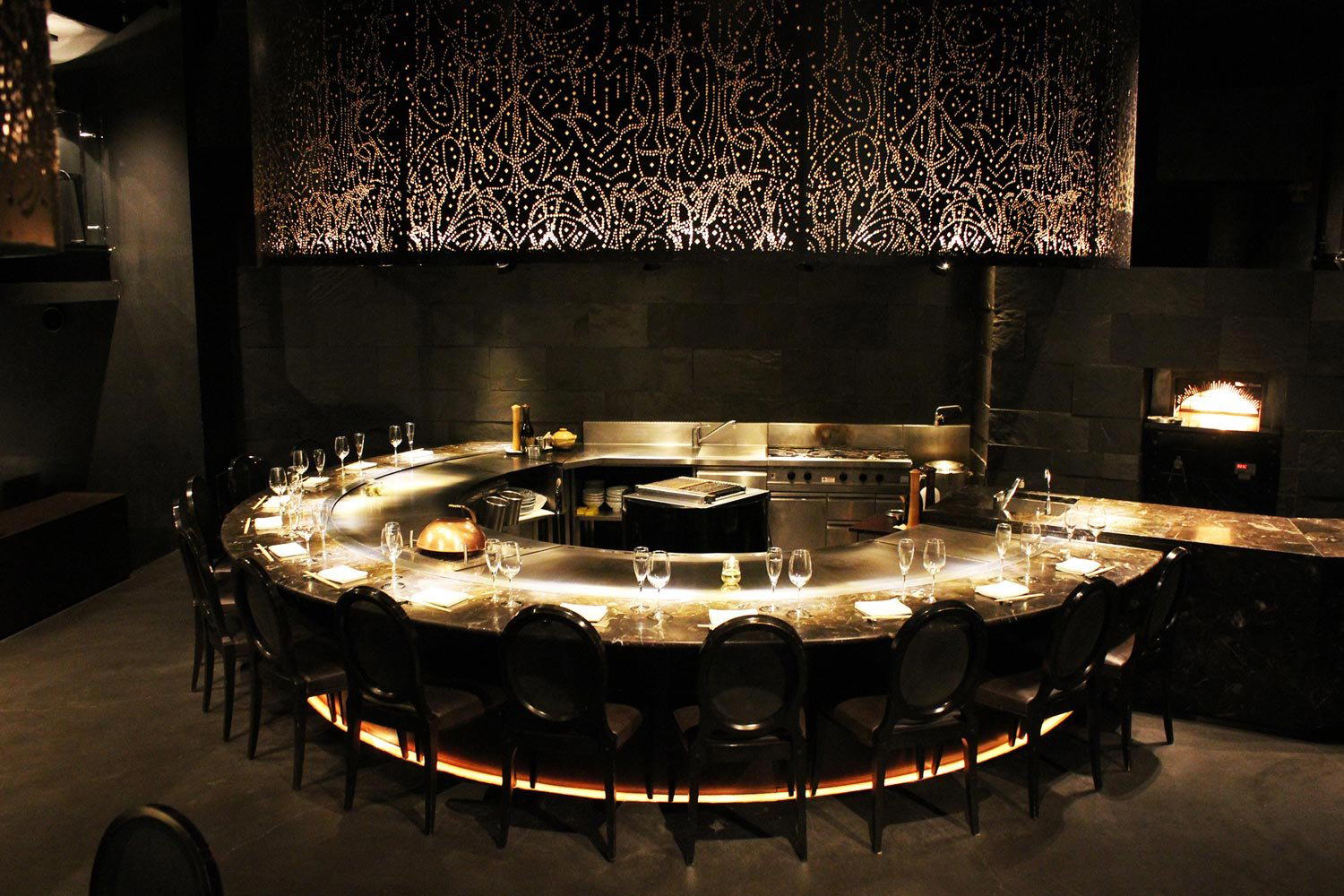
Where Roppongi's Restaurant Density Meets Cross-Cultural Technique
Roppongi has never been a single-note neighbourhood. Its restaurant scene spans everything from neighbourhood ramen counters to some of Tokyo's more technically ambitious dining rooms, and the IKN building on 7-chome has long been associated with the latter. The XEX group, which operates across multiple Tokyo addresses, has built a reputation for staging large-format venues with serious culinary ambitions — a difficult balance in a city where intimacy and specialisation are usually the markers of quality. Atelier Morimoto XEX occupies that tension directly, using the Morimoto name's long association with Japanese-American fusion technique as the editorial frame for what arrives on the plate.
In Tokyo's broader dining conversation, the cross-cultural format has matured considerably since its early 2000s novelty phase. The question is no longer whether Japanese chefs can cook French food or whether Western chefs can work with Japanese produce — that negotiation is settled and the results are everywhere. The more interesting question now is which operators bring enough technical rigour to make the dialogue between imported method and local ingredient feel earned rather than decorative. That is the ground on which Atelier Morimoto XEX competes.
The Cross-Cultural Technique Argument in Practice
Tokyo sits at a particular intersection in global dining: it is the city where Western culinary technique has been absorbed most completely, and also the city where ingredient standards, for fish, for produce, for aged proteins, are arguably the highest in the world. That combination creates a distinctive pressure on any restaurant working in the cross-cultural register. The ingredients will not forgive imprecision, and the audience will have eaten at enough comparison points to notice.
The Morimoto name carries a specific lineage in this space. Iron Chef credentials and a long New York presence established an early shorthand for Japanese product handled through a Western lens, with miso and dashi used as flavour infrastructure in contexts that European cooking traditions would normally claim as their own. Whether that approach retains its charge in a city like Tokyo, where L'Effervescence holds three Michelin stars for French cooking that is thoroughly Japanese in its seasonal instincts, and where Sézanne operates at the top of the French-in-Tokyo tier, is a reasonable editorial question. The XEX format answers it partly through scale and atmosphere, and partly through the Atelier framing, which signals a more workshop-style, ingredient-focused approach than a purely theatrical one.
For comparison, Crony, which holds two Michelin stars for its innovative French format, demonstrates that the cross-cultural register can sustain serious critical recognition in Tokyo when the technique is tight enough. RyuGin approaches the same ingredient pool from the opposite direction, using kaiseki structure to frame Japanese seasonal produce with three-star precision.
Roppongi as a Dining Address
Roppongi's reputation among serious Tokyo diners is complicated. The neighbourhood's nightlife history created a perception gap that the restaurant scene has spent years correcting, and the correction is now well advanced. The concentration of gallery spaces, international hotel properties, and corporate headquarters has drawn a dining clientele that travels frequently enough to have a calibrated sense of value, which means the neighbourhood now supports a range of restaurants that would be credible in any district. The IKN building address on 7-chome places Atelier Morimoto XEX within easy reach of the Hibiya and Oedo subway lines, making it accessible from most central Tokyo addresses without a long transfer.
For visitors building a Tokyo restaurant itinerary, Roppongi functions well as a dinner base. The neighbourhood's walkability between major addresses is reasonable, and the concentration of international-facing restaurants means that language access is generally better here than in some of the more local-leaning districts. That practical dimension matters when booking coordination across multiple venues, something worth considering alongside the individual reservation at Atelier Morimoto XEX itself.
Those extending beyond Tokyo will find comparable cross-cultural ambition at different scales elsewhere in Japan: HAJIME in Osaka works at the intersection of French precision and Japanese seasonal logic, while akordu in Nara brings a specifically European technique vocabulary to one of Japan's most ingredient-rich prefectures. Goh in Fukuoka and 6 in Okinawa each operate within regional ingredient traditions that give their cross-cultural moments a different texture than anything available in the capital.
Planning Your Visit
The XEX group's venues have historically skewed toward a business-dining and internationally mobile clientele, which influences both the service register and the reservation dynamics. Tokyo's top-tier reservation windows vary considerably by format: the sushi counter at Harutaka, for instance, operates on a very different booking timeline than a larger restaurant with multiple covers per service. For venues in the Morimoto XEX format, same-week availability is more realistic than at eight-seat counters, though weekend evenings and holiday periods narrow that window. Checking availability two to three weeks ahead for a preferred date is a reasonable planning posture.
Those assembling a broader Tokyo dining programme should weigh Atelier Morimoto XEX against the neighbourhood's other serious options and against the city's wider range documented in our full Tokyo restaurants guide. Complementary resources for accommodation and after-dinner options are available in our full Tokyo hotels guide and our full Tokyo bars guide. For those interested in Japanese wine producers alongside the dining programme, our full Tokyo wineries guide covers that territory, and our full Tokyo experiences guide maps the city's cultural and specialist programming.
Visitors connecting Tokyo to wider Japan should note that the cross-cultural dining tradition visible at Atelier Morimoto XEX has strong parallels in Gion Sasaki in Kyoto and at 1000 in Yokohama, both of which use local product as the anchor for ambitious technique-led menus. The conversation between Japanese ingredients and global method is a thread that runs through contemporary Japanese fine dining at multiple price points and in multiple cities, Atelier Morimoto XEX represents one node in a much wider network.
For international reference points, the Japanese-ingredient, Western-technique model has analogues at Le Bernardin in New York City, where French seafood technique is applied to a global sourcing network, and at Atomix in New York City, which works Korean ingredients through a fine-dining structure with notable critical recognition.
Know Before You Go
- Address: IKN六本木ビル, 7 Chome-21-19 Roppongi, Minato City, Tokyo 106-0032
- Neighbourhood: Roppongi, Minato ward
- Access: Roppongi Station (Hibiya Line / Oedo Line)
- Reservations: Advance booking recommended; two to three weeks ahead is a reasonable baseline for preferred dates
- Format: Cross-cultural, Morimoto-branded dining within the XEX group
- Further Reading: Tokyo restaurants guide | Tokyo hotels guide | Tokyo bars guide
Frequently asked questions
Where do I go for Atelier Morimoto XEX?
Atelier Morimoto XEX is located at Japan, 〒106-0032 Tokyo, Minato City, Roppongi, 7 Chome−21−19 IKN六本木ビル, Tokyo.
Is Atelier Morimoto XEX in Roppongi suitable for a business dinner in Tokyo?
The Roppongi address at 7 Chome-21-19 IKN Roppongi Building, Minato City, places it within walking distance of several major Tokyo corporate hubs, and the XEX group has historically oriented its service register toward internationally mobile and business-dining guests. The room and service format are calibrated for conversation-driven meals rather than high-drama tasting menus. It functions as a reliable neutral ground for mixed international tables.
What's the signature dish at Atelier Morimoto XEX?
The XEX group's venues in Tokyo have historically built their menus around cross-cultural technique, applying Japanese product sourcing to Western culinary frameworks. Checking directly with the Roppongi location before your visit is the most reliable way to confirm current offerings.
How far ahead should I plan for Atelier Morimoto XEX?
The XEX group's Roppongi venues draw a consistently mobile, business-dining clientele, which creates reliable demand across the week rather than just weekends. For dinner at the Minato City address, two to three weeks' advance notice is a reasonable baseline, though prime weeknight slots can compress faster. Contacting the venue directly will give you the most current availability picture.
What's the defining dish or idea at Atelier Morimoto XEX?
The defining idea at Atelier Morimoto XEX is the argument that Japanese and Western culinary technique are not in opposition but mutually reinforcing. Tokyo is the city where this synthesis has been pursued most rigorously, and the XEX group's Roppongi venue positions itself inside that tradition rather than outside it. The result is a menu architecture that treats sourcing with Japanese discipline while drawing on European and American plating and cooking conventions.
Comparable Spots
Comparable venues nearby, for context on price, style, and recognition.
| Venue | Cuisine | Price | Awards | Notes |
|---|---|---|---|---|
| MorimotoThis venue — the venue you are viewing | Modern Japanese Sushi and Teppanyaki | $200–300 | Not listed | Not listed |
| Motoyoshi (天ぷら 元吉) | Michelin-Starred Modern Tempura Omakase | $200–300 | Not listed | Ebisu |
| 鮨処やまと | Edomae Sushi Omakase | $200–300 | Not listed | Tsukiji |
| Sushi Tanji | Traditional Edo-style Omakase Sushi | $150–200 | Not listed | Minato |
| Chidori | Chicken Omakase (Toriryori) Counter | $150–200 | Tabelog 100 #42 | Minato |
| くろ﨑 | Modern Edomae Sushi Omakase | $500+ | Tabelog Bronze #213 | Minato |








Details
- Elegant
- Sophisticated
- Modern
- Well Known
- Date Night
- Business Dinner
- Special Occasion
- Chefs Counter
- Open Kitchen
- Private Dining
- Sake Program
- Counter Dining
- A La Carte
- Set Menu
- Sake Program
- Gluten Free Options
Current opening hours
- Monday
- 5–11 PM
- Tuesday
- 5–11 PM
- Wednesday
- 5–11 PM
- Thursday
- 5–11 PM
- Friday
- 5–11 PM
- Saturday
- 5–11 PM
- Sunday
- 5–11 PM
Hours can change for holidays and private events. Last verified .
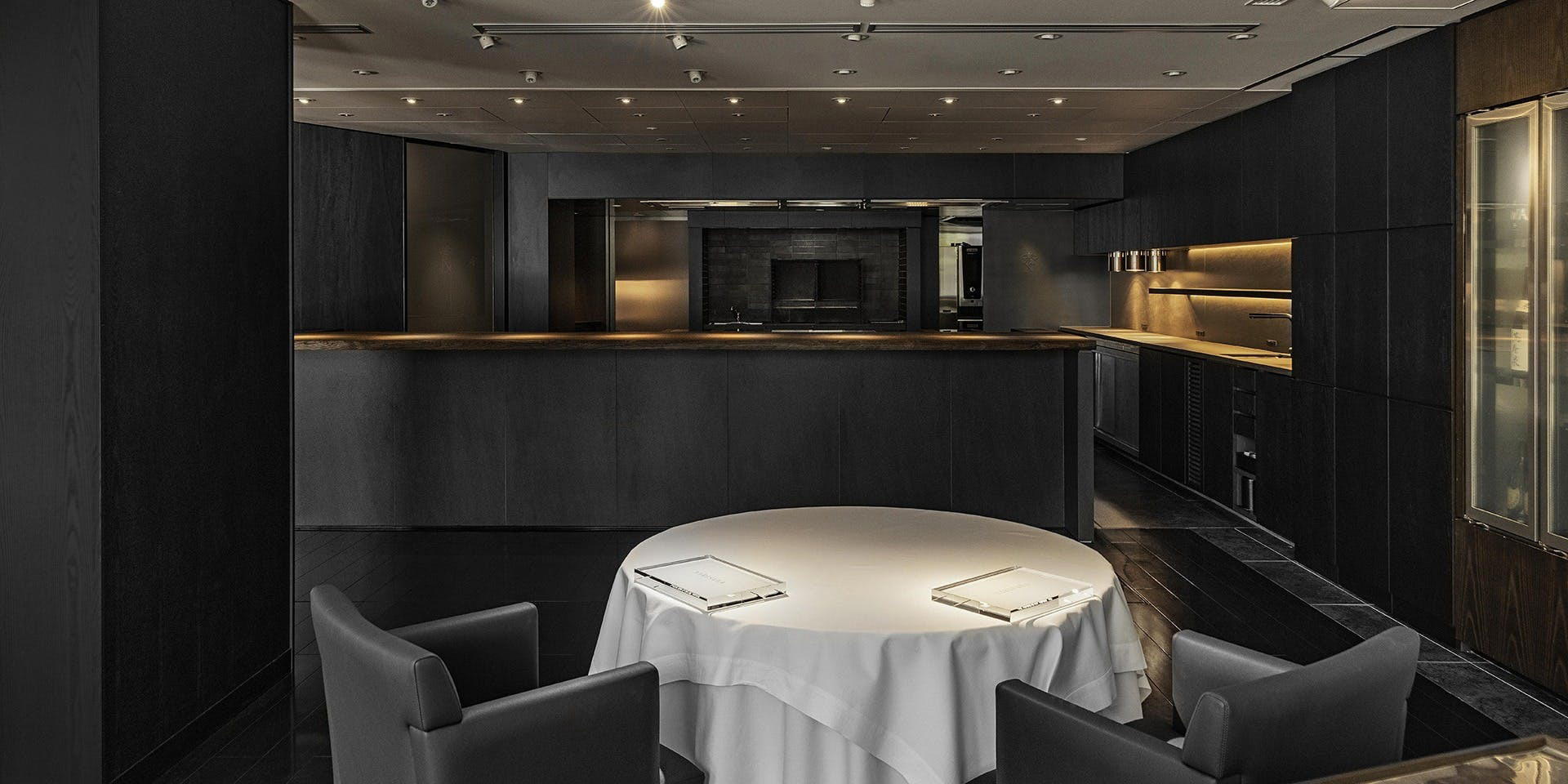
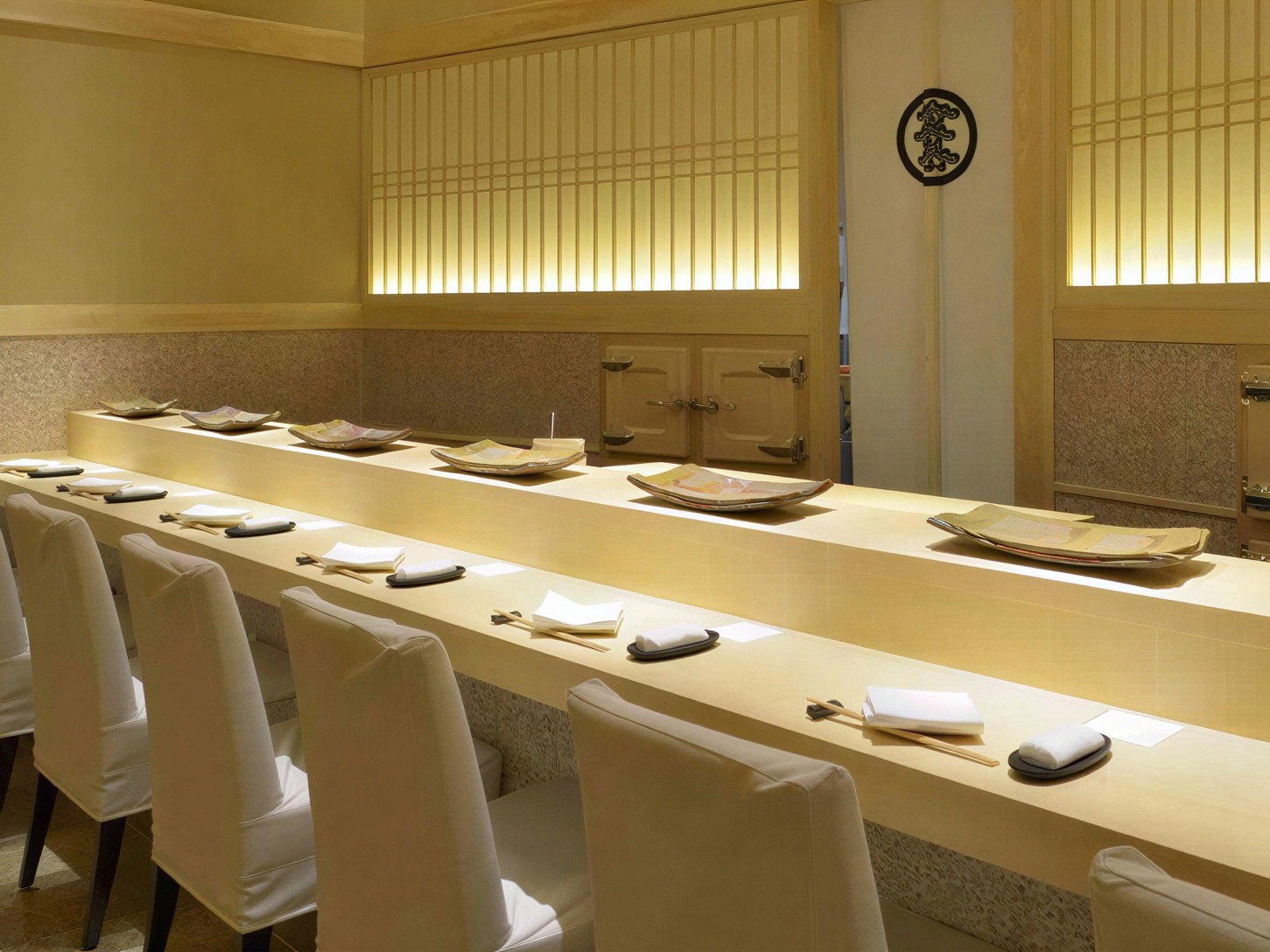
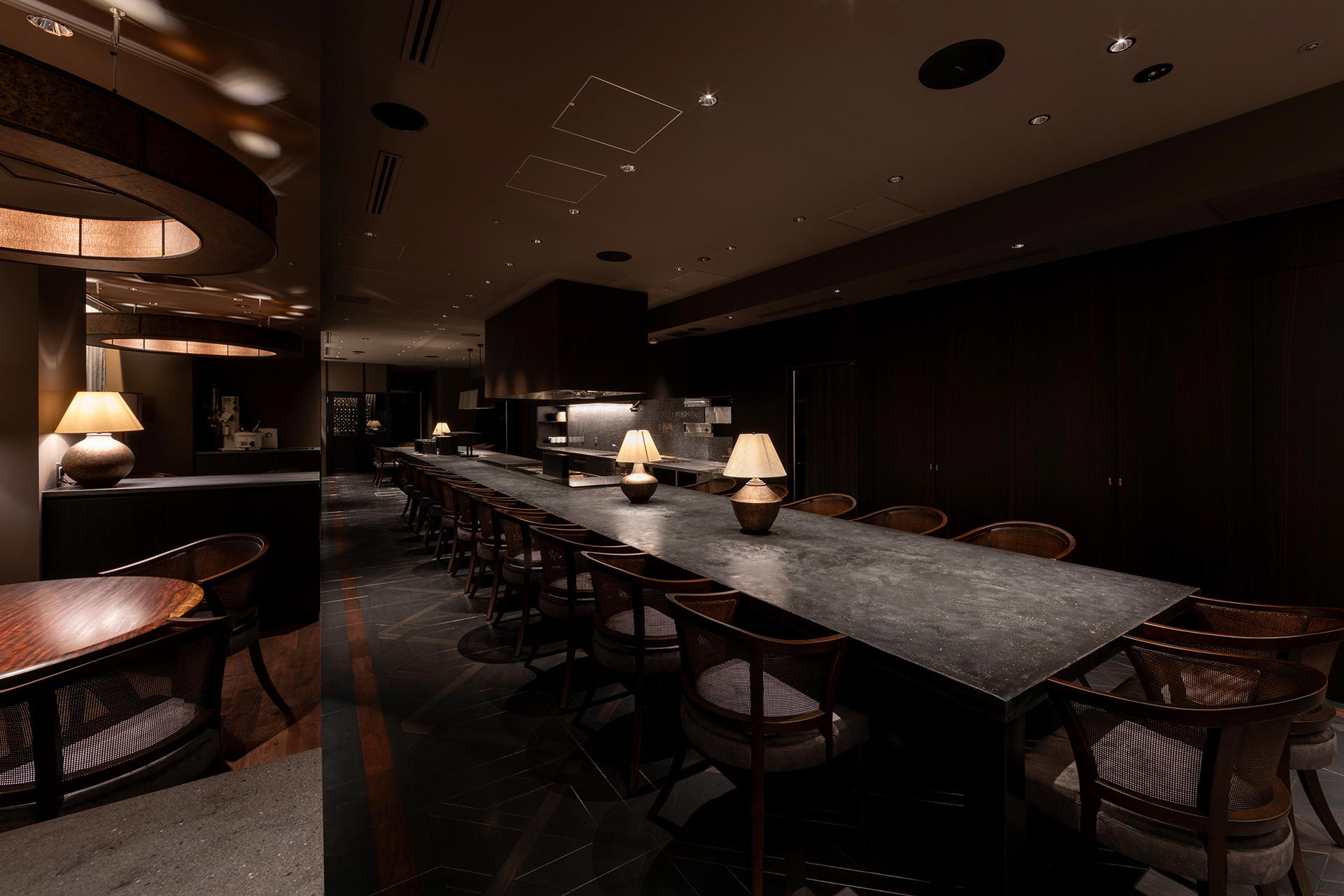
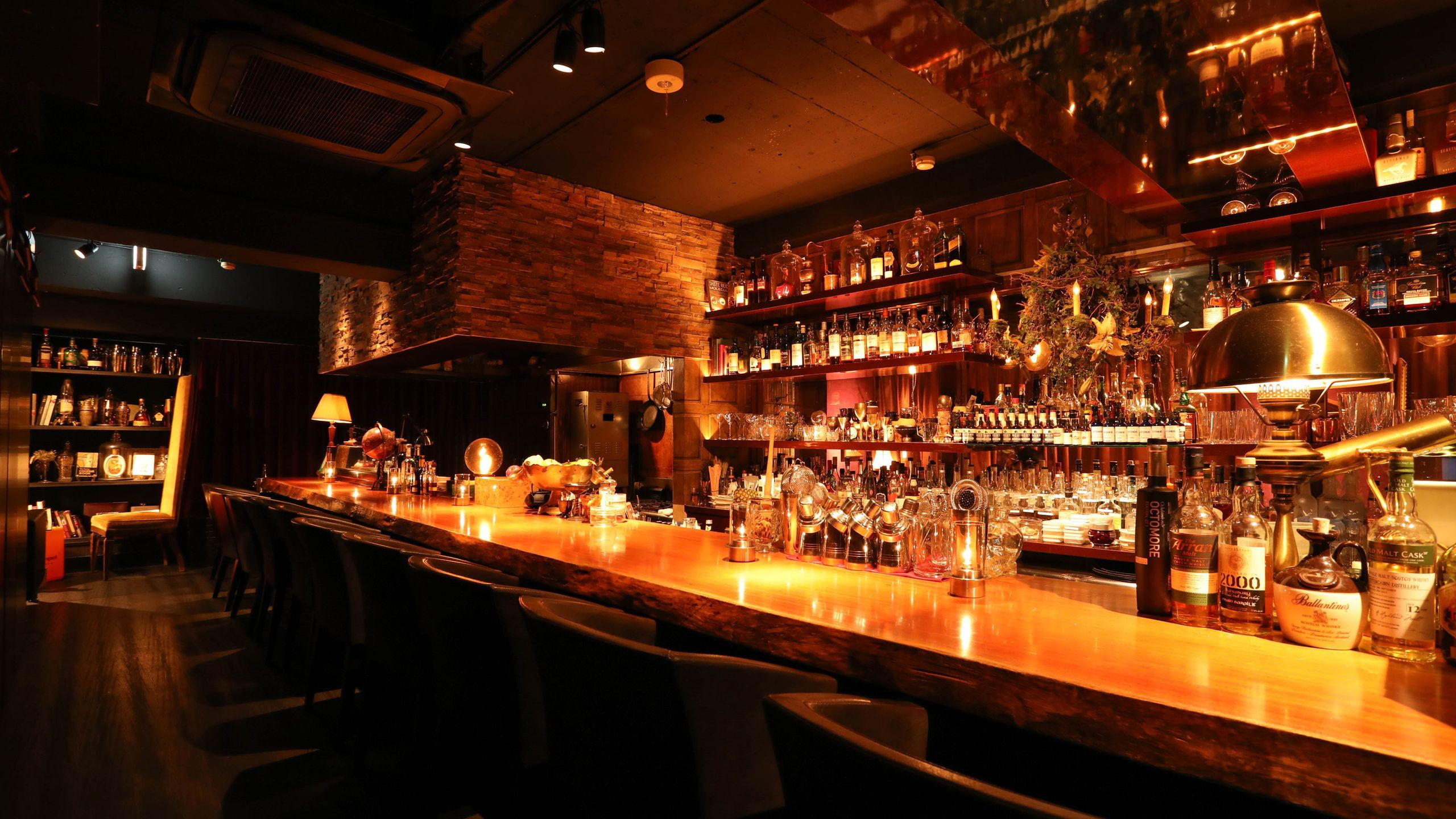
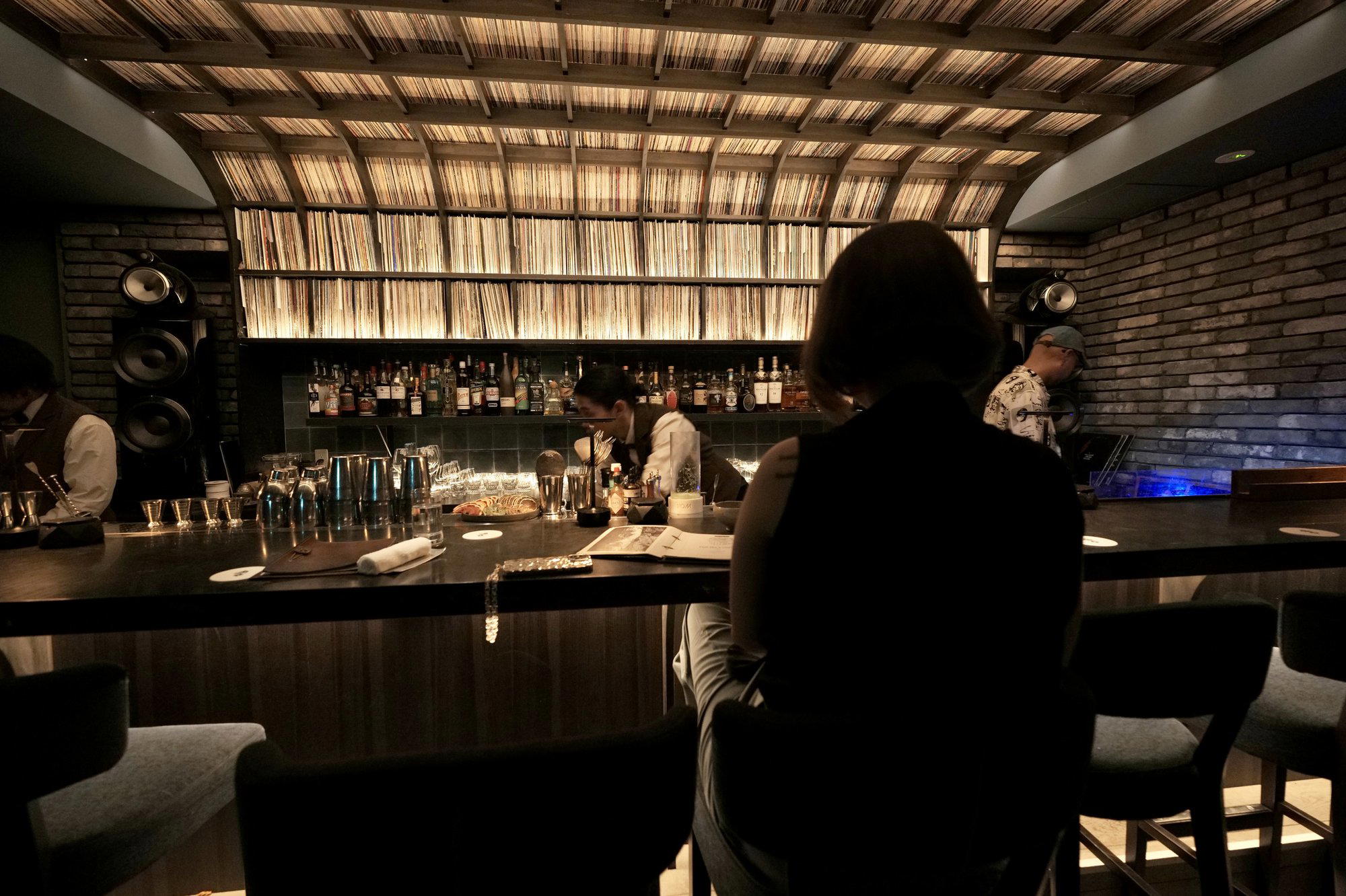
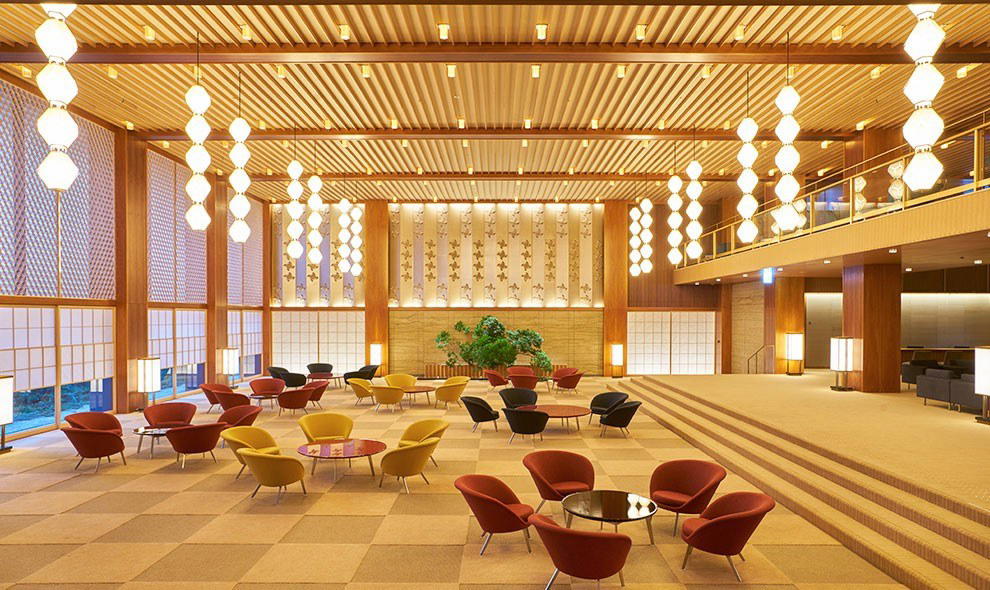
Sophisticated and cozy with a chic bar-lounge, hinoki wood sushi counter, and intimate private rooms ideal for special occasions.