Our verdict
Imakatsu in Roppongi occupies the ground floor of the Phoenicia Luxos building on 六本木4-12-5, placing it at the intersection of Tokyo's dense dining quarter and a neighbourhood that historically trades in late-night energy alongside serious food. The address positions it within walking distance of some of the city's most decorated tables, making it a practical and editorially interesting choice for anyone building a multi-stop evening in Minato-ku.

Pearl is the En Primeur Club membership app — saves, bookings, and concierge access live there. Same editors, same standards.
The menu
What to order
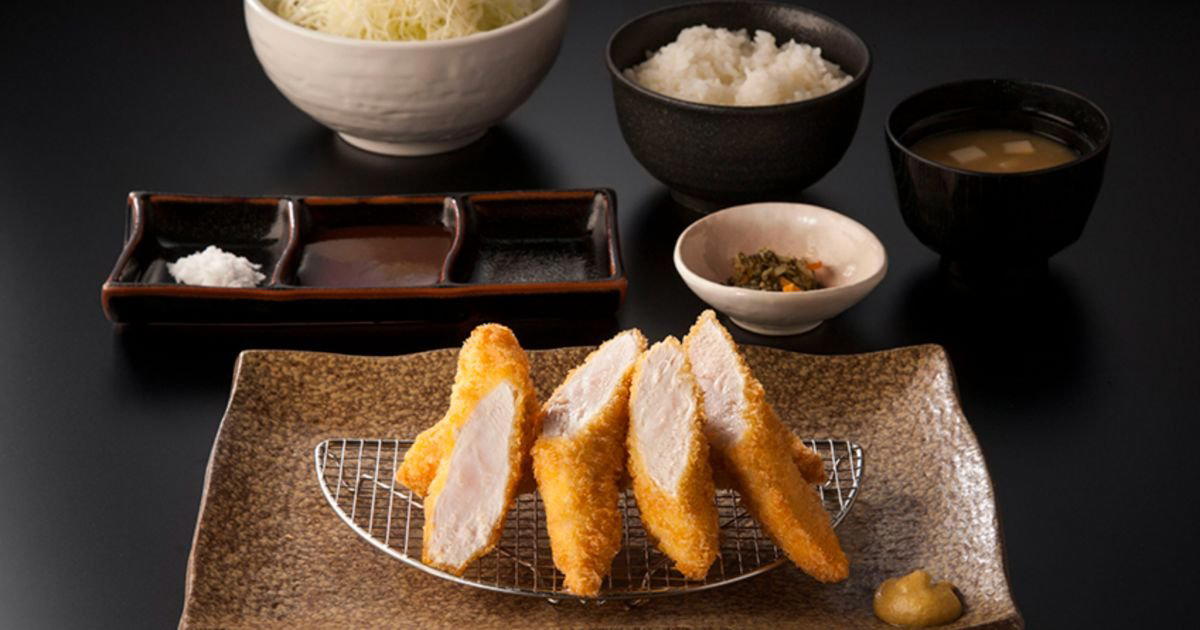
- Sasami Katsu
- Menchi Katsu
- Hire Katsu
Roppongi's Dining Register and Where Imakatsu Sits Within It
Roppongi has long carried a dual identity in Tokyo's dining conversation. The neighbourhood that once meant nightclubs and tourist-facing izakayas has, over the past fifteen years, accumulated a serious roster of destination restaurants. The Roppongi Hills and Midtown complexes drew high-end tenants; the surrounding streets filled in with smaller, more specialist operations. Today, the area around 六本木4-chome operates as a genuine dining quarter, where a single block can contain a Michelin-recognised kaiseki counter, a natural wine bar, and a workaday tonkatsu shop occupying the same building. Imakatsu (六本木 イマカツ), located on the ground floor of the Phoenicia Luxos building at 六本木4-12-5 in Minato-ku, sits inside that layered neighbourhood. Its address places it in the denser, more pedestrian-accessible stretch of Roppongi, where foot traffic from the nearby metro exits creates a very different dining rhythm than the formal hotel-adjacent tables further north near Midtown.
The Tonal Architecture of a Tonkatsu Meal
Tonkatsu as a dining format has its own internal logic, and understanding it is the entry point for reading any serious practitioner of the form. The meal moves in a clear sequence: the quality of the pork, typically Kurobuta (Berkshire) or a named prefectural breed, announces itself before anything else. The cut determines the arc of the plate. A rosu (loin) arrives with a thin edge of fat that should render slightly under the crust, offering a counterpoint to the lean centre. A hire (fillet) is leaner, more delicate, and demands a lighter hand with the breadcrumb coat. The crust itself is a technical statement: panko thickness, oil temperature, and fry time govern whether the exterior shatters cleanly or collapses into grease. Between these variables, a kitchen either holds a consistent standard or it doesn't — there is no complexity of sauce or plating to compensate for a missed fry.
The secondary progression — the condiments, the cut cabbage, the miso soup, the rice, is not decoration. In any credible tonkatsu-ya, the cabbage is shredded to a specific width and refreshed across service; the miso changes by season; the sesame and sauce are set out for the diner to calibrate rather than pre-applied. This structure gives the diner genuine agency over the plate without requiring improvisation from the kitchen.
At Imakatsu, the address in Roppongi rather than the more tonkatsu-dense neighbourhoods of Meguro or Shibuya is itself a signal. Restaurants that establish serious tonkatsu programs in high-footfall, high-rent dining quarters are typically operating to a different standard than express lunch counters. The Phoenicia Luxos building setting is modest in scale, a ground-floor operation rather than a destination-floor aerie, which is consistent with the format: tonkatsu at this level is a focused, unpretentious discipline, however precise the sourcing and technique behind it.
Tonkatsu in Tokyo's Broader Specialist Dining Structure
Tokyo's relationship with single-discipline restaurants is well-documented. The city sustains Michelin-starred ramen shops and multi-decade tempura counters with the same institutional seriousness it applies to kaiseki and sushi. Tonkatsu occupies a parallel lane. The format rewards repetition and refinement, kitchens that have fried the same cut thousands of times develop a physical intuition that is difficult to replicate through technique alone. This is why the city's most-discussed tonkatsu operations are rarely young restaurants, and why pork sourcing is discussed with the same vocabulary applied to beef at a yakiniku specialist.
Within Tokyo's dining tier structure, tonkatsu-ya operate across a wide price band, from standing-lunch counters near office districts to seated dinner formats where the pork provenance is listed on the menu with the same detail you would expect at a farm-to-table tasting menu in another culinary tradition. Roppongi's positioning near high-income residential and hotel clusters tends to attract the latter type. Comparison tables in the neighbourhood include fully formal operations like RyuGin (Kaiseki), which operates at the ¥¥¥¥ tier with multiple Michelin stars, and L'Effervescence, where the French tasting menu format requires advance booking months out. Against those neighbours, a well-executed tonkatsu counter functions as a different kind of serious dining: lower ceremony, shorter meal, more immediate sensory gratification, and a price point that rarely reaches the level of omakase sushi or kaiseki.
For broader Tokyo planning, the EP Club full Tokyo restaurants guide maps the city's dining tiers across neighbourhoods, which is useful for building an itinerary that doesn't cluster all formal dining in the same evening. Tonkatsu, like a good soba counter or a stand-up tempura bar, often works well as a mid-week meal rather than a centerpiece reservation.
Japan Beyond Tokyo: Reference Points for the Same Standard of Focus
The discipline that defines Tokyo's specialist dining culture extends across Japan's restaurant cities. In Osaka, HAJIME operates at a very different register, three Michelin stars, a French-influenced tasting format, but the underlying seriousness about a single discipline is consistent. In Kyoto, Gion Sasaki applies comparable focus to kaiseki, and in Nara, akordu demonstrates that specialist dining outside major urban centres can carry genuine editorial weight. Further afield, Goh in Fukuoka is worth noting as a reference for how regional cities are producing destination-level dining that competes with Tokyo on terms other than scale.
For regional specialist formats with a different character, 一本木 長谷川制 in Nanao, 大仙亭山乃 in Sapporo, 湖畔荘 in Takashima, and 庄羽屋 in Nishikawa Machi each represent the same pattern: a specific geography, a disciplined format, and a local reputation that travels through word of mouth before it reaches review platforms. Birdland in Sakai and Bistro Ange in Toyohashi extend that pattern into yakitori and French bistro formats respectively.
For comparison against formal tasting menus in other cities, Le Bernardin in New York City and Atomix in New York City illustrate how the same seriousness about a single discipline, seafood, Korean tasting format, operates in a different market with different pricing and booking dynamics. Tokyo's tonkatsu counter occupies the equivalent of a confident mid-tier position in that international comparison: high execution, moderate ceremony, accessible price relative to the city's formal tier.
Within Tokyo's own French and innovative dining tier, Sézanne, Crony, and Harutaka represent the formal end of the spectrum, each operating at ¥¥¥¥ with advance booking requirements. A tonkatsu counter like Imakatsu operates on a different axis: the decision to go is made the same week, not the same month.
Know Before You Go
Address: 六本木4-12-5 (Phoenicia Luxos 1F), Minato-ku, Tokyo 106-0032
Neighbourhood: Roppongi, accessible from Roppongi Station (Tokyo Metro Hibiya Line / Toei Oedo Line)
Format: Tonkatsu specialist, ground-floor seated dining
Booking: Contact details not confirmed; walk-in availability typical for this format but not guaranteed during peak dinner hours
Dress code: None expected for this format; smart casual is standard in Roppongi dining
Frequently asked questions
Where exactly is Imakatsu (六本木 イマカツ)?
Imakatsu (六本木 イマカツ) is located at 六本木4-12-5 (フェニキア ルクソス 1F), 港区, 東京都, 106-0032, Tokyo.
Is Imakatsu in Roppongi suitable for a solo dining visit?
Counter-style tonkatsu restaurants in Tokyo are among the more comfortable formats for solo diners: the meal is self-contained, paced around a single main dish, and the focus of the room is on the food rather than the table composition. Imakatsu's Roppongi location at 六本木4-12-5 is accessible from Roppongi Station, making it a practical choice for visitors to central Tokyo eating alone. The specialist, single-discipline format means the experience does not depend on group ordering.
What's the best thing to order at Imakatsu (六本木 イマカツ)?
Imakatsu is a tonkatsu specialist, so the pork cutlet is the central reference point for any visit. In this format, the decision typically comes down to cut — loin versus fillet — and the quality of the accompanying rice and miso, which in serious tonkatsu houses are treated with the same attention as the protein. The kitchen's focus on a single discipline means the menu stays narrow by design.
Can I walk in to Imakatsu (六本木 イマカツ)?
Walk-in availability at Imakatsu depends on the time of day and the day of the week, and no public booking information is listed for the venue. Roppongi dining has grown increasingly competitive at the specialist end, so arriving at off-peak hours — mid-afternoon lunch or early dinner — gives the best chance at a seat without prior arrangement. Confirming directly with the restaurant before visiting is advisable.
What's the standout thing about Imakatsu (六本木 イマカツ)?
The address is the immediate signal: a ground-floor tonkatsu counter inside the Phoenicia Luxos building at 六本木4-12-5, Minato-ku, places Imakatsu inside one of Tokyo's most commercially dense dining corridors. What separates single-discipline specialists in that neighbourhood is consistency of execution across a short menu rather than range. Imakatsu operates within that tradition.
Can Imakatsu (六本木 イマカツ) accommodate dietary restrictions?
Tonkatsu is a pork-centred format, which makes Imakatsu a difficult fit for guests avoiding pork, shellfish-based broths, or gluten. The cooking style typically involves wheat-based breading, and alternative preparations are not standard practice at specialist katsu counters in Tokyo. Guests with specific dietary requirements should check the venue's official channels before visiting.
A Quick Peer Check
Comparable venues nearby, for context on price, style, and recognition.
| Venue | Cuisine | Price | Awards | Notes |
|---|---|---|---|---|
| Imakatsu (六本木 イマカツ)This venue — the venue you are viewing | Premium Tonkatsu | $20–30 | Not listed | Not listed |
| Namaiki | Premium Wagyu Yakiniku & Raw Beef | $50–100 | Tabelog 100 #79 | Chiyoda |
| Sakita | Traditional Edomae Sushi Omakase Counter | $100–150 | Tabelog 100 #79 | Mitaka (Shimorenjaku / Inokashira Koen area) |
| Kuni Teppanyaki Steak Restaurant | Teppanyaki Wagyu Steakhouse | $30–50 | Not listed | Kōtō |
| Ginza Birdland | Michelin‑starred Yakitori (Grilled Chicken Skewers) | Not listed | Not listed | Chūō |
| Kuroda | Yakiniku (Japanese BBQ) | $50–100 | Not listed | Shibuya |