Teppanyaki in Tokyo: The Counter, the Flame, and the Room There is a particular choreography to teppanyaki dining that sets it apart from other premium Japanese formats. The iron griddle runs the length of the counter, the chef works at arm's...
Pearl is the En Primeur Club membership app — saves, bookings, and concierge access live there. Same editors, same standards.
- Address
- 1 Chome-11-1 Mori, Koto City, Tokyo 135-0001, Japan
- Phone
- +81356690618
- Website
- yoyaku.tabelog.com
- Directions
- Get directions
 Saves & bookings on Pearl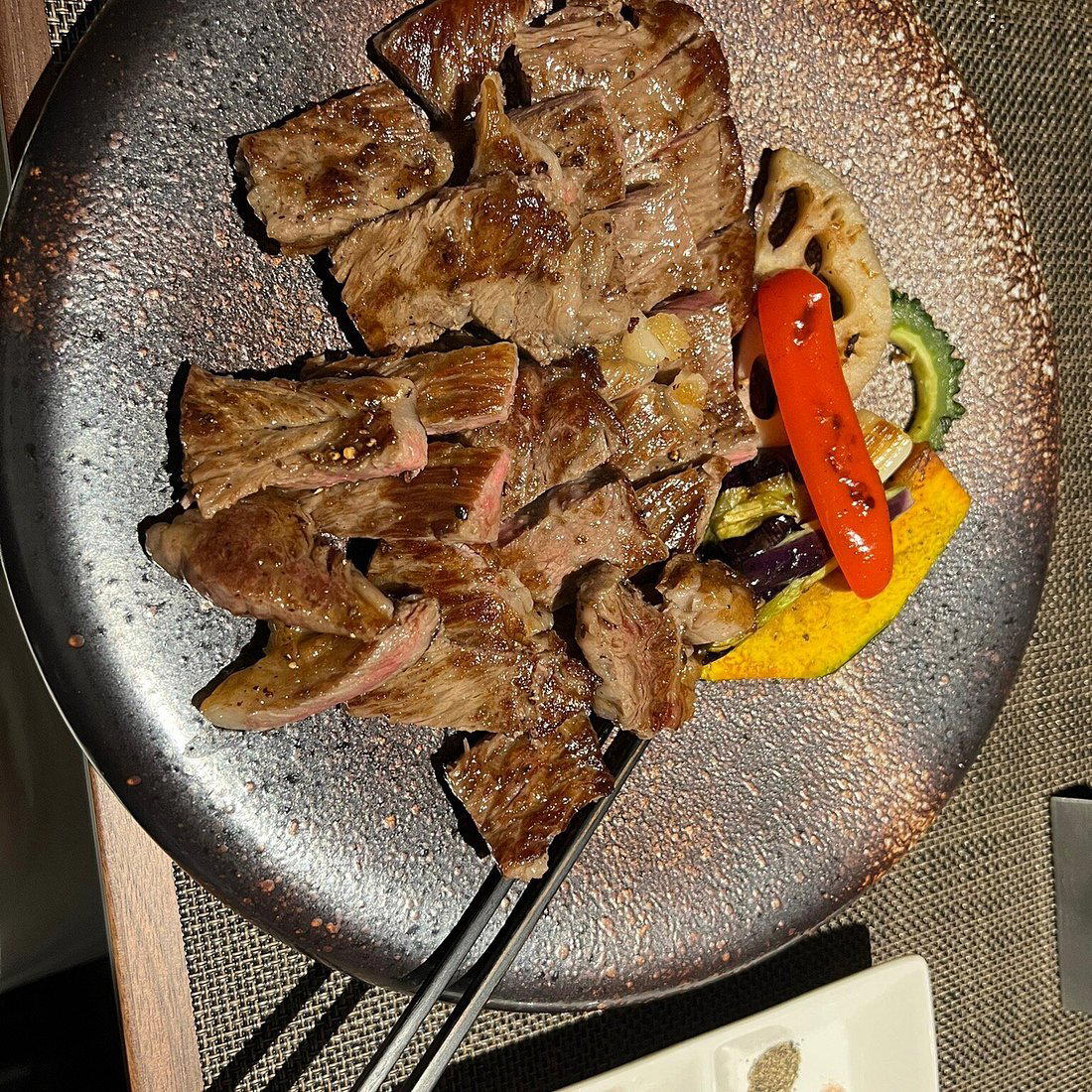
Teppanyaki in Tokyo: The Counter, the Flame, and the Room
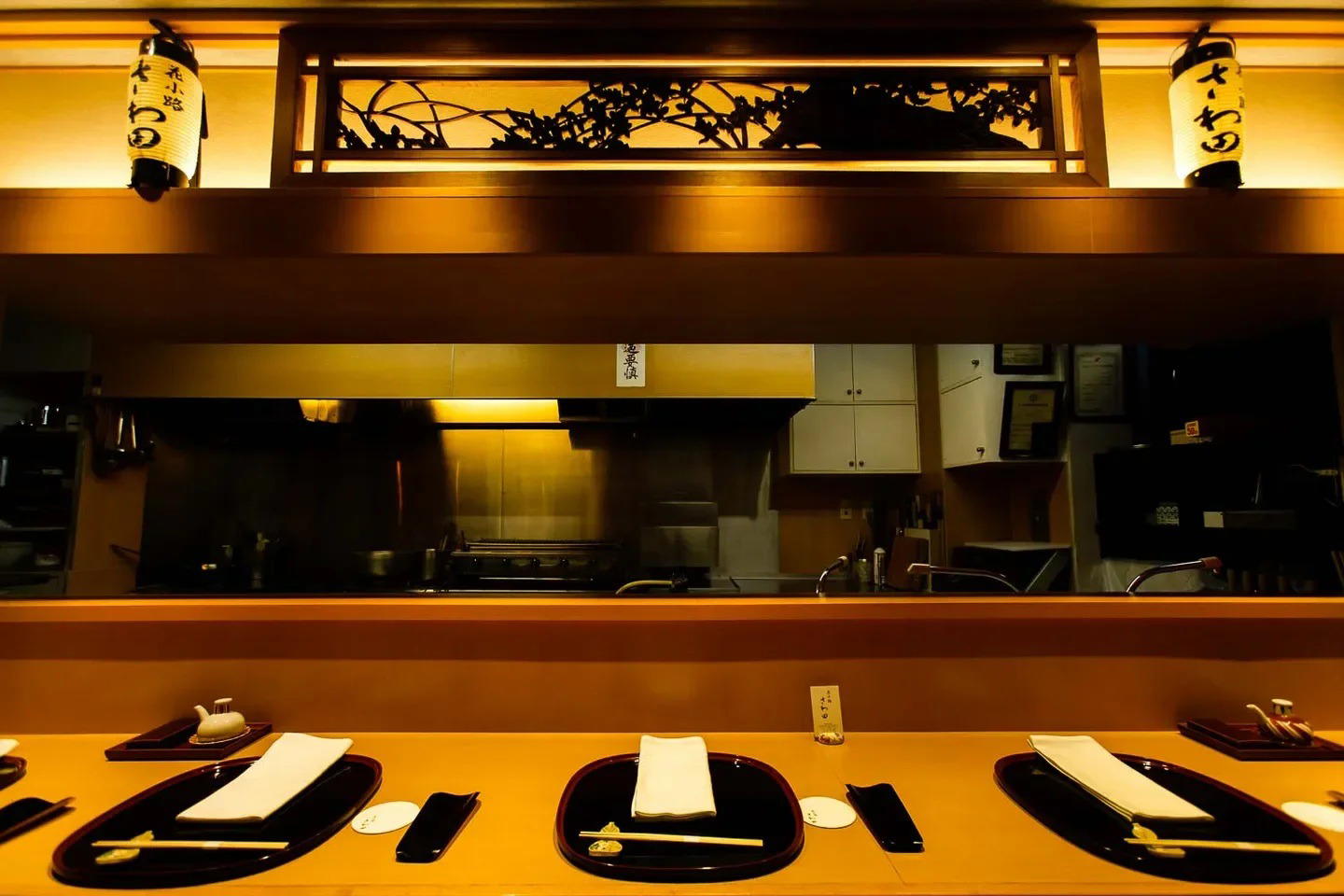
There is a particular choreography to teppanyaki dining that sets it apart from other premium Japanese formats. The iron griddle runs the length of the counter, the chef works at arm's reach, and the sequence of heat, timing, and carving happens in full view. At Teppanyaki Dining KUNI, a Teppanyaki Wagyu Steakhouse in Tokyo's Koto City, that format is the core offering. The address places it east of central Tokyo, in a district that has grown steadily as a destination for residents and visitors alike, removed from the denser Ginza and Roppongi clusters.
The Teppanyaki Format in Tokyo's Premium Tier
Tokyo's premium steakhouse and teppanyaki sector occupies a specific lane in the city's broader fine dining structure. It sits adjacent to, but distinct from, the kaiseki tradition represented by venues like RyuGin or the French-influenced counters such as Sézanne and L'Effervescence. Where those formats rely on a succession of small, composed courses, teppanyaki centers on a different kind of drama: the transformation of a single primary ingredient, typically premium Japanese beef, through direct contact with a flat steel surface at controlled temperature. The skill lies in managing that transformation without losing the fat structure or moisture content that defines high-grade wagyu.
Across Tokyo, teppanyaki venues at the upper price tier tend to operate with small seatings, controlled counter layouts, and a service model where the cooking team and floor staff work as an integrated unit. The counter format naturally demands coordination: a chef who reads the pace of each guest, a sommelier who times pours to the rhythm of the courses, and a floor team that manages the room without disrupting the intimacy of the counter. This is the team dynamic that distinguishes serious teppanyaki from the performance-first variants common at hotel chains. The cooking is the performance, and everything else supports it.
The Address and Its Context
Koto City is not the traditional home of Tokyo's high-end dining scene, which has historically concentrated in Ginza, Marunouchi, and the western neighborhoods around Aoyama and Minami-Aoyama. That concentration has shifted over the past decade as the city's restaurant footprint expanded, partly driven by rising rents in central wards and partly by the opening of new cultural and residential infrastructure in the eastern districts. Koto, which includes the waterfront areas developed ahead of the 2020 Olympics, now hosts a broader range of dining options than it did fifteen years ago. A restaurant at this address operates with lower visibility among the international dining press than one in Ginza, which means its reputation depends more heavily on word-of-mouth and repeat local custom than on placement in international rankings.
Comparisons with other Japanese cities are also useful: HAJIME in Osaka, Gion Sasaki in Kyoto, and Goh in Fukuoka each reflect how premium Japanese dining traditions express differently across cities, and teppanyaki occupies a similarly distinct niche within each local market.
Service Structure and the Integrated Team
The editorial angle most relevant to teppanyaki as a format is collaboration. Unlike an omakase sushi counter, where the itamae controls nearly every element of the experience, or a kaiseki kitchen, where courses emerge from a brigade behind closed doors, teppanyaki requires that the chef, the service team, and any beverage program operate in visible, real-time coordination. The guest watches all of it. A well-run teppanyaki counter reads like chamber music: each role distinct, the timing shared.
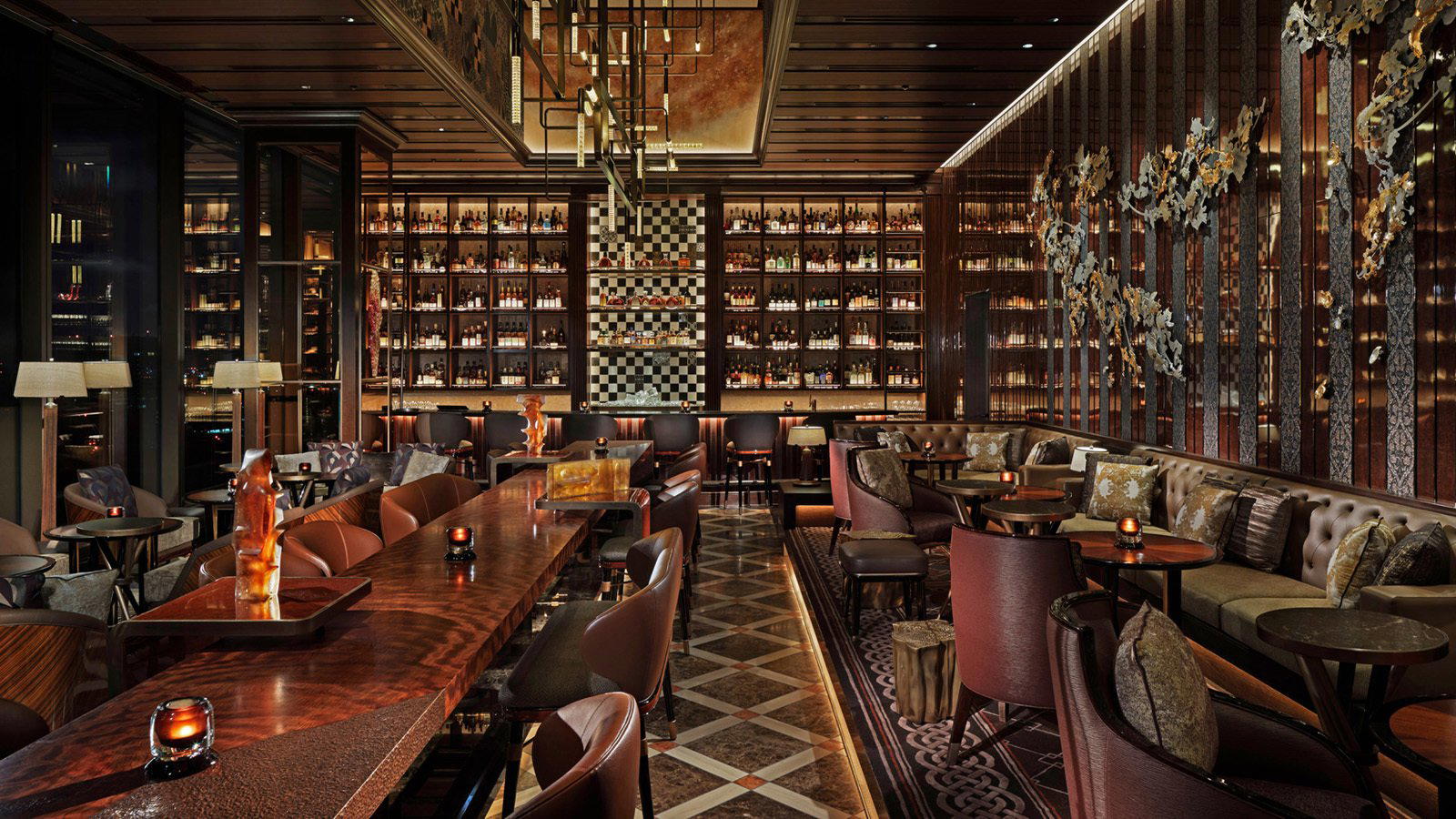
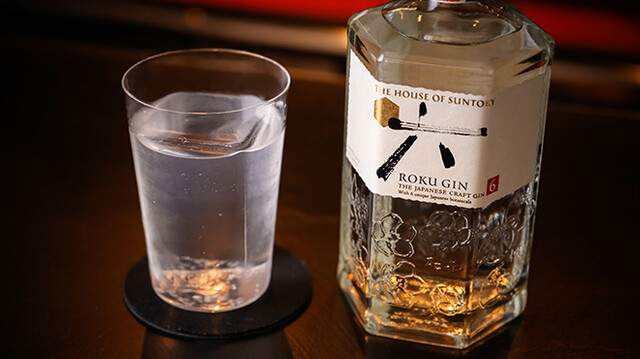
In Tokyo's more refined teppanyaki rooms, beverage programs have grown in ambition. Japanese whisky pairings, sake selections calibrated to the fat content and grade of the beef, and wine lists that have moved beyond the generic French Burgundy default now appear regularly at the upper tier. The sommelier role at these counters is not ceremonial; it requires the same technical knowledge of the primary ingredient that the chef brings, because the pairing changes meaningfully depending on whether the beef is A4 or A5 grade, and whether it is leaner loin or heavily marbled rib.
Situating Kuni in the Wider City
Teppanyaki Dining KUNI is best understood through the category it occupies rather than through a ranking within it. Teppanyaki in Tokyo draws from a tradition that formalized in the post-war period and developed its premium tier through the global export of wagyu culture. Restaurants in this category are measured against each other on the consistency of their beef sourcing, the precision of their heat management, and the quality of a service experience that makes the counter feel personal rather than theatrical.
Teppanyaki fits alongside other formats. Counter-based sushi at venues like Harutaka and contemporary French cooking at Crony occupy the same general price bracket in the city's premium tier but offer fundamentally different dining experiences. Teppanyaki sits between the two in sensory terms: more interactive than a tasting menu, more ingredient-focused than a multi-course French progression. Internationally, the counter-experience dynamic at high-end teppanyaki rooms has more in common with the precision service model at Atomix in New York City or the cooking-as-theater approach at Le Bernardin than with casual steakhouse formats.
Elsewhere in Japan, regional dining traditions offer useful contrast: akordu in Nara, Bistro Ange in Toyohashi, and venues in smaller cities like Nanao, Sapporo, Takashima, Nishikawa Machi, and Sakai show how Japan's premium dining culture extends well beyond the metropolitan cluster.
Planning Your Visit
Address: 1 Chome-11-1 Mori, Koto City, Tokyo 135-0001, Japan. Reservations: recommended. Dress: casual. Budget: about $40 per person. Timing: Wed to Fri, 5 to 11 PM; Sat and Sun, 11:30 AM to 2 PM and 5 to 11 PM.
Where the Accolades Land
Comparable venues nearby, for context on price, style, and recognition.
| Venue | Cuisine | Price | Notes |
|---|---|---|---|
| Teppanyaki Dining KUNIThis venue — the venue you are viewing | Teppanyaki Wagyu Steakhouse | $$$ | Not listed |
| 麺尊RAGE | Modern Shamo Shoyu Ramen | $$$ | Suginami |
| 焼鳥 髙はし | Michelin-Starred Yakitori | $$$ | Chūō |
| Kanda Koju | Traditional Japanese Izakaya & Sake Bar | $$$ | Chiyoda |
| YAKINIKU A FIVE 徳 銀座八丁目店 | Premium Japanese Yakiniku | $$$ | Chiyoda |
| Yakiniku Horumon Kinju Hanare | Yakiniku & horumon with Morioka-style cold noodles | $$$ | Minato |








At a Glance
- Relaxed
- Intimate
- Date Night
- Special Occasion
- Open Kitchen
- Sake Program
Current opening hours
- Monday
- Closed
- Tuesday
- Closed
- Wednesday
- 5–11 PM
- Thursday
- 5–11 PM
- Friday
- 5–11 PM
- Saturday
- 11:30 AM–2 PM, 5–11 PM
- Sunday
- 11:30 AM–2 PM, 5–11 PM
Hours can change for holidays and private events. Last verified .
Calm and welcoming atmosphere in a tiny restaurant with few tables amid apartment buildings.