

Namaiki is a Sotokanda yakiniku address with Tabelog 100 Yakiniku Tokyo 2025 selection, OAD Japan Recommended recognition for 2026, and a dinner spend listed at JPY 10,000–14,999. Its appeal sits in the evening-only yakiniku lane: structured enough for destination planning, less formal than Tokyo’s counter-led tasting rooms, and useful for groups who want beef without sushi-counter choreography.
Pearl is the En Primeur Club membership app — saves, bookings, and concierge access live there. Same editors, same standards.
- Address
- Japan, 〒101-0021 Tokyo, Chiyoda City, Sotokanda, 6 Chome−14−7 Vort末広町 2F
- Phone
- +81 3-5817-8929
- Website
- instagram.com
 Saves & bookings on Pearl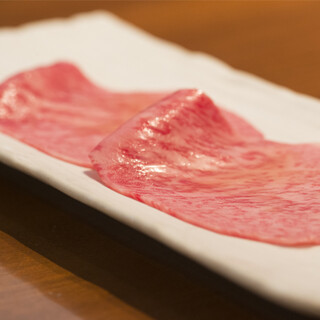
VORT Suehirocho’s second floor lifts dinner above the street. In Sotokanda and Akihabara, where retail glare, station traffic, late electronics runs, curry counters, cafés, and fast turnover dominate, that matters. A serious yakiniku room slows the pace: transit energy becomes table control; quick fuel becomes grill timing, shared plates, smoke management, and the small decisions that define Japanese barbecue.
Tokyo yakiniku is not only expensive beef. The stronger rooms distinguish themselves through sourcing discipline, cut selection, offal literacy, ventilation, pacing, and service fluency. Namaiki sits in that deliberate bracket. Its credentials are substantial: selected for Tabelog 100 Yakiniku Tokyo 2025, listed by Opinionated About Dining as Recommended in its 2026 Japan restaurants guide, and carrying earlier Tabelog Award recognition, including Silver in 2017 and Bronze from 2018 through 2020. Those signals place it above casual grill-and-beer without pushing it into the hushed theatre of Tokyo’s small counter restaurants.
Sotokanda yakiniku after dark, not an all-day dining play
The lunch-versus-dinner answer is clean: this is an evening restaurant. Tokyo has many lunchtime value formats, especially around Akihabara and Ueno, where curry, ramen, set meals, and café plates compete on speed and price. Nearby, BROWNIE and CRANE sit in a much lower everyday spend band, while Caligari Akihabara occupies the curry lane at a modest price point. That daytime ecosystem is useful, but it is not Namaiki’s context.
Yakiniku changes at dinner. The format rewards tables not rushing between trains, offices, and shopping errands. Cooking at the table creates a rhythm for groups, pairs, and families with older children: order, grill, pause, adjust, drink, repeat. The value is not a bargain lunch set; it is an evening whose architecture is beef, tripe, drinks, and pacing. Tori Tsune Shizen Do, also in Tokyo, signals another split, with both higher evening spend and lower lunch spend listed. Namaiki reads more clearly as a dinner commitment: choose it when the meal is the anchor, not a stop between appointments.
That makes its Sotokanda position more interesting than it first appears. Akihabara’s dining reputation is often flattened into convenience eating, yet the wider Chiyoda and Ueno-Okachimachi corridor has long supported specialist formats for repeat local diners as much as visitors. Yakiniku can be celebratory without becoming formal, and technical without sushi-omakase etiquette. For travelers building a Tokyo itinerary around contrast, a beef-focused dinner near Suehirocho gives the evening a different register from a seafood counter, yakitori sequence, or kappo room.
Where the awards actually matter
Tabelog 100 selection in Japan signals category strength inside a competitive field, not a universal hierarchy. For yakiniku, that matters: the category spans everyday neighborhood grills, luxury wagyu rooms, offal specialists, Korean-Japanese barbecue houses, and polished celebration restaurants. Namaiki’s repeated presence across Tabelog’s yakiniku and grill selections, plus OAD’s Recommended placement, puts it in the conversation for diners who care about the category itself rather than a generic luxury label.
The scale also separates it from Tokyo’s counter mythology. With 93 seats listed and private rooms available for small parties, the format is a managed dining room rather than an eight-seat chef-led stage. It can absorb groups more naturally than many tasting-menu restaurants and gives the meal social texture: conversation need not compete with a scripted sequence. In a city where high-end dining can turn rigid, structured yakiniku offers another kind of control, centered on timing the grill and sharing the table.
There is a cultural practicality too. Yakiniku is one of Tokyo’s clearest group-dining formats because responsibility is distributed. Guests participate without performing deep culinary knowledge. The restaurant provides cuts, heat, condiments, and service framework; the table sets tempo. That suits visitors wanting a serious Japanese meal with companions who may not want raw fish, counter silence, or a long tasting menu. Informality here is not lack of seriousness; it is another expression of it.
How to place it within a Tokyo itinerary
Namaiki works as the evening endpoint of an east-side day: Ueno museums, Okachimachi shopping, Kanda errands, or Akihabara’s retail overload. The area is dense with cheaper daytime options, so let lunch stay casual and reserve budget and appetite for dinner. That is the real lunch-versus-dinner decision. Do not make this a quick midday meal; use it to structure the night.
For comparison inside Tokyo, Ishibashi points diners toward sushi and freshwater eel rather than grill-table conviviality, while Tori Tsune Shizen Do has a different spend pattern with a visible lunch component. Around Akihabara, lower-priced venues answer speed, convenience, and daily utility. Namaiki answers where beef can carry the evening without turning dinner into ceremony.
Families should read the format carefully. Yakiniku is social and shareable, and private rooms are listed, but the child policy is specific: school-age children are welcomed, younger children face restrictions, and the restaurant sets conditions for families with children aged six and under. It is better for organized family dinners than casual drop-ins with toddlers. For adult groups, couples, and visitors wanting a polished but not silent Tokyo dinner, the case is stronger.
Planning Tokyo around one restaurant rarely pays off; planning around dining modes does. Put this in the yakiniku slot, not the sushi, ramen, or café slot. For nearby and cross-city context, EP Club’s Tokyo coverage can help: Our full Tokyo restaurants guide, Our full Tokyo hotels guide, Our full Tokyo bars guide, Our full Tokyo wineries guide, and Our full Tokyo experiences guide.
For food-focused mapping nearby and beyond, compare the everyday Akihabara orbit with 鮪と炭火焼き うお炭 秋葉原店, the Shinjuku dining field through 12/10 Shinjuku ten, yakitori context at 124. KAGURAZAKA (Yakitori), café culture via 2D Cafe, and curry specificity at 3 Chome no Curry Ya San. Wider Japan and overseas references include -Grilled beef Sukiyaki- KAMAKURA TANUKIAN 鎌倉 たぬき庵 in Kamakura.cafe in Osaka.know in Kumamoto, (Shoku) Vietnam in Kawasaki, [Curry Senmon Ten] Maruyama Kyoju. in Sapporo, [ki:] in Kyoto, Jōdo Saké Bar in Los Angeles, and Onigiri Time in Pasadena.
Cost and Credentials
Comparable venues at the same tier.
| Venue | Cuisine | Price | Notes |
|---|---|---|---|
| NamaikiThis venue — the venue you are viewing | Not listed | $$$ | Not listed |
| Iruka Tokyo Roppongi | Roppongi, Modern Ramen | $$$ | Not listed |
| Kuriya Kashi Kurogi | Not listed | $$$ | Hongo, Bunkyo-ku, Artisanal Japanese Wagashi & Kakigori |
| Chikuyotei (竹葉亭) | Not listed | $$$ | Ginza, Traditional Edomae Unagi and Kaiseki |
| Tori Tsune Shizen Do | Not listed | $$$ | Chiyoda, Traditional Japanese chicken & oyakodon specialist |
| Shutei Yuzawa | Not listed | $$$ | Chūō, Traditional Yakitori & Chicken Dishes |
Recognition history
Dated appearances from independent guides and award organizations, with the underlying list record or original source where available.
Opinionated About Dining Top Restaurants in Japan Recommended
Opinionated About Dining
Tabelog 100 #79 · No. 79
Tabelog · Tabelog 100 - Yakiniku - TOKYO - 2025








At a Glance
- Lively
- Cozy
- Trendy
- Intimate
- Date Night
- Group Dining
- Celebration
- Late Night
- After Work
- Standalone
- Design Destination
- Private Dining
- Sake Program
- Beer Program
Current opening hours
- Monday
- 5–11:30 PM
- Tuesday
- 5–11:30 PM
- Wednesday
- 5–11:30 PM
- Thursday
- 5–11:30 PM
- Friday
- 5–11:30 PM
- Saturday
- 5–11:30 PM
- Sunday
- 5–11:30 PM
Hours can change for holidays and private events. Last verified .
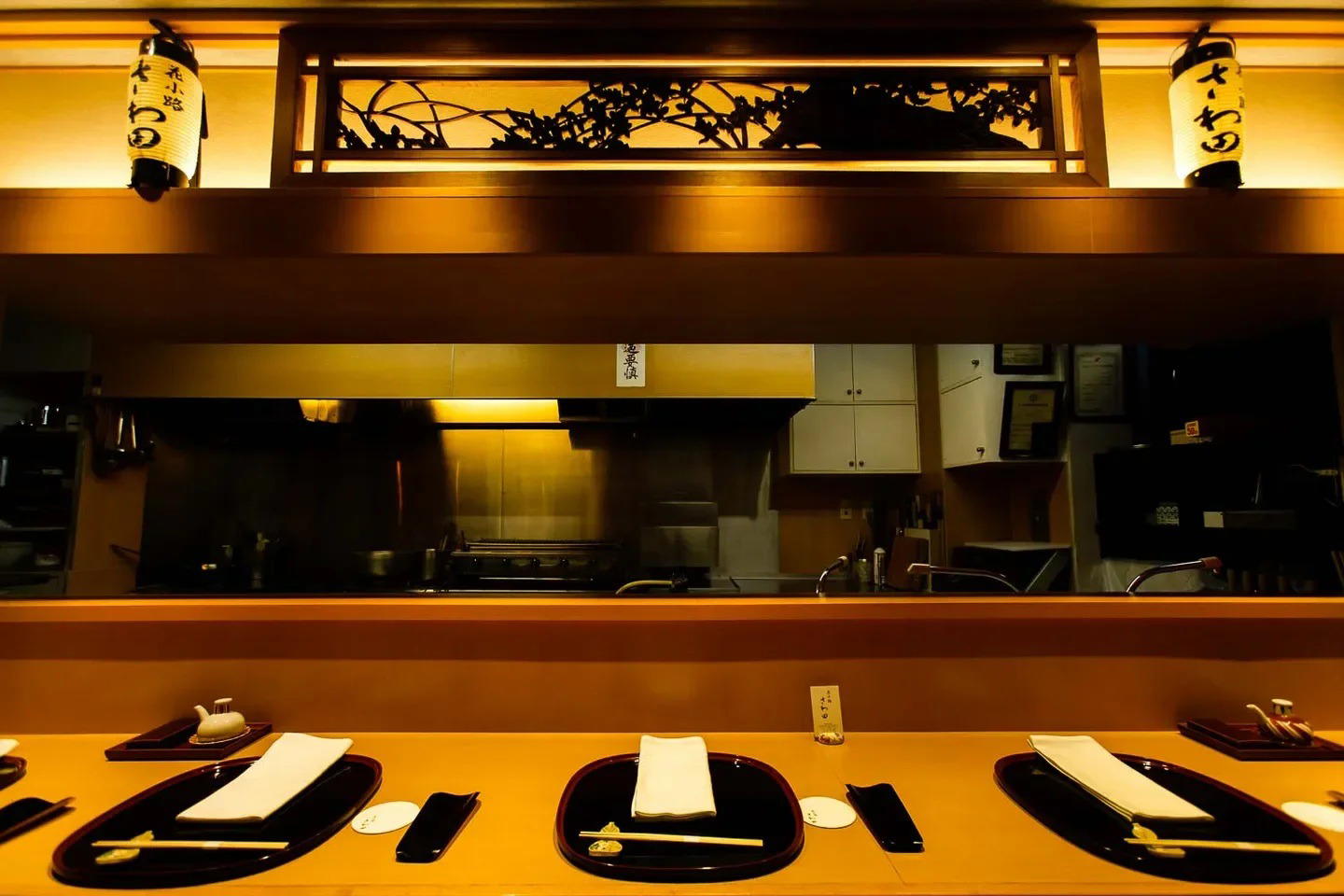
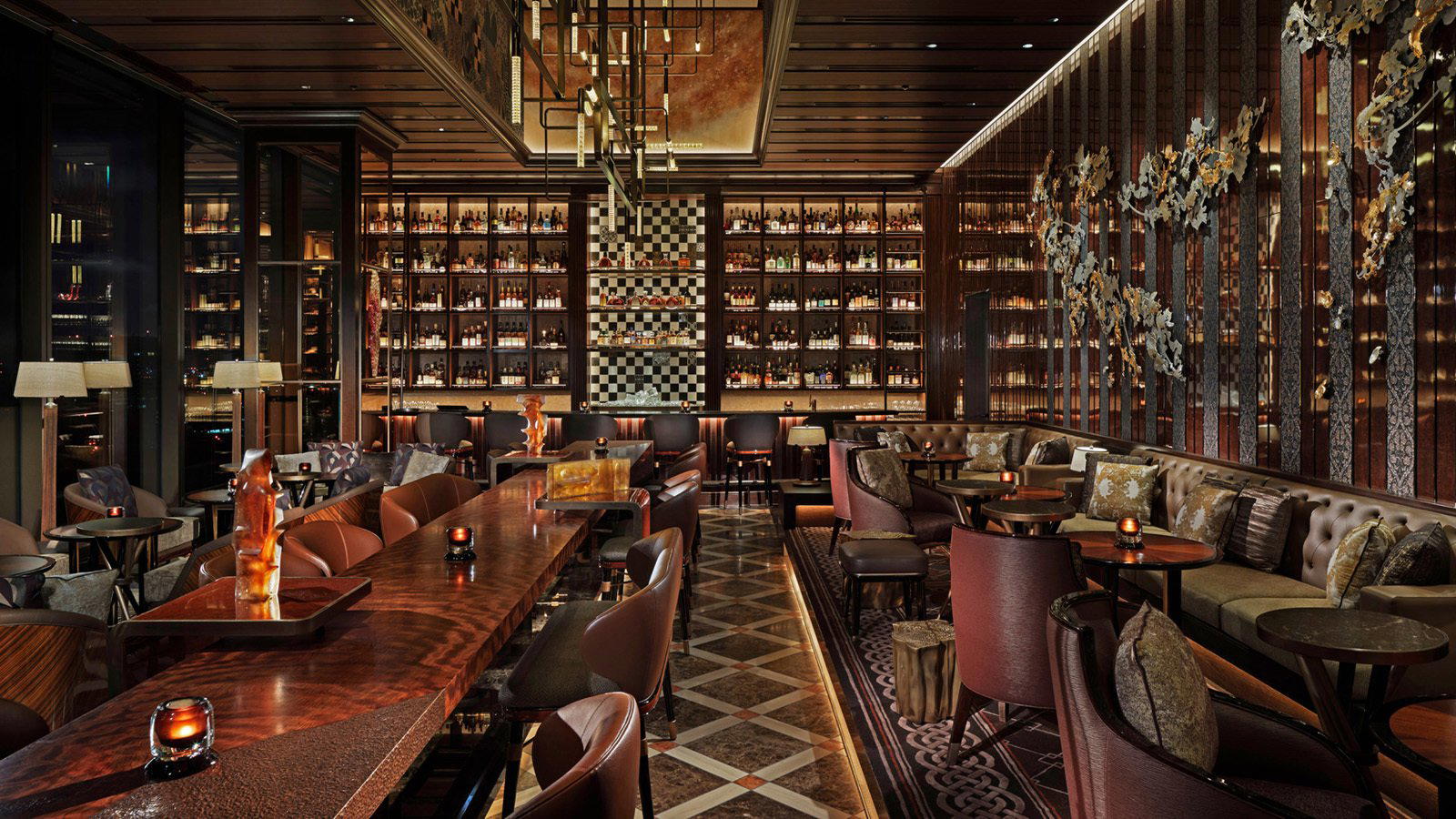
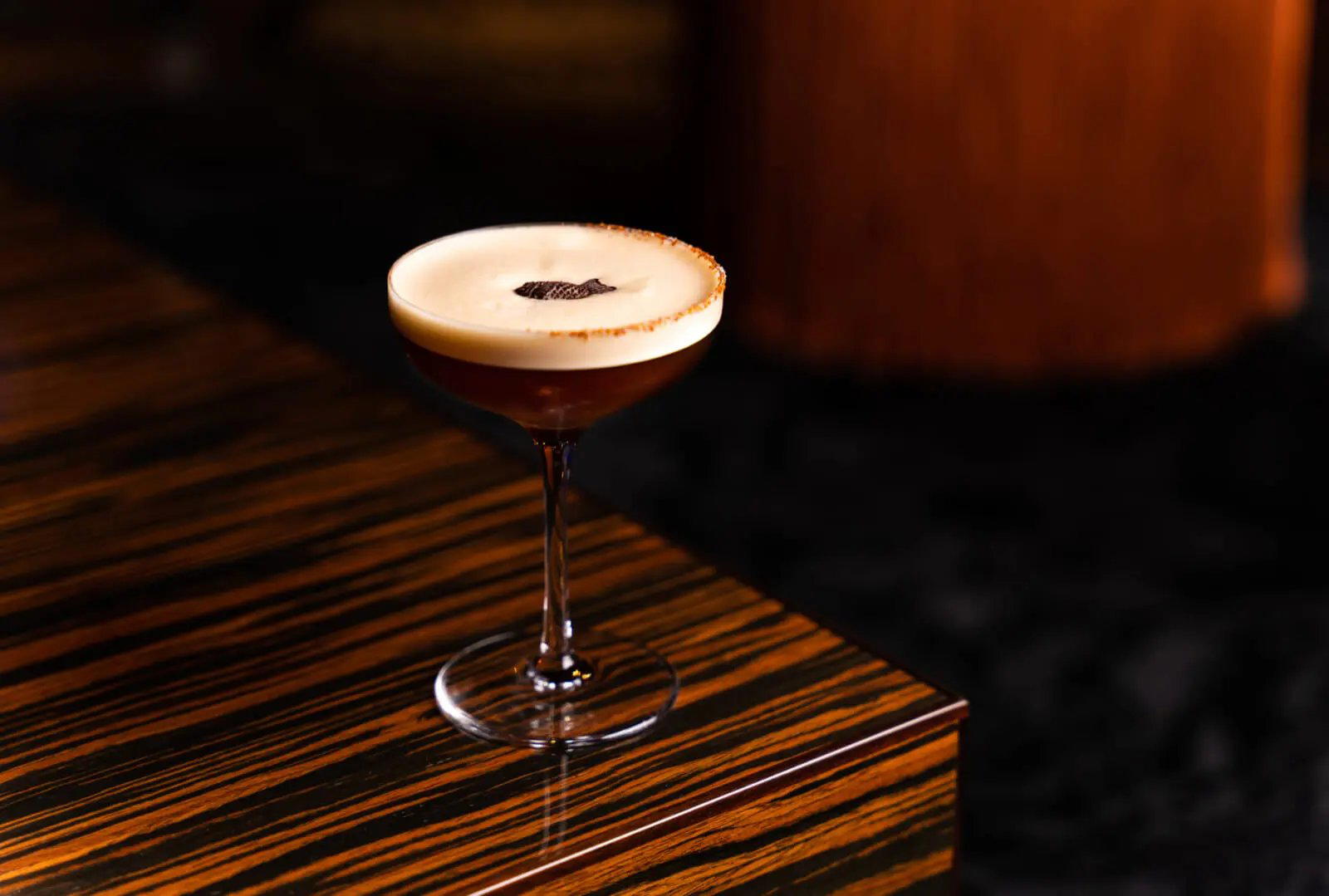
Dim, moody lighting with high-backed booths and partitions that create a semi-private, intimate feel, combined with the energy of a busy yakiniku room centered on premium Wagyu and raw beef dishes.