
An eight-seat sunken tatami counter in Mitaka puts Sakita in Tokyo sushi’s quieter western orbit, away from Ginza’s luxury theatre and closer to a residential, ingredient-led rhythm. Its Tabelog Sushi TOKYO 100 selection in 2025, reservation-only format, and fish-focused course place it in the serious small-counter category without the central-city posture.
Pearl is the En Primeur Club membership app — saves, bookings, and concierge access live there. Same editors, same standards.
- Address
- 東京都三鷹市下連雀1-9-17 Kビル 1F
- Phone
- +81422713133
- Website
- tabelog.com
 Saves & bookings on Pearl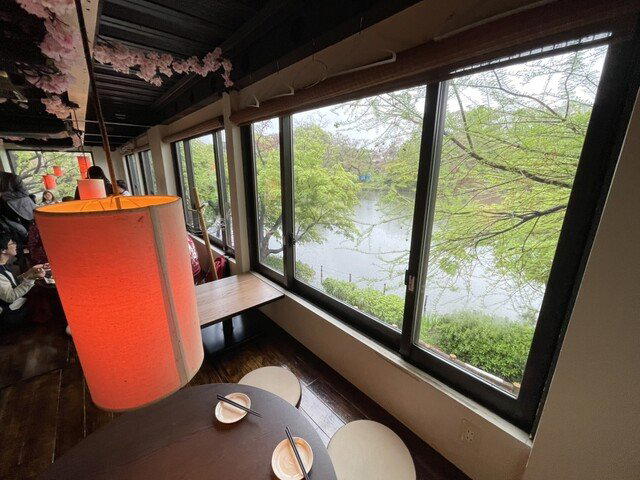
The approach to Mitaka resets expectations before the meal begins. Central Tokyo sushi often means Ginza polish, hotel-adjacent discretion, and counters built for international trophy dining. Out west, near Inokashira Koen and Kichijoji’s residential edge, the pace is different: smaller streets, fewer signals of spectacle, and a counter culture that asks diners to travel for craft rather than address value. Sakita fits that side of the city’s sushi map: an eight-seat sunken tatami counter, intimate by design rather than decoration.
Tokyo sushi is now a split market. One end competes on scarcity, lineage, and global demand; the other remains neighborhood sushi, tied to repeat local custom and seasonal buying. Sakita sits between those poles: reservation-only, listed by Tabelog in its Sushi TOKYO 100 for 2025, and priced below the city’s most aggressive luxury tier while still requiring a serious dinner budget. The combination shows how Tokyo sushi extends beyond the central wards without becoming casual.
Mitaka's small-counter sushi model favors product over performance
The defining signal is not chef mythology or theatrical service. It is the compact room and stated focus on fish. In Tokyo, that usually means a controlled workspace: rice, seafood, slicing, timing, and drink pacing all within a short sightline. The sunken tatami counter gives the room a Japanese domestic register, not the hard-edged minimalism common in newer luxury sushi rooms.
The ingredient argument is broader than one restaurant. Tokyo sushi has absorbed techniques, tools, and expectations from beyond Japan, especially in how high-end counters present themselves to international diners: fixed courses, reservation platforms, wine alongside sake, and a global language of precision. The product still depends on Japanese fish markets, seasonality, and the chef’s judgment of fat, texture, and temperature without turning the meal into a lecture. Sakita lists sake, shochu, and wine, placing it inside the modern format without abandoning the older grammar of a fish-led counter.
That distinction helps visitors plan. This is not competing with low-cost neighborhood specialists such as Gyoza no Harbin or Ganso Stamina Manten Ramen Suzuki, where value, speed, and everyday appetite shape the experience. Nor is it playing the same game as casual western Tokyo stops such as chai break, Shichijo, or pizzeria GG Kichijouji. The decision is clear: this is a planned sushi evening, not a flexible add-on between Kichijoji shopping and a park walk.
The value sits in the middle tier of serious Tokyo sushi
For sushi diners, price band matters. Sakita’s listed lunch and dinner budgets are JPY 15,000 to JPY 19,999, with a selection course noted at JPY 18,000 before tax after a December 2023 revision. In Tokyo terms, that is above casual sushi and below counters where dinner becomes a luxury-hotel-level outlay. Read it not as bargain hunting, but as access to a focused small-counter format without the city’s highest reservation economy.
The Tabelog 100 selection in 2025 gives the restaurant a credible local signal, especially because Tabelog’s Hyakumeiten lists tend to reflect sustained Japanese user attention, not only international press cycles. It was also selected in the same sushi category in 2022. For travelers, that recognition is more useful than vague reputation: it places the counter in a Tokyo sushi conversation including local diners who track quality across neighborhoods, not just visitors chasing central-city names.
Room size has practical consequences. Eight seats leave little margin for improvisation. Small counters reward punctuality, settled dietary expectations, and comfort with a chef-paced meal. The family policy also points to an adult dining environment, with children limited to high school age and above. The meal is not formal in the Western sense; it is structured in the Japanese counter sense, where rhythm is part of the product.
Why the western Tokyo detour changes the meal
Mitaka and Kichijoji have a different dining psychology from Ginza, Roppongi, or Aoyama. The area is close enough to central Tokyo for destination dining, but far enough that a meal must justify transit. That filter often produces sharper local identity. Diners are unlikely to wander in by accident, and the address does not do the prestige work. The room, course, and fish have to carry the evening.
Sakita is therefore a useful counterpoint for travelers building a wider Tokyo itinerary. A day might include city research through Our full Tokyo restaurants guide, hotel planning through Our full Tokyo hotels guide, and later drinking research through Our full Tokyo bars guide. Within that map, this booking shifts attention west, toward a residential district where dinner feels deliberately chosen rather than automatically placed near the hotel.
Tokyo’s appeal is the coexistence of categories that elsewhere is separate trips. A sushi counter in Mitaka can sit in the same research session as . 鮪と炭火焼き うお炭 秋葉原店, 12/10 Shinjuku ten, 124. KAGURAZAKA (Yakitori), 2D Cafe, and 3 Chome no Curry Ya San. The contrast is the point: Tokyo rewards diners who separate occasion, neighborhood, and format instead of asking every meal for the same prestige.
For a wider Japan and travel frame, the logic extends beyond sushi. Regional and overseas Japanese dining references such as -Grilled beef Sukiyaki- KAMAKURA TANUKIAN 鎌倉 たぬき庵 in Kamakura.cafe in Osaka.know in Kumamoto, (Shoku) Vietnam in Kawasaki, [Curry Senmon Ten] Maruyama Kyoju. in Sapporo, [ki:] in Kyoto, Jōdo Saké Bar in Los Angeles, and Onigiri Time in Pasadena show how Japanese technique travels, adapts, and returns. Sakita’s appeal is more contained: a Tokyo sushi counter where local product, compact service, and a west-side address define the reason to go.
For adjacent planning, Tokyo’s dining scene also connects to broader city time through Our full Tokyo wineries guide and Our full Tokyo experiences guide. But this meal should not be over-scheduled. A reservation-only, eight-seat counter asks for a clean evening, not a compressed itinerary.
Standing Among Peers
Comparable venues at a glance for context.
| Venue | Cuisine | Price | Notes |
|---|---|---|---|
| SakitaThis venue — the venue you are viewing | Traditional Edomae Sushi Omakase Counter | $$$ | Not listed |
| Kuroda | Yakiniku (Japanese BBQ) | $$$ | Shibuya |
| Daikanyama Yakiniku Kaneko | Yakiniku (Japanese BBQ) | $$$ | Shibuya |
| Oni Tei | Traditional chicken yakiniku / yakitori in Shibuya | $$$ | Shibuya |
| Komiyama | Yakiniku (Japanese BBQ) | $$$ | Minato |
| LIKE | Modern Japanese | $$$ | Minato |
Recognition history
Dated appearances from independent guides and award organizations, with the underlying list record or original source where available.
Tabelog 100 #79 · No. 79
Tabelog · Tabelog 100 - Sushi - TOKYO - 2025
Continue exploring
More in Tokyo
Restaurants in Tokyo
Browse all →




Bars in Tokyo
Browse all →




Hotels in Tokyo
Browse all →




Wineries in Tokyo
Browse all →
At a Glance
- Intimate
- Cozy
- Classic
- Elegant
- Date Night
- Special Occasion
- Business Dinner
- Solo
- Chefs Counter
- Standalone
- Design Destination
- Sake Program
- Local Sourcing
- Sustainable Seafood
An intimate, reservation-only sunken-tatami counter with just eight seats, non-smoking and quietly relaxed, offering a classic, refined neighborhood sushi experience in a residential house-like setting.