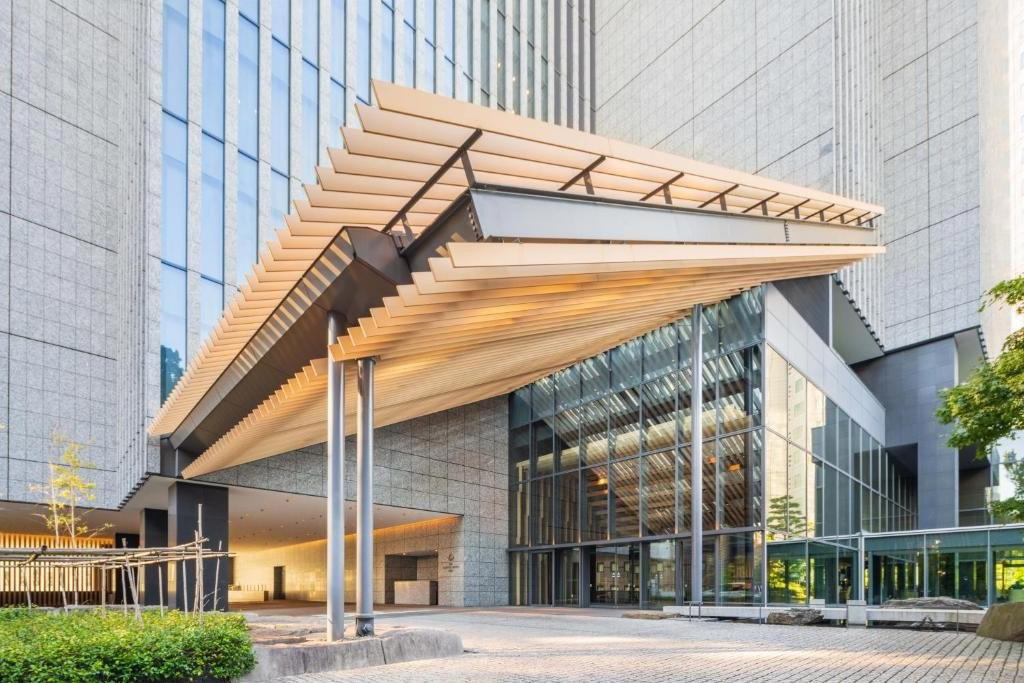
Iizaka occupies the ground floor of Grand View Oak in Yotsuya, Shinjuku, sitting at a address that places it squarely within Tokyo's serious dining corridor. The restaurant operates in a city where imported culinary technique meets Japanese ingredient rigour at every price point, making its position in that conversation worth understanding before you book.
Pearl is the En Primeur Club membership app — saves, bookings, and concierge access live there. Same editors, same standards.
- Address
- Japan, 〒160-0004 Tokyo, Shinjuku City, Yotsuya, 4 Chome−22−17 グランドゥールオークラ 1F
- Phone
- +81359258250
- Website
- facebook.com
- Directions
- Get directions
 Saves & bookings on Pearl
Yotsuya's Dining Register, and Where Iizaka Fits
Shinjuku's dining geography splits sharply between mass-market volume and a quieter tier of neighbourhood-embedded restaurants that operate with more restraint. Yotsuya, the district's calmer southeastern edge, has long attracted this second category: smaller, less tourist-facing, and often running formats that reward returning visitors over first-time walk-ins. Iizaka sits on the ground floor of Grand View Oak in Yotsuya 4-chome, a residential-leaning address that signals something about the restaurant's orientation. This is not a location chosen for foot traffic.
Tokyo's premium dining market has stratified considerably over the past decade. At one end sit the high-visibility counters of Ginza and Azabu, with international reservation queues. At the other, a denser mid-tier populates neighbourhoods like Yotsuya, Yoyogi-Uehara, and Sangenjaya, where local following and word-of-mouth carry more operational weight than global press coverage. Iizaka's address places it in that second orbit, which carries its own logic: lower overhead than Ginza's prime real estate, a clientele that tends to return, and a format less pressured by the performance expectations that accompany trophy-district dining. For comparison, Harutaka and RyuGin operate in the higher-visibility, higher-pressure tier of Tokyo dining, each anchored by international demand.
The Intersection of Imported Method and Japanese Product
The broader story in Tokyo's restaurant scene over the past two decades has been the productive friction between Japanese ingredient culture and technique imported from Europe, particularly from France. That exchange now runs in both directions. Chefs who trained in French kitchens return to work with domestic producers. European-trained cooks come to Japan specifically to access ingredient quality unavailable at home. The result is a category of restaurants that cannot be classified simply as Japanese or Western, because the interesting work happens at the boundary.
This is the editorial angle most relevant for Yotsuya's serious dining tier. Restaurants here frequently work with seasonal Japanese produce, domestic fish, and local fermented condiments while applying plating discipline, sauce construction, or aging methods drawn from classical European training. The approach is not fusion in the 1990s sense; it is something more methodical, where the imported technique functions as a tool applied to ingredients that would never leave Japan in lesser hands. Venues like L'Effervescence and Sézanne have made this dialogue central to their identity at the high end. Crony operates in a more casual register within the same conversation. Iizaka's Yotsuya address and building context suggest a neighbourhood-scale participant in the same broader pattern.
Across Japan, this method-meets-ingredient approach has produced some of the country's most discussed restaurants. HAJIME in Osaka and Gion Sasaki in Kyoto each represent regional variations on the question of how Japanese culinary identity absorbs and responds to global technique. akordu in Nara applies European wine-pairing culture to Japanese kaiseki rhythm. Goh in Fukuoka runs a similar exchange from the opposite direction. The conversation is national, and Tokyo remains its most concentrated point.
What the Yotsuya Address Implies for the Visitor
Dining in a residential district like Yotsuya requires a different posture than arriving at a Ginza counter. There is less ambient theatre. The street-level approach to Grand View Oak is functional rather than ceremonial, which means the experience begins inside. Restaurants in this bracket typically invest in the interior environment and the hospitality register rather than the address itself. This is consistent with a category of Tokyo dining that prioritises the meal over the setting's external legibility.
Seasonality matters in this tier. Tokyo's serious neighbourhood restaurants calibrate their menus tightly to the agricultural and fishing calendars, and the gap between spring, summer, autumn, and winter visits can be substantial. This is less visible at large-format restaurants where ingredient sourcing is spread across a broader base, and more pronounced at smaller operations where the menu's core may shift entirely between seasons. Visiting in autumn, when domestic mushrooms, citrus, and cold-water fish are at peak, tends to produce a different result than a summer visit anchored by young vegetables and lighter preparations.
For broader context on dining patterns across Japanese cities, the regional picture includes notable addresses well outside Tokyo. 一本木 志川制 in Nanao, 夕佳乃山乃 in Sapporo, 湖畔荘 in Takashima, and 庄羽屋 in Nishikawa Machi each represent the depth of Japan's regional dining culture, often working with hyper-local producers that Tokyo restaurants cannot access directly. Birdland in Sakai and Bistro Ange in Toyohashi show how mid-sized Japanese cities support specialist formats that hold their own on the national stage.
Planning Your Visit
Planning details below are contextual rather than specific.
| Venue | District | Cuisine Tier | Price Range | Format Signal |
|---|---|---|---|---|
| Iizaka | Yotsuya, Shinjuku | Neighbourhood dining | ¥¥¥ | Ground-floor, residential building |
| Harutaka | Ginza | Premium sushi | ¥¥¥¥ | Counter, omakase |
| L'Effervescence | Nishi-Azabu | Premium French | ¥¥¥¥ | Full-service, seasonal |
| Crony | Yoyogi-Uehara | Innovative French | ¥¥¥¥ | Neighbourhood, chef-led |
Yotsuya is accessible from Yotsuya Station, served by the JR Chuo and Sobu lines and the Tokyo Metro Marunouchi and Namboku lines. The neighbourhood sits between Shinjuku and Akasaka, roughly equidistant from both, which makes it a reasonable anchor for an evening that begins or ends in either district. Walking from the station to the Yotsuya 4-chome address takes under ten minutes depending on which exit you use.
For international visitors calibrating against comparable restaurant cultures, the Yotsuya neighbourhood format has some parallel with the arrondissement-level Paris bistro tier or the kind of address that Le Bernardin in New York or Atomix in New York sit above: serious cooking in a lower-theatre setting, where the clientele arrives knowing what it wants and the restaurant delivers without needing to explain itself.
Peers You’d Cross-Shop
Comparable venues nearby, for context on price, style, and recognition.
| Venue | Cuisine | Price | Notes |
|---|---|---|---|
| IizakaThis venue — the venue you are viewing | French with Seasonal Japanese Ingredients | $$$ | Not listed |
| シェ オリビエ | Classic French Cuisine | $$$ | Chiyoda |
| 玉笑 | Yoshoku French Bistro | $$$ | Shibuya |
| Dame Jeanne | French Bistro | $$$ | Shibuya |
| La Boutique de Joël Robuchon Marunouchi burikkusukuea ten | French Bakery-Café | $$$ | Chiyoda |
| モルソー | Casual French Bistro | $$$ | Shinagawa |







At a Glance
- Intimate
- Elegant
- Date Night
- Special Occasion
- Standalone
Current opening hours
- Monday
- Closed
- Tuesday
- 12–3 PM, 6:30–11 PM
- Wednesday
- 12–3 PM, 6:30–11 PM
- Thursday
- 12–3 PM, 6:30–11 PM
- Friday
- 12–3 PM, 6:30–11 PM
- Saturday
- 12–3 PM, 6:30–11 PM
- Sunday
- 12–3 PM, 6:30–11 PM
Hours can change for holidays and private events. Last verified .
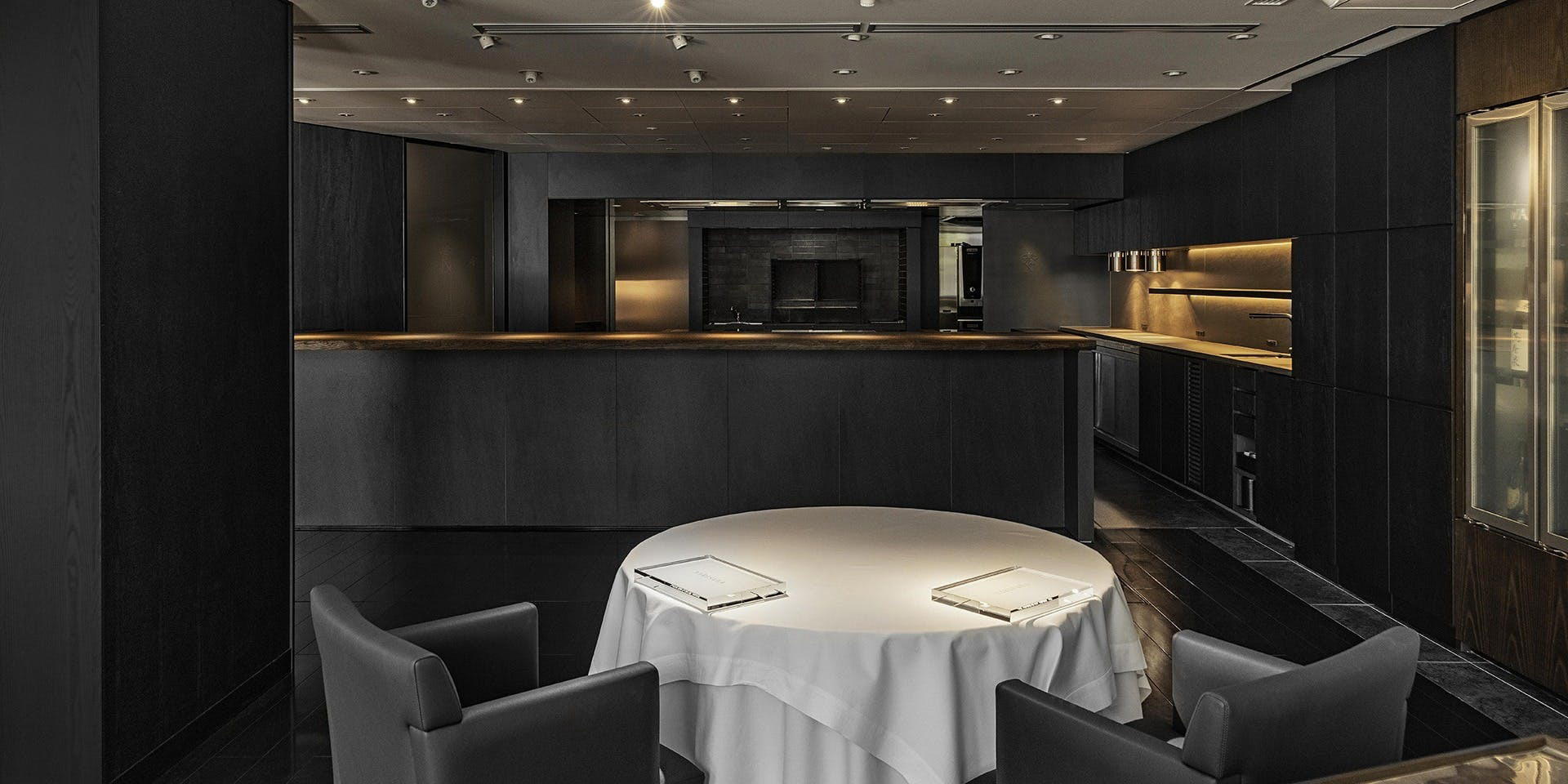
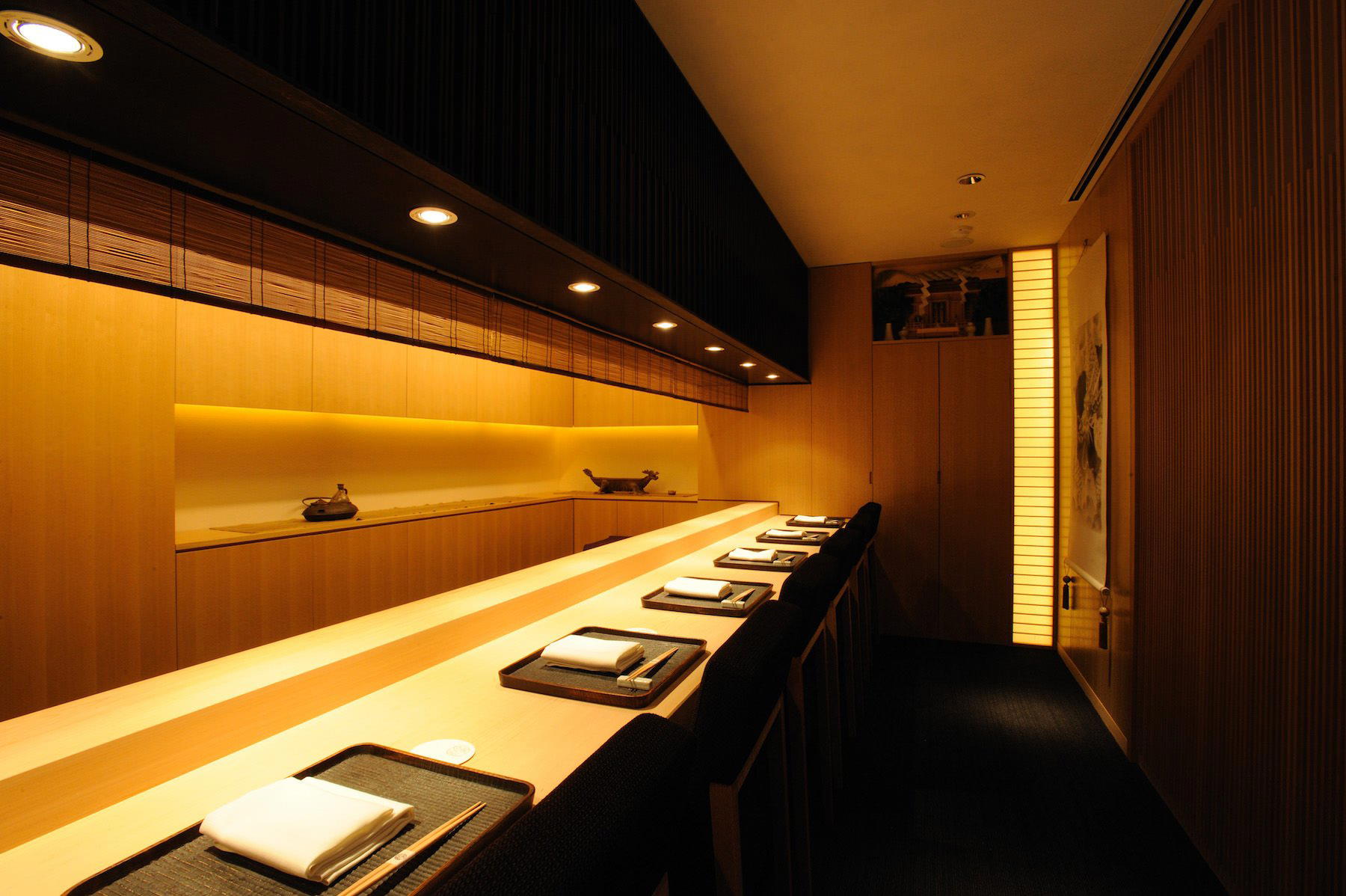
Intimate and elegant with a focus on seasonal, high-quality ingredients in a small setting.